
This Michigan City Becomes A Giant Outdoor Art Gallery Every Winter, And 2027 Could Be Its Best Year Yet
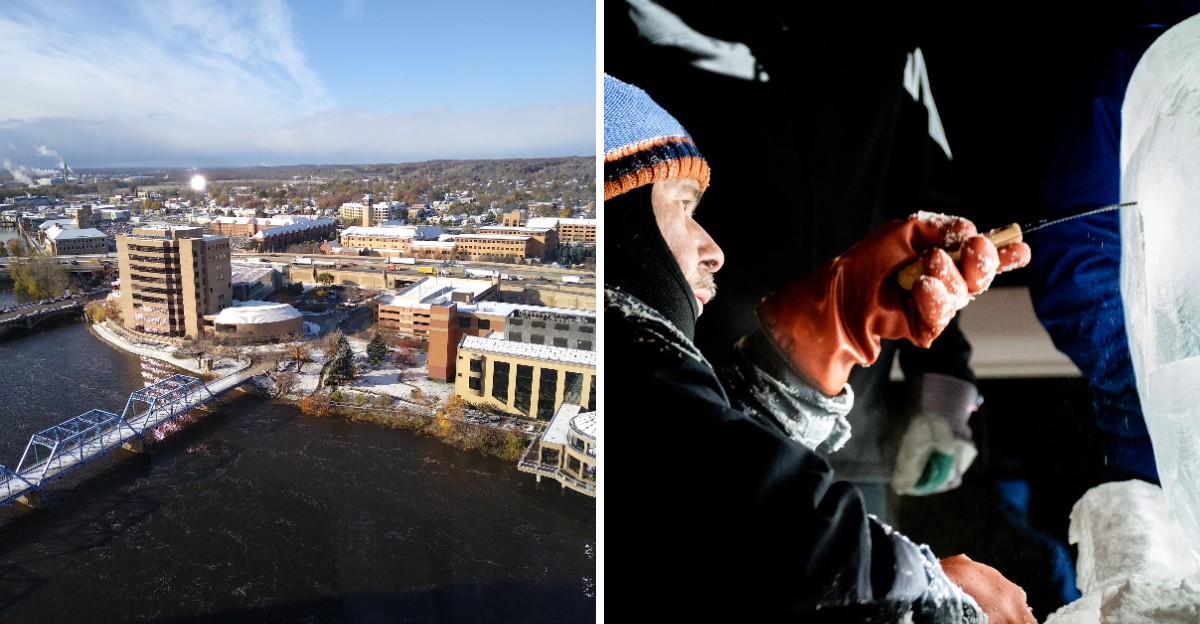
Winter gets much easier to appreciate when the city itself becomes part of the entertainment. In Grand Rapids, bridges, parks, and riverfront paths turn into an open-air gallery filled with light, color, and playful installations that make cold nights feel worth leaving the house for.
The 2027 event is scheduled for January 8 through February 28, giving the season a long stretch of free public art and outdoor programming.
Instead of hiding from the cold, visitors can experience one of Michigan’s most creative winter festivals through glowing installations, public spaces, and after-dark walks across Grand Rapids.
What I like most is how the city changes once the lights come on. Familiar corners suddenly feel theatrical, and even a short walk can become a scavenger hunt for the next surprise.
The lineup is still developing, so check current details before going, then bundle up and give yourself time to wander.
Darkness Gives The Art Another Dimension
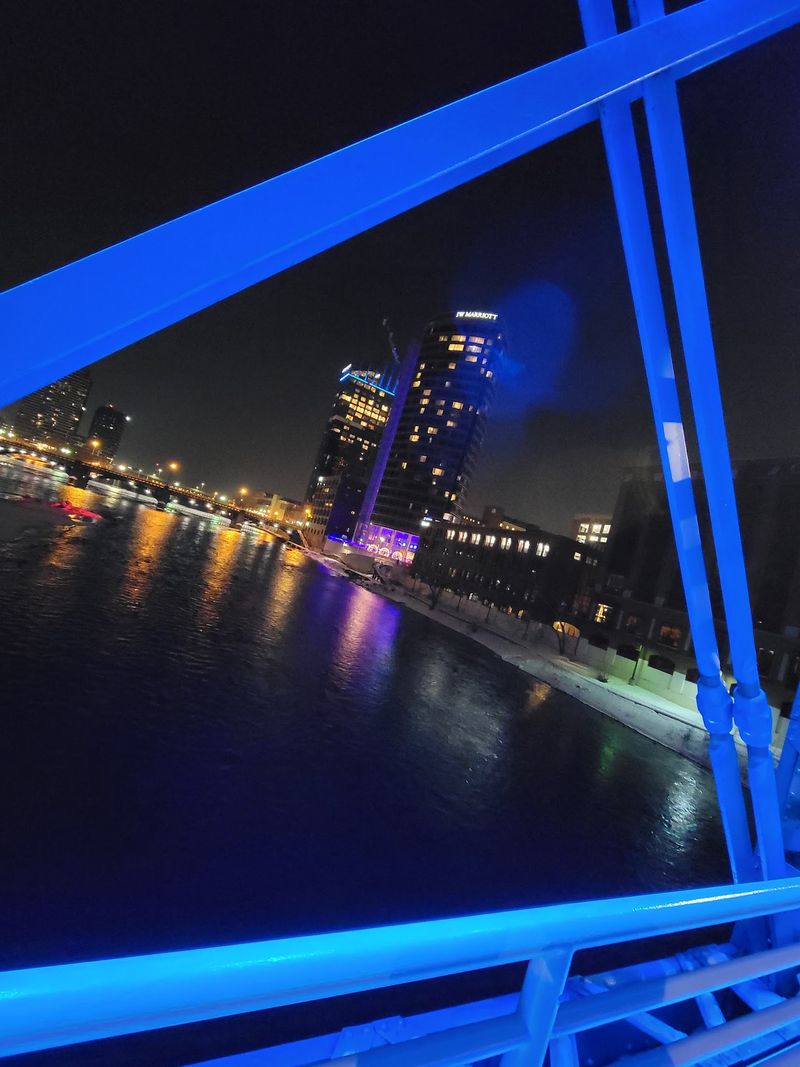
Light behaves differently when the sky turns dark and snow brightens the ground below. Many World of Winter installations are best experienced after 6 PM, when their colors and illuminated shapes become the main event.
Plan an evening visit if glowing artwork tops your wish list. Arriving before sunset also lets you see how the same public space changes from an ordinary downtown setting into an outdoor gallery.
Keep your schedule loose enough to linger at one piece without rushing toward the next. Check the posted hours for anything you especially want to see, and remember that your comfort matters too.
A shorter evening with warm fingers is usually more enjoyable than a long march with numb hands and a fading phone.
Downtown Is The Festival Map
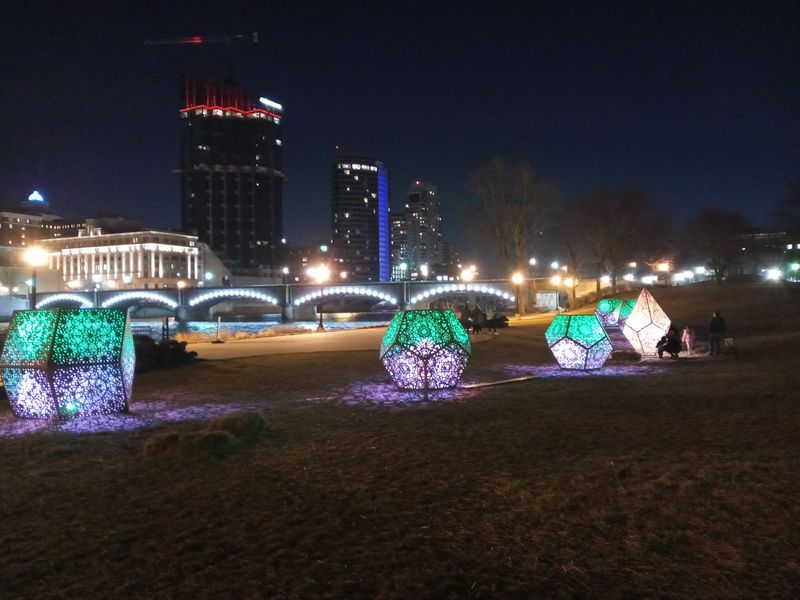
World of Winter spreads across Downtown Grand Rapids, Michigan, from January 8 through February 28, 2027. Instead of aiming for one venue, head into the downtown core and use the official festival map once the 2027 installation locations are released.
The final approach depends on which artwork or event you want to see, because installations are placed throughout downtown rather than clustered behind one entrance. Many pieces are designed to be experienced after dark, so the parks, plazas, and riverfront spaces become the landmarks once you start exploring on foot.
Park in a downtown public garage or legal street space near your chosen starting point, then continue through the festival on foot. Since the 2027 hotspots and suggested routes are still forthcoming, check the current festival map before deciding exactly where to leave the car.
Follow The River, Not A Rigid Checklist
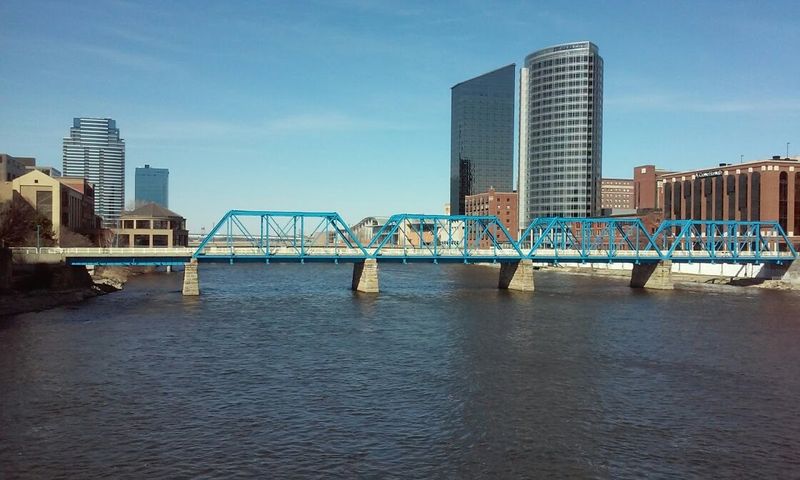
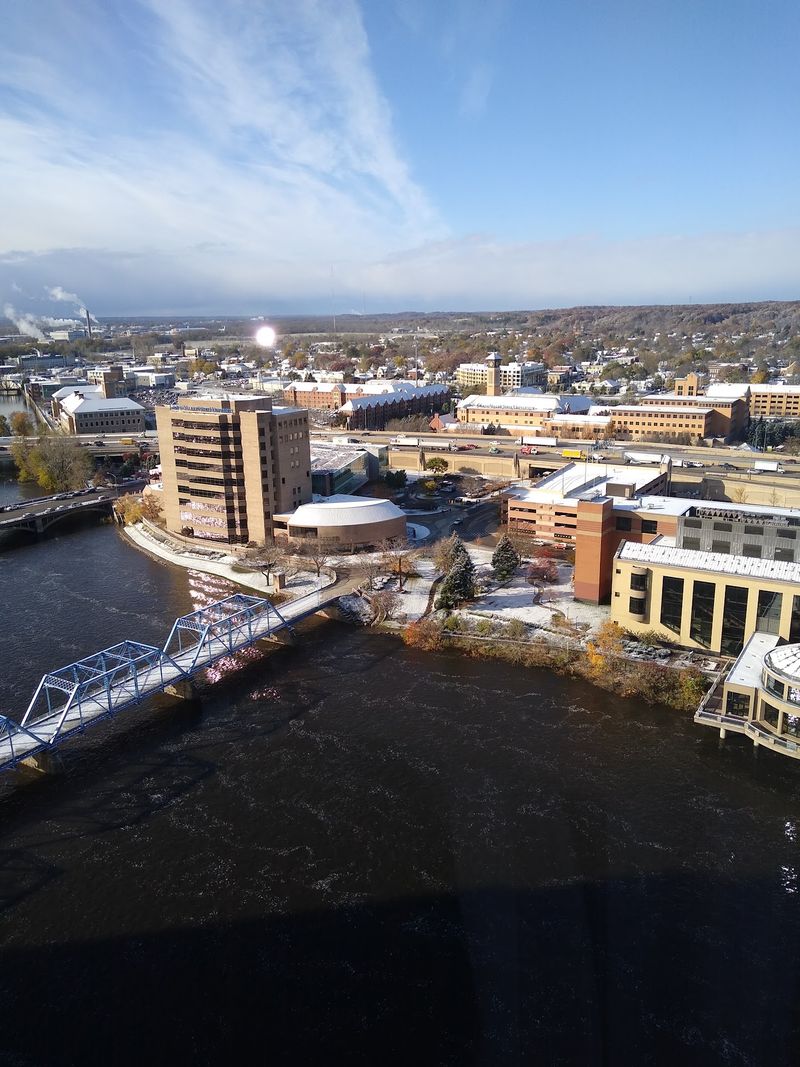
The Grand River gives this scattered gallery a useful backbone. World of Winter has expanded along its corridor, connecting outdoor art with downtown parks, bridges, and gathering spaces.
Use the current festival map to group nearby installations rather than bouncing between opposite ends of downtown. Ah-Nab-Awen Park and the Blue Bridge are established festival locations, but their specific 2027 displays should be confirmed before you build a route.
Pick a small cluster first, then add another if everyone still feels comfortable. Walking distances can seem longer when sidewalks are slippery or the wind picks up.
Leave room for pauses, safe crossings, and a warm indoor stop. The goal is to notice the artwork, not to collect locations like stamps in a passport.
A Small Ice Event Grew Into Something Bigger
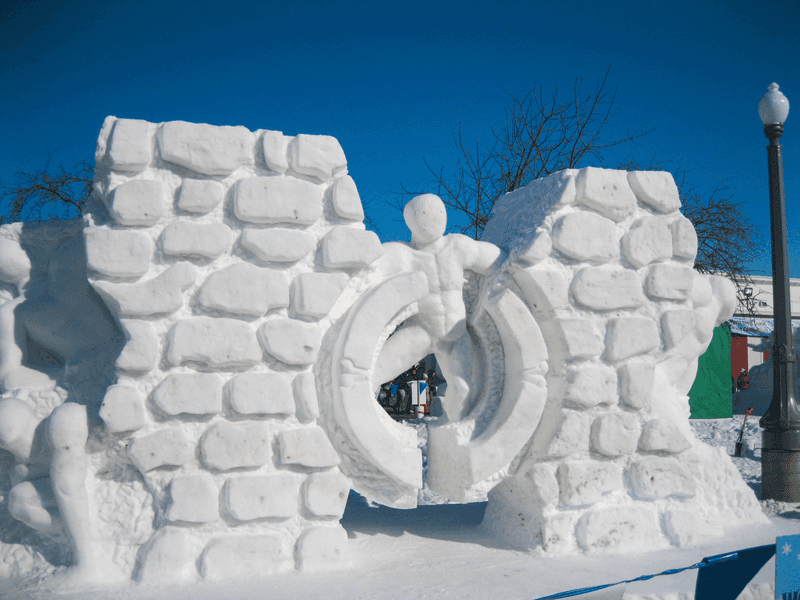
A festival this spread out started with something much smaller: ice. In 2015, Downtown Grand Rapids Inc. and local businesses launched Valent-ICE, an ice sculpture competition centered around Rosa Parks Circle.
The idea was to bring people downtown during quieter winter months. World of Winter officially launched in 2018 as an eight-day festival, expanded to two months in 2020, and began featuring international installations in 2021.
Knowing that history changes how the event feels. The artwork is not simply decoration dropped into empty space; it is part of a long effort to make winter downtown more welcoming.
If ice carving appears on the 2027 calendar, consider making time for it. Those frozen details connect today’s larger festival with its modest beginning.
Dress For Standing Still
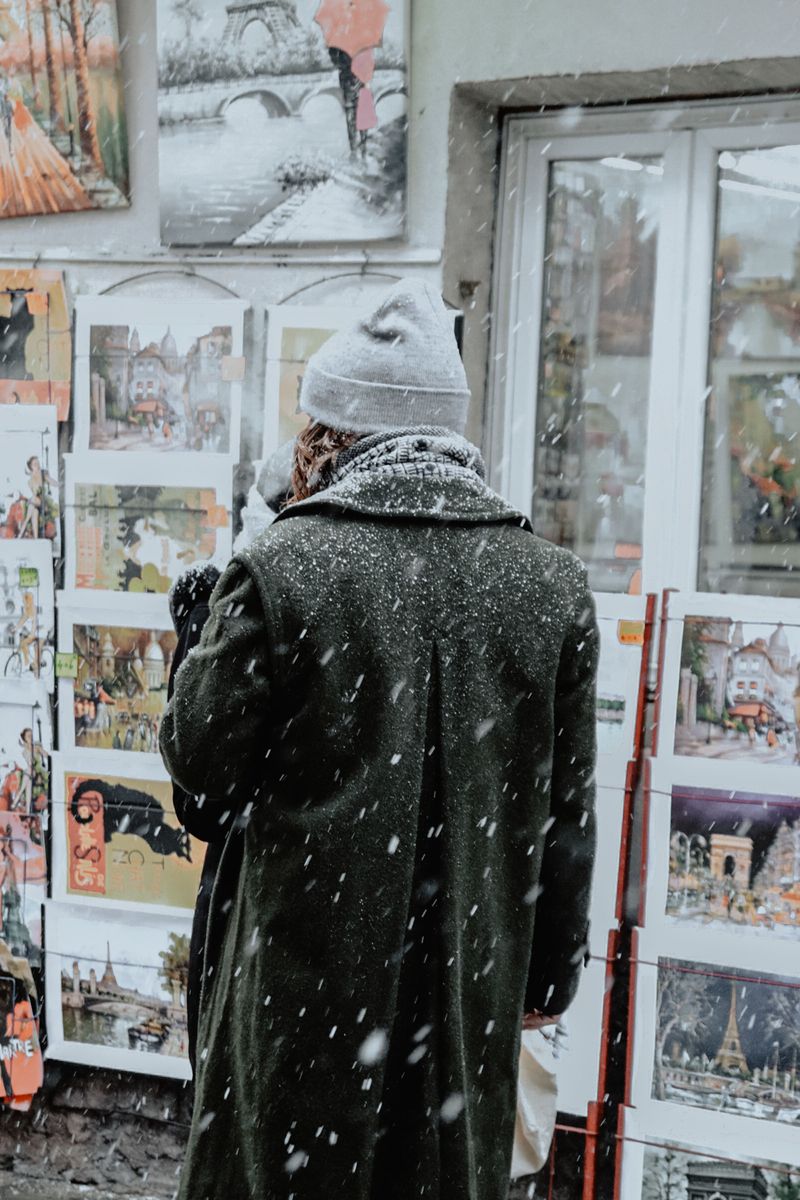
Your coat may feel perfectly adequate while walking and suddenly less convincing while studying a sculpture. Outdoor art invites pauses, which makes dressing for stillness just as useful as dressing for movement.
Wear layers, insulated footwear with good traction, a hat, and gloves or mittens. Pack an extra pair of socks if wet snow is likely, and keep your phone somewhere protected from the cold.
The festival operates in winter weather, but that does not make every condition equally comfortable. Check the forecast and current festival notices before heading out.
Build a shorter route when wind or ice makes travel harder, and identify a nearby place to warm up. Leaving before everyone gets miserable counts as good planning, not a failed visit.
Playful Art Still Has Ground Rules
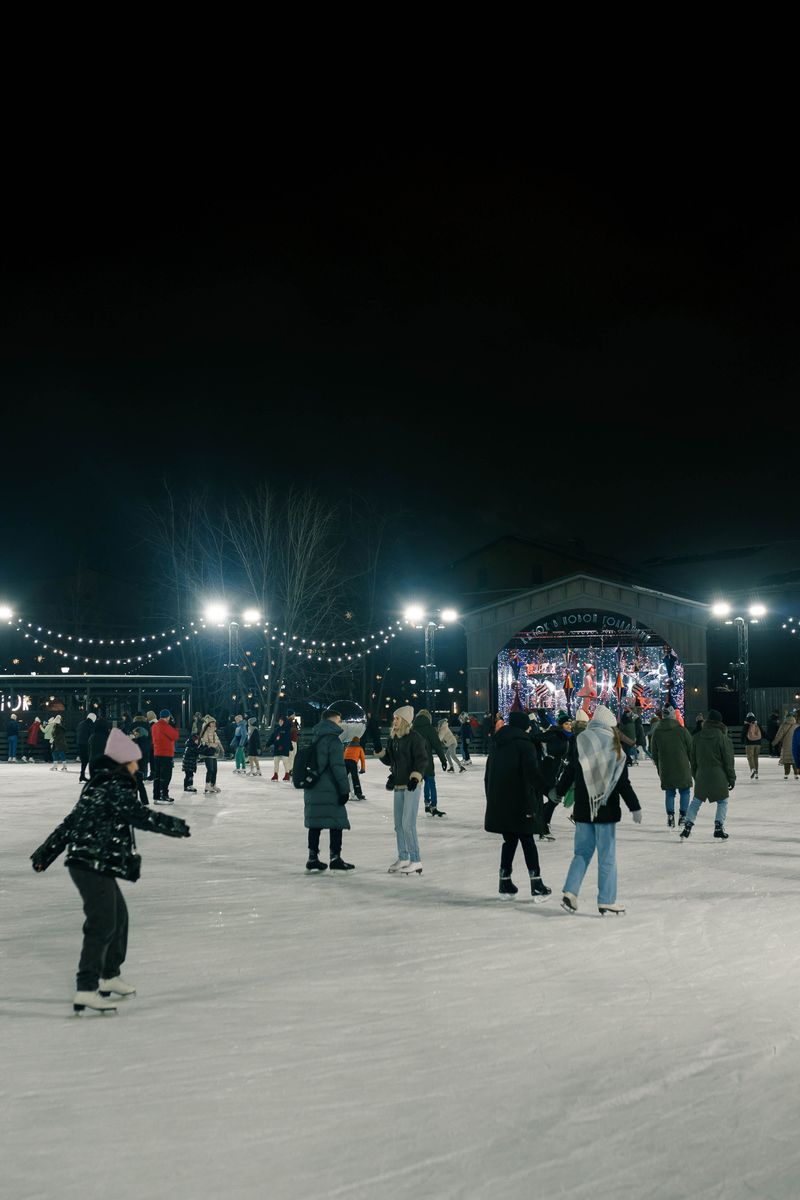
Some artwork asks you to do more than stand back and admire it. Previous festivals have featured interactive seesaws called Impulse and the sound-responsive Singing Tree at Canal Park.
Those examples show how World of Winter can turn visitors into part of the experience. They are past installations, however, not confirmed promises for 2027, so use the new lineup to find that year’s hands-on options.
Read the instructions before touching, climbing, swinging, or making noise. A piece that looks playful may have limits designed to protect both people and equipment.
Give others a turn, especially when children are waiting, and avoid assuming every sculpture welcomes contact. The best interaction leaves the artwork ready for the next visitor to enjoy just as much.
Weekdays Offer A Different Kind Of Visit
Not every good festival moment needs a crowd around it. Visiting before 5 PM from Monday through Thursday is a suggested way to avoid the busiest periods at World of Winter.
That timing suits anyone who prefers more room to move, slower photo stops, or a less crowded outing with children. Daylight also makes it easier to study materials, shapes, and the relationship between an installation and its surroundings.
The tradeoff is simple: illuminated pieces may look more dramatic later, and some activities happen mainly on weekends. Decide whether your priority is quieter browsing or scheduled entertainment.
If your plans allow, split the experience into a daytime walk and an evening return rather than expecting one visit to deliver every possible mood.
Let One Event Shape The Day
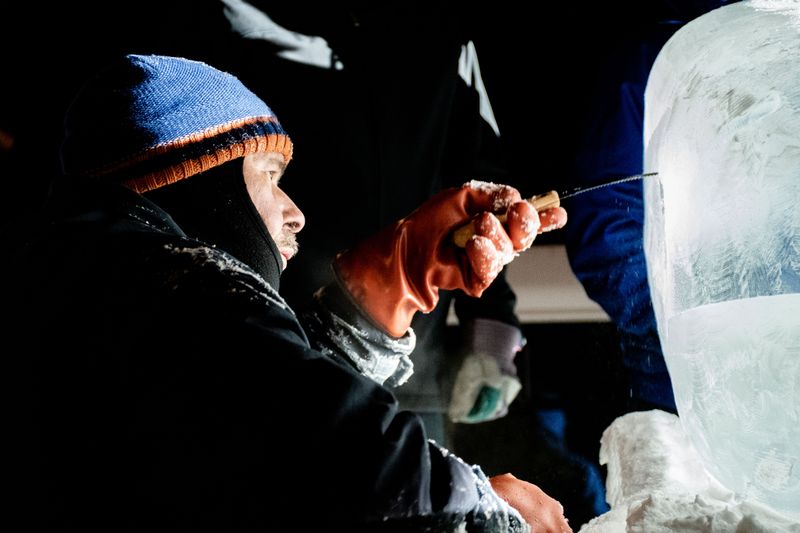
A block of ice becoming a sculpture can hold attention better than another hurried lap around downtown. World of Winter has offered ice carving demonstrations, live performances, scavenger hunts, and other activities alongside its installations.
Past programming has also included Snowga and a Human Hungry Hippo Tournament. Treat those as examples of the festival’s range, then check which events are actually scheduled for 2027.
Choose one confirmed activity as the anchor for your outing and fit nearby art around it. Read registration details, age guidance, meeting points, and any equipment requirements before arriving.
Most festival activities are free, but individual conditions can differ. A clear starting point helps a group stay together without turning the whole afternoon into a tightly managed school trip.
Photograph The Work, Credit The Artist
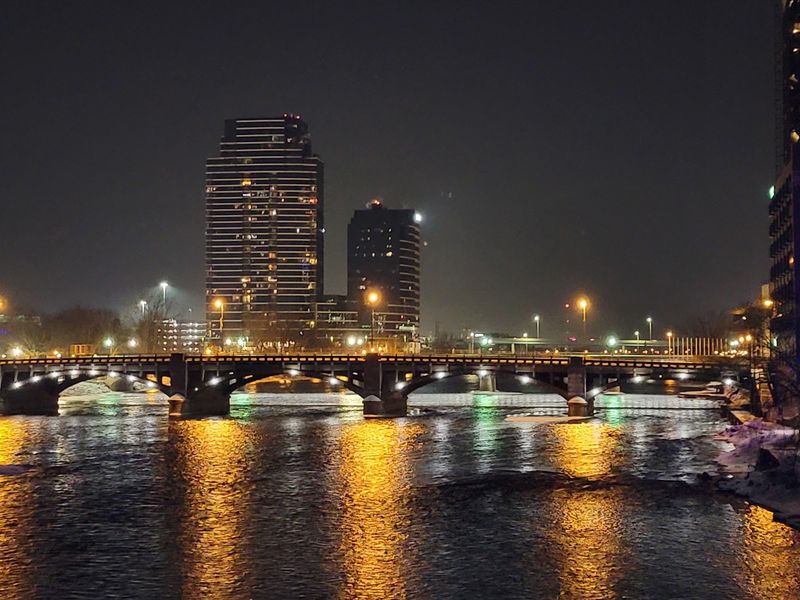
A bright sculpture can make your camera forget that the rest of the evening is dark. Take a moment to adjust the exposure, steady your phone, and try a wider frame that includes the surrounding city.
World of Winter installations are photo-friendly, and signage encourages visitors to credit the artists. Photograph the information panel too, so you can identify the work correctly when sharing your pictures later.
Avoid blocking paths while composing a shot, and ask before making strangers the main subject. Flash can flatten glowing details, so compare a picture without it when conditions allow.
Then put the phone away for a minute. The colors, scale, and movement of an installation deserve some attention that does not pass through a screen.
Accessibility Starts With The Route
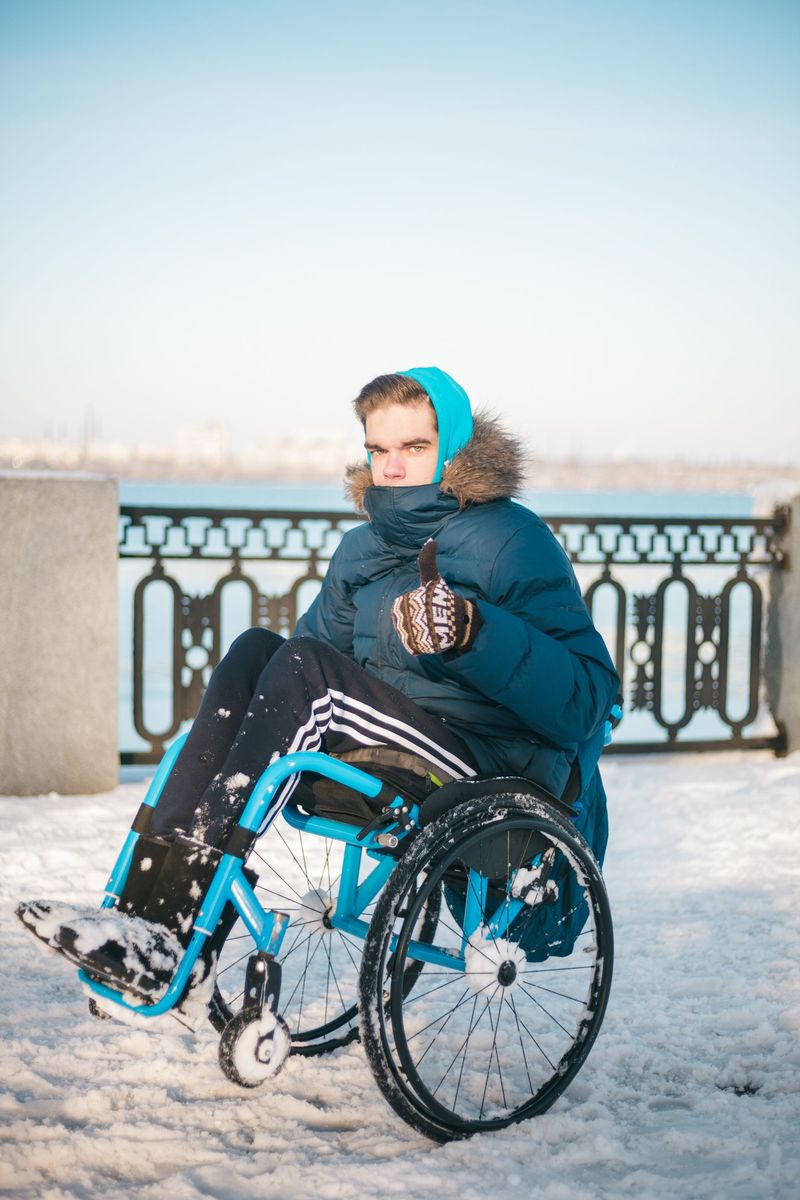
Snow changes a route that might feel straightforward in another season. World of Winter considers accessibility, but outdoor conditions can still create challenges for wheelchair users, people with limited mobility, and families pushing strollers.
Check current access information before choosing installations, and ask organizers about specific concerns rather than assuming every path will suit your needs. Review distances, crossings, nearby facilities, and opportunities to rest or get indoors.
A guided walking tour may offer helpful context; some previous tours have included audio, visual, and tactile elements. Confirm the available format and route for 2027 before booking or joining.
Keep a backup plan with fewer stops if conditions change. A comfortable visit should fit the people attending, not force everyone to follow the longest possible loop.
Leave Room For The Unexpected
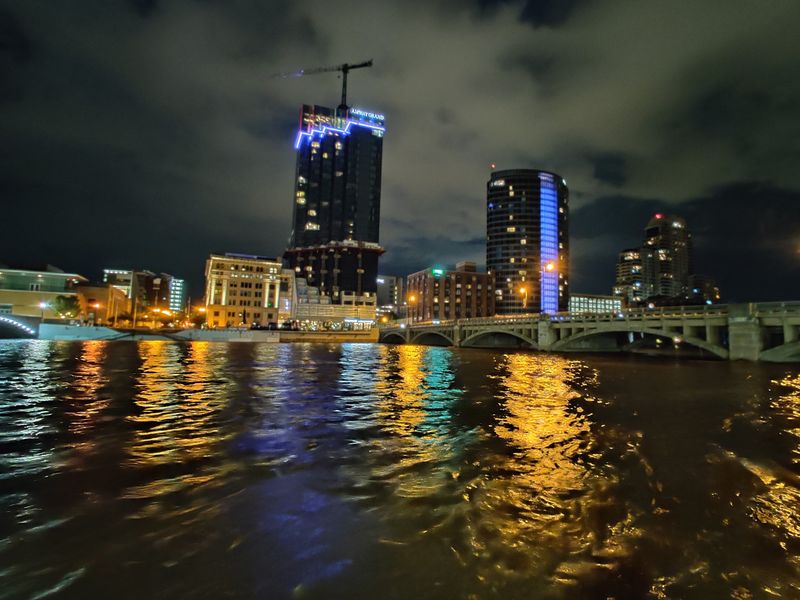
The most interesting part of 2027 may be something nobody can name yet. Its lineup is being curated, with new work from local, regional, and national artists and an emphasis on immersive pieces that respond to their environment.
That direction offers a reason to watch the announcements, but it does not prove this will be the festival’s best year. The strongest case will come from the finished artwork and the experience visitors actually have.
Save a few confirmed favorites on your map, then leave space for discoveries between them. Read an unfamiliar artist’s sign, look at a piece from another angle, or return after dark.
A free public gallery rewards curiosity, and the unexpected stop may become the one you remember most.