
This Michigan Coastal Town Is Quietly Becoming A Favorite For People Who Hate Crowds
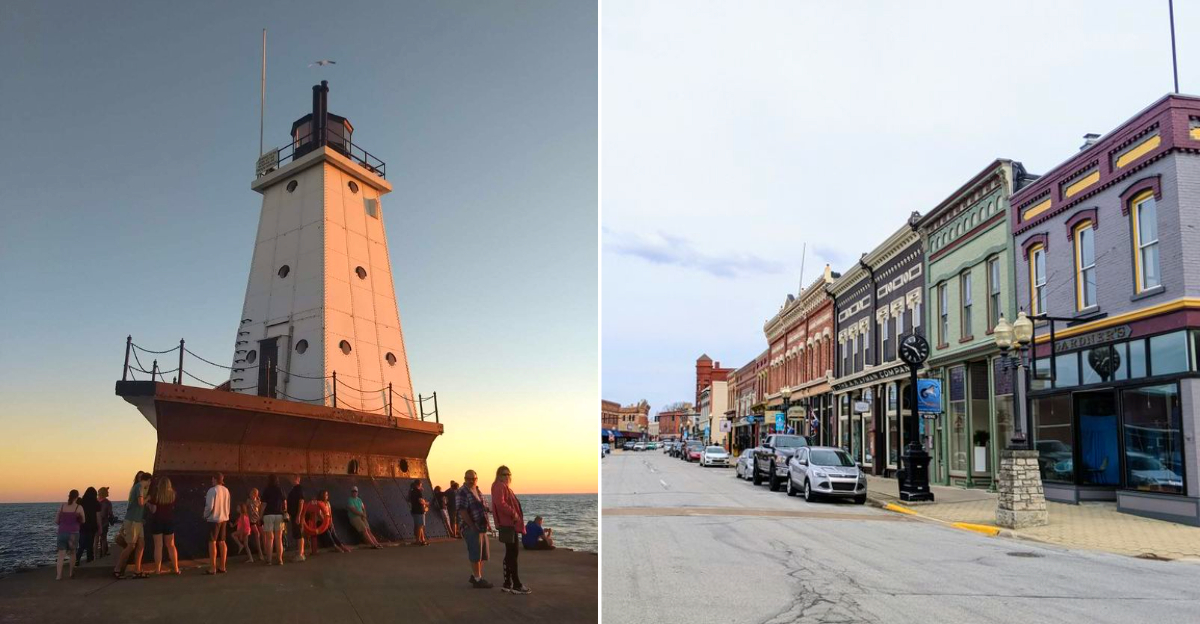
Manistee moves at a pace that lets you actually hear the lake breathe, a rhythmic sighing of waves that drowns out the static of modern life.
The streets are remarkably tidy, and the river curls through the center of town like it remembers every single sawmill story from the days when lumber was king and the harbor was the third busiest on the Great Lakes.
If you are the kind of traveler who prefers ample room to think, you will find that the shoreline, the vast trail networks, and the preserved Victorian storefronts offer exactly that without any unnecessary fuss or tourist trap noise.
There is an understated dignity to this “Victorian Port City,” where the architecture feels less like a museum and more like a sturdy, lived-in testament to a boom era that saw more millionaires per capita here than anywhere else in the country.
Keep reading and you will see why people who habitually avoid the frantic energy of more popular coastal towns quietly mark Manistee on their maps, then keep it to themselves as a private sanctuary.
It is a place for early risers who love a mist-covered riverwalk, for hikers who want miles of forest to themselves, and for anyone who finds beauty in the working bones of a town that still honors its maritime and industrial roots.
You won’t find the shoulder-to-shoulder sidewalk battles of Traverse City or Grand Haven here; instead, you find a gentle, rolling tempo that encourages you to slow down and stay a while.
Walk The Riverwalk At Dawn
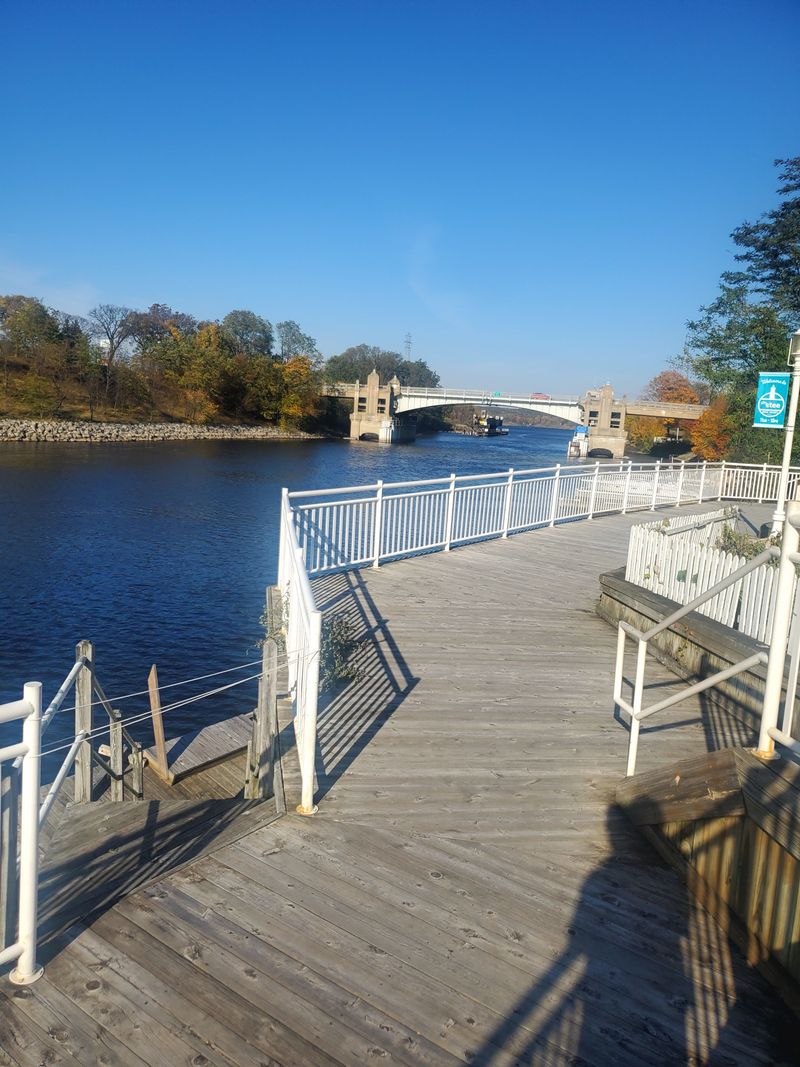
Cool air rides off the Manistee River while gulls mark the start of the day with tidy, white loops against the gray morning sky. Wooden planks carry your footsteps behind heavy brick facades and past quiet boat slips where local anglers cast with patient, rhythmic shoulders.
The vibe is completely unhurried, serving as a soft, wooden prelude to the massive, open light of Lake Michigan waiting at the channel’s end.
Historically, this narrow corridor traced a bustling waterfront where lumber once ruled the economy and massive vessels stacked the channel three deep. Signs along the 1.5-mile route sketch that era with vintage photographs, effectively teaching you the history without making the walk feel like a homework assignment.
Arrive just as the sun breaks, start your journey by the massive US 31 drawbridge, and keep your eyes peeled on the waterline for local muskrats.
I suggest wearing layers and choosing shoes with a decent grip, as the morning dew can make the wooden boardwalk a bit slick. Benches are spaced perfectly throughout the walk for those necessary pauses to sip from a coffee thermos and watch the water flow.
Sunrise rewards anyone who bothered to bring a camera, painting the historic buildings in a gold that looks like 1890.
Lake Michigan Beach Days Without The Hustle
The sand here is pale and fine enough to whisper between your toes, and the Lake Michigan water holds that surprising, crystalline northern clarity. First Street Beach spreads out with more than enough room to plant your umbrella without getting into an elbow battle with a neighbor, while Fifth Avenue Beach offers a closer look at the pier.
The general mood leans toward family-friendly and relaxed, devoid of the frantic “see and be seen” energy found at more southern beaches.
Manistee’s shoreline grew up around the gritty realities of shipping and the salt industry, yet the beaches managed to stay public, practical, and incredibly spacious. Lifeguard schedules vary by the month, so it is always smart to give the city website a quick glance before you unload the car.
Parking lots are straightforward and abundant, meaning you rarely feel that pre-beach panic of circling for a spot.
Be sure to bring a windbreaker along with your towel, as those lake breezes can flip from warm to brisk in less than an hour.
Pack a simple picnic and leave plenty of time for a slow walk along the firm, wet sand where small, colorful stones tell quiet glacial stories to anyone willing to look.
Victorian Downtown With Real Working Bones
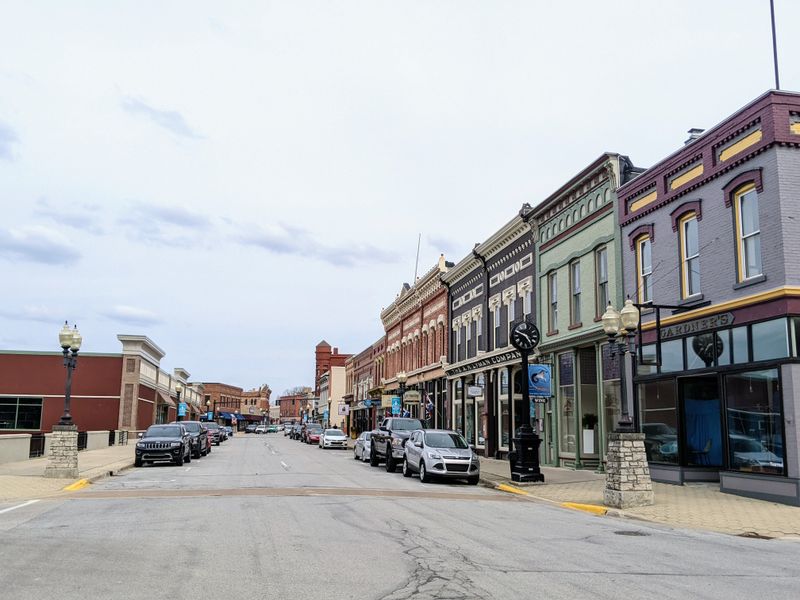
Ornate cornices and pressed tin peek above the shop windows along River Street, giving the town a distinctive, “stuck-in-time” skyline. If you step closer, the intricate details reveal themselves: patterned brickwork, sturdy iron columns, and glass door transoms etched with careful, geometric Victorian patterns.
The street hums softly with a volume that suggests more locals than tourists, which makes browsing the independent bookstores and gear shops feel genuine.
These buildings emerged from the ashes of the great fire of 1871, when wealthy lumber barons rebuilt the town with a sense of pride, durability, and fireproof brick. Modern restoration has focused on preserving these historic facades while giving the interiors a clean, functional utility for today’s shopkeepers.
A pro tip for this walk: look upward frequently, because the best architectural flourishes are usually found above the first-floor awnings.
Start your stroll at the Maple Street Bridge and slowly work your way west toward the lake. Duck into the small outdoor outfitters to get the latest weather intel and pick up a physical trail map for your next adventure.
If a light drizzle shows up, treat it as your official permission to linger under a historic overhang and watch the river traffic change its tempo.
Manistee North Pierhead Lighthouse Perspective
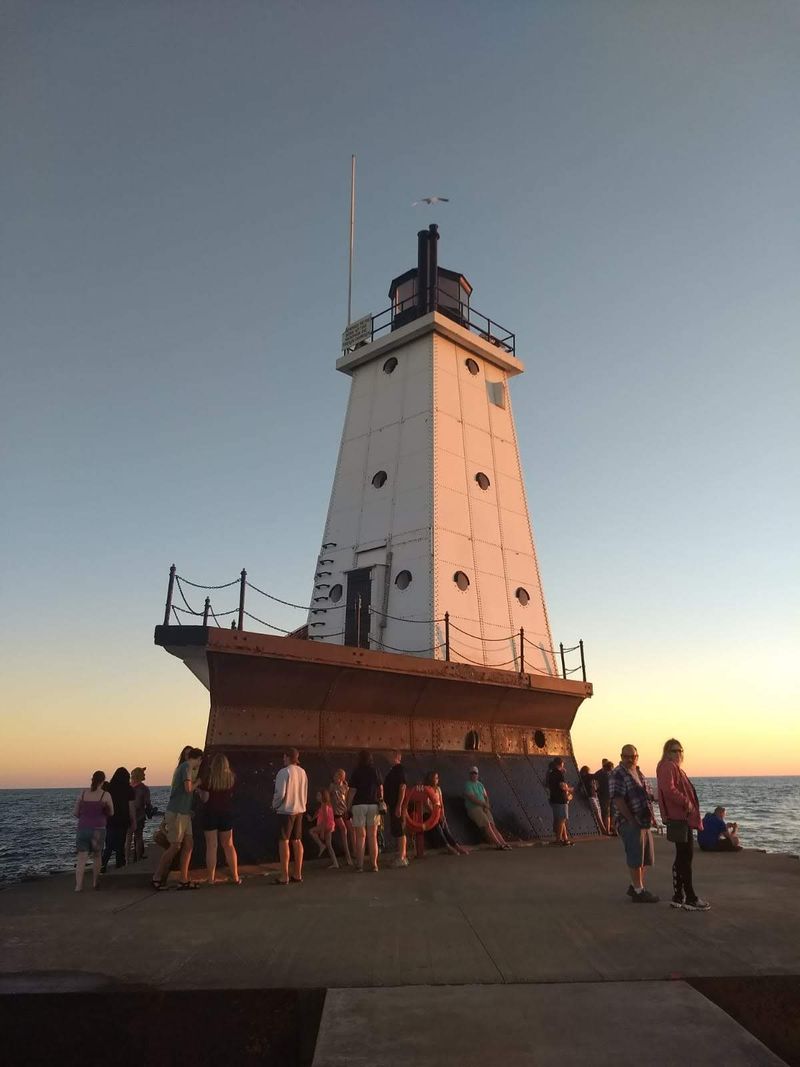
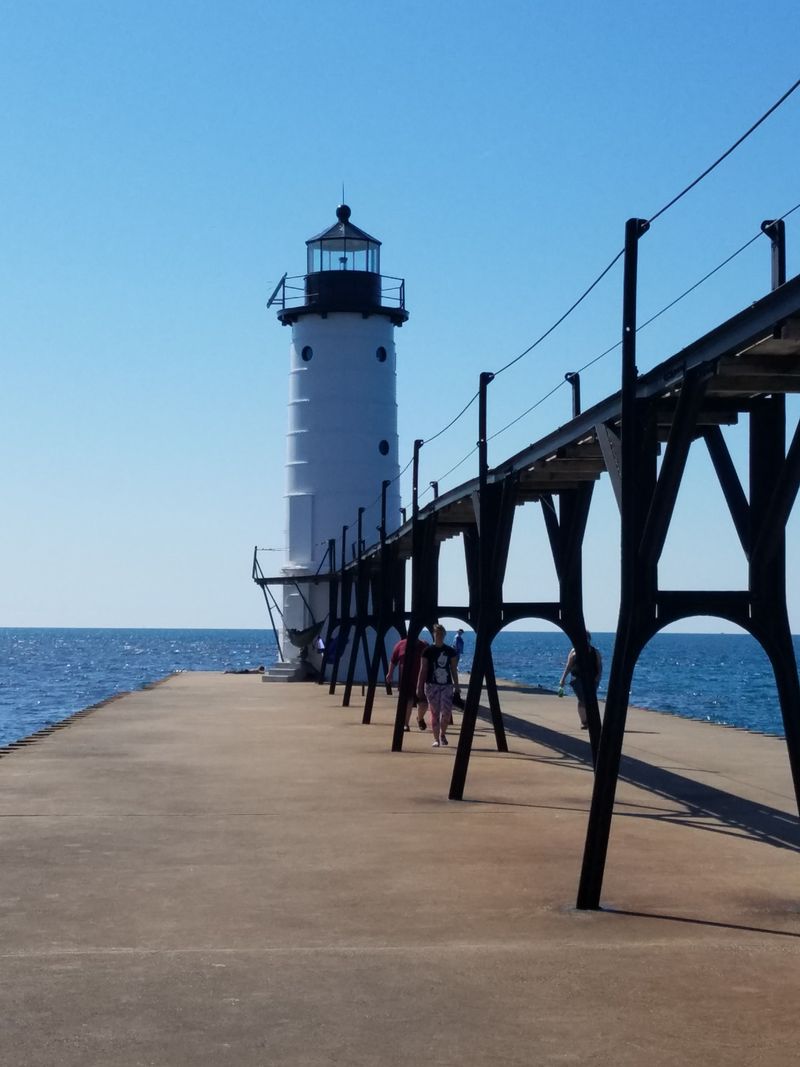
Metal catwalk legs rhythmically repeat toward the horizon, and the waves tap the concrete pier with the metronome patience of the Great Lakes. The lighthouse sits at the end, compact and steady, a stark white form that stands out brilliantly against the big, shifting blue of the lake.
Standing at the base of the light feels like standing at the final punctuation mark of the entire town.
The current steel structure dates back to 1927, replacing several earlier wooden lights that guided ships through what was once the third busiest port on Lake Michigan. Preservation work has kept the elevated catwalk intact, making it one of only four such rare survivors left on the Michigan coastline.
A visitor tip: always check the wind conditions at the beach before you commit to stepping out onto the narrow concrete pier.
Begin your walk at Fifth Avenue Beach, follow the elevated walkway, and pause to watch for incoming freighters if your luck happens to align. In the deep winter, freezing spray can turn the pier into a skating rink, so watch your footing carefully.
Photographers should mind the salt spray on their lenses, and everyone must respect the posted closures during periods of rough, high-water conditions.
Big M Recreation Area Trail Quiet
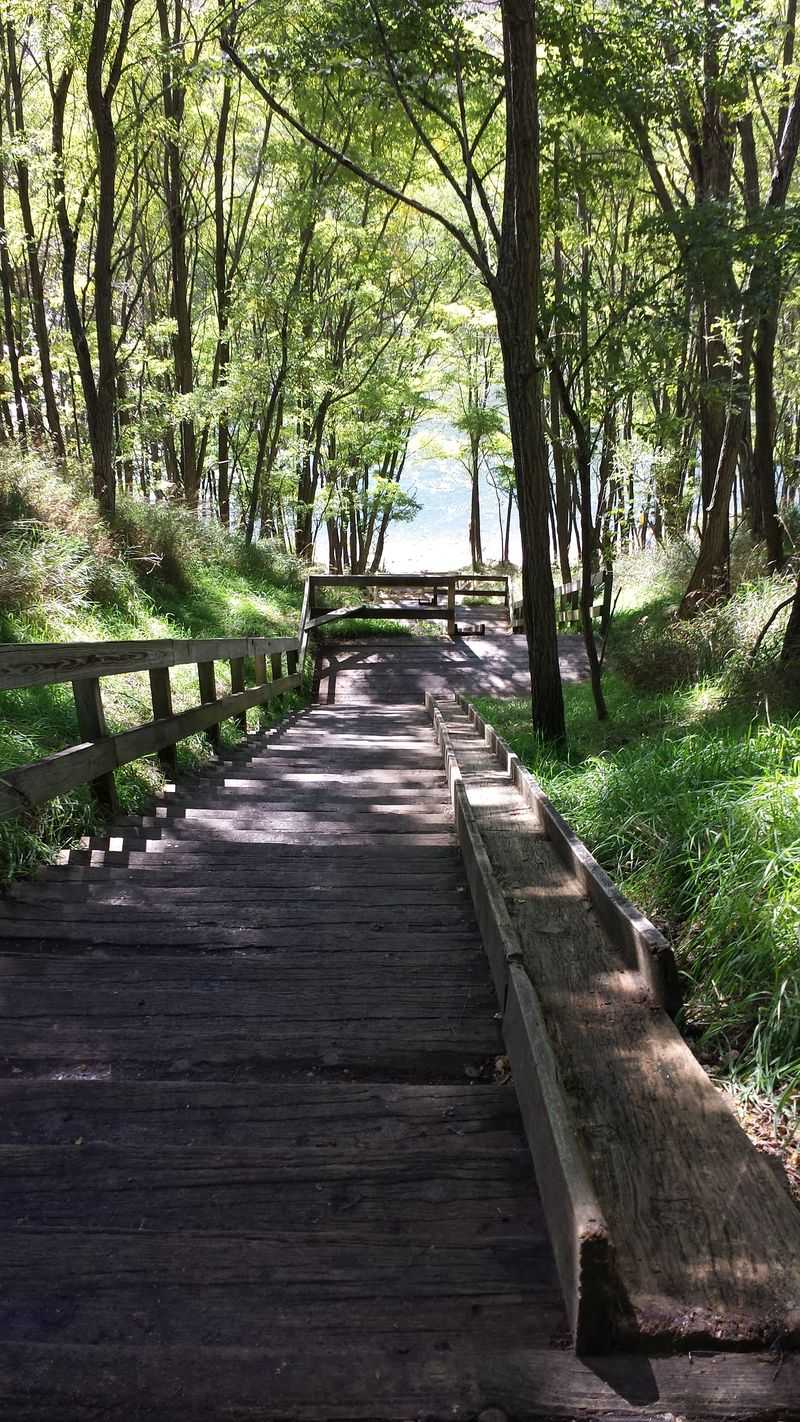
Pine needles underfoot hush every single step you take, and the air in this part of the forest smells like cool, medicinal resin. The Big M trail network spreads across rolling, glacier-carved hills east of town, offering hikers and cyclists gentle gradients and long, meditative stretches of silence.
The vibe here is one of total solitude, with only the local birdsong providing any company for your afternoon trek.
Originally carved out for cross-country skiing, these 30-plus miles of loops now welcome mountain bikers and hikers without ever losing their serene, winter soul. Dedicated trail stewardship ensures that the signage remains clear and that the sandy Michigan soil is protected from erosion.
A visitor habit worth copying is to study the massive map board at the trailhead carefully before you disappear into the canopy.
Bring plenty of bug spray during the humid summer months and consider traction aids for your boots during the muddy shoulder seasons. Park at the main lot off M-55 and start with a modest loop, then extend your journey as your confidence in the terrain grows.
You will likely meet a few friendly regulars on the path who prefer a simple nod over a long chat, which perfectly suits the spirit of the forest.
Historic Ramsdell Theatre’s Subtle Grandeur
The plush red seats curve around the stage like a careful embrace, and ornate plaster details bloom beautifully under the soft glow of the house lights. The Ramsdell feels both intimate and stately at the same time, an odd and pleasing architectural combination that you don’t find in modern venues.
The acoustics in this hall are legendary, carrying a stage whisper better than some modern theaters manage to handle a round of applause.
Built in 1903 by Thomas Jefferson Ramsdell, the theatre is famously the place where a young James Earl Jones started his career as a stage carpenter and actor. Preservation efforts have been meticulous, keeping the original murals and hand-carved woodwork breathing for over a century.
A visitor tip: always check the local schedule for community theater productions or guided tours of the backstage areas.
Arrive a bit early for your show to study the intricate stair railings and the graceful lines of the upper balcony. Photography is usually encouraged in the grand lobby, though you should keep your phone tucked away once the performance actually begins.
If you happen to sit near the back, you will find that the sightlines remain perfectly clear, a rare architectural kindness found in historic opera houses.
The Manistee River Channel’s Working Calm
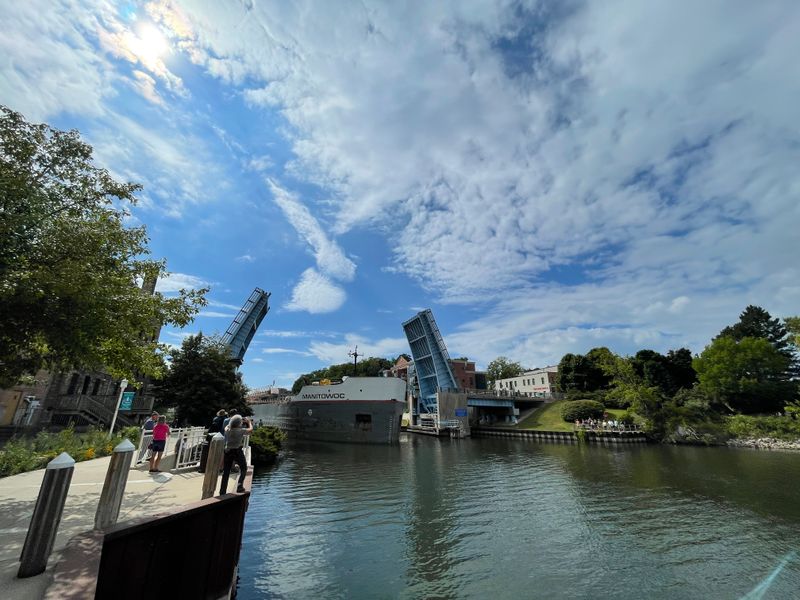
Boat engines murmur low as small recreational craft slip between the vastness of Lake Michigan and the shelter of the Manistee River. The frequent drawbridge lifts feel like a local ritual rather than a traffic disruption, signaling the slow, steady heartbeat of a town that lives by the water.
The channel scenery is a unique blend of industrial corners, tidy residential lawns, and hidden fishing spots tucked under the bridges.
Historically, this narrow artery was the lifeblood that moved millions of board-feet of lumber and salt out to the hungry markets in Chicago and beyond. Today’s traffic skews more toward charter fishing and pleasure boats, but the heavy-duty infrastructure still tells a very convincing story of the past.
A practical note: the bridge schedules and the horn signals from passing boats actually matter to the flow of the town.
I recommend standing near the Maple Street Bridge for the best close-up views of the massive counterweights moving during an opening. Keep to the designated walkways and be sure to watch for cyclists who use the Riverwalk as their primary commuter route.
If you time your visit near sunset, the light bounces off the water and the red brick buildings in a way that makes the whole town look carefully arranged.
Fall Color Drives To Orchard Beach State Park
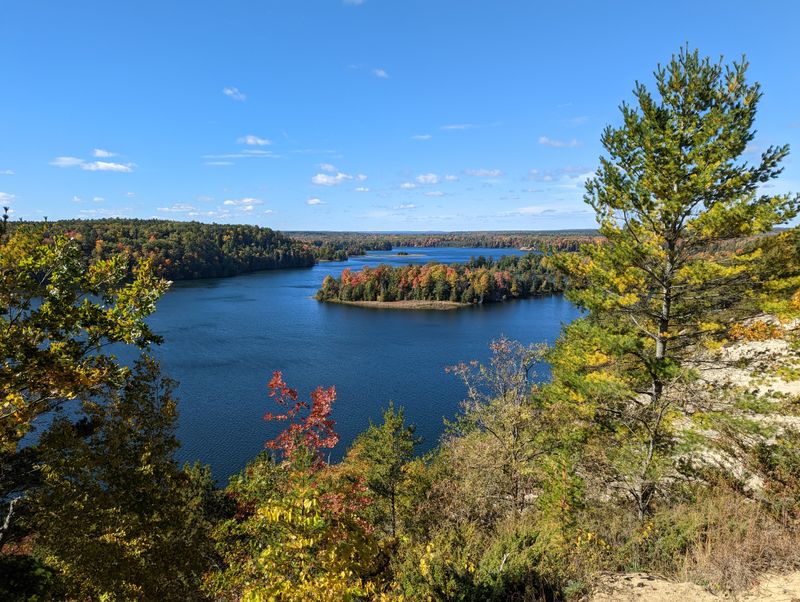
Maples flip the world to shades of copper and flame, and the lake reflects those fiery tones like a giant mirror caught in a brisk breeze. Orchard Beach State Park sits atop a 100-foot bluff that turns an ordinary picnic into a panoramic event with a stunning view of the horizon.
The mood here is crisp and almost entirely private on weekdays, especially once the summer camping crowds have headed back home.
The historic limestone pavilion was recently moved 1,200 feet back from the edge to save it from the eroding bluff, a monumental feat of engineering and preservation. While seasonal tradition suggests coming for the “leaf peeping,” the park’s 3.5 miles of trails reward quiet walkers in every season.
Practical advice: check the local park updates for any trail conditions, as the bluff area can be sensitive to heavy rain.
Enter the park from M-110 and follow the signs toward the day-use area for the best views of the lake. Bring a heavy sweater and a hat, because the wind has a habit of funneling across the top of the bluff with surprising strength.
You might find yourself speaking in a lower volume than usual here, as if the old-growth trees are actually listening to your conversation.
Fishing The Tippy Dam Tailwater Rhythm
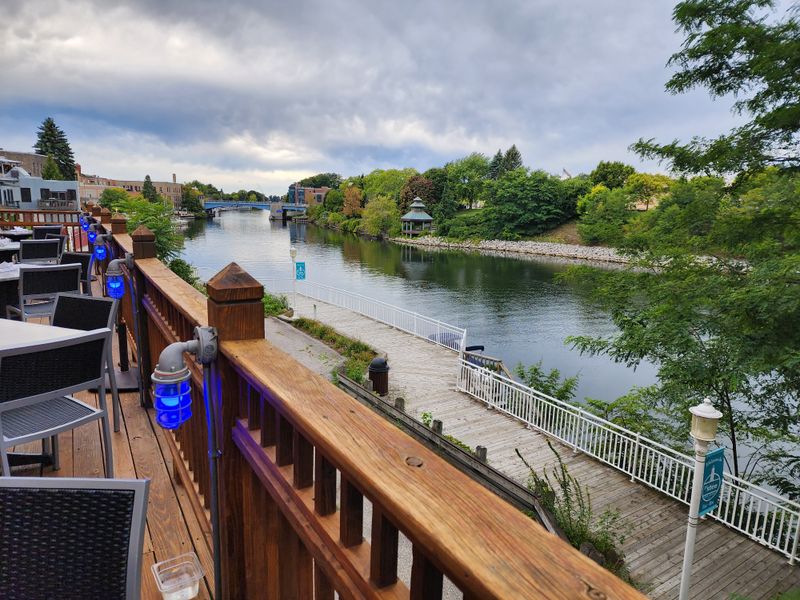
Cold, oxygen-rich water slides over the river gravel, and the Manistee River tightens into purposeful, dark seams just below the massive Tippy Dam. Anglers space themselves with a respectful, unspoken buffer, reading the swirls and eddies of the current like a familiar text.
The vibe is serious and focused but never unfriendly, characterized by knowing nods rather than loud, disruptive chatter.
The history runs very deep at this spot, with the dam effectively shaping the legendary steelhead and salmon runs that attract world-class fly fishermen. The techniques here favor drifting flies and patient, methodical wading through the colder sections of the tailwater.
A visitor tip: always check the water flow rates online before you head out and ensure you are wearing proper wading cleats for the slippery rocks.
Be sure to arrive with a valid Michigan fishing license and a commitment to barbless habits if you are practicing catch-and-release. Keeping your nets ready and the fish wet for a quick release ensures this fishery stays healthy for the next generation of anglers.
A small, portable folding stool can change your entire experience, turning your breaks into quiet surveys of blue herons and the perfect line for your next cast.
Winter Stillness On The River Flats
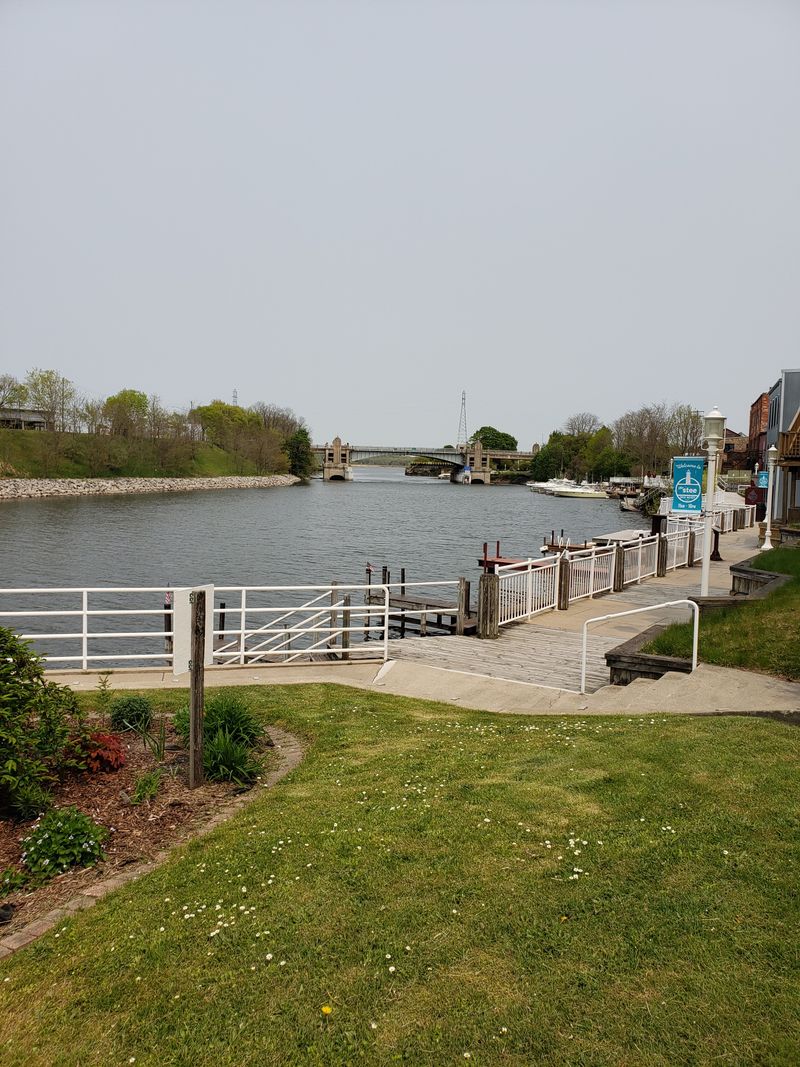
Heavy snow hushes the marshy river flats, and the Manistee River moves like slow, liquid graphite under a pale, mid-winter sky. Footprints in the fresh powder record the passage of only a few earlier wanderers, with the occasional track of a fox sketched in quick, red cursive.
The absolute stillness of a Manistee winter settles into your shoulders in the best possible way, far from the noise of the city.
Local tradition treats the winter months as a prime chance to reclaim the quietest paths near the river and along the towering sand dunes. City crews work hard to keep the key routes accessible while still allowing the natural landscape to look honest and untamed.
The reaction to a winter walk here tends toward a deep sense of contentment rather than a feeling of athletic triumph.
Bundle up with high-quality thermal layers and use traction cleats to avoid the edges where the river ice can be deceptively thin. Keep your phone and camera batteries tucked inside your coat, since the biting Michigan cold can drain them to zero in minutes.
You will leave the flats with a completely new understanding of Manistee’s true pace, measured only in breath clouds and the occasional wingbeat overhead.