
This Michigan Craft Store Is A DIY Wonderland For Creative Shoppers
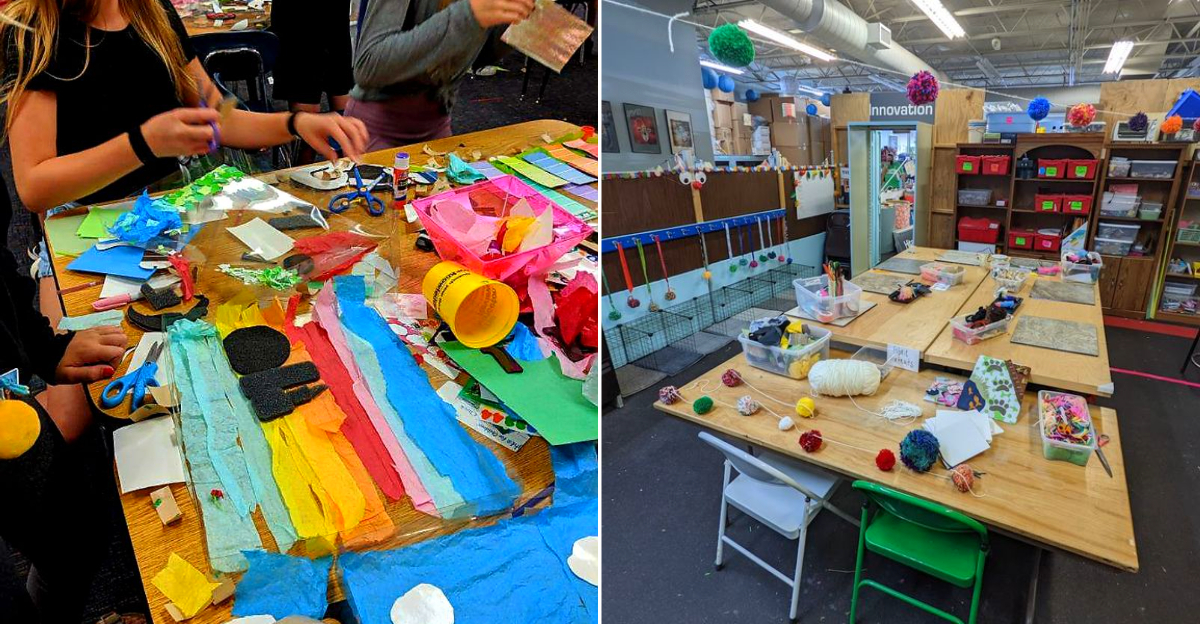
My bank account views this Washtenaw Avenue sanctuary as a threat, but my creative soul sees it as a tactical headquarters for my next three unfinished masterpieces.
Walking inside feels like a beautiful, highly organized argument against the landfill, where the “aisle of forgotten buttons” basically screams at me to start a project I didn’t even know I was planning five minutes ago.
I’ve lost hours here, elbow-deep in donated textiles and vintage paper, experiencing the kind of productive chaos that only fellow glitter-blooded makers truly understand.
Discover the best creative reuse center in Ann Arbor, Michigan for affordable craft supplies, vintage fabric, and sustainable DIY inspiration at this nonprofit hidden gem.
This isn’t a quick “in and out” errand; it’s a sensory experience that rewards the kind of slow, obsessive looking that normal people call “loitering.” Ready to dive into the bins and find the weird, wonderful piece that solves your latest creative crisis?
Start With The Rolling Cart
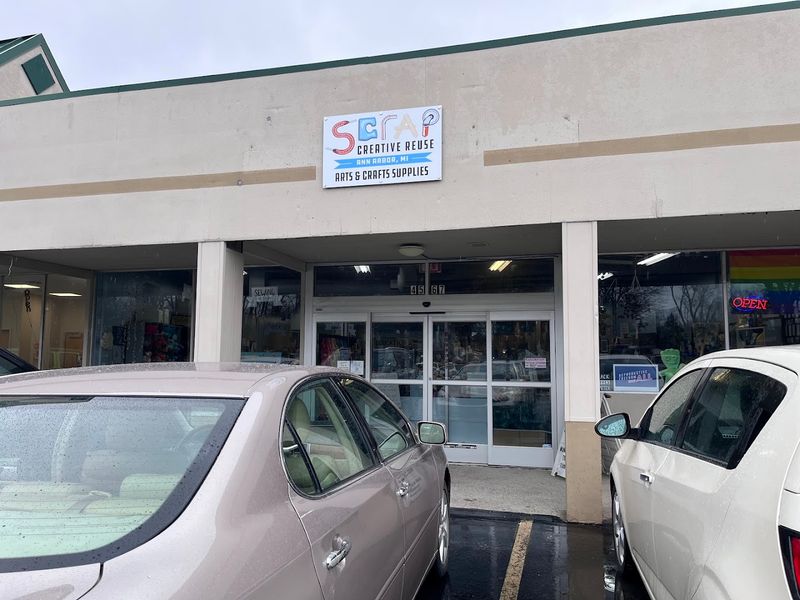
The first practical move at SCRAP Creative Reuse is almost comically simple: take a rolling cart when you enter. The store at 4567 Washtenaw Avenue can look manageable for about thirty seconds, until a stack of papers, a tin of buttons, and an odd little frame all start lobbying for attention.
Because the inventory is donation based, discoveries arrive in uneven, surprising waves. You may only intend to buy blank cards or fabric scraps, then notice office supplies, party materials, or vintage ephemera tucked nearby.
A cart keeps the hunt pleasant instead of awkward. Visit with patience, leave room for impulse, and remember the store is open daily from 11 AM to 6 PM.
A Kaleidoscope Of Possibility
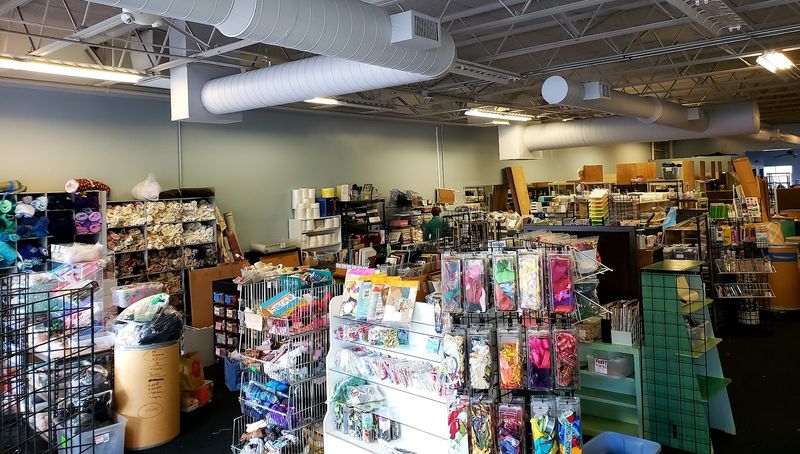
The air inside SCRAP Creative Reuse is a vibrant mix of cedar shavings and the metallic tang of vintage hardware. Stepping past the threshold, you are met with a dizzying, colorful landscape of organized chaos, shelves overflowing with architectural remnants, rolls of industrial textiles, and jars of lost buttons waiting for a second life.
The move is to grab a “fill-a-bag” and wander through the labyrinth of discarded materials, where you might find everything from vintage laboratory glassware to scraps of high-end upholstery.
You’ll find this creative engine at 4567 Washtenaw Ave, Ann Arbor, Michigan, tucked into a busy corridor between the city and Ypsilanti. The transition from the generic suburban parking lot to the kaleidoscopic, texture-rich interior marks your arrival at a place where the ordinary is consistently reimagined.
Notice The Reuse Mission Behind The Fun
The cheerful disorder has a serious backbone. SCRAP Creative Reuse is a nonprofit organization built around creative reuse, affordable materials, and environmentally sustainable behavior, which means the paper, yarn, containers, and classroom supplies have a second chance before becoming waste.
That mission is not tucked away in a brochure. You feel it in the way small leftovers are treated as useful, not embarrassing.
The Ann Arbor location helps divert thousands of pounds of usable material from the waste stream each month. I found that fact changed how the shelves looked: not as leftovers from other people’s projects, but as unfinished sentences waiting for a new writer.
Learn The Local Backstory
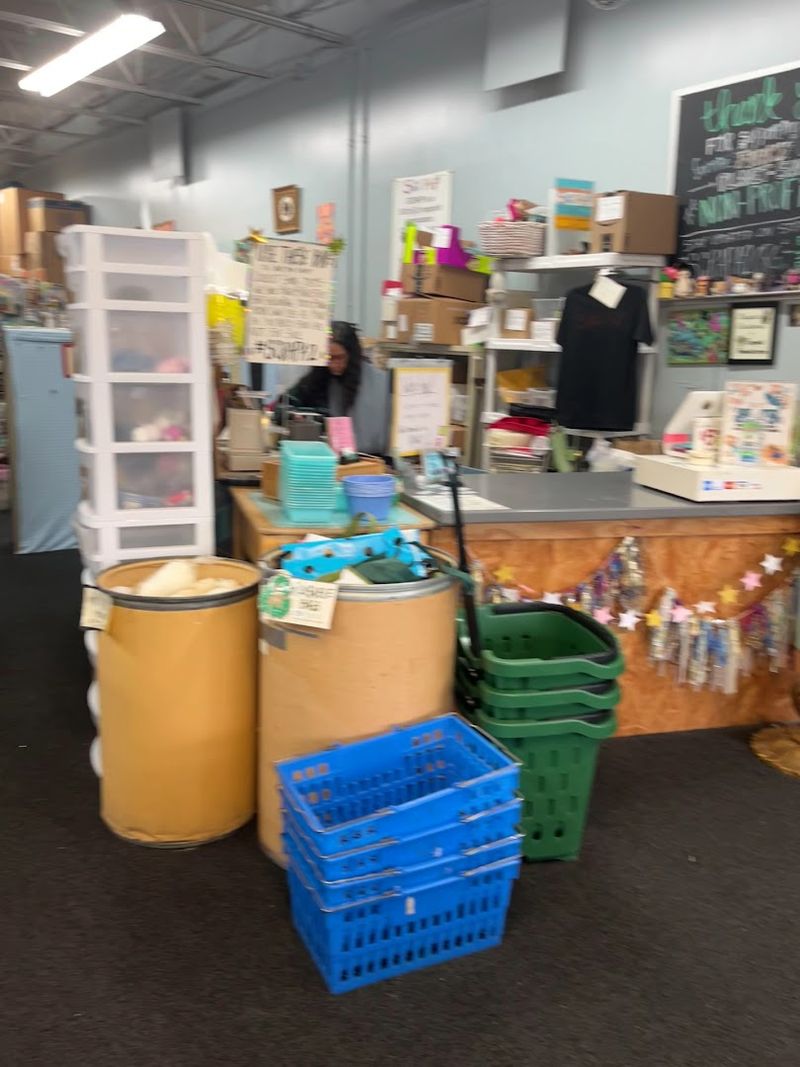
Before the current name, Ann Arbor knew this resourceful idea as The Scrap Box. Karen Ensminger founded it in 1983 as a place for reusable materials, and it became a nonprofit in 1985, long before sustainability sounded polished enough for grant language.
In 2020, The Scrap Box joined the national SCRAP Creative Reuse network. That network began in Portland, Oregon, in 1998, started by teachers looking for a home for leftover classroom supplies.
The move to the Washtenaw Avenue address in Pittsfield Township gives the old idea a visible, practical home. Knowing that history makes every drawer of beads feel connected to decades of local resourcefulness.
Let The Volunteers’ Work Guide You
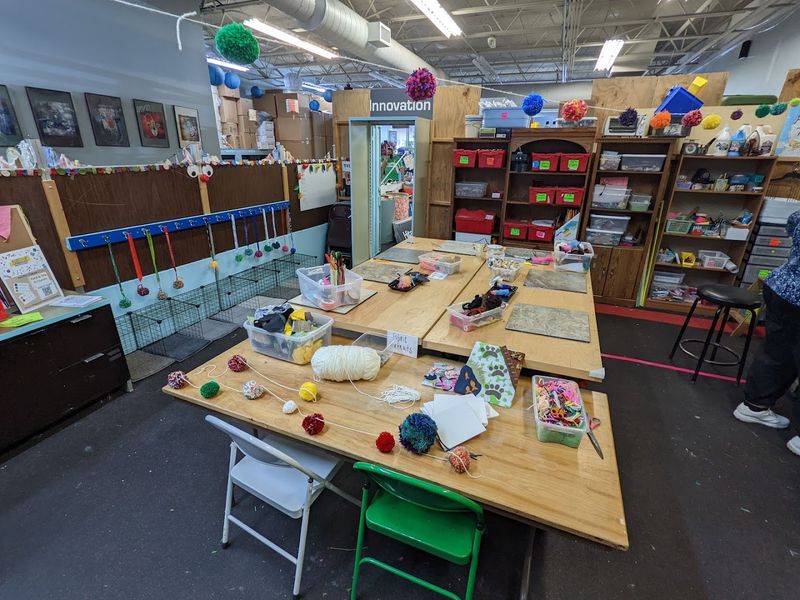
A quiet kind of labor holds the place together. Staff and volunteers sort donations, stock shelves, help customers, support children’s programming, and keep the colorful abundance from tipping into pure confusion.
Volunteers contribute around 250 hours each month, which explains the surprisingly navigable aisles. Color sorting may sound fussy until you are standing in front of a tidy run of ribbon, paper, or thread and suddenly understand its mercy.
If you feel unsure, ask for guidance respectfully and specifically. The people working there know the store’s rhythms, and they can often point you toward categories that are easy to miss when your eyes are chasing everything at once.
Check The Fill-A-Bag Treasures Carefully
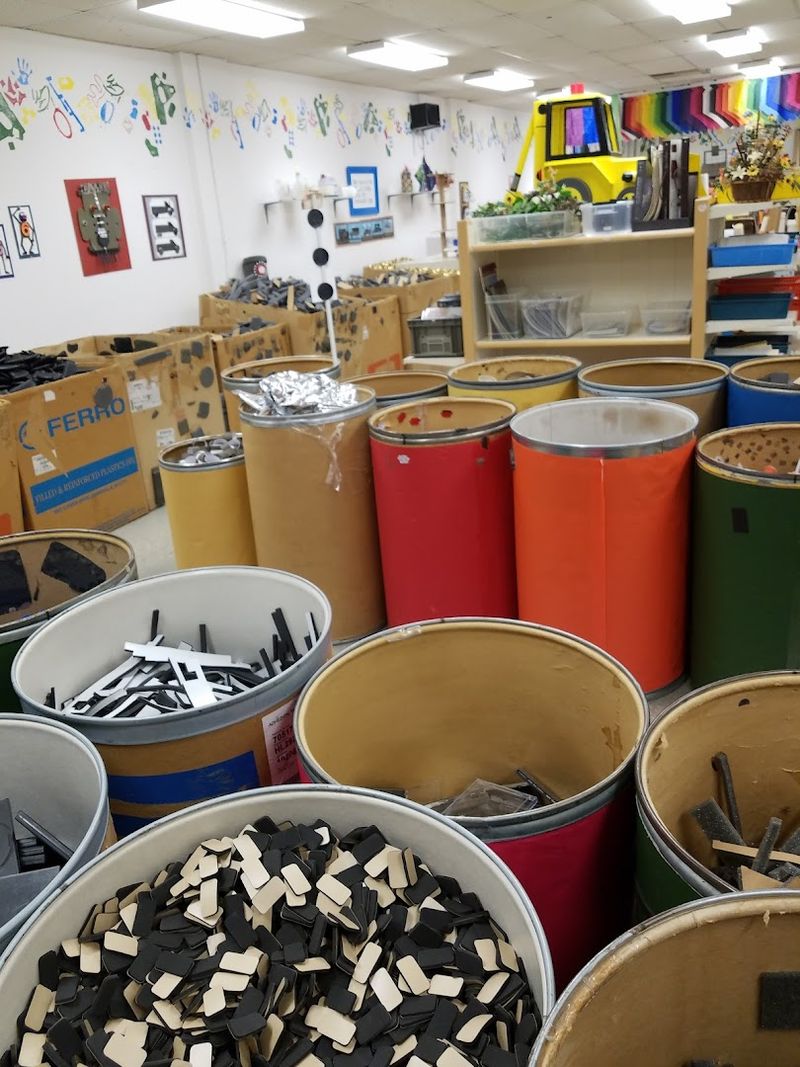
The back barrels have a particular sound: soft clinks, paper rustles, and the occasional satisfied pause when someone finds exactly the weird little thing they needed. The fill-a-bag area rewards careful hands more than hurried scooping.
These bins can hold small treasures for collage, classroom projects, sensory bins, jewelry experiments, or busy board supplies. The fun is not just finding value, but recognizing possibility in objects that escaped neat categories.
Bring your own reusable bag or container if you can. It fits the store’s environmental purpose, and it also makes your search feel pleasantly intentional, like packing for a tiny expedition with glue nearby.
Look For Paper, Cards, And Collage Material
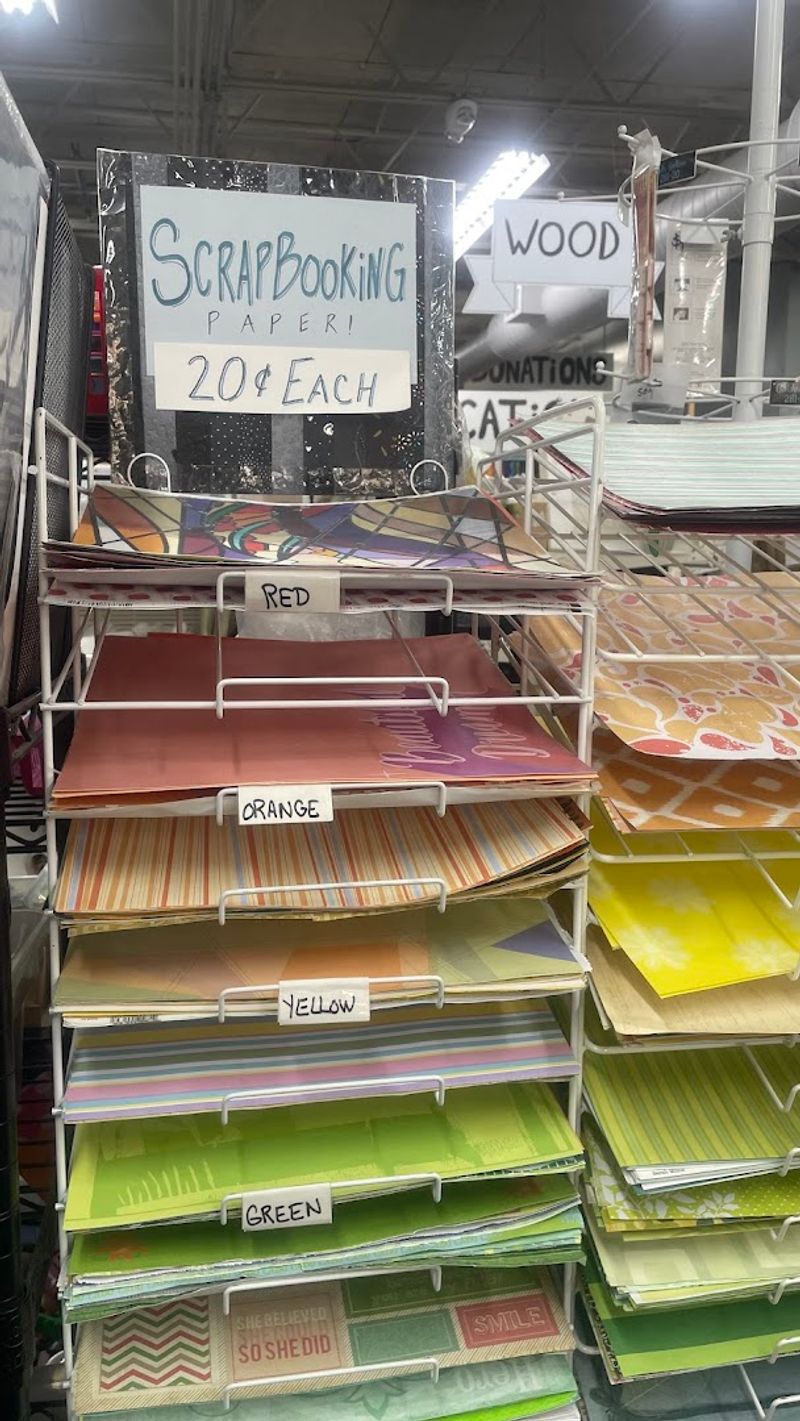
Paper lovers should slow down before assuming they have seen the paper section. SCRAP often carries colored sheets, blank cards, stickers, washi tape, postcards, office papers, binders, and vintage ephemera that suit card making, scrapbooking, journaling, or classroom art.
The appeal is partly economic, but texture is the real advantage. A reused postcard or odd envelope gives a project a lived-in quality new supplies rarely manage.
Test pens when paper pads are available, and check condition before buying. Since everything depends on donations, perfection is not the point; usefulness is, and that distinction makes browsing feel lighter and more creative.
Browse Textiles With A Flexible Plan
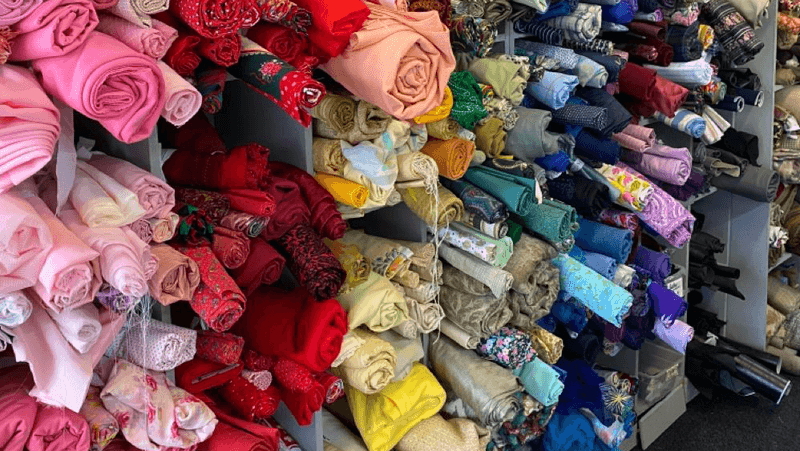
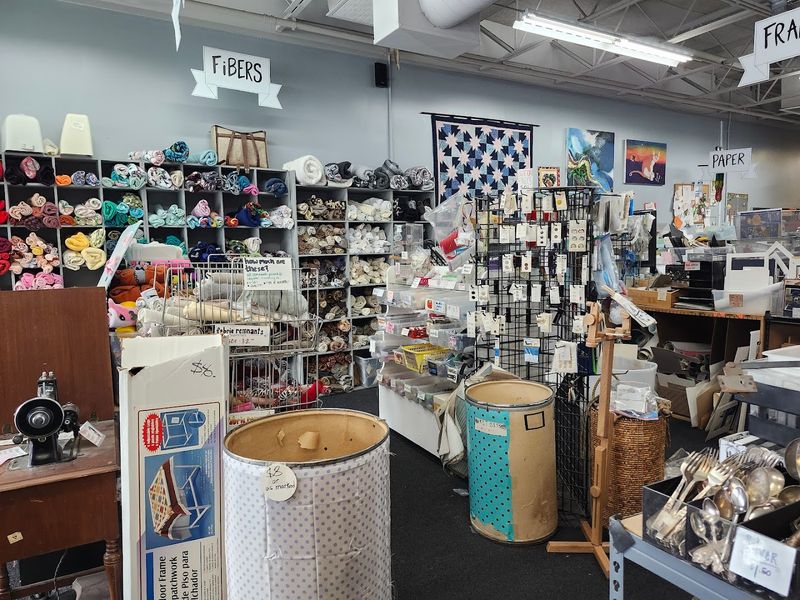
Textiles at SCRAP ask for a flexible imagination. You may find fabric pieces, ribbon, string, thread, yarn, sewing notions, or small remnants that work beautifully for mending, doll clothes, quilt accents, costume details, or experimental stitching.
The selection rarely feels standardized, which is exactly why it can be so useful for makers who enjoy solving problems through texture, color, and creative adaptation. Quantities can be irregular, so match the material to the project, not the other way around.
A small cut of fabric may be useless for curtains and perfect for a journal cover. In that sense, the store rewards realistic thinking more than wishful thinking, especially when space, budget, and actual making time are limited.
Check yardage, fiber feel, and price before committing, especially with yarn or thread. The best textile finds here often reward makers who enjoy improvisation, color matching, and the happy discipline of using what already exists. A quick touch test and a clear project in mind can turn a random remnant into exactly the right material instead of another bag of maybe someday.
Watch For Classes And Community Events
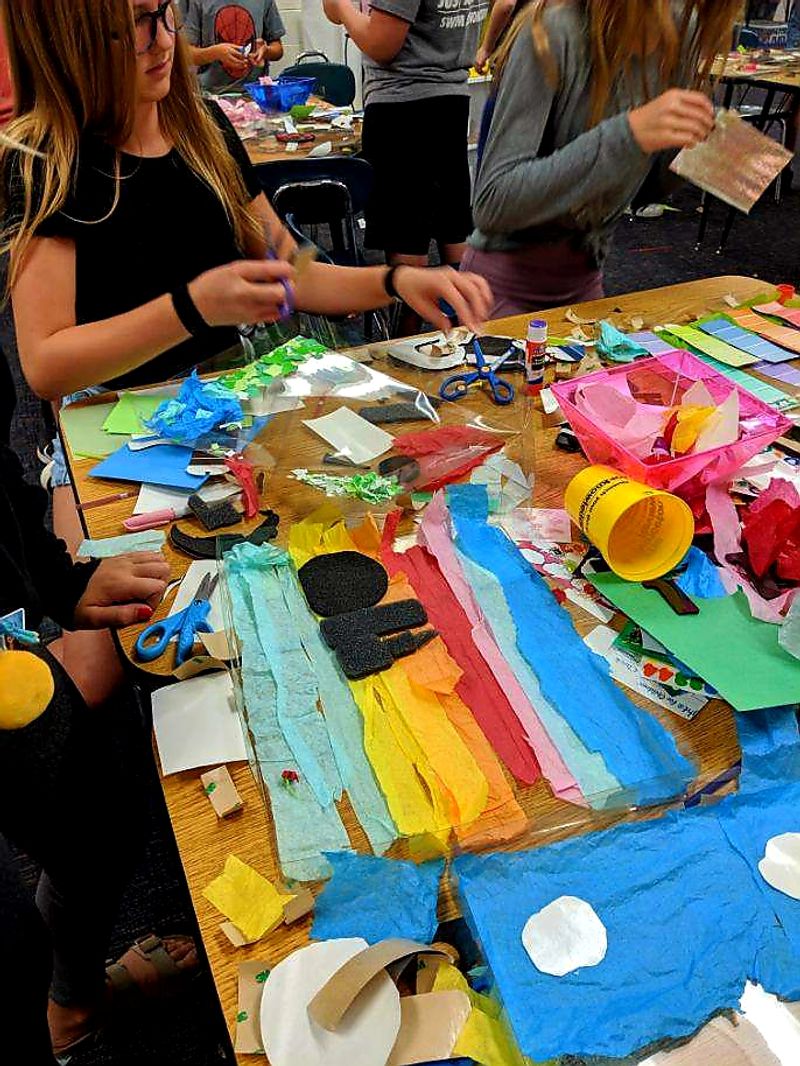
SCRAP is more than retail shelves with a conscience. The organization offers workshops and events such as jewelry making, sewing sessions, all-ages crafternoons, and Camp Scrap, a summer day camp program centered on creativity and reuse.
That education piece gives the store its community pulse. Materials become less intimidating when someone shows you how to turn scraps into a finished object, especially if you are learning alongside neighbors.
Check the official website, scrapa2.org, for current schedules, fees, and scholarship information. Programs can change, and booking ahead is wiser than arriving with a hopeful child and discovering the room is already full.
Pair Your Budget With Your Purpose
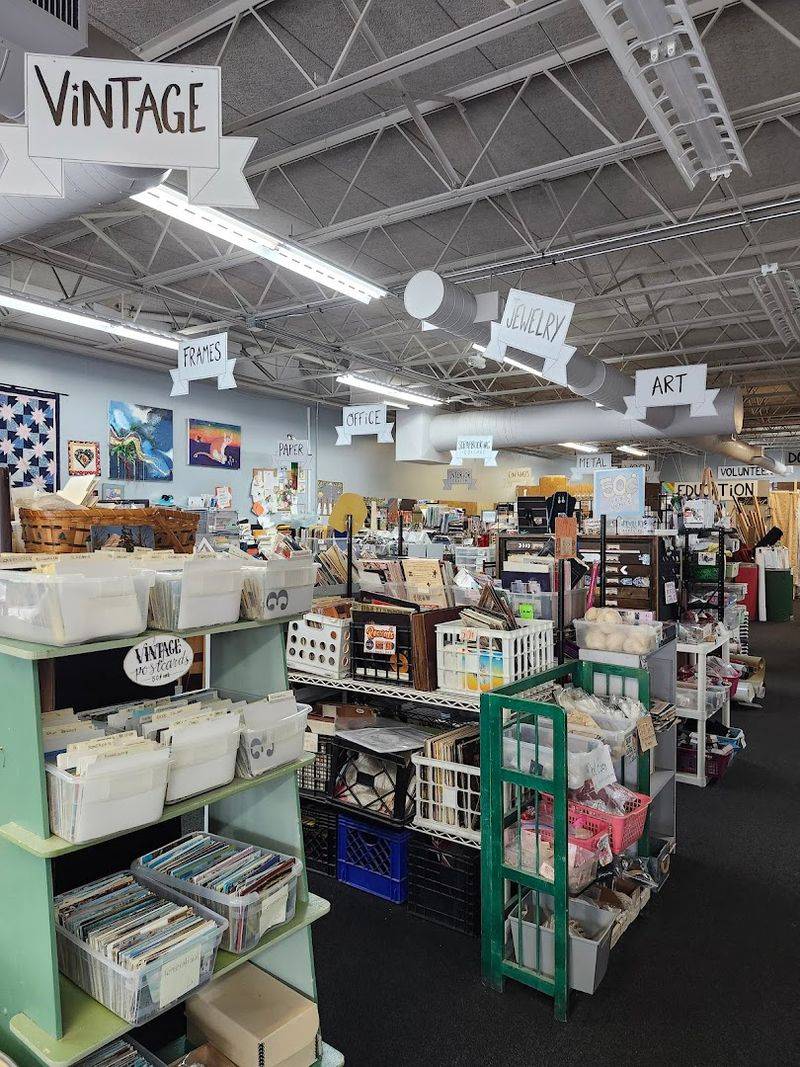
Affordable does not always mean every object is automatically the right buy. At SCRAP, prices vary by material, condition, and category, so it helps to shop with a purpose while staying open to surprise. The best finds tend to come when you know your rough limits, but still leave room for one odd item that sparks a real idea.
For bulk classroom projects, party decorations, collage supplies, or experimental art, the value can be excellent. For a specialized material, compare quantity and condition before deciding. Some things are bargains because they are abundant, while others only make sense if they solve a very specific need better than buying new would.
This is where slow looking becomes a budget tool. I like to make a lap through the whole store first, then return to the items that still feel useful after the initial glitter cloud clears. Your cart should support actual projects, not future guilt.
A good rule is to ask whether you can name the project, the timing, and the first step right now, before the item earns a place in your basket.
Donate With The Same Care You Shop
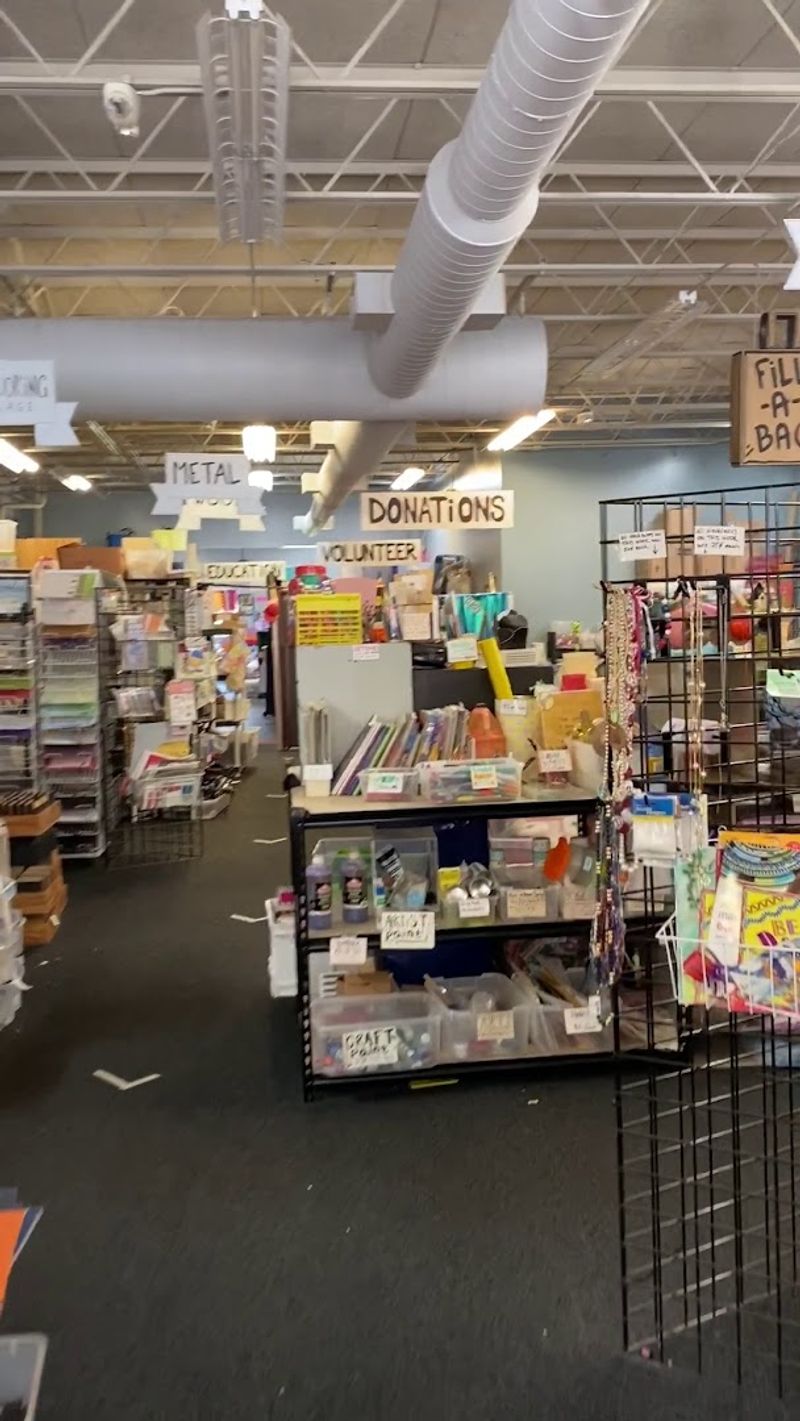
The most respectful way to love SCRAP is to bring usable materials back into the cycle. Because the store relies on donations, your extra craft supplies, office materials, party goods, or project leftovers may become someone else’s perfect missing piece.
That exchange is part of what gives the place its energy, turning private excess into public possibility instead of letting useful materials stall out in closets.
Do not treat donation as a junk drawer confession. Check the organization’s current donation guidelines before loading the car, because accepted items and drop-off procedures can change. The goal is not simply to get rid of things, but to pass along items that still have clear practical or creative life in them.
Clean, sorted, usable goods make life easier for staff and volunteers, and they help the mission work better. The visit feels different when you understand the loop: browse, make, share leftovers, and keep useful things moving.
Once you see that rhythm, the store stops feeling like a discount stop and starts feeling more like a small system of care built from attention and reuse.