
This Michigan Creative Reuse Store Is Packed With Cheap Supplies For Fall Crafts
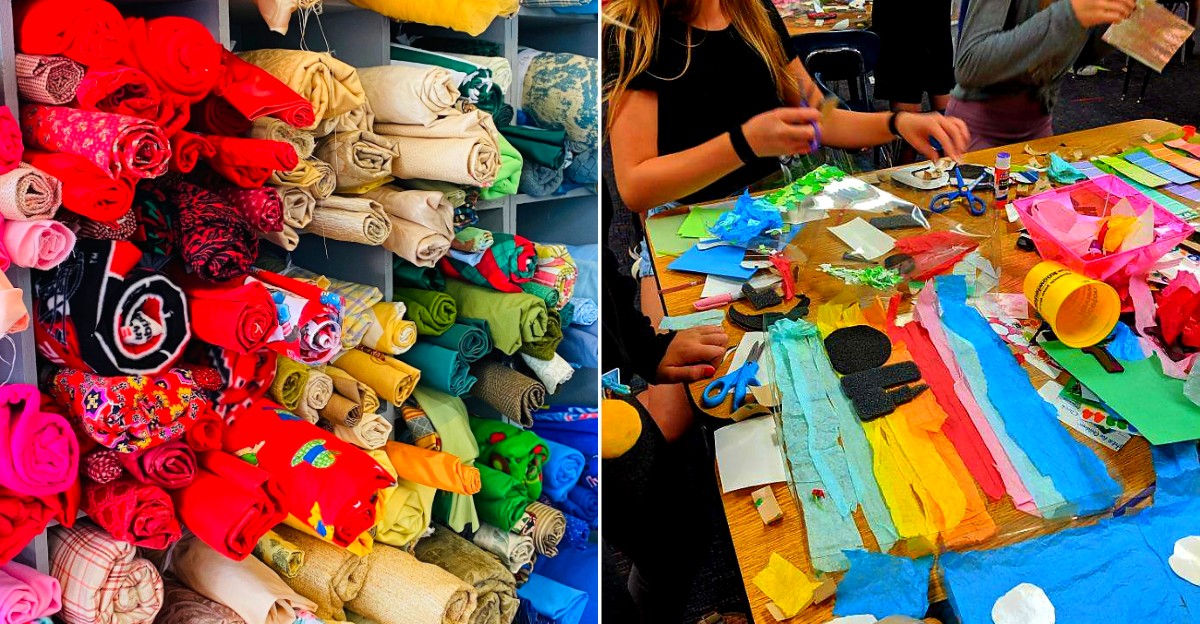
Fall crafting gets much more interesting when the supplies already have a past. In this nonprofit creative reuse shop, donated fabric, paper, yarn, trim, and assorted oddities wait for someone to turn them into something useful, cheerful, or gloriously strange.
The changing inventory is half the fun, especially when an autumn project begins with one idea and leaves carrying three completely different possibilities.
Michigan makers can stretch a small budget further here, where secondhand craft supplies turn seasonal decorating into a more creative, less predictable hunt.
What I like most is the freedom to experiment without feeling precious about every material. A scrap of fabric can become a pumpkin, a handful of paper might end up as a garland, and one strange little find can set the tone for the whole project.
The result feels personal rather than matched, polished, or pulled from the same seasonal aisle as everyone else.
Fabric Scraps Have Pumpkin Potential
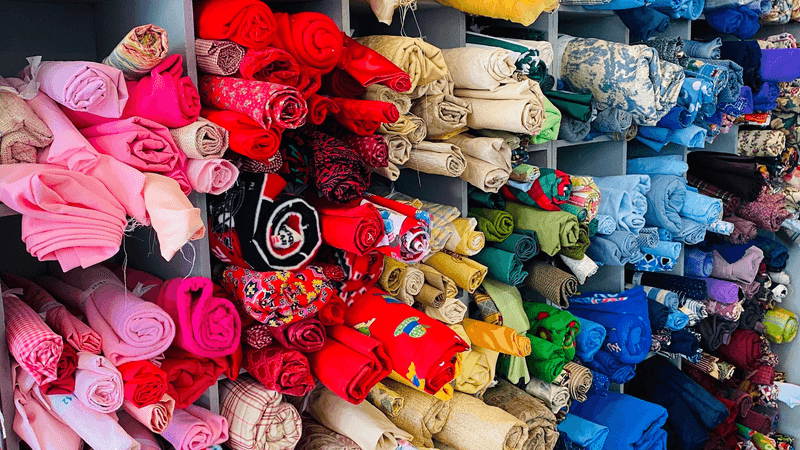
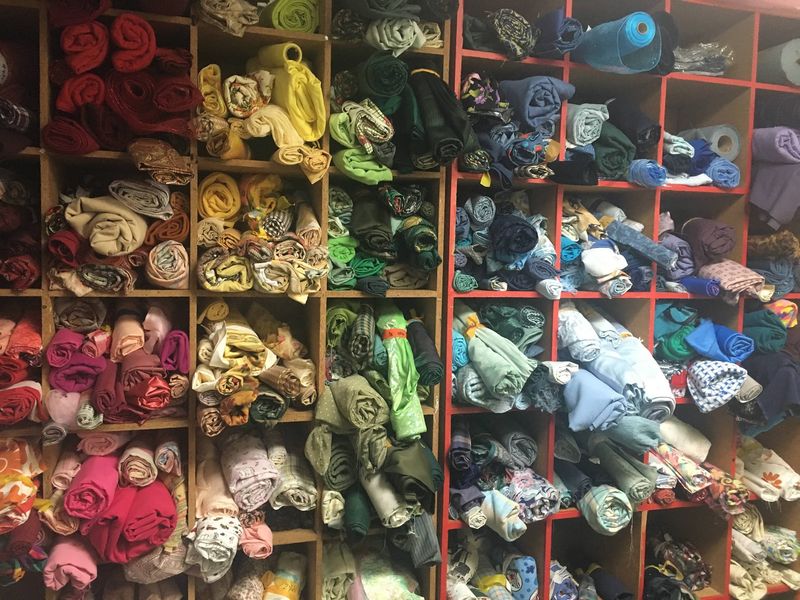
A small piece of cloth can become a surprisingly convincing pumpkin. Fabric is among SCRAP’s donated supplies, making this a useful place to look for pieces suited to modest autumn sewing projects.
Check each piece for stains, holes, and enough usable space before buying. A pattern that looks loud on the shelf may work beautifully when gathered into a rounded shape, especially beside quieter colors.
For an easy approach, use a simple fabric pumpkin pattern and choose a scrap large enough for its template. Check whether the cloth needs washing before you begin.
Save narrow leftovers for ties or patchwork details. Your pumpkins do not need to match; different textures can make a small fall display feel more interesting.
Washtenaw Avenue Hides The Creative Treasure Hunt
SCRAP Creative Reuse sits at 4567 Washtenaw Avenue in Ann Arbor, Michigan, along the broad commercial stretch east of central Ann Arbor. Washtenaw is the road to stay with on the final approach, with the reuse center set among the corridor’s shops and roadside businesses.
The last stretch feels more strip-road than downtown, so the 4500 block is the useful clue. Once you reach that part of Washtenaw Avenue, slow down and start watching the storefronts rather than waiting for a major landmark.
Pull into the property at 4567 Washtenaw Avenue and head for the SCRAP storefront. If you are dropping off materials rather than shopping, make sure you are following the current donation instructions before unloading.
Paper Leaves Without The Messy Cleanup
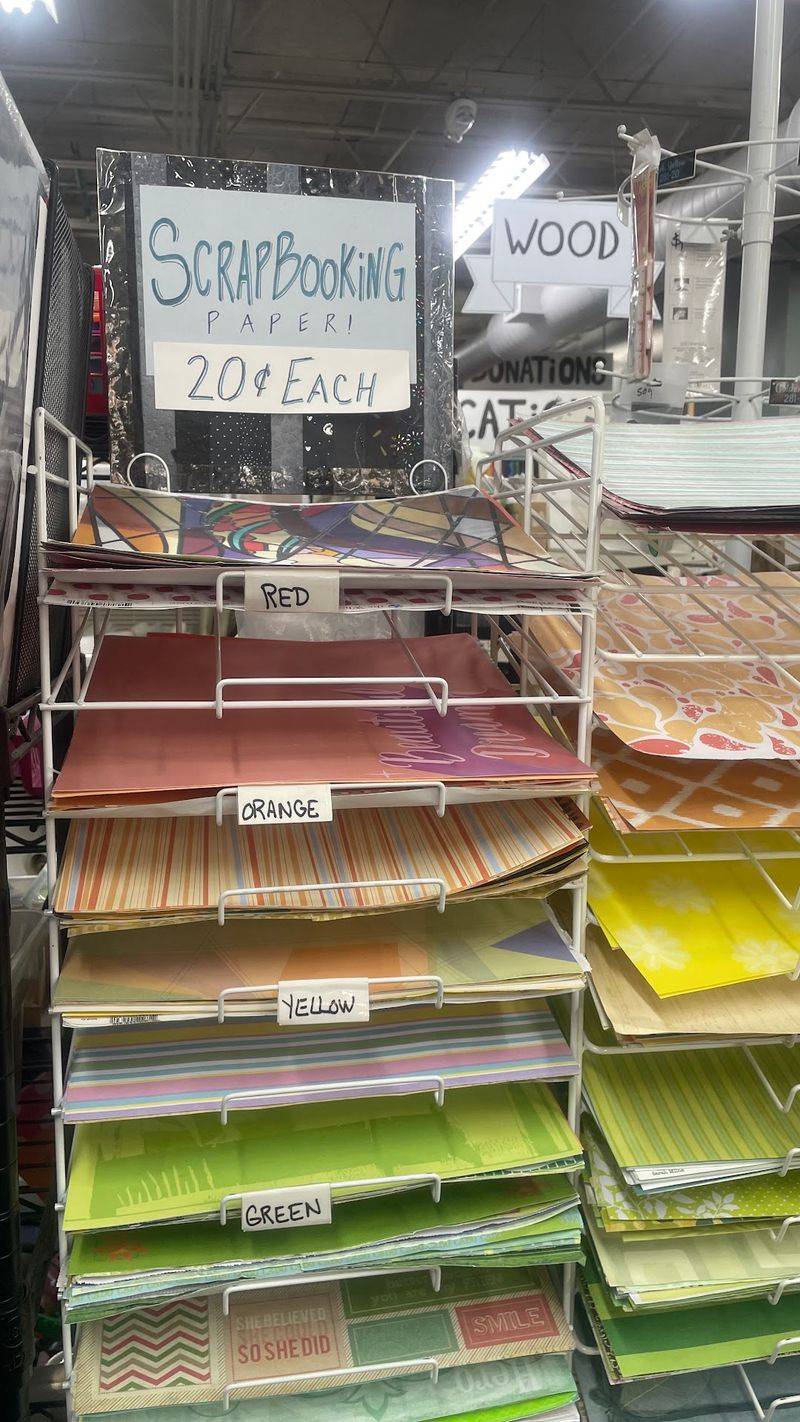
Paper leaves stay crisp long after real ones curl. SCRAP’s paper and scrapbooking supplies offer a starting point for garlands, table decorations, and fall cards without requiring a large material haul.
Look for sheets with enough space to cut several shapes. Small scraps can still become acorns, stems, or layered details, so judge usefulness by your project rather than by sheet size alone.
Make one cardboard leaf template at home, then trace it onto your finds. Fold each cut leaf gently down the middle for a little depth.
If you plan to hang a garland, test one punched hole before cutting the whole batch. Thin paper may need a small backing patch where the string passes through it.
Give Small Yarn Finds A Small Job
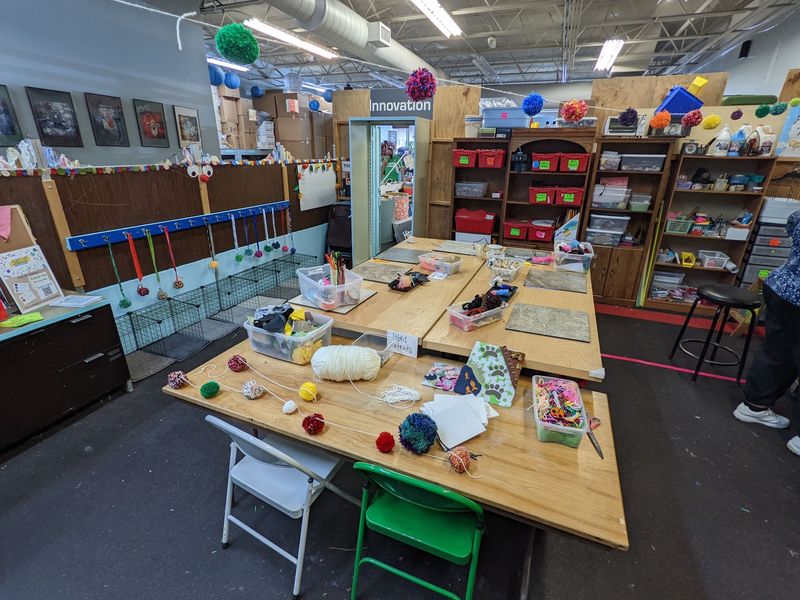
That little ball of yarn does not need to become a sweater. Smaller amounts are better suited to tassels, wrapped shapes, tiny woven pieces, or accents on a fall garland.
SCRAP’s stock can include yarn, but quantity and condition deserve a close look. Check for tangles, missing labels, and whether you have enough for the whole project before treating a find as a bargain.
Compare the marked price with the amount you can use. For decorative tassels, exact fiber content may matter less than color and strength.
For anything that needs washing, a readable label is more helpful. Keep your palette simple, perhaps rust, cream, and brown, so mixed leftovers look chosen rather than accidentally gathered into one bundle.
Buttons Bring The Tiny Details
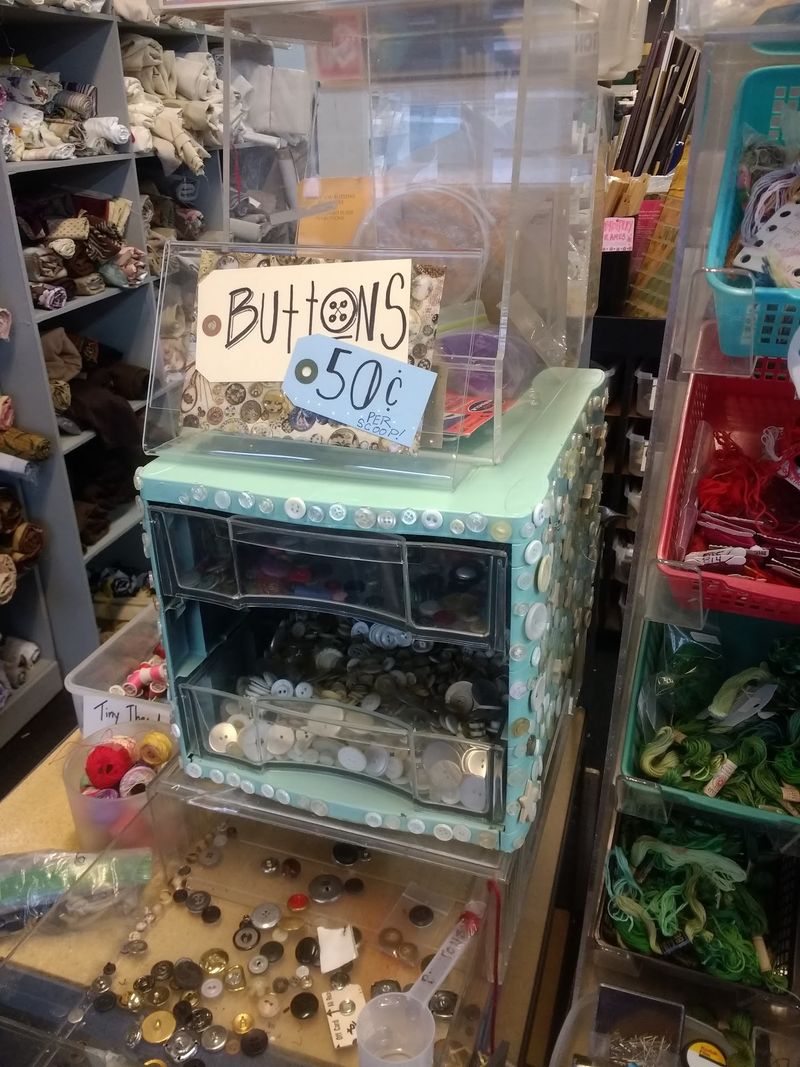
One well-placed button can do more than a fistful of glitter. Small donated components at SCRAP can supply the finishing touches that turn plain paper or fabric into something with character.
Choose buttons by function as well as color. Flat ones are easier to attach to cards, while thicker shapes may work better on a fabric decoration that will not go through the mail.
Lay out your design before adding glue or stitches. A short row might suggest corn kernels, while a single brown button could finish a pumpkin stem.
Keep loose pieces away from young children and pets. Buying a few useful details is usually wiser than collecting a large handful simply because the colors look good together.
The Best Bargain Is One You Will Use
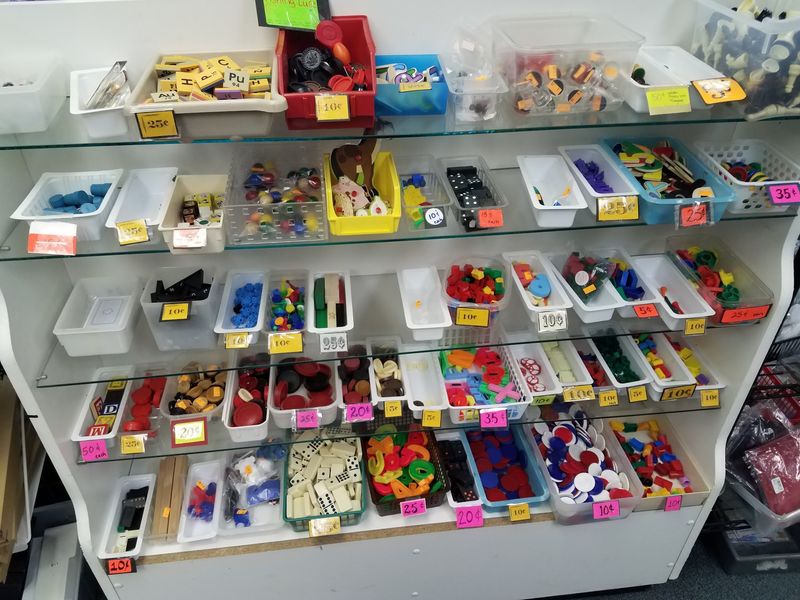
Cheap supplies stop being cheap when they sit untouched all winter. SCRAP makes creative reuse accessible, but a sensible budget still helps keep an exciting browsing session from becoming a storage problem.
Set a spending limit before you arrive and count tools, glue, or other missing basics in the project total. A low-priced bundle may not save money if only one piece is useful.
Check marked prices instead of assuming every donated item costs less than its new equivalent. Condition, quantity, and your actual needs all matter.
Before checkout, separate your choices into definite uses and hopeful possibilities. Keep the first group and reconsider the second.
Leaving an interesting item behind is allowed, even when it seems full of potential.
Build A Collage With A Little History
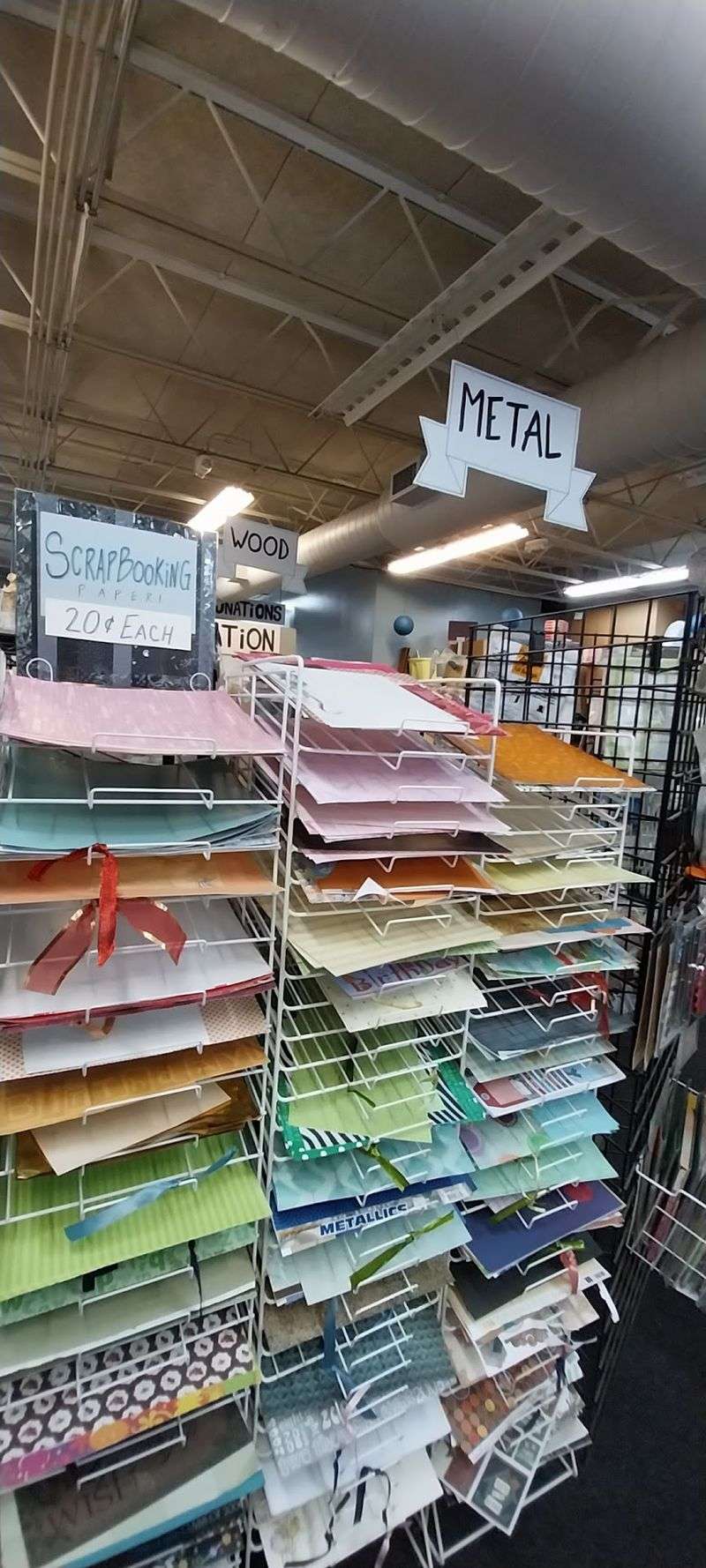
Old printed paper brings a different mood than a fresh matching pack. SCRAP’s changing paper selection can provide material for autumn collages that feel layered, thoughtful, and pleasantly imperfect.
Pick a sturdy backing first, then gather a few papers with different tones or textures. Check both sides before cutting, and avoid using anything that exposes someone’s private information.
Arrange the pieces without glue until the balance feels right. A large leaf shape can anchor the design, with smaller scraps filling the edges.
Leave some open space so every detail does not compete for attention. If you hope to keep the artwork for years, remember that older paper and ordinary glue may yellow; suitable preservation materials require a separate check.
Check The Calendar Before Counting On A Class
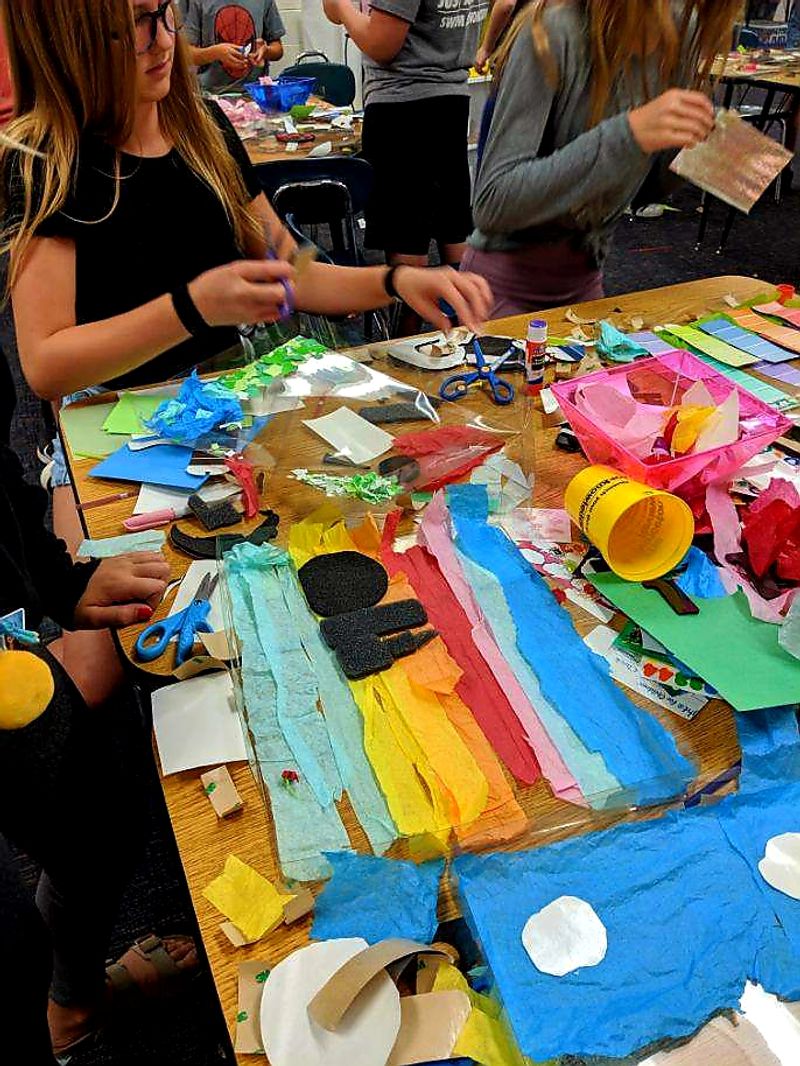
A guided project can solve the blank-page problem. SCRAP’s educational work includes workshops and creative programs, adding another reason to keep an eye on the organization beyond a supply shopping trip.
Look at the current calendar before planning around a seasonal class. Past fall activities do not guarantee the same offering this year, and registration, age limits, fees, or included materials may differ.
Choose a session that matches your comfort level rather than the fanciest finished example. Ask what you need to bring and whether beginners are welcome.
Learning one useful technique, such as joining paper shapes or handling an unfamiliar material, can help with several projects later. A class is most valuable when its lessons follow you home.
A Shared Studio Needs A Little Planning
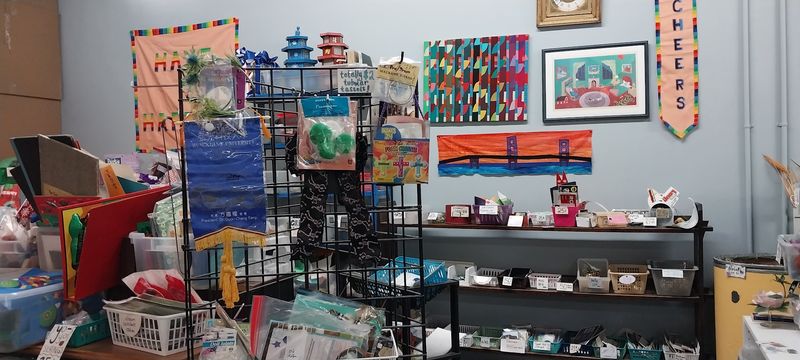
Crafting together is easier when everyone has room for their elbows. SCRAP Studio supports educational activities, and group use offers a different way to connect with the store’s reuse mission.
If you are considering a gathering, contact SCRAP about current rental options, available tools, capacity, and rules. Do not assume the studio is open for casual drop-in use whenever the shop is open.
Plan a project with simple steps and materials that can vary, such as autumn cards or paper garlands. Ask about cleanup expectations and which supplies are included before setting your budget.
Give each person a small work area and collect reusable offcuts as you go. A shared scrap pile can be useful without taking over the table.
Donate The Extras, Not The Headache
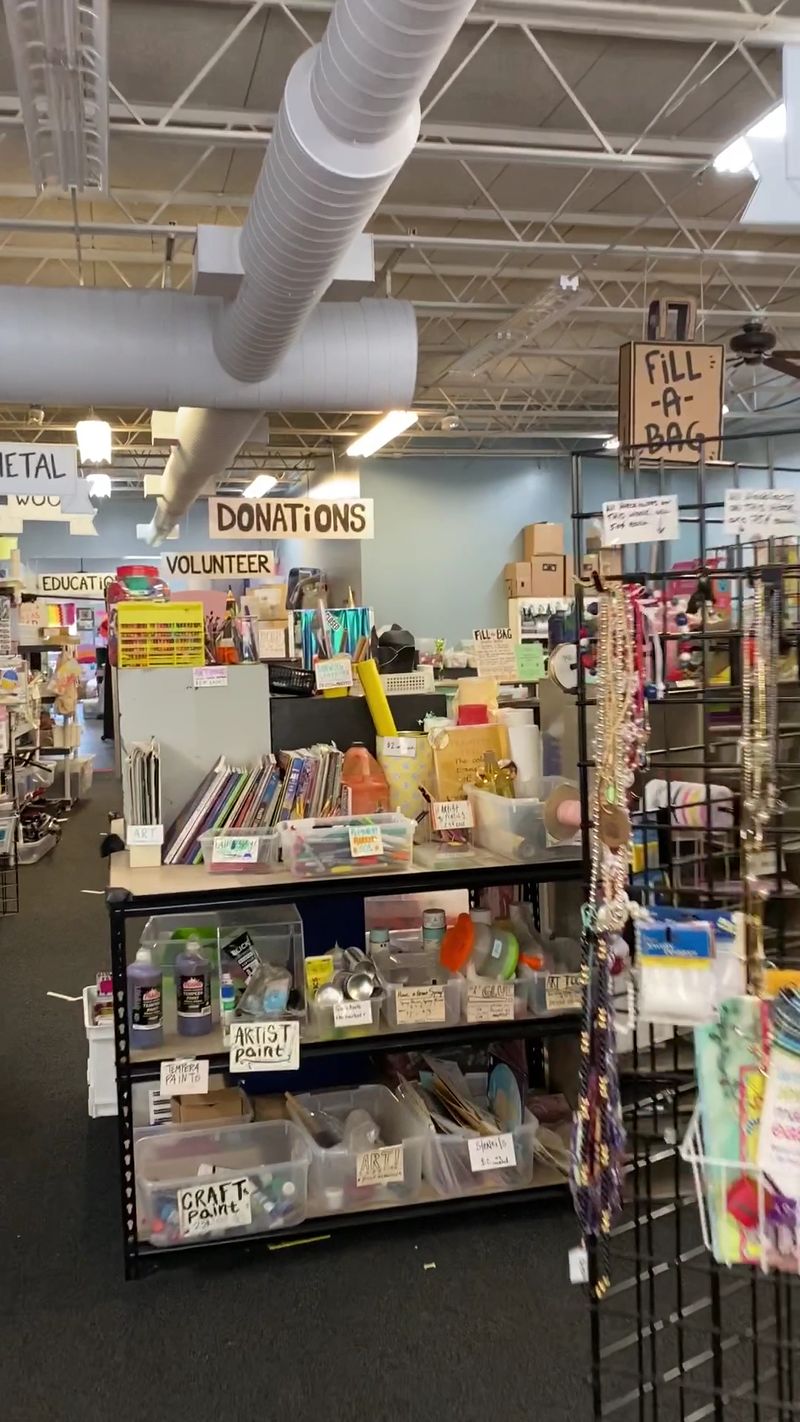
The other half of creative reuse happens before someone shops. Donated supplies help keep SCRAP’s materials moving, but thoughtful sorting matters more than emptying an entire closet into a box.
Check the current donation guidelines before packing anything. Accepted categories, quantity limits, and appointment rules can change, so confirm the process rather than arriving with an unexpected trunk full of leftovers.
Separate clean, usable materials from broken tools, dried products, and scraps too damaged to serve a purpose. Keep related pieces together and label anything whose use is not obvious.
After your fall projects, save useful leftovers for another craft or an approved donation. The kindest contribution is one staff can handle efficiently and another maker can put to work.
Make The Washtenaw Visit Count
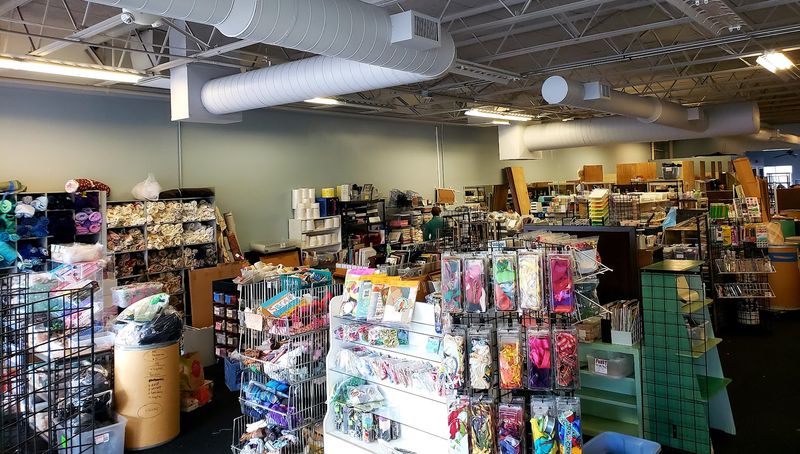
A little checking saves a disappointing drive. SCRAP Creative Reuse is at 4567 Washtenaw Avenue in Ann Arbor, and its changing inventory rewards a visit with time for browsing.
The supplied business listing shows daily shopping hours of 11 a.m. to 6 p.m. Confirm current hours through scrapa2.org or call 734-800-4137, especially before a holiday visit or when planning a donation.
Bring your measurements, a reusable bag, and photos of the space you want to decorate. Start with the materials your main project needs, then allow a short browse for unexpected options.
Before leaving, check that your choices work together and that you have a clear next step. Finding supplies is fun; finishing something with them is even better.