
This Michigan Food Festival Tour Is Pure “Gettin’ Weird In The Mitten”
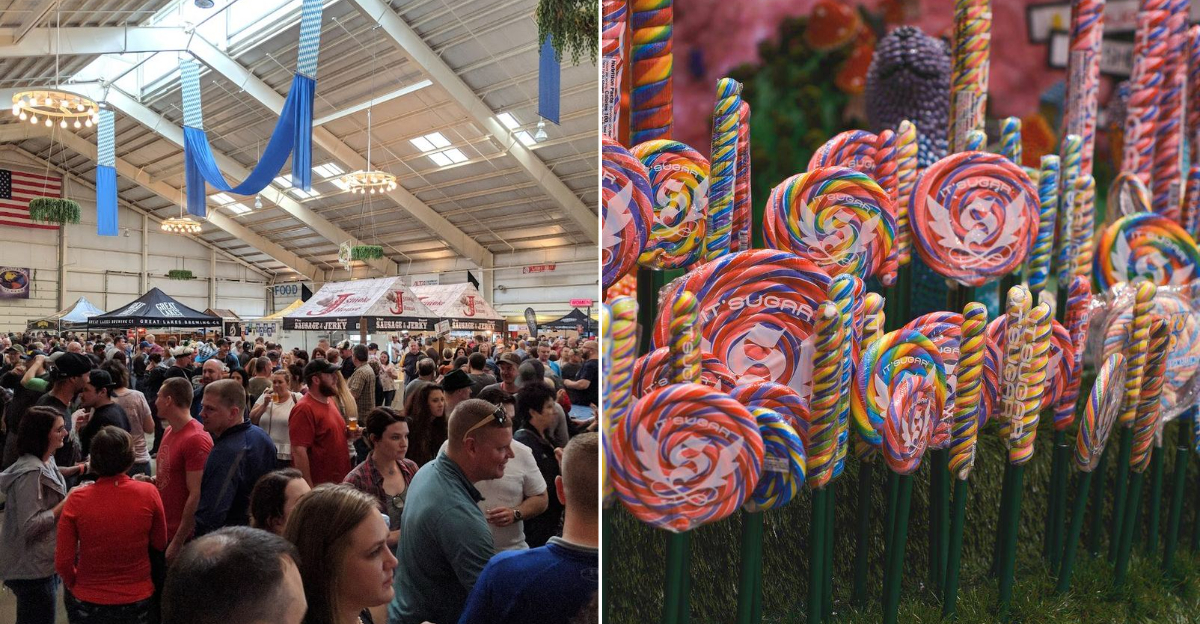
I have a chronic inability to drive past a “World’s Largest” sign or a hand-painted flyer for a bake-off without hitting the brakes, my car basically runs on curiosity and local pride. Michigan’s small towns throw some of the strangest, most endearing food parties in the Midwest, and honestly, they’re worth every extra gallon of gas.
Michigan food festivals and small-town harvest celebrations offer a unique way to explore the state’s agricultural roots through quirky events, local recipe contests, and authentic farm-to-table snacks.
If you’re the type of traveler who likes to get a little lost in search of the perfect bite, this tour will keep you comfortably full and endlessly entertained. Each stop is a layer of local history served with a side of carnival rides and small-town charm. I’ve logged way too many miles chasing the perfect festival circuit, and I’m telling you: the weirder the celebration, the better the food.
1. National Morel Mushroom Festival (Boyne City)
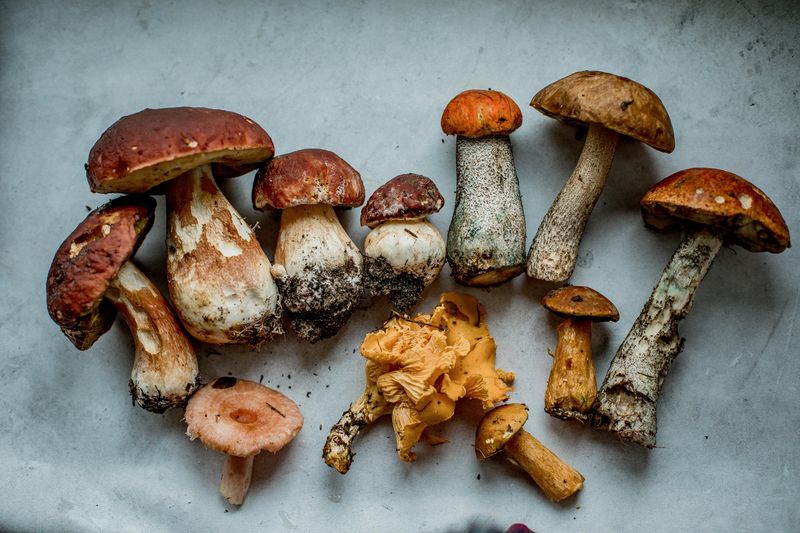
The air smells like damp leaves and sizzling butter as skillets snap with diced fungi near Lake Charlevoix. Boyne City turns spring into a high-stakes scavenger hunt, sending eager foragers into hardwoods for honeycombed caps.
The vibe stays outdoorsy calm, then spikes with an auctioneer’s rhythm and quick whispered lessons on true finds versus false ones. For a few days, the forest floor feels like the most valuable real estate in the county.
History runs through the recipe demos, where longtime pickers talk burn sites and sustainable picking. A carnival and live concerts round out the weekend without drowning out the quiet, woodsy soul.
Guides push gentle cuts and mesh bags to help spread spores for next year. Arrive early for the National Morel Mushroom Hunt or a Taste of Morels slot, those fill fast.
Waterproof boots and a soft brush matter, and cash helps in market lines. The best baskets vanish quickly, so move with purpose when something looks right.
2. National Asparagus Festival, Hart And Shelby
Costumed stalks wave from floats as tractors rumble through Oceana County, and the jokes stay tender-crisp. This weekend tastes like early summer, with grilled asparagus snapping under lemon and salt.
The atmosphere is farm-proud and neighborly, and volunteers at sample booths often remember you when you loop back. It celebrates a crop that demands labor-heavy harvesting and real local pride.
The festival dates to the 1970s, honoring an industry that keeps Michigan among the nation’s top producers. An Asparagus Queen tradition adds kitsch that still nods to economic staying power.
You can feel history in growers’ booths and sorting demos that show how harvest moves field to table. Expect a traffic crawl near parade time, so a cooler for roadside finds is smart.
Hit the recipe contest for dips to desserts, and pack sunscreen for the Royal Parade. Shade is limited when tractors start rolling, and that sun adds up fast.
3. Pasty Fest (Calumet)
Steam curls from thick crimped edges on 5th Street while a brass band threads through red-brick downtown. The pasty radiates heat like a wool pocket heater, perfect against a sharp northern breeze.
People debate rutabaga with an intensity usually reserved for politics, but it stays funny and friendly. Here, the dish is more than a meal, it is portable heritage.
Pasties traveled with Cornish miners during the 19th-century copper boom, and the festival honors that hard lineage. Historical tours weave labor stories with architecture that has survived brutal winters.
Continuity shows in old recipe cards passed across folding tables, and you can feel generations in the details. Lines slow near the main bake-off, so arrive early or grab a backup snack.
Carry cash for smaller vendors, and consider a quick stop at the Keweenaw National Historical Park visitor center for context. Then settle in for dessert pie with the story fresh in your head.
4. Berrien Springs Pickle Festival (Berrien Springs)
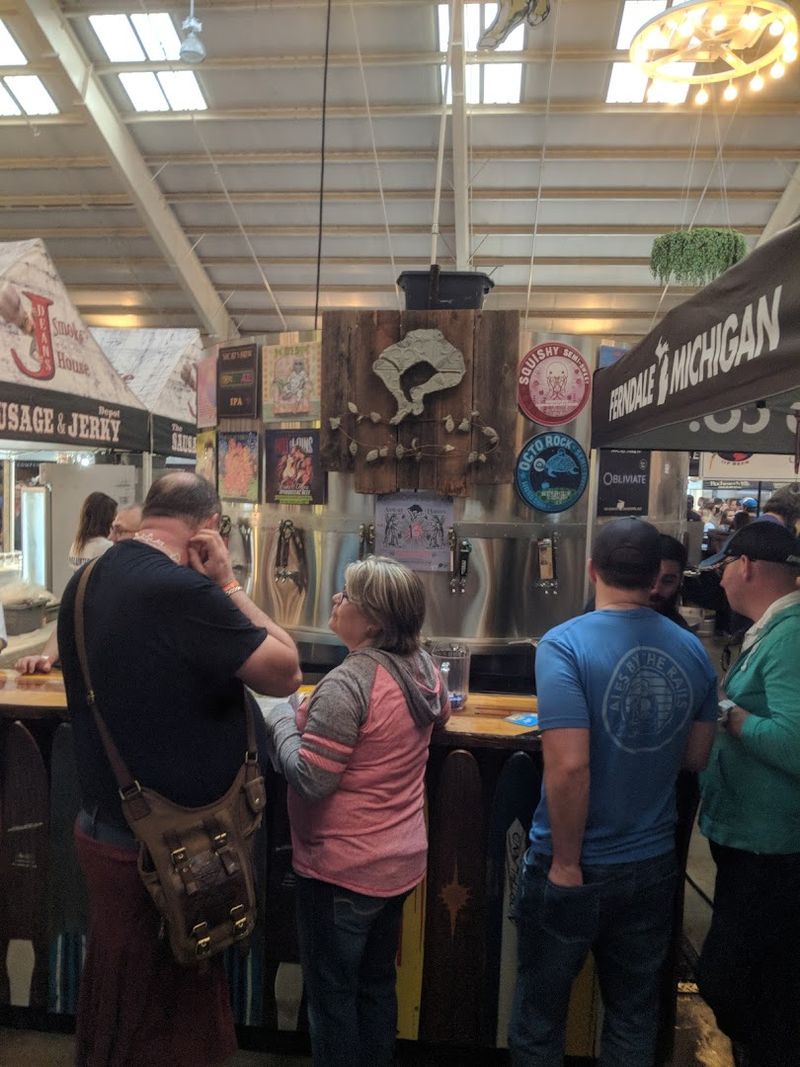
Vinegar brine cuts through kettle corn sweetness on the village green. Jars of spears, chips, and whole sours stack high, with handwritten labels from proud home canners.
The crowd feels picnic-casual, with laughter echoing from Pickle Relays and nearby soft-serve trucks. It plays like a high-energy summer playdate for the whole community.
This is a revival of a long local tradition tied to southwest Michigan’s produce belt. Canning competitions bring vintage family recipes into daylight, nodding to kitchens that wasted nothing.
The event lands as history lesson and social gathering at the same time. Parking fills quickly near the center, so aim for side streets and enjoy the short walk in.
Shade tents near the gazebo are lifesavers in midday heat. Eat fried pickles early, lines get serious once the crowd fully settles.
5. National Blueberry Festival (South Haven)
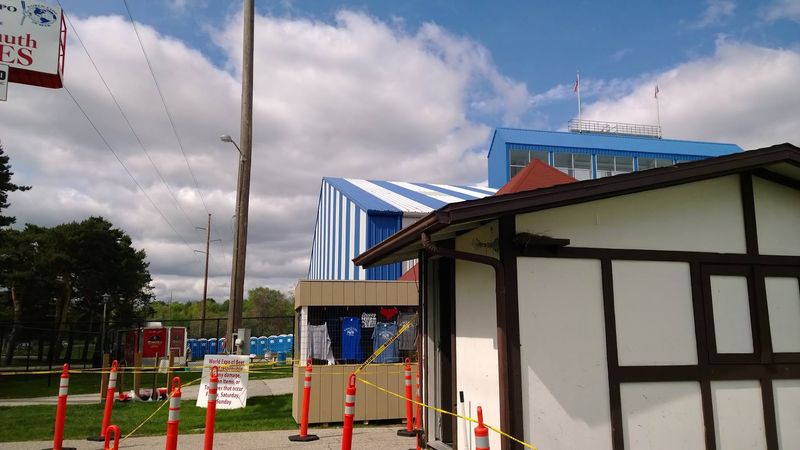
Blue-stained fingers become the weekend fashion statement as music drifts with harbor breezes and bakery sugar. White awnings glow over pints that look like blue marbles, and kids chase messy pie-eating glory.
The tempo stays beach-town easy, backed by a practical farm streak that keeps the region thriving. It blends lakeside vacation energy with a real harvest celebration.
Local growers helped cement Michigan’s standing as a top producer, and you taste that pride everywhere. The festival began in the mid-20th century, and nearby farms often run U-Pick blueberries.
Continuity shows in vintage farm logos and multigenerational booths lining the streets. Parking near the lighthouse goes fast, so shuttles or bikes are less stressful.
Hydrate while watching the parade, sun and sugar stack up together. If a storm brews off the lake, local bakeries make excellent shelters until clouds pass.
6. Wild Blueberry Festival (Paradise)
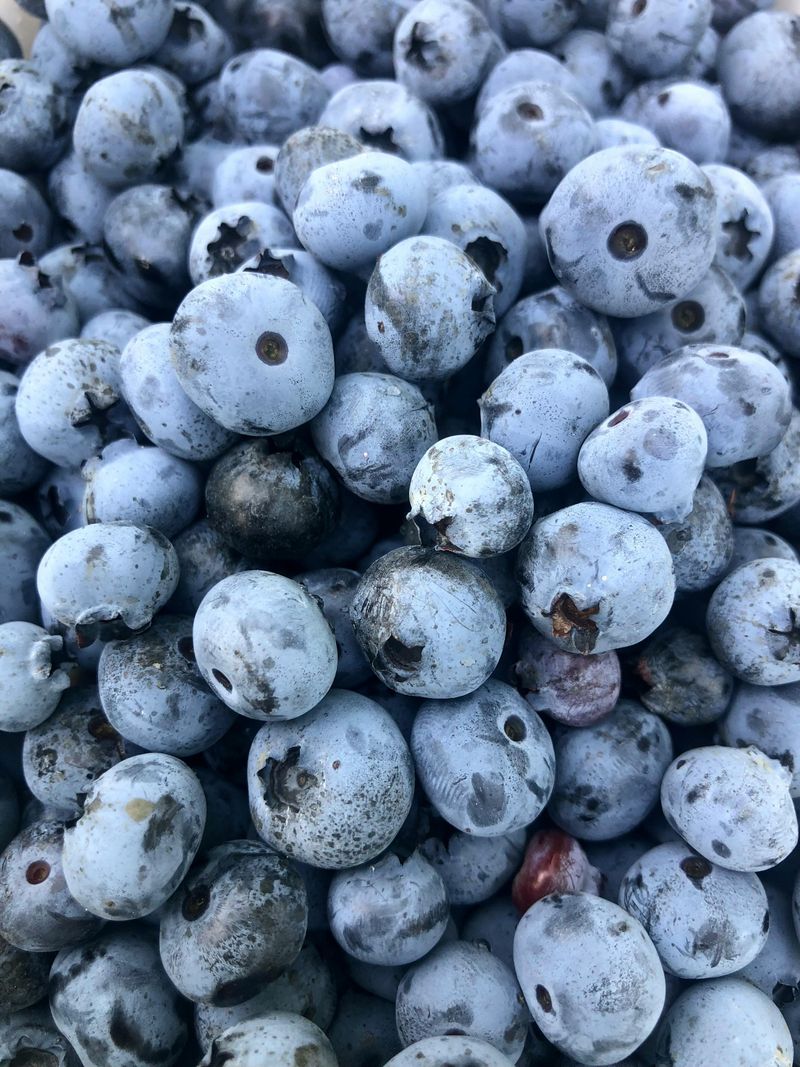
Everything feels quieter here, where pine sap and cool air mix with the pop of fruit. These berries are smaller, darker, and more intense, grown in sandy acidic soils near the falls.
The mood is gently communal, like one long neighborhood table under tall trees. It celebrates the rugged landscape and the people who know how to harvest from it.
The festival focuses on wild stands rather than industrial farms, and that shapes the pride you hear at every booth. Stories of dawn picking and distant black bears pepper conversations.
Craft tents and folk music keep the atmosphere intimate and grounded. Bring cash for roadside pints, and arrive before noon, wild harvest sells out.
A side trip to Tahquamenon Falls adds perfect geographic context. Pack a light jacket, lake breezes can cut even in August.
7. National Cherry Festival (Traverse City)
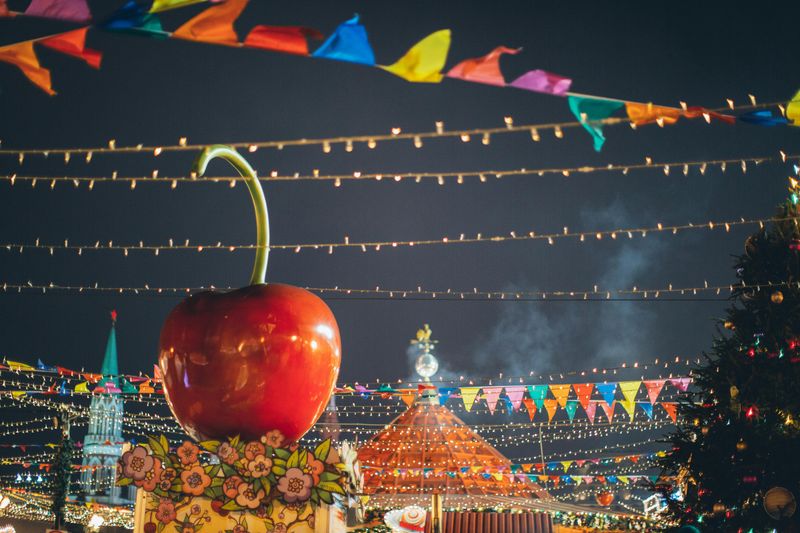
Jet engines slice the sky while sweet fruit aroma rolls off long vendor rows along Grand Traverse Bay. The scale surprises first-timers, floats, concerts, and an air show drive the week.
Despite the crowds, Traverse City keeps a friendly orchard pace anchored by blue water and rolling hills. It feels global and local at once, big spectacle with hometown roots.
The cherry industry runs back generations, and the festival began in the 1920s to honor harvest. Growers explain tart versus sweet varietals with practiced ease.
Heritage meets competition at the pit-spitting stage, where distance is measured with real precision. Book lodging months ahead, and use bike paths to bypass traffic.
Shade matters during midday parades, and frozen cherry treats keep energy steady between events. It is the easiest way to snack without losing your place.
8. Michigan Sugar Festival (Sebewaing)
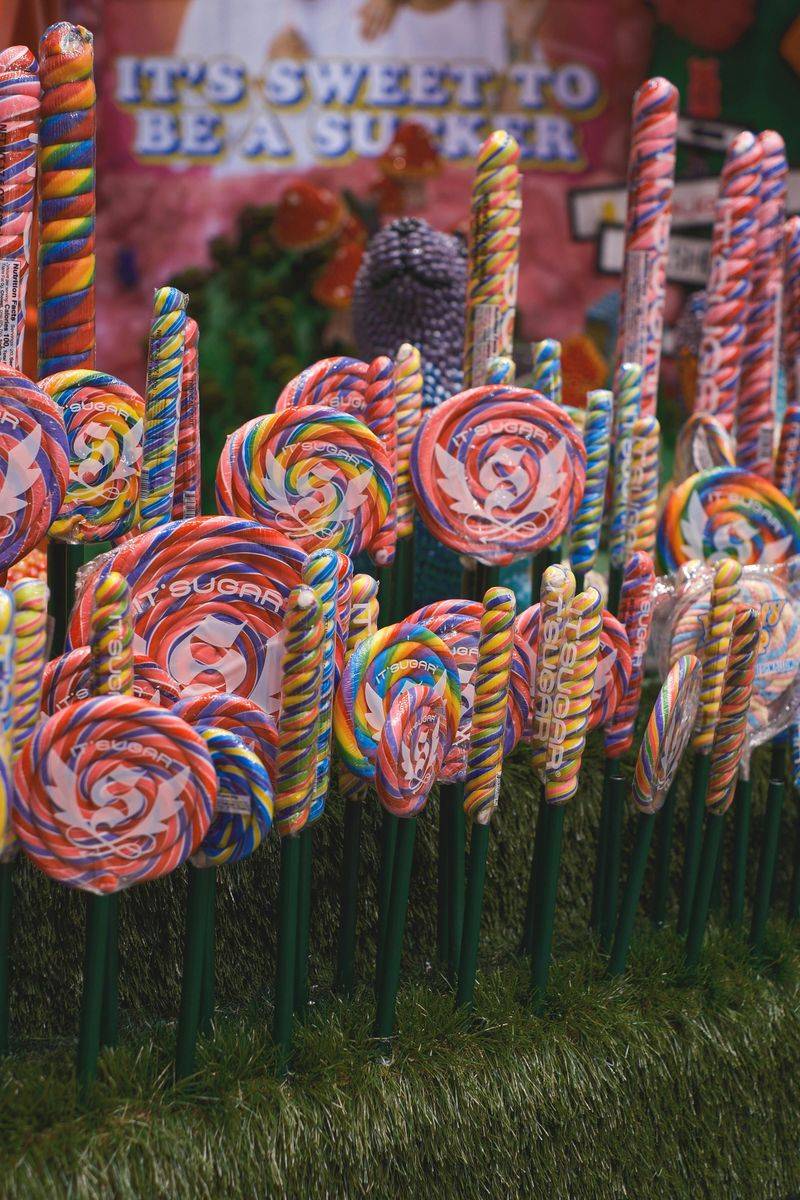
Granulated sugar seems to dust the air near fryer tents as the parade winds past tidy Thumb storefronts. This celebration orbits the sugar beet, a less flashy crop with a massive regional footprint.
The tone is earnest and welcoming, and the town is proud to show the results of hard work. It can feel like a homecoming even if it is your first visit.
Local sugar history threads through displays and occasional factory tours, explaining how a beet becomes a sparkling crystal. Longtime employees swap stories from harvest through packaging.
Preserving industrial stories gets treated with the same respect as the sweetness of the food. Check factory-event schedules early, those slots are limited.
Wear comfortable shoes for walking between midway and riverfront. Try cinnamon-sugar fry bread for the clearest taste of how the local crop improves everything.
9. National Baby Food Festival (Fremont)
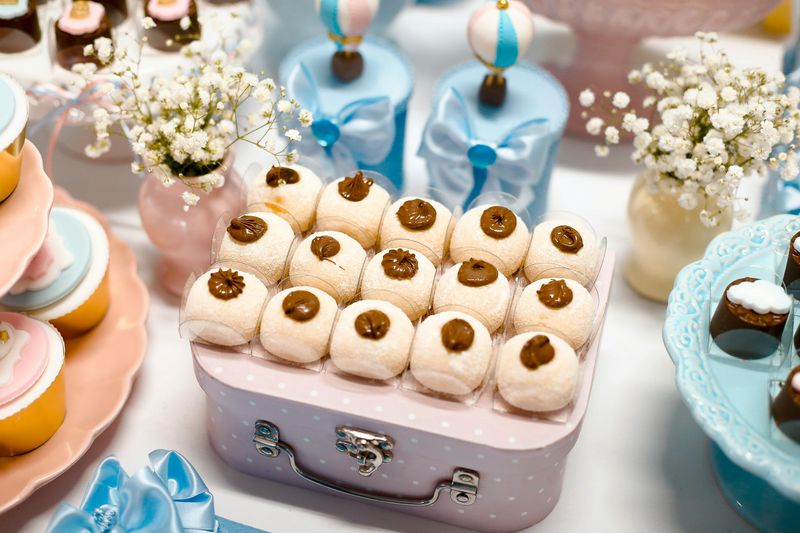
Strollers navigate shade while the community stage cycles through family acts and high-energy contests. Fremont wears its Gerber connection openly, turning baby food into a playful civic identity.
The mood is wholesome, safe, and organized, with volunteers directing foot traffic like seasoned pros. It is built for kids first, with plenty for adults too.
Gerber started here in the late 1920s, and the festival nods to that heritage through charity drives and kid-forward programming. Corporate history gets softened by hometown warmth.
Baby Food Cook-off events and smoothie stands help the theme make sense for every age. For a quieter visit, arrive early before the main parade kicks off.
Parents will appreciate cooling stations and diaper-changing areas throughout downtown. Parking stays manageable if you follow posted lot signs and skip cruising the main loop.
10. National Trout Festival (Kalkaska)
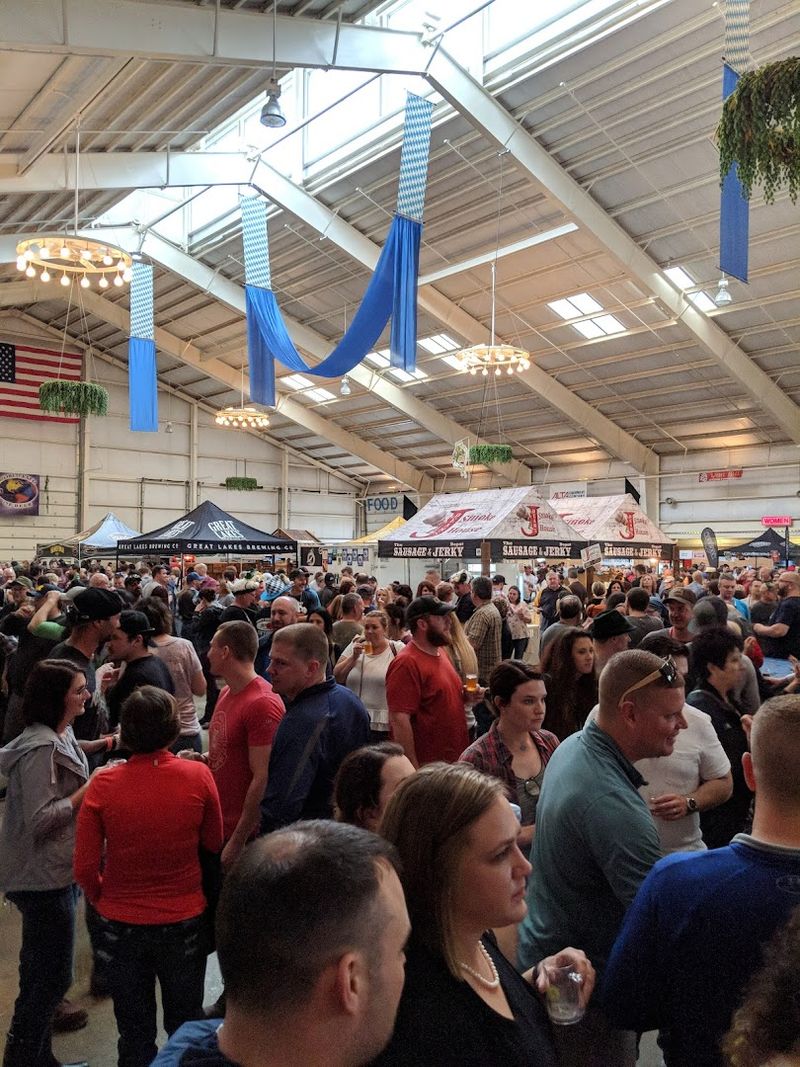
A giant colorful trout statue greets you downtown, and nearby air crackles with fryers, cornmeal, and lemon. This spring festival blends fishing tournaments with a small-town carnival, paced by weigh-ins and raffle calls.
It feels like late-night camp stories turned into a public party. For many, it is the signal that ice is gone and fishing season is truly here.
The event began in the 1930s to honor cold-water streams and conservation efforts. Conservation clubs share updates on stocking and habitat projects, adding real science to the fun.
That depth gives the community fish fry extra meaning, beyond a simple meal. Anglers should confirm tournament rules and state licenses well before the first cast.
If you do not fish, post up near the parade route and enjoy the food anyway. Bring a light rain shell, spring weather flips fast between sun and cold showers.