
This Michigan Garden Fills With More Than 40 Christmas Displays From Cultures Around The World
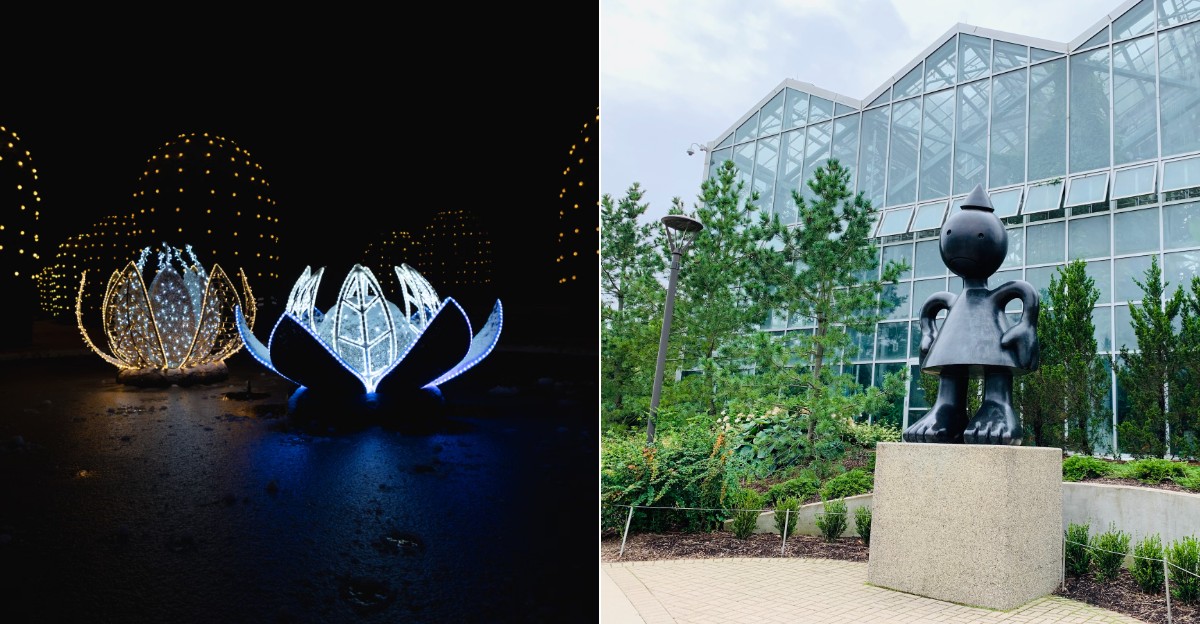
Winter in Grand Rapids gets a burst of color when more than 40 holiday trees and cultural displays fill this garden. Bright flowers, evergreen branches, miniature trains, and decorations inspired by traditions around the world make the experience feel festive without becoming just another ornament display.
The miniature railway adds a layer, weaving past tiny buildings made from plant materials and rewarding anyone willing to look closely.
Michigan holiday traditions come alive here through global customs, seasonal flowers, imaginative displays, and a train ride small enough to make adults lean in like kids.
What I like most is that the exhibition gives you something to talk about beyond which tree is prettiest. Each display offers a glimpse into how different communities celebrate, remember, and welcome the season.
Check programs before visiting, then leave enough time to wander slowly, because the best details are often the ones hiding between the obvious showstoppers.
A World Of Traditions Under One Roof

More than 40 trees and cultural displays give this exhibition its broad view of the season. Rather than treating every decoration as another shiny object, pause to discover which community or tradition it represents.
The displays bring together history, customs, and folklore. That mix rewards a slower look, especially when a familiar holiday symbol appears beside something completely new to you.
Read the nearby interpretation before guessing what an ornament means. With children, invite everyone to choose one display and share a detail they learned.
There is no need to memorize the whole exhibition. A single surprising custom can start a good conversation, and the different displays remind visitors that holiday celebrations do not follow one shared script around the world.
Plan Around The Seasonal Calendar
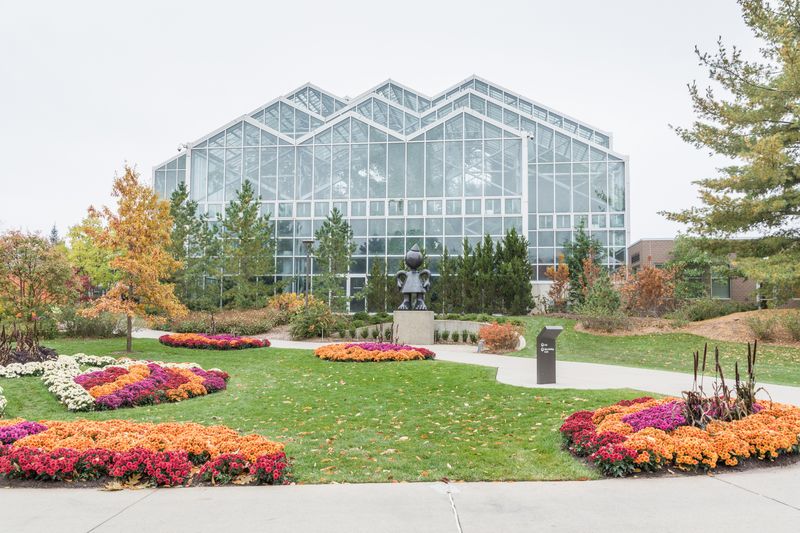
Christmas & Holiday Traditions fills Frederik Meijer Gardens & Sculpture Park at 1000 E Beltline Avenue NE in Grand Rapids, Michigan, from November 24, 2026 through January 10, 2027. East Beltline is the road to follow on the final approach, with the gardens occupying a large campus rather than a compact downtown site.
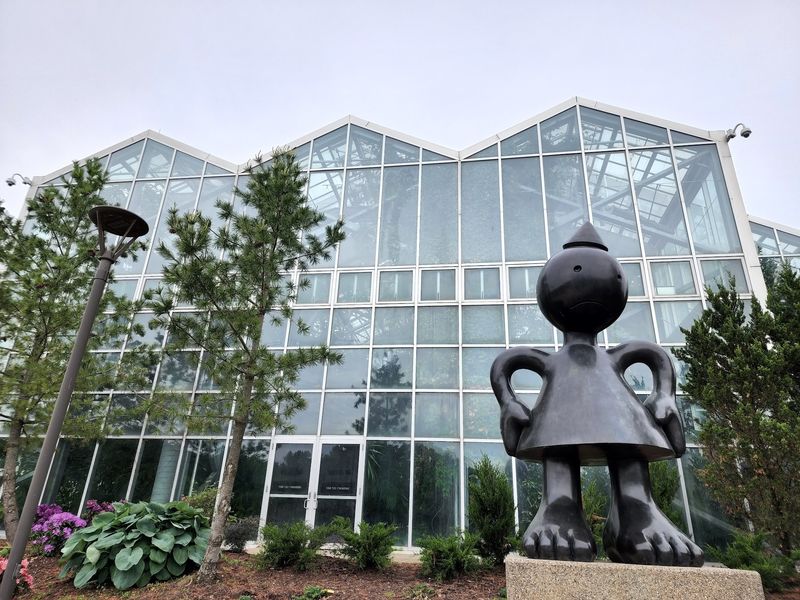
The last stretch gets easy to read once the broad Meijer Gardens entrance and landscaped grounds come into view along East Beltline. During the holiday season, expect heavier traffic around popular evening programs, especially as visitors arrive for the illuminated displays and special events.
Turn into the Meijer Gardens property and follow signs into the free on-site parking lots, then walk toward the Welcome Center and main entrance. Accessible spaces are closest in Lots A and B, while the rest of the campus is reached from the same central arrival area.
Look Closer Than The Tree Topper
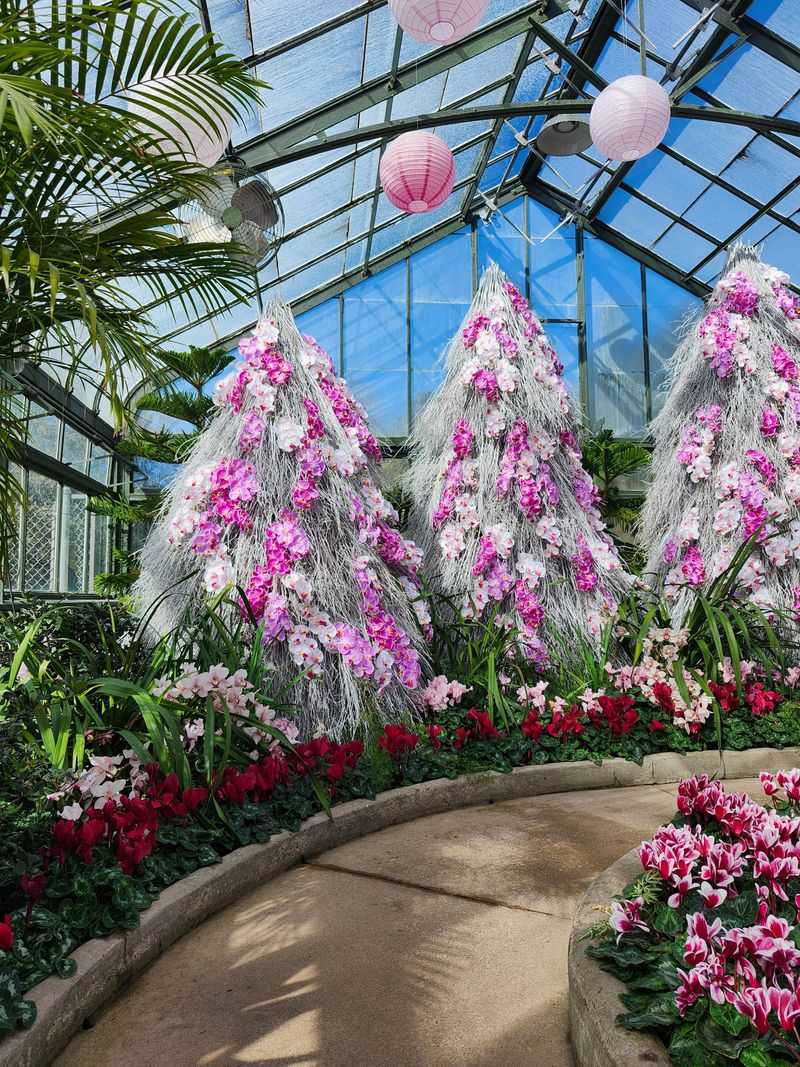
The smallest ornament can hold more interest than the tallest tree. Step close enough to study materials, shapes, and repeated symbols, while keeping hands away from the displays and leaving space for others.
A full tree gives you the overall picture; individual decorations reveal how carefully that picture was built. Look at the branches near eye level instead of aiming every glance toward the top.
For a simple viewing game, choose one detail to compare across several displays. It might be a color, a natural material, or a style of decoration.
Follow the labels rather than assuming similar objects carry the same meaning. That small change in attention turns a room of holiday trees into a collection of distinct stories worth remembering.
The Railway Garden Has Tiny Surprises
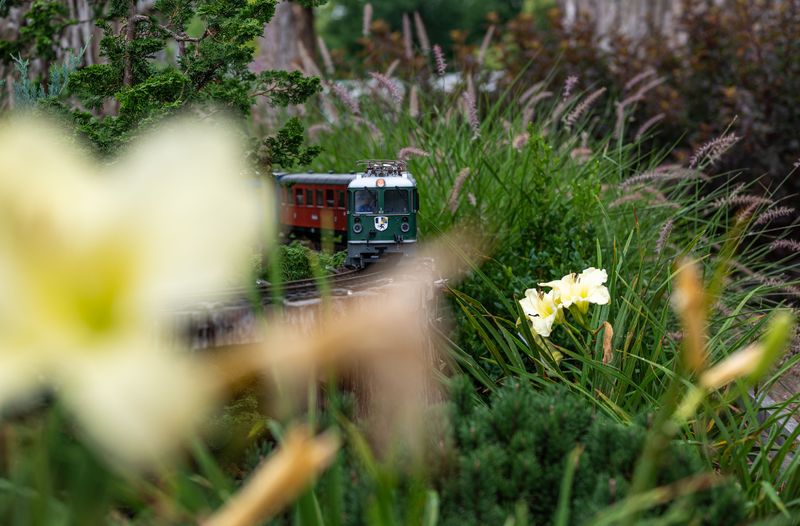
A passing miniature train has a useful talent: it gets almost everyone to stop walking. The Railway Garden adds moving trains to a planted setting filled with small buildings that deserve attention of their own.
Look for this seasonal attraction in the Grace Jarecki Seasonal Display Greenhouse and the Earl & Donnalee Holton Victorian Garden Parlor. Its models include West Michigan landmarks and structures representing Grand Rapids’ Sister Cities.
Wait for a train to complete part of its route before moving along. Different viewing angles can reveal details hidden behind plants or buildings.
Children may focus on the engines first, but encourage a second look at the scenery. The architecture is not just background; it is a major part of the fun.
Buildings Made From Botanical Bits
Acorns and cinnamon sticks are unlikely building supplies, unless the building belongs in the Railway Garden. These miniature landmarks use natural botanical materials, including dried fruits and willow branches, to recreate architectural details.
Study a roof, doorway, or bridge and try to identify the plant pieces doing the work. Familiar materials become surprisingly convincing when arranged at a small scale.
This is a good place to slow the family pace without announcing a formal learning moment. Ask children what they would use to make a tiny window or roof at home.
Keep the comparison playful, and do not touch the models. Their appeal comes from careful craftsmanship, with ordinary natural objects taking on jobs that usually belong to brick, timber, or stone.
Winter Flowers Deserve Their Own Spotlight
Bright poinsettias and tall amaryllis keep the holiday scenery firmly rooted in a garden. Between the decorated trees and cultural displays, give the living plants a share of your attention.
Evergreens add texture, while flowers bring shapes and colors that ornaments cannot quite copy. The exhibition pairs these botanical elements with its festive decorations, making the setting more than a collection of decorated rooms.
Take one photograph that focuses on plants rather than a whole tree. A flower against evergreen needles can show the season in a quieter way.
If a plant label is available, read it before moving on. Families can also compare leaf shapes or count colors, giving younger visitors something simple to notice without turning the outing into homework.
Tropical Warmth In A Michigan Winter
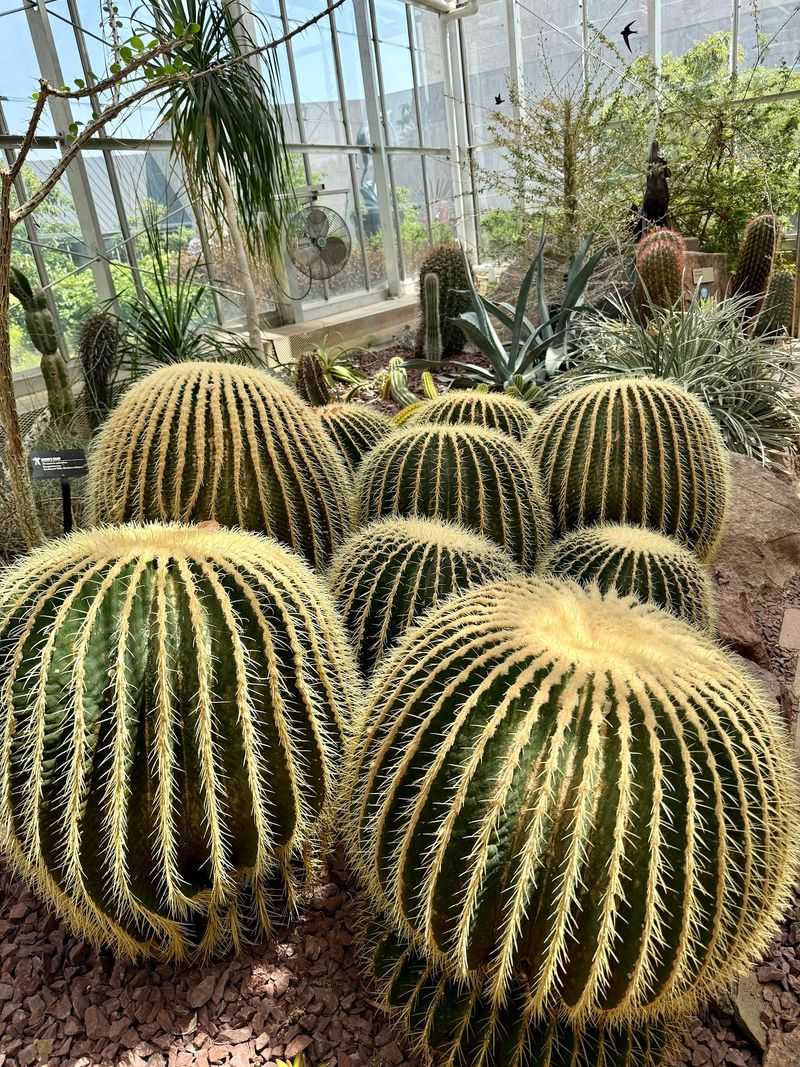
Palms are a cheerful plot twist on a Michigan winter day. The five-story Lena Meijer Tropical Conservatory offers a warm, humid setting that contrasts with the weather outside and the evergreen holiday scenes elsewhere.
Seasonal specialty lighting adds another layer to its tropical plants. Look upward as well as along the path, since the height of the space is part of its character.
Wear layers you can easily adjust indoors, rather than relying on one heavy outfit. Give yourself time to notice leaf shapes and the way light falls through the greenery.
The conservatory works well as a change of pace between cultural displays. It also reminds you that this holiday exhibition belongs to a botanical garden, not merely a decorated hall.
Music Adds Another Cultural Layer
Holiday customs are not always things you can hang on a branch. Cultural performances add music and shared storytelling to the exhibition, offering another way to understand the communities represented in the displays.
Tuesday evening programming has been part of the seasonal celebration. Check the current event calendar for performers, times, and any admission details instead of assuming a past schedule still applies.
If a performance interests you, build the rest of your visit around it. Arrive with enough time to settle in, and avoid treating the program as background noise while rushing elsewhere.
Listening can bring a different kind of attention than looking. For children who have reached their limit on reading labels, that change may be especially welcome during the visit.
Santa Visits Need A Calendar Check

For some children, a meeting with Santa outranks every ornament in the building. Seasonal programming has included Santa and reindeer visits in Michigan’s Farm Garden on select Saturday afternoons.
These are scheduled activities, not something to expect every day of the exhibition. Confirm the current dates, location, and participation details before promising a visit to an excited child.
Because the farm setting involves being outdoors, bring suitable winter layers and footwear. Explain that any animal encounter follows staff directions, including rules about distance and touching.
Plan an indoor stop afterward so cold fingers do not decide the rest of the afternoon. Even without a scheduled visit, the cultural displays and Railway Garden offer plenty of family interest throughout the main seasonal exhibition.
Evening Lights Come With Different Plans
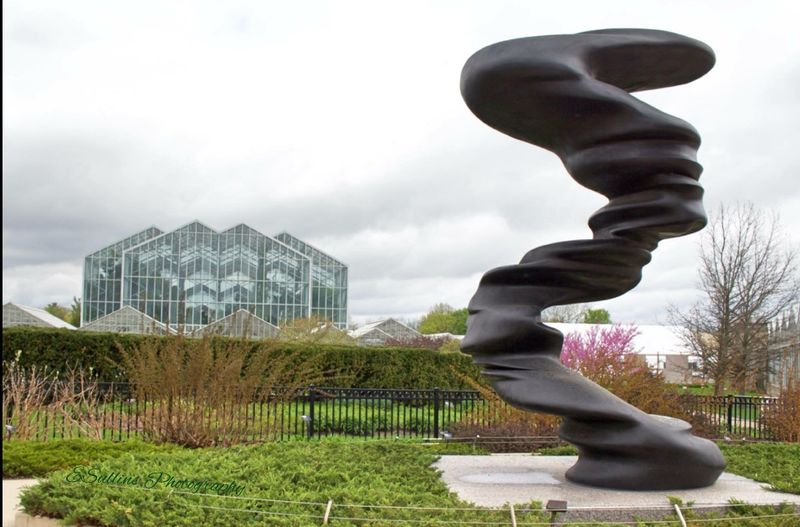
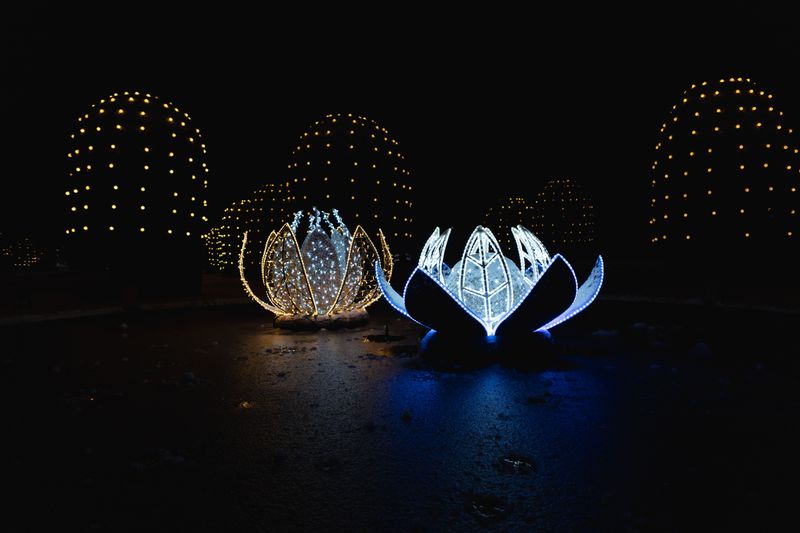
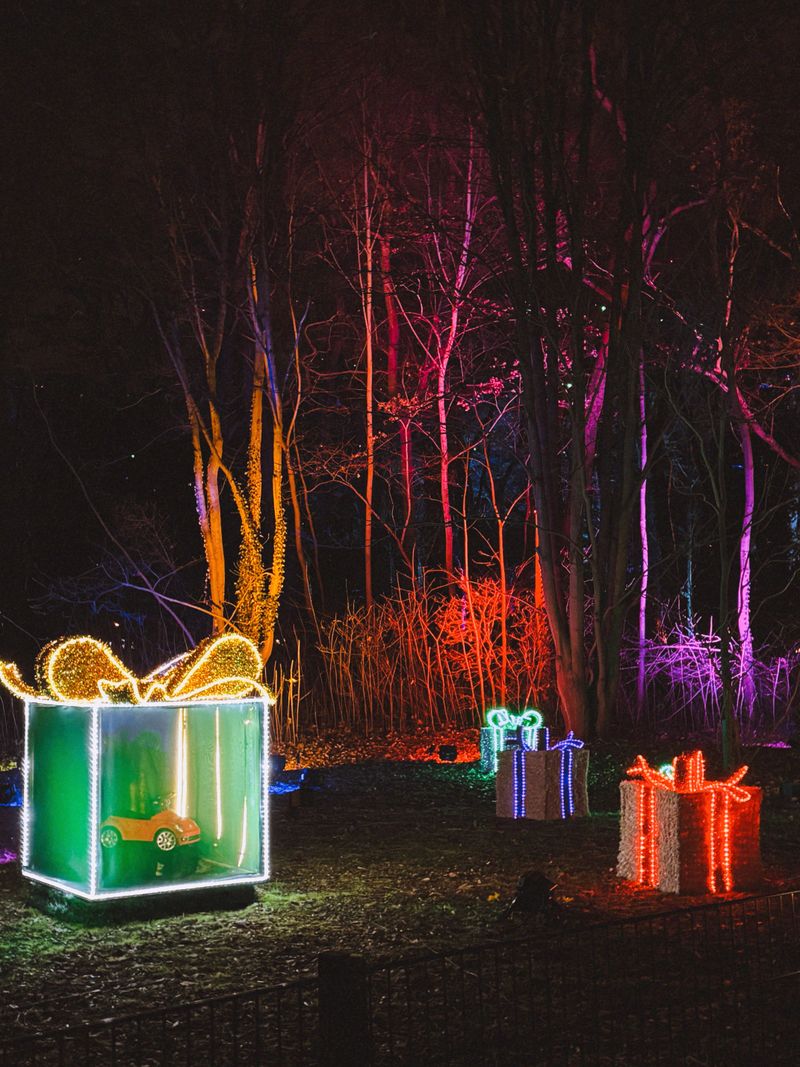
After dark, light changes the way a garden reads. Holiday illumination adds sparkle to the seasonal setting, while the separately ticketed ENLIGHTEN experience offers an outdoor route with light installations and accompanying music.
Do not assume the indoor Christmas & Holiday Traditions exhibition and ENLIGHTEN share one ticket or identical hours. Review the current arrangements for both before building an evening around them.
If you combine experiences, leave time to transition from warm indoor spaces to winter paths. Gloves, weather-ready shoes, and an extra layer matter more outside than beside a decorated tree.
Check conditions and route information, too. The aim is to enjoy the shift in atmosphere, not discover halfway through that your clothing or ticket plans belong to another outing entirely.
Leave Room For A Second Look
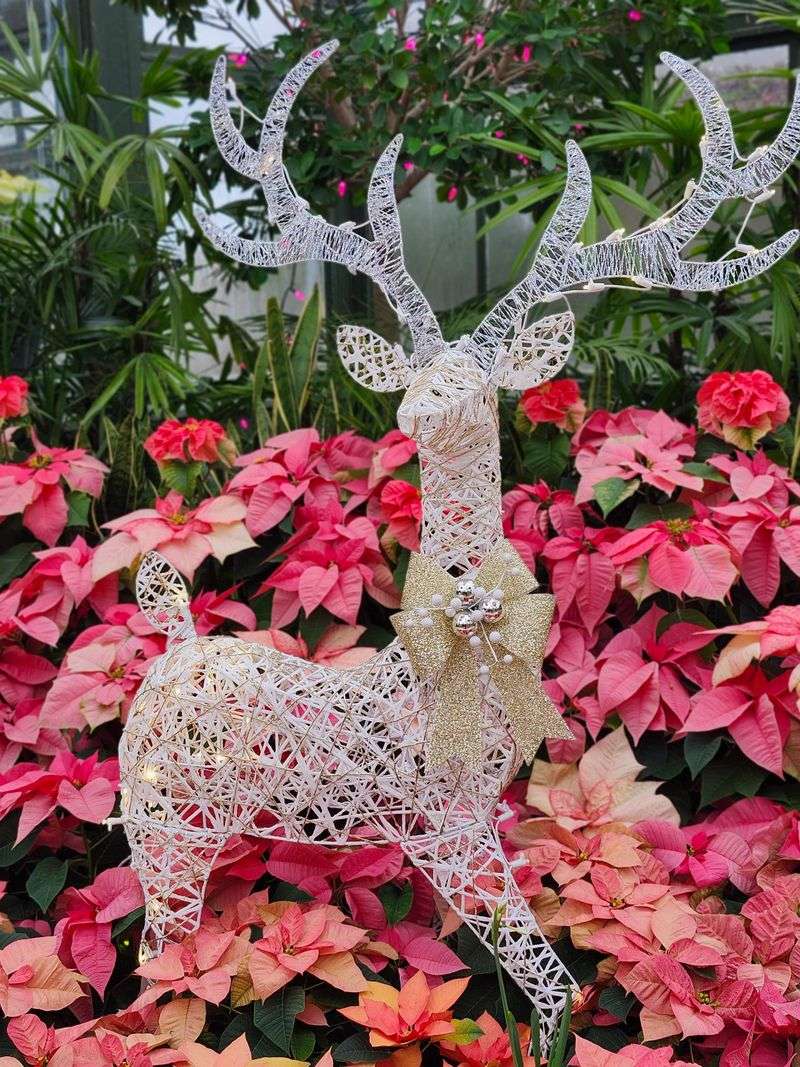
Not every memorable detail announces itself on the first pass. Before leaving, return to one tree, floral arrangement, or railway scene that caught your attention earlier.
By then, another display may have given you something new to compare. A material you overlooked can suddenly stand out, or a label can answer a question that formed while walking.
Keep photography considerate: avoid blocking paths, follow posted rules, and let other visitors have their turn. One wide image and one close detail often tell a better story than dozens of hurried pictures.
Finish by asking each person what surprised them most. That small conversation gives the outing a satisfying ending and keeps the focus on the traditions, plants, and craftsmanship you actually came to see.