
This Michigan Ghost Town Hides The State’s Longest Known Cave
To a certain breed of Michigander, the kind who considers a muddy pair of boots a status symbol, discovering a secret like this right in our own backyard is the ultimate adrenaline rush.
I’ve always been obsessed with the idea that you don’t need a plane ticket to find world-class adventure when the Upper Peninsula is essentially a giant, wild playground waiting to be mapped.
North of Trout Lake the air gets cooler, smelling of damp cedar and the iron-scented ghost of a century-old limestone quarry. Walking through these ruins, where nature is busy reclaiming concrete skeletons with mossy “corrections,” feels like a high-stakes scavenger hunt.
But the real thrill is knowing that beneath my feet lies the longest cave in the state, a hidden subterranean world where water has been quietly carving through the dark for millennia.
Discover the hidden wonders of Michigan’s longest cave, historic ghost town ruins, and unique sinkhole trails perfect for intrepid explorers.
Limestone Silence On The Quarry Rim
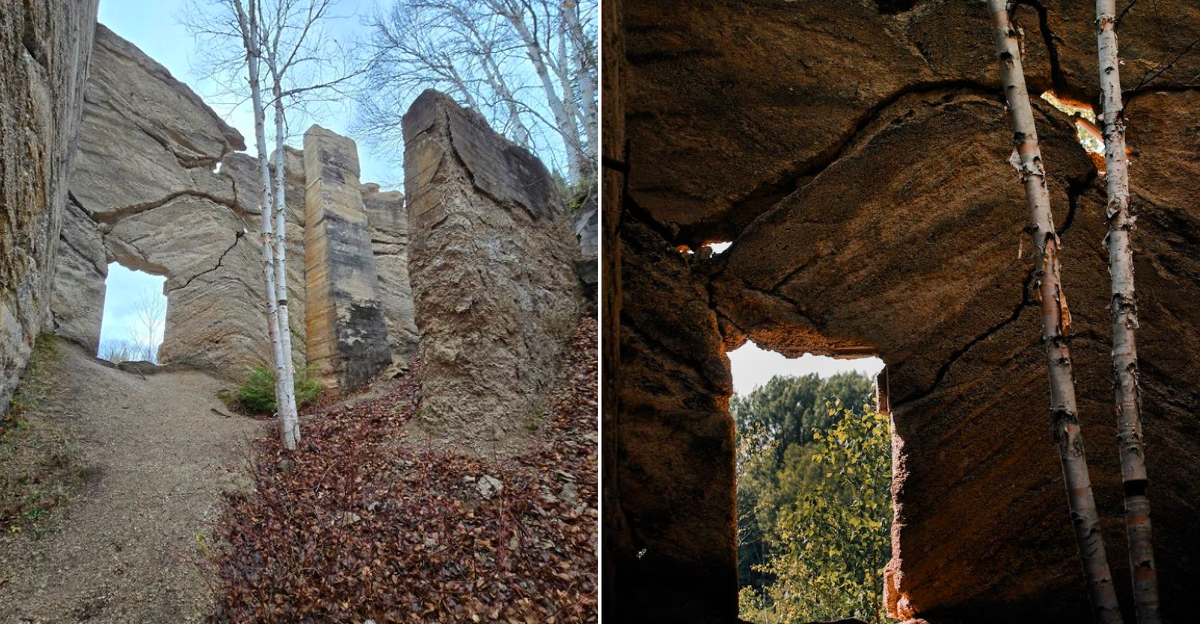
The first thing you notice is the hush. Footsteps click against pale limestone chips, and cedar needles soften the edges of every sound. Where loaders once roared, a rim trail now peers into a bowl of green water and pale rock, the quarry a classroom showing layers carved for Algoma Steel a century ago.
Signs are light, so you read the stone itself. Blocks bear tool marks, and collapsed walls reveal clean breaks in brittle dolomite and limestone.
Wear sturdy soles, stay back from edges, and follow the west rim for safer footing and satisfying views across the reclaiming forest. Even in summer, the air on the rim feels cooler, a steady reminder of hidden water moving through karst below.
A Hidden Ghost Town In The Wilderness
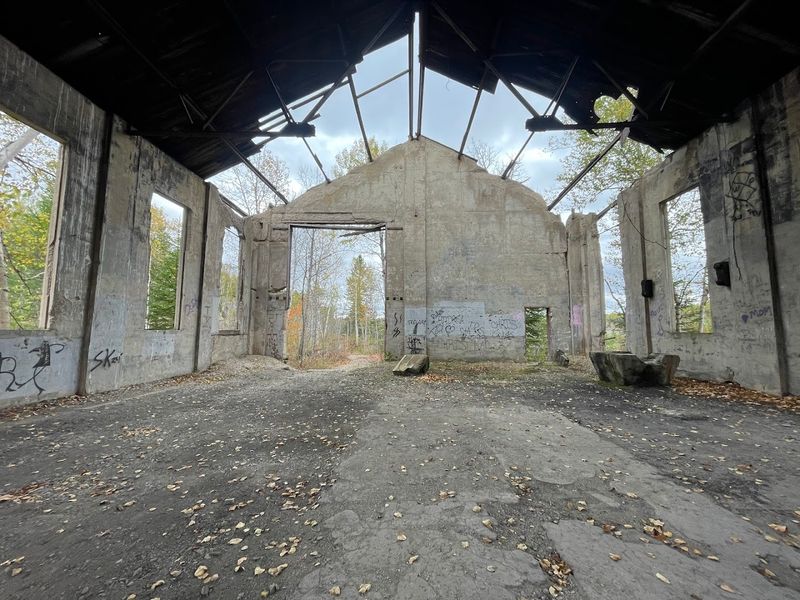
The Fiborn Karst Preserve is a secluded 480-acre sanctuary located in the heart of the Upper Peninsula, roughly halfway between the towns of Naubinway and Trout Lake.
This remote destination is a treasure trove for geology enthusiasts and history buffs alike, featuring the ruins of an early 20th-century limestone quarry town that has been slowly reclaimed by the forest.
It is home to Michigan’s longest known cave system and a unique “karst” landscape of sinkholes and disappearing streams, making it a quiet, off-the-beaten-path escape into Mackinac County’s wild interior.
Navigating to this hidden gem requires a drive down unmarked gravel roads, beginning with a turn west onto Trout Lake Road from M-123.
After traveling approximately 5 miles, you will cross a small creek and turn north onto Fiborn Quarry Road (also known as Norton Camp Road), a narrow two-track that winds through the dense hardwoods.
Follow this path for about a mile until you reach a gated entrance and a small parking area, where the journey continues on foot toward the ruins of the old powerhouse and the Hendrie River Water Cave.
Hendrie River Water Cave Etiquette
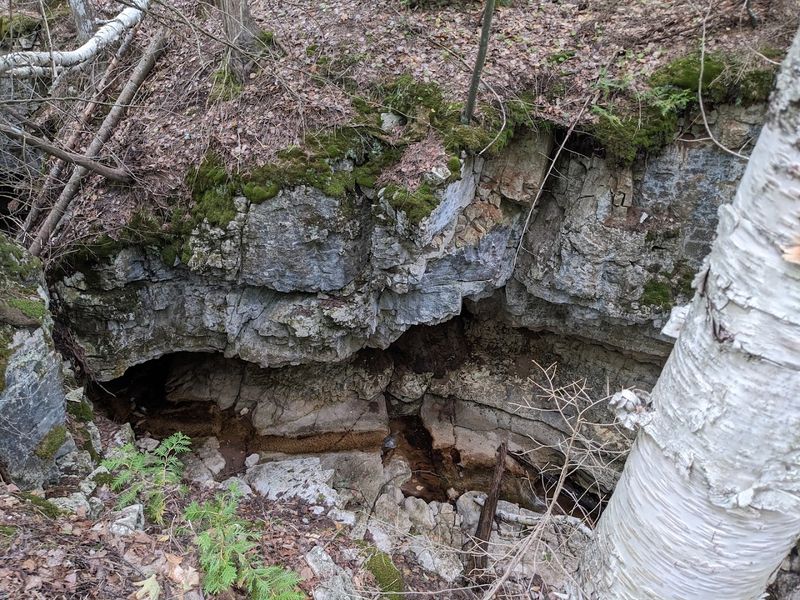
Beneath the preserve, the Hendrie River Water Cave winds roughly 1,500 feet, a cold stream threading tight limestone passages. It shelters hibernating bats, so entry is closed mid October through mid May.
Outside those windows, exploration requires written permission from the Michigan Karst Conservancy, and trips often use trained leaders for safety.
This is not a casual stroll. Expect crawls, flowing water, and low ceilings, plus strict decontamination steps to protect bats from white-nose syndrome.
Most visitors appreciate the cave from signed karst features above, which is plenty revealing: listen for muffled water, feel cool air breathing from sinkholes, and let curiosity stay patient. If permission is granted, bring helmet, lights, backups, and noncotton layers suited for soaking cold water.
Sinkholes And Springs Loop
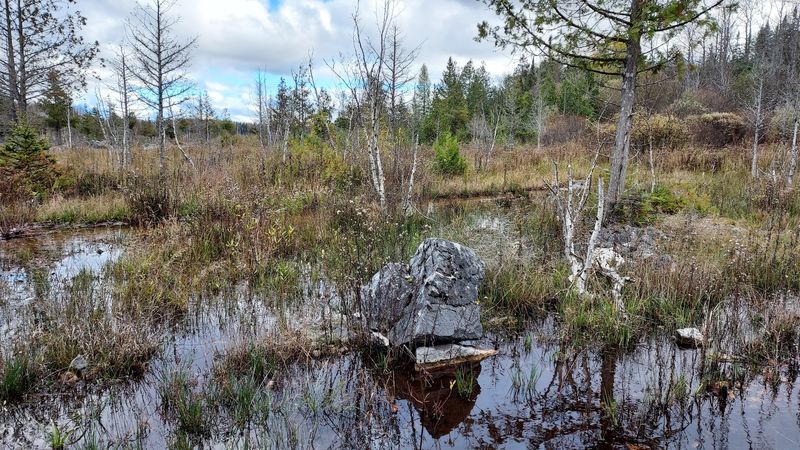
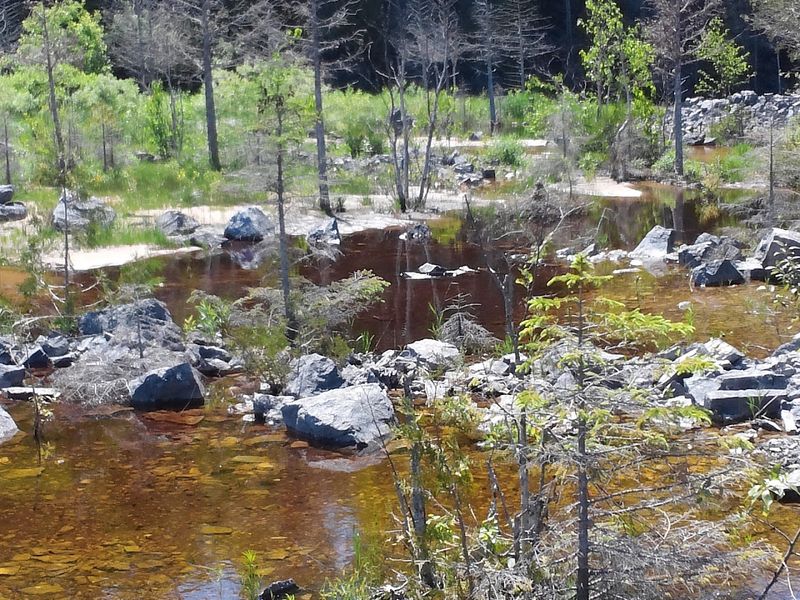
A quiet path skirts sinkholes that look like tidy ponds until you trace their disappearing edges. Water slides into fractures, vanishing below to feed the Hendrie’s unseen routes, then resurges as clear springs that chill your ankles. The vibe is gently puzzling, a riddle solved by patience rather than speed.
Start at the north entrance gate, where parking is limited, and carry a map or offline download. Surfaces tilt, roots grab, and footing can change quickly after rain.
Keep kids close, stick to established trails, and test ground near sinkholes from a respectful distance to protect fragile rims and yourself. Spring mosquitoes can be fierce, so bring repellent, long sleeves, and a head net if you are sensitive to bites.
North Entrance Logistics
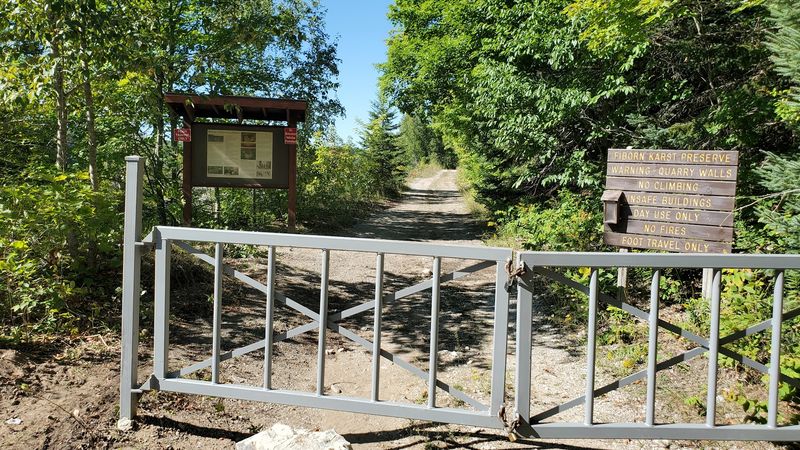
Here is your practical anchor: the north entrance off Naubinway Road offers the simplest approach, but parking is small. A gate marks the trail start, and you walk in on foot along a gravelly two-track shaded by cedar and spruce. Cell service can fade, so offline maps are handy companions.
I like to time arrival early, avoiding midday crowds and leaving space for turning vehicles. Boots with firm soles beat sandals on sharp stone, and a small first-aid kit rides easily in a daypack.
Leave no trace, pack out everything, and share the path with those exploring ruins at their own pace. Bring water, layered clothing, and patience for rough patches that slow travel more than distance suggests out here.
Bats, Seasons, And Stewardship
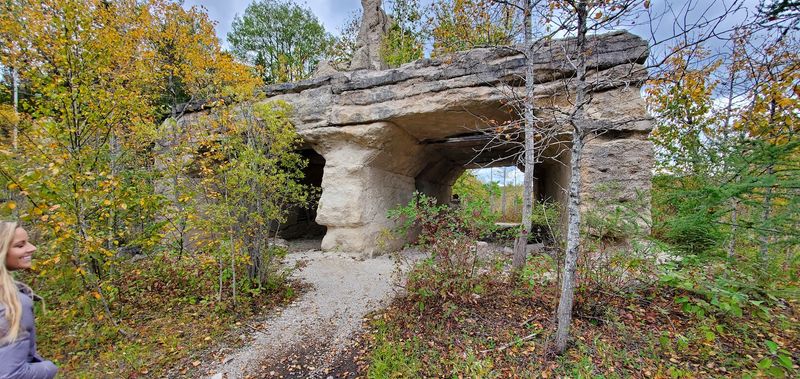
Cold-air bursts near cave mouths hint at resident bats, quiet neighbors that need darkness and undisturbed winters. To protect them, the Michigan Karst Conservancy closes cave access mid October through mid May.
That rhythm shapes visits, encouraging surface exploration during winter, then careful planning for any permitted underground trips in summer.
Bring a red-light headlamp for night walks, minimizing glare that disorients wildlife. Stay on trail to avoid collapsing thin soils over voids, and clean footwear before and after visiting other caves.
Report vandalism or hazards to the Conservancy, because this preserve runs on volunteer care, thoughtful choices, and a shared love of karst. Seasonal closures also prevent disturbances during pup-rearing, so plan alternatives and appreciate bat ecology while you wander.
Reading The Stonework
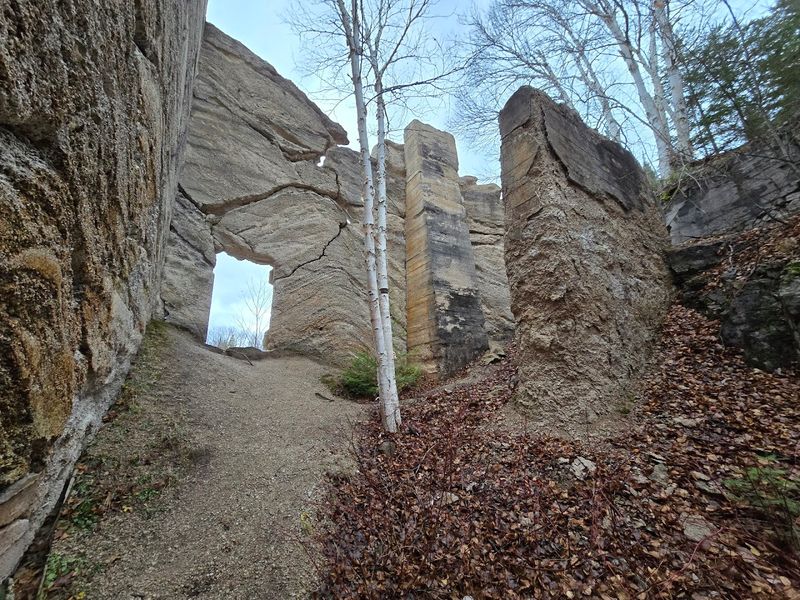
A tumbled wall shows neat courses of limestone blocks, edges still square where quarrymen trimmed by hand and machine. Nearby, drill holes align like punctuation, guiding wedges that split rock for transport to rail spurs bound toward Algoma Steel.
The craft remains visible, even as lichens script new stories across pale faces. Step back before photographing to capture tool marks in context, then move in for textures. Avoid climbing on unstable stacks, which can shear without warning.
If you find a dated inscription, note it and leave it, because context matters to future study as much as any single artifact ever could. Early morning light rakes surfaces, revealing subtle grooves that vanish under harsh midday glare and smartphone flash indoors.
Sounds You Notice
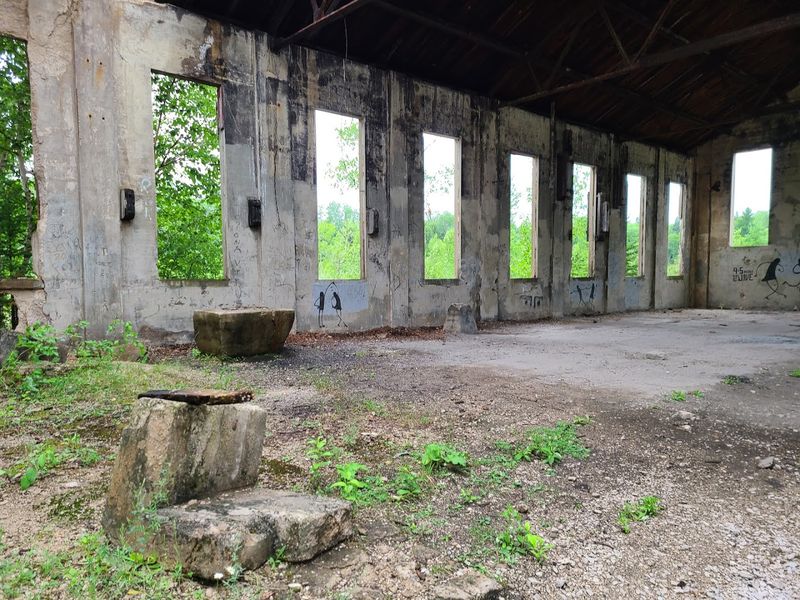
Stand still and the place starts talking softly: dripping water, wind in spruce, and distant thrush song. Even gravel whispers, a scratchy hush that travels farther than expected under overcast skies. Occasionally a pickup hums along Naubinway Road, then the forest closes again like a book you are not done reading.
I keep conversations quiet here, trading chatter for small discoveries. Listen near sinkholes for a cool sigh that betrays underground flow. If you record audio, cup the phone to block wind and stand off the trail, letting footsteps pass so your soundscape stays clean, layered, and wonderfully local.
Late evenings deliver owls and tree frogs, so linger a little longer if daylight and weather cooperate with your schedule today.
Winter Quiet, Careful Steps
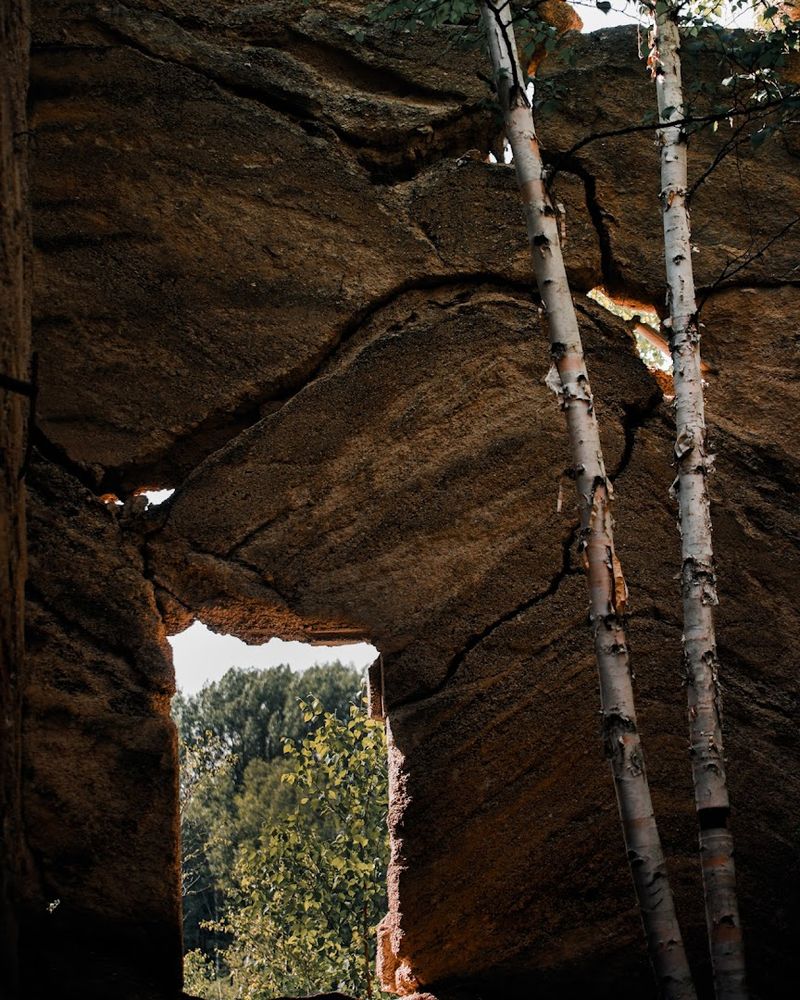
Snow refines the quarry into clean lines, muting footprints and sketching tool marks with low light. Trails remain open, though surfaces hide ice patches under powder, and limestone stays slick where springs cross. The tradition here is simple courtesy: slower pacing, wider smiles, and brief trail chats that help everyone stay oriented.
Microspikes add confidence on compacted paths, and trekking poles probe voids before your weight commits. Dress in breathable layers and stash a hot drink in the car for your return. Daylight fades early in the Upper Peninsula, so turn back with a cushion and note your exit landmarks before dusk.
Parking areas may be snowed in, so consider plow schedules and avoid blocking turnarounds that emergency vehicles might need.
Planning With Respect
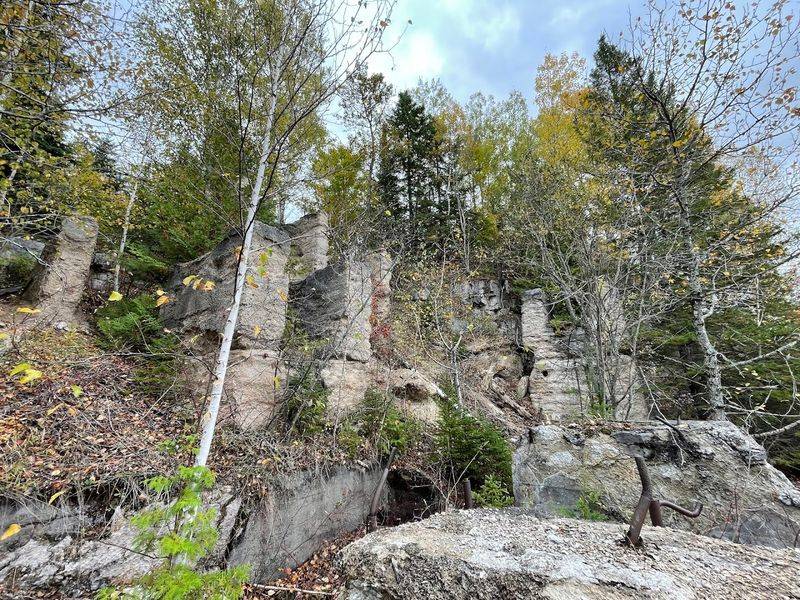
The preserve feels generous, yet it rewards restraint. Instead of collecting, you collect moments: a bat’s whispery flight at dusk, a spring’s metallic scent, and the thud of boots on old rail ballast. The culture here values stewardship over spectacle, a patient curiosity that lets science and history breathe together.
Even the quiet seems shaped by that ethic, asking you to notice more and claim less as you move through it. What stays with you is not conquest, but a sharpened sense of attention. Check the Michigan Karst Conservancy website for access, closures, and permission procedures before you go.
Share the space by yielding on narrow trails and keeping groups compact. Pack a pencil to jot observations, then donate later if the visit resonated, because places like Fiborn survive on attention, humility, and quiet returning footsteps.
Build in extra drive time on forest roads, which can be rough, washboarded, and slower than mapping apps suggest. Good boots matter more than flashy gear here, and a little patience will usually improve the whole experience.