
This Michigan Island Is The Ultimate Escape For Anyone Who Loves The Wild
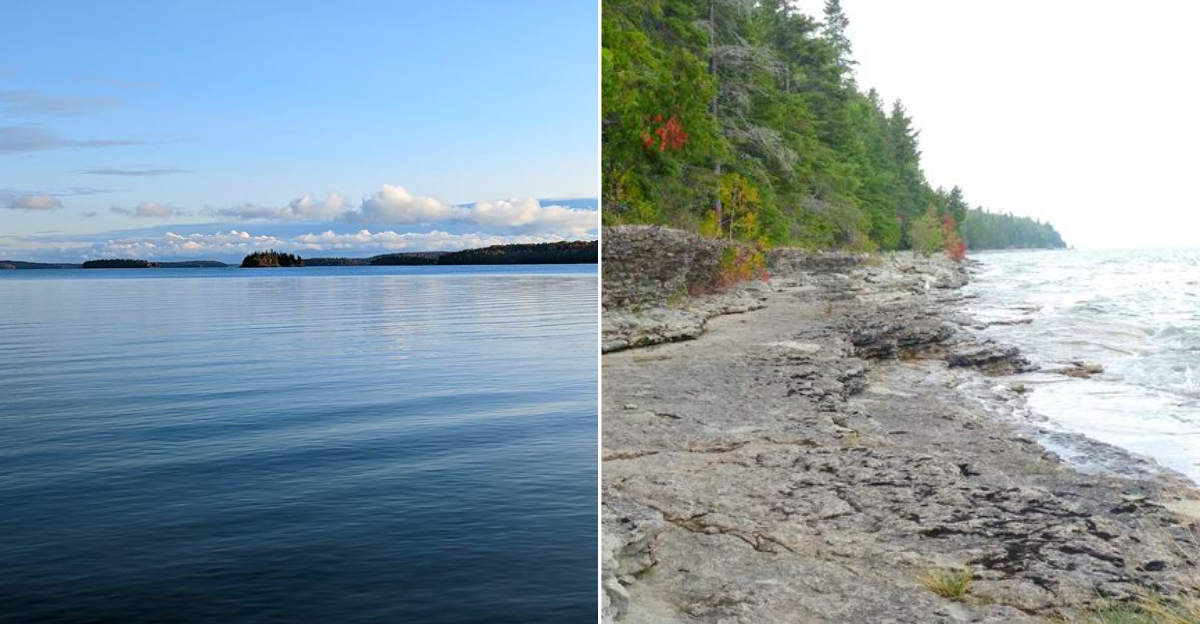
Getting there requires a ferry plus a willingness to let the schedule change. The island operates on its own clock, the kind where dinner reservations mean showing up sometime before close, plus the trails are marked but not paved.
Fossil ledges along the northern shore hold the remains of an ancient coral reef, accessible only by bouncing down rutted dirt roads that make you question your rental car agreement.
Puddingstones dot the Lake Huron shoreline, their cream-and-red patterns the result of geological patience measured in billions of years.
Off-road vehicles have their own trail system, over sixty miles of it, winding through forest that thickens to the point where your phone stops pretending it has a signal.
The ferry back leaves when it leaves, which is part of the appeal. Michigan keeps its wildest island at the end of a ferry ride for good reason.
Seek Out The Fossil Ledges
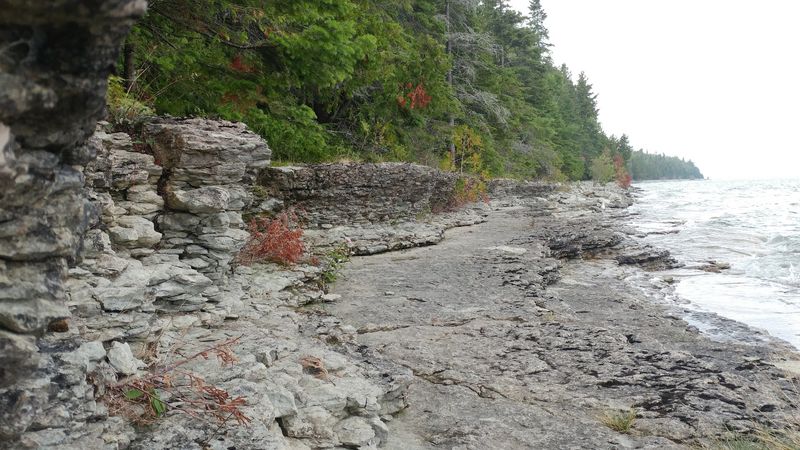
Along the northern shoreline, the Fossil Ledges feel like a geology lesson that escaped the classroom and drifted into Lake Huron. These limestone formations preserve traces of an ancient coral bed, and the rock shelves descend in broad, quiet steps toward the water.
Nothing about the place is flashy, which is exactly why it stays with you after the visit.
Standing there, you read time differently, through texture instead of signs. Access can be more demanding than a casual scenic stop, so road conditions and vehicle clearance matter before setting out.
Go slowly, look down as much as outward, and you will see why this shoreline is one of the island’s most memorable natural details.
The Upper Peninsula Ends With A Ten-Minute Crossing
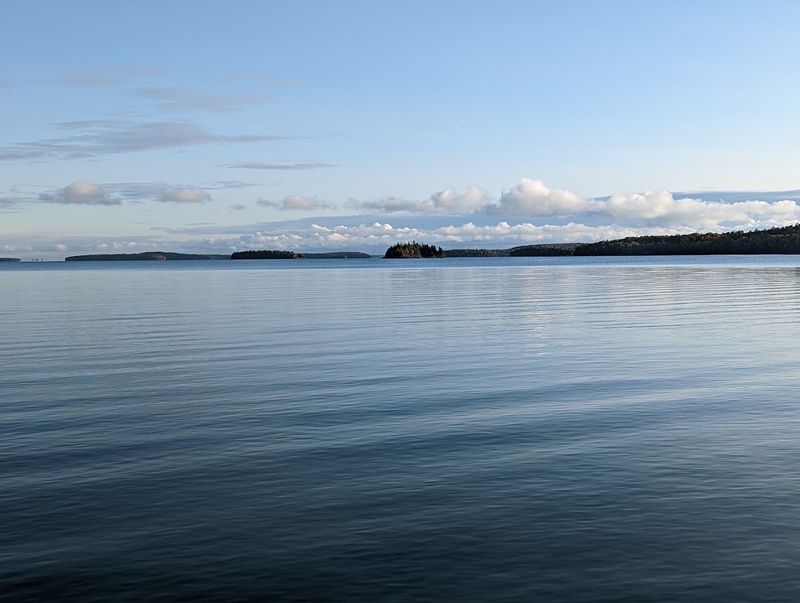
Drummond Island lies off the eastern tip of Michigan’s Upper Peninsula in Chippewa County. From I-75, take Exit 359 toward DeTour Village and follow M-134 east until the road reaches the ferry dock near the waterfront.
The final approach runs through DeTour Village before the highway effectively hands the journey over to the water. Join the marked vehicle line at the dock and board the car ferry for the roughly 10-minute crossing to Drummond Island.
Vehicles travel aboard the ferry, so there is usually no need to park on the mainland unless visiting without a car. After disembarking, continue along the island roads toward your lodging, trailhead, marina, or other destination, since the ferry landing is only the first arrival point.
Make Time For Maxton Plains
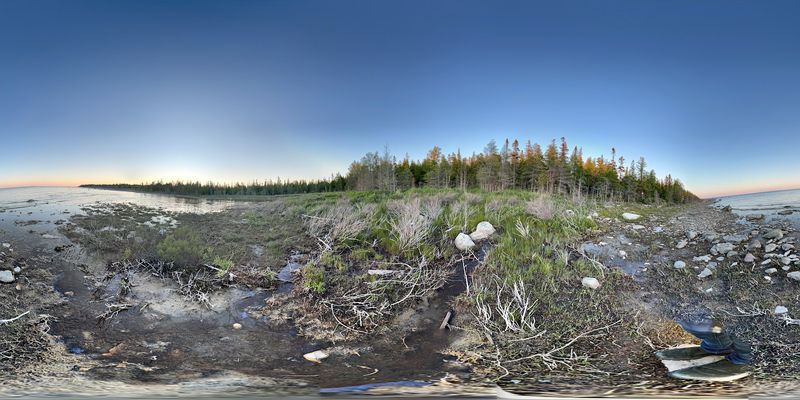
Maxton Plains Preserve has the sort of landscape that makes you blink once and then again, because Michigan is not supposed to look quite like this. The alvar stretches across thin soil and limestone bedrock in a broad, open sweep, supporting rare plants and a striking sense of exposure.
Managed by The Nature Conservancy, it is one of the island’s most significant ecological places.
The beauty here is subtle, almost austere, and that restraint is part of its power. On a clear night, the openness also helps make it an excellent dark sky setting, with stars arriving in impossible numbers.
Bring patience, sturdy footwear, and the willingness to appreciate a place that whispers rather than performs.
Choose Your Trail With Honesty
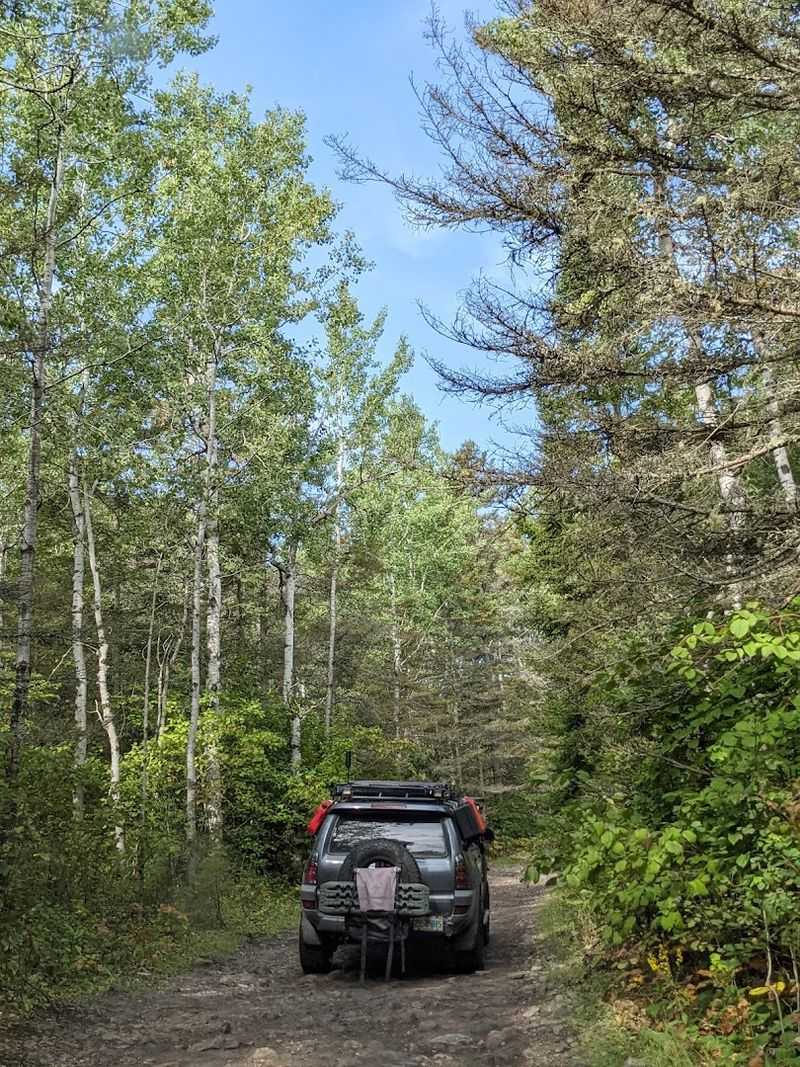
Drummond Island has a reputation for off road adventure, and that reputation is deserved. The island contains Michigan’s largest closed loop ORV trail system, with extensive ATV and ORV routes threading through the interior forest.
But the important thing is choosing the version of wild that actually suits you, rather than the loudest one on a map.
Some days call for engines and mud, while others are better answered by a shoreline path and bird noise. The Heritage Trail at Drummond Island Township Park offers a quieter, more observant experience through woods and along rock and water.
Study the route, know your vehicle limits or walking pace, and let honesty improve the day.
Do Not Ignore Winter

Winter does not reduce Drummond Island so much as sharpen it. Snow settles over the woods, the air turns wonderfully exact, and the island’s trail network takes on a different kind of purpose.
With nearly eighty miles of groomed snowmobile trails and options for cross country skiing, ice fishing, and skating, the cold season is not an afterthought here.
That practical confidence is part of the island’s character, and you feel it in how naturally people adapt to weather. The hush can be extraordinary, especially near frozen water and deep timber.
If you come in winter, dress seriously, confirm trail conditions, and give yourself enough daylight, because beauty arrives early and darkness follows with confidence.
Watch The Beaches For Puddingstones
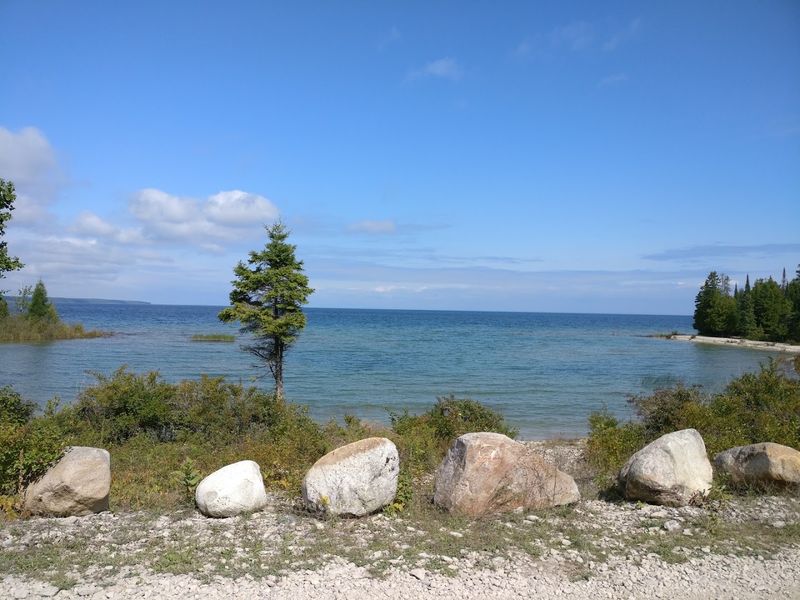
The shorelines on Drummond Island reward people who look down as carefully as they look out. Puddingstones, those striking jasper conglomerate rocks named for their resemblance to old suet pudding, appear among the stones like small geological jokes with excellent color.
Finding one never feels dramatic, yet it produces a very specific satisfaction that is hard to fake.
Rockhounding here connects you to the island’s glacial story without requiring any special performance. The best approach is simple: walk slowly, keep your eyes adjusted to pattern and color, and let the beach set the tempo.
You may also notice fossils or beach glass, but the puddingstones are the pieces most likely to stop you mid step.
Look Toward DeTour Reef Light
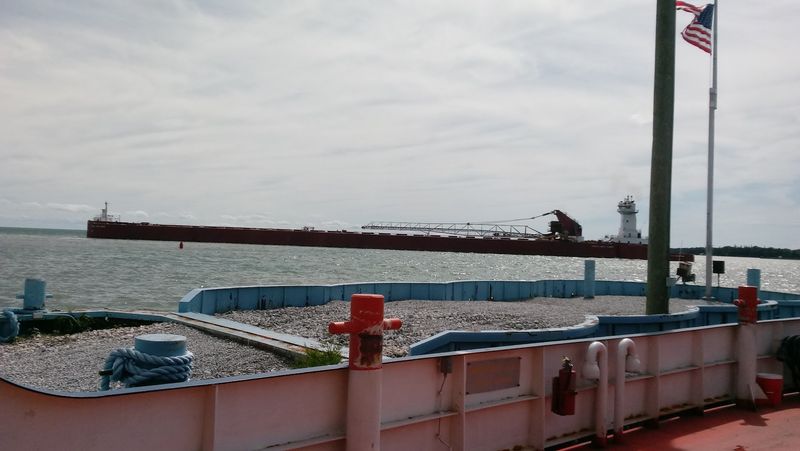
From the water and from the island’s vantage points, DeTour Reef Light gives the surrounding landscape a note of maritime seriousness. The present offshore lighthouse dates to 1931, replacing an earlier onshore light first established in 1847 to guide traffic through DeTour Passage.
Its Classical Revival design is handsome in that Great Lakes way, useful first and beautiful because usefulness has been done well.
The structure marks a genuinely important shipping gateway at the northern end of Lake Huron, so it is more than a picturesque extra. If tours are available during your visit, take one, because context changes the view.
Even from a distance, the lighthouse helps explain why this island has always been more strategic than remote.
Let The Seasons Change The Plan
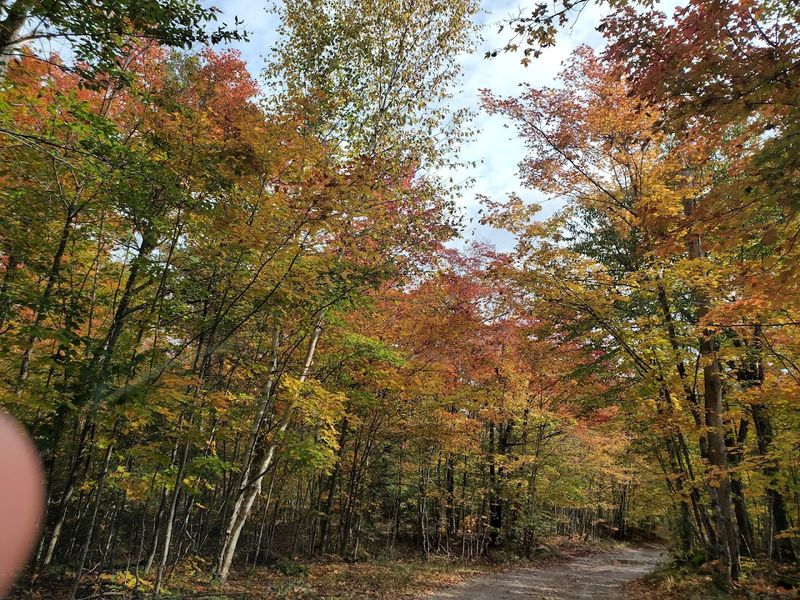
One of the clever things about Drummond Island is that it refuses to be a single season destination. Spring brings migration and the famous smelt run in mid to late April, summer opens water and trail access, autumn turns the forests rich with color, and winter redraws the whole map in snow.
The island changes function without losing identity. That means your itinerary should stay flexible enough to follow local timing rather than your own assumptions.
A shoulder season visit can be especially rewarding if you want fewer people and sharper contact with the landscape.
Before arriving, check seasonal operations, trail status, and ferry details, then build the day around what the island is actually offering right now.
Climb Into The Island’s History
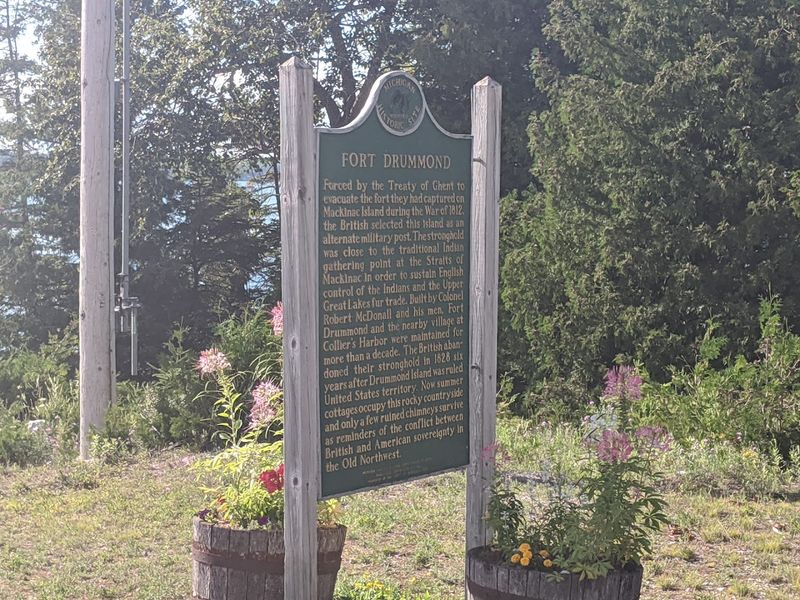
Fort Drummond does not announce itself with theatrical ruins, which makes its history feel even more interesting. Built by British forces in 1815 after the War of 1812, it became the last British outpost on what was recognized as American soil before being ceded in 1828.
What remains today are stone foundations, chimneys, and enough physical evidence to keep imagination anchored to fact.
The site asks for a quieter kind of attention than many heritage stops, and it rewards that approach. You are not looking at grandeur but at consequence, strategy, and the practical use of local limestone and dolomite.
Wear good shoes, read the context beforehand, and give yourself time to let the place speak in a lower voice.
Bring Binoculars And Patience
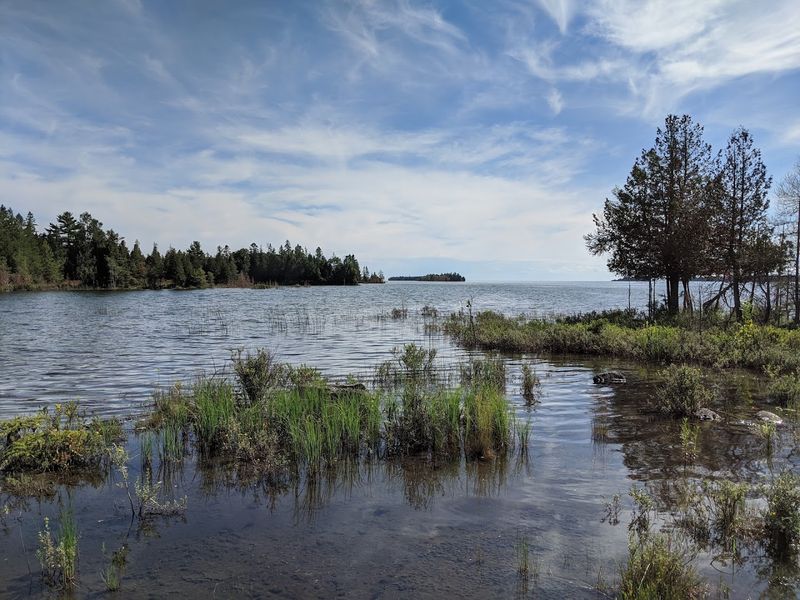
Birdlife on Drummond Island has a way of making even casual visitors more attentive. More than 200 species have been recorded here, and the island’s mix of shoreline, wetland, forest, and open alvar creates real variety during migration and nesting seasons.
Loons, eagles, and osprey provide the obvious drama, but smaller songbirds often become the reason you linger longer than planned.
The North Huron Birding Trail includes several island locations worth noting, especially in spring and fall. Good birding here depends less on chasing and more on standing still long enough for patterns to emerge.
Pack binoculars, start early when possible, and let quiet do some of the work that enthusiasm alone cannot manage.
Notice How Wildness Is Managed
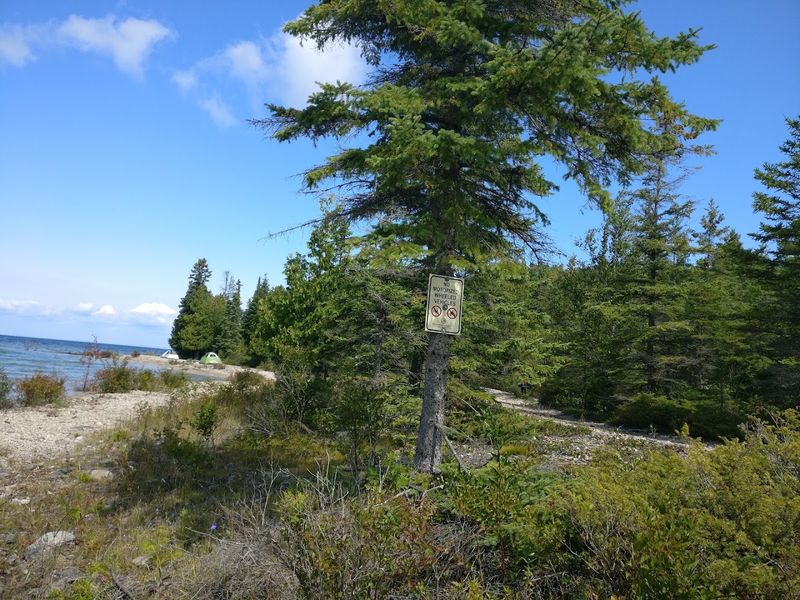
What makes Drummond Island feel so convincingly wild is not the absence of management but the quality of it.
Nearly two thirds of the island is state owned, and conservation work by the Michigan Department of Natural Resources helps sustain forests, wetlands, and habitat diversity rather than letting neglect pretend to be stewardship.
That distinction matters once you start noticing how much is being carefully maintained.
A good example is the rock ramp system completed in 2006 at Potagannissing Wildlife Flooding, designed to improve spawning access for northern pike and movement for other species. Practical interventions like that keep the ecosystem functioning.
Travel here with respect, stay on appropriate routes, and remember that lasting wildness is usually being actively protected.