
This Michigan Italian Market Is Packed With Imported Goods Straight From Italy
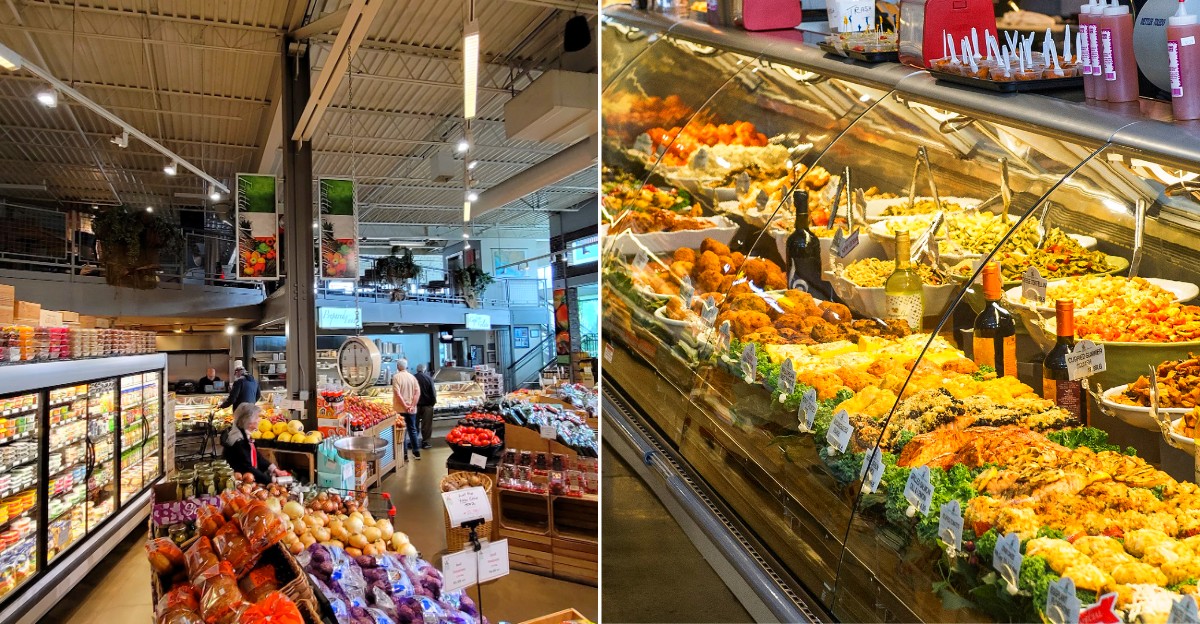
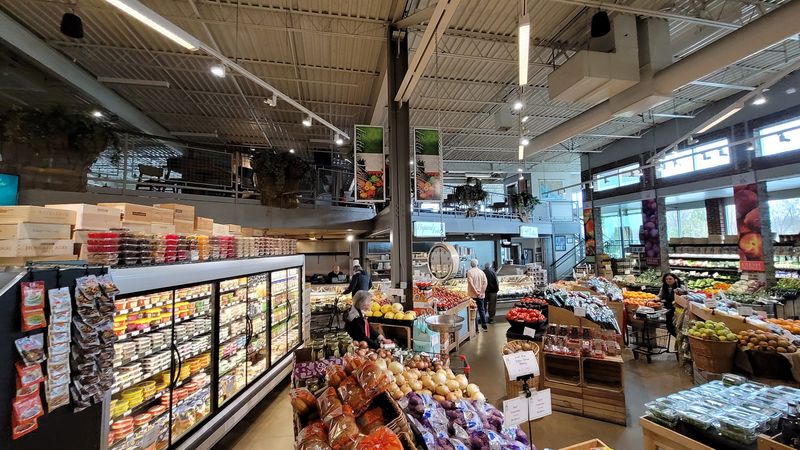
Behind shelves of biscotti sits a full trattoria serving lunch plus dinner to shoppers who somehow find it. The produce section alone could be its own store.
Then comes the deli counter with cheeses unavailable anywhere else in the state. Past that, a gelato case. Past that, aisles of imported pasta, olive oil, plus preserved tomatoes stacked in towers.
The owner’s father arrived from Italy after the war with nothing.
He built this place from a single storefront into a market spanning fifty-five thousand square feet. His sons run it today.
They still travel to their father’s hometown to source products nobody else in the country carries. The smell of fresh bread hits you before the door closes behind you.
Fifty-five thousand square feet is a lot of ground to cover. Michigan’s largest Italian market hides a trattoria in the back where the owners source products from their father’s hometown.
Read Imported Labels Carefully
Bright packages crowd the imported grocery aisles, and unfamiliar labels can turn a quick purchase into a small puzzle. Slow down long enough to compare the product name, place of origin, ingredients, package size, and cooking directions.
Cantoro’s shelves are especially useful when a recipe calls for a specific Italian pasta shape, tomato product, flour, cookie, or condiment that ordinary supermarkets may not carry. Bring a photograph of the ingredient or write down its Italian name before leaving home.
Staff members can also help locate an item or explain how similar choices differ. Check dates when buying several packages for later, and compare prices by weight rather than package alone.
Imported goods make thoughtful gifts, but choose sturdy containers if they must travel far.
The Big Italian Market Is Hard To Miss
Cantoro Italian Market sits at 15550 N Haggerty Road in Plymouth, Michigan, along the busy Haggerty corridor. North Haggerty is the road to stay with on the final approach, with the market occupying a large standalone property rather than hiding inside a shopping center.
The building has enough scale to announce itself before you reach the entrance. Cantoro’s Plymouth operation includes the market and attached trattoria in one large complex, so once the sizable Italian market frontage comes into view along Haggerty, you are at the right place.
Pull into the Cantoro property from North Haggerty Road and use the parking around the market complex. From there, head toward the main market entrance, with the trattoria connected to the same Plymouth location.
Ask For Olive Oil Guidance
Rows of olive oil bottles may look calm, but choosing among them can become surprisingly complicated. Cantoro carries an extensive selection, including olive oil bottled under the market’s name and imported directly from Italy.
Tell a staff member how you plan to use the oil, whether for salad, bread, cooking, or finishing a dish. Flavor, intensity, bottle size, and price matter more than a fancy label alone.
Balsamic vinegar deserves the same care, since the selection can include aged products from Modena with deeper flavor and thicker texture. Buy a smaller bottle when trying something costly or unfamiliar.
Store both oil and vinegar away from heat and direct light at home. Keeping notes about favorites makes the next crowded shelf much easier to understand.
Use The Counter Number System
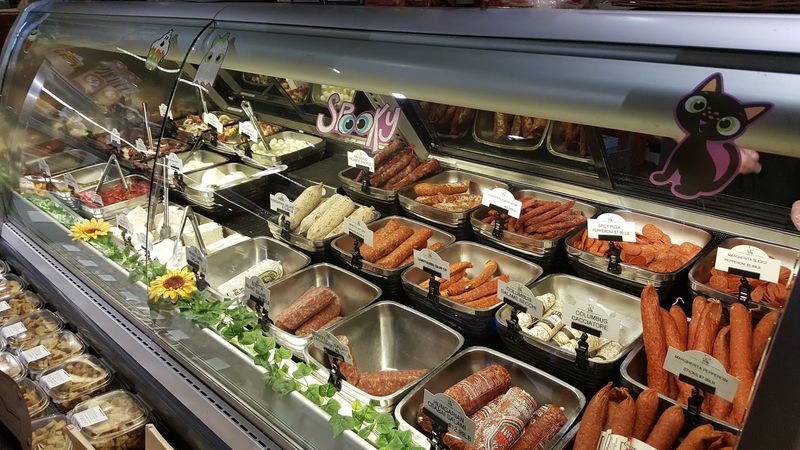
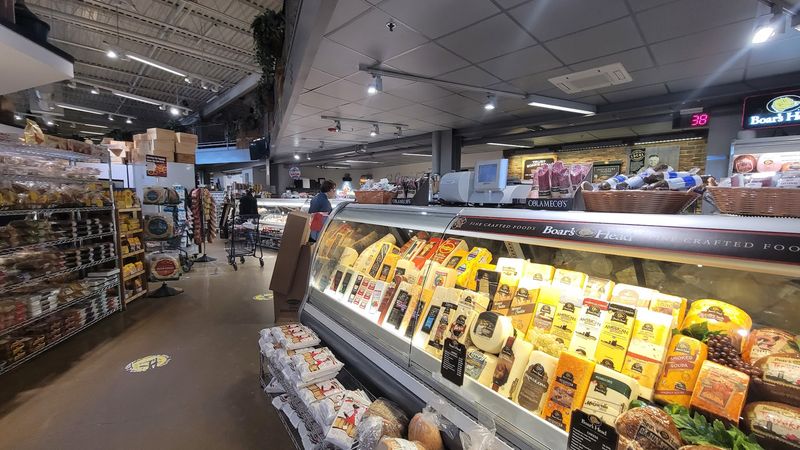
The deli counter rewards patience, especially when several shoppers arrive with long orders. Look for the number system, take a ticket if it is being used, and decide what you want before your turn arrives.
Cantoro’s selection includes Italian cured meats and other deli staples that may be available in several styles. Ask for a sample when permitted, and clearly state whether you prefer thin, medium, or thicker slices.
Thin slices often suit prosciutto and delicate sandwiches, while sturdier cuts may work better in cooked dishes. Request separate wrapping for strongly flavored items or anything you plan to freeze.
Labels help prevent mystery packages once you return home. During busy periods, courtesy and a prepared list keep the line moving without making the experience feel rushed.
Explore The Cheese Case Slowly
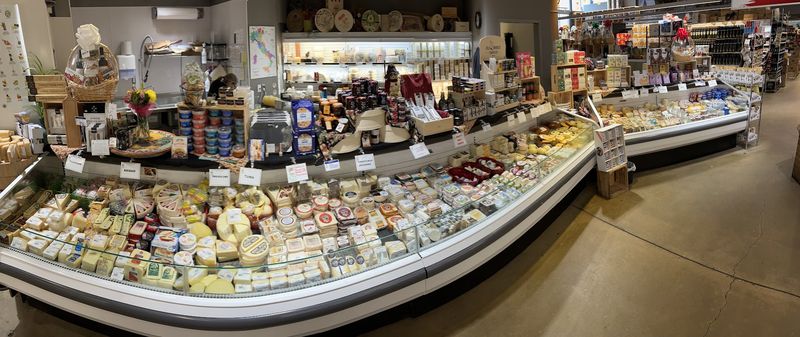
Four hundred cheese varieties can make even a confident cook forget the original plan. Cantoro’s department includes Italian classics such as Parmigiano Reggiano alongside cheeses from other respected producing regions, with some selections aged in a lower-level curing room.
Begin by naming the dish, texture, or flavor you need instead of asking which cheese is best. A cheese for grating serves a different purpose from one meant for melting, snacking, or arranging on a board.
Ask whether a smaller cut is available before committing to a large wedge. Check the wrapping advice, because soft and firm cheeses require different storage.
At home, label each piece with its purchase date and name. Let many cheeses warm briefly before serving so their aroma and texture become easier to notice.
Watch For Fresh Pasta
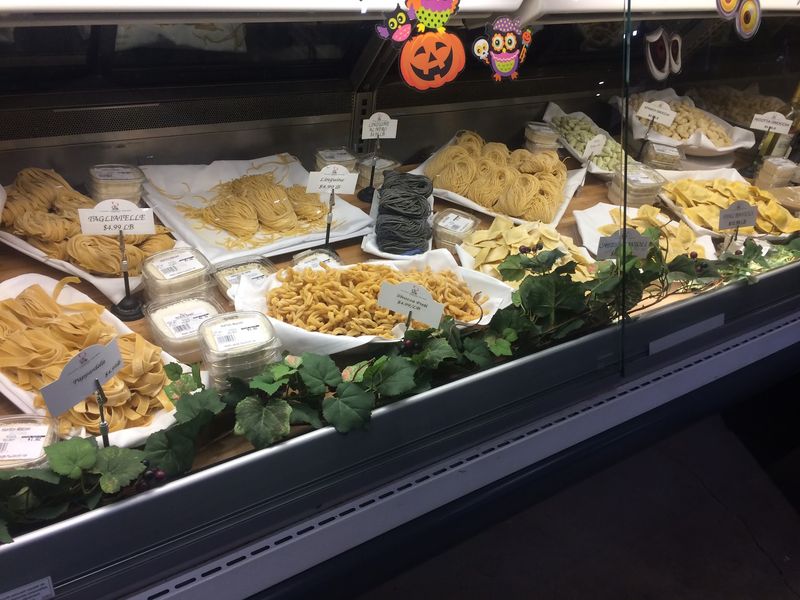
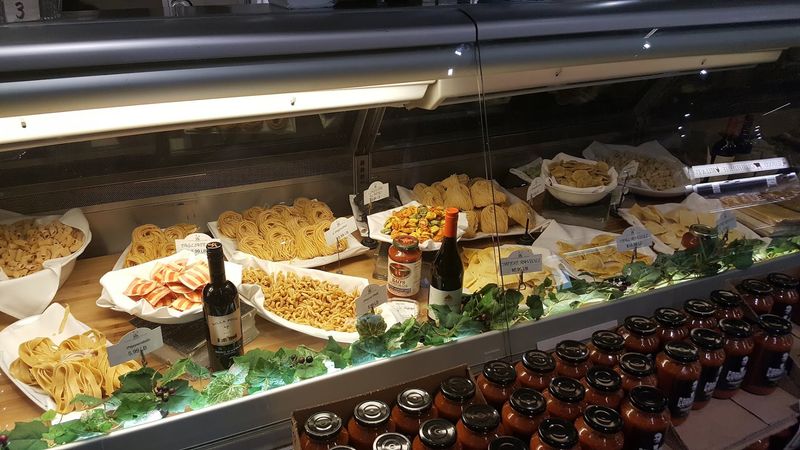
A dusting of flour and the steady movement of pasta equipment signal one of Cantoro’s most interesting departments. More than a dozen fresh pasta varieties are made daily, including tagliatelle used for the Trattoria’s Bolognese dish.
Choose the sauce before selecting a shape, since broad ribbons, filled pasta, and smaller cuts hold toppings differently. Fresh pasta cooks much faster than dried pasta, so ask for timing guidance and avoid wandering away from the pot.
Keep refrigerated packages cold during the drive home, especially in warm weather. If dinner is several days away, confirm storage or freezing directions at the counter.
Buy enough for the number of people eating rather than judging by package size. A simple sauce often lets the pasta’s fresh texture remain the main attraction.
Build Dinner At Prepared Foods
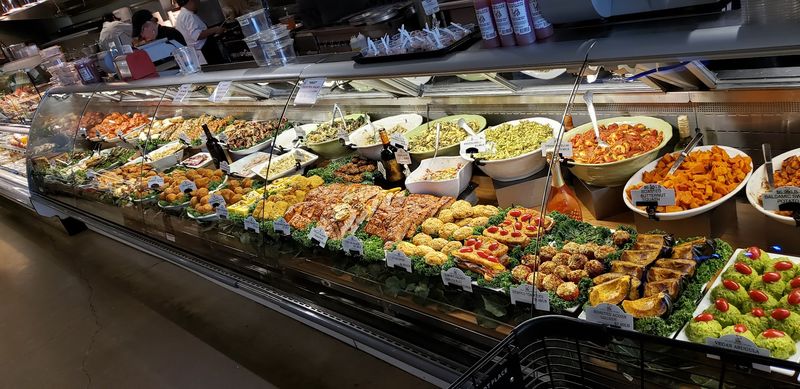
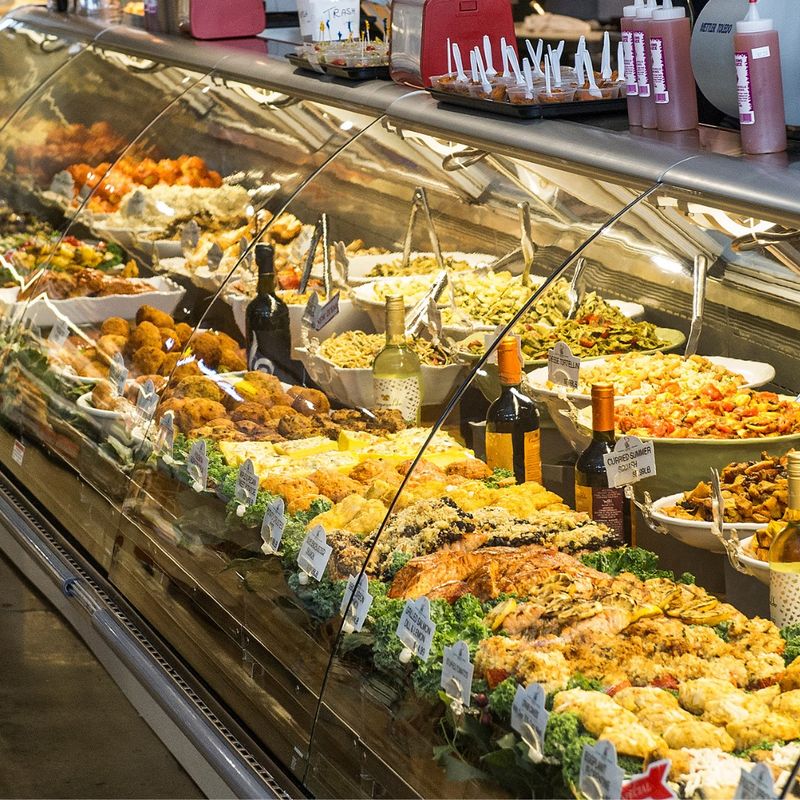
Some evenings call for dinner without chopping, stirring, or turning the kitchen into a flour storm. Cantoro’s prepared foods area offers more than 50 ready-to-go dishes, making it useful for a quick meal or a larger family table.
Walk along the full case before ordering because early favorites may distract you from choices farther down. Balance rich pasta or an entrée with a vegetable side, then ask about portion sizes instead of guessing from the display.
Read ingredient labels carefully when managing allergies, dietary needs, or unwanted additives. Reheating directions matter, particularly for breaded foods, sauces, and baked pasta that can dry out.
Carry cold purchases in an insulated bag if home is not nearby. Ordering catering ahead is wiser than building a party menu from the case at the last minute.
Save Room For The Bakery
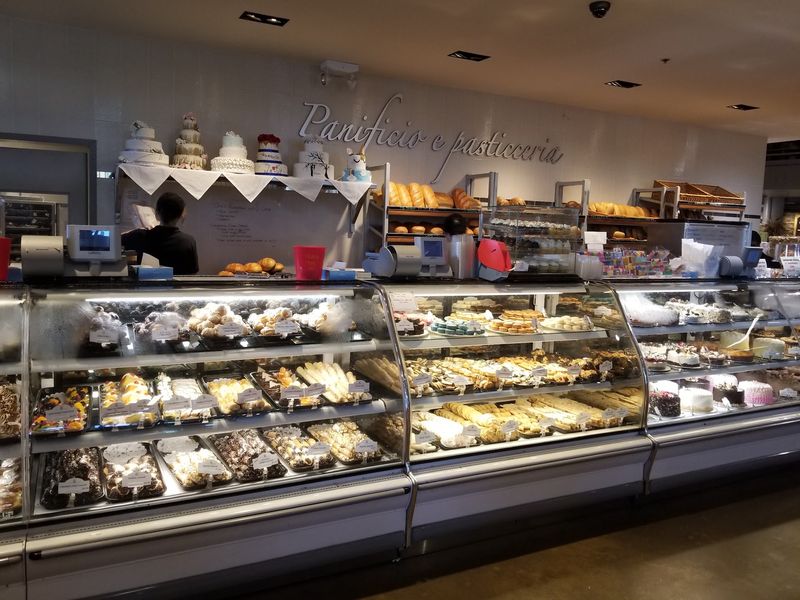
The bakery aroma has a sneaky way of rewriting even the most disciplined shopping list. Cantoro bakes breads such as focaccia and ciabatta daily, while its cases display cannoli, pastries, cookies, cakes, and other sweets.
Browse the entire counter before choosing, because the range is larger than it first appears. Ask when a bread was baked and how to refresh it at home; a brief warming can restore a crisp crust.
Delicate pastries should ride on a flat surface in the car, not beneath grocery bags. For celebrations, contact the bakery early about cake sizes, flavors, designs, pricing, and pickup details.
Buying one treat to share is a sensible way to sample something new. Bread freezes well when wrapped tightly, so extra loaves need not become tomorrow’s croutons.
Pair Local Produce With Imports
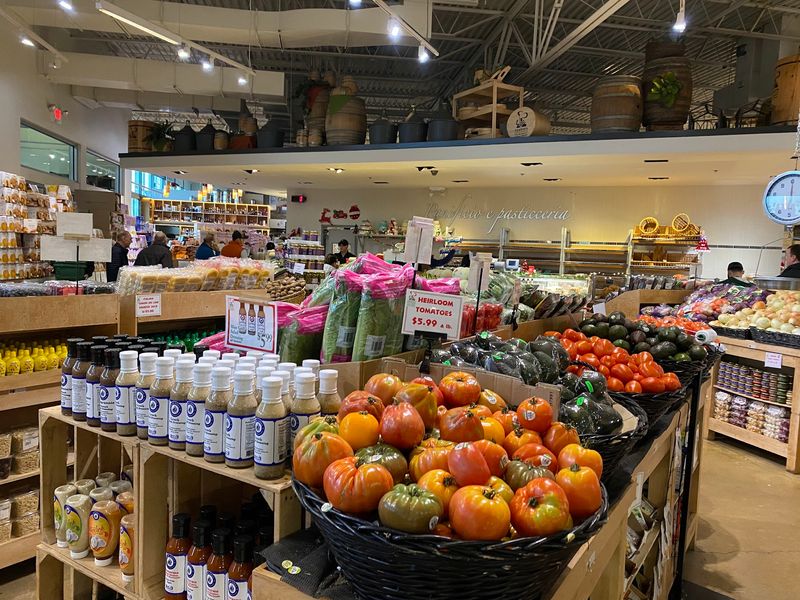
Colorful produce gives the market a useful link between Michigan farms and Italian cooking traditions. Along with familiar fruits and vegetables, Cantoro has featured local products such as hydroponic mushrooms from Stoney Creek.
Shop this department after deciding which imported pantry goods will anchor the meal. Tomatoes, greens, herbs, mushrooms, and seasonal vegetables can turn dried pasta, olive oil, or preserved ingredients into a complete dinner.
Inspect delicate items for freshness, and avoid placing heavy jars above them in the cart. Prices may differ from a standard supermarket, so focus on quality, season, and what you will truly use.
A smaller amount of excellent produce is better than a forgotten drawer full. Ask about current local selections because availability naturally changes throughout Michigan’s growing year.
Visit The Mezzanine For Tools
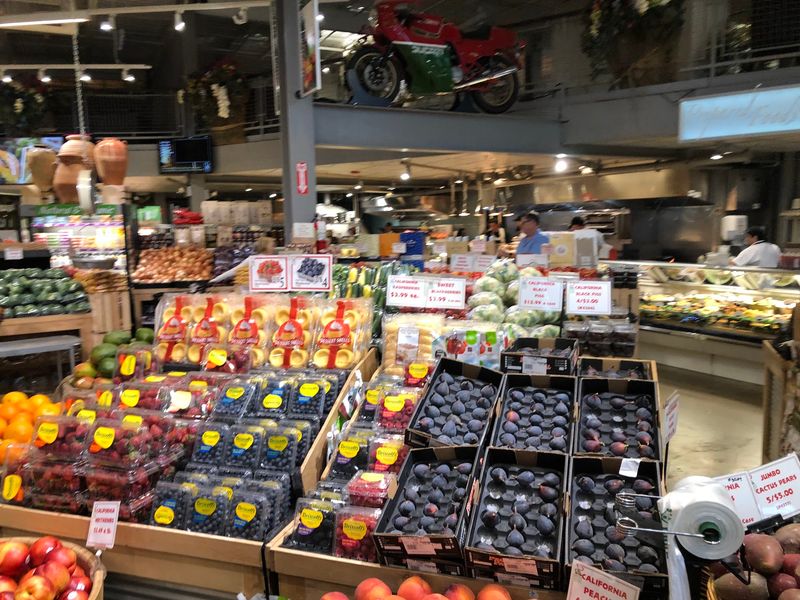
Upstairs, the market noise softens and groceries give way to tools, ceramics, and Italian souvenirs. The mezzanine carries items such as pasta machines, pizzelle makers, espresso makers, and decorative serving pieces.
Visit after food shopping so fragile purchases can remain safely above heavier bags in the cart. Before buying an appliance, check its size, included parts, electrical needs, cleaning directions, and return policy.
A beautiful tool is only useful when it fits your kitchen and cooking habits. Ceramic pieces deserve a careful look for care instructions, especially if you expect to use a dishwasher or microwave.
The elevated level also provides a different view of the active market below. It is a pleasant final stop, even when the day’s budget allows browsing rather than bringing home another gadget.
Plan Time For The Trattoria
A grocery trip can easily stretch into lunch or dinner once the aromas from Cantoro’s in-house Trattoria take over. The restaurant grew from an early plan for a small espresso bar into a fuller dining space connected to the market.
Reservations are a smart choice, particularly for popular meal periods or special occasions. Confirm current restaurant hours separately from market hours because the two schedules may differ.
Seating options can include the open market area and an upstairs mezzanine overlooking activity below, though availability depends on operations and events. If you plan to shop afterward, allow enough time before the market closes and keep chilled groceries for last.
Dining first also prevents hunger from making every bakery case and prepared dish seem necessary. Check the current menu online when dietary choices need advance planning.