
This Michigan Lakeside Grill Turns Local Whitefish And Great Lake Sunsets Into One Perfect Meal
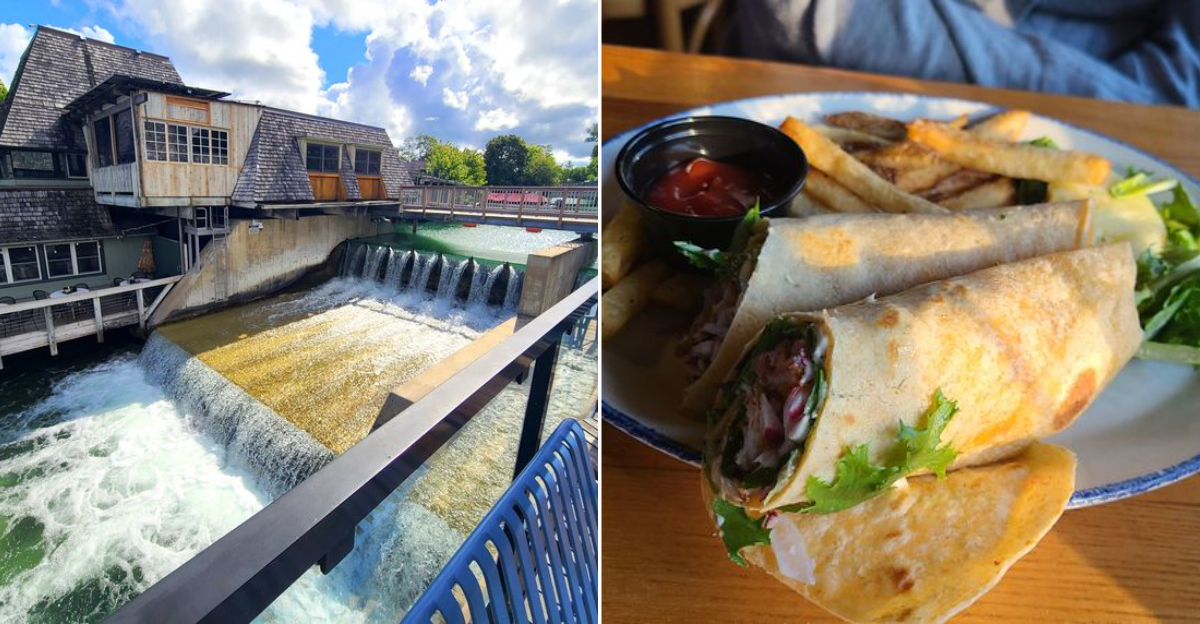
Fishtown’s weathered shanties lean comfortably into the Leland River, carrying decades of scuff marks, fish stories, and working calm, and The Cove slides right into that postcard view as if it has always known exactly where it belongs.
Through wide windows, the dam becomes part of the dining room, salmon leaping with unapologetic focus while plates of local whitefish move past tables like small boats on quiet, necessary missions, each one steady and purposeful.
You feel Lake Michigan everywhere without it being announced, in the menu that trusts local catch, in the low, overlapping chatter of people who planned to linger, and in the brisk breeze that sneaks in every time the door swings wide and reminds you how close the water really is.
What makes a meal here memorable isn’t complication, but alignment.
The food mirrors the setting, clean and direct, prepared with enough care to stay out of its own way, while the room absorbs weather, light, and conversation in equal measure.
Time seems to loosen its grip, especially if you stop trying to plan the rest of the day and let the river dictate the pace.
Settle in with intention and a little patience, and let these tips guide you toward the meal that best captures shoreline light, cool air, and the straightforward Michigan flavor that makes Fishtown feel less like a stop and more like a belonging.
Nab A Window Seat Before Sunset
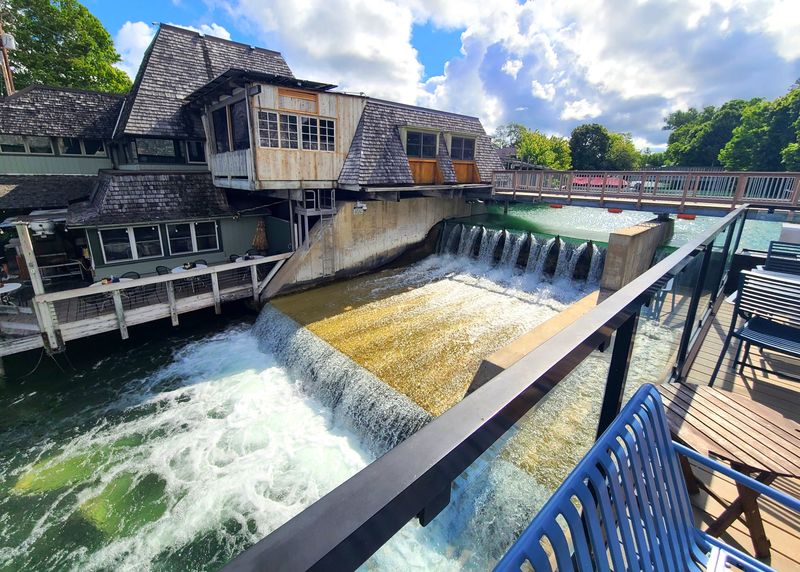
Golden hour stretches slowly across the Leland River, turning moving water into something reflective and metallic while the interior fills with that brief, collective awareness that a view is about to become the evening’s quiet centerpiece.
Window tables overlooking the dam offer more than scenery, because seasonal salmon runs turn dinner into a live interval of sudden motion, splashes, and shouted observations that ripple through the room without disrupting meals.
Light spills inward at a low angle, catching tabletops, glasses, and plates in a way that makes even a basket of fries feel temporarily elevated beyond its ingredients.
Once seated, ordering early helps, since attention wanders easily from menus to water, and hunger tends to accelerate when scenery competes successfully for focus.
Outdoor seating carries its own appeal, though the breeze can be insistent, making indoor window spots the most balanced option for comfort and visibility.
High-top tables closer to the glass still preserve the sense of openness, letting conversations drift without the distraction of flapping napkins or shifting chairs.
Timed well, this seat choice quietly shapes the entire meal, turning a straightforward dinner into something anchored firmly in place, moment, and fading shoreline light.
Start With The Warm Whitefish Spread
Warmth announces this dish before taste does, as quiet steam lifts from a shallow bowl and signals that the fish has been treated with care rather than convenience.
The spread carries a gentle smokiness layered over clean whitefish flavor, supported by sturdy house-made chips that seem designed to resist breaking long enough to matter.
Seasoning stays restrained and deliberate, allowing the fish itself to remain recognizable instead of hiding behind salt or fat.
Chips disappear quickly across tables, so requesting an extra portion early prevents that awkward pause when spread outlasts its intended partner.
Local sourcing, when available, gives the spread an added intimacy, turning the appetizer into a reflection of the surrounding water rather than a generic opener.
Pacing matters here, since letting the dish cool dulls its texture and flattens its aromatics faster than expected.
Taken while warm, it settles the table into a shared rhythm, encouraging slower eating and quieter talk before the main plates arrive.
Order The Seafood Chowder On Chilly Days
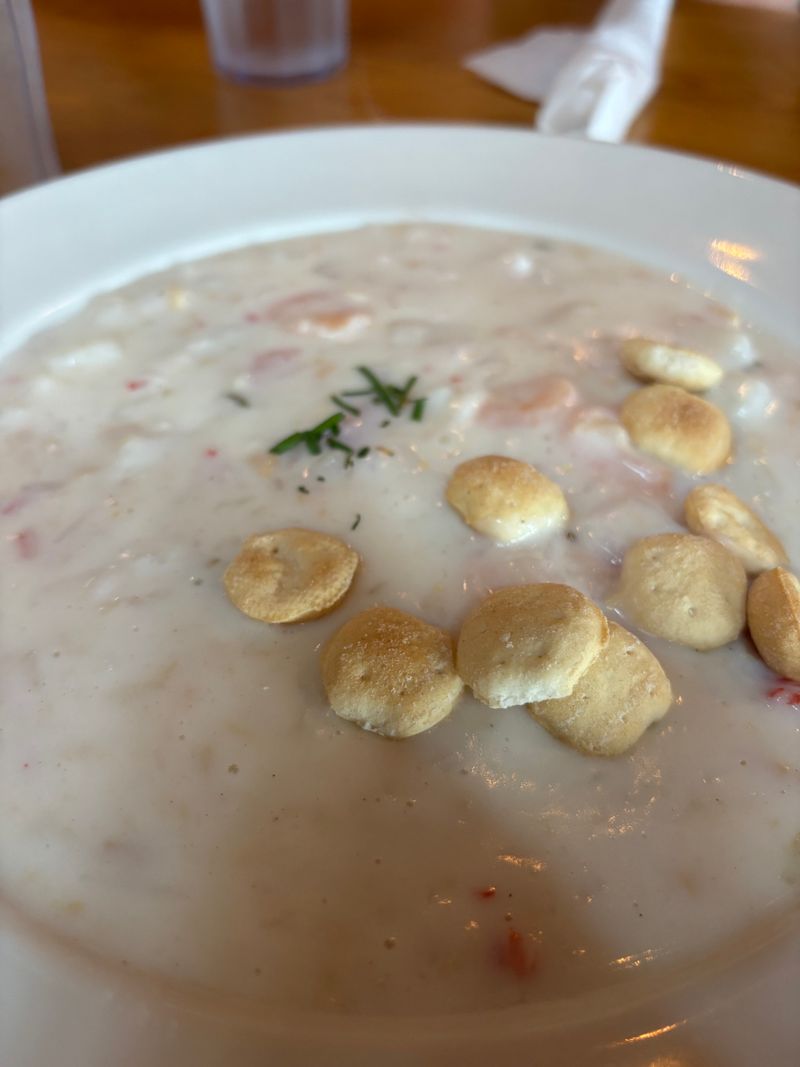
Cold air rolling off the lake has a way of sharpening appetite, making the first spoonful of chowder feel corrective rather than indulgent.
The broth balances creaminess with salinity, avoiding heaviness while carrying enough richness to coat the mouth without lingering too long.
Chunks of seafood hold their shape, signaling careful timing, while steam fogs glasses briefly and grants permission to pause conversation.
Locals reference it casually, which often signals reliability more than hype, especially during shoulder seasons when wind outpaces sunshine.
Starting with chowder encourages lighter entree choices later, a strategic move that keeps energy steady rather than tipping into post-meal fatigue.
Extra bread adds texture contrast without demanding attention, and water pairs better than layered drinks when flavors already feel complete.
On days when sleeves feel insufficient, this bowl quietly justifies the stop all by itself, anchoring the meal in warmth before anything else arrives.
Campfire Whitefish Deserves The Spotlight
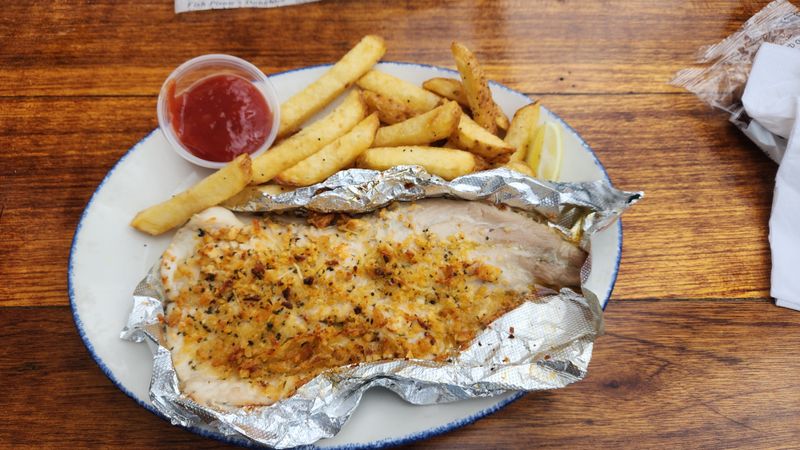
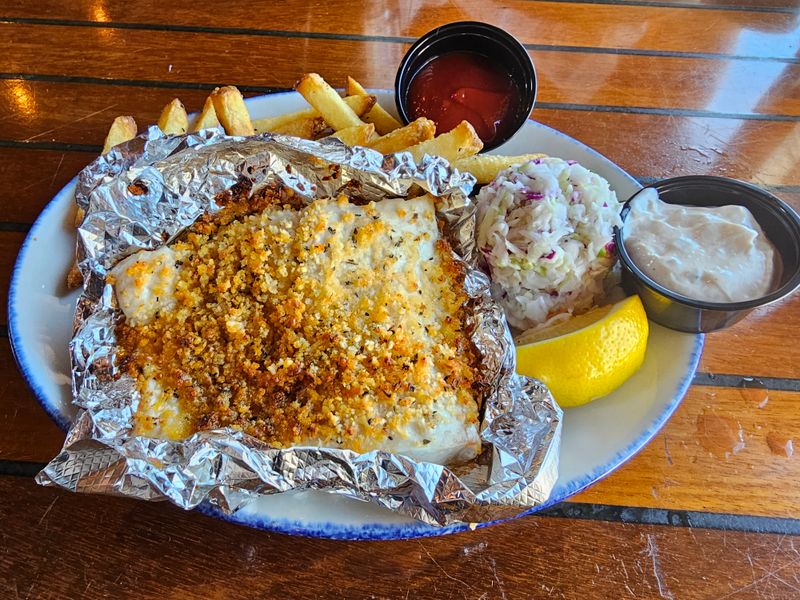
There is a distinct campfire note woven through this preparation that feels less like seasoning and more like memory, evoking evenings where smoke lingers on jackets and dinner unfolds slowly as daylight slips into cooler tones.
The fillet arrives moist and cooperative under the fork, separating into generous flakes while carrying just enough char to remind you that heat was applied with intention rather than impatience.
Lemon is offered as an accent rather than a requirement, and one careful squeeze brightens the surface without erasing the lake-driven character underneath.
Minimalism works in this dish’s favor, since whitefish rewards restraint and quickly exposes unnecessary interference.
Repeated praise from diners tends to center on its calm confidence, a plate that does not chase novelty but instead settles comfortably into its surroundings.
First bites are best taken without sauce, allowing texture and smoke to register fully before adjustments are made.
Paired with a crisp local pilsner, the combination cleanses the palate between mouthfuls and keeps the focus squarely on the fish rather than the accompaniments.
Consider The Whitefish Tacos If You Think You Dislike Fish
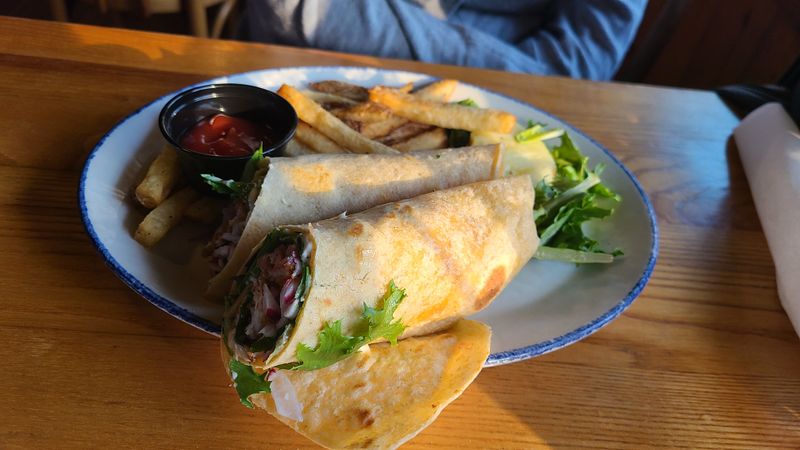
Texture leads the experience here, with crisp panko coating and crunchy slaw shifting attention away from assumptions people often bring to seafood.
The whitefish itself remains mild and clean, supported rather than masked by chipotle mayo that adds warmth without overwhelming the base flavor.
A squeeze of lime functions less as garnish and more as calibration, snapping the components into sharper alignment.
These tacos often convert skeptics because they behave more like composed street food than a traditional fish plate.
Reviews frequently mention surprise, especially from diners who arrived convinced this would be a compromise order rather than a favorite.
Heat levels can be adjusted by easing up on the sauce and leaning on cooler elements like tartar when needed.
Structurally sound tortillas keep everything contained, allowing the view outside to remain part of the experience instead of a distraction from falling fillings.
Whitefish New Orleans For Sauce Lovers
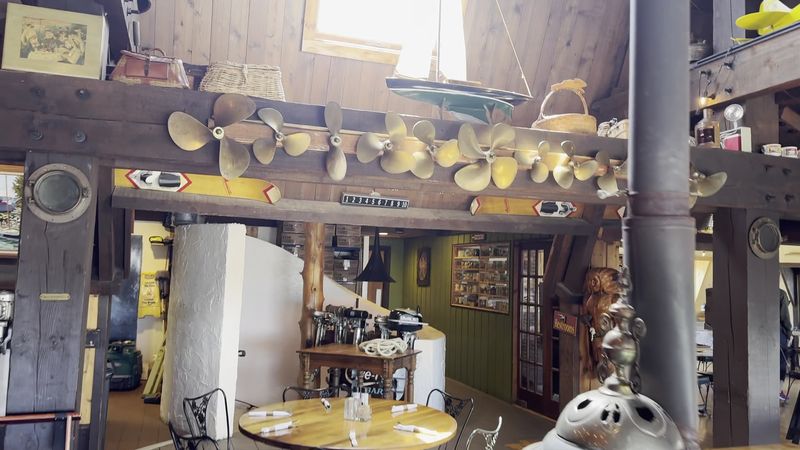
This plate leans into richness with confidence, coating tender whitefish in a creamy New Orleans–inspired sauce that brings warmth and spice without tipping into heaviness.
The fish itself remains the anchor, cooked carefully so the flesh stays moist and distinct rather than dissolving into the coating.
Spice arrives gradually, more hum than shout, allowing the lake flavor to remain legible under the sauce’s complexity.
Regulars often describe this as the indulgent choice, especially appealing when the air off the water turns cool and brisk.
Despite the sauce’s presence, the dish avoids the sleepy weight that sometimes follows heavier seafood preparations.
It works best when paired with a side that introduces acid or crunch, helping reset the palate between bites.
Order it when dessert is optional, because the satisfaction here tends to linger longer than expected.
Choose Between Walleye And Perch Wisely
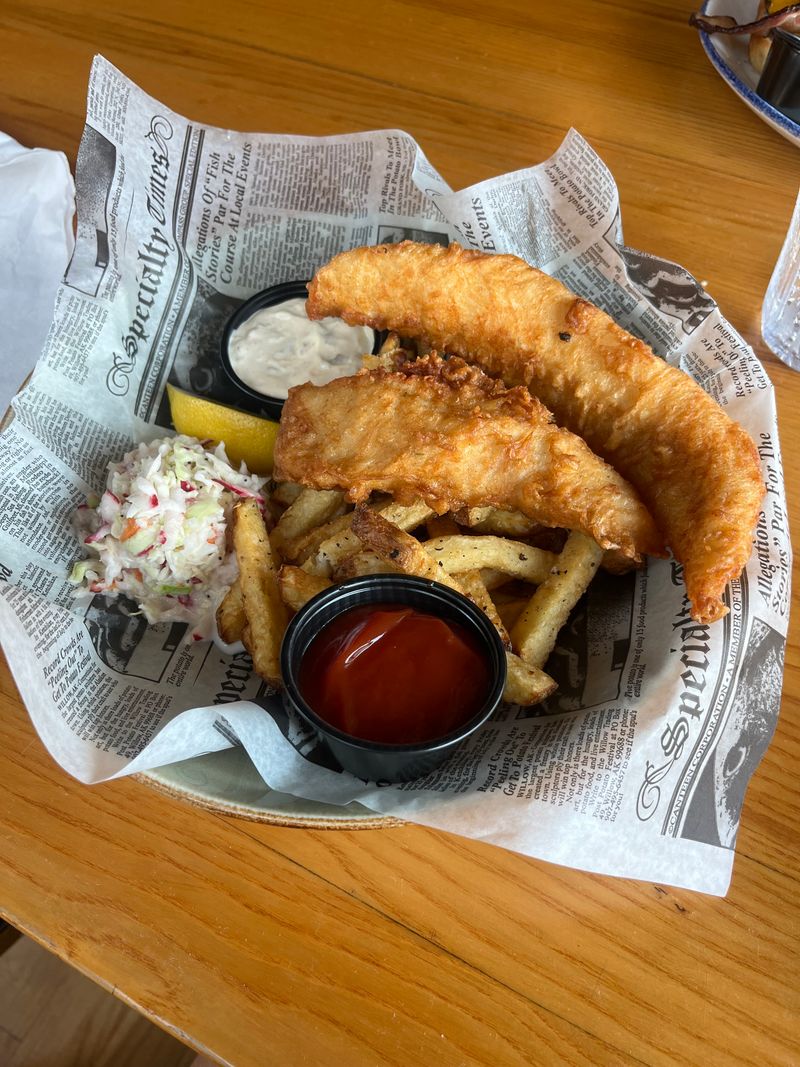
Decision making matters with these two options, since walleye and perch deliver very different textures and appetite payoffs.
Walleye in fish and chips form arrives with firm flakes and a crisp shell that holds its shape from first bite to last.
Perch skews sweeter and more delicate, often better suited to lighter plates rather than long fried sandwiches.
Timing at the fryer plays an outsized role, as either fish can lose its appeal if allowed to cool too long.
Sharing both options at the table provides an easy comparison without commitment regret.
Malt vinegar pairs naturally with walleye’s clean structure, while perch benefits from gentler accompaniments.
Splitting allows exploration while keeping the focus on conversation and the water outside rather than portion anxiety.
Save Room For The Pie
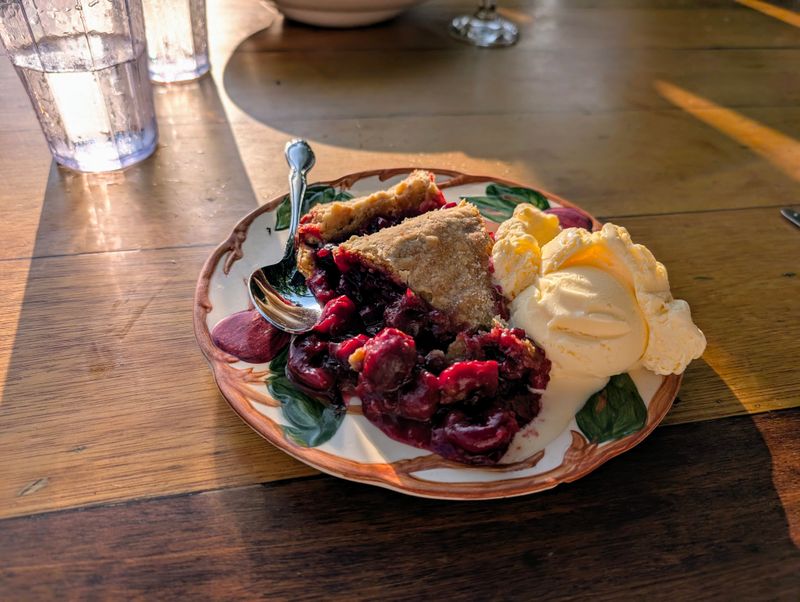
Dessert here follows Midwest logic, arriving in tall slices with crusts that flake under pressure but never collapse into crumbs.
Fruit fillings stay bright and forward, sweet without drifting into excess.
A soft cap of whipped cream adds texture rather than distraction, carrying a faint vanilla note.
Many diners treat dessert as essential rather than optional, particularly when seafood dominates the meal.
Ordering early is wise during busy service, as slices can quietly disappear before dinner plates clear.
Coffee arrives hot and unpretentious, doing exactly what is asked of it.
With river light fading outside, pie becomes less about sugar and more about closing the moment gently.
Respect The Season And The Line

Timing becomes part of the meal here, because The Cove operates in sync with Lake Michigan’s rhythms, which means summer crowds swell suddenly, shoulder seasons thin politely, and sunset hours compress demand into narrow, glowing windows where everyone wants the same river facing seat at once.
During peak days the line gathers with quiet determination, a mix of camera ready travelers and locals who already know that salmon runs can freeze an entire dining room into shared attention when fish start launching themselves up the dam outside the windows.
Putting your name in early and then wandering Fishtown’s weathered shanties turns waiting into an extension of the experience rather than a delay, especially when the breeze carries wood, water, and fried batter through the narrow lanes.
Weekdays often loosen the pace enough that conversation drifts more slowly and servers have time to explain menu nuances without scanning the room.
Late afternoons before the dinner rush offer the softest light and the most forgiving ticket times, which matters when you want the kitchen fully focused on careful fish cookery rather than sheer volume.
Checking hours before driving up from Traverse City prevents unnecessary disappointment, especially early or late in the season when schedules tighten quietly.
Patience here is rewarded not just with food, but with the feeling that you aligned your arrival with the lake instead of trying to impose your own timing on it.
Mind The Drinks And The View Balance
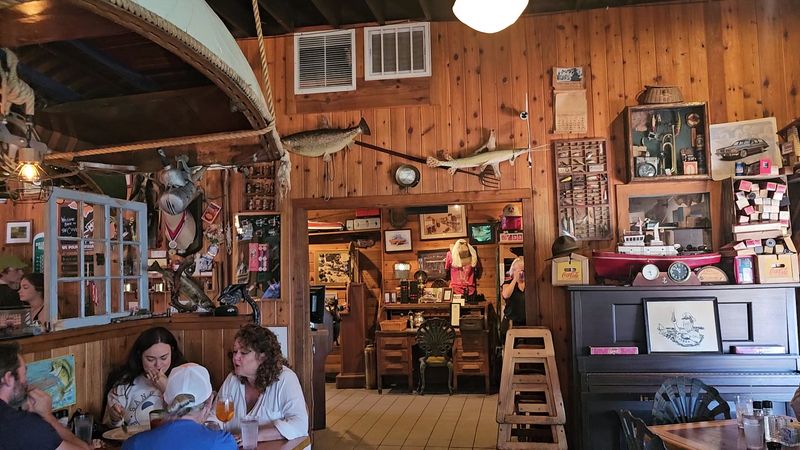
Ordering drinks here works best when restraint leads, because the real spectacle already sits beyond the glass where river water slides past pilings and sunset colors rearrange themselves minute by minute.
The signature Bloody Mary attracts attention for its presentation, but opinions on balance vary, and its weight can crowd out the subtlety of whitefish if chosen without intent.
Lighter beers from Michigan producers or simple pours tend to cooperate more generously with the menu, keeping focus on texture and smoke rather than sweetness or garnish clutter.
Managing glassware becomes practical too, since phones come out for dam shots, napkins drift in open air currents, and plates deserve full attention before heat escapes.
Hydration matters more than expected, as chowder, chips, and seasoned fry baskets quietly pull thirst forward over the course of a lingering meal.
Servers rarely rush refills but stay observant, stepping in when balance is needed rather than when habit dictates.
When river light turns pink and conversations soften, it becomes clear that the best pairing offered here is still whitefish and water, not spectacle and excess.