
This Michigan Museum Gives Kids A Place To Build, Create, Explore, And Play
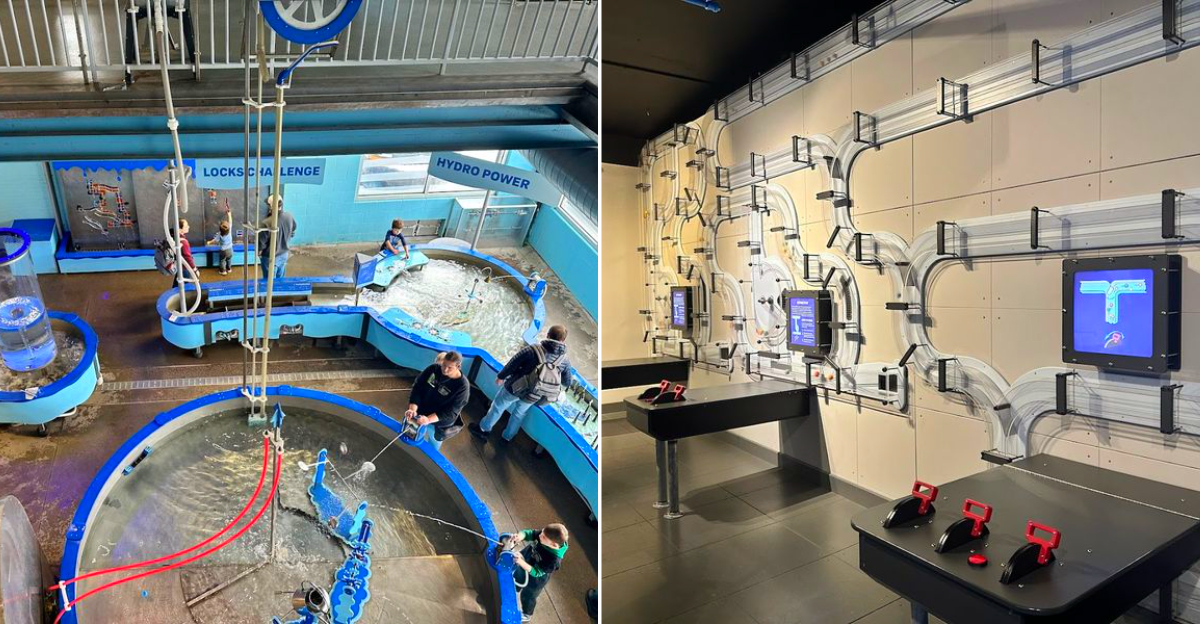
I’ve learned that on those famously gray Lansing mornings, the glowing windows overlooking the river are more than just a view, they’re a lifeline.
Walking in with a caffeinated prayer and a restless toddler, you’re immediately hit by a hum of productive chaos that feels like a deep breath for any parent.
It is that rare, magical sanctuary where “don’t touch” is a forbidden phrase and the staff actually encourages the kind of beautiful, soggy messes that usually happen on my kitchen floor.
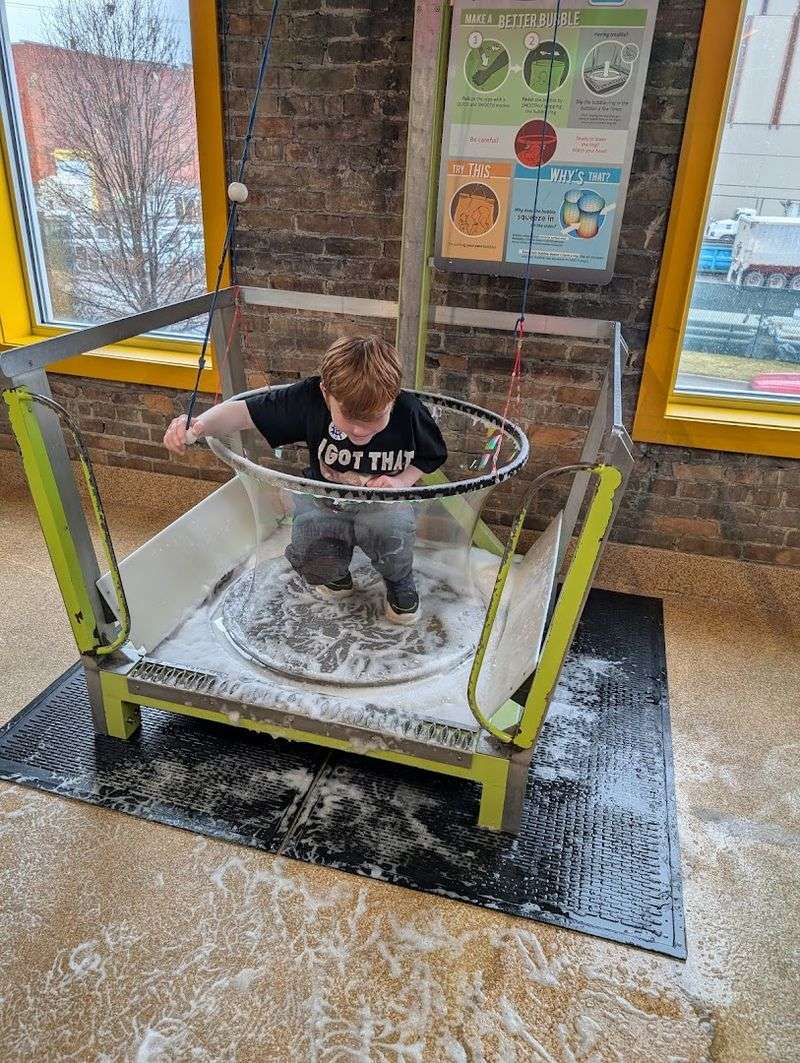
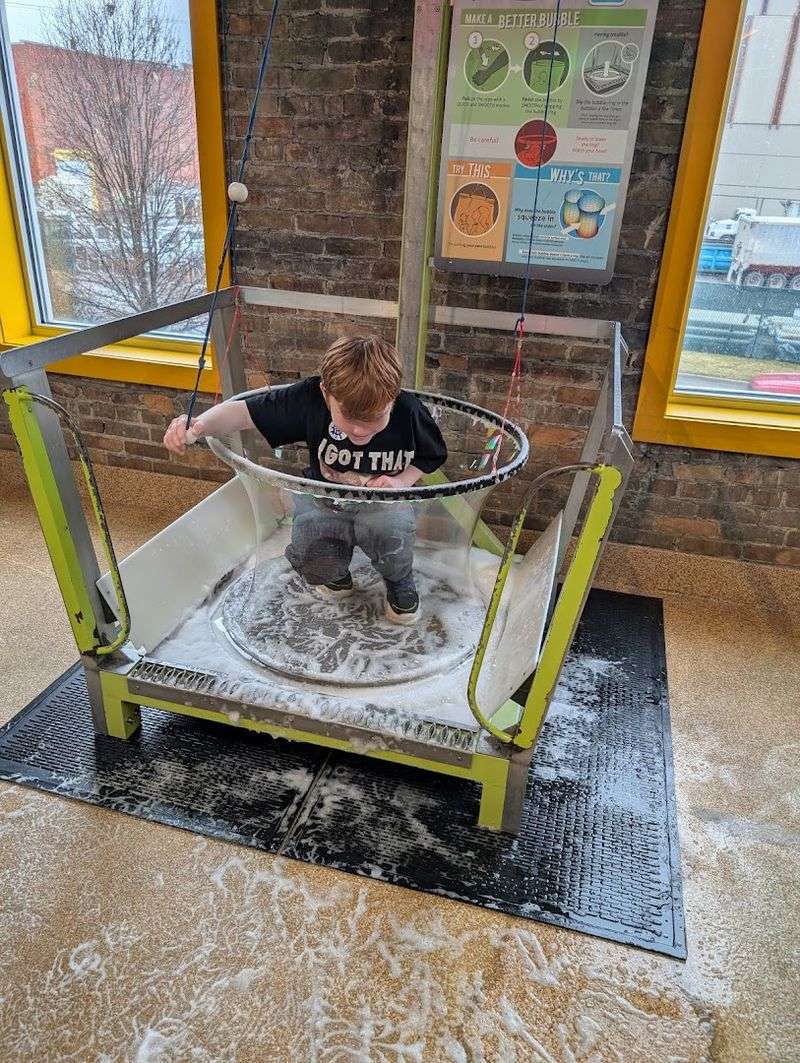
I’ve spent hours watching my kids stretch bubbles taller than their heads and battle water wheels with the intensity of tiny engineers, all while I finally found a moment to just exist in the same zip code as my own thoughts.
Michigan has some of the best indoor family activities. They involve interactive science exhibits, sensory water play, and hands-on STEM learning. If you’re plotting a day that feels both freewheeling and secretly educational, this is the spot that turns every “why?” into a “watch this!”
First Look On Museum Drive
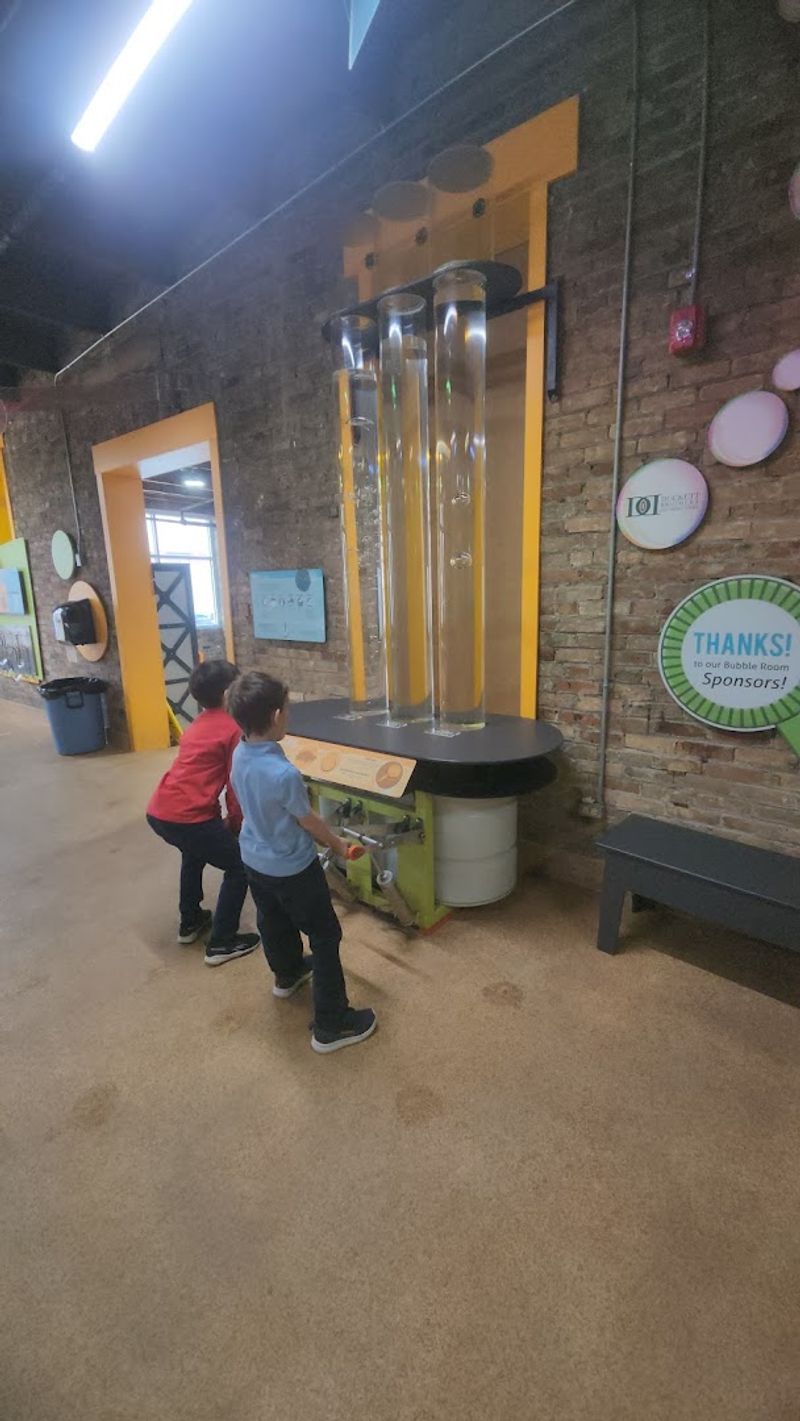
Step from Museum Drive into a space that hums with hands-on energy. Natural light spills across activity zones, and the cheerful clatter of marble runs and wind tubes sets a playful tempo. You feel instantly permissioned to touch, twist, splash, and try.
The center sits beside downtown Lansing’s riverfront path, making it easy to fold into a day of city exploring. Admission is affordable, with Museums for All pricing at 2 dollars per person when you show an EBT card.
Parking is straightforward in the lot near the entrance, though weekend afternoons can fill quickly. Arrive right at opening for the calmest vibe and wide open access to the most popular exhibits. Strollers and wheelchairs navigate easily via the elevator.
A World Of Discovery In Lansing
Driving into the heart of downtown Lansing brings you to a historic wagon works factory that has been transformed into a vibrant hub for hands-on learning.
Impression 5 Science Center at 200 Museum Dr, Lansing, Michigan, is where the industrial architecture serves as a massive laboratory for creative exploration.
Stepping through the doors shifts the atmosphere from the city streets to an energetic environment filled with the sounds of splashing water, clicking gears, and the enthusiastic discovery of scientific principles in action.
Riverworks Water Play
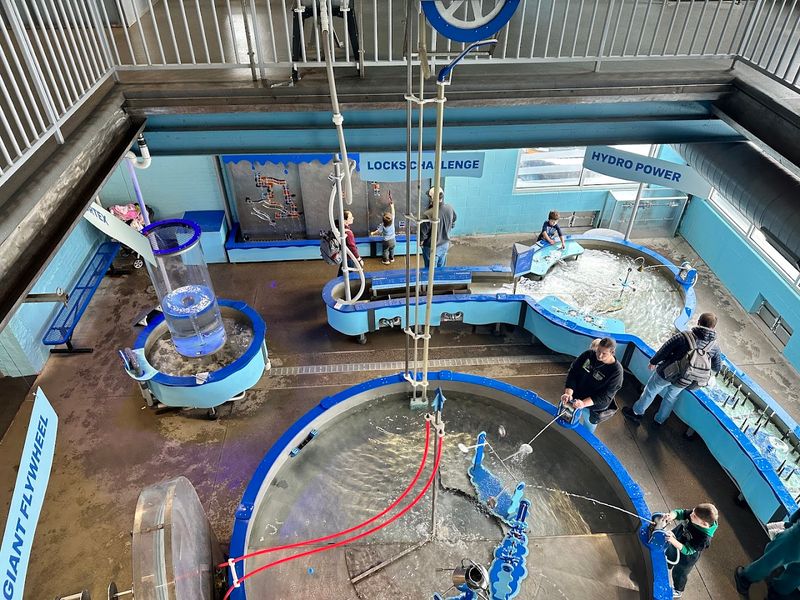
The water room roars with happy splashes and the steady churn of pumps. Channels, wheels, and fountains turn curiosity into motion, so cause and effect feel visible and immediate. Bring a spare shirt, because even careful kids test boundaries when rivers beckon.
Waterproof smocks are available in multiple sizes, and staff reset pieces so every visitor starts fresh. Work upstream to downstream to avoid traffic jams, and pause to watch floating balls disappear into the vortex.
If your crew needs quiet, check the schedule for sensory times that lower sound and reduce crowding. Drains are heated slightly, so standing water does not linger cold on small hands. Exit briefly for snack breaks in the cafe seating, then reenter refreshed together.
Giant Lite-Brite Wall
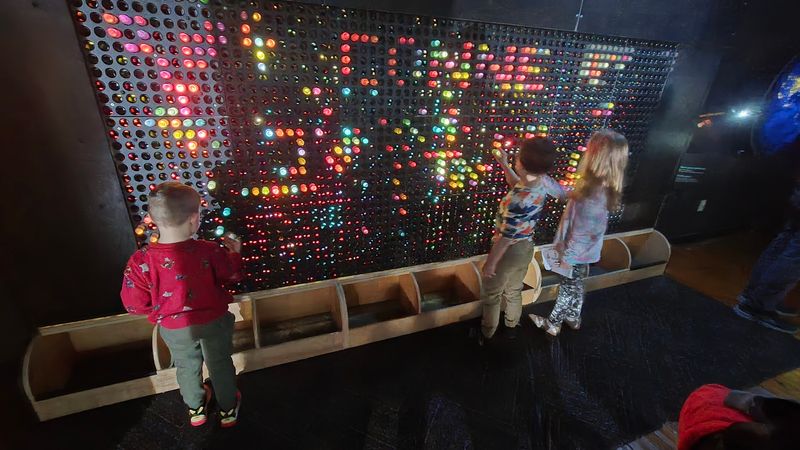
A darkened nook glows with a wall of translucent pegs, each slot snapping satisfyingly into place. Kids map constellations, write names, and experiment with symmetry as colors stack into surprising gradients. I like standing back to watch patterns emerge, because collaboration blooms without a single instruction.
If you photograph creations, turn off your flash and step to the side to avoid blocking traffic. Clean up is part of the play, so encourage kids to clear a section for the next group.
Late afternoons grow quieter, and the wall becomes a gentle decompression zone after louder galleries. Pegs are chunky enough for small hands, yet they demand just enough finesse to reward patience. It is tactile, quiet, and deeply social too.
Toddlers and Infants Haven
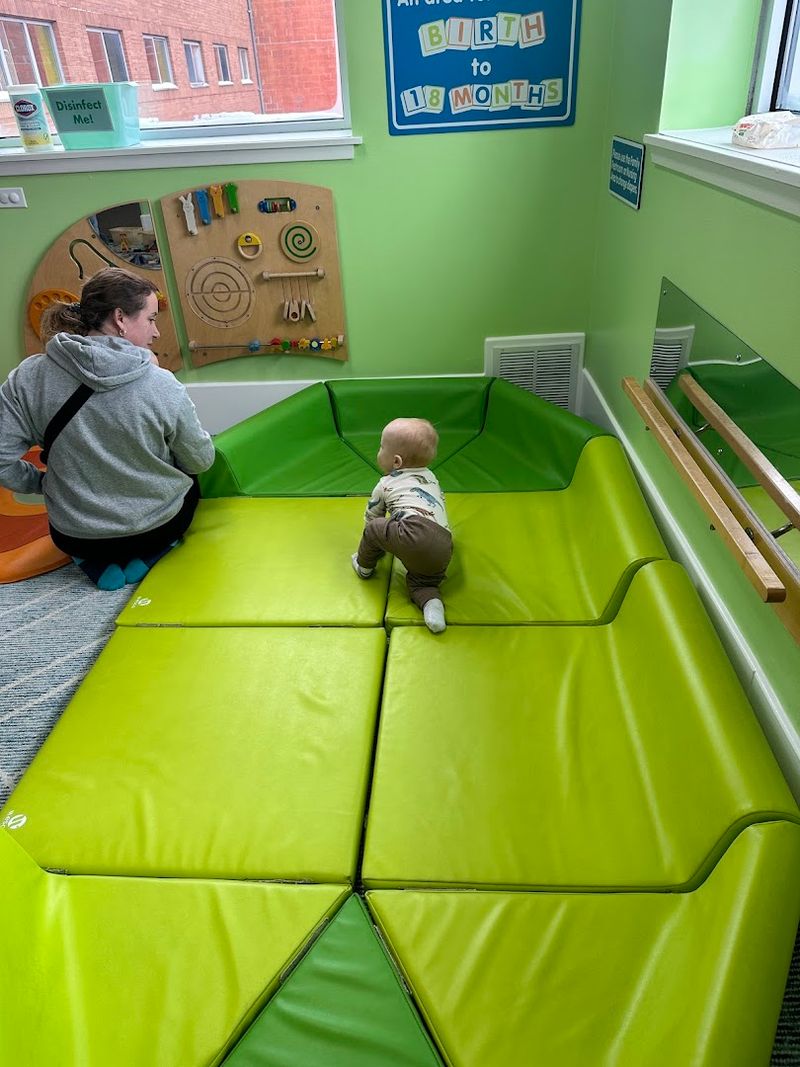
Upstairs, a gated toddler zone buffers the bustle with soft mats, ramps, and chew-safe manipulatives. Infants roll under gentle mobiles while early walkers test balance on low bridges. Sightlines are generous, so adults can exhale while still spotting quick detours.
Shoes off helps keep the surfaces clean, and wipes are stationed right at the gate. Nearby restrooms include changing tables, and elevators connect smoothly to the main floor exhibits. When bigger kids need a reset, spend ten minutes here, snack, hydrate, and then rejoin the higher energy zones.
Labels suggest age ranges, but siblings usually play side by side without trouble. Morning light makes the space feel calm, and the soundproofing keeps conversations audible without shouting. Naps sometimes happen here.
Build And Flight Lab
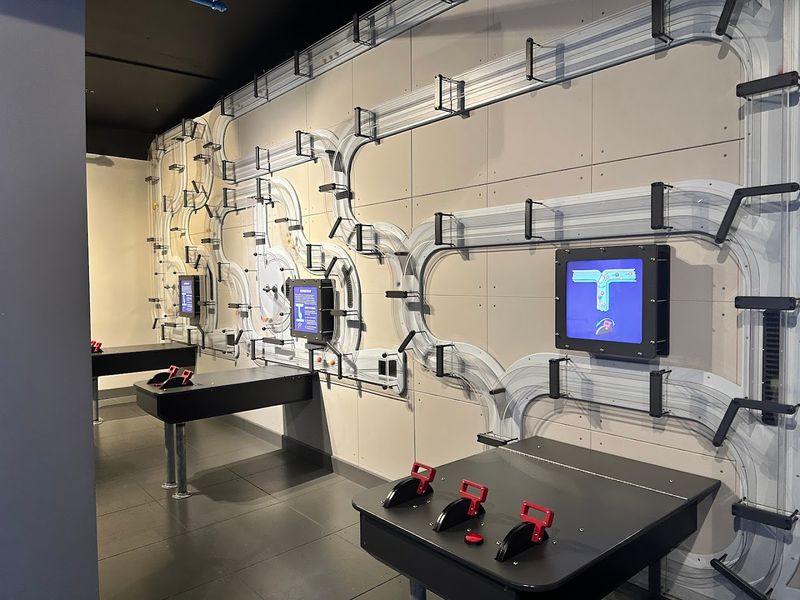
Cardboard, connectors, and blocks invite open ended building that graduates naturally from tinkering to structure. At the paper flight table, kids tweak wings, add clips, and test designs down a long runway. A timer near the pitching setup turns throwing into an experiment about speed and form.
Start simple, record a result, then change one variable so patterns appear. Workshop days add staff-led challenges that stay playful while modeling safe tool use. Save a few projects for the end, because focus often returns once the first rush of excitement fades. Photograph instruction cards so you can recreate experiments at home with tape, straws, and recycled boxes.
Store finished builds in a tote to free hands for the next station nearby.
Light And Shadow Studio
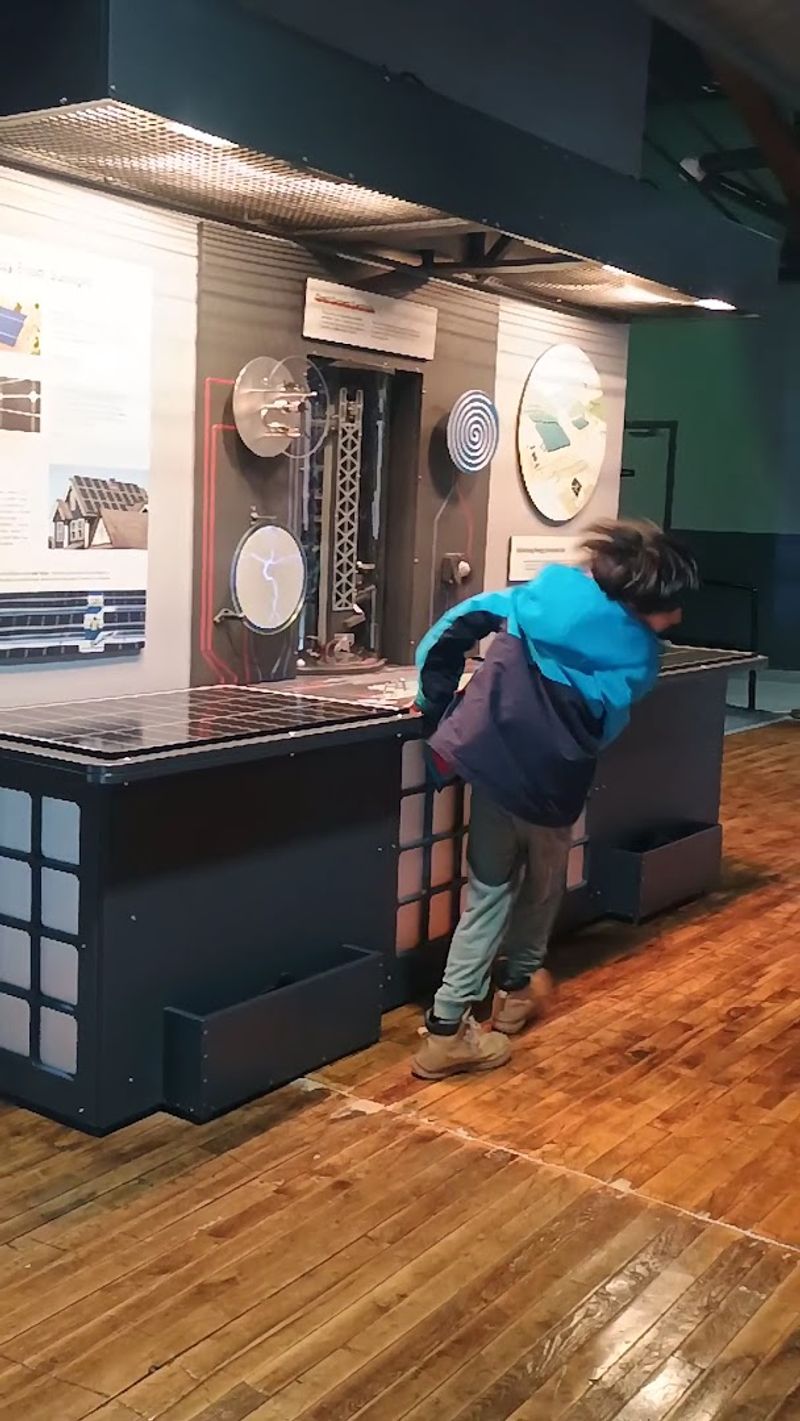
In the light lab, beams slice the dim air, and rotating filters shift the room from cool blue to sunrise warm. Shadow screens beg for puppet stories, while prisms scatter rainbows across curious sleeves. I press a button on the color mixer and watch kids suddenly whisper, the better to catch the glow.
Photography works best from low angles, and slower shutter speeds reward stillness. Give turns at the controls, then swap roles so observers notice different effects.
If a queue forms, set a timer for two minutes per child, and the flow stays friendly. Color-changing panels are sturdy, yet gentle to the touch, and labels credit the science without crowding the play. It feels quietly magical today for everyone.
Guides, Programs, And Sensory Times
Red-shirted staff hover at the edge of play, offering just-enough help and stepping back fast. Questions often turn into mini demonstrations, from airflow tricks to what makes a bubble hold. Field trip groups move in friendly waves that keep the center lively yet organized.
Check the calendar for sensory friendly sessions with reduced lights and sound, plus capacity limits. Weekend pop-ups like guided build challenges tend to happen late morning, and sign-up sheets appear early. Compliments to the team are easy to deliver at the welcome desk, where suggestions also get noted. If you need accommodations, ask at arrival, since fidgets, ear covers, and visual schedules are frequently available.
Staff radios keep communication smooth without adding noise throughout the day.
Sense-Driven Design And Flow
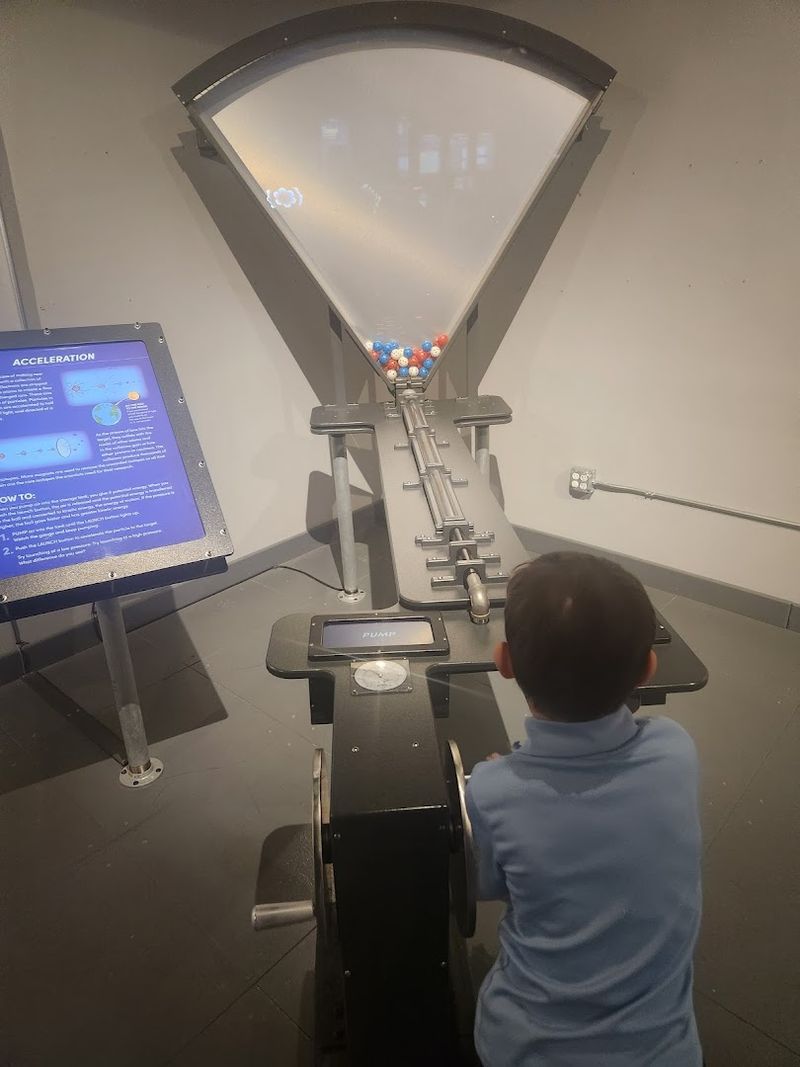
High ceilings and wide floors give exhibits room to breathe, so big motions feel welcome rather than cramped. The name dates to a mission about engaging all five senses, and that focus still anchors every gallery. Displays are sturdy, repairable, and clearly designed for repeated use.
Look up for simple wayfinding banners that keep you oriented without interrupting play. Start upstairs then flow down, or reverse it if a school bus arrives and you want a quieter corner.
Before leaving, budget five minutes to return pieces to their bins, a small habit that models museum stewardship. Wayfinding maps near each stair help you plan the next stop efficiently. It keeps energy focused on exploring, not on searching, with young kids.
Practical Logistics For A Smooth Visit
Plan around hours at 9:30 to 4 Tuesday through Friday, slightly later on weekends, and closed Monday. Admission includes reentry the same day, and Museums for All pricing brings cost to 2 dollars per person with EBT. I park in the small lot by the entrance, or on nearby streets when it fills.
Pack lunches for the cafe seating area, since on-site food is limited to vending. Strollers roll easily, elevators reach every floor, and lockers are not necessary if you travel light.
Expect to spend two to four hours, more if builders dig in. Check the website for temporary exhibit rotations and workshop sign-ups, which can change week to week. ASTC membership reciprocity may apply, so bring your card.
Seasons, Timing, And Lasting Spark
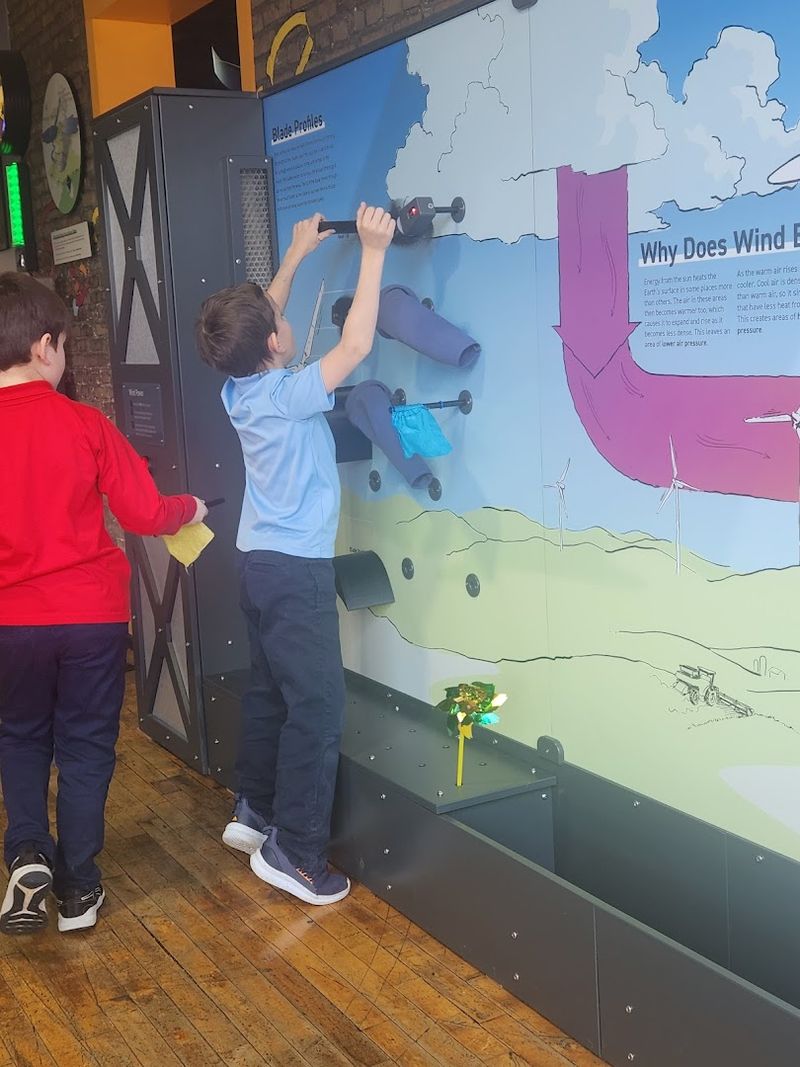
Snowy days make the galleries feel extra cozy, with boots lined up by benches and coats stacked under tables. Spring brings school groups, while late summer sees grandparents shepherding cousins between water play and bubbles. Fall weekends sync nicely with downtown festivals along the river path.
Lean into the season by timing snacks, naps, and high energy zones to the weather outside. Locals tend to arrive right at opening or after nap time, leaving a sweet quiet pocket mid afternoon.
You will likely leave with damp cuffs, ink-stained fingers, and a head full of bright, testable questions. That mix stays with kids on the ride home, fueling backyard experiments and dinner table stories long after the doors close in Lansing.