
This Michigan Museum Lets You See Life-Sized Replicas Of Ancient Pompeii Frescoes
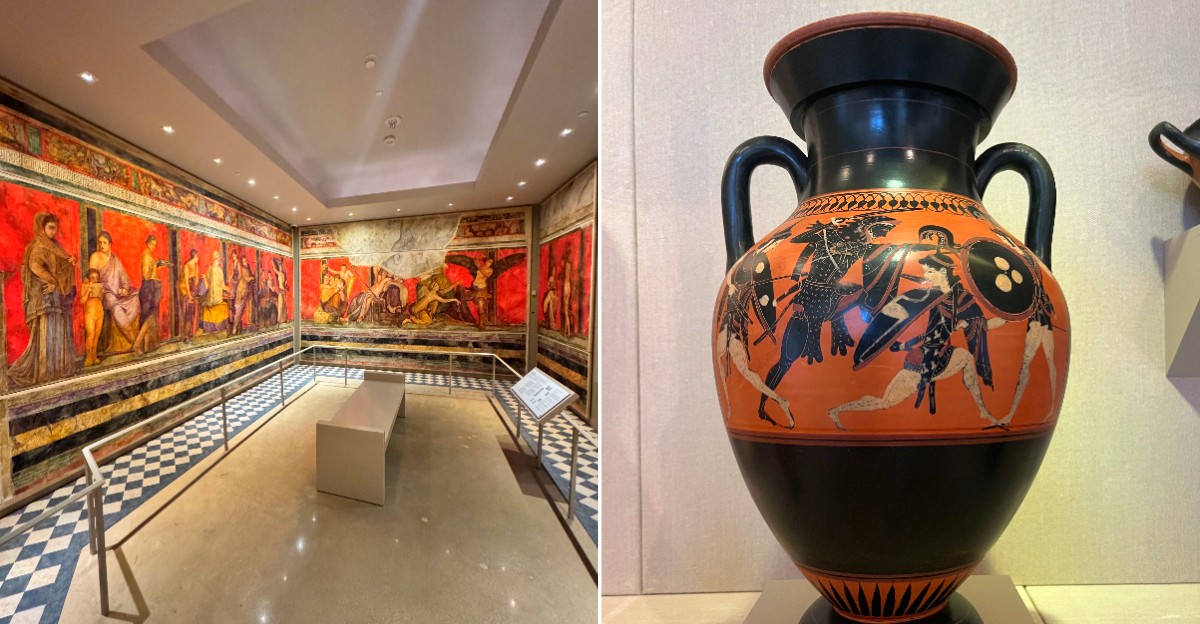
Ancient Pompeii feels much closer when painted Roman figures stand nearly life-size in front of you.
Inside this university museum, watercolor reproductions from the Villa of the Mysteries recreate the scale and drama of walls that once surrounded people in their homes, turning archaeology into something immediate rather than distant.
The rest of the galleries keep that feeling going with everyday objects, colorful fragments, and small details that make ancient lives feel unexpectedly familiar.
For history lovers in Michigan, this free museum offers one of the most vivid ways to experience Roman art, archaeology, and daily life without crossing an ocean.
What I like most is how personal the visit can feel. A painted face, a household object, or a worn fragment can suddenly carry more weight than a textbook paragraph.
Because admission is free, there is no reason to rush; curiosity can set the pace from room to room.
The Artist Behind The Ancient Faces
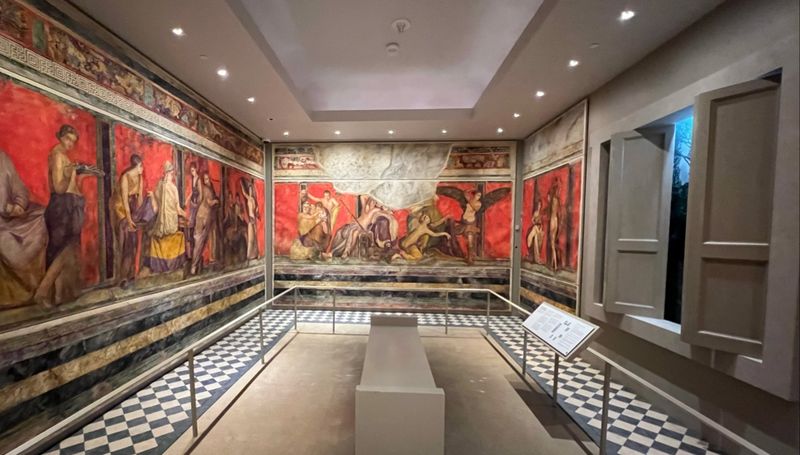
Someone had to look very carefully before Michigan visitors could enjoy this room. Italian artist Maria Barosso created the watercolors after Professor Francis Kelsey commissioned them in the 1920s.
Her work took just over eighteen months, a useful reminder that a faithful copy requires patience, skill, and countless small decisions. These paintings are not simply decorative stand-ins; they also record the appearance of an important ancient mural cycle.
Look for the details that would challenge any artist: the turn of a shoulder, the edge of a garment, or a figure’s expression. Reading about Barosso before returning to the images adds another layer to the visit.
You are seeing Roman imagery through the careful work of a much later observer and artist.
State Street Gets You Close, Maynard Street Gets You In
The Kelsey Museum of Archaeology sits at 434 S State Street in Ann Arbor, Michigan, right on the University of Michigan’s Central Campus. State Street gets you into the correct block, but the actual public entrance is around the side on Maynard Street.
The last stretch feels unmistakably campus-like, with university buildings, heavy foot traffic, and the Museum of Art just across State Street. Once you reach the Kelsey building, keep moving around toward Maynard rather than stopping at the State Street side.
Use metered parking on Maynard Street or East William Street, or park in the Maynard Parking Structure just north of the museum. From there, walk south on Maynard and enter through the public museum entrance.
A Mystery Worth Leaving Open
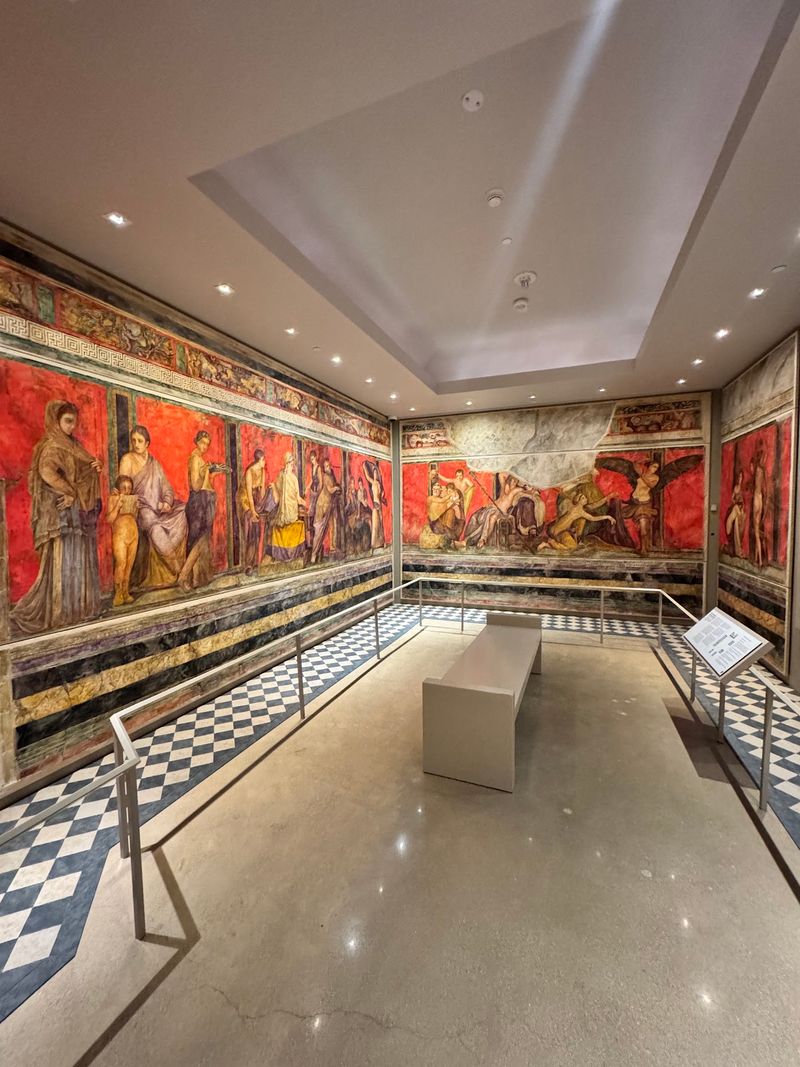
Not every ancient picture comes with a clear answer key. The Villa of the Mysteries paintings show figures involved in scenes that scholars have long debated, including possible rituals connected with initiation and marriage.
That uncertainty is part of their appeal. Rather than treating every gesture as a solved clue, use the museum’s interpretation to separate what can be seen from what has been suggested.
Choose two neighboring figures and notice where they look, how they stand, and what their hands are doing. You do not need a background in Roman religion to make useful observations.
The practical trick is to look first and interpret second, leaving room for more than one explanation of this striking sequence of painted scenes.
Give The Painted Room Some Space
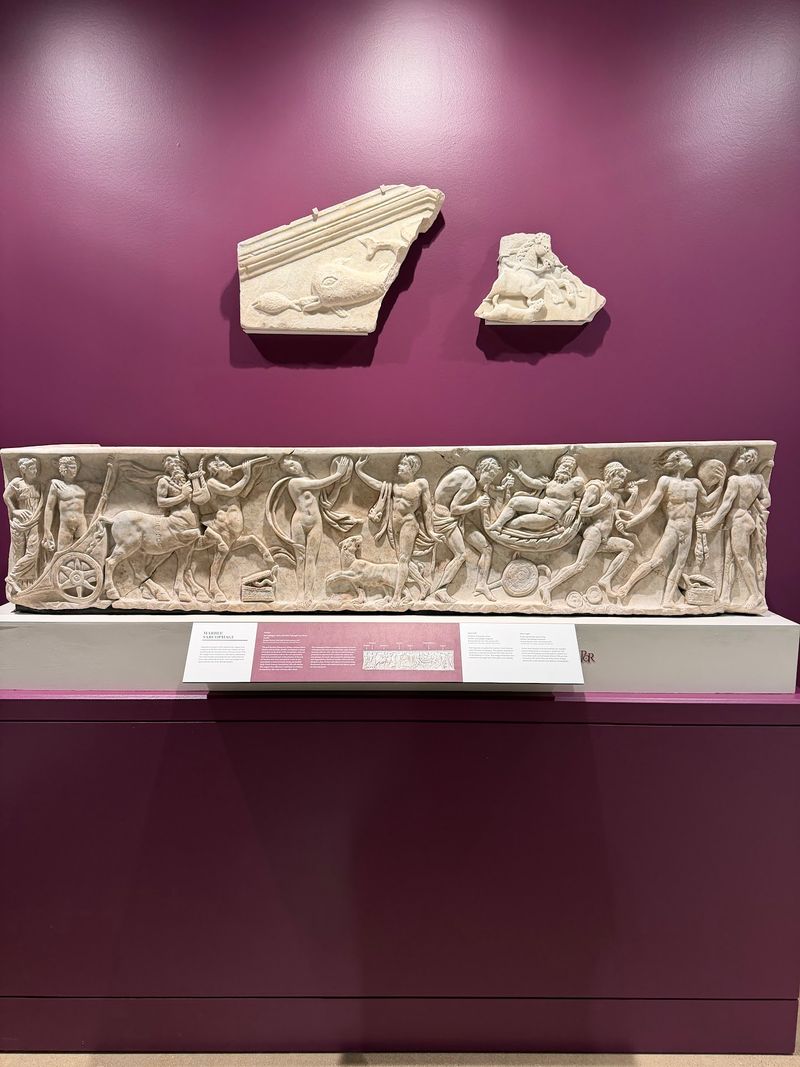
Distance can be a surprisingly useful museum tool. Standing back from the Barosso watercolors lets you notice the rhythm of the figures and the way separate scenes belong to a larger setting.
Roman wall paintings were part of architecture, not just pictures waiting for frames. The Kelsey’s room helps visitors think about that relationship between people, walls, and the spaces they occupied.
Try a slow visual sweep before choosing one section for closer attention. If other visitors are nearby, leave room for them to enjoy the same broad view.
Then return to your favorite detail after exploring another gallery. A second look often reveals something small that the first, more dramatic impression pushed into the background, especially among the figures’ gestures.
Watch Roman Walls Take Shape
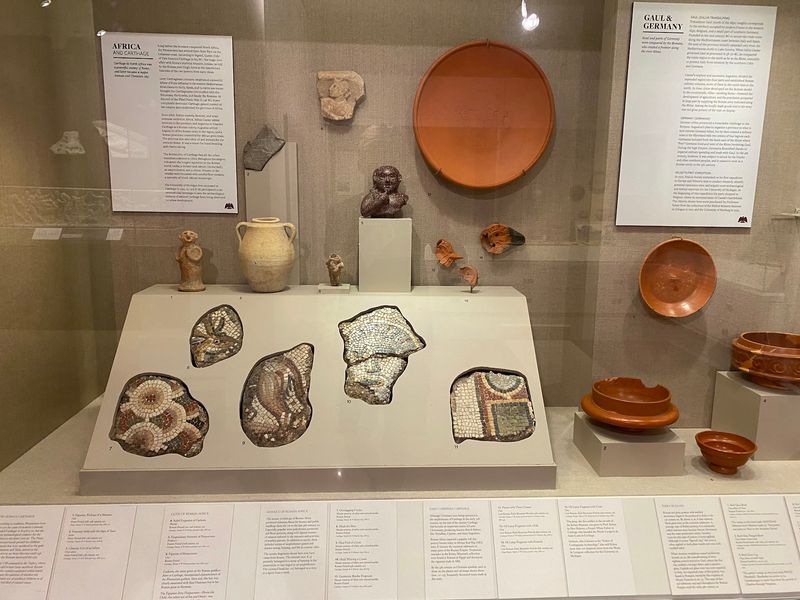
A fragment can look rather lonely until its missing surroundings return. The Kelsey’s light-projection installation explores Roman interior painting by showing how six actual wall-painting fragments could have appeared within larger decorated spaces.
The presentation traces the four styles associated with paintings from Pompeii and the Bay of Naples region. It offers a useful contrast with Barosso’s large watercolor copies: here, small original pieces help explain a much bigger visual world.
Check with museum staff about the installation’s availability during your visit. When it is on view, allow enough time to follow the changes rather than catching one image and moving along.
Pay attention to painted borders and architectural effects, which can make a flat surface suggest depth and structure.
Small Objects Bring Daily Life Closer
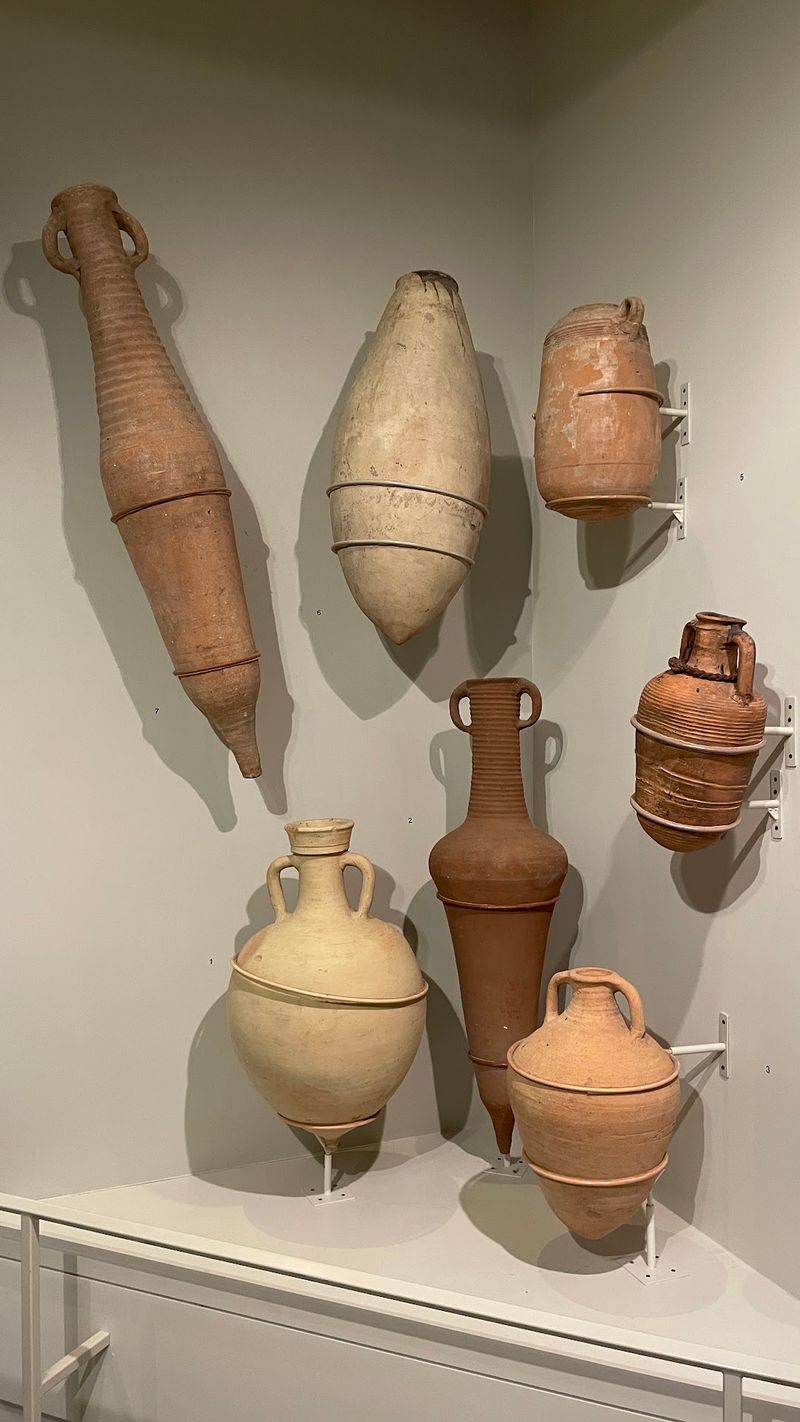
A household object can make the ancient world feel less like a textbook. Beyond the Pompeii displays, the Kelsey holds a major collection from Karanis, a town in Graeco-Roman Egypt excavated by University of Michigan teams.
These finds shift attention toward ordinary routines rather than grand buildings alone. Pots, tools, and other surviving objects offer ways to think about work, meals, storage, and the practical business of keeping a household running.
Pick one object and ask what problem it helped someone solve. Read its label before deciding that it resembles something familiar today.
That small pause keeps comparison useful without turning a guess into a fact. It also gives younger visitors a clear starting point for talking about ancient daily life.
Open The Drawers That Invite You
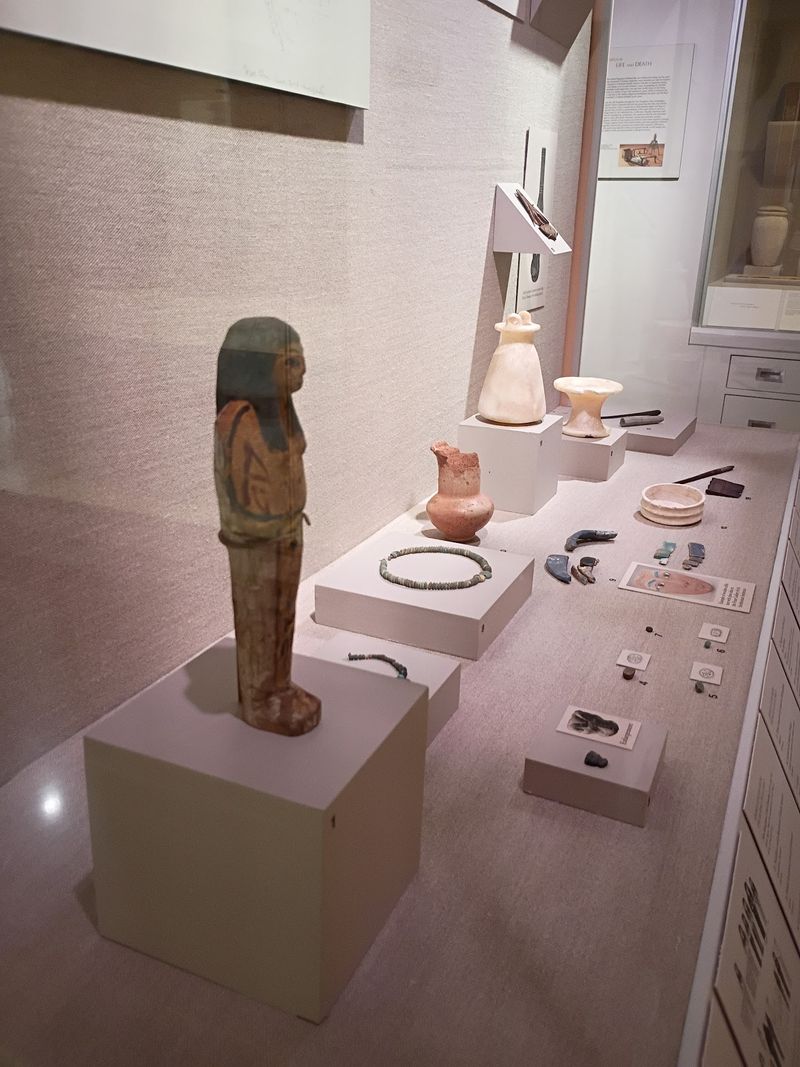
Some museum discoveries happen below the obvious viewing level. Certain Kelsey display cases include pull-out drawers, giving curious visitors another place to look beyond the main arrangement behind glass.
Use only drawers clearly intended for visitors, and open them gently. The objects remain museum material, not things to handle, so keep hands away from anything beyond the provided controls.
For families, a drawer can turn looking into a small shared discovery without making the gallery feel like a race. Let children choose one detail to describe, then compare it with an object above.
Adults benefit from the same habit: slowing down often reveals more than trying to cover every case. Ask staff if you are unsure which features are interactive.
Read The Coffin As A Crafted Object
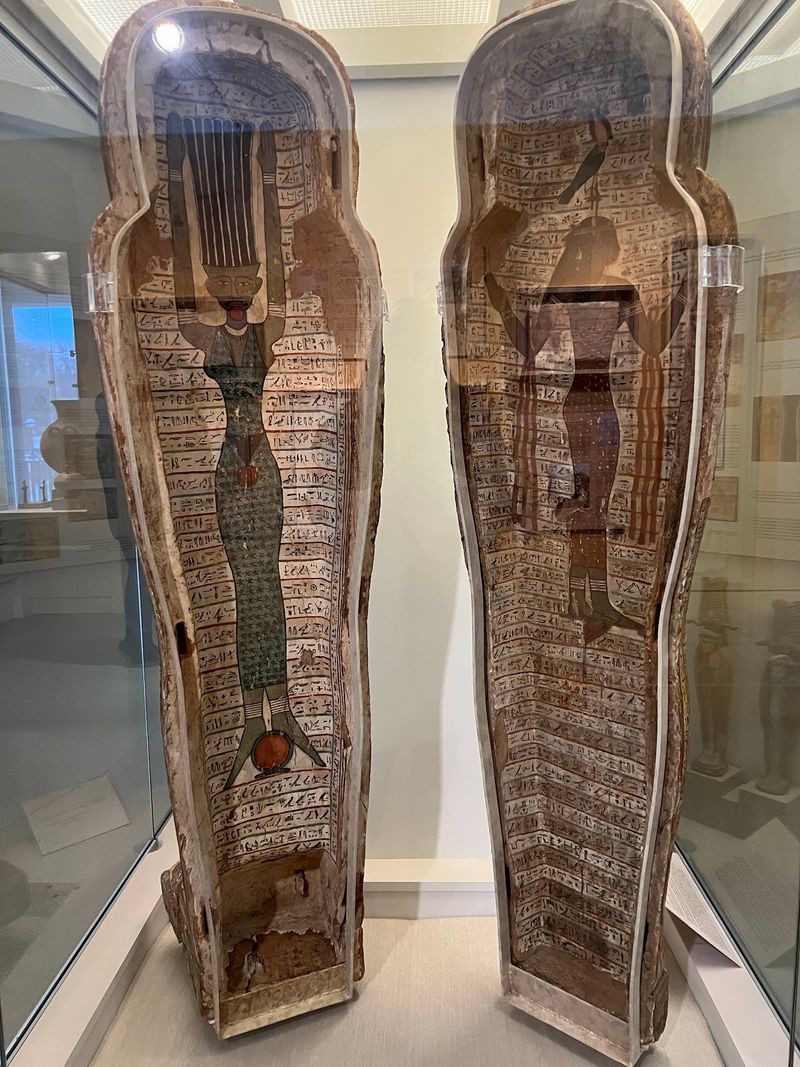
Painted decoration carries a different purpose on an Egyptian coffin than on a Roman room. The Kelsey’s collection includes the mummiform coffin of Djehutymose, dating to Egypt’s Saite Period.
Its shape and decoration offer a chance to consider how skilled makers expressed beliefs about death and protection. Keep the focus on the coffin itself rather than expecting a display of human remains.
Check current gallery information to learn whether it is available to view. If it is, study one area of its painted surface and use the label to understand what you are seeing.
After the Pompeii room, this makes a thoughtful comparison: both objects use images, but they served very different settings and needs in the lives of ancient people.
Newberry Hall Has Its Own History
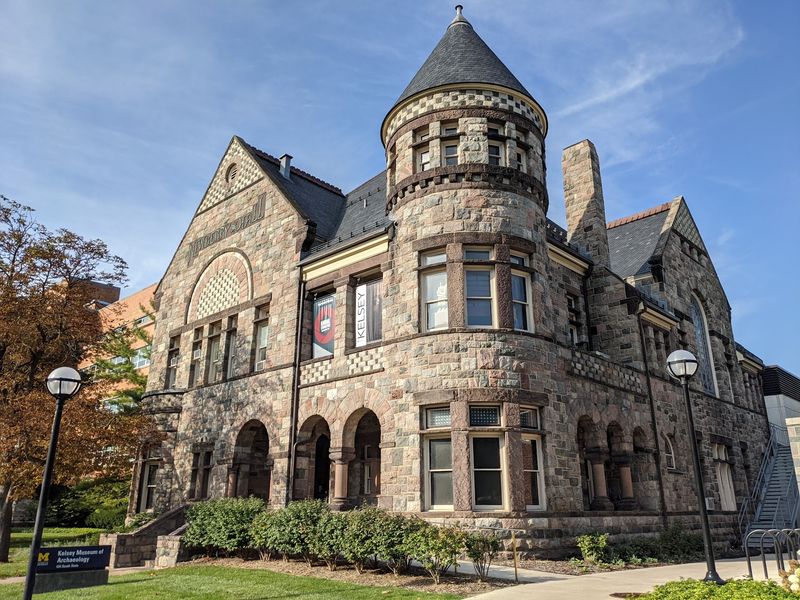
Before the ancient objects get your attention, the building deserves a moment. Newberry Hall was constructed between 1888 and 1891, and its Richardsonian Romanesque design gives the museum a strong presence on State Street.
Look at the contrasting stone colors and the substantial architectural forms. They belong to a much later chapter of history than the collections inside, yet they help frame the visit as a meeting of different times.
The museum was established in 1928 and received Francis Kelsey’s name in 1953. Save a few minutes for the exterior, either before entering or after your gallery visit.
You do not need to know architectural terms to appreciate how the building’s materials and proportions differ from the objects housed within it.
Find The Entrance Before You Arrive
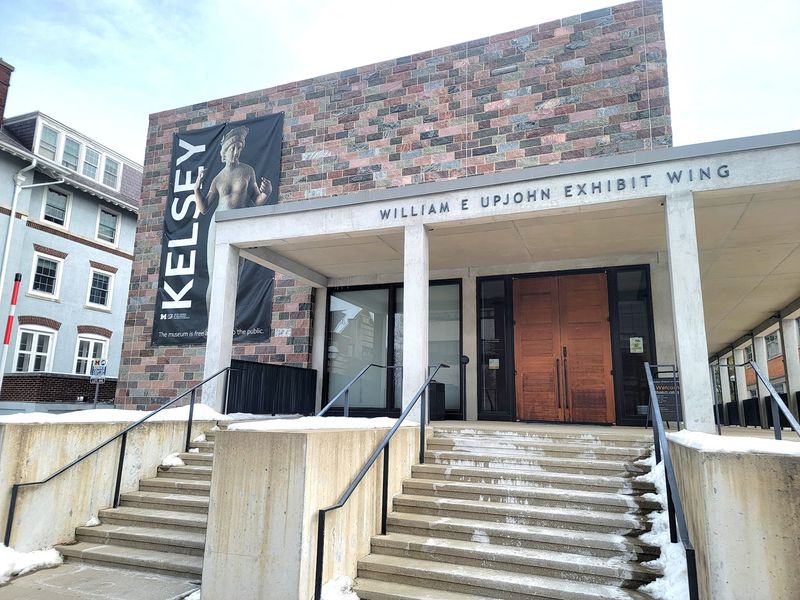
The address and the entrance are not quite the same navigation clue. Although the Kelsey Museum’s address is 434 S State St, its public entrance is on Maynard Street.
Knowing that detail ahead of time saves an unnecessary lap around the building. Admission is free, but parking is a separate expense to plan for if you are driving into central Ann Arbor.
Check the museum’s official website for current hours, holiday closures, accessibility information, and any gallery changes before leaving home. The usual schedule lists Tuesday through Friday from ten to four and weekends from eleven to four, with Mondays closed.
If your main goal is the Pompeii display, ask about access before making a special journey just to see it.
Leave Time For A Second Look
An hour can introduce the Kelsey; a little longer lets connections develop. Plan roughly one to two hours, adjusting for how much you enjoy reading labels and examining small details.
There is no need to turn the visit into a checklist of everything the museum owns. Its collections are much larger than what any visitor can see in the galleries, and a focused route is often more rewarding.
Start with the Pompeii watercolors, explore a few nearby themes, then return to the painted figures before leaving. Ask staff about current tours or family resources if you want more guidance.
Free admission also makes a future visit easy to consider, especially when a temporary exhibition or a new question draws you back.