
This Michigan Museum Turns Shipwreck Stories Into Something You Can Feel In Your Bones
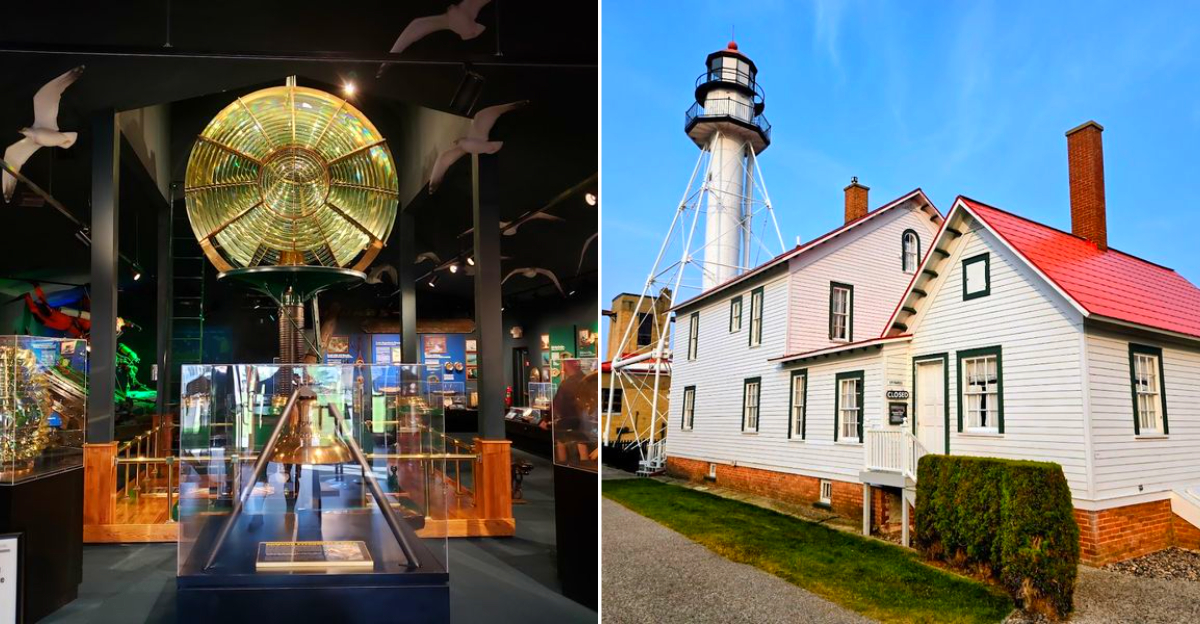
Wind off the lake hits you before you reach the entrance, carrying a cold that has nothing to do with the season and everything to do with how exposed this stretch of shoreline is.
Inside, the exhibits stack artifact after artifact from vessels that never made it past the point, each one carrying a story about crew members who set out in weather they underestimated.
The lighthouse beside the museum still functions, its beam sweeping across the same dark water that swallowed hulls made of iron and wood alike.
You leave with a deep respect for the lake that you did not have when you walked in, plus a silence that follows you all the way back to the car. Shipwreck stories preserved at the edge of the lake make this museum unforgettable, plus the wind outside is a reminder of exactly why in Michigan.
The Bell Tolls For Them
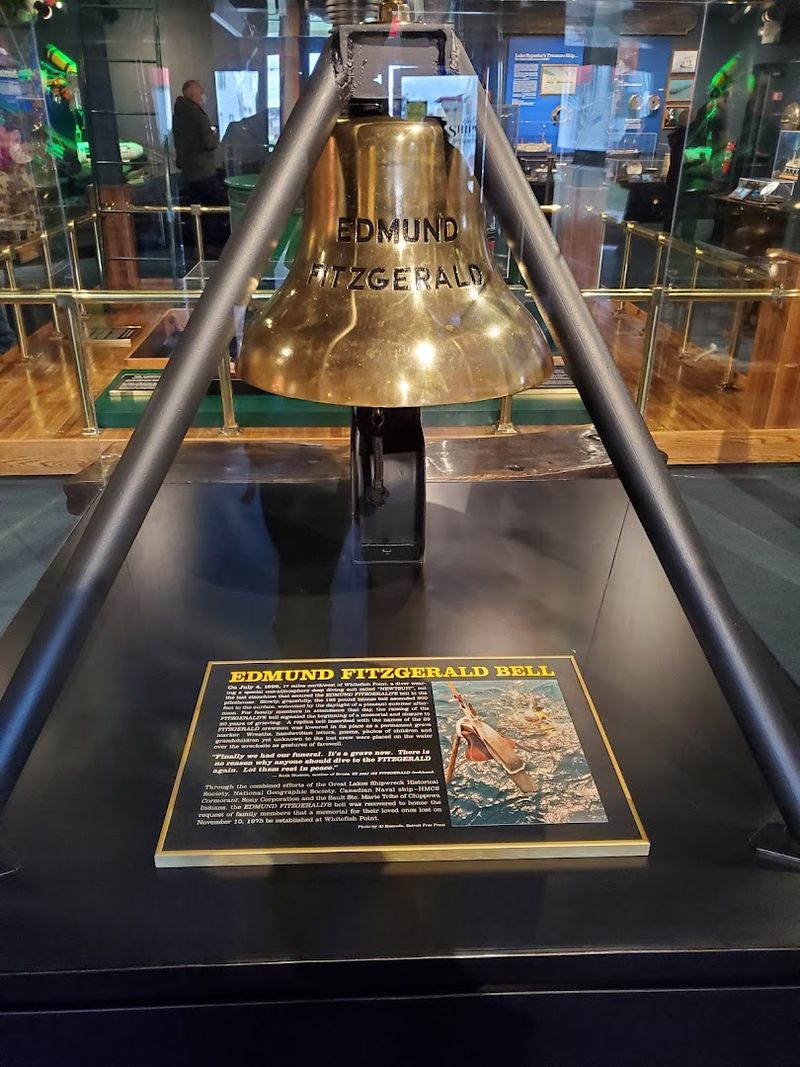
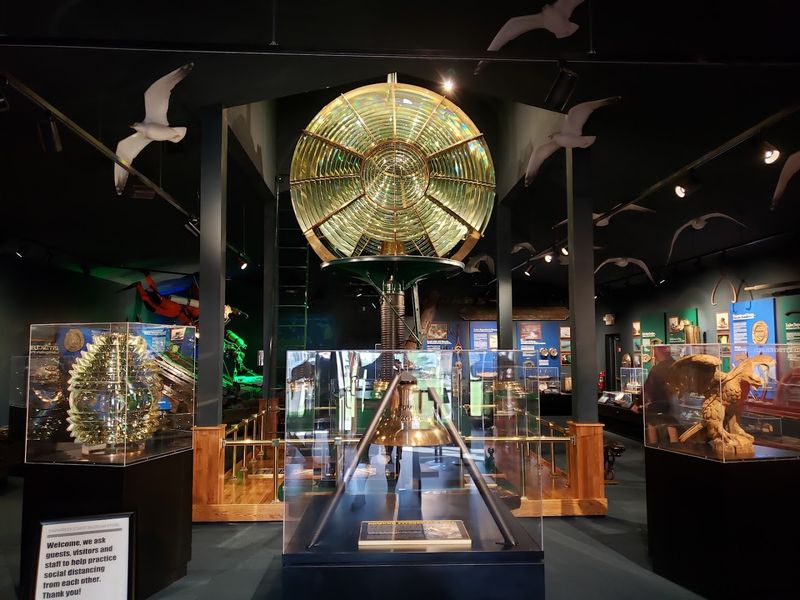
Inside the main gallery, the Edmund Fitzgerald bell changes the room around it. Recovered in 1995, it is not just a famous artifact but a memorial to the 29 crewmen lost when the freighter sank on November 10, 1975.
The museum presents it with enough restraint that you are left to feel its gravity rather than being told what to feel. Standing near it, the scale of the lake disaster becomes quieter and more human, less like a headline and more like a remembered loss.
The nearby film in the Motor Lifeboat House adds personal context to the recovery effort and the families connected to the tragedy. Every November 10, the bell is rung 30 times at Whitefish Point, including one toll for all mariners lost on the Great Lakes.
That detail stayed with me long after the exhibit ended. It gives the museum a ceremonial weight that reaches beyond one shipwreck and honors the larger danger of these waters.
A Point Of No Return
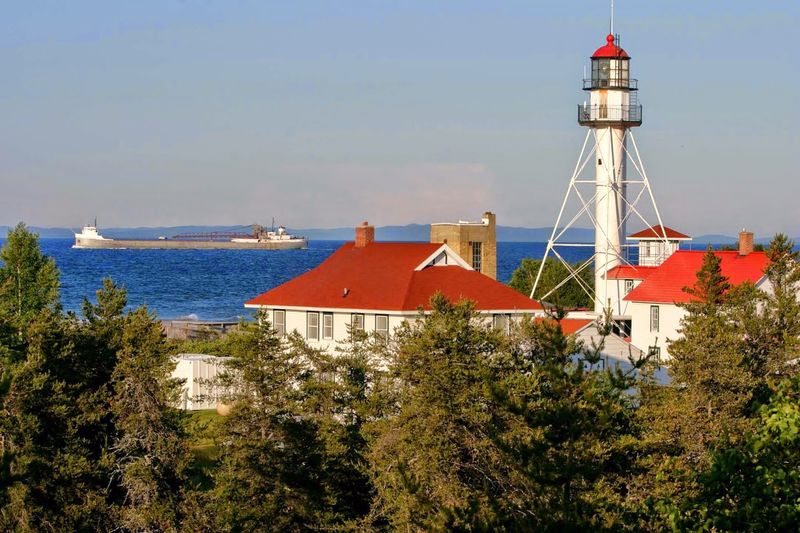
The Great Lakes Shipwreck Museum sits at 18335 North Whitefish Point Road in Paradise, Michigan, at the far end of Whitefish Point. From Paradise, turn north onto North Whitefish Point Road and settle in for the last quiet stretch toward Lake Superior.
The museum is about 11 miles north of town, so do not expect a quick downtown stop. Trees, open sky, and the feeling of driving toward the edge of the lake do most of the announcing before the buildings appear.
Follow the road all the way to the Whitefish Point complex and park near the museum and light station area. Once you step out, the directions are finished, and Lake Superior is close enough to feel like part of the exhibit.
Guardians Of The Lake
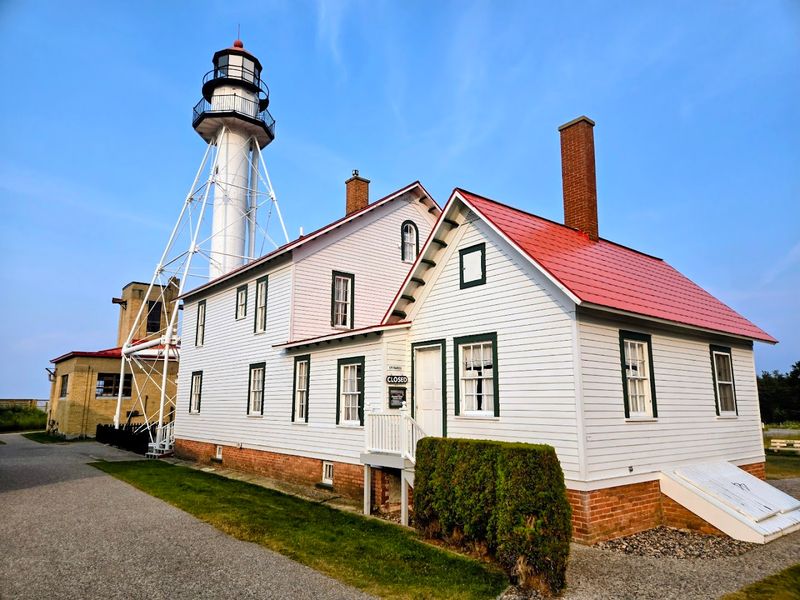
The lighthouse at Whitefish Point looks practical first and picturesque second, which feels exactly right. The present iron skeletal tower dates to 1861, while a light has guided ships here since 1849, making this the oldest active lighthouse on Lake Superior.
That layered history gives the site a steady, working dignity rather than a polished postcard charm.
The restored 1861 Lightkeeper’s Quarters are worth slow attention because they show daily life, not just heroic legend. Furnishings and exhibits interpret the labor behind the beacon, and guides point out the covered passageway used by keepers heading toward the tower.
If timing is tight, do not skip this building, because it gives the whole museum complex its human scale.
Stories From The Surfboat House
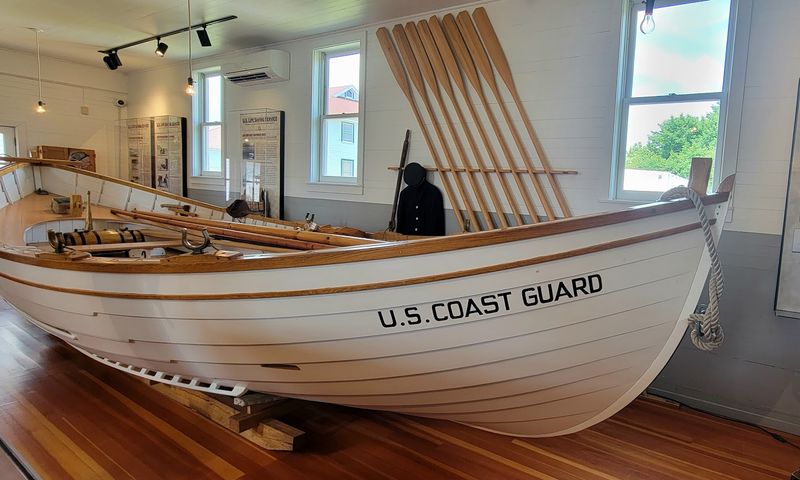
Next to the main museum, the restored 1923 USCG Surfboat House shifts the story from disaster to response. Rescue here was not romantic.
It was cold, physical, and often terrifying, and the exhibits on the U.S. Life-Saving Service make that clear without overstating it.
You get a stronger sense of the people who ran toward the lake when everyone else had reason to fear it.
A full-size replica of a 26-foot Beebe-McClellan surfboat shows just how demanding those launches were in heavy weather. The famous lifesaving motto, “You have to go out, but you don’t have to come back,” lands differently after seeing the equipment up close.
It turns bravery into something practical, disciplined, and deeply human, shaped by duty rather than drama.
Where The Weather Speaks
You can study maps all day, but this museum makes weather feel like a living force with moods, teeth, and timing. The exhibits trace how a calm crossing could harden into panic within hours on Lake Superior.
Standing there, you start reading every cloud differently. The lake stops feeling like scenery and begins to feel like an active presence, capable of changing the rules without warning.
I liked how the forecasts, instruments, and survivor accounts work together instead of sitting apart like school lessons. They show weather as the invisible hand behind so many wrecks, not just dramatic background.
By the end, you understand that sailors were not only battling water, but decisions made under pressure, cold, and terrible uncertainty. That perspective makes the museum’s shipwreck stories feel less distant, because bad weather becomes something immediate, practical, and frighteningly human.
A Ledger Of Loss
One room quietly wrecks you by turning tragedy into record keeping. There are names, dates, cargoes, destinations, and final known moments, each detail feeling heartbreakingly ordinary until you realize how many journeys ended the same way.
The effect is simple and devastating. What stayed with me was the way these lists refuse to let disaster become anonymous. A ledger sounds dry, yet here it becomes a human roll call, every line hinting at families waiting on shore.
You do not leave with statistics in your head so much as absences you can almost count by hand.
The Shape Of Rescue
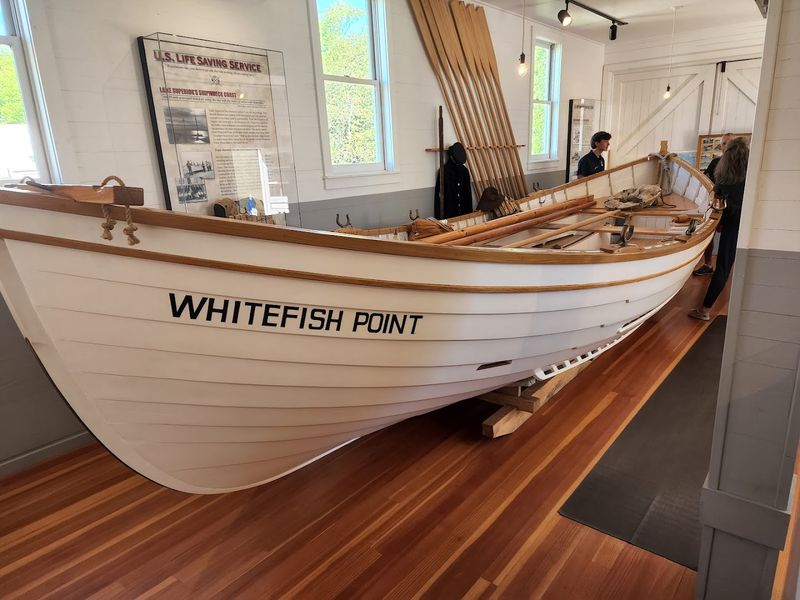
Rescue equipment can look quaint until you imagine using it in black water, high wind, and pure chaos. The museum is excellent at closing that distance, showing surfboats, lines, and tools not as antiques but as extensions of nerve.
You picture frozen hands gripping every inch. That is when the heroism stops feeling polished and starts feeling physical. These were rescues powered by muscle, practice, and a willingness to row toward what everyone else feared on the lake.
I found that honesty refreshing because it honors bravery without romanticizing how brutal the work must have been.
When Wood Starts Talking
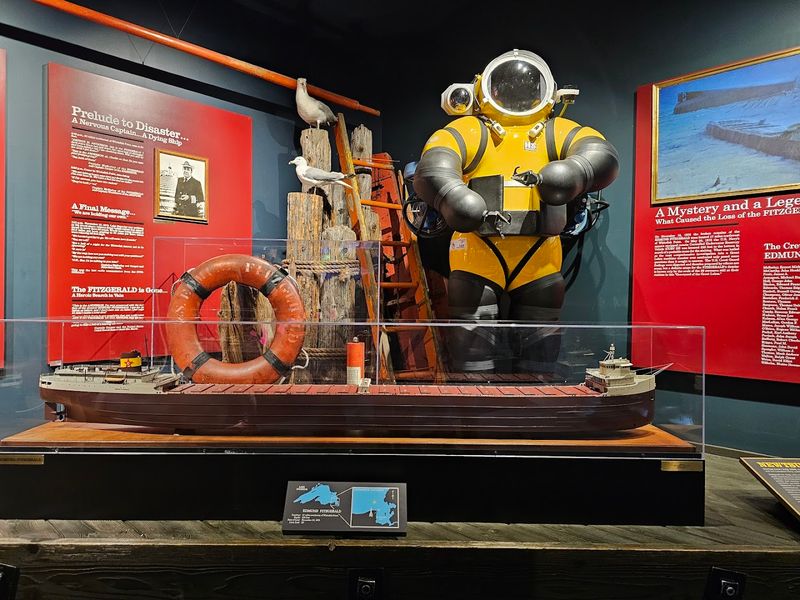
Some artifacts do not need labels to get under your skin. Split planks, worn metal, and water-shaped fragments carry a stubborn presence, as if the lake never fully released them.
You find yourself leaning closer because damage can tell the truth faster than any plaque.
I appreciated that the museum lets these pieces remain rough instead of overexplained. Broken wood becomes testimony, and bent fittings start reading like sentences interrupted mid-thought.
It is a powerful reminder that shipwrecks are not legends first, but real objects torn apart in real time by a real inland sea.
Below The Surface Glass
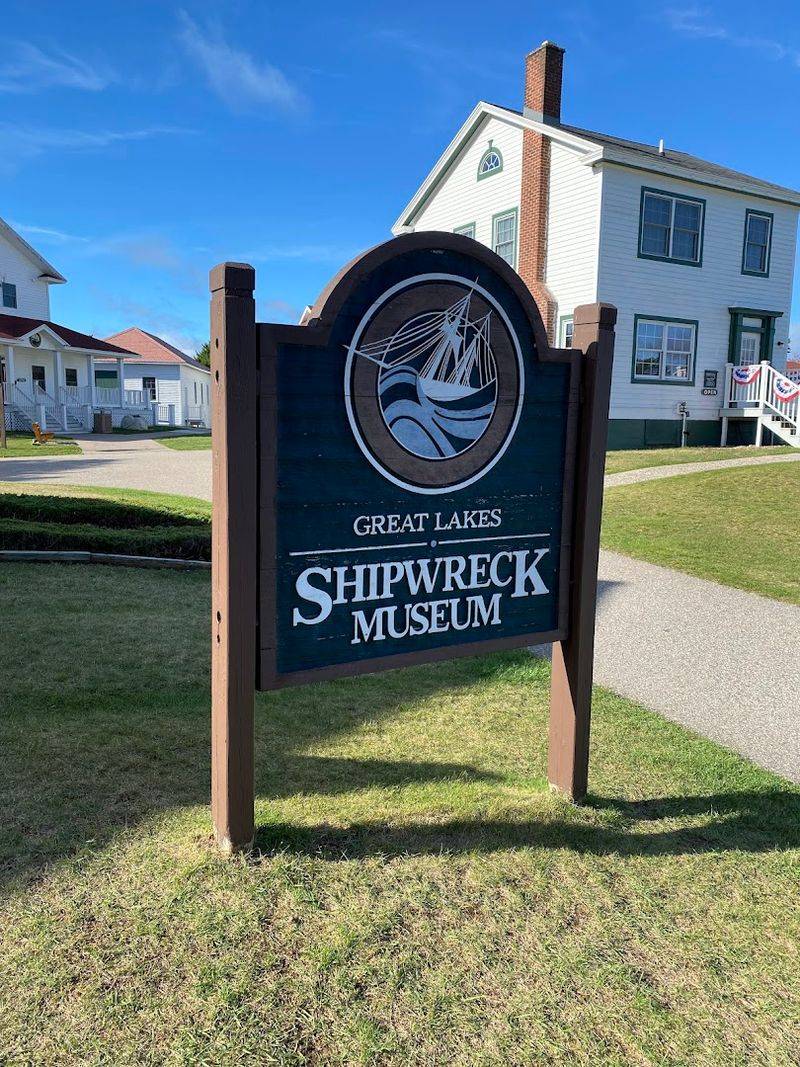
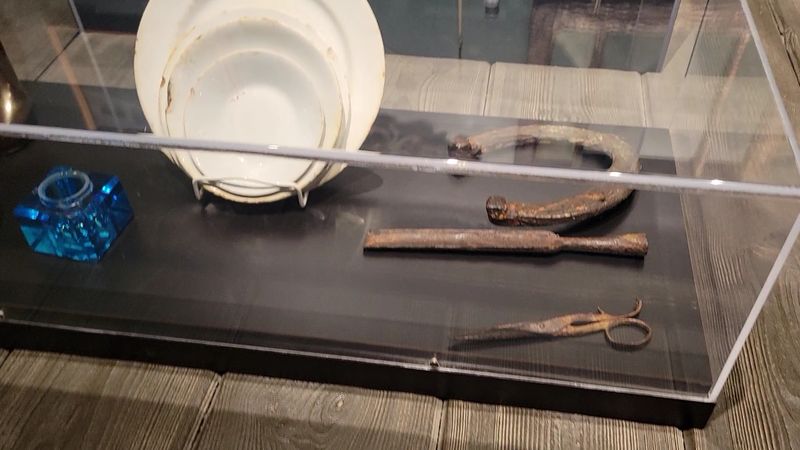
There is something eerie about seeing the lake made visible through recovered bottles, lamps, and bits of glass. Light passes through them softly, but the stories attached to them are anything but gentle.
The contrast gives the room a hushed tension you can actually feel. These objects catch your eye first because they are delicate, then hold your attention because they came from places shaped by fear, impact, and loss.
What moved me most was how fragile these objects seem compared with the violence that preserved them. They survived not because the voyage went right, but because everything went terribly wrong.
Looking at them, you sense how ordinary life aboard ship could vanish in an instant, leaving only beautiful evidence of catastrophe. It makes the wrecks feel less like distant maritime history and more like interrupted human routines.
The Keepers Of Memory
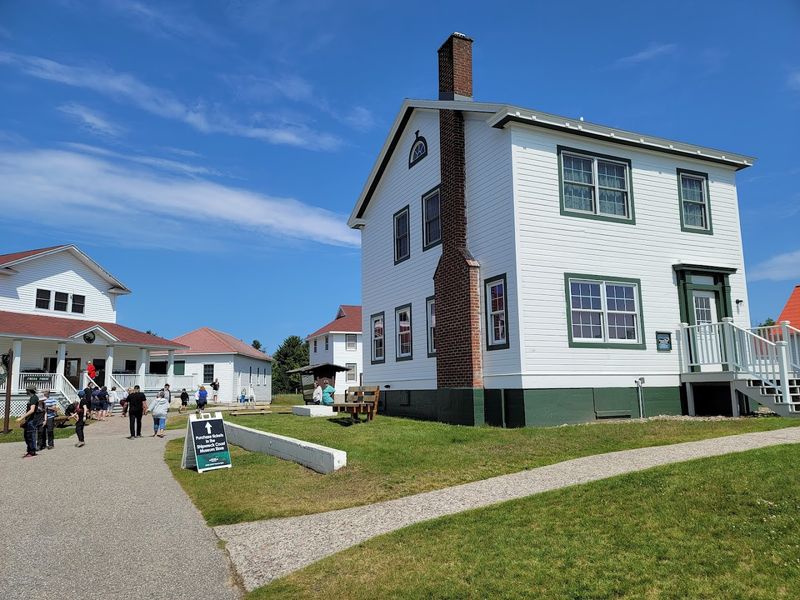
For me, the museum works best when it shows that remembrance is its own kind of rescue. Volunteers, historians, and local families have spent years preserving names that water and time could have erased.
You feel their care in the details, and that care changes the whole visit.
Nothing here feels like grief put behind glass and forgotten. It feels tended, revisited, and spoken for, which may be the most generous thing a place like this can do.
By protecting these stories so carefully, the museum turns memory into a living shoreline where the lost are still met with witness.
One Last Look Lakeward
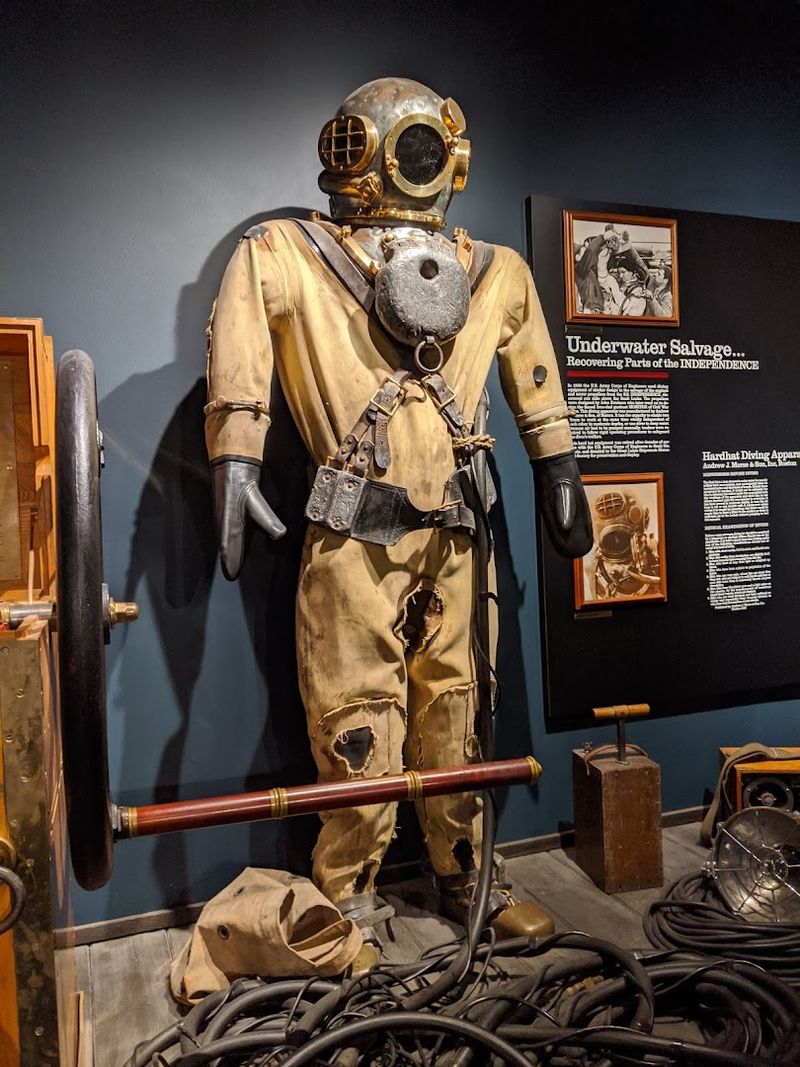
By the time you step back outside, the point itself feels like part of the exhibition. The wind, the open water, and the long reach of shoreline complete what the galleries began, turning history into something physical.
You are not just leaving a museum, you are reentering the same landscape that made it necessary.
That final look over Lake Superior lands differently after everything inside. The horizon stops feeling scenic and starts feeling immense, beautiful, and completely indifferent.
I cannot think of a better ending for a place devoted to shipwrecks, because it sends you back to the source with sharper eyes and a heavier heart.