
This Michigan Nature Playground Leaves Behind The Usual Plastic For A Sprawling World Of Treehouses, Trails, And Exploration
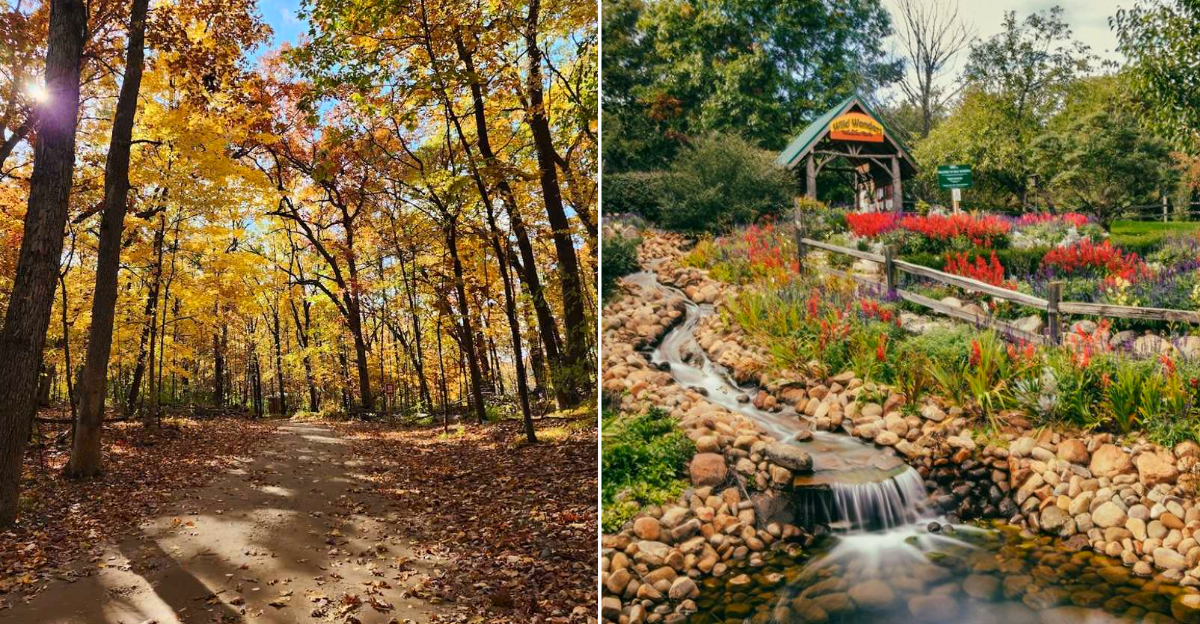
The usual playground primary colors tend to fade into the background the moment you step off Triangle Lake Road, replaced by a lush palette of cedar greens and the rhythmic chatter of birdsong.
What truly anchors the experience, however, is the rescued wildlife that calls this sanctuary home, turning a simple walk in the woods into a living story of conservation.
Visit this premier Michigan nature center and wildlife sanctuary for interactive outdoor education, treehouse exploration, and family-friendly hiking trails in Livingston County.
If you’ve grown tired of forgettable plastic slides and sterile parks, you’ll appreciate how every corner here invites touch, patience, and genuine curiosity.
It’s the kind of setting that gently reshapes a standard day outside into a memory that actually sticks. Bring your most comfortable shoes and plenty of open time, you’re going to want to see what’s waiting around the next bend.
Treehouse Playscape, Logs, And Ropes
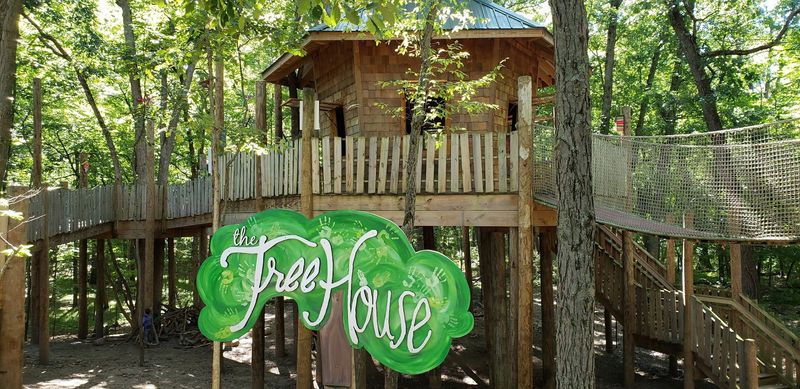
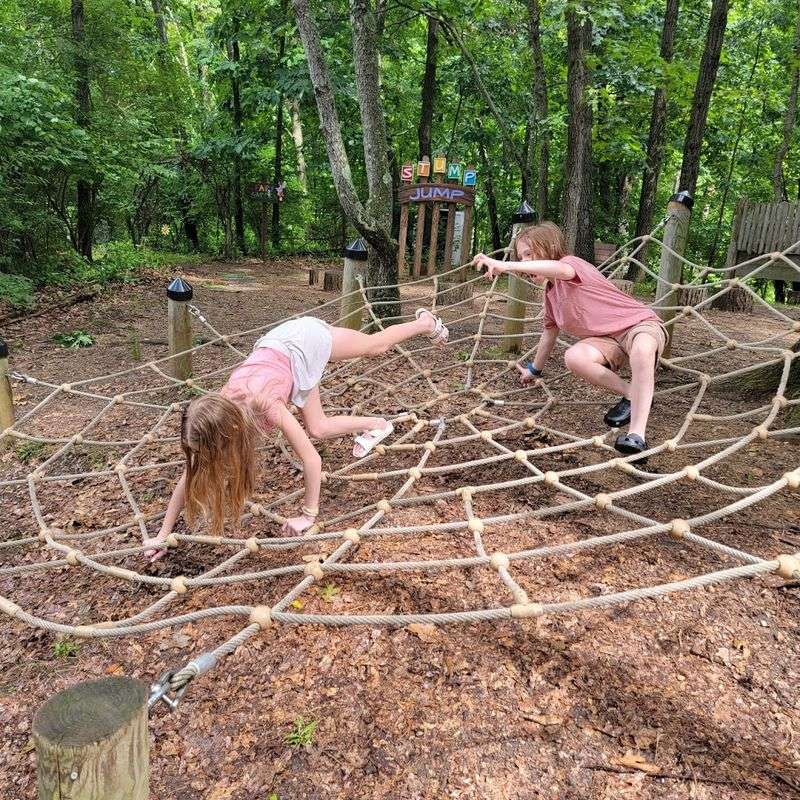
Sunlight filters through oaks onto a maze of ramps, nets, and balance logs where kids test nerve and knees. The playscape swaps plastic for cedar, boulders, and sandy soil, so hands come away dusty and proud. Laughter carries across the clearing, punctuated by woodpeckers and the soft thud of shoes on mulch.
Built as Alexandria’s NatureScape to encourage unstructured play, the design mirrors Michigan habitats without pretending to be wilderness.
Staff keep an eye on flow, but creativity drives the rules. Pack closed toe shoes, expect scrapes of honor, and plan linger time because leaving often takes two attempts. Water features run seasonally, so check the pump station and be ready with towels. Shade shifts fast, sunscreen matters even on clouds.
A Sanctuary For Wildlife And Discovery
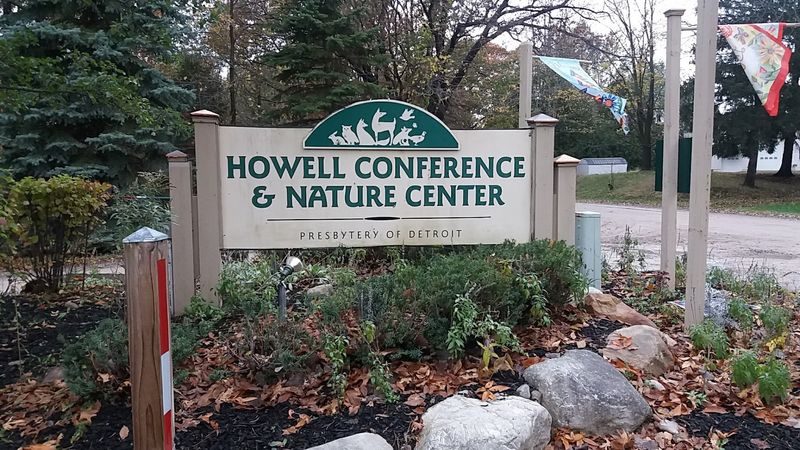
Finding your way to the Howell Nature Center at 1005 Triangle Lake Rd, Howell, MI 48843 is a straightforward drive into the heart of Livingston County.
Located just a few miles south of downtown Howell, the entrance is marked by rolling hills and dense woodlands that set the stage for a day of outdoor exploration. The transition from the suburban road to the quiet, 230-acre preserve offers an immediate sense of escape into the natural world.
The first sound you notice is the lively chorus of resident birds and the distant chatter of children playing in the Alexandria’s NatureScape.
High Adventure Course And Zip Lines
From the clearing, towers rise with belay cables tracing geometric lines against the sky. The High Adventure Course serves teens and older kids, pairing climbing elements with zip lines for controlled thrills. Trained staff handle harnesses and checks, and helmets are not negotiable.
Opened to extend confidence building beyond the ground, the course complements the nature play ethos without turning wild spaces into a theme park. Reserve ahead because sessions fill on weekends.
Closed toe shoes, hair ties, and a willingness to step outside comfort zones go a long way toward a grin you can hear from the landing. Weight and age requirements apply, detailed on the center website and confirmed at check in. Weather holds may pause operations briefly.
Sky Tykes For Younger Climbers
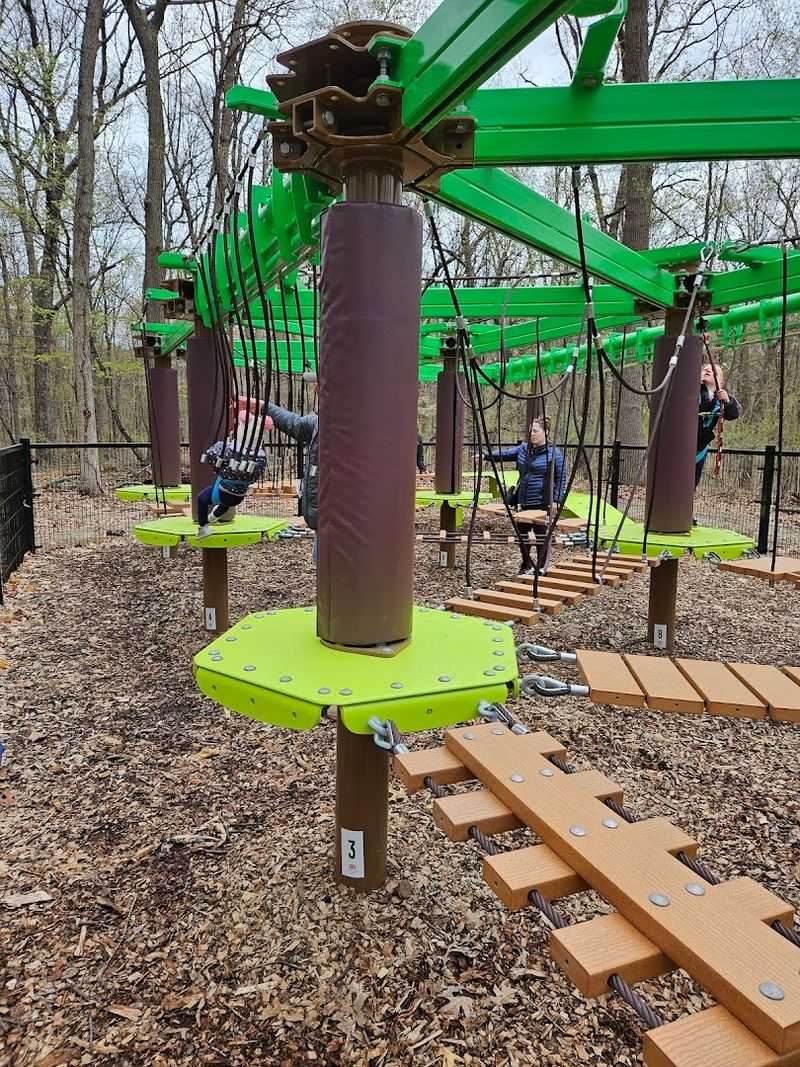
Closer to the ground, the Sky Tykes course gives small adventurers their own arena. Elements sit low with continuous belay, so courage can build in short steps rather than leaps. Parents hover nearby, cheering without lifting.
Designed for younger ages as a companion to the larger course, it keeps families together without pressure to upsize. Expect a short orientation, then a rhythm of clip, step, giggle, repeat.
Midday shade is limited, so plan hats, water, and patience for the priceless look that arrives when a wobbly bridge suddenly feels like a personal summit. Closed toe shoes are required, and straps beat slip ons for quick fitting. Weekdays typically mean shorter waits and calmer energy. Look for photo spots near the finish platform.
Trails, Boardwalks, And Wayfinding
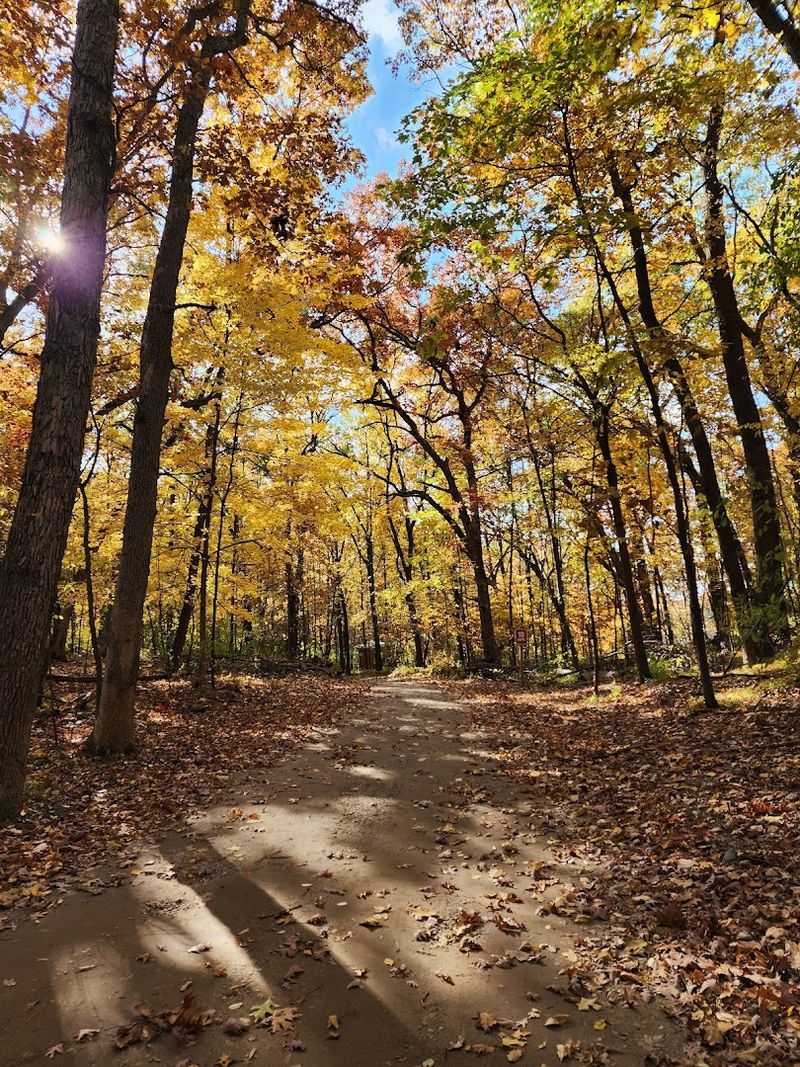
Map kiosks greet you at key junctions, and blazes keep the three miles of trails honest. Boardwalks thread wetlands where frogs tick like metronomes and red winged blackbirds argue eloquently. Hills roll enough to wake sleepy quads without scaring casual walkers.
I carried a pocket field guide and found the pace best when conversation matched birdsong volume. After rain, roots slick up, so poles help if balance feels rusty.
Choose loops by time, not ambition, because detours for viewing platforms and animal habitats are half the satisfaction, and the light changes beautifully around Triangle Lake near late afternoon. Mosquitoes notice dusk first, so pack repellent. Strollers work, but tires with tread earn gratitude. Benches appear at practical spots.
Raptor Ridge And The Bald Eagle
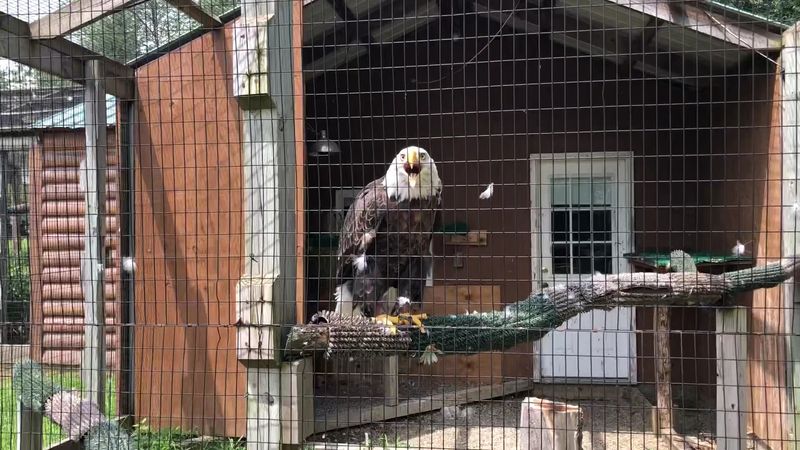
A quiet climb delivers you to the raptor enclosures, where talons rest on perches like carved punctuation. Interpretive panels detail how collisions or illness brought these birds here and how training supports enrichment. The bald eagle enclosure sits with respectful distance, trading spectacle for steadiness.
Years of rehabilitation practice show in the spacing, shade structures, and sight lines that prioritize calm over continuous display. Photograph with long lenses and restraint, then linger to notice small behaviors, like feather ruffling after a breeze.
Weekdays or cool mornings reduce crowds, and hushed voices keep the ridge feeling like a classroom with wings. Check schedules for public talks near feeding windows. Tripods are fine off paths only if unobtrusive. Respect buffers marked by rope lines.
Seasonal Stream And Water Play
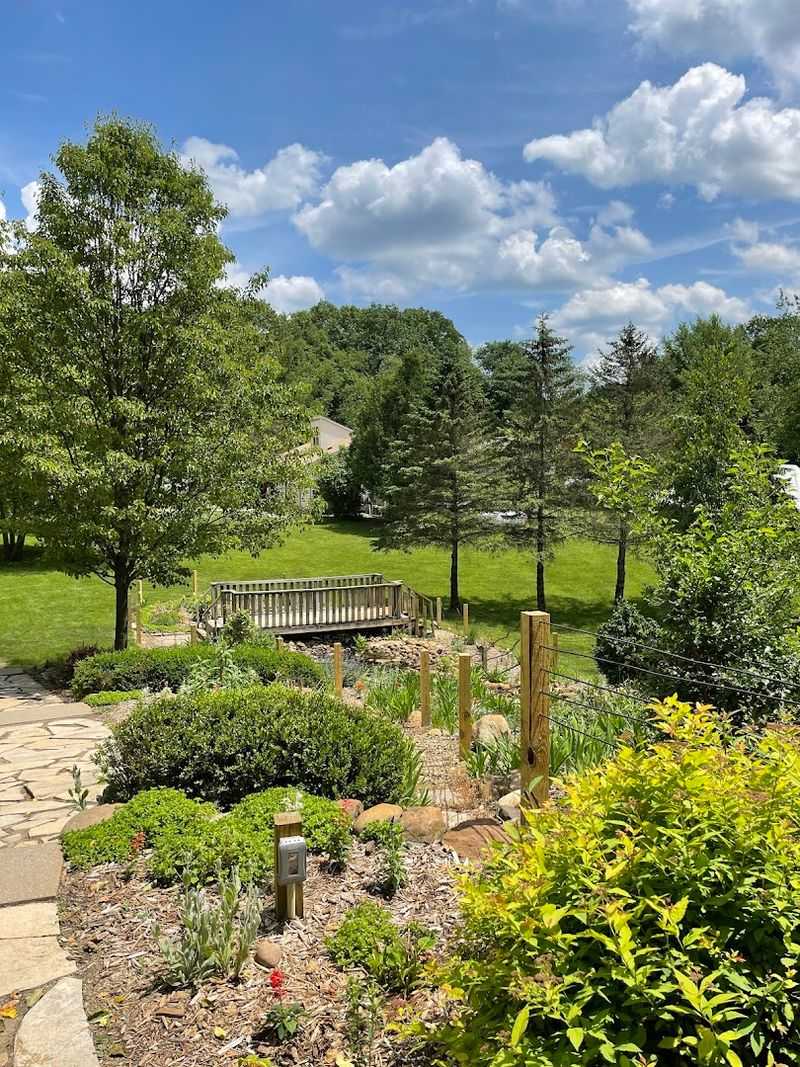
On warmer days, a slender stream gurgles through the play zone, inviting small dams and boat races made from leaves. Boots become optional when curiosity wins, and the mud writes its own souvenirs. Parents post up on boulders like lifeguards with snacks.
The water runs seasonally, tied to pumps and rainfall, so expectations do best with flexibility. Bring quick dry layers, a plastic bag for wet socks, and a towel that can pull double duty as a picnic mat.
Shade changes hourly, and the breeze off Triangle Lake adds a chill, perfect for reminding everyone that Michigan keeps you nimble. Little hands learn buoyancy faster than warnings can keep up. Supervise closely and set clear boundaries early. Closed toe water shoes help.
Follow The Feeder Program
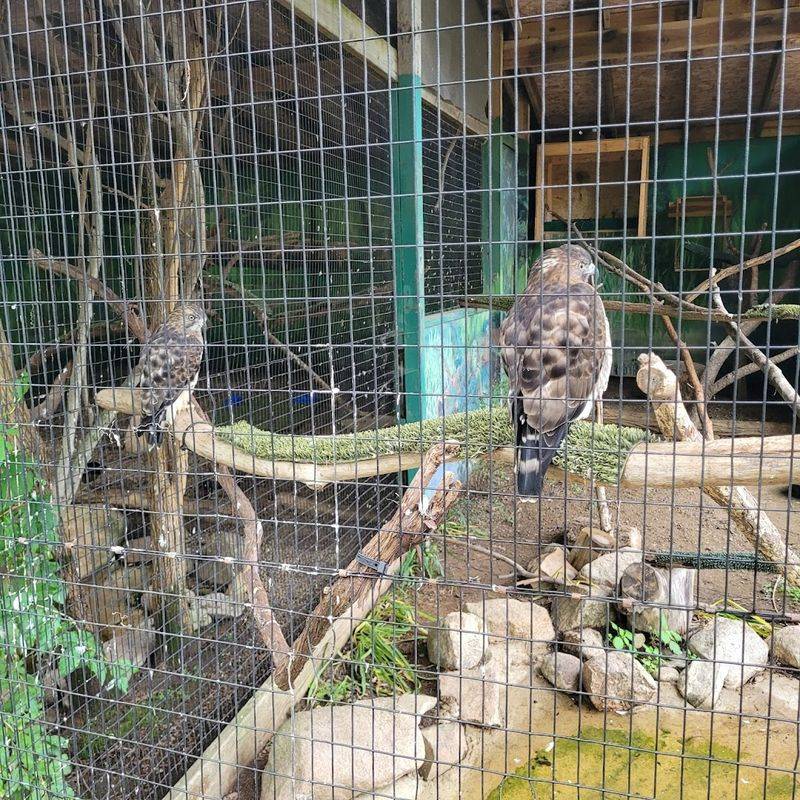
Early afternoon, a staff member leads small groups to watch scheduled feedings and hear the backstory behind each resident. The cadence shifts from enclosure to enclosure, a quiet choreography that respects stress signs and personal space. Facts land easier when kibble clinks a metal dish.
I joined one loop and appreciated how questions from kids set the pace, while the guide modeled boundaries with kindness. Spots are limited, and sign up at the Welcome Center can fill quickly on weekends.
Keep phones low, listen first, and treat this like visiting someone else’s home, because it is for the animals who live here. Portable stools are unnecessary, as pauses are brief. Expect mild walking and occasional uneven footing. Hydrate beforehand.
Camps, Classes, And Overnights
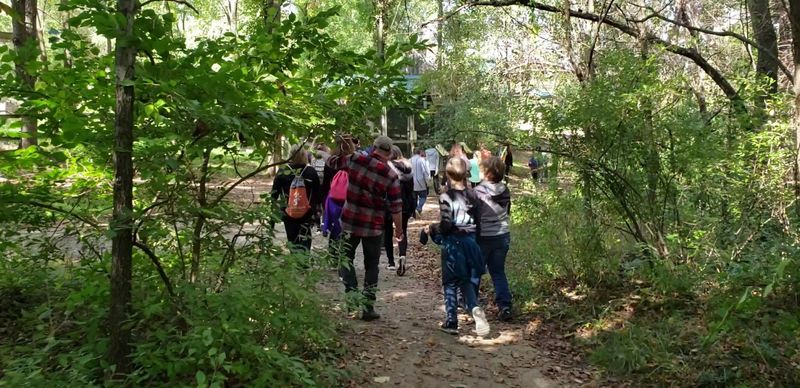
Beyond day visits, the center runs camps and nature programs that stretch curiosity into routines. Summer sessions draw returning families, while school year workshops keep skills like tracking, outdoor ethics, and basic ecology on repeat. Group lodges sit simply, built for bunk sleep and shared stories.
Education here favors hands on practice and mentorship, a thread running from field notebooks to confidence on the climbing wall. Register early, read packing lists carefully, and label everything that can wander.
Evenings settle quietly over the ponds, and the walk back from a campfire feels like stepping through a field guide with flashlights lowered. Allergies and medications should be disclosed during registration. Staff to camper ratios are published online. Pickup times run punctual.
Accessibility, Strollers, And Wayfinding Help
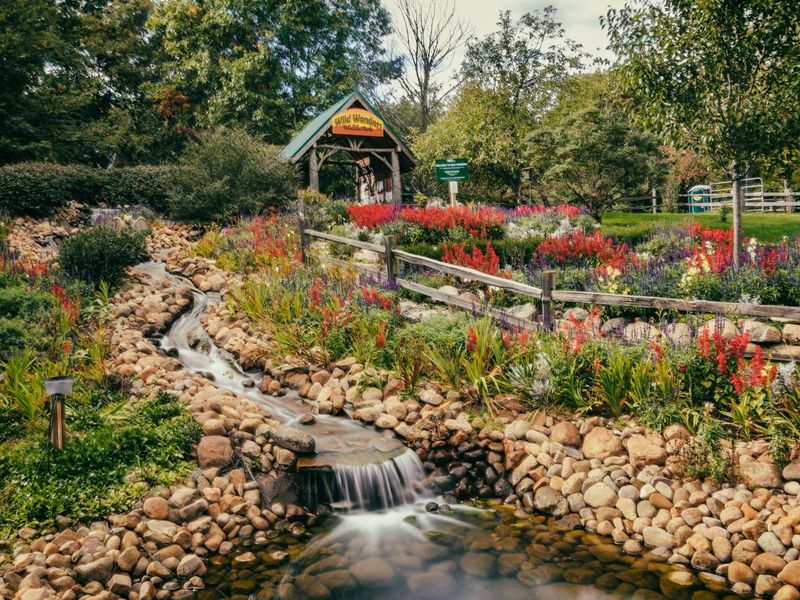
Not every path is flat, but many are manageable with determined wheels and a little patience. All terrain strollers shine on gravel climbs, and boardwalks provide smooth stretches for regrouping. Steeper segments offer alternate routes or rest spots with views.
Maps at trailheads mark difficulty, and staff at the Welcome Center suggest loops based on time and mobility needs. Borrowing a carrier for tiny hikers beats wrestling a stroller on the rootiest sections.
Consider footwear with grip, plan hydration breaks, and remember that going slower often means seeing more, especially when turtles slip like commas into quiet water. Benches and railings appear at sensible intervals. Call ahead for current conditions after storms. Accessible parking sits near the main entrance.
Triangle Lake Quiet Spots And Small Boats
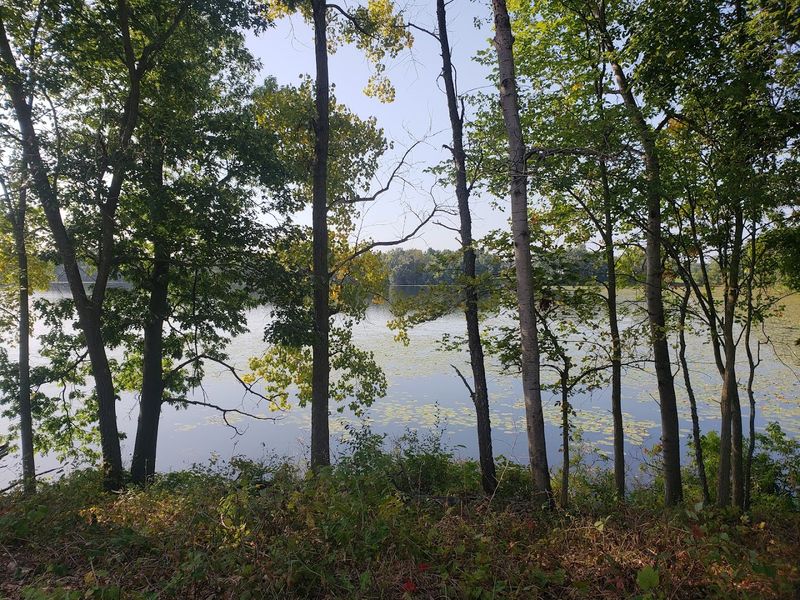
Triangle Lake hides in plain sight, glimpsed between pines and then suddenly open like a stage. A small dock and shoreline nooks make easy perches for watching ripples rewrite the sky. Rental policies for canoes and kayaks vary seasonally, with life jackets expected.
I tucked into a bench near dusk and felt the day exhale, interrupted only by a fish’s soft punctuation. Keep distance from wildlife, launch only where allowed, and skip speakers so loons, if present, keep their say.
Early mornings carry mist, and patient paddles make the shoreline feel larger than a map suggests. Check with staff for availability and age limits. Wind picks up quick across the open water. Secure phones in dry bags.