
This Michigan Outdoor Market Is A Historic Block-Long Feast Of Hard-To-Pass Food Shops
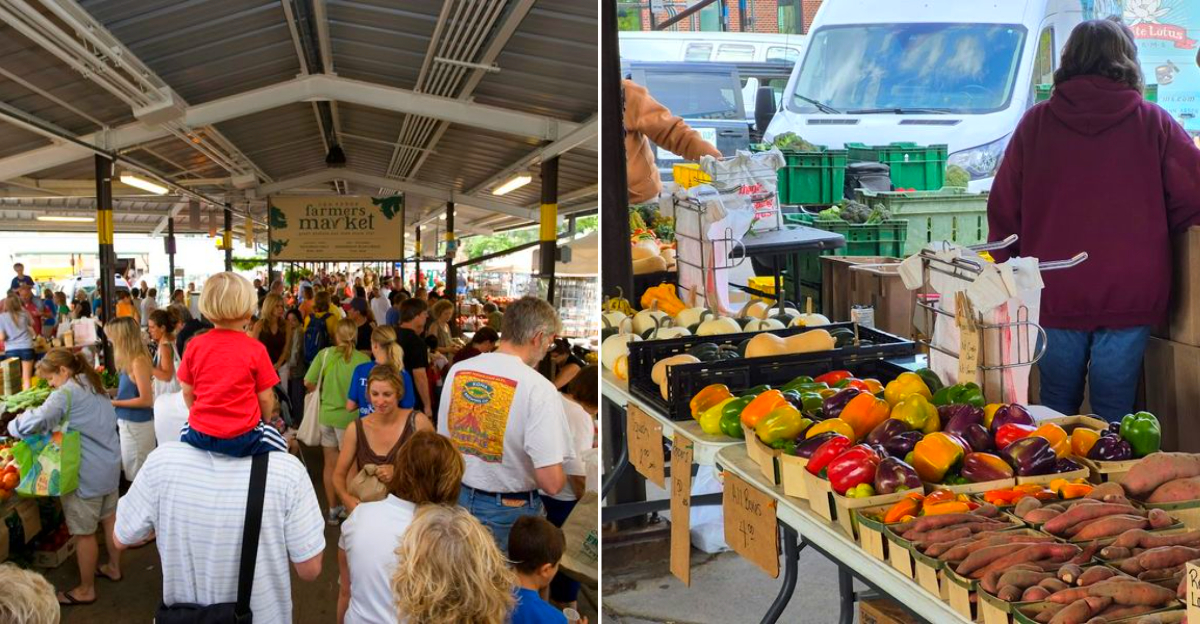
I have a weakness for markets where breakfast, errands, and mild produce envy all happen under one roof.
In Kerrytown, the long covered stalls turn food shopping into something almost ceremonial: warm bread tucked into bags, tomatoes smelling like July, maple syrup standing near flowers as if they planned the tableau.
I like that it is producer-only, because the conversation is part of the haul. You are not just buying jam; you are meeting the person who understood the fruit first.
Michigan produce, warm loaves, cut flowers, maple syrup, prepared foods, and direct-from-maker shopping make this historic Ann Arbor market a delicious weekend ritual.
Come hungry, but do not charge in like a competitive grocery cart. Circle once, ask questions, snack strategically, then commit.
The best finds reward slow eyes: fermented jars, seasonal greens, pastries, and something you absolutely did not plan to carry home with great personal conviction, somehow.
Go Early For The Best Baked Goods
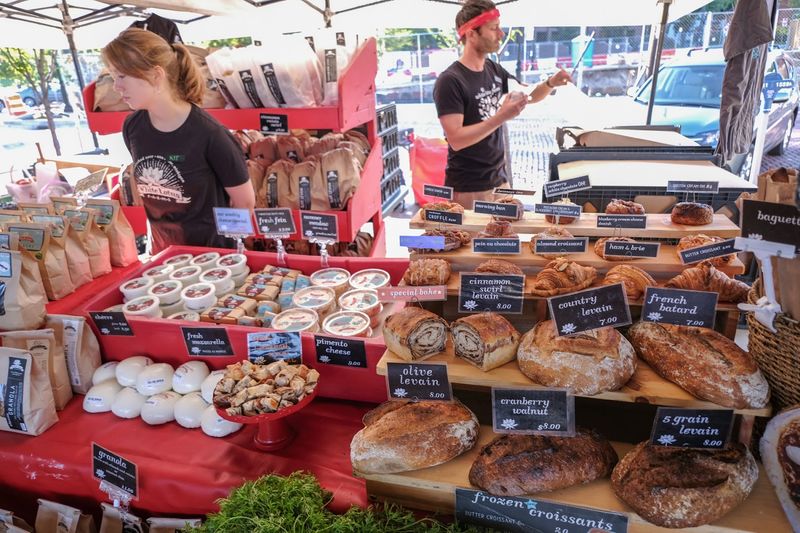
The first clue is the line. At this market, popular breads and pastries tend to pull people in early, especially on Saturdays when the vendor count is highest and the block feels busiest before midmorning.
If baked goods matter to you, arriving close to opening is the simplest strategy. The market opens at 7 a.m. on Saturdays from May through December, and serious shoppers really do treat that hour like a head start rather than a suggestion.
I like how the early crowd feels focused without being grim. You can still wander, but you are wandering with purpose, and that matters when shelves of artisan bread, pastries, and other prepared foods start thinning while the coffee smell is still hanging in the cool air nearby.
Navigating Into Kerrytown Market Mode
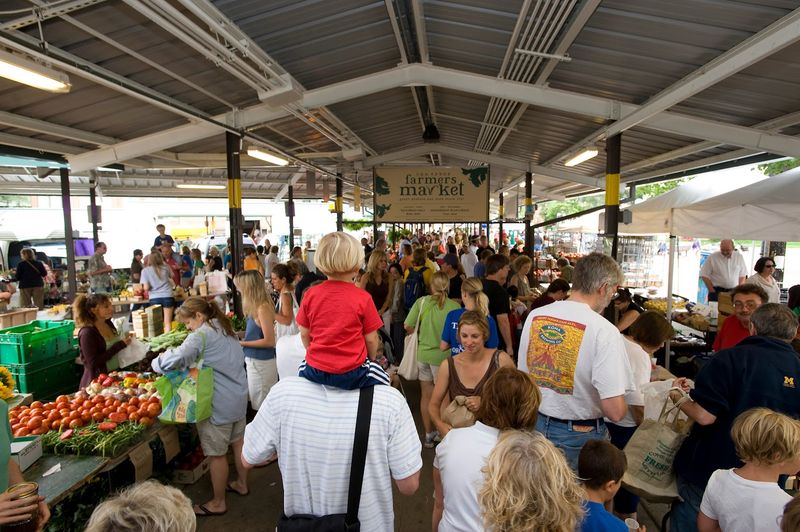
Ann Arbor Farmers Market is located at 315 Detroit St, Ann Arbor, MI 48104, in the Kerrytown district, so expect a lively neighborhood approach rather than a big parking-lot arrival.
Aim for Detroit Street, then slow down once the blocks start feeling busy with shops, walkers, and market-day movement. This is the kind of place where arriving on foot from nearby parking can be easier than trying to land directly at the entrance.
Give yourself a little extra time on market mornings. Find parking, grab your bags, and let the crowd guide you toward the produce, flowers, and “I only came for one thing” trouble.
Ask Questions Because It Is Producer-Only
One of the market’s best features is not visual at all. Because it is producer-only, the people behind the tables are the growers and makers themselves, which changes the entire tone of a food purchase.
You are not just grabbing produce from a generic display. You can ask what is peaking, how something was grown, what variety you are looking at, or how a jarred or fermented product is usually used at home.
That directness gives the market its texture. Some vendors come from families with multiple generations in farming, and the accumulated knowledge shows up in practical, grounded answers rather than sales language.
If you care about local food beyond the label, this is where the market becomes especially satisfying, because the conversation is part of the meal before the meal even begins.
Use Peak Season To Your Advantage
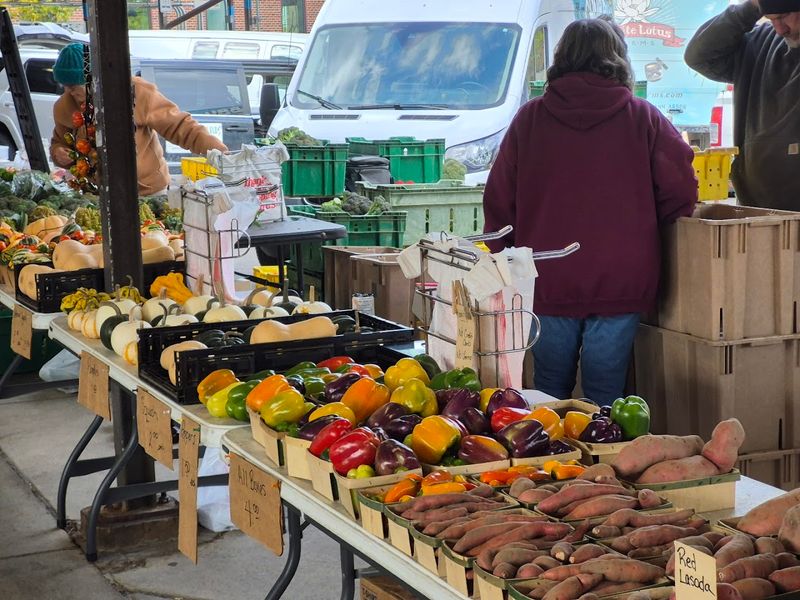
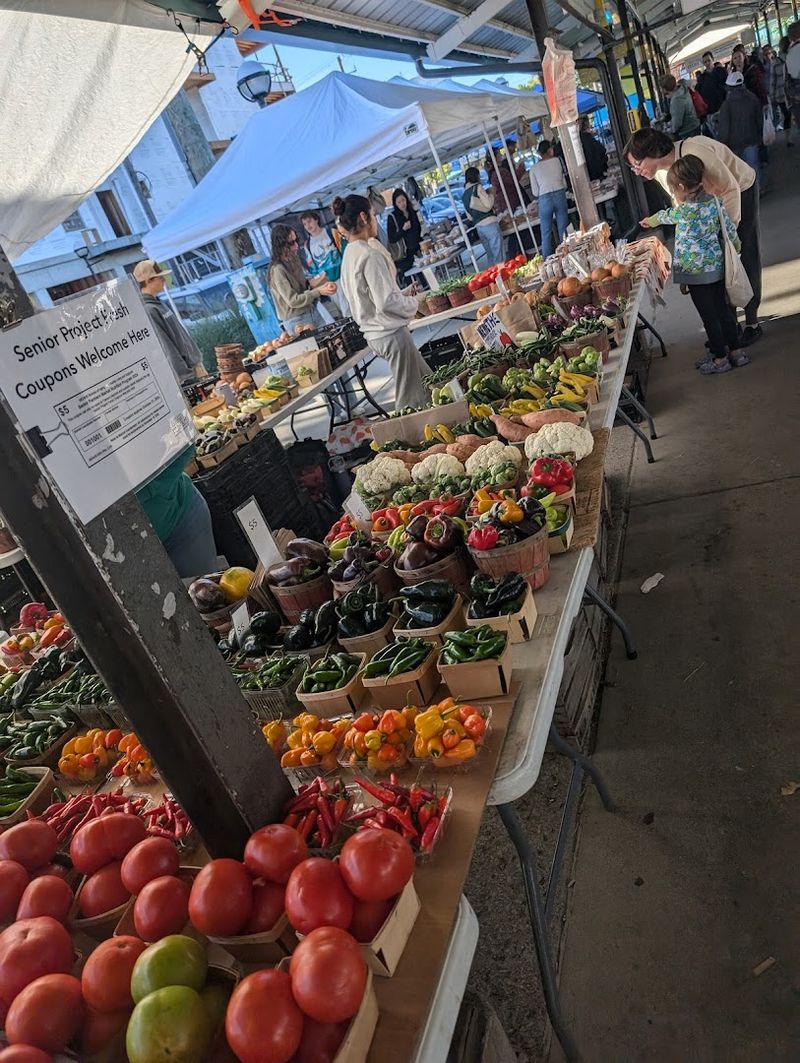
July through October is when the market can feel almost theatrically abundant. Tables stack up with the kind of color that makes even a practical shopper pause: tomatoes, peppers, apples, greens, squash, berries, and all the other things Michigan does especially well.
This is the moment to build a visit around produce first and everything else second. When the harvest is strong, the market becomes a lesson in timing, with heirloom varieties, storage crops, and fleeting seasonal specialties sharing space under the same historic roof.
I find fall especially persuasive because it balances abundance with restraint. Summer is lush, but early autumn has a slightly sharper focus, and the market’s block-long layout makes it easy to compare stalls, spot
Do Not Skip Winter Visits
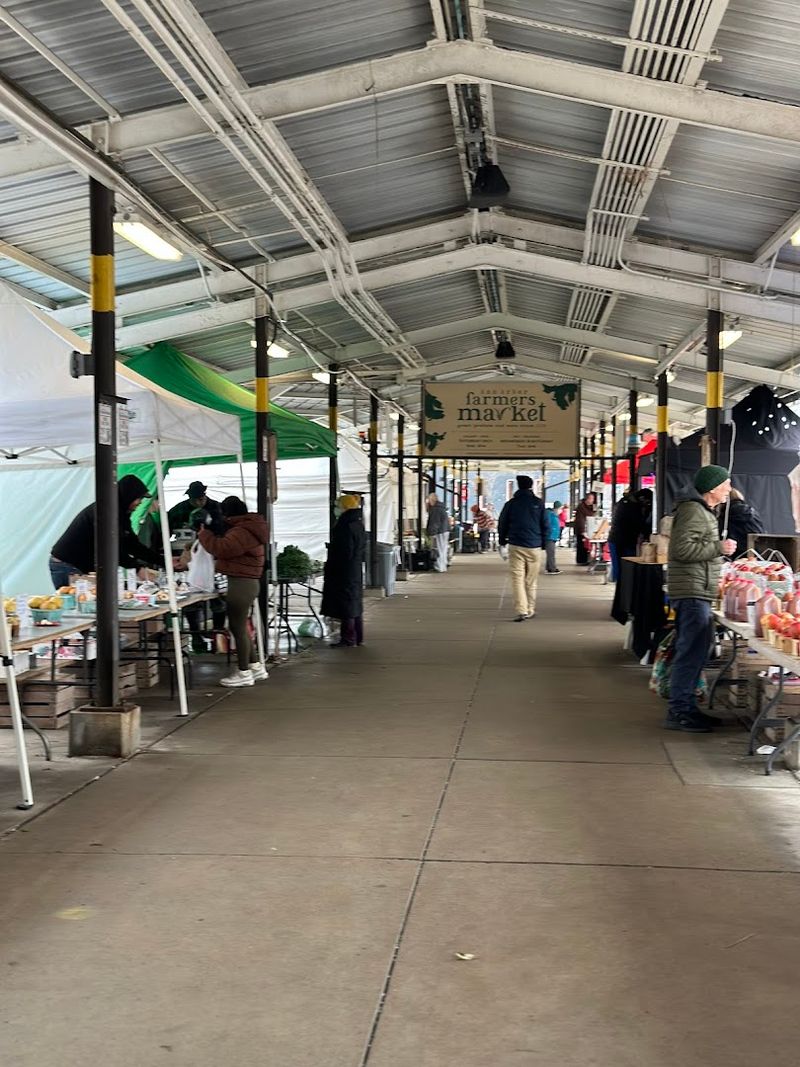
It is tempting to think of this as a warm-weather destination, but the market operates year-round, and winter has its own appeal. The covered setup helps, and the food shifts into a more practical, deeply satisfying mode.
You will not get summer’s visual overload, but you can still find winter greens, root vegetables, storage crops, eggs, baked goods, pantry items, and other cold-season staples. That steadier selection makes the market feel less performative and more woven into daily life.
The historical frame matters here too. A market founded in 1919 and housed beneath a roof structure completed as a WPA project in 1941 carries winter differently than a pop-up event does.
The cold becomes part of the character, not a disruption, and that lends even a short visit some quiet dignity.
Plan Parking Before You Get Hungry

Parking is the least romantic part of a market visit, which is exactly why it deserves attention. Street spots can be available, but on busy Saturdays it is smarter to think ahead and spare yourself a circling, slightly irritated arrival.
The Kerrytown parking structure on Fourth Avenue is the practical answer many people use. It is close to the market, and the short walk into Kerrytown gives you a useful minute to decide whether you are shopping for produce, bread, prepared food, or some dangerous combination of all three.
Once you are parked, the area works in your favor. The market sits in the Kerrytown District, with other shops nearby and downtown Ann Arbor within walking distance, so you can turn one food errand into a longer neighborhood morning without feeling trapped by your car.
Bring Flexible Payment Options
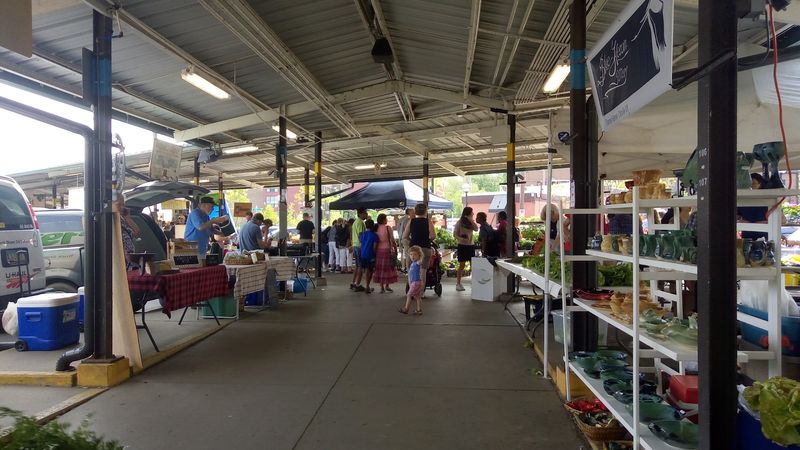
A little payment planning makes the market smoother. Many vendors accept cash, some take cards, and the market also offers wooden tokens purchased with debit, credit, or Bridge cards for use like cash at participating stalls.
That setup is especially helpful when you are moving between produce, bread, and prepared foods without wanting to stop and calculate who takes what. It keeps the experience fluid, which matters in a place where you are often making quick, appetite-led decisions from one table to the next.
The market also accepts EBT Bridge Cards along with Project Fresh and Senior Project Fresh. If fresh produce is part of your shopping plan, the Double Up Food Bucks program is worth knowing too, since it can match EBT and SNAP benefits up to ten dollars per day for fruits and vegetables.
Look Past Produce For Prepared Foods

The produce gets top billing, fairly enough, but the market is more interesting if you let yourself drift toward prepared foods. Depending on the day and season, you may find items like pierogi, empanadas, fermented foods, and other ready-to-eat or ready-to-take-home options.
Those stalls change the pace of the visit. Instead of collecting ingredients for later, you start imagining lunch, a snack on the walk, or a shortcut dinner that still feels rooted in local making rather than convenience for convenience’s sake.
What I appreciate is that these foods do not feel tacked on to soften a produce market. They fit the place’s broader identity as a gathering spot for local businesses, and they make the market read as a genuine food destination instead of a single-note display of vegetables.
Notice The History In The Roofline
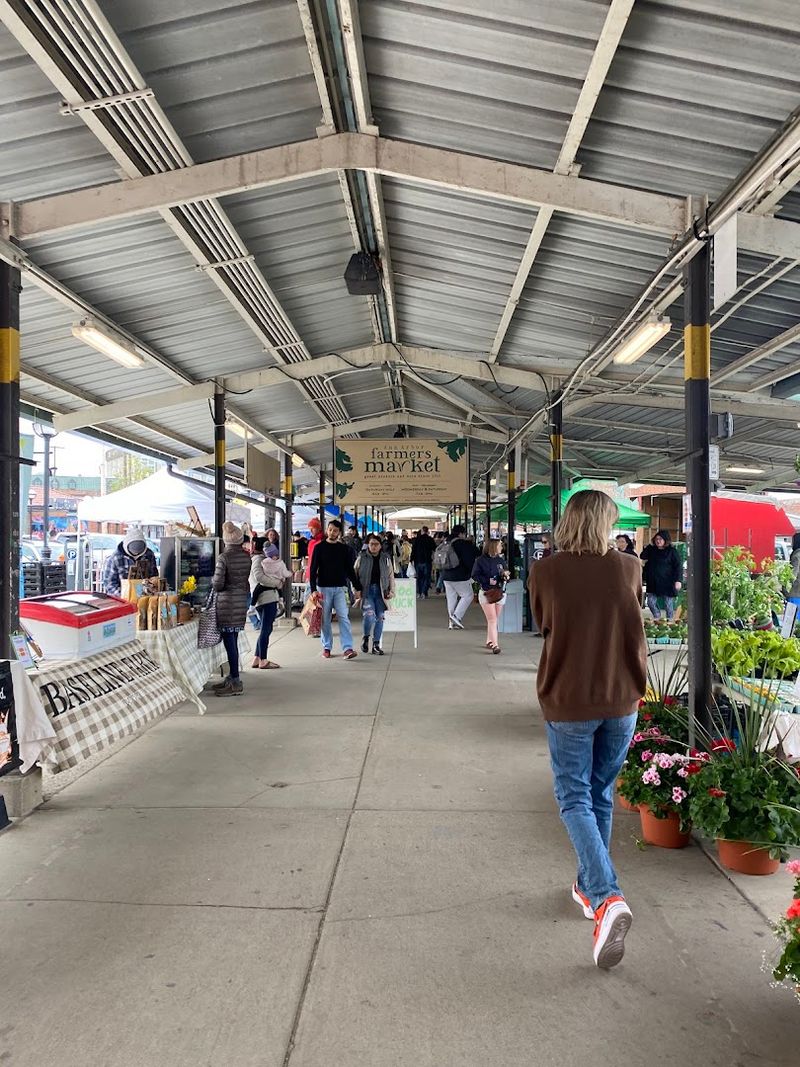
Some markets feel temporary even when they are beloved. Ann Arbor Farmers Market does not.
Its age is not museum-like, but it is tangible in the long continuity of the site and the calm confidence of the covered structure above the stalls.
The market began in 1919 and moved to Detroit Street around 1930 or 1931. The roof structure, completed in 1941 as a Works Progress Administration project, gives the place a physical identity that quietly shapes the experience of buying food there in every season.
That history matters because it keeps the market from feeling like a trend. You are standing inside a civic habit that has lasted for generations, and the fact that many vendors come from third, fourth, and fifth generation farm families only deepens that sense of continuity.
Use Wednesday For A Slower Rhythm
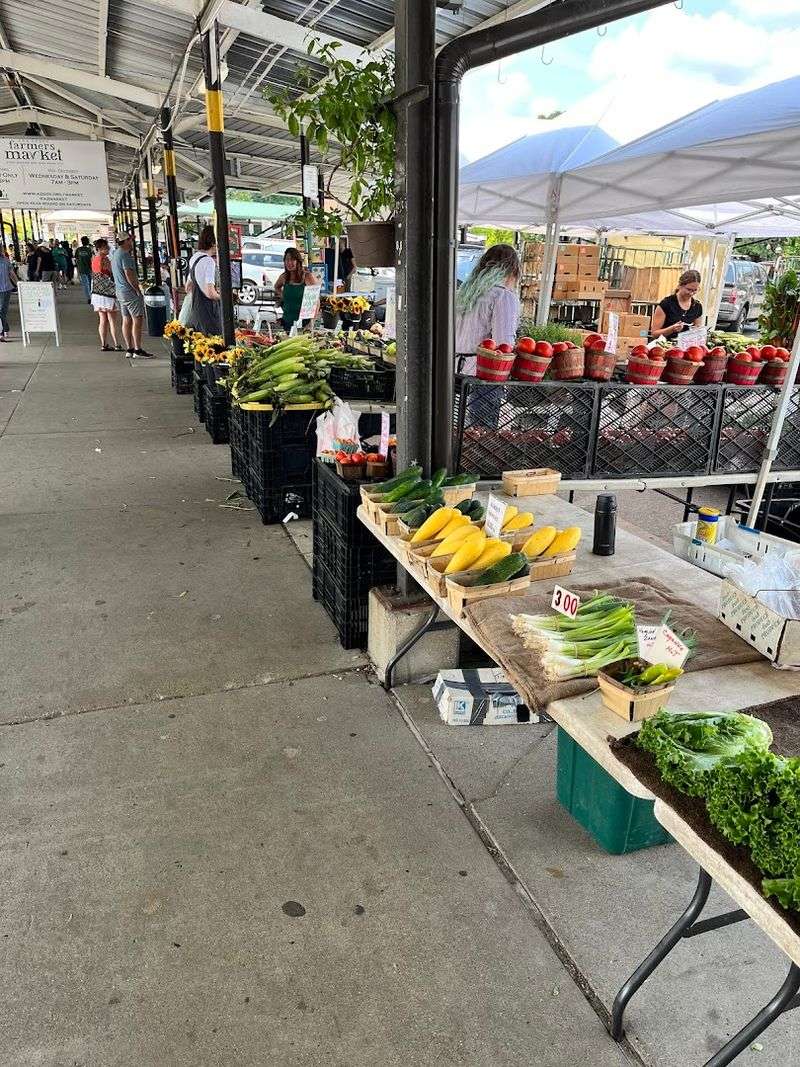
If Saturday is the full chorus, Wednesday is the more conversational version of the same song. The market runs Wednesdays from May through December, and the slightly quieter rhythm can make browsing feel easier if you dislike peak crowds.
You still get local produce, pantry staples, baked goods, and direct contact with vendors, but there is often a bit more room to pause without feeling you are blocking somebody else’s route to tomatoes. For some shoppers, that difference is the whole strategy.
I would not call Wednesday lesser, only narrower and calmer. It is a good day for asking more questions, comparing items carefully, or making a targeted stop for a few ingredients instead of a broad sweep through the market.
Sometimes that steadier pace is exactly what good food shopping needs.
Pair The Market With Kerrytown Wandering
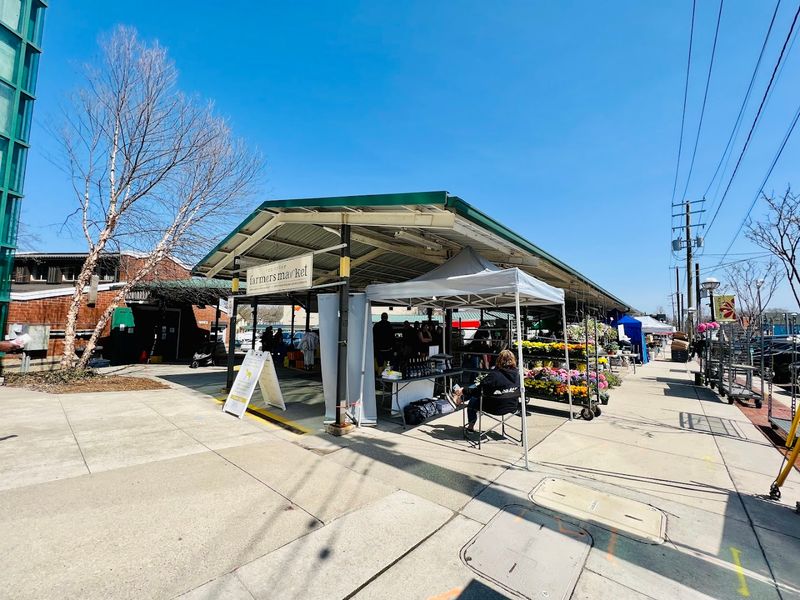
The market’s location is part of its charm, not just a pin on a map. Set in Kerrytown and adjacent to Zingerman’s Delicatessen, it sits in a neighborhood that rewards a little extra walking before or after you shop.
That context changes how the visit feels. The market itself can be covered in thirty minutes if you move briskly, but the surrounding district encourages you to slow down, carry your haul, and let the morning stretch into something more textured than a single stop.
For visitors, that means the market works beautifully as an anchor rather than a standalone attraction. For locals, it is a reminder that practical food shopping can still have atmosphere.
A bag of produce feels different when it comes with a Kerrytown stroll and the compact bustle of downtown Ann Arbor just beyond.