
This Michigan Palestinian Restaurant Has Been Winning Praise For Mediterranean Food Since The ’80s
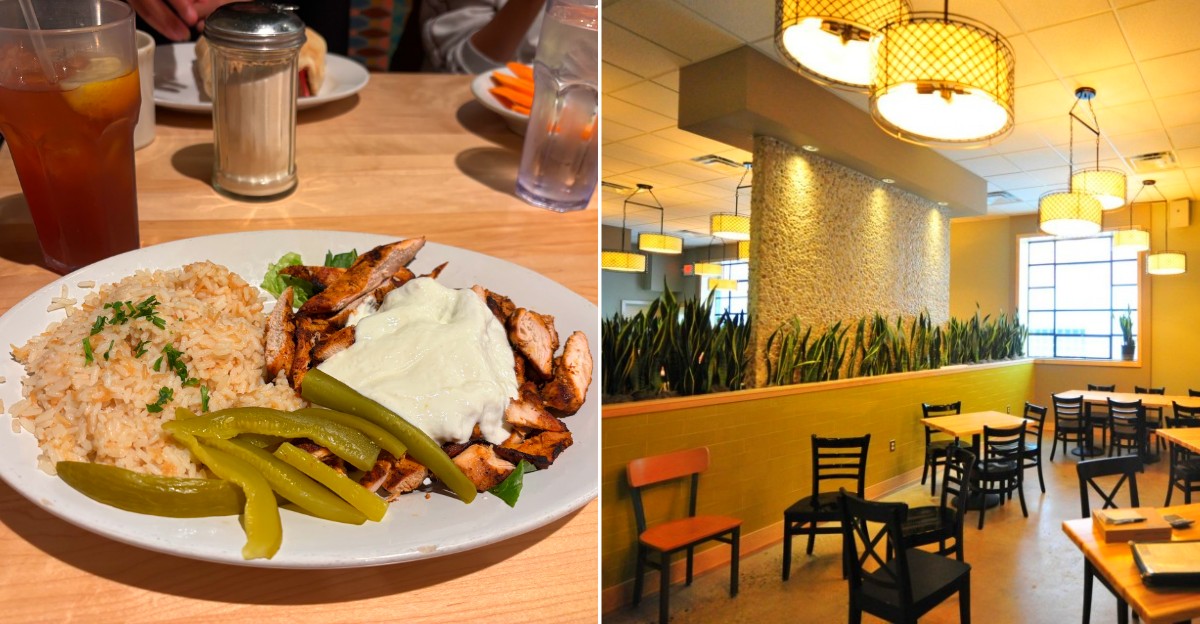
Warm pita, crisp falafel, and enough garlic to ruin any polite afternoon plans make a strong first impression. This longtime family restaurant has been part of downtown dining since 1987, carrying Palestinian recipes forward while growing from a tiny storefront into a room with a much bigger local following.
Handmade hummus, grilled meats, fresh vegetables, and familiar family dishes give the menu range without losing its roots.
Palestinian flavors, family recipes, and decades of local history give this Michigan restaurant a warmth that goes far beyond the plate.
What I like most is how balanced the menu feels. You can build a meal around vegetables and spreads, go straight for something grilled, or keep it simple with a falafel sandwich that still feels satisfying.
The food is generous without being heavy-handed, and the family story gives each bite a little extra context. It is the kind of place that turns a quick lunch into something memorable.
Start With The Daily Hummus
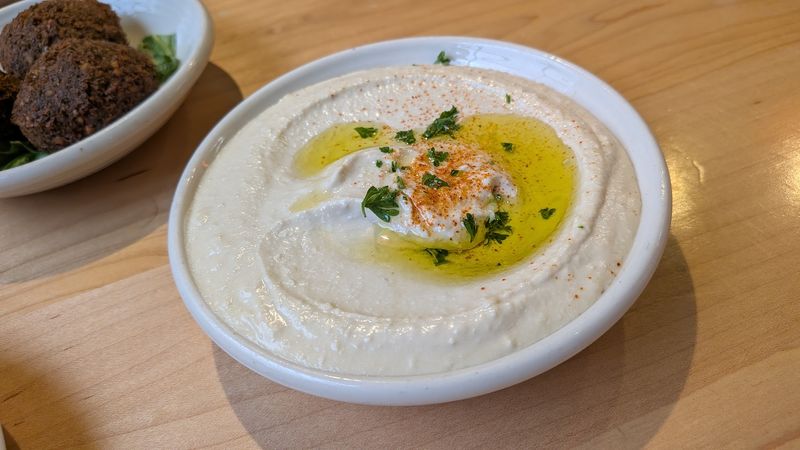
A bowl of hummus can tell you plenty without making a fuss. Jerusalem Garden makes its version by hand every morning, following the family recipe that has been part of the restaurant since 1987.
Chickpeas, tahini, garlic, and lemon create the familiar base, while a touch of jalapeno adds another layer. Warm pita makes an easy scoop, and cucumber or carrot sticks offer a crisp contrast when served alongside it.
Order hummus early if your table wants something to share while deciding on the rest. Keep a little for the grilled meat or falafel rather than polishing off every spoonful immediately, tempting though that may be.
Ask about extra pita if needed, since bread needs depend on how many people are sharing. For sesame allergies, remember that tahini is made from sesame seeds and discuss your needs with staff before ordering.
Liberty Street Is The Last Easy Clue
Jerusalem Garden sits at 314 E Liberty Street in downtown Ann Arbor, Michigan. East Liberty is the street to aim for on the final approach, with the restaurant tucked into the walkable downtown grid near the University of Michigan campus.
The last stretch is all storefronts, crosswalks, and steady foot traffic, so once you reach the 300 block of East Liberty, slow down and start reading the addresses. The restaurant sits right along the street rather than inside a mall or larger complex.
Use metered street parking or one of the nearby downtown parking structures, then finish the trip on foot. From there, the entrance is right at sidewalk level on East Liberty.
Falafel With A Freshly Fried Crunch

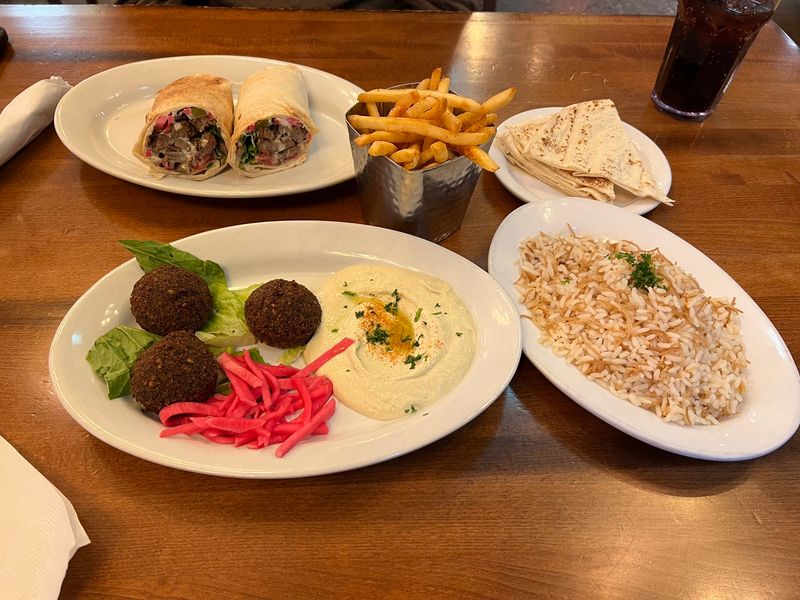
Crunch matters here, and timing has a lot to do with it. Jerusalem Garden fries its falafel to order, giving the chickpea patties a crisp outside rather than letting them sit around waiting for someone to get hungry.
The mixture includes parsley, onion, jalapeno, and spices. Inside a pita sandwich, romaine, tomato, and tahini bring moisture and freshness to balance the fried shell.
If texture is your main reason for ordering falafel, eat it soon after it arrives. A long trip home inside a closed container can soften fried foods, so dining in offers a practical advantage.
Prefer to build each bite yourself? Ask about ordering falafel with sides instead of tucked into bread.
Either approach lets you explore a meatless staple without making it feel like a substitute for something else. Check sauce ingredients if you have any dietary restrictions.
Choose Your Chicken Shawarma Format
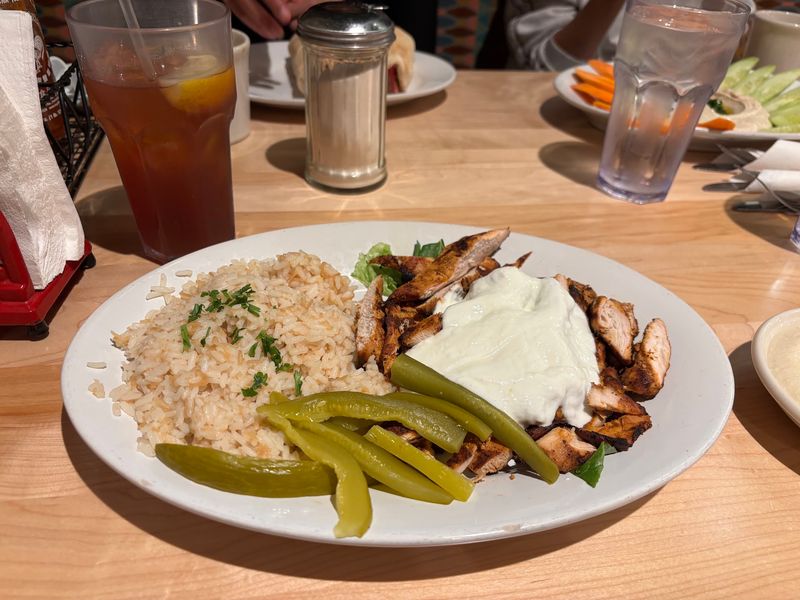
Some lunches belong in a pita; others deserve room to spread out. Chicken shawarma at Jerusalem Garden gives you that choice, with marinated, charbroiled chicken breast available as the center of a sandwich or a plated meal.
The plate pairs chicken with house rice, pickles, and yogurt garlic sauce. The sandwich brings together chicken, romaine, tomato, garlic paste called toum, and pickled vegetables.
Pick the plate when you want to control how much sauce joins each bite. Choose the sandwich when bread, vegetables, and chicken all belong in the same mouthful.
Either way, ask which sauces come with your order instead of assuming every version is identical. Yogurt garlic sauce contains dairy, while toum is a different preparation.
If allergies matter, have staff confirm ingredients and handling. A little clarity at the counter saves confusion when your food reaches the table.
More Room On Liberty Street
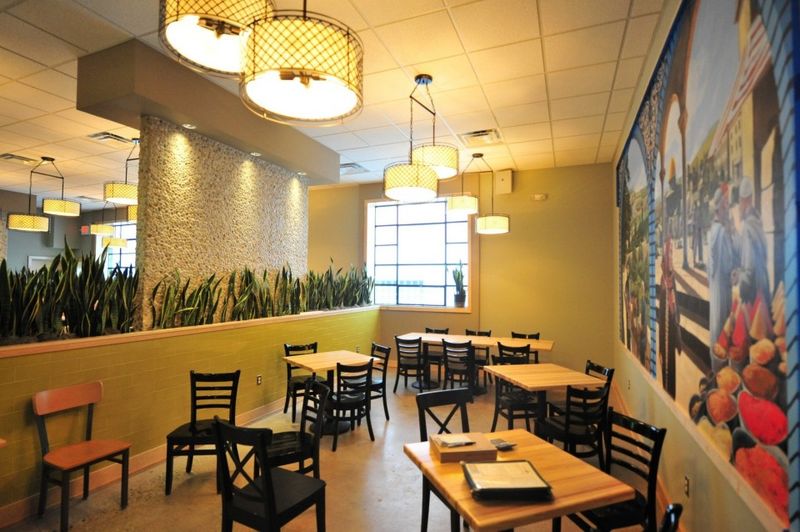
The restaurant’s story includes a change of scenery. In 2015, Jerusalem Garden moved from its smaller Fifth Avenue location to its current home at 314 E Liberty St, giving the dining experience more breathing room.
Wooden tables, murals, plants, and pleasant lighting help shape the welcoming space. It is a setting suited to sitting down with a meal rather than thinking of the restaurant only as a sandwich pickup stop.
Build a little flexibility into your visit, especially if your group needs a particular seating arrangement. Published hours list Monday through Saturday, 11 AM to 8:30 PM, with Sunday closed; confirm them before traveling because schedules can change.
The restaurant’s phone number is 734-995-5060. Calling ahead also gives you a chance to ask about accessibility, group seating, or pickup details without guessing.
Practical planning leaves more attention for the food itself.
Fattoush Brings The Bright Notes
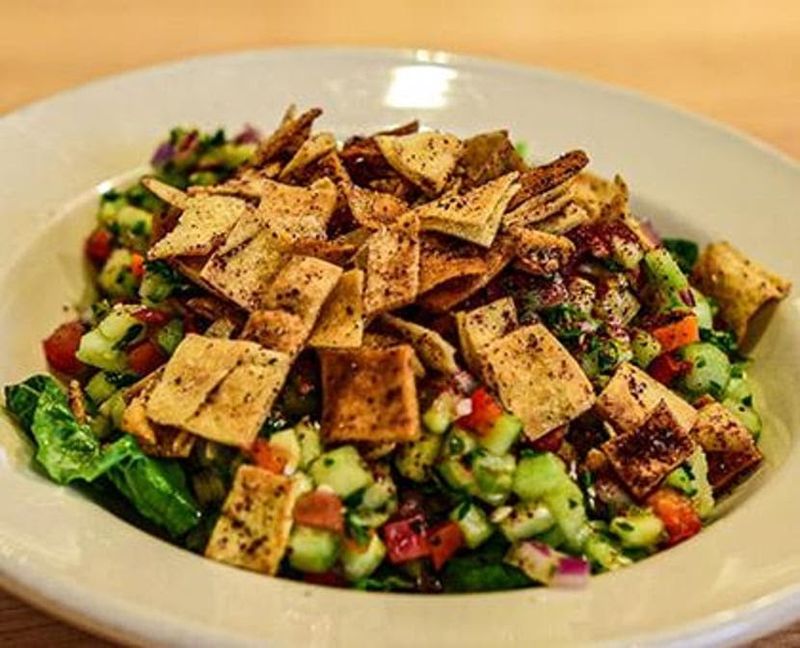
Lemon and sumac give the table a welcome change of pace. Jerusalem Garden’s fattoush combines romaine with chopped vegetables and herbs, bringing a fresh contrast to hummus, grilled meats, and fried falafel.
Cucumber, tomato, red pepper, red onion, carrots, and parsley contribute different textures. The dressing includes lemon, vinegar, olive oil, and sumac, while pita pieces add crunch.
Consider sharing a salad with a richer main dish instead of ordering only foods with similar textures. That contrast keeps each forkful interesting without requiring a complicated order.
For takeout, ask whether the dressing and pita can be packed separately so the salad stays crisp during the trip. Anyone avoiding gluten should remember that pita is part of the usual preparation.
Requesting a change is useful, but staff still need to confirm whether the finished dish suits your needs, including possible kitchen cross contact.
Kafta Offers A Different Kind Of Kabob
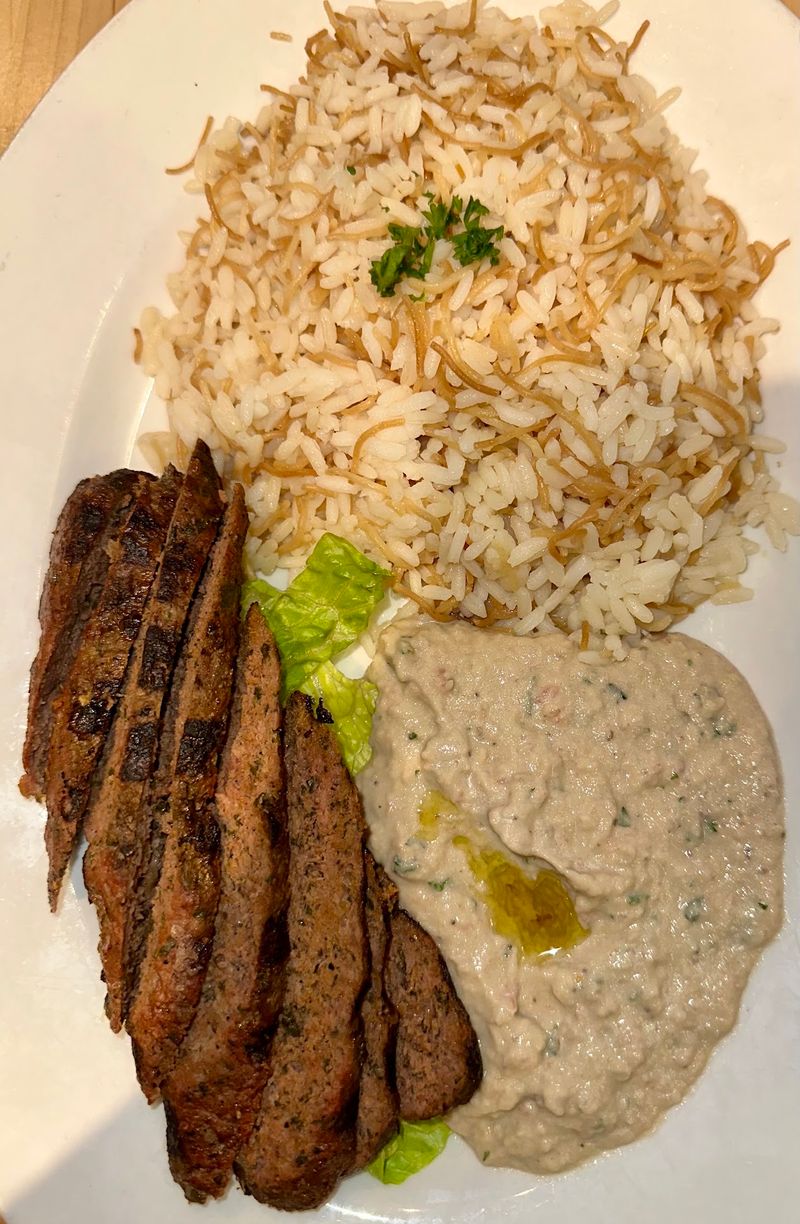
Not every kabob begins with chunks of meat on a skewer. Kafta uses ground meat mixed with onion, parsley, and spices, creating a different texture from the restaurant’s chicken offerings.
Jerusalem Garden’s kafta combines beef and lamb, then takes on the flavor of the grill. A meal with house rice and sides gives the seasoning space to stand out, while a pita version adds lettuce, tomato, hummus, and tahini.
Choose kafta when you want to explore beyond shawarma without wandering far from familiar ingredients. Hummus makes a useful partner, but a fresh salad can provide more contrast if your order already feels rich.
Ask which sides are included before adding extras, since meal formats can differ. For anyone uncertain about lamb, sharing a kafta order is a low-pressure way to try it while keeping another favorite dish available on the table.
Grape Leaves Reward A Slower Bite
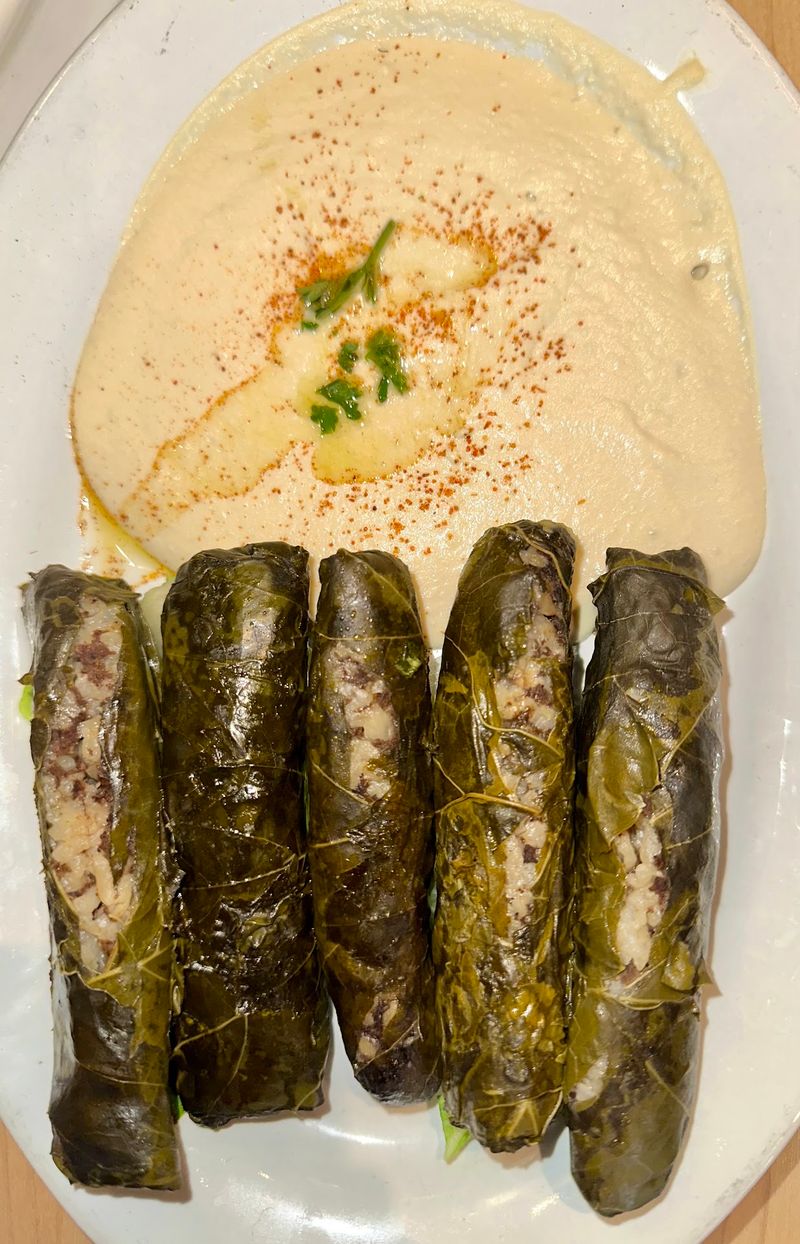
Small parcels can carry plenty of flavor. The vegetarian grape leaves at Jerusalem Garden hold a filling of rice, currants, tomato, and spices, offering something quite different from crisp falafel or grilled meat.
The leaves are tender, and the currants bring a subtly sweet note to the savory filling. They can be ordered in different formats, including a sampler, a meal with sides, or a pita sandwich with romaine, tomato, and hummus.
A sampler makes sense if you are curious but not ready to make grape leaves your whole lunch. Take a bite on its own before adding a dip so you can notice the filling rather than only the sauce.
For a vegetarian meal, pairing them with hummus or salad adds variety without relying on fried food. Confirm current serving options when ordering, since the menu is your final guide.
Beef Shawarma Meets Its Pickled Match
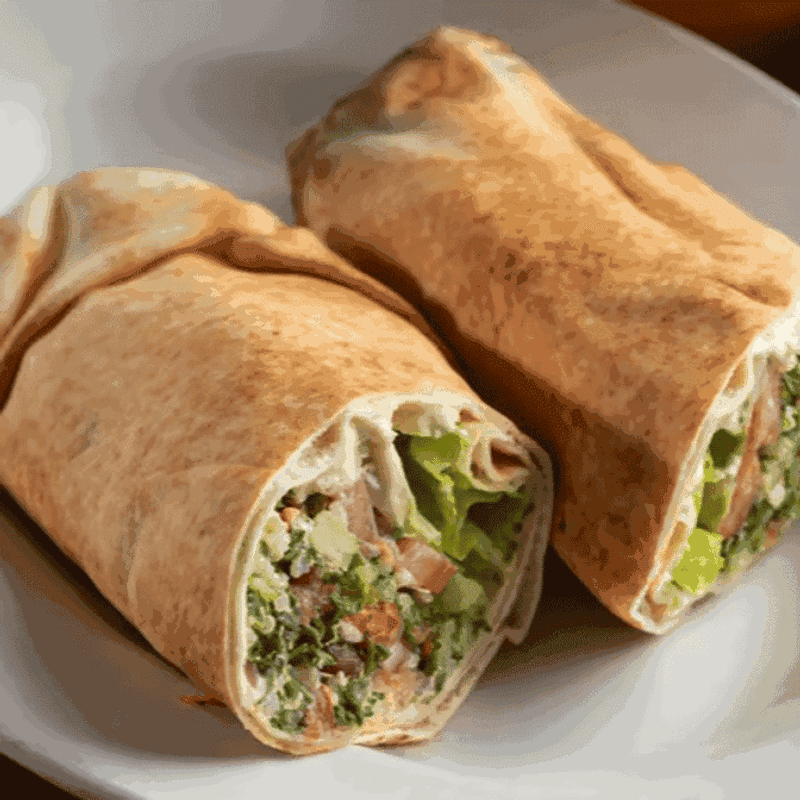
Pickles are doing real work in this sandwich. Their sharpness cuts through the richness of Jerusalem Garden’s marinated, charbroiled beef strips, keeping the shawarma from becoming a one-note mouthful.
Romaine, tomato, turnips, and pickles join the beef inside pita, with yogurt garlic sauce and toum adding their own character. The combination offers crunch, tang, and savory meat rather than relying on beef alone.
Ask about sauce choices if you prefer a lighter touch or want to taste the marinade more clearly. A sandwich also benefits from a little practical handling: keep its wrapper around the lower half and have a napkin nearby.
For takeout, eat reasonably soon rather than leaving the bread to absorb every bit of moisture. Choosing beef instead of chicken changes the flavor, but the vegetables and sauces remain just as important to the overall balance of lunch.
Lentil Soup For A Cooler Day
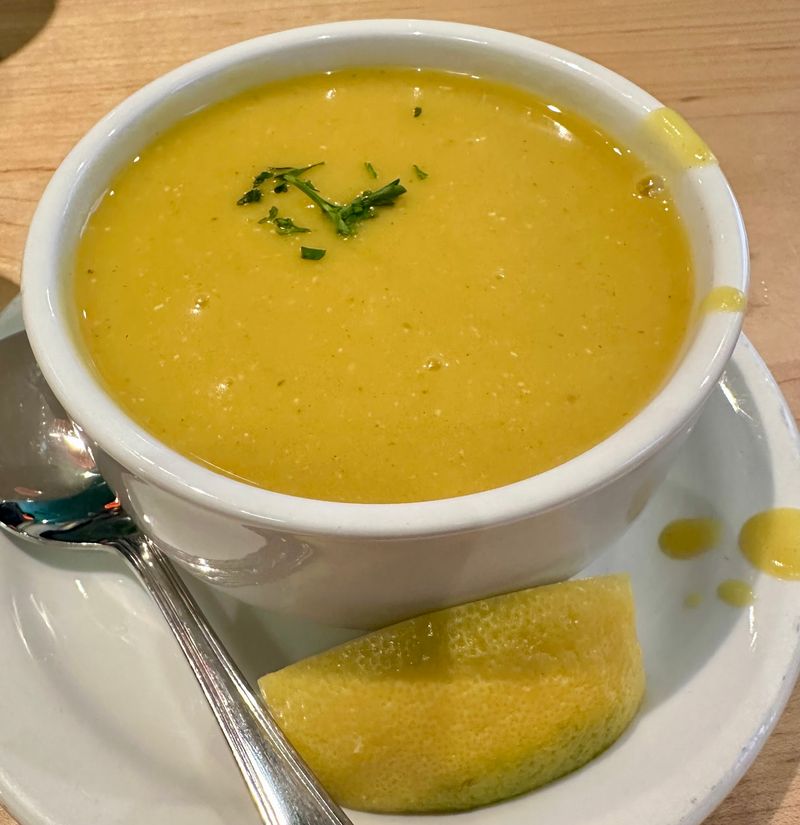
Michigan weather sometimes makes a warm bowl feel like the most sensible order on the menu. Jerusalem Garden’s lentil soup answers that mood with red lentils and straightforward seasoning rather than a long list of extras.
Cumin and turmeric give the soup its character, with salt rounding out the recipe. The restaurant identifies it as vegan and gluten-free, making it an option worth considering for diners with different food preferences.
Those labels are useful starting points, not a replacement for an allergy conversation. Ask staff about current ingredients and kitchen handling if avoiding gluten or another ingredient is medically necessary.
As part of a larger meal, soup offers a soft, warm contrast to salad or falafel. It can also be a modest first course when you want to leave room for a sandwich without beginning with another bread-heavy dish that day.
Mjaddara Deserves A Place At The Table
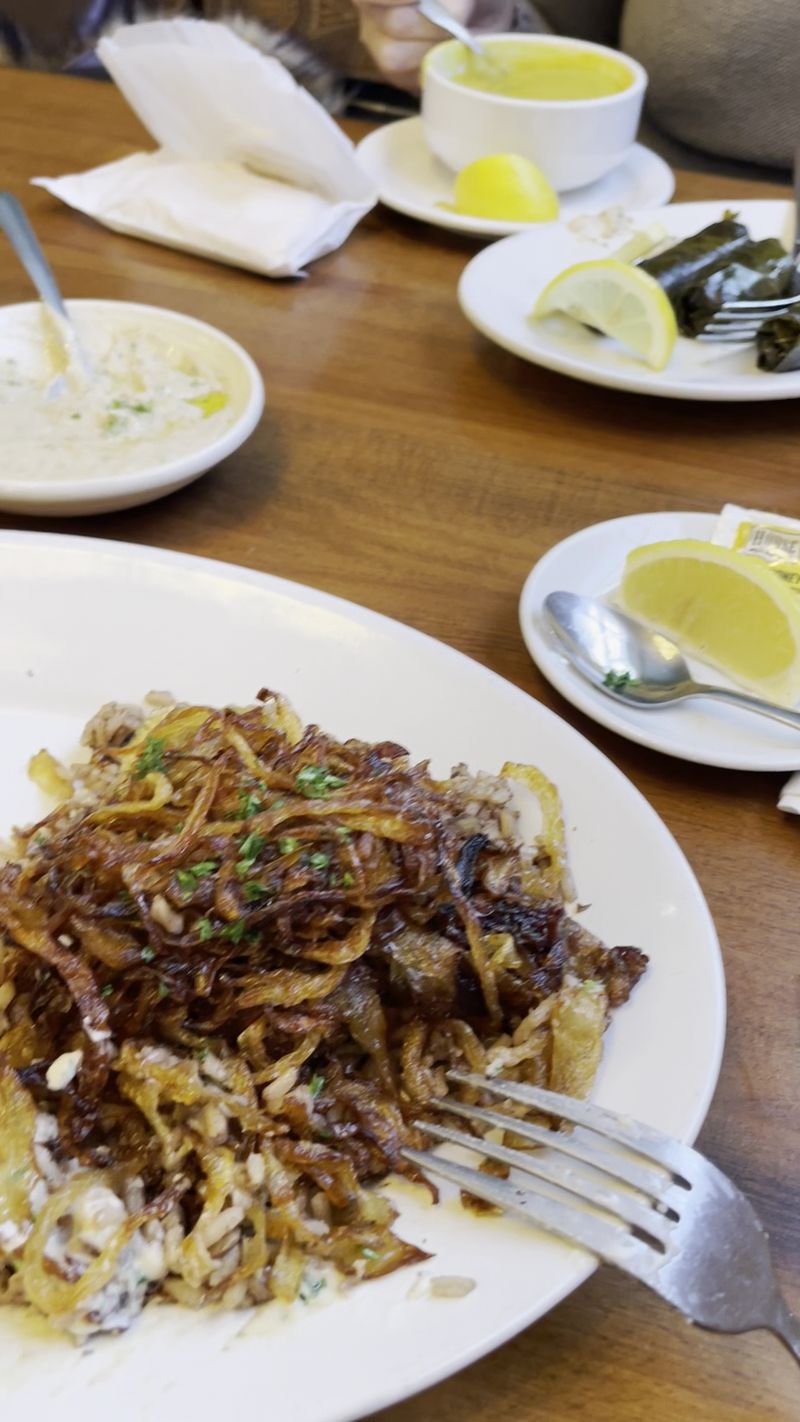
Rice, lentils, and onions do not need much introduction, but together they deserve attention. Mjaddara brings those everyday ingredients into a comforting dish that offers a quieter flavor than garlic sauce or charbroiled meat.
Caramelized onions add sweetness and depth to the lentil and rice mixture. At Jerusalem Garden, mjaddara works as a side, and it can also appear in a pita with baba ghanoush and pickles.
Give it a spot beside a brighter dish, such as fattoush, so the meal has both earthy and tart notes. If choosing the sandwich, remember that baba ghanoush introduces another flavor and texture rather than simply acting as moisture.
Ask about the current recipe and serving options if you are planning a vegetarian meal. Mjaddara is also a useful reminder that exploring this menu does not require ordering meat or choosing something fried every time.