
This Michigan Park Has Streams, Gardens, And Waterfall Trails That Feel Like Pure Escape

I stepped through the gates in Midland and immediately felt the frantic hum of the outside world just… evaporate.
Drifting over wooden bridges, I was mesmerized by the way the streams murmur like they are sharing secrets with the mossy stones below. The canopy walkway is a total trip; it lifted me into a quiet, high-altitude hush where the red pines perfectly frame the Michigan sky.
Visit the best botanical gardens in Midland, Michigan, for scenic canopy walks, seasonal butterfly exhibits, and peaceful nature trails. One minute I was admiring the formal flower beds, and the next, I was stepping into a glasshouse vibrating with the silent, colorful energy of a thousand butterflies.
Pay attention to the tiny details: the perfectly placed benches, the clear labels, and a small waterfall that sounds exactly like a promise to return. You should definitely prepare to lose track of time here.
Canopy Walkway Perspectives
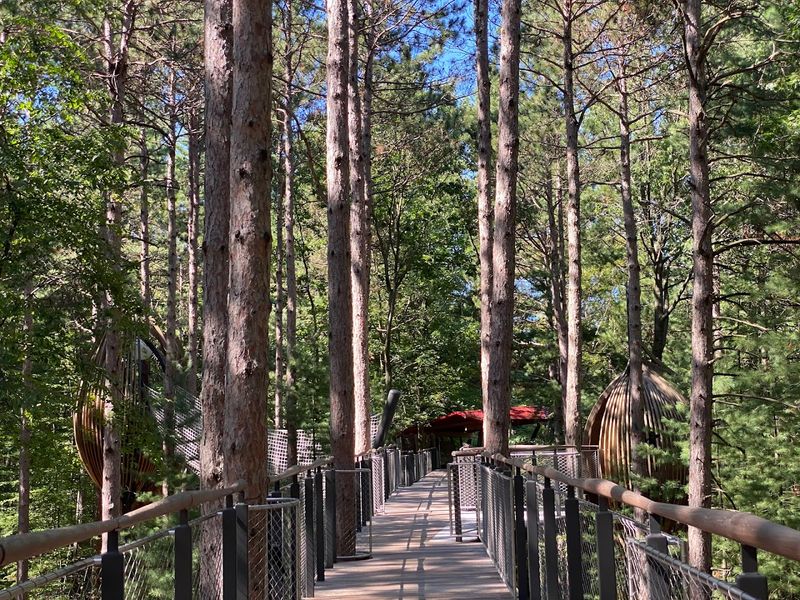
Start above the forest, where the canopy walkway stretches through red pines and oaks with gentle sway and big-sky views. Three overlooks pause the height differently, including a glass-floored section that makes even confident feet reconsider.
The structure feels calm rather than daring, with rails that welcome hesitant walkers and strollers alike. History lingers quietly here, a modern companion to Herbert Dow’s plant-loving legacy that grew into this 110-acre landscape. Look for the orchard overlook to frame ponds like coins, and listen for woodpeckers testing bark.
Arrive early on weekends to catch the softest light, and follow the map to loop back through Whiting Forest without retracing every step. Parking by the forest entrance shortens the approach and eases families.
A Botanical Escape In Midland

Stepping into the heart of Midland brings you to a sprawling landscape where the architecture of the Dow family legacy meets meticulously curated nature.
The drive along Eastman Avenue offers a scenic transition from the city’s industrial roots into a lush, 110-acre sanctuary that has evolved over more than a century into a premier destination for horticultural enthusiasts.
The final approach leads to Dow Gardens at 1809 Eastman Ave, Midland, Michigan, where the modern visitor center serves as the gateway to a world of winding paths and cascading water features. Stepping onto the grounds shifts the atmosphere from the buzz of the city to a serene environment.
The Conservatory And Butterflies

Glass panels warm the air, and the conservatory turns into a pocket of tropical focus. When the annual Butterflies in Bloom returns each spring, color unhooks from flowers and sails past your shoulder. Humidity fogs glasses briefly, a small price for watching blue morphos flash like animated postcards.
The building anchors the educational side of Dow’s mission, with plant labels that track families, origins, and uses. Staff and volunteers mind doorways to protect the delicate travelers, a technique honed over years of exhibits.
Timed entries can sell out, so purchase tickets early, and move slowly so a patient butterfly might land on your sleeve. Bring water, and expect a walk from the entrance to this warm haven on busy weekends.
The Pines Historic Home

A stately shingle-style residence peeks through trees, introducing The Pines, the Dow family home. Its generous porch, clustered windows, and thoughtful craftsmanship whisper about Midland’s early 20th century confidence.
The house feels domestic rather than grand, which makes the surrounding gardens read as lived-in extensions. Preservation here favors interpretation over fuss, with tours that highlight Herbert and Grace Dow’s habits alongside conservation details. Exhibits trace how horticulture and chemistry intertwined in everyday experiments, from soil amendments to hardy plant selections.
Check tour days in advance, typically Thursdays and Fridays, and give yourself time to wander the adjacent grounds before or after. Photography is allowed outside, but interior rules change, so ask politely and pocket flashes to protect sensitive finishes inside.
Children’s Garden Discovery

Energy gathers here like sunlight, with kid-scale paths, musical elements, and edible beds inviting small hands. Tomatoes, beans, and herbs pop with labels that turn tasting into a quiet lesson. Water play areas sparkle on warm days, and laughter tends to bounce between espaliered fences.
The design centers curiosity, a local culture of letting learning happen in motion. Staff sometimes guide quick demos, yet most discoveries start when children follow textures and scents.
Choose shoes that can handle splashes, and bring a change of clothes if your crew loves fountains, then relax on nearby benches as curiosity writes the itinerary. I like lingering near the herb beds, where mint and basil perfume conversations and calm rambunctious moods on busy afternoons.
Four Seasons Color Play
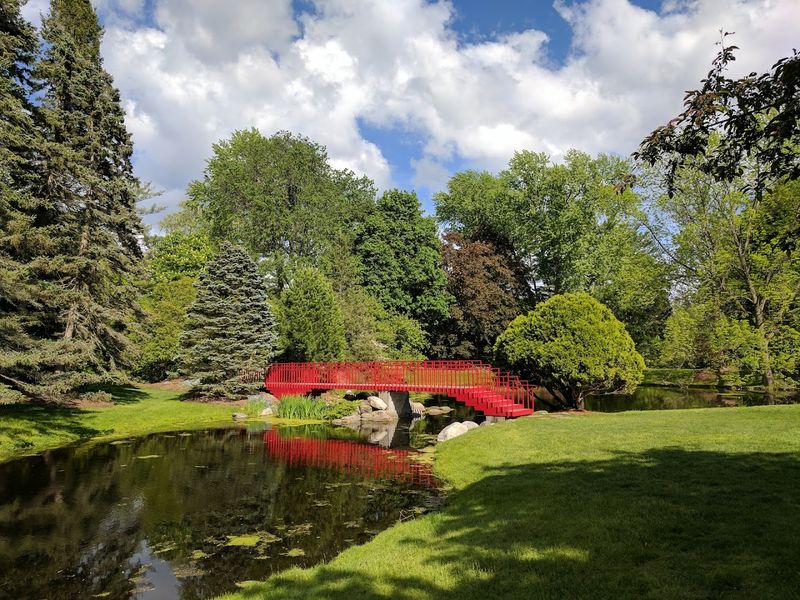
Winter edges the ponds with lace, then spring returns with bulbs that behave like small fireworks. By midsummer, annual beds blaze in curated harmonies, and prairie plantings lean into pollinators. Autumn finally drops the curtain with hardwood color that looks painted, especially from the canopy overlooks.
Horticulture staff choreograph succession planting, a preservation technique that keeps interest rolling without gaps. Midland’s calendar influences choices, so heat, lake effect, and frost dates shape bloom schedules.
Pack layers and a flexible plan, because weather shifts fast, and revisit across seasons to let your memory stack versions of the same bend in the path. Early tickets for special exhibits help, and sunrise entries reward photographers with quiet paths and saturated color after rain.
Bridges, Ponds, And Reflections

Bridges here prefer understatement, arching just enough to make water feel ceremonial. Koi ripple lily pads into ovals, while turtles claim sunlit logs with slow authority. Step onto the stones beside the Japanese-inspired spans and notice how your breath matches the shimmer.
The design borrows from classical garden grammar, stitching movement across water so vistas unfold in measured beats. Maintenance teams skim debris early, which keeps reflections sharp for photos and sketchbooks.
Visit on breezy afternoons to watch clouds redraw themselves, and linger until the last ring of a tossed leaf disappears under the mirrored sky. Many linger near the stone lanterns, counting ripples, while kids quietly search for frogs along the reed margins between gentle gusts of wind today.
Labeling And Learning

Even casual plant fans turn into note-takers here, because nearly every specimen carries a clear, sturdy label. Scientific names sit beside common ones, and origins nudge you to imagine seeds traveling. The effect is both grounding and generous, an invitation to build a backyard list.
This identification habit springs from the garden’s educational roots, where documentation is preservation and hospitality at once. You will notice consistent typography and placement, a technique that reduces visual clutter.
Snap photos of tags instead of scribbling, then look them up later, and build a route that connects family groups for a satisfying mini seminar. I left with a shortlist for my yard, including serviceberry, switchgrass, and a fragrant summersweet to tempt bees at home.
Quiet Benches And Rest Spots
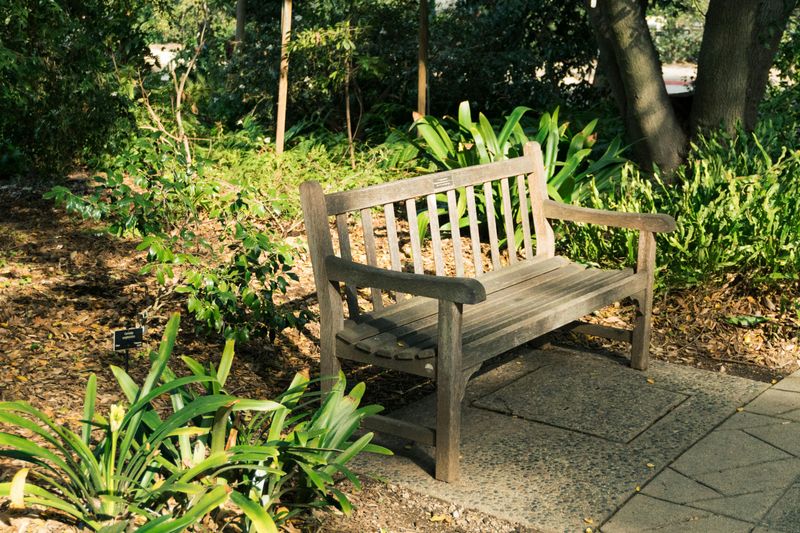
Some benches are obvious, but the best ones hide beside hedges or angle toward small surprises. One frames a waterfall lip perfectly, another shares a conversation with a sculpture through sightlines. The materials are comfortable even on cool days, wood warmed by sun and stone buffered by moss.
These pauses are part of the garden’s social design, offering privacy without isolation. Locals read here, while travelers check maps and recalibrate.
Choose benches in dappled shade for longer breaks, and keep an eye out for little plaques that share dedications, a gentle reminder that care is stitched into these resting places. A quiet corner near hydrangeas hums with bees, and time loosens its grip for a welcome minute today for anyone.
Accessibility And Wayfinding
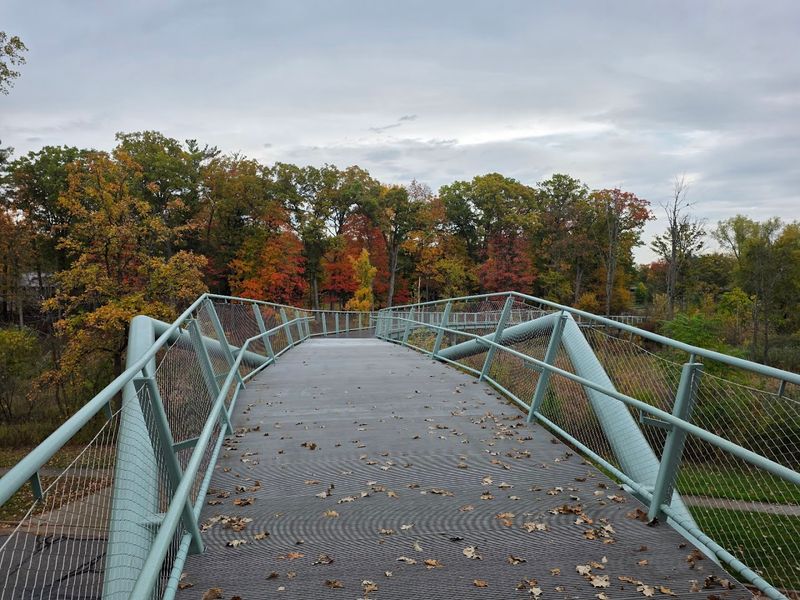
Paved routes web through the acreage, linking the garden to Whiting Forest with clear signage and gentle grades. Wheelchairs and strollers roll easily, and most bridges accommodate them without drama. Maps are available at admission, and kiosks repeat the landmarks so you can reorient fast.
This navigation system honors a regional ethic of inclusivity, where access is preservation of experience. Trails branch into mulched segments for variety, yet paved loops always offer a reliable return.
Reserve a mobility device ahead if needed, check seasonal hours, and park near the forest entrance if the canopy walk is your priority. Visitors appreciate frequent benches, water fountains near hubs, and staff who gladly point out the shortest connections on busy days too here.
Perfect Day Logistics And Timing

Quiet mornings reward patience, and the light sits kindly on petals, bark, and glass. Arrive near opening, grab a map, and choose a loop that tastes both garden rooms and forest views. Snacks and coffee at the cafe make a friendly midpoint before crossing back toward ponds.
Local rhythm matters here, with Mondays often closed and winter hours trimmed. Ticket prices are reasonable, and membership pays for itself if repeat visits tempt you.
Check the website for exhibit dates, wear layers, and leave room for unscheduled detours, because the loveliest moments usually hide between destinations at Dow Gardens. Many end near the stream, listening for frogs, then exit slowly through the pines, pocketing a labeled plant to research at home.