
This Michigan Restaurant in Detroit Has Diners Hooked on Bold East African Flavors
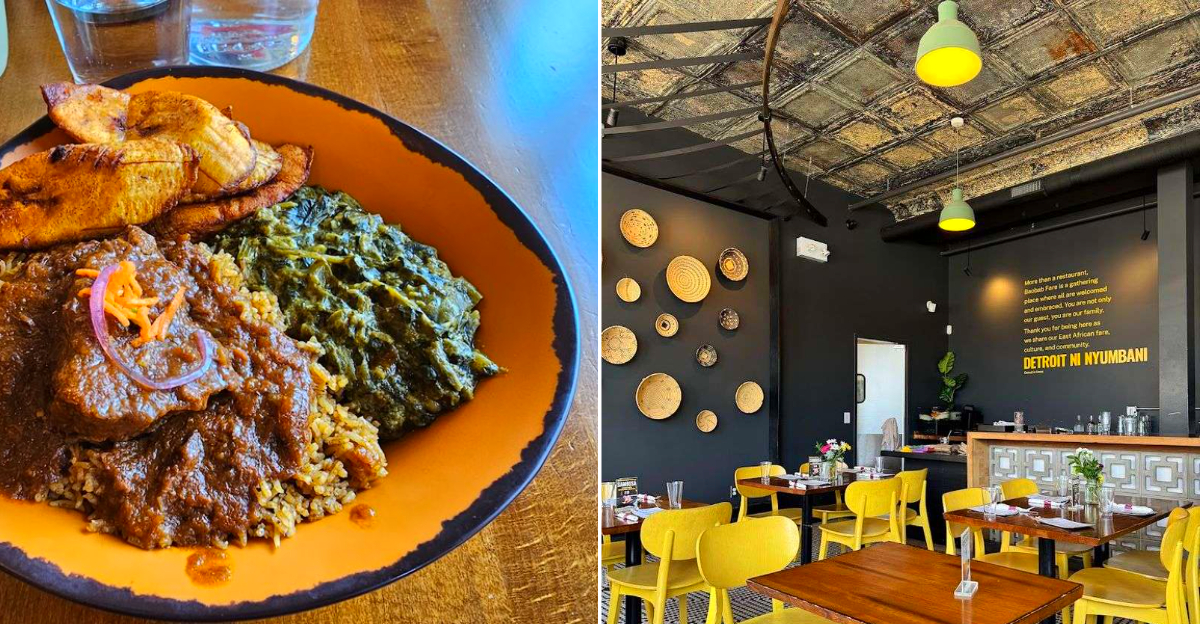
Woodward Avenue is crowded with over-engineered concepts, but this New Center corner operates on a completely different frequency. It’s a bright, high-velocity space where Burundian soul food acts as a loud, flavorful defiance against the standard Detroit dining script.
The vibe is kinetic and communal, less like a formal restaurant and more like a sun-drenched sanctuary where the air hums with a level of genuine warmth that a marketing budget simply can’t manufacture. It is vibrant, unpretentious, and carries a palpable, rhythmic energy that makes your usual “dinner and a movie” plans feel suddenly, hopelessly bland.
Master the best East African flavors in Michigan with this tactical guide to the must-order stews, legendary ginger coffee, and the incredible story behind this award-winning restaurant.
I’ve decoded the menu’s heavy hitters and the specific cultural details that transform a meal into a full-scale sensory event. Ready to see why this is the most vital, high-stakes plate in the city?
Start With The Story Behind The Room
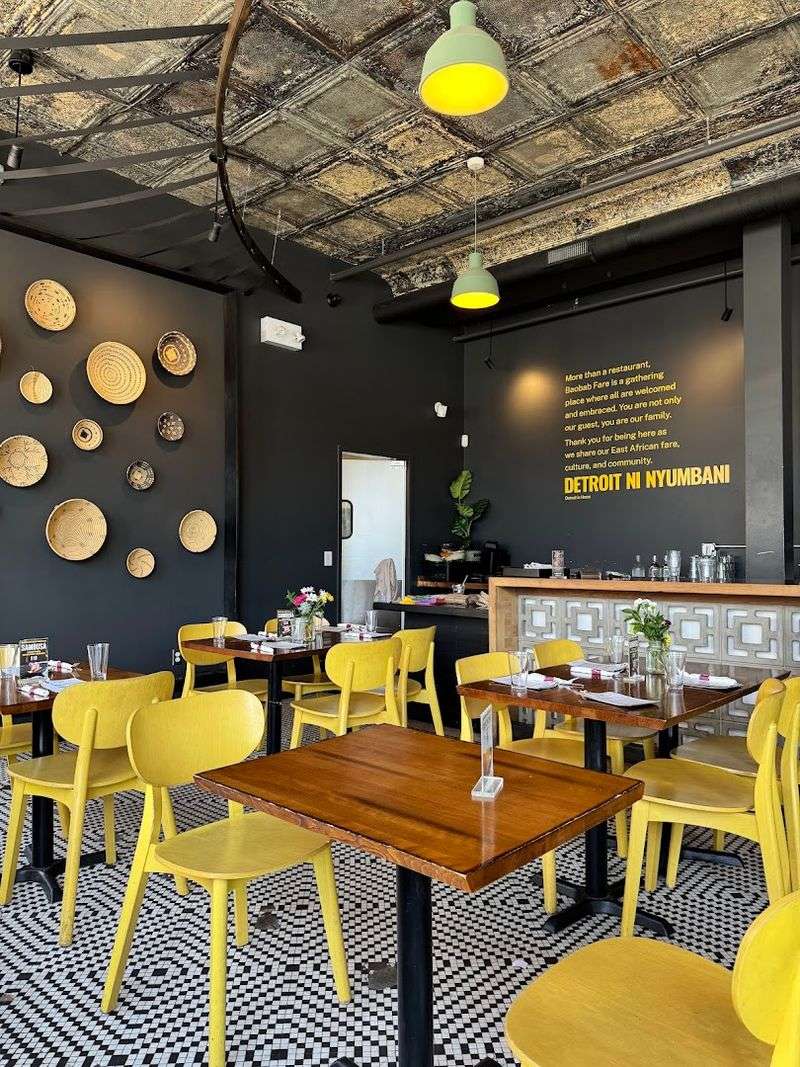
Before the first bite arrives, Baobab Fare tells you something important about itself. The dining room feels bright and open, with colorful decor and East African baskets that give the corner space warmth without forcing a theme.
That sense of welcome fits the restaurant’s mission, which centers East African food, culture, and opportunity for refugees and immigrants.
Founded by Hamissi Mamba and Nadia Nijimbere, Baobab Fare opened in April 2021 in Detroit’s New Center district and carries the phrase Detroit Ni Nyumbani, meaning Detroit is Home. Knowing that context changes the meal in the best way.
The restaurant is not just serving dinner at 6568 Woodward Avenue. It is making a place where hospitality, identity, and everyday comfort all sit at the same table, and you can feel that before the menu is even closed.
Finding It
Reaching Baobab Fare at 6568 Woodward Ave Suite 100, Detroit, Michigan places you in the heart of the New Center district, just north of Mid-Town. The drive follows the broad, iconic stretch of Woodward Avenue, a primary urban artery where the landscape transitions from the soaring skyline of downtown to a revitalized corridor of historic stone churches and modern mid-rise developments.
As you approach the intersection of Woodward and West Grand Boulevard, the atmosphere becomes increasingly energetic.
The route takes you past the towering Fisher Building and the steady hum of the QLine streetcar, where the neighborhood’s industrial weight meets a fresh, pedestrian-heavy culture of independent shops and street-level cafes.
The final arrival is marked by a prominent corner storefront with large glass windows that look out over the Woodward traffic. Finding a spot along the metered curb or in the adjacent surface lots, the transition from the fast-paced transit of the avenue to the vibrant, sun-drenched interior of the restaurant marks your arrival.
Do Not Skip The Samaki If Fish Is Your Weakness
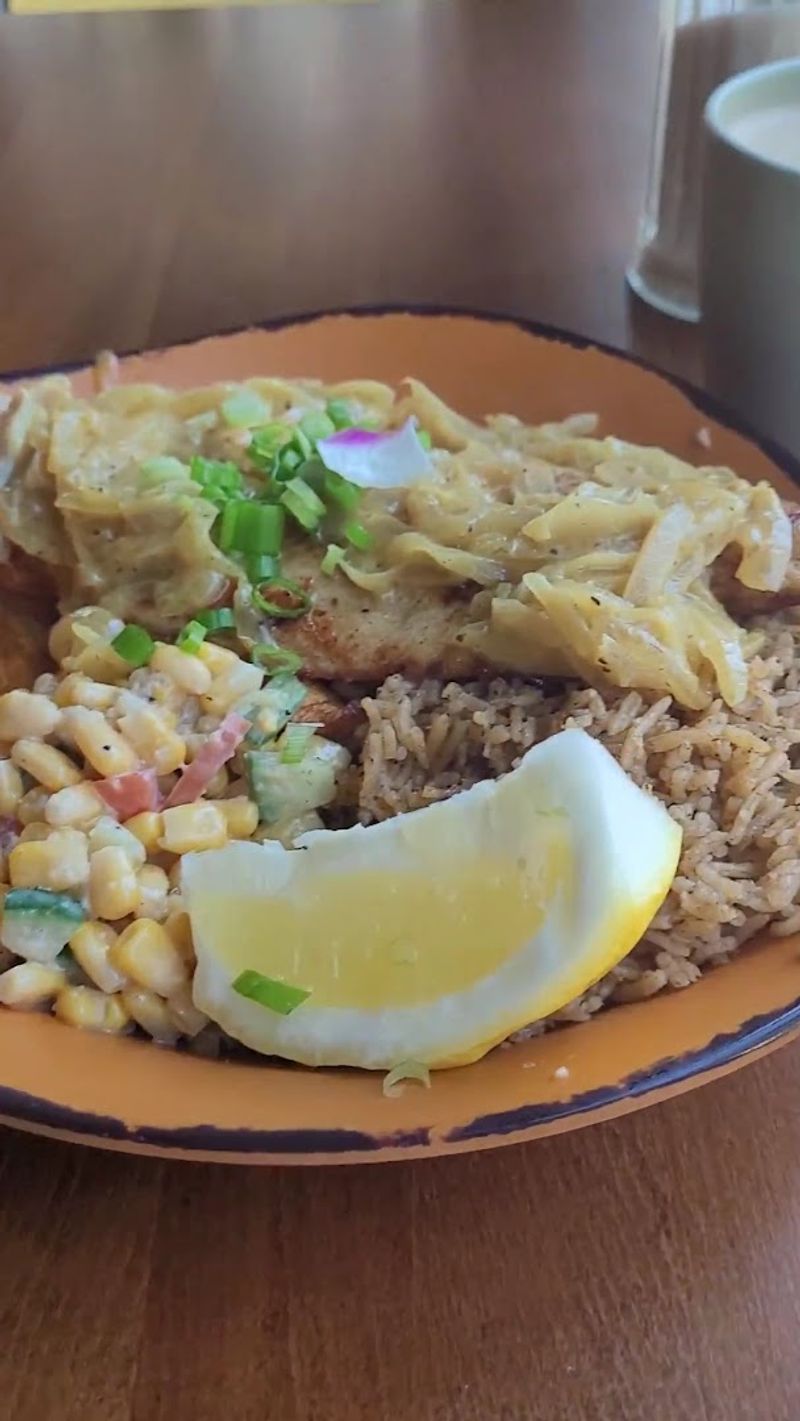
Some fish dishes announce themselves with delicacy. Samaki goes another way and wins you over through texture first. Baobab Fare’s red snapper is marinated for 24 hours, then flash-fried until the exterior turns crisp while the fish inside stays juicy and full of seasoning.
Tangy sauteed onions on top sharpen the richness and keep the plate moving. It is served with fresh corn salad, fried plantains, stewed yellow beans, and either spiced rice pilau or coconut rice, which makes the whole thing feel abundant without getting muddled.
There is real contrast from bite to bite, and that is the pleasure here. The snapper has presence, but the sides are not decorative. They help explain the restaurant’s style: bold flavor, careful balance, and a confidence that does not need excess heat to hold your attention.
The Goat Shank Is The Move When You Want Depth
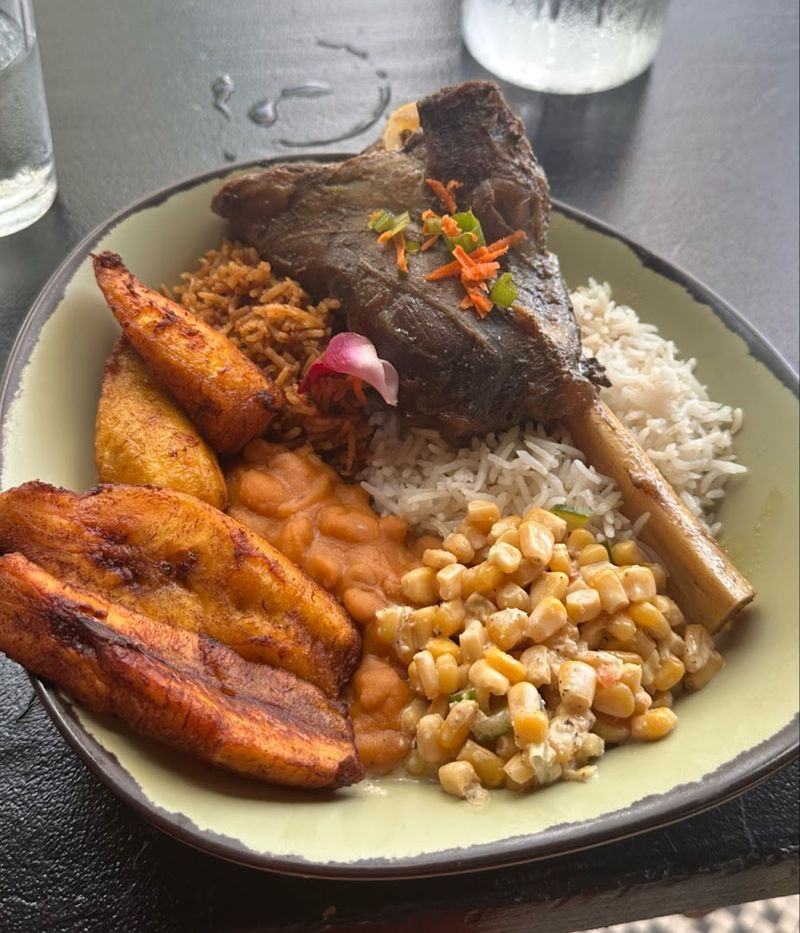
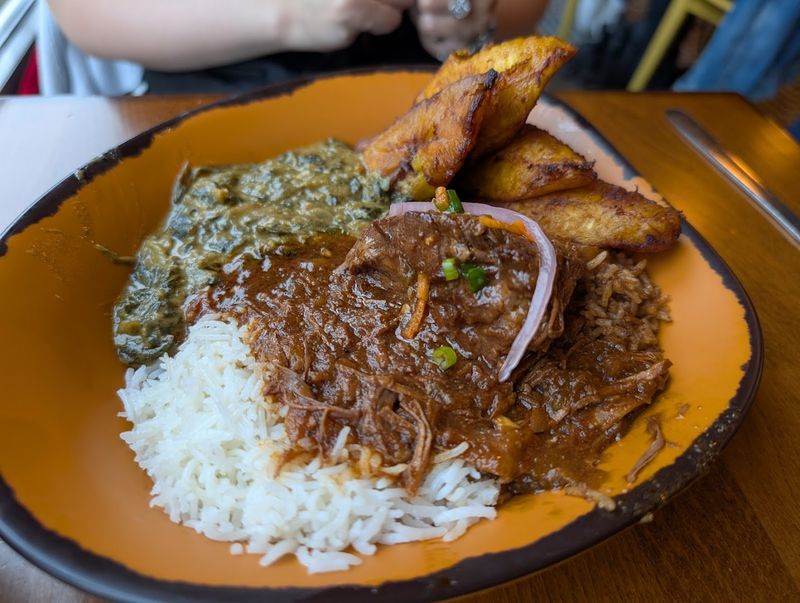
Mbuzi has the kind of slow-cooked seriousness that makes a table go briefly quiet. The goat shank is roasted until fork-tender, and it arrives with the sort of texture that suggests patience more than showmanship.
With corn salad, stewed yellow beans, and your choice of spiced rice pilau or coconut rice, it reads as a hearty plate, but it never feels clumsy.
The seasoning is a big part of why. Baobab Fare is often praised for warm spices rather than aggressive heat, and this dish proves how satisfying that can be.
The goat carries richness, the beans bring comfort, and the rice keeps the whole meal grounded. If you are the kind of diner who usually scans a menu for the slowest, most deliberate preparation, this is probably where your eyes should land first, and then stay there.
Vegetarians Should Head Straight For Intore
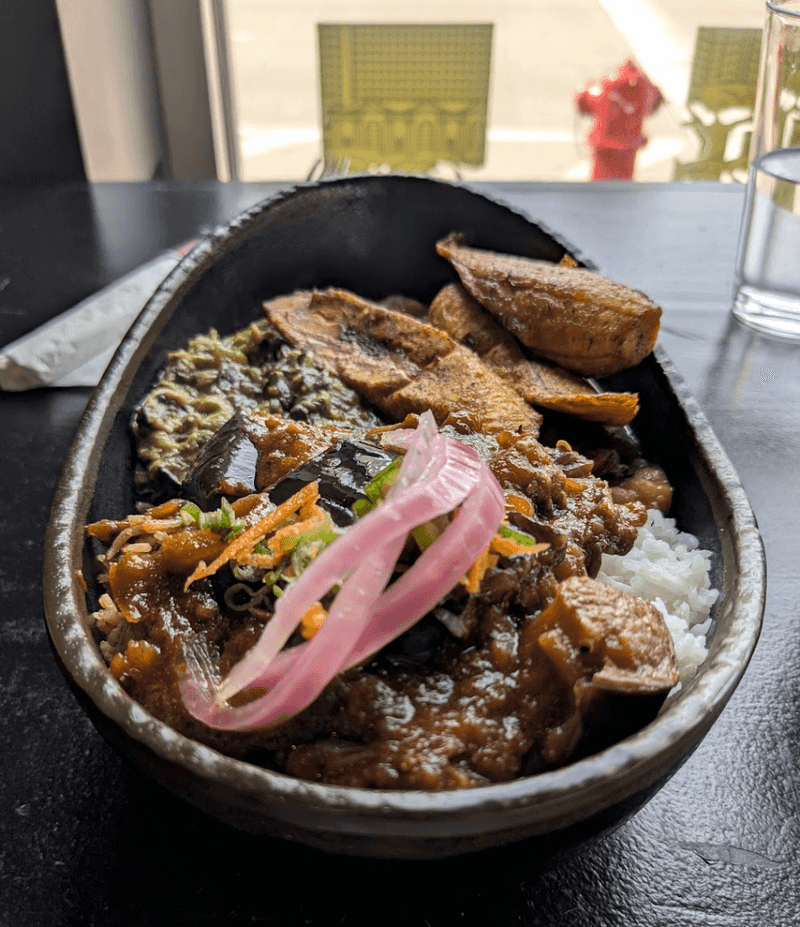
Intore is proof that Baobab Fare does not treat vegetable dishes like a polite afterthought. The eggplant stew is fragrant, savory, and hearty enough to hold the center of the table without apology. Paired with peanut-stewed spinach or yellow beans and a side of spiced rice pilau or coconut rice, it offers the same generosity and complexity that make the meat dishes memorable.
I appreciate that the dish feels built, not substituted. The eggplant is there because it belongs there, bringing softness and depth that work beautifully with the nuttier and earthier sides.
For anyone curious about Burundian flavors but unsure where to begin, Intore is a persuasive place to start. It also quietly demonstrates one of the restaurant’s strengths: comfort here is not tied to meat, but to seasoning, texture, and an instinct for balance.
If You Visit On Tuesday, Make Room For Ugali
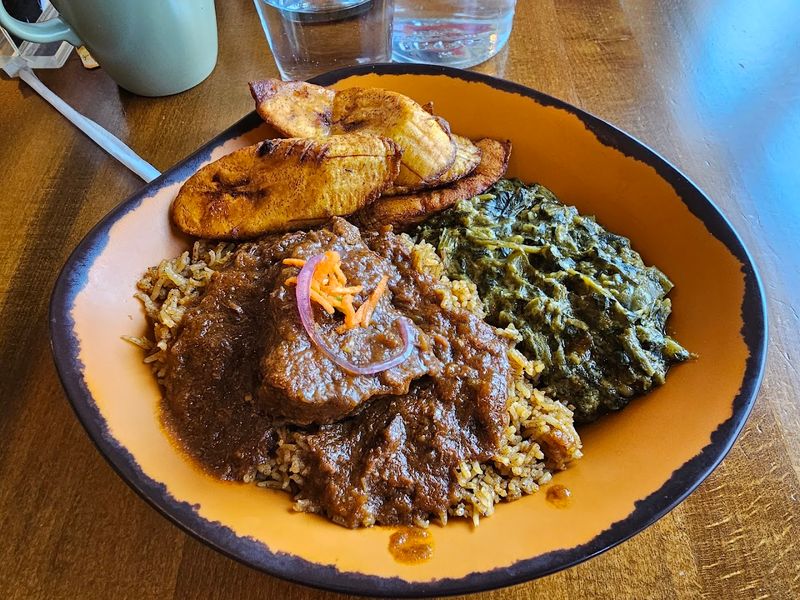
Tuesday has its own small reward at Baobab Fare: Ugali. This traditional dense corn-flour ball is served with savory okra stew and is available only on Tuesdays, which gives it the pleasant feeling of a weekly appointment rather than a standard menu item.
That detail alone makes it worth planning around if you enjoy ordering the dish that reveals a restaurant’s rhythms.
Ugali is not flashy food, and that is part of its appeal. Its comfort comes from substance and contrast, especially against the texture and savor of the okra stew. Baobab Fare does especially well with dishes that feel rooted rather than translated, and this is one of the clearest examples.
Go expecting something satisfying and distinct, not ornate. The pleasure is in how direct it is, and how naturally it fits the restaurant’s home-centered spirit.
Try Both Rice Options If You Can
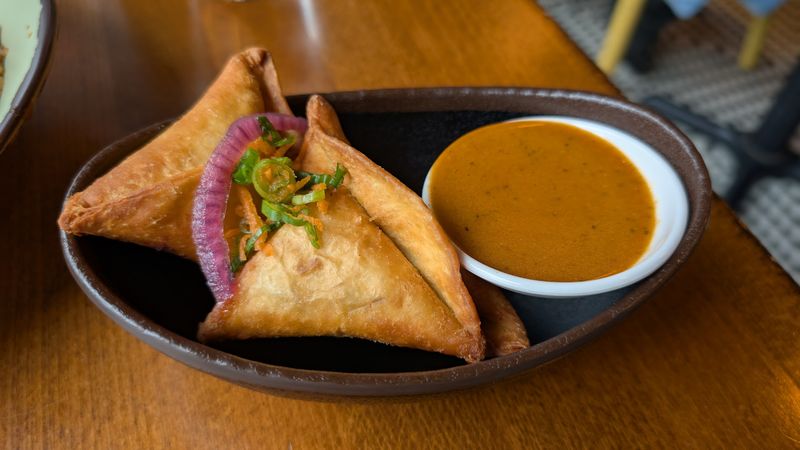
One of the smartest choices at Baobab Fare is not dramatic at all: pay attention to the rice. The spiced rice pilau brings aromatic depth, while the coconut rice leans softer and gentler, adding a mellow counterpoint to richer mains like Nyumbani, Samaki, or Mbuzi.
Each works, but they do different jobs on the plate. That matters because Baobab Fare serves large, carefully composed meals where the sides are part of the argument. The rice is not filler, and choosing between the two can shape the whole experience.
If your server allows a split, that is the ideal move for first-timers who want a fuller read on the menu. The contrast helps clarify the restaurant’s range. It also gives you a better sense of how thoughtfully these dishes are built, from the protein at the center to the last grain on the edge.
Save Room For Tamu, Even If You Swear You Cannot
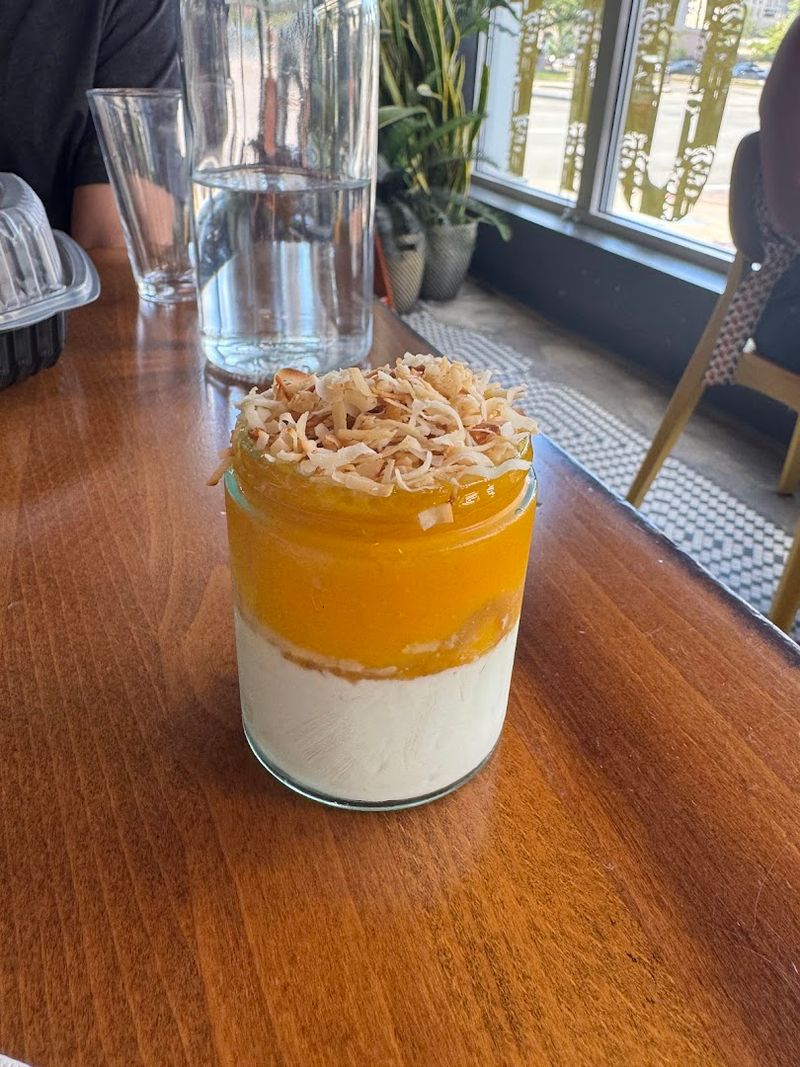
Dessert at Baobab Fare is not a formality, and Tamu is the reason. Made with creamy avocado and tangy passion fruit, this pudding lands with a bright, refreshing contrast after the savory depth of the main courses. It sounds unusual on paper, which is exactly why it is so satisfying when the first spoonful proves how naturally those flavors fit together.
I have seen tables hesitate at the description, then clear the bowl anyway. The texture is smooth and rich, but the passion fruit keeps it from feeling heavy, which is a smart finish after a generous meal. Baobab Fare understands how to close dinner with the same balance it brings to everything else.
Tamu is distinctive without trying too hard to be novel, and that may be its sharpest trick. It feels surprising, then instantly obvious.
The Drinks Are Part Of The Experience Too
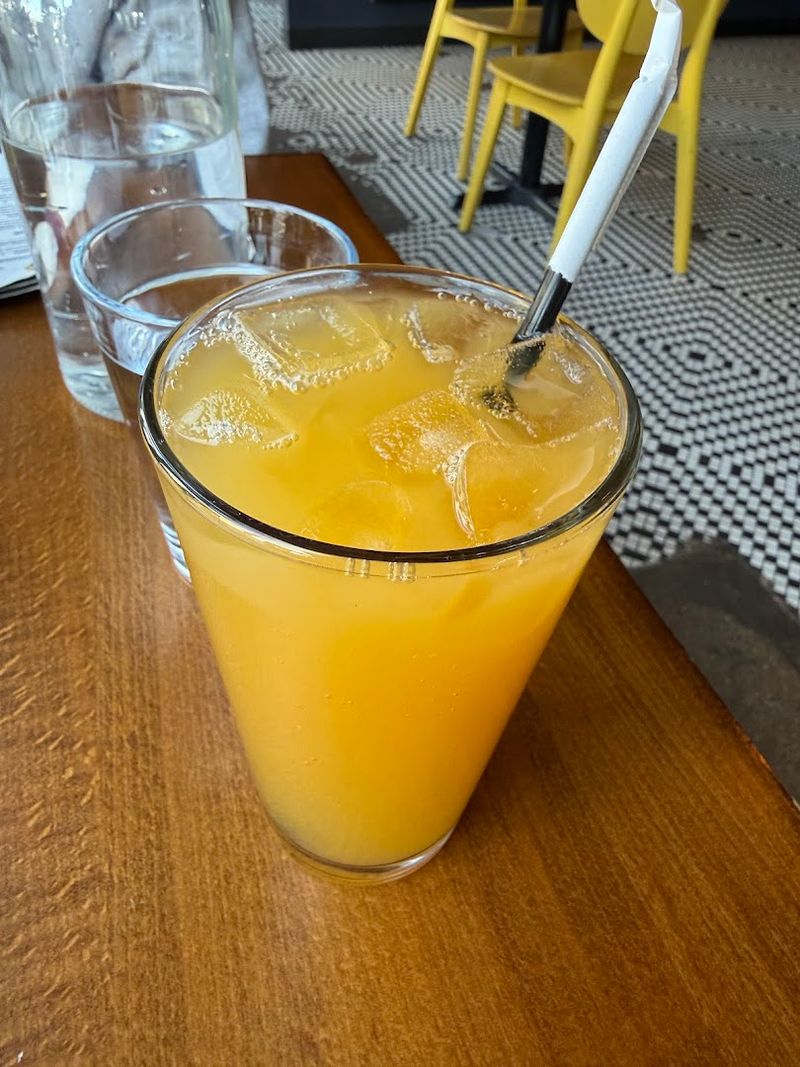
It would be easy to focus only on the entrees, but Baobab Fare’s drinks deserve real attention. The spiced coffee carries warmth and fragrance rather than blunt intensity, and the hibiscus and passion fruit juices bring a bright, refreshing lift that works especially well with the restaurant’s savory, spice-layered food.
These are not generic add-ons meant to fill space on the menu. They help round out the meal and deepen the sense of place. A cup of spiced coffee after dinner makes the room feel even calmer, while a chilled juice can sharpen the edges of a rich plate in the best way.
Baobab Fare is at its most convincing when you let the meal unfold as a whole rather than a single signature dish. The beverages contribute to that rhythm, and the menu is stronger because they are taken seriously.
Go Expecting Warmth, Not Punishing Heat
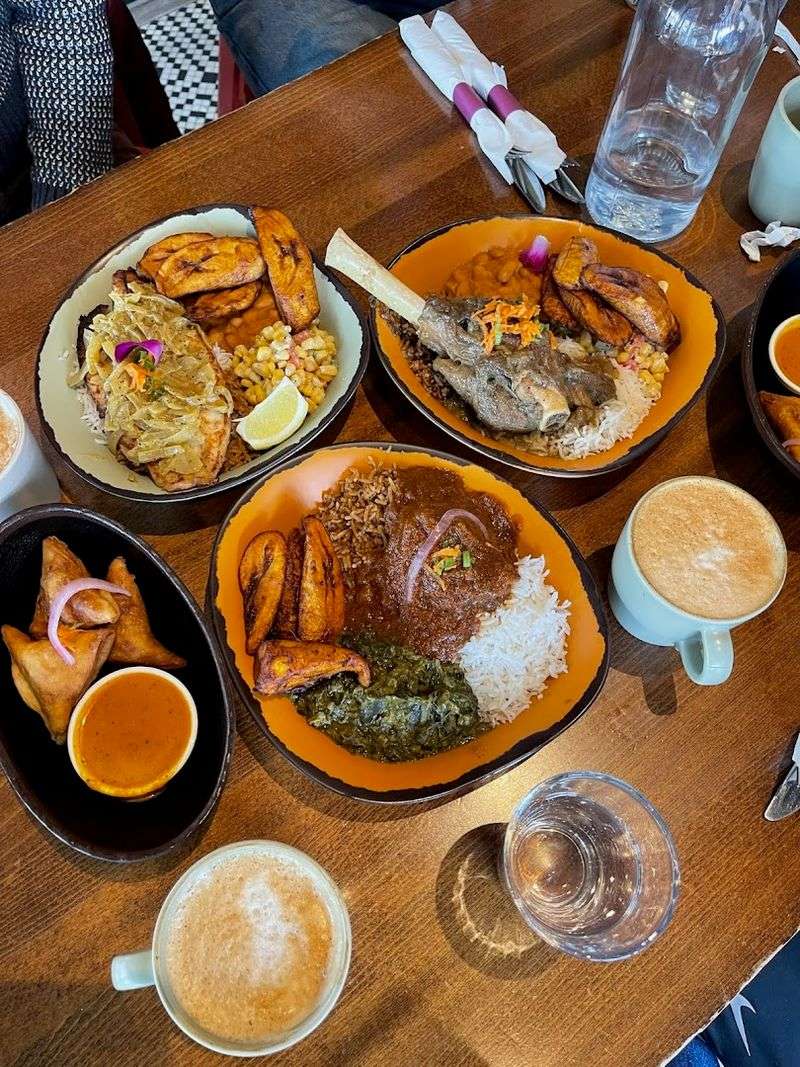
One of the most useful things to know before visiting Baobab Fare is that bold flavor here does not mean punishing spice. The restaurant is widely appreciated for dishes built on warmth, savor, and layered seasoning rather than intense heat, which makes it an easy place to recommend to cautious diners without underselling the food.
You taste complexity first, then comfort. That quality runs through nearly everything, from the tomato-rich Nyumbani to the marinated snapper in Samaki and the slow depth of Mbuzi. Even the sides help tell the same story, whether it is coconut rice softening a plate or peanut-stewed spinach adding earthy richness.
If you have ever avoided a cuisine because you worried it might overwhelm you, Baobab Fare is the kind of restaurant that gently corrects that assumption. The flavors are assertive, but they are also inviting and remarkably steady.
Plan Ahead, Then Linger Over Why It Matters
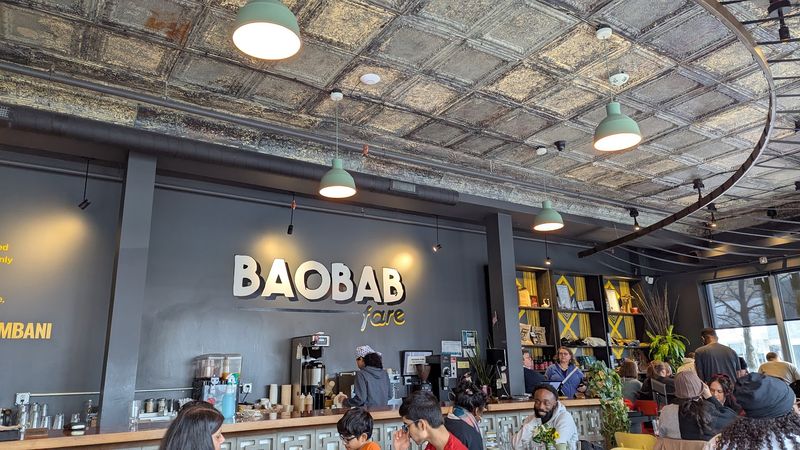
Baobab Fare is open Tuesday through Sunday from 11 AM to 9 PM and closed Monday, which is helpful to know because this is not the kind of place you want to miss on a technicality. It sits at 6568 Woodward Ave Suite 100 in Detroit’s New Center, making it easy to reach if you are already moving through Midtown or along Woodward.
A reservation can be wise when the room is busy. Beyond logistics, what lingers is the sense that the restaurant’s success is earned on several levels at once.
Hamissi Mamba won Chopped in March 2023, and Baobab Fare has also drawn national recognition, including Eater’s Best New Restaurants in America in 2021 and a 2024 James Beard Award semifinalist nod for Outstanding Restaurateur. Those honors matter, but the real hook remains simpler: dinner here feels generous, grounded, and alive.