
This Michigan Sand Dune Adventure Feels Like the Sahara Beside The Great Lakes
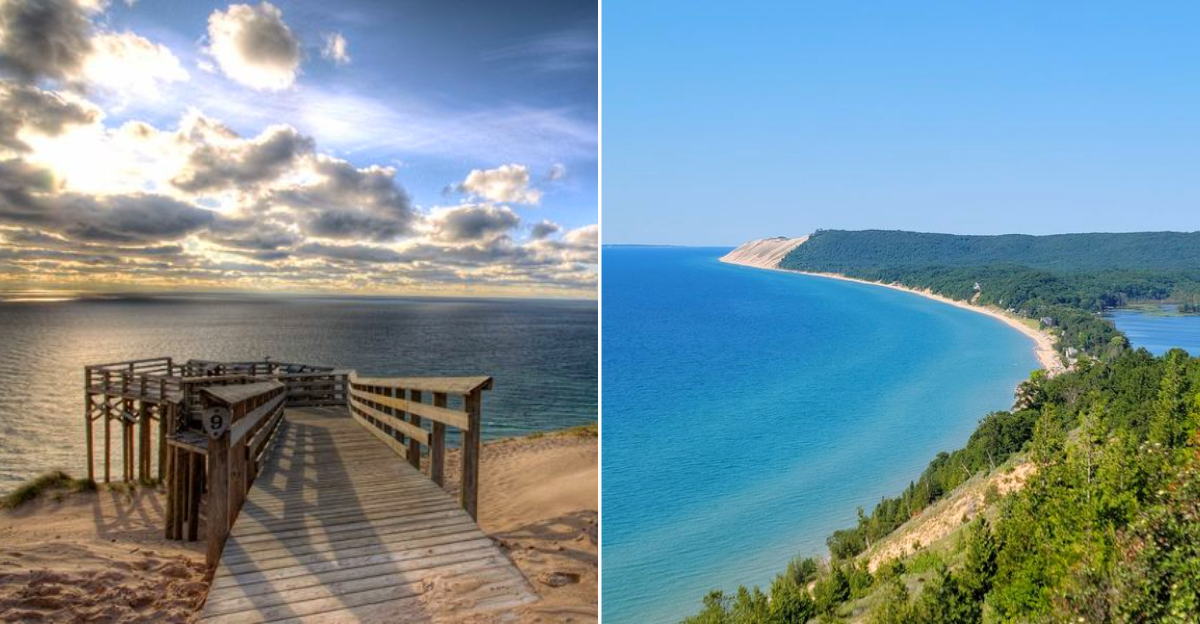
Standing on the edge of these massive, golden overlooks feels like witnessing a geographical glitch, as if a rogue slice of the Sahara decided to take a permanent vacation alongside the chilly blue expanse of Lake Michigan.
Around Empire, the landscape abandons all Midwestern modesty, rising in bright, muscular folds of sand that eventually plunge into deep, ancient forests and silent inland lakes.
The scale of the place is a total head-trip; one moment you’re fixated on the delicate, wind-whipped grasses at your feet, and the next, you’re staring at a horizon so vast it effectively mutes even the loudest tourists.
It is a raw, strangely misplaced wilderness that demands more than just a quick photo op from the parking lot. Experience the breathtaking contrast of towering sand bluffs and crystal-clear water by exploring the most iconic hidden gems within this northern Michigan natural wonder.
Start With The Dune Climb, But Pace It Like A Long Conversation
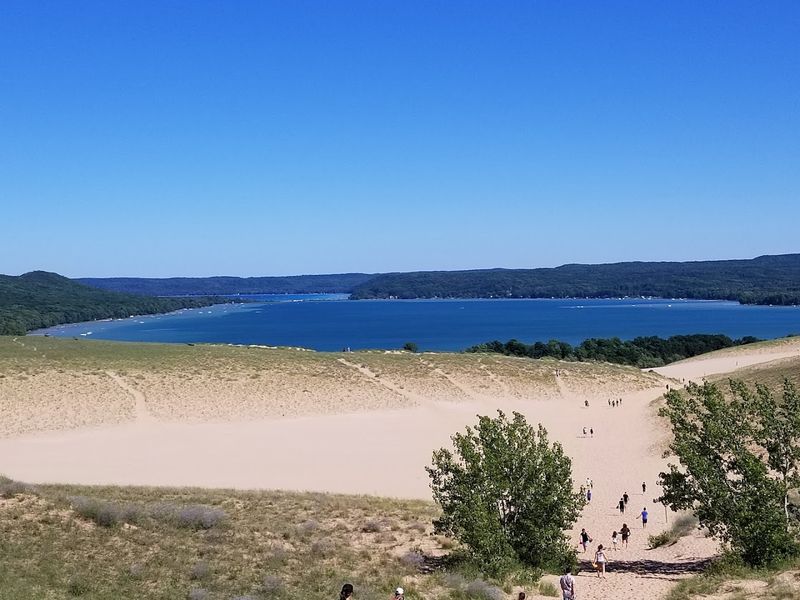
The Dune Climb looks almost playful from the parking area, which is part of its trick. Once your feet hit the loose slope, every step asks for more effort than expected, and the heat reflecting off pale sand adds up quickly. You begin to understand why people talk about false summits here.
This is the park’s most famous experience for a reason, with broad dune ridges and big views toward Glen Lake and Lake Michigan. The full out-and-back toward the water is roughly 3.5 to 4 miles and can take several hours. That range is not exaggeration.
Bring more water than seems necessary, and do not treat turning around as failure. The joy is partly in the changing perspective, not only in reaching the far edge.
The High Road To The Dunes
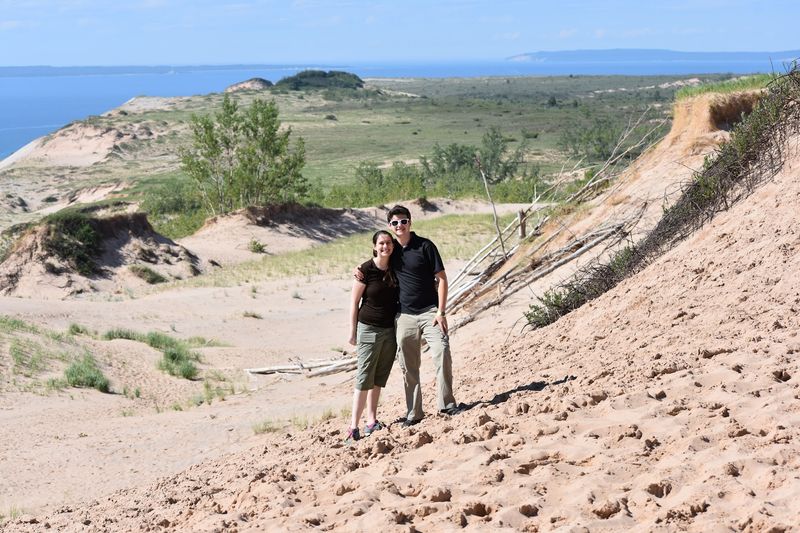
To reach Sleeping Bear Dunes National Lakeshore at 9922 Front St, Empire, MI 49630, follow M-22 or M-72 directly into the village of Empire. This central location houses the Philip A. Hart Visitor Center, where you can secure required park passes and maps before heading to the specific trailheads or dune climbs.
From the visitor center, travel north on M-22 for approximately 2 miles to reach the entrance of the Pierce Stocking Scenic Drive or continue further north to find the Dune Climb. If heading toward the Lake Michigan shoreline and the Empire Bluffs trailhead, follow Wilco Road west from the main intersection in town.
Access to the various overlooks and beach sites requires navigating the scenic park roads branching off M-22. Clear federal signage marks each major turn-off for the Glen Haven Historic Village and North Bar Lake. Parking is available at designated paved lots at each trailhead, though these frequently reach capacity during peak weekend hours.
Use Pierce Stocking Scenic Drive To Understand The Scale
A curving road may not sound like adventure beside a dune field, but Pierce Stocking Scenic Drive is how the landscape starts making architectural sense. The 7.4-mile loop links forest, perched dunes, inland lakes, and the huge open plane of Lake Michigan in a sequence that feels carefully staged by geology. Each overlook resets your sense of distance.
Overlook 9 is the headline stop, perched about 450 feet above the lake, and the height is not abstract when you stand there. Wind, light, and shoreline all seem to stretch wider at once. I found it especially clarifying after walking the dunes on foot.
Go early or later in the day for easier parking and a calmer experience. Popular overlooks reward patience more than haste.
Choose Empire Bluff Trail When You Want Grandeur Without A Slog
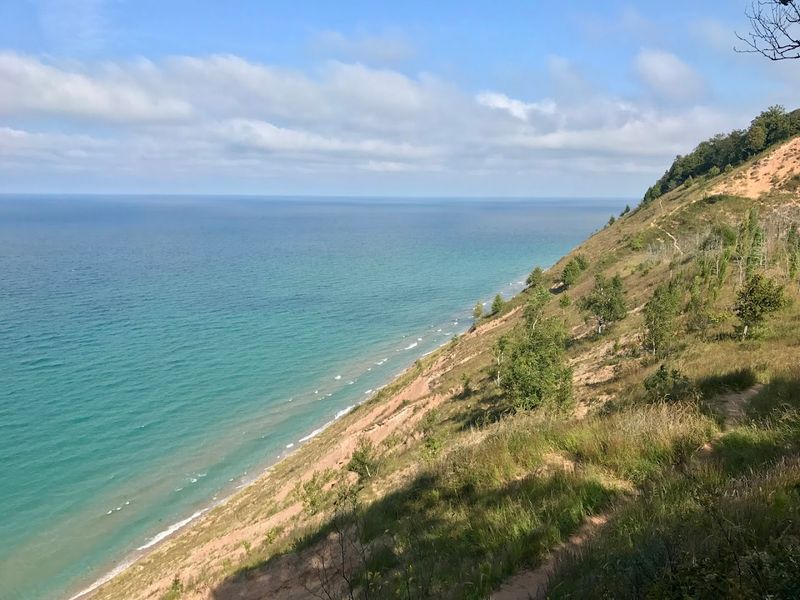
Not every unforgettable view here requires a sand struggle. Empire Bluff Trail offers a moderate 1.5-mile round trip through wooded terrain before opening onto one of the most satisfying overlooks in the park, where Lake Michigan, North Bar Lake, and the Manitou Islands line up with unusual neatness. It feels generous rather than punishing.
The contrast is part of the pleasure. You move through shade, roots, and ordinary forest textures, then arrive at a bluff edge that suddenly widens everything. That reveal has real dramatic timing without demanding half a day.
If your schedule is tight, this is one of the smartest choices around Empire. Bring a layer if the breeze is up, because exposed viewpoints can feel cooler than the trail suggests.
Do Not Let The Famous Spots Crowd Out The Quieter Trails
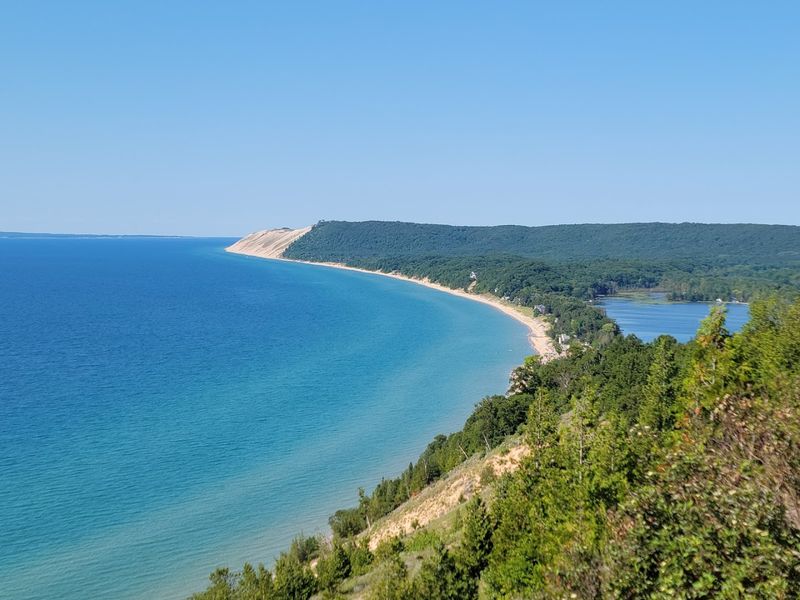
The park’s celebrity sites earn their fame, but some of its character lives on the less theatrical paths. Pyramid Point, Sleeping Bear Point Trail, and Cottonwood Trail each show a different version of dune country, from high arcing views to perched sand formations and interpretive details that explain how this restless terrain works. Variety is the secret strength here.
If you want fewer people around, look into Kettles Trail, Windy Moraine Trail, or Shauger Hill Trail. These routes shift the mood from spectacle to observation, with more room to notice forest edges, glacial forms, and the quiet mechanics of the landscape. The park becomes less iconic and more personal.
I like pairing one marquee stop with one quieter trail. That balance keeps the day from feeling over-scripted.
Treat The Dunes As Fragile Ground, Not A Giant Sandbox
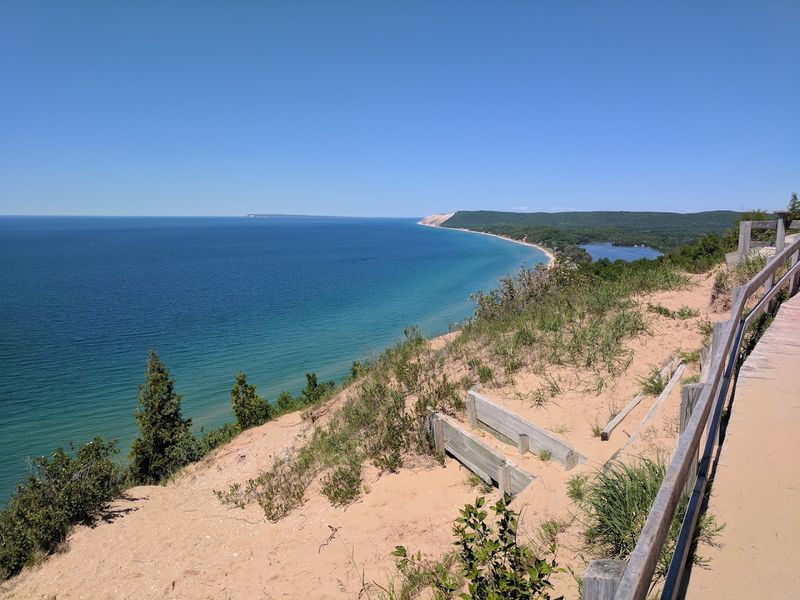
The visual drama of Sleeping Bear can make it seem indestructible, but dunes are surprisingly vulnerable systems. Wind, vegetation, and sand movement exist in a delicate negotiation, and repeated trampling off designated routes accelerates erosion in places that already live on the edge of change. The landscape is tough and fragile at the same time.
Staying on marked trails is not park bureaucracy for its own sake. It protects dune grasses, helps hold slopes together, and reduces damage to habitats that look sparse only until you notice how much life is actually there. Preservation here is practical, not ceremonial.
It also matters that these lands are on Odawa traditional homelands and carry cultural significance. Respect should be visible in where you step, not only in what you say.
Plan Your Timing Like Someone Who Enjoys Peace And Parking
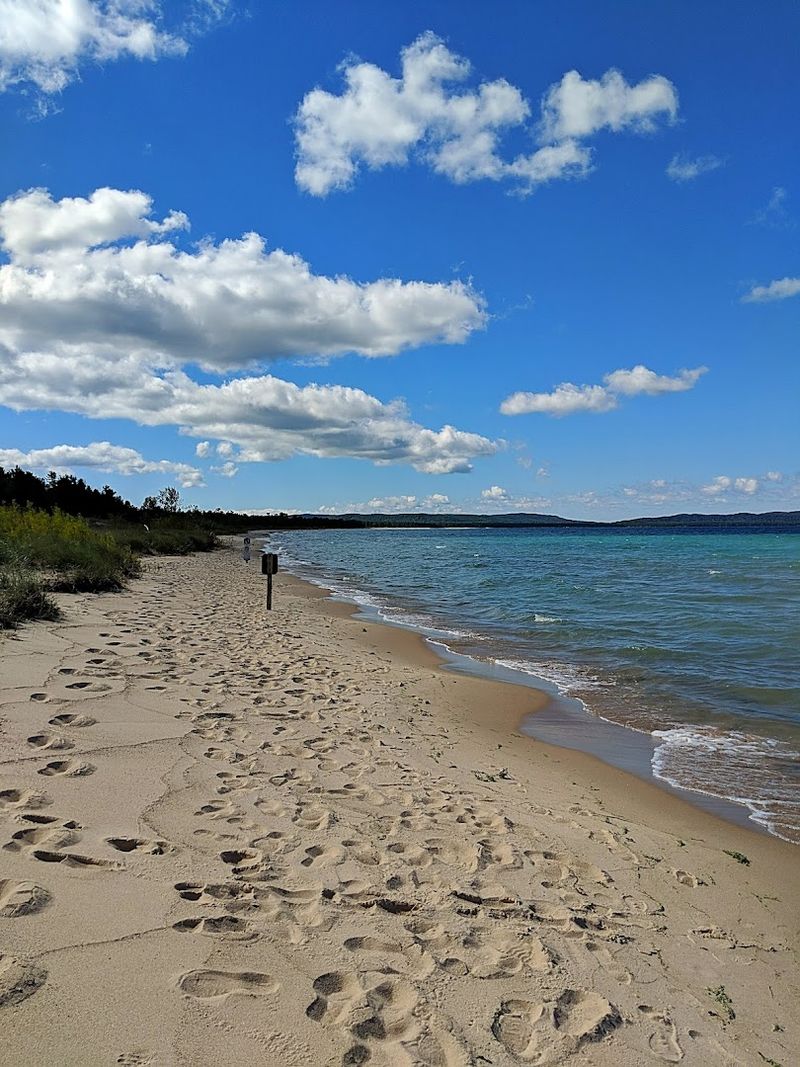
Sleeping Bear is at its most persuasive when you have a little room around you. Popular areas like the Dune Climb and Pierce Stocking Scenic Drive fill up quickly, especially in summer, so arriving before 10 a.m. or later after 4 p.m. can change the entire texture of the visit. The same place feels more breathable.
There is also a practical side to this strategy. Easier parking, cooler temperatures, and softer light all improve the experience before you have taken a single step. Buying your entrance pass online in advance removes one more small friction point from the day.
Check current conditions on the National Park Service site before you go. Closures, weather shifts, and seasonal changes matter more here than casual photos may suggest.
Let The Water Reset Your Legs And Your Perspective
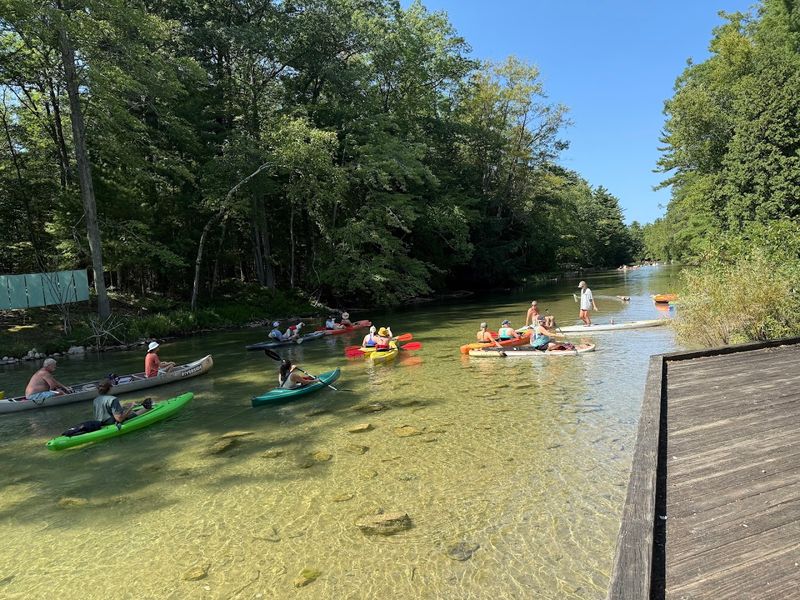
After climbing sand, water feels almost medicinal. The Platte River and Crystal River offer calm paddling that leads toward inviting shoreline scenery, and the contrast between muscular dune terrain and easy-moving river water reveals how varied this lakeshore really is. Your body notices the switch immediately.
What I appreciate most is the change in tempo. On foot, the dunes ask for effort and attention to footing; on the water, the park becomes quieter, flatter, and somehow more spacious. You trade vertical drama for a long exhale, which is a very fair bargain.
If your itinerary allows, pair a dune walk with a paddle on the same day. That combination gives a fuller understanding of the park than repeating two scenic overlooks ever could.
Stay For Sunset, Then Keep Going Into The Dark
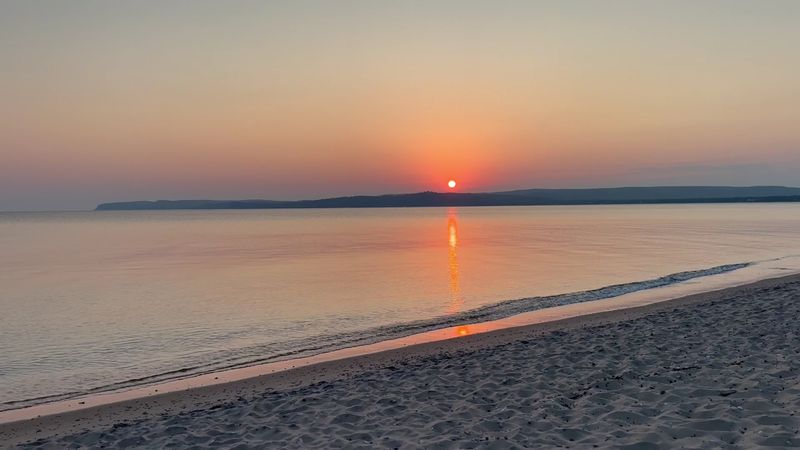
By day, Sleeping Bear dazzles in broad bright strokes, but evening brings out its subtler talent. Sunsets from overlooks along Lake Michigan can be spectacular, especially when the sky holds layered cloud, and once darkness settles the park’s relatively dark night skies become part of the main event. This is where the place turns quietly cosmic.
On clear nights, the Milky Way can be visible, and Northern Lights are sometimes possible when conditions cooperate. The National Lakeshore also hosts astronomy programs at times, which is useful if you like your wonder accompanied by actual explanation. Science and awe coexist nicely here.
Bring extra layers and a patient attitude. Night rewards people who stop trying to hurry beauty into appearing.
Notice How The Dunes Keep Changing Your Sense Of Distance
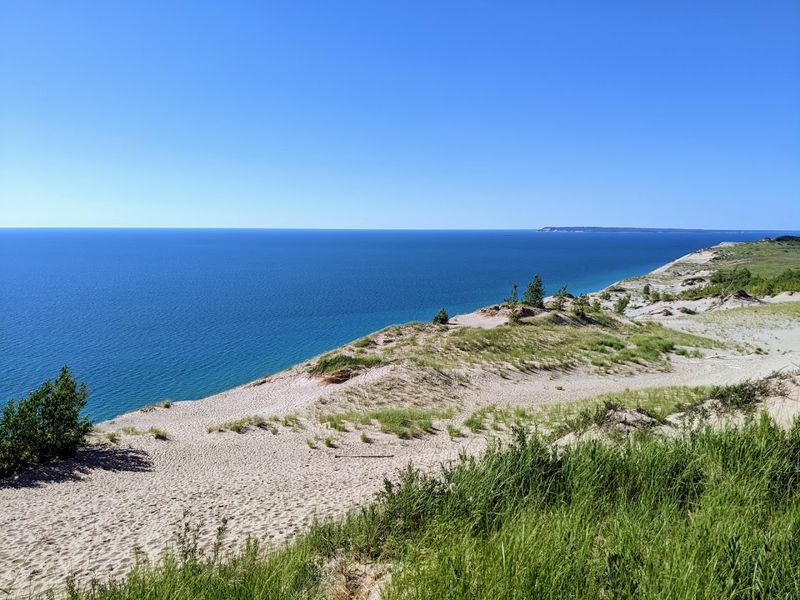
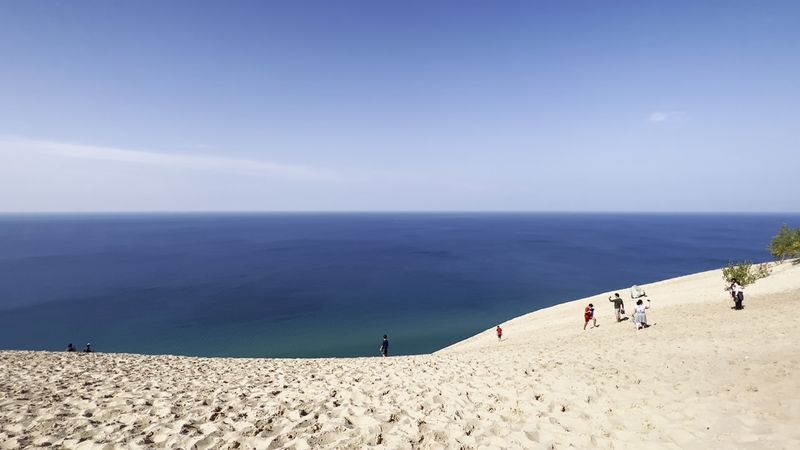
One of the strangest pleasures here is how badly your eyes estimate the terrain. What appears to be a short final push often reveals another ridge, then another, and the broad openness makes distances feel both compressed and endless at once. The dunes play fair physically, but not visually.
That distortion shapes the emotional experience as much as the geography does. You learn to stop measuring progress only by obvious endpoints and start reading smaller markers instead: a change in wind, a new view line, a patch of grass holding its ground. The landscape teaches patience by mild deception.
If morale dips, pause and look back. The reverse view often restores perspective better than any pep talk, because it shows how much ground you have actually covered.
Remember That Empire Is The Gateway, But The Dunes Are The Real Conversation
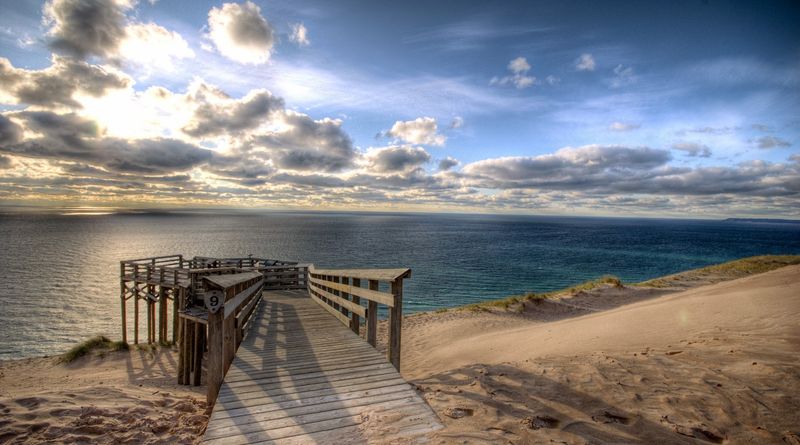
Empire gives the lakeshore a practical foothold, but once you are inside the park, the main conversation is between sand, water, forest, and time. That is why the place lingers. It is not just scenic in the usual sense; it is full of odd pairings that should clash yet somehow feel completely resolved.
You get desert-like slopes beside a Great Lake, cool inland waters near exposed bluffs, and dense green woods just behind wind-shaped openness. Few Midwestern landscapes pivot between moods this quickly without feeling disjointed. The result is vivid rather than confusing.
My best advice is simple: leave some empty space in the schedule. Sleeping Bear rewards attention, and attention needs a little unclaimed time to do its work.