
This Michigan Shipwreck Museum Stands Beside Lake Superior’s Most Treacherous Waters
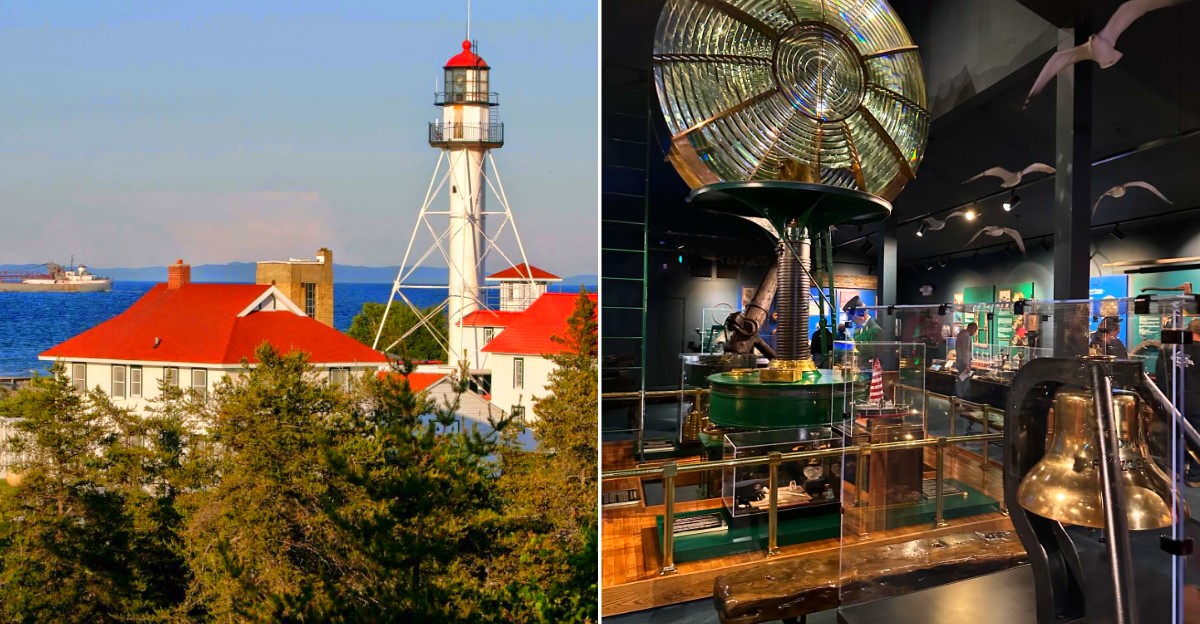
The actual bell from the Edmund Fitzgerald hangs inside a museum on a remote Lake Superior point. Every November 10, it rings 30 times in honor of the crew and all mariners lost at sea.
That bell sits a short walk from water that has swallowed more than 200 ships. The Fitzgerald itself went down only about 17 miles from this shore in 1975. I can’t imagine standing that close to the story without feeling a chill.
The grounds also hold the oldest operating lighthouse on Lake Superior. It has been flashing since 1861, back when Abraham Lincoln was president. I like how the light still does its job while the museum tells the stories around it.
Michigan has plenty of lighthouses and plenty of beaches. How many of them sit at the exact turning point where Lake Superior earned its scariest nickname?
Eleven Miles North Of Paradise, The Lighthouse Appears
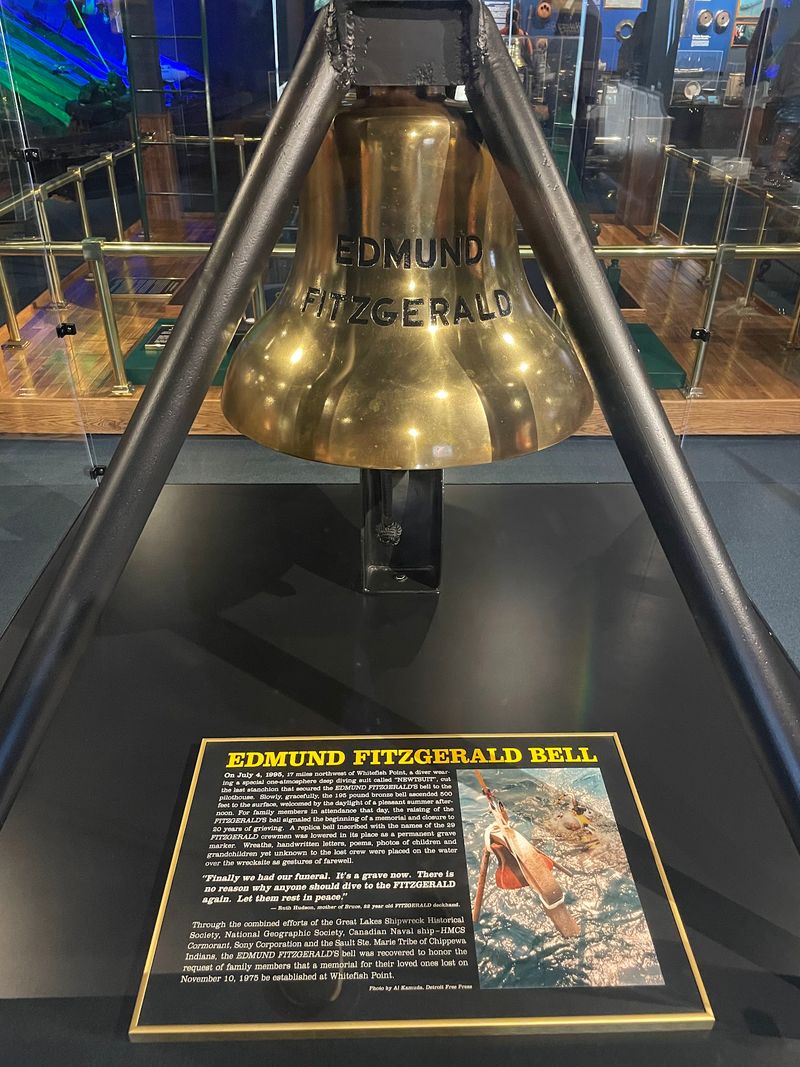
The Great Lakes Shipwreck Museum is at Whitefish Point near Paradise, Michigan. From Interstate 75, take the M-123 route toward Paradise, then continue north on Whitefish Point Road for approximately eleven miles.
The Whitefish Point lighthouse and cluster of historic rescue-station buildings mark the end of the road. The museum campus sits near the Lake Superior shoreline rather than in downtown Paradise.
Park in the designated visitor area and enter through the museum’s admissions point for the exhibits and historic buildings. The museum’s regular season is May 1 through October 31, so plan an indoor visit for its next opening season.
Over 200 Wrecks Rest Just Off This Shore
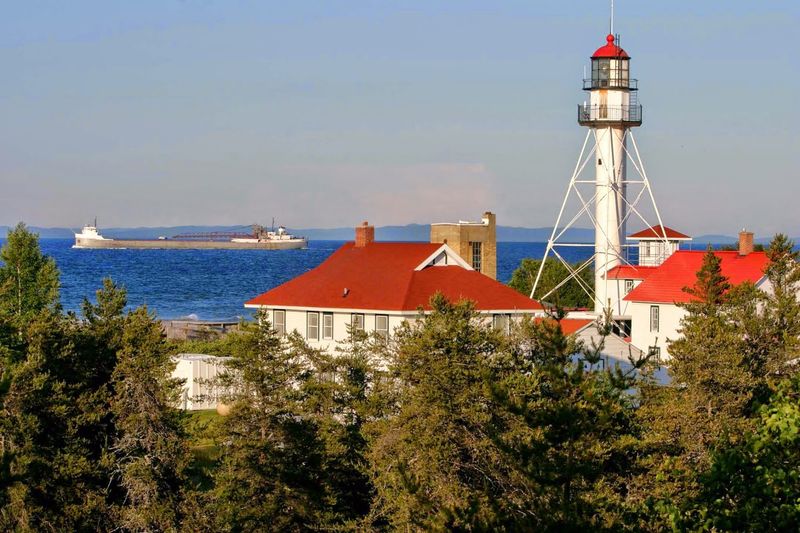
Lake Superior holds about 550 known major shipwrecks. More than 200 of them lie near Whitefish Point, right outside the museum’s front door.
The reason comes down to location. Whitefish Point marks the key turning point for every ship entering or leaving Lake Superior.
The 80-mile stretch of shore heading west earned two grim nicknames. People call it Lake Superior’s Shipwreck Coast and the Graveyard of the Great Lakes.
Traffic exploded after the first lock on the St. Marys River opened in 1855. More ships meant more storms to face and more collisions in crowded water.
The coast claimed at least 240 ships between the Invincible in 1816 and the Fitzgerald in 1975. That’s a long, rough record for one corner of Michigan.
Knowing this changes how the view looks from the beach. Calm water on a sunny day suddenly feels a lot less innocent.
Since 1987, the Whitefish Point Underwater Preserve has protected wrecks across 376 square miles of lake bottom. It’s one of the last Great Lakes spots where wrecks remain free of zebra mussel crust.
Artifacts And Ship Models Fill The Main Gallery
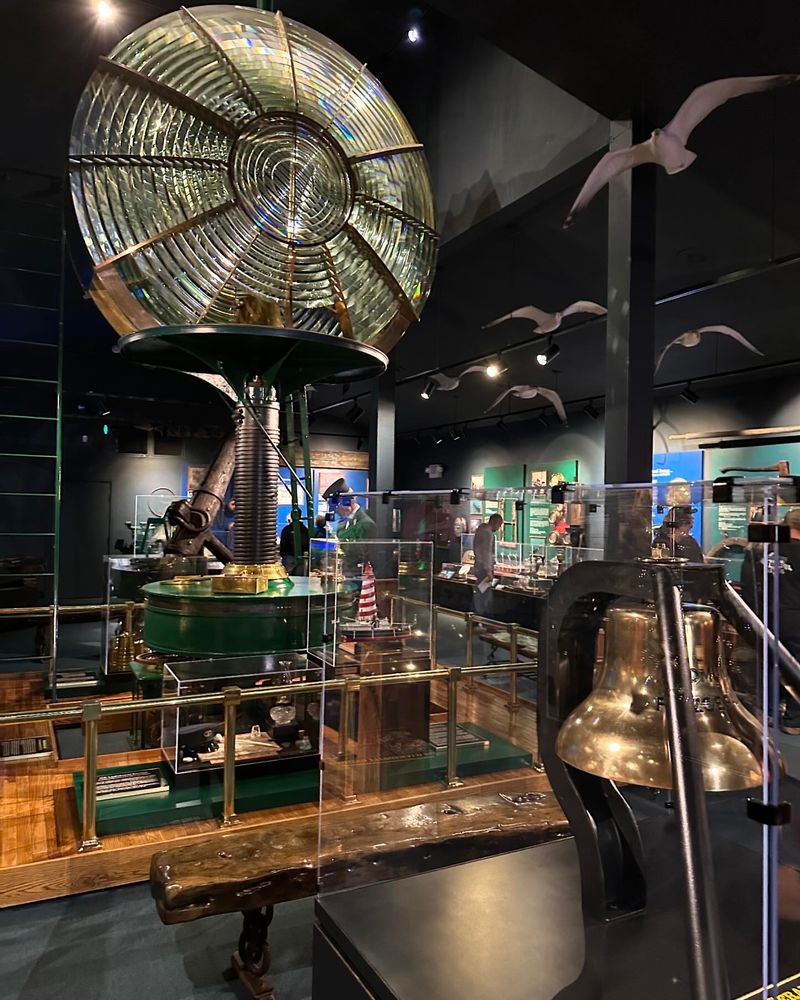
Shipwreck legends get a lot more vivid when the actual pieces sit inches from your nose. The main gallery packs in recovered artifacts, artwork, and detailed ship models.
Each display tells a story about a vessel and the people aboard. The focus stays on crews and the circumstances that sent their ships to the bottom.
The gallery also shows how ships changed over time. It’s a smart way to understand why some designs fared better against Superior’s moods.
The museum building went up in 1986 and opened in 1987. The group behind it began much earlier, though.
The Great Lakes Shipwreck Historical Society formed in 1978. Divers, teachers, and educators started it to honor those lost and document wrecks.
That mission hasn’t slowed down. Each year, the society searches for historic wrecks aboard its 47-foot Research Vessel David Boyd.
So the stories here aren’t frozen in time. New discoveries keep adding chapters, which is pretty exciting for a museum about sunken ships.
Give yourself time to read the labels. The best details often hide in the small print.
A Lighthouse That’s Been On Duty Since Lincoln
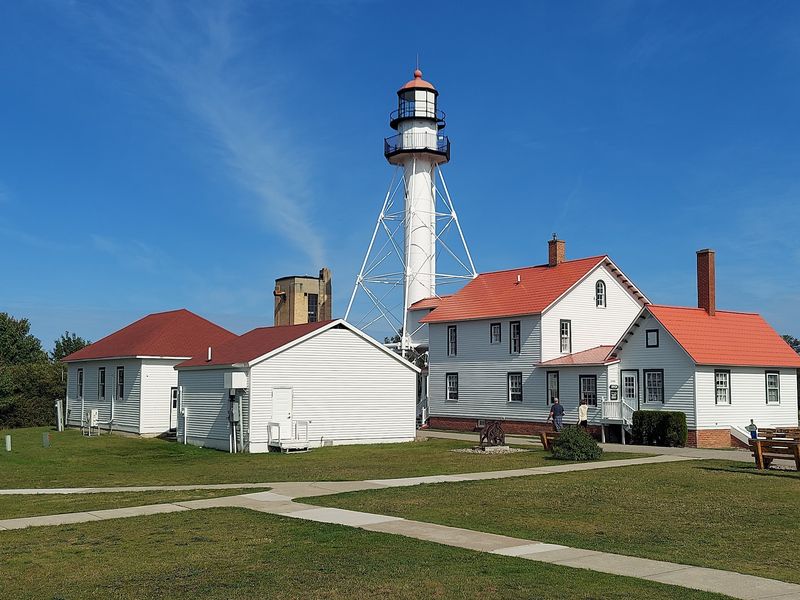
Talk about job security. The Whitefish Point Light Tower has run continuously since 1861, making it the oldest operating lighthouse on Lake Superior.
Congress first set up the light station back in 1849. The current tower came along during Abraham Lincoln’s administration.
The whole site now appears on the National Register of Historic Places. That status recognizes just how much maritime history packs into this point.
The museum’s operators leased the station from the U.S. Coast Guard in 1983. Exhibits first opened to the public in 1985.
Then in October 1996, the site moved fully into the Shipwreck Society’s ownership. That legislative transfer helped protect the station for future visitors.
The light still guides ships around this dangerous turn today. It’s a working piece of history, not just a pretty prop.
Bring a camera and catch the tower from a few angles. Its tall frame against the Michigan sky makes a striking photo.
Standing near it, you realize how many sailors once searched for this exact glow. That’s a humbling thought on a breezy afternoon.
Peek Into How A Lightkeeper’s Family Lived
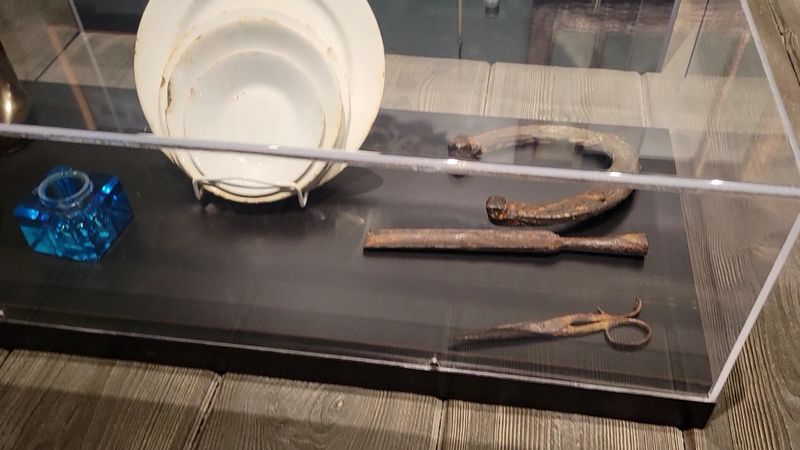
Living at a remote lighthouse sounds romantic until you think about the winters. The restored 1861 USLHS Lightkeeper’s Quarters shows what daily life really looked like here.
Visitors can explore the home on a self-guided tour. Inside, period furnishings, exhibits, and artifacts fill the rooms.
The setup helps you picture a keeper’s family going about their routines. Meals, chores, and long nights all happened right beside the light.
Self-guided means you set the pace. Linger in a favorite room or move along when curiosity points elsewhere.
Kids often connect with this building more than a gallery. Seeing a real family home makes history feel less like a textbook.
The quarters sit close to the light tower itself. That short distance says a lot about how tied the family was to the job.
Look closely at the furnishings and imagine the view in a November gale. Cozy suddenly takes on a whole new meaning.
It’s one of the more personal stops on the grounds. Families lived here, after all, not just workers punching a clock.
Rescue Boats And A Moving Short Film Await
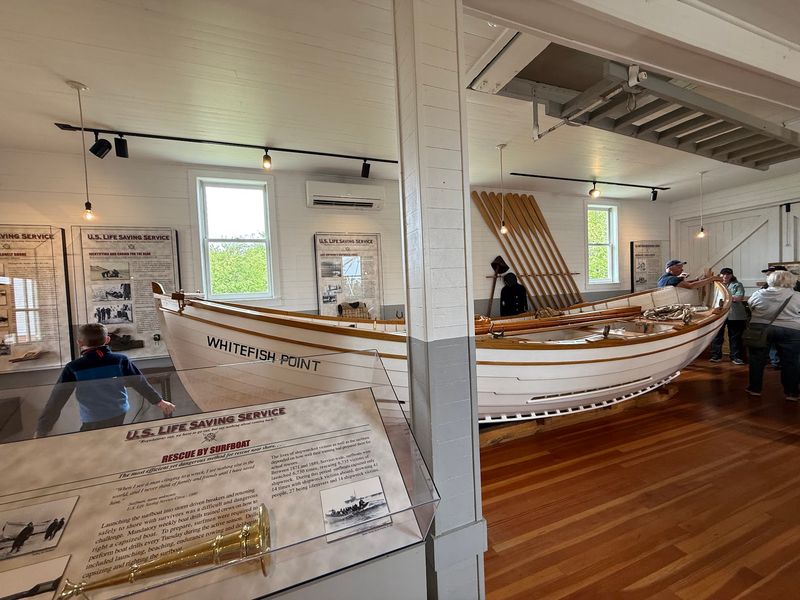
Brave crews once rowed straight into Superior’s storms to save sailors. A few historic buildings on the campus honor that gutsy work.
The 1923 Surfboat House holds exhibits and a full-size replica of a Beebe-McClellan 26-foot surfboat. Seeing its size makes those rescues seem even bolder.
Next door, the 1923 USCG Motor Lifeboat House shelters Motor Lifeboat CG 36381. It’s a sturdy reminder of how rescue gear improved over time.
That same building also includes a video theater. A 14-minute documentary about the Edmund Fitzgerald plays there.
Catching the film before the main gallery can add helpful context. It also gives tired legs a chance to sit for a bit.
Elsewhere, a lookout tower first built in 1923 once supported a 24-hour watch. It was restored and moved to its current spot.
The 1920 U.S. Navy Radio Building has been restored too. Together, these structures tell a bigger story than any single exhibit could.
Walking between them feels like moving through chapters. Each building adds a new layer to life at the point.
The Boardwalk Serves Up Freighters And Big Views
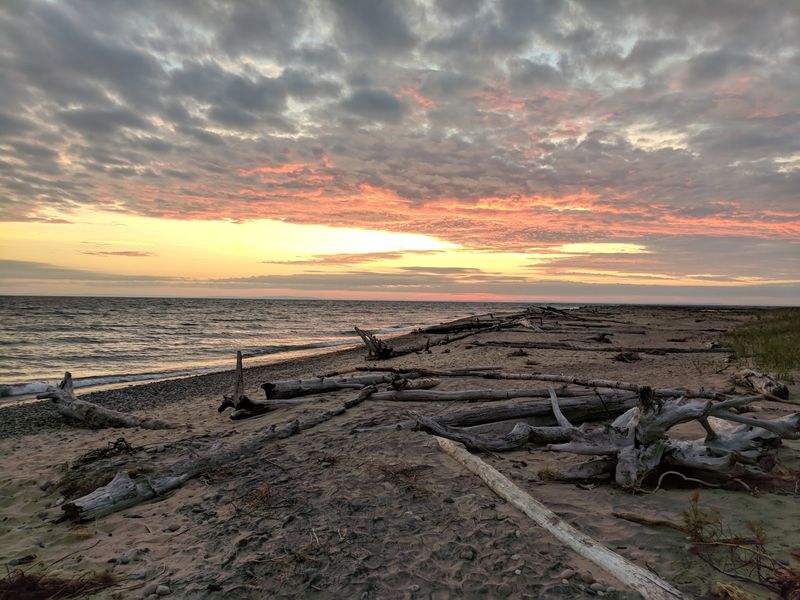
Here’s a fun goal for a clear day: spotting Canada. From the boardwalk, you might see the Laurentian Mountains across the water in Ontario.
Built in 1998, the barrier-free boardwalk offers easy public access to the shoreline. Stairs lead down to the beach for anyone ready to roam.
The views stretch wide across Lake Superior. Passing vessel traffic adds a bonus show for anyone with patience.
Whitefish Point ranks as a prime place for freighter spotting. Watching a giant ship make that famous turn feels extra meaningful after the museum.
The beach invites a slow stroll too. Pack layers, since the wind off Superior can surprise you even in summer.
Families often split time between the exhibits and the shore. It’s a handy way to keep restless kids happy.
Food options nearby are limited, so a packed lunch makes sense. A picnic with this backdrop beats most restaurant views anyway.
Bring binoculars if you own a pair. Freighters, distant hills, and shimmering water all look better up close.
Birders Flock Here For Good Reason
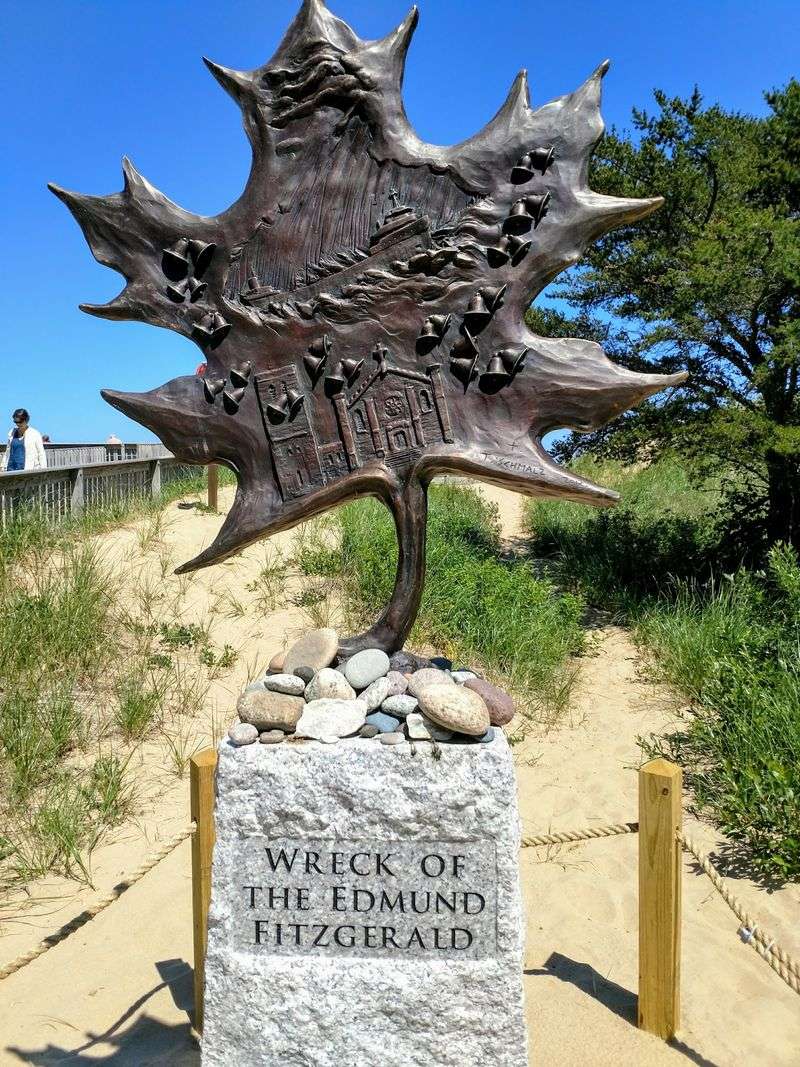
Ships aren’t the only travelers that turn at Whitefish Point. Migrating birds use this spot as a major route too.
The Whitefish Point Bird Observatory sits nearby, drawing bird lovers throughout the season. It pairs nicely with a museum visit if you enjoy nature.
Think of it as a two-for-one trip. Morning history can roll right into an afternoon of wildlife watching.
The location makes sense for birds just like it does for ships. The point juts into the lake and acts as a natural guidepost.
Even casual visitors can enjoy the scene. You don’t need fancy gear to appreciate wings over open water.
A simple field guide or bird app can help name what you spot. Kids tend to love the challenge of checking species off a list.
Remember to give wildlife space and keep voices low. The birds came for a rest stop, not a crowd.
Combining birding with shipwreck history shows how busy this point really is. Something is always arriving or leaving, whether it floats or flies.
Plan Your Trip Around The Season And The Store
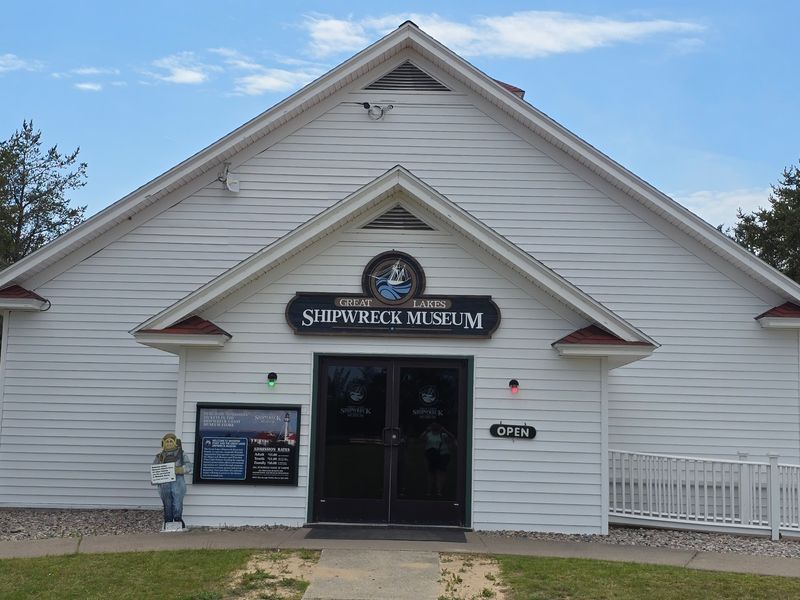
Timing matters at the Great Lakes Shipwreck Museum. It opens daily from May 1 through October 31, from 9 AM to 5 PM.
Outside that window, the exhibits stay closed. Mark your calendar before planning a drive to the far end of Michigan’s Upper Peninsula.
Set your GPS for 18335 North Whitefish Point Road, Paradise, Michigan 49768. The road ends near the tip of the point, so you can’t miss it.
Leave room in your schedule, since multiple buildings deserve attention. A couple of hours feels like the bare minimum for exhibits and the beach.
Before heading home, swing through the Shipwreck Coast Museum Store. It sits in a newer building right on campus.
The shelves carry maritime clothing, books, videos, and souvenirs. You’ll also find original art, prints, models, and games.
Can’t make the trip this year? An online store runs year-round, and another branch operates at the U.S. Weather Bureau Building in Sault Ste. Marie.
Either way, a little piece of the Shipwreck Coast can come home with you. Just maybe not the storms.