
This Michigan Small-Town Grill Has a Weekday Rush Locals Don’t Talk About Much
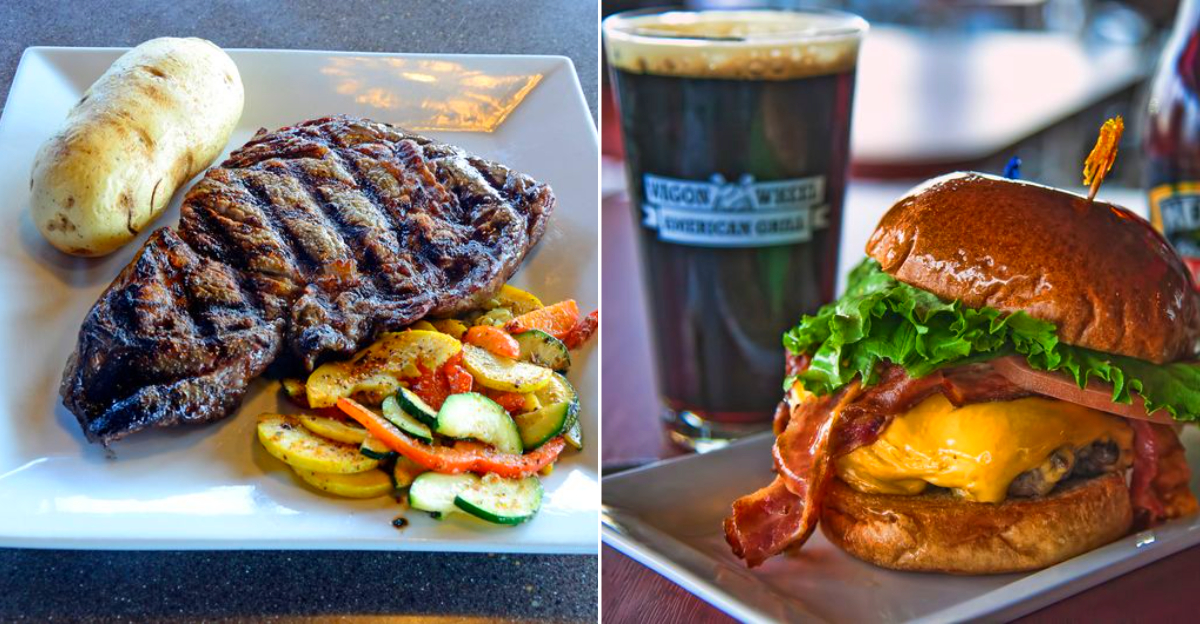
Weekdays in Portland feel calm until the clock slides past 11 AM and the parking lot outside Wagon Wheel begins to hum. I’ve always loved how the bowling pins stay mostly quiet while the dining room fills with the local lunch crowd.
You can smell the pizza ovens working hard and hear servers trading quick hellos like neighbors across a fence. To me, this place is the real heartbeat of the town, where the atmosphere feels as reliable as a well-worn pair of boots.
If you want to beat the rush and eat well, you’ll want to eye those daily specials or grab a booth near the windows. I usually point people toward the “Lumpy Wheel” or a burger if they want a meal that feels like a warm hug on a Tuesday.
Expect plates of beer-battered cod or a thick olive burger served with a side of genuinely friendly conversation. There is something about the clatter of silverware against the backdrop of a 1940s-era bowling alley that just makes the food taste better.
Whether you’re stopping in for a quick sandwich or lingering over a basket of wings, you are stepping into a local legend. It’s the kind of spot where the coffee stays hot and nobody is in a particular hurry to see you leave.
Pack a little extra time to just soak in the vibe of a community anchor that has been keeping Portland fed since 1947. Once you find your favorite seat, you’ll see why this corner of Grand River Avenue is the only place to be at noon.
Arrive Five Minutes Before Opening
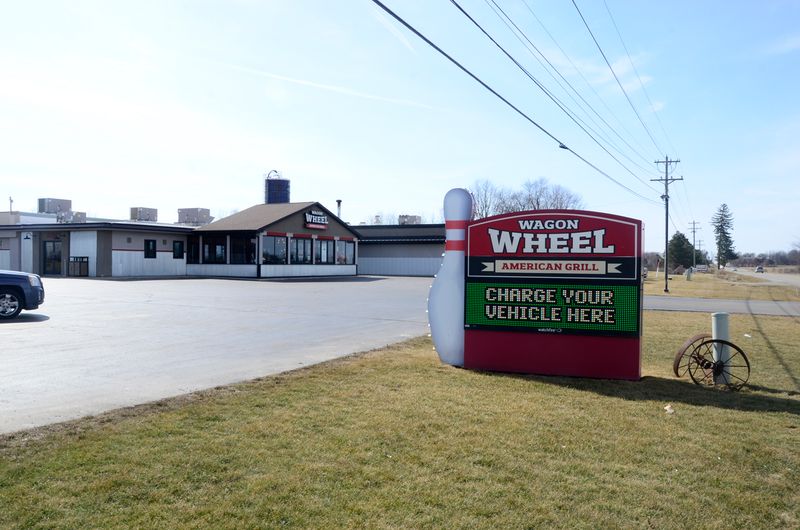
There is a noticeable shift outside the building just before eleven, when the light changes and cars begin pulling in with quiet certainty. Nobody rushes, but nobody hesitates either, which tells you this timing has been practiced many times before.
The exterior along Grand River Avenue feels practical and grounded, with no visual noise asking for attention. It looks like a place designed to be used often, not discovered once, and that intention carries through the front door.
Arriving five minutes early lets you step into a dining room that is still calm, where chairs are being set and the first conversations are just starting. You hear the kitchen warming up rather than racing, and the staff moves with focus instead of urgency.
This small window gives you space to choose a seat, glance at the board, and orient yourself without pressure. It also places you ahead of the wave that arrives right on the hour.
By the time the room fills, you are already settled, ordered, and watching the rhythm take shape from the inside rather than the line.
Start With The Salad Bar Strategy
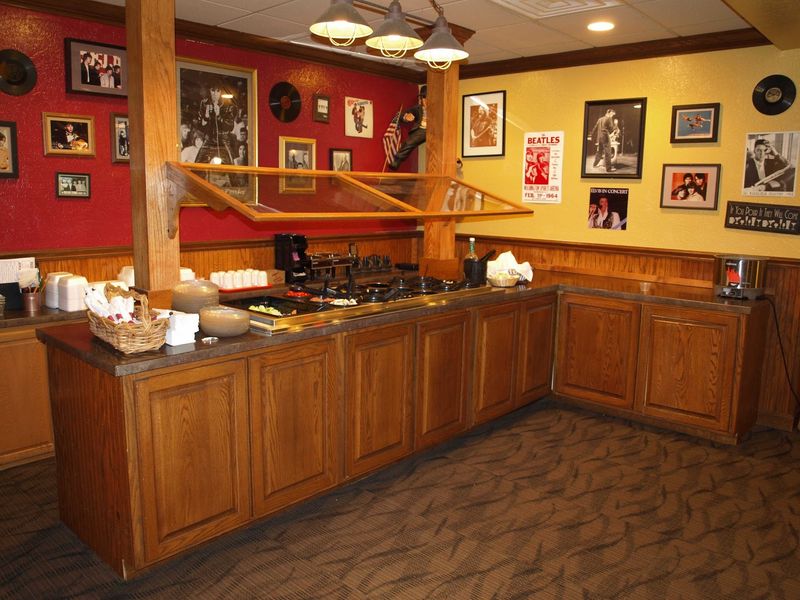
The salad bar presents itself quietly, clean and orderly, without trying to compete for attention. Crisp lettuce, familiar toppings, and classic dressings are arranged for efficiency rather than experimentation.
By noon, it draws a short but steady line, especially from regulars who understand its role in the meal. This is not about filling up, but about setting a balanced pace.
Wagon Wheel’s portions are known to be generous, which makes restraint here a smart move. A measured plate leaves room for what is coming while still giving you something fresh and grounding.
Locals move through quickly, build with intention, and return to tables where servers can see them easily. There is a practiced quality to the whole motion.
Starting here buys time for oven orders, keeps your appetite steady, and helps you settle into the room before the lunch rush closes in around your table.
Prime Rib Night Timing

You usually notice prime rib night before you see it, because the smell carries through the room in slow, confident waves. Heads turn subtly as plates pass, and the atmosphere shifts just enough to register.
This dish carries history with it, tied to winter evenings, family meals, and long-standing habits that repeat year after year. Its presence alone can change the flow of an otherwise quiet weekday.
When prime rib is available, timing matters more than speed. Calling ahead and arriving early keeps the experience calm instead of compressed.
The kitchen handles it with care, focusing on temperature, rest, and consistency rather than volume. That patience shows when the plate lands.
Handled well, prime rib turns an ordinary evening into something slower and more deliberate, the kind of meal that makes the rest of the day feel less urgent.
Olive Burger, No Shortcuts
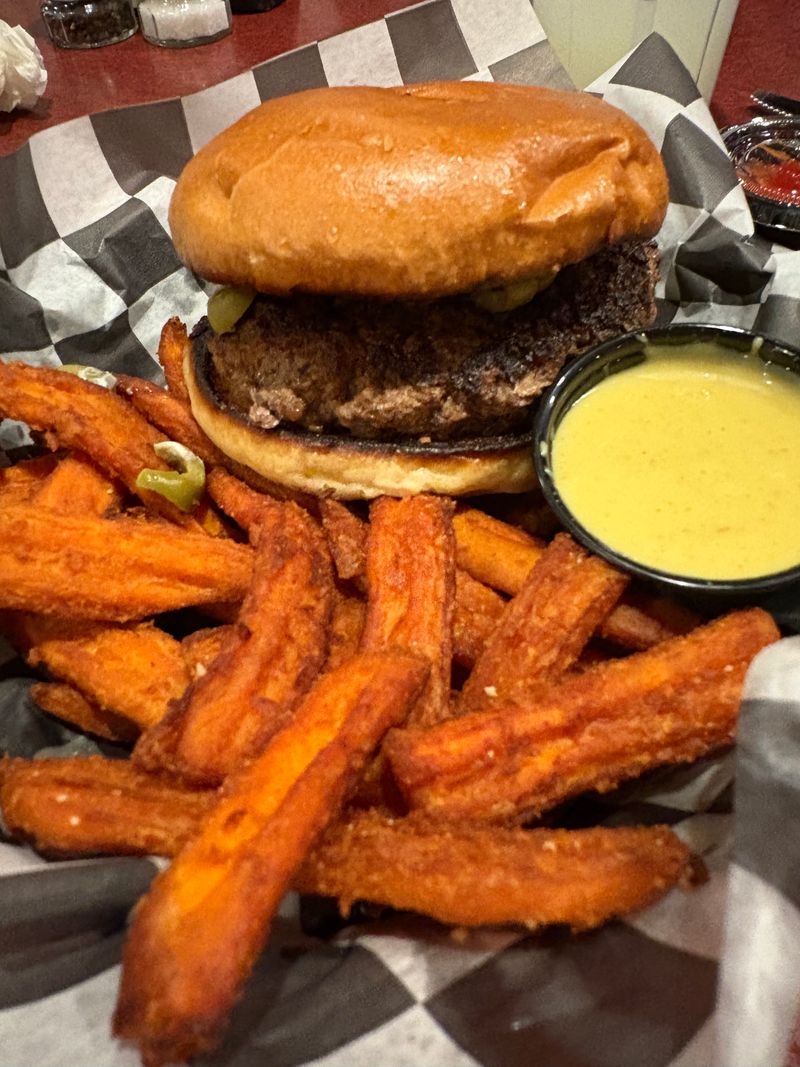
The sound of the patty hitting the flat top cuts cleanly through the room, sharp and familiar. A moment later, the smell follows, rich with beef and the sharp edge of olives.
Michigan’s olive burger tradition runs deep, and this version respects that lineage by keeping things focused. Nothing competes for attention, and nothing feels unnecessary.
The olive spread leads with salt and brine, balanced by the beef rather than softened by it. When tomatoes are out of season, skipping them keeps the flavor clean.
During a busy lunch, fries may need a well-done request to stay crisp, and that small adjustment pays off. Texture matters here.
When everything lands properly hot, the combination slows you down naturally, creating a meal that feels complete without asking for explanation.
Flatbreads From The Hot Oven
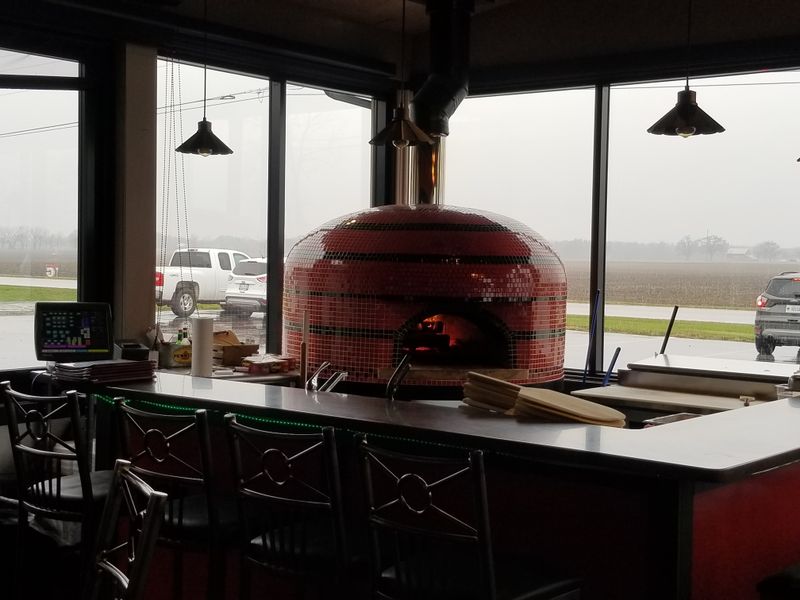
On busy days, the ovens become the quiet backbone of the kitchen, releasing steady waves of toasted crust into the room. You notice it most when other stations feel under pressure.
Flatbreads benefit from that reliability, cooking evenly and moving smoothly even as ticket volume climbs. Options like the Popeye or BBQ pork have built quiet followings.
There is a practical history behind their place on the menu, shaped by feeding mixed groups efficiently. Flatbreads solve timing problems without sacrificing quality.
Ordering one during peak hours keeps your wait predictable, especially when burgers are stacking up behind the scenes. The kitchen stays ahead instead of catching up.
Served cleanly cut and easy to share, flatbreads help tables stay relaxed when the room is at its busiest.
BBQ Ribs And Vegetable Medley
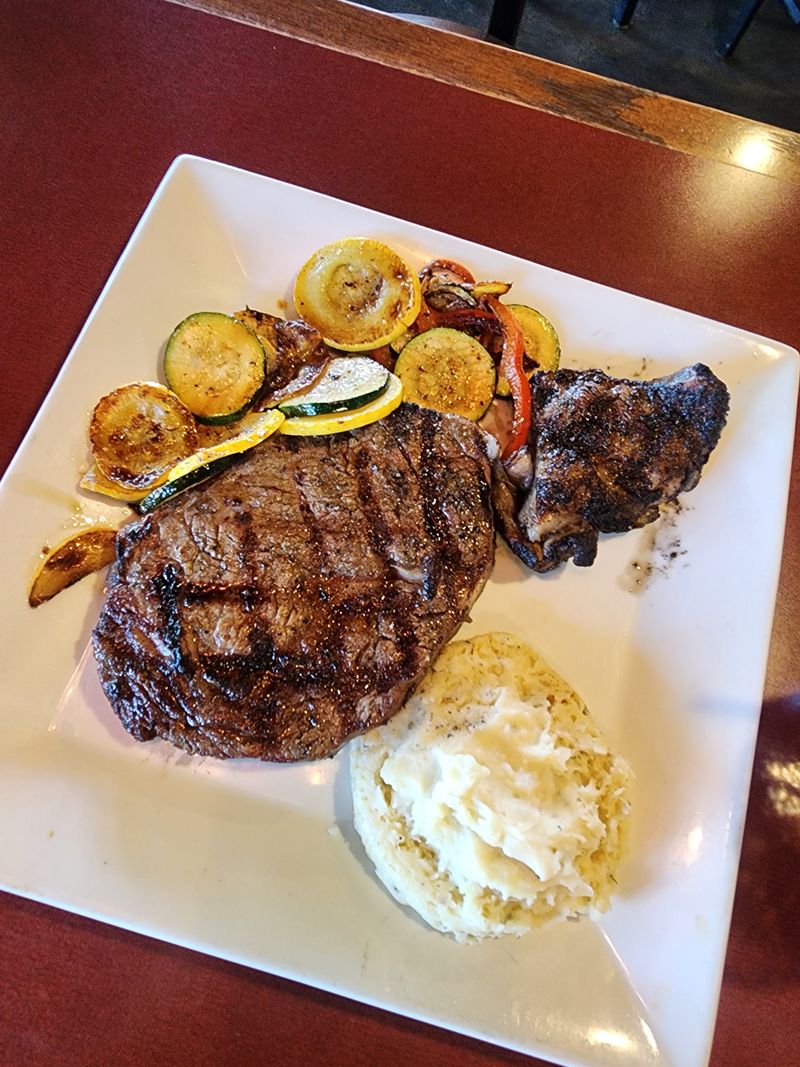
The ribs arrive quietly, but they hold the table’s attention the moment the plate is set down. There is a subtle sheen to the glaze, not glossy or sticky, just enough to suggest time spent managing heat rather than rushing through it.
Before the first bite, the smell does some of the work. It carries a balance of smoke and sweetness that feels restrained, signaling a kitchen that knows exactly where to stop instead of how far it can push.
When you pull at the bone, the meat releases cleanly without collapsing. That texture tells you more than any description could, because it points to careful temperature control and a willingness to let the ribs finish on their own schedule.
The vegetable medley alongside the ribs matters more than it might seem at first glance. Zucchini, squash, and peppers are cooked just until tender, still holding color and shape instead of fading into softness, even during the busiest lunch stretch.
This plate naturally slows the meal down. Bites stretch out, napkins accumulate, and conversation takes on a longer rhythm, turning a weekday lunch into a pause that feels deliberate rather than incidental.
Pizza When The Lanes Are Quiet
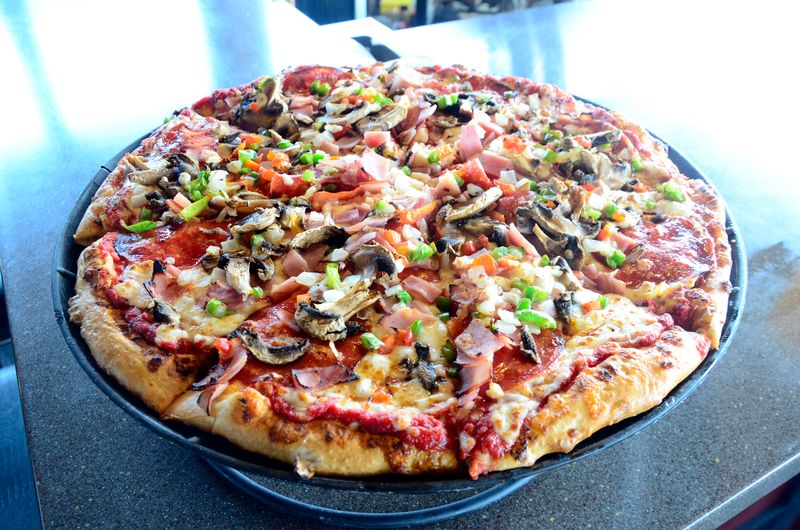
The faint mechanical hum from the bowling alley never fully disappears, but when the lanes are quiet, the dining room settles into a noticeably calmer state. In those moments, pizza becomes one of the most dependable orders in the building.
The crust arrives evenly baked, firm enough underneath to support the toppings without becoming brittle. Cheese pulls cleanly, and each slice holds its shape when lifted, a small detail that speaks to repetition and control.
Pizza works especially well for mixed tables, where different appetites and schedules can otherwise complicate timing. Personal sizes move through the kitchen smoothly, keeping everyone eating together instead of waiting.
During slower stretches, ordering pizza turns lunch into something unhurried. Plates empty gradually rather than all at once, allowing conversation to take precedence over pacing.
You look up mid-meal and realize no one has checked the time in a while. That ease is usually a sign the kitchen did exactly what it was supposed to do.
Breadsticks For The Table
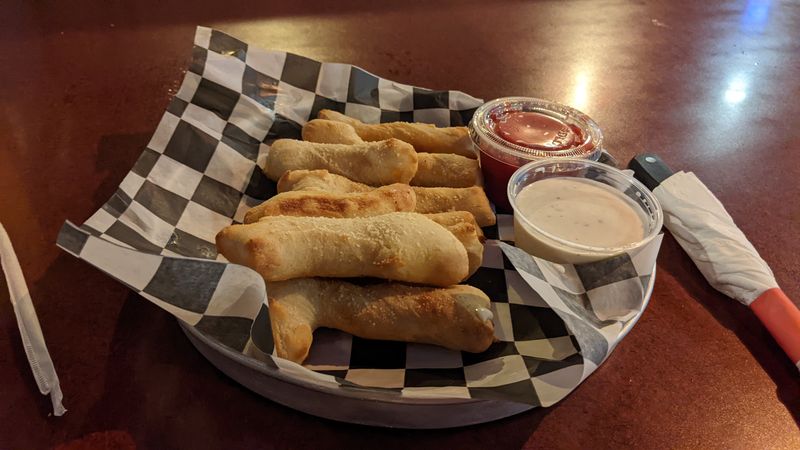
The breadsticks arrive with a soft exhale of steam, their surface lightly brushed and warm to the touch. They are placed at the center of the table without ceremony, yet they immediately draw hands.
Texture is the key detail here. They lean soft with a gentle chew, designed for dipping rather than distraction, which keeps them from overpowering the rest of the meal.
There is a quiet nostalgia attached to them, especially for longtime diners who remember earlier visits. Breadsticks like these feel familiar without feeling dated.
Ordering them early helps manage the rhythm of the table, especially during busy lunch hours. They give everyone something to reach for while the kitchen handles larger plates.
Used thoughtfully, they support the flow of the meal rather than competing with it, which explains why they remain a steady presence on so many tables.
Mind The Large-Group Policies
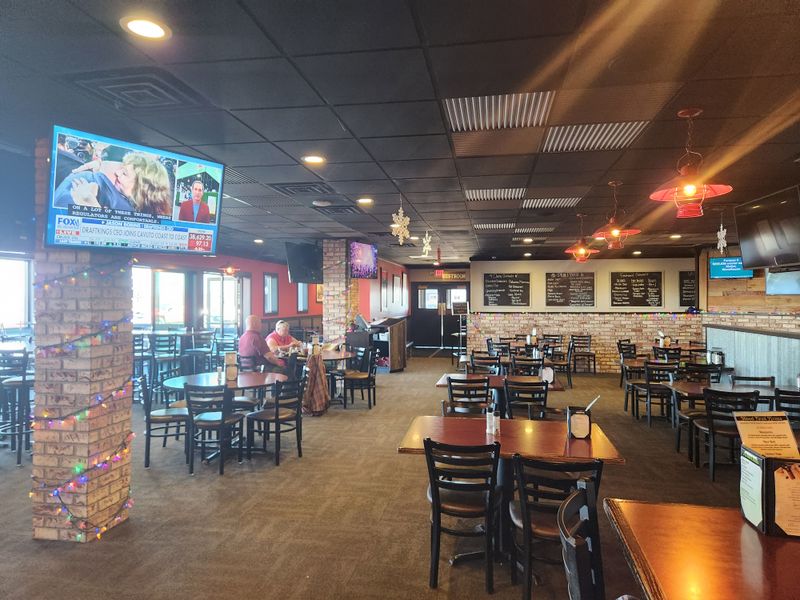
Weekday lunches occasionally bring larger groups into the room, shifting the energy without overwhelming it. When that happens, logistics become part of the experience whether anyone mentions them or not.
Gratuity policies and check-splitting rules can change the tone if they surface late. Clarifying expectations early keeps attention where it belongs, on the food and the people at the table.
The staff handles these situations with calm efficiency, but clear communication makes everything smoother. Respect for the room’s pace goes a long way here.
Assigning one person to coordinate refills, desserts, or final decisions reduces unnecessary movement. It keeps the table aligned with the kitchen’s rhythm instead of working against it.
Handled well, larger groups blend into the lunch flow rather than disrupting it, which fits the understated character of the space.
Order Like A Local On Tuesdays
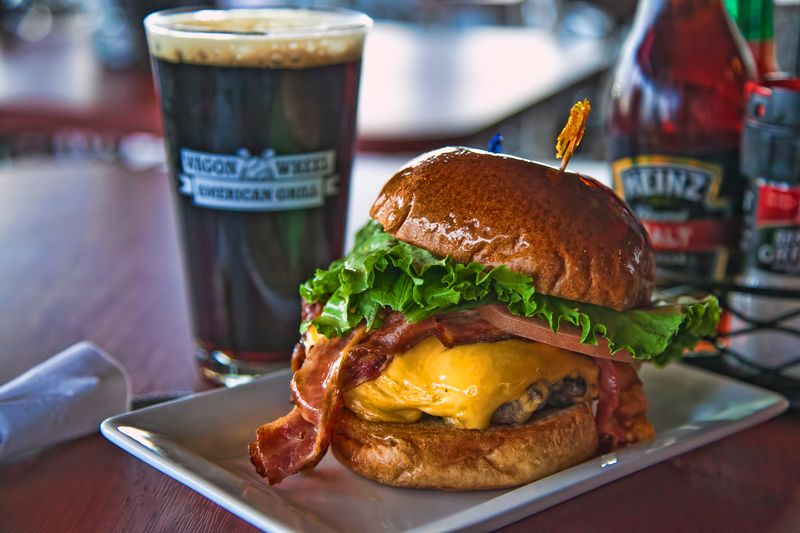
Tuesdays settle into a steady, conversational groove that regulars recognize immediately. Booths fill without fanfare, and greetings pass quickly between staff and guests.
This is the day when simple orders move fastest, shaped by repetition and mutual understanding. The kitchen knows what to expect, and diners order with quiet confidence.
Daily specials coexist comfortably with long-standing favorites, neither crowding the other out. Asking what is running that day often leads to the smoothest experience.
Pairing a special with a proven staple keeps timing predictable. The kitchen stays ahead instead of catching up, and plates arrive without hesitation.
By the time you leave, you understand the rhythm a little better, having slipped into a weekday flow that locals never feel the need to explain.