
This Michigan Spot Has Kept Detroit-Style Pizza Perfect For More Than 60 Years
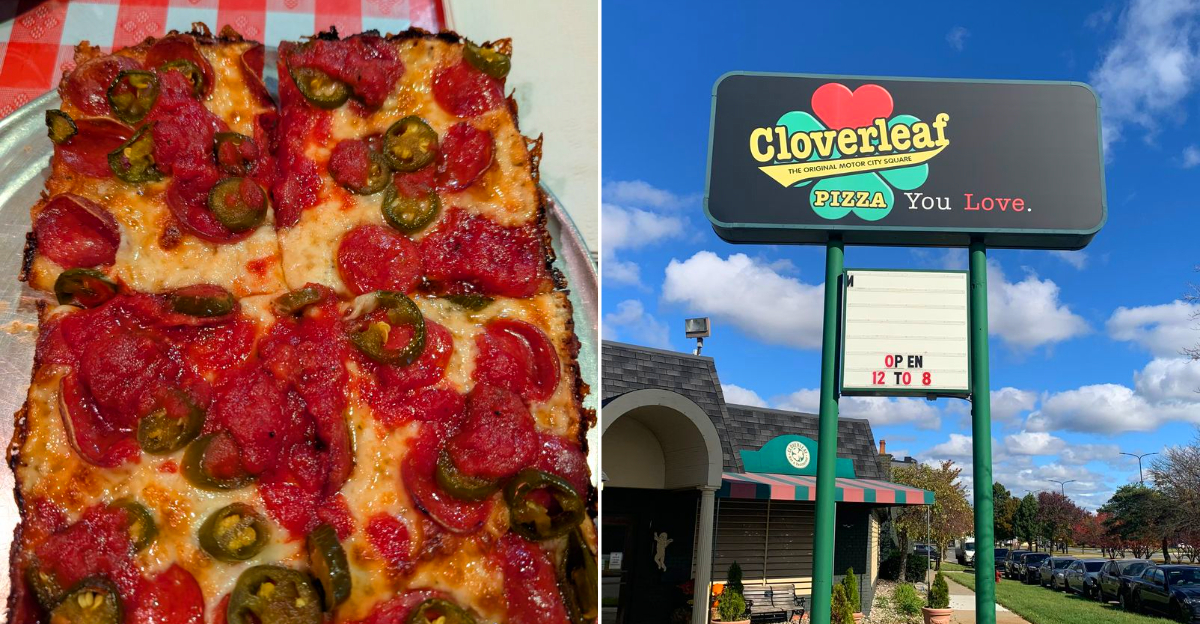
The first time I smelled the heavy, sweet scent of yeast and caramelized cheese wafting from a blue steel pan, I was barely tall enough to see over the laminate counter of my grandfather’s favorite pizzeria. In Michigan, pizza isn’t just a quick Friday night meal; it is a storied architectural feat that requires the right kind of seasoned metal and a profound respect for the lacy, burnt edges of brick cheese.
I remember the specific sound of a metal spatula scraping against the sides of a pan, a rhythmic clinking that promised a crust both airy and profoundly buttery. Cloverleaf Bar & Restaurant in Eastpointe carries that exact sensory memory into the present day, acting as a living museum for the original square pie.
When you sit beneath the glow of the neon clover, you are participating in a tradition that predates most modern food trends by several decades.
This is one of the best pizza spots in Michigan because it remains tethered to the 1946 blueprint created by Gus Guerra himself. Exploring this Eastpointe institution allows travelers to experience the authentic Detroit-style pizza history that shaped the way the entire world now views the square slice.
You will find that the Michigan dining scene is often at its most vibrant in these wood-paneled rooms where the recipes haven’t budged since the mid-century. Every square delivered to the table is a masterclass in the balance between a tangy tomato topping and a fried, cheesy perimeter.
The legacy of the Guerra family is baked into every corner, providing a culinary anchor for the neighborhood that has resisted the pull of corporate consistency.
Arrive Early, Leave Happy
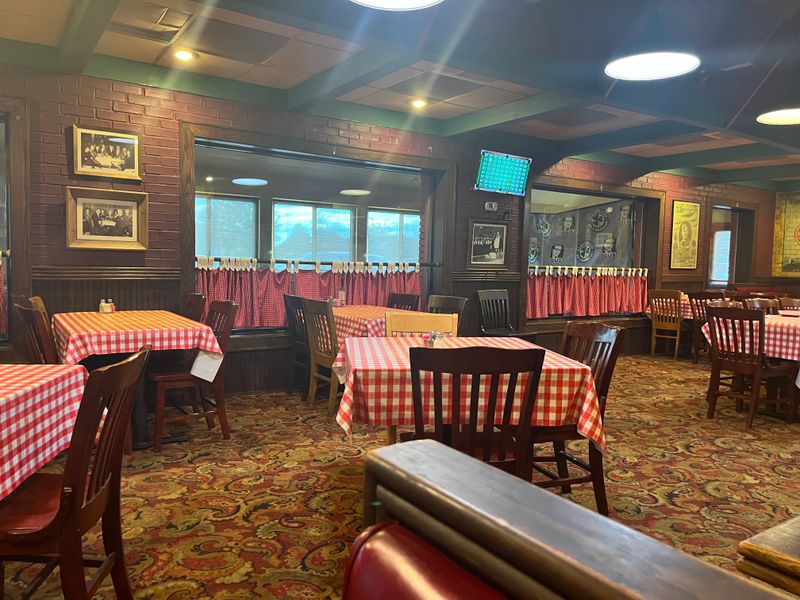
Walking in just after the doors swing open at noon ensures the experience remains calm and perfectly efficient for your group. The dining room at 24770 Gratiot Ave, Eastpointe, MI 48021, fills with remarkable speed because the local regulars understand that greatness cannot be rushed.
The vibe is one of practiced hospitality, where the servers move with a steady confidence that keeps the bottleneck at bay. You notice the hum of conversation rising as the ovens reach their peak operating temperature for the lunch rush.
Ordering your pizza the moment you sit down is the best way to ensure your crust is handled with the care it deserves.
The kitchen sticks to a careful pacing that protects the integrity of the dough, meaning a short wait is a sign of quality. You should check the current operating hours before heading out, as the restaurant remains closed on Mondays and Tuesdays.
Historically, this location has served as the flagship for the Cloverleaf name, maintaining a standard that other franchises strive to replicate. Arriving early also grants you the luxury of a quiet booth where the neon light provides a nostalgic backdrop for your meal.
If you time your visit for the early afternoon, you will likely beat the heavy carry-out traffic that starts around five.
This simple bit of logistics ensures your square lands on the table at the exact moment your appetite peaks. Leaving on schedule feels effortless when you aren’t fighting a crowd for the server’s attention during the dinner peak.
Corner Pieces Are Gold
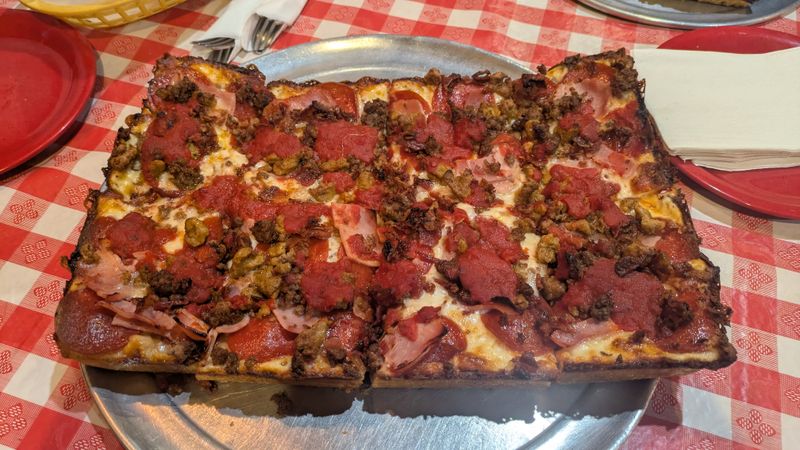
The first bite of your meal should always be a corner piece to truly understand the signature texture of this legendary pan pizza. The steel pan creates a lacy, caramelized cheese wall along the edges, while the bottom of the dough stays buttery and crisp.
That specific contrast between the soft, airy crumb and the fried cheese perimeter is the house thesis on Detroit-style structure. It is a sensory experience that defines why people travel from across the county for a single small square.
A sensory oddity occurs when the salt from the cheese meets the sweet, buttery notes of the well-seasoned pan.
The vibe in the kitchen focuses on heat distribution, ensuring that the sauce on top doesn’t compromise the crunch of the base. You should ask for a well-done bake if you prefer an extra-dark, shattered-glass texture on the cheese edges.
Local details matter here, specifically the way the sauce is applied in strategic dollops rather than a flat, drowning blanket. This technique allows the cheese to fry directly against the steel, creating the “frico” edge that aficionados crave.
Sharing strategy is essential for groups; two people should split a small to maximize the corner-to-center ratio.
Every corner tells a story of 1940s innovation, while the soft centers confirm the quality of the dough. You end up with a complete read of the pie’s architecture by working from the crunchy exterior toward the pillowy middle.
Dial Up The Old Style Pepperoni
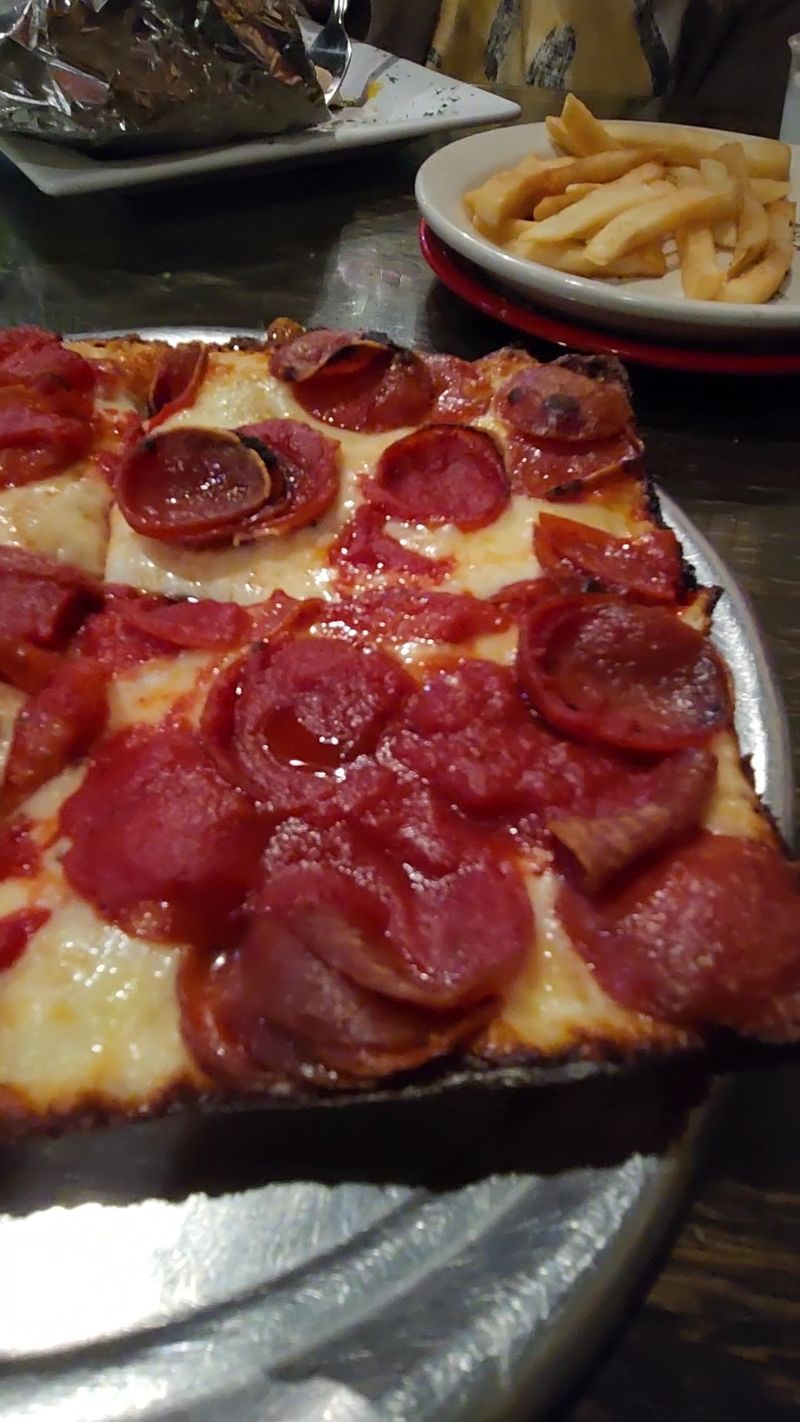
If you believe that toppings are the heart of a great pie, the old style pepperoni is the crowd-favorite for a very specific reason. These small, cupped slices curl and char under the intense heat, catching tiny pools of flavorful oil that season the cheese.
The pepperoni harmonizes with the tangy sauce without ever turning the top of the pizza into a greasy or unmanageable mess. It is the gold standard for cured meats in Eastpointe, offering a spicy kick that balances the rich dough.
History buffs will appreciate that this topping style traces back to the very first square pies served in Detroit.
The vibe of a pepperoni-laden square is classic and bold, reflecting the blue-collar roots of the original recipe. You might consider adding black olives or mushrooms to one half to provide an earthy counterpoint to the salty meat.
Cloverleaf has used similar suppliers for generations, ensuring that the flavor profile remains consistent for those who have been visiting for decades. The pepperoni cups act like little flavor resonators, magnifying the impact of the tomato sauce stripes.
Keep your order simple to allow the interaction between the hot steel and the meat to shine through.
You will taste the depth of the cure in every bite, proving that clutter is the enemy of a perfect pan pizza. This specific meat choice ensures that every mouthful carries a hit of nostalgia along with the spice.
Mind The Sauce Ratio
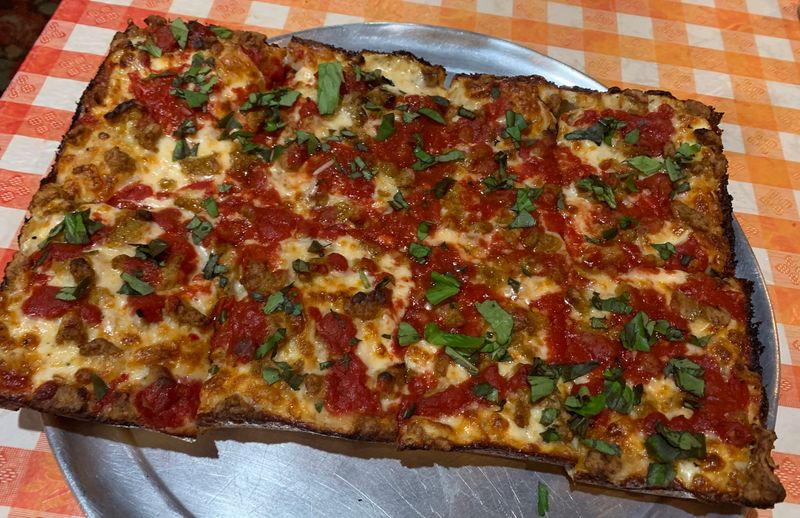
Detroit-style pizza relies on a thoughtful, striped sauce finish rather than a heavy, soaking blanket of tomato. Cloverleaf’s ladled stripes are tangy, clean, and specifically designed to complement the richness of the buttery, thick base.
If you prefer a higher level of acidity, you should ask for a side of extra sauce to calibrate each slice to your preference. This technique preserves the crispness of the crust by keeping the wet ingredients mostly above the cheese layer.
The place handles this request often, showing a local detail that respects the individual tastes of the regulars.
The sauce acts as a bright contrast to the heavy brick cheese, cutting through the fat with a sharp, herbal finish. You notice that the caramelized cheese edge actually becomes sweeter when paired with a little extra hit of tomato.
This approach prevents the common pitfall of a soggy center, which is a constant risk with any deep-pan pizza style. The sauce is applied late in the baking process or even after the oven to keep its fresh, uncooked vibrance.
Adjusting your sauce at the table lets you explore the nuance of the pie’s architecture one bite at a time.
It is a small tweak that honors the original Guerra balance while giving you total control over the flavor. You quickly realize that the sauce isn’t just a topping, but a necessary structural component of the meal.
Crunchy Bread, The Local Quirk
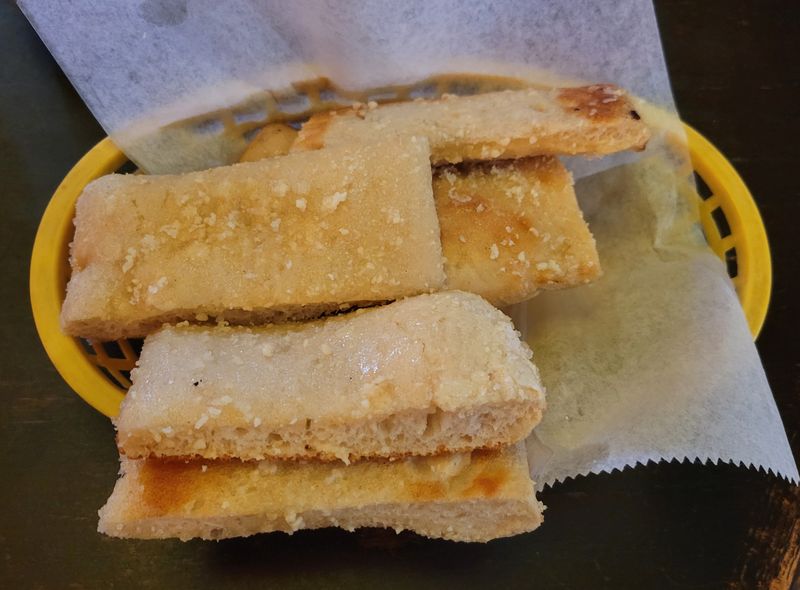
The bread basket at Cloverleaf is far more than a simple filler; it is an essential part of the dining ritual. Crunchy bread arrives as stretched pizza dough that has been brushed with garlic butter, sugar, and a dusting of Parmesan.
The result is a sweet and salty treat with a gentle, satisfying crisp that prepares your palate for the main event. It looks humble when it hits the table, but it tends to disappear faster than the actual pizza.
A seasonal quirk is that this bread feels especially comforting during the cold Michigan winters when the garlic notes warm the soul.
The vibe of the bread basket is purely nostalgic, reminding many diners of the simple appetizers from their own childhood kitchens. You should pair a piece with the antipasto salad to balance the salt of the cured meats with a bit of sugar.
Some regulars consider this a mandatory order for any first-timer walking through the door of the Eastpointe landmark. The bread uses the same high-quality dough as the pizza, acting as a preview for the buttery flavors to come.
If you are traveling with a group, order a small portion to share so you don’t spoil your appetite for the square.
It serves as the perfect prologue to a meal that is defined by the mastery of flour and fire. When your pie finally lands, the buttery fragrance of the crust will feel like a familiar friend.
Choose Size Strategically
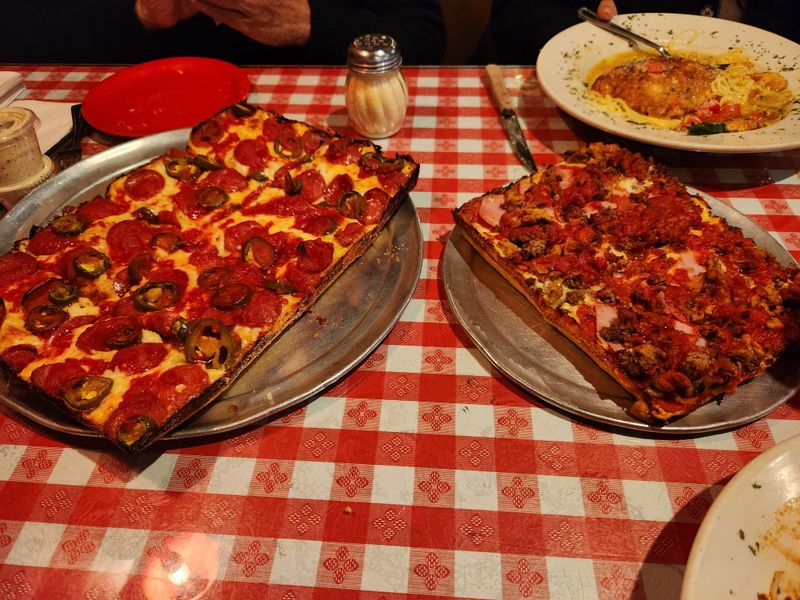
Small squares tend to bake more quickly and often provide a more consistent edge-to-center texture for those who love the crunch. Large pizzas are great for feeding a crowd, but they run the risk of softening in the middle under the weight of toppings.
If your goal is to secure the maximum number of crispy corners, ordering two smalls will always beat ordering one large. This strategy ensures that every person at the table gets a piece of the prized caramelized perimeter.
Kitchen timing is a local detail that regulars use to ensure their pizza hits the table exactly when the appetizers are finished.
The place can get incredibly busy on weekend nights, so clear communication with your server about your preferred pacing is always helpful. Staggering your orders helps keep the heat locked into the crust until the very moment you are ready to eat.
Leftovers from a small pie also tend to reheat more evenly, maintaining the structural integrity of the dough for the next day. The price point for two smalls is very reasonable, especially considering the quality of the ingredients used.
This tactical approach to ordering keeps the crust integrity high and the cheese at its most pliable.
You will find that the smaller pans allow for a more intense caramelization of the edges, which is the whole reason for the trip. Portions remain generous regardless of size, so prepare for a second meal tomorrow.
Respect The Hours, Save The Mood
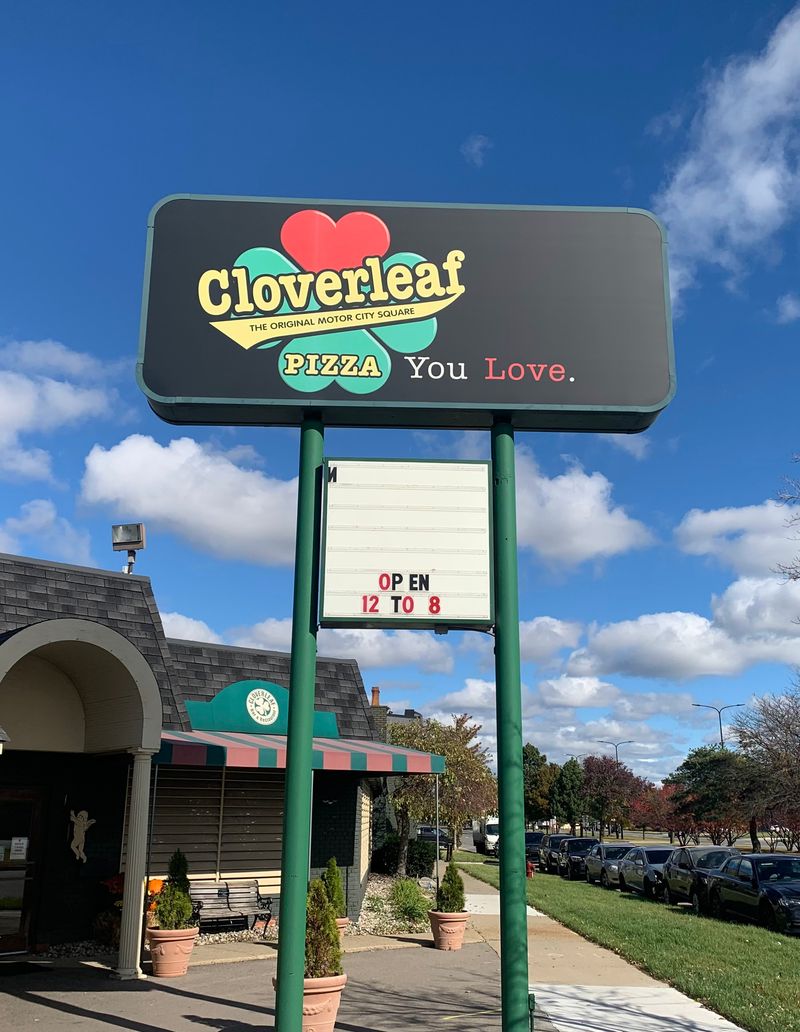
The concise schedule at Cloverleaf is something every traveler should keep in mind: Wednesday through Sunday, noon to 8 PM. Planning your visit around these hours ensures that you aren’t rushing through a meal that deserves your full, unhurried attention.
The room feels like a neighborly sanctuary when you aren’t racing against the kitchen’s closing time or the evening rush. Staff members are much better equipped to guide you through the menu when the pace is steady and relaxed.
The history of the Guerra family’s business is one of hard work and specific, limited hours that prioritize quality over quantity.
You should call ahead for day-of timing, especially if you are traveling during a holiday weekend or a local festival. The menu pages on their website are kept current, reflecting any updates to the pricing or the available specials.
Arriving with time to spare allows your pizza to rest for a minute before it is sliced and served. This brief pause is crucial for preserving the structure of the pie so the cheese holds its place and the sauce stays bright.
Small logistics like checking the clock can make a massive difference in the overall quality of your dining experience.
A relaxed table is the best place to appreciate the 60-year legacy of the Guerra family’s culinary gift to Michigan. Taking that extra few minutes to plan prevents the disappointment of a locked door or a rushed crust.
Salad, Then Square
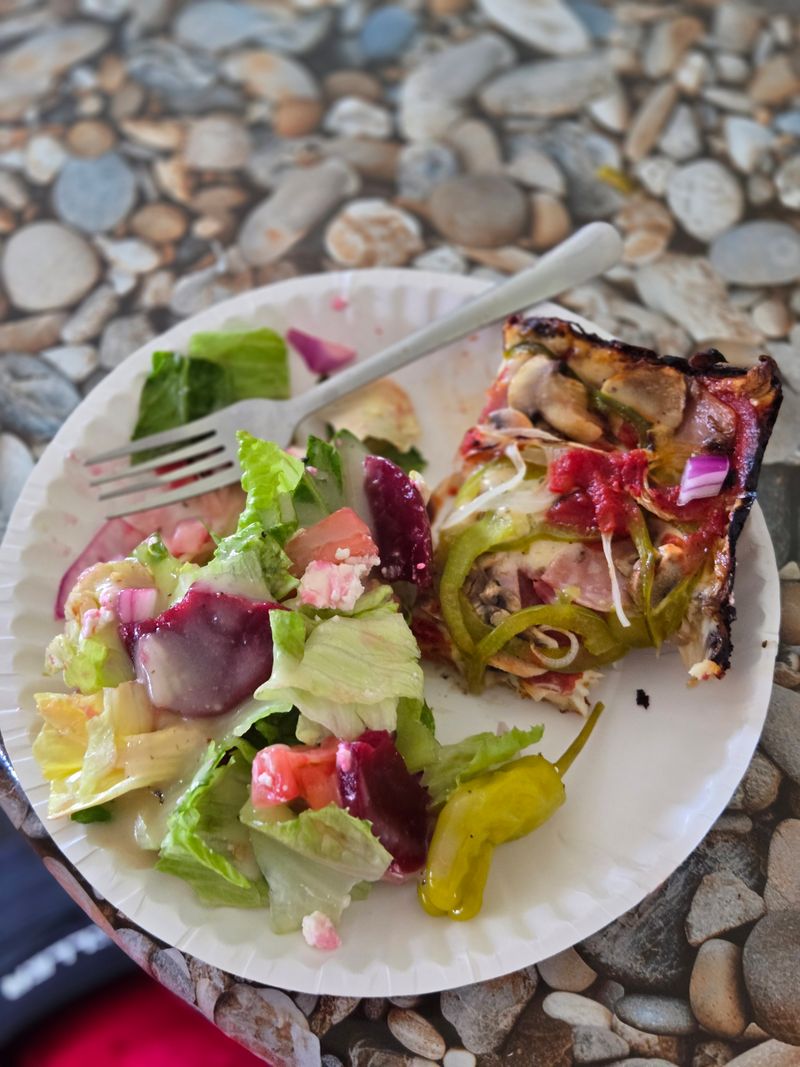
Starting your meal with a crisp salad creates a clean, acidic baseline before you dive into the rich and heavy pan pizza. The antipasto salad is the most popular choice, though the kitchen’s dressing can be polarizing for those who prefer a lighter touch.
Ordering your dressing on the side allows you to control the salinity of the greens and the cured meats. This contrast sharpens your palate, making the first bite of the buttery pizza crust feel even more defined and flavorful.
The vibe of the salad course is a classic mid-century tradition that Cloverleaf has maintained with great success.
The history of the antipasto at this location is almost as long as the pizza itself, featuring a mix of quality Italian meats. You will find that the crunch of the lettuce provides a necessary break from the density of the dough and cheese.
If you are splitting a pie, use the salad time to finalize your topping choices so the kitchen can work efficiently. This pacing fits perfectly into the restaurant’s natural rhythm, ensuring a smooth transition from the garden to the oven.
The square lands on the table exactly when you need that warm, savory hit to conclude the first act of the meal.
Your palate remains fresh enough to catch the nuance of the mild brick cheese and the tang of the tomato. It is the most balanced way to tackle a menu that celebrates the heavier side of Italian-American cooking.
Customize Bake And Toppings
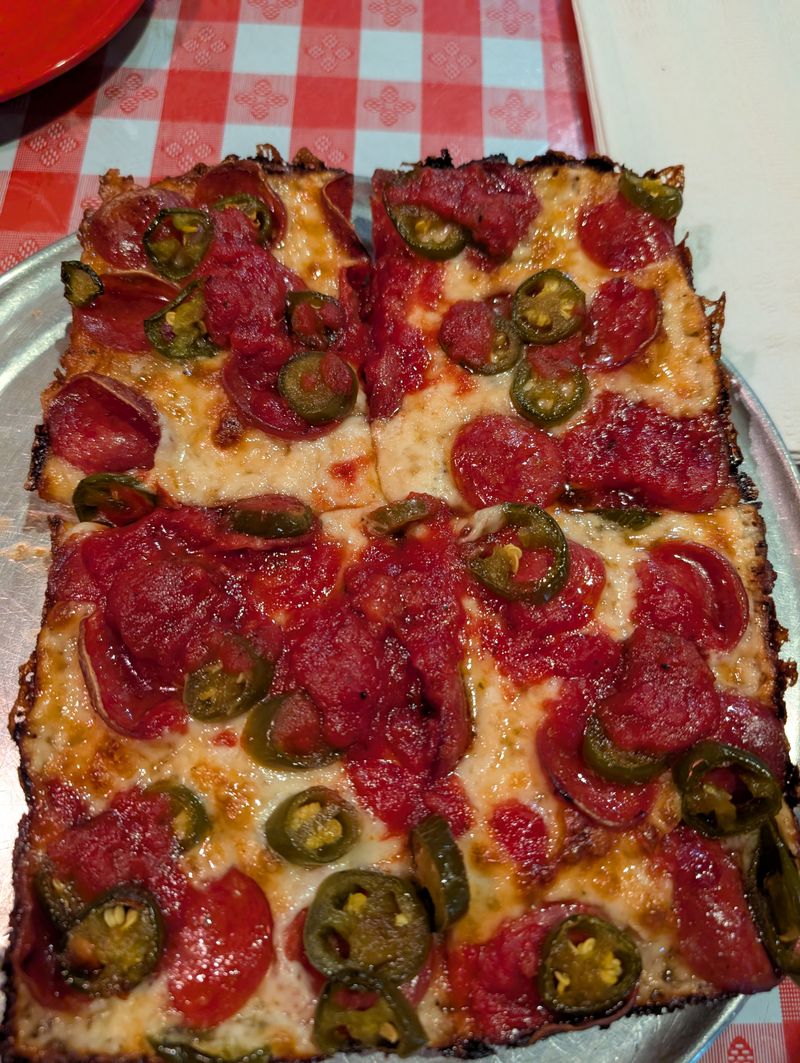
Polite and clear requests help the kitchen staff deliver the exact texture and flavor profile you are looking for in a square. You can ask for light, regular, or well-done bakes to ensure the cheese edges are exactly as crunchy as you prefer.
Specify if you want extra sauce on the side or if you prefer a lighter cheese blanket to let the dough shine. Simpler topping combinations tend to preserve the structure of the center better than a mountain of heavy vegetables.
Local details include the availability of a gluten-free crust, which several regulars have noted is a high-quality alternative.
The balance of the pizza is the quiet hero of the Detroit style, and customization allows you to find your own perfect equilibrium. If you are splitting the pizza into halves, try to keep the toppings similar in weight so the bake remains even across the pan.
Finishing your customization with old-style pepperoni or a simple vegetable duo keeps the crust from becoming buried under too much weight. This ensures that you can still taste the caramelized edge, which is the primary reason for visiting an origin-point pizzeria.
The kitchen is happy to accommodate these requests because they want you to experience the Guerra legacy at its absolute best.
Taking the time to specify your preferences makes every bite feel like a personalized tribute to the pizza blueprint. You leave with a meal that feels curated rather than just ordered.
Reheating Like A Local
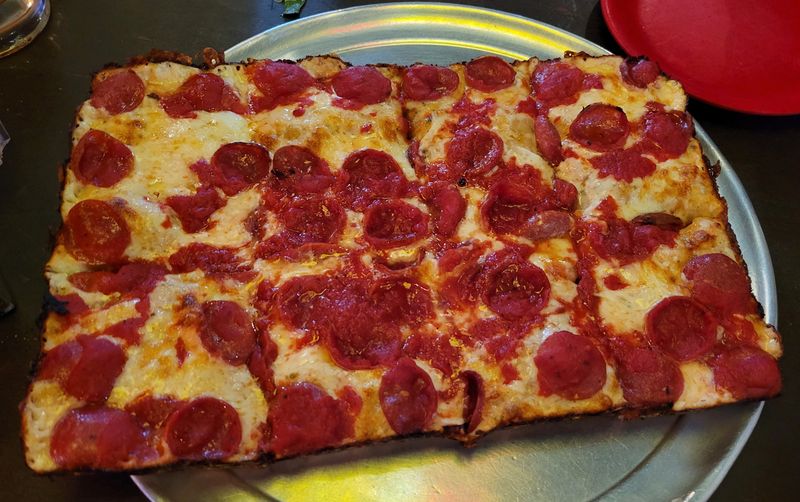
Leftovers from Cloverleaf deserve a level of respect that a microwave simply cannot provide to a thick, pan-style crust. To revive the buttery snap of the bottom, you should use a dry nonstick skillet over medium heat for about five minutes.
A loose foil tent placed over the pan will trap just enough heat to make the cheese glossy again without steaming the dough. This method brings the corner pieces back to their original, shattered-glass glory, making lunch the next day a true event.
The visitor habit of taking home a few extra slices is a wise one, as the square shape stacks easily in any refrigerator.
The history of Detroit-style pizza is rooted in its durability; the thick dough was designed to be hearty and portable for workers. If you saved a bit of sauce on the side, adding it after the reheat will make the acidity pop against the warm cheese.
Packaging from the Eastpointe location travels well, and the pizza remains structurally sound even after a long drive. Reheating the square in an oven at 375 degrees is another viable option if you are doing more than two slices at once.
When your kitchen smells like garlic and caramelized cheese the next morning, you will understand why this legacy has lasted.
It is a small ritual that keeps the Cloverleaf experience alive long after you have left the checkered tablecloths behind. You quickly realize that a cold square is good, but a skillet-revived square is nearly divine.