
This Michigan Town Feels Frozen In Time With Mansions, Antiques, And Storybook Streets
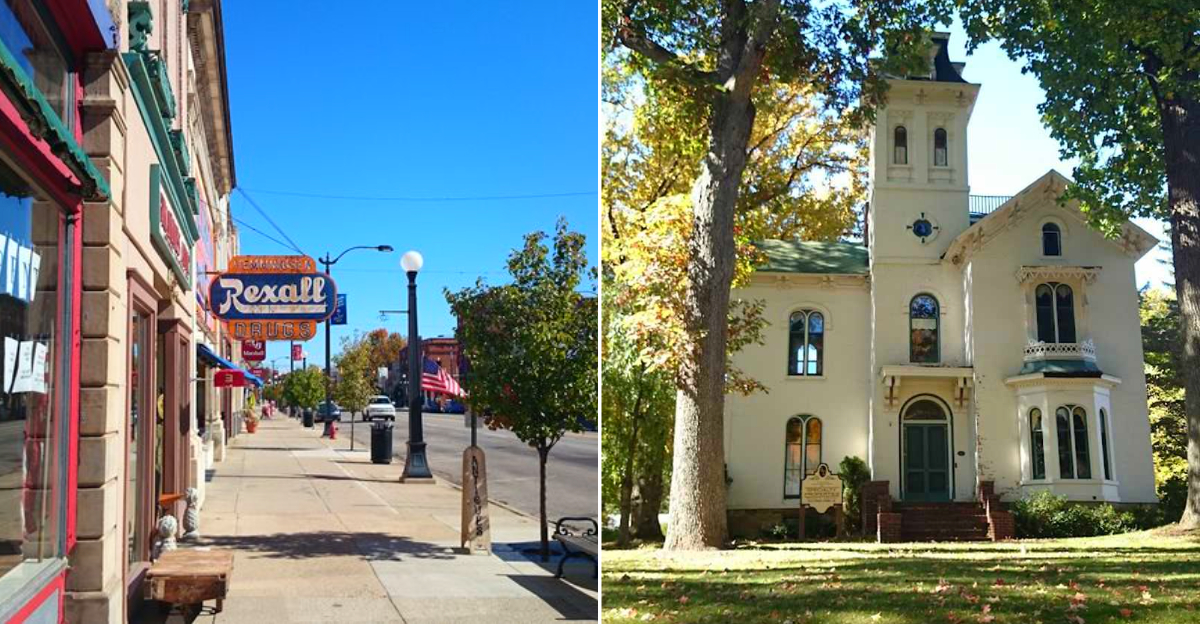
Some small cities preserve history by putting it behind ropes. This one lets it stretch its legs on the sidewalk.
Brick storefronts, handsome porches, old inns, antique shops, and dignified rooflines all work together so naturally that you stop thinking “historic district” and start thinking, “Fine, I’ll slow down and admire a cornice.”
What makes the place so satisfying is that the past does not feel frozen. It feels lived in, with orderly streetscapes, sandstone details, and blocks that shift architectural eras without turning the walk into homework.
I like towns where careful looking pays off, and here, even a casual stroll starts handing you little rewards.
Historic architecture, antique shopping, walkable streets, and preserved Michigan charm make this small city a rewarding getaway for travelers who love character-rich towns.
Come for the mansions, but do not rush the smaller details. The quiet pleasures are doing some excellent work.
Start With The Streets, Not The Checklist
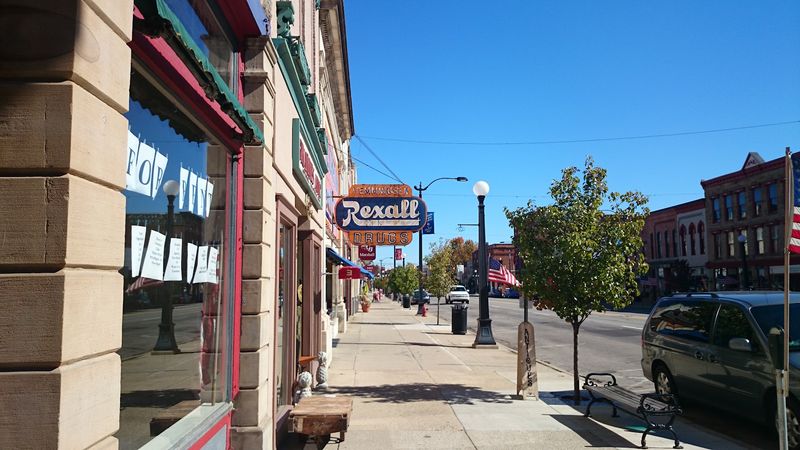
The best first move in Marshall is wonderfully low stakes: walk. Brick sidewalks, mature trees, and long views of porches and gables make the town legible block by block, so you understand its rhythm before entering a single museum.
Because the historic district includes more than 800 significant buildings, the pleasure here is cumulative rather than dramatic.
One corner offers Greek Revival restraint, the next gives you Queen Anne exuberance, then suddenly a sandstone detail catches the light. That variety is exactly why the National Park Service has praised Marshall as an extraordinary textbook of 19th-century American architecture.
If you arrive with an overstuffed itinerary, this town gently persuades you to slow down and look up.
Let Marshall Turn The Drive Into A Time Capsule
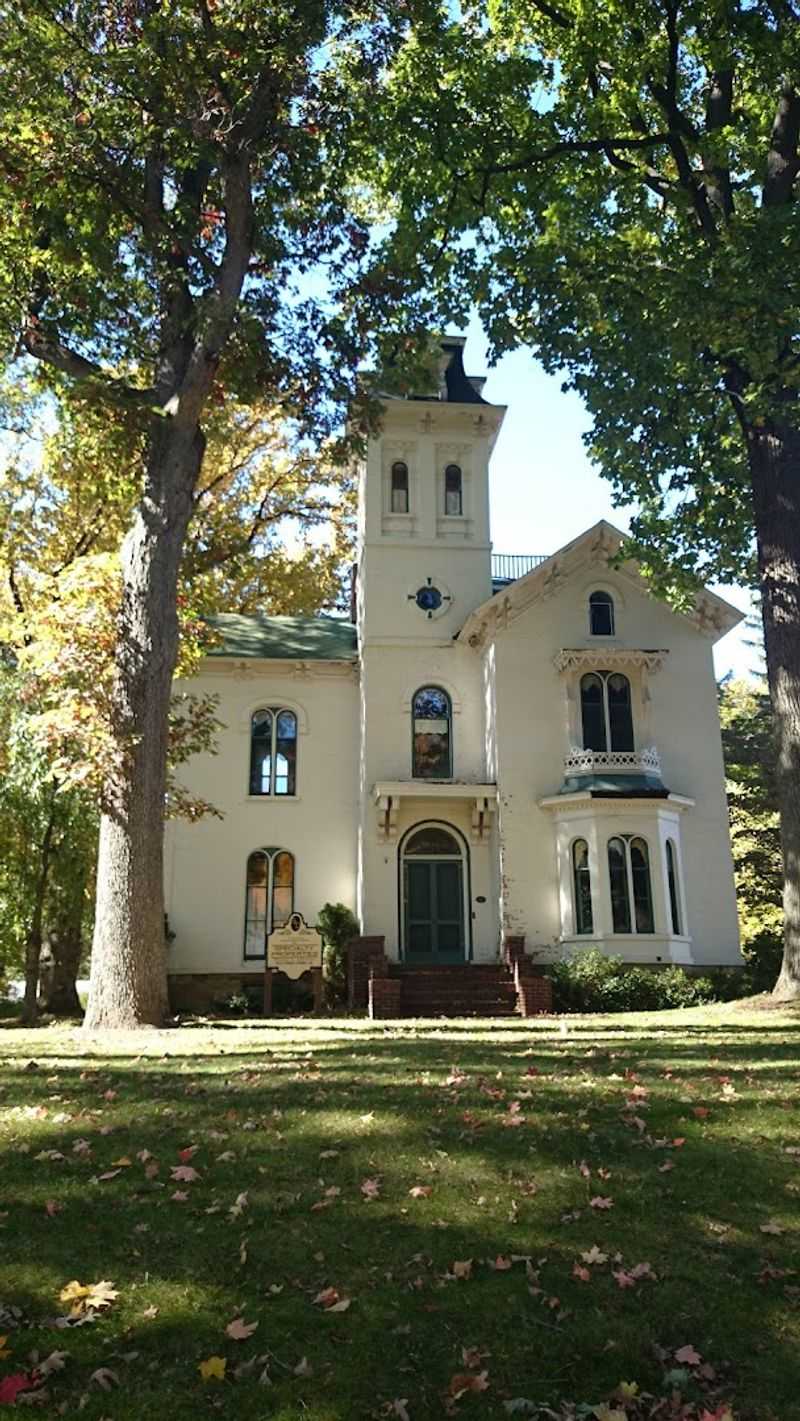
Marshall, Calhoun County, MI 49068, is the kind of small Michigan city where arrival feels less like reaching a pin on the map and more like easing into a preserved streetscape.
Set your GPS for downtown Marshall and give yourself time to wander once you get there. The best approach is not to rush toward one single landmark, but to let the historic homes, storefronts, and quiet blocks build the mood.
Once you park, explore on foot. Marshall rewards slow looking, with porches, brickwork, antique shops, and old architectural details turning a simple downtown stop into a relaxed walk through Michigan history.
Make Honolulu House A Priority
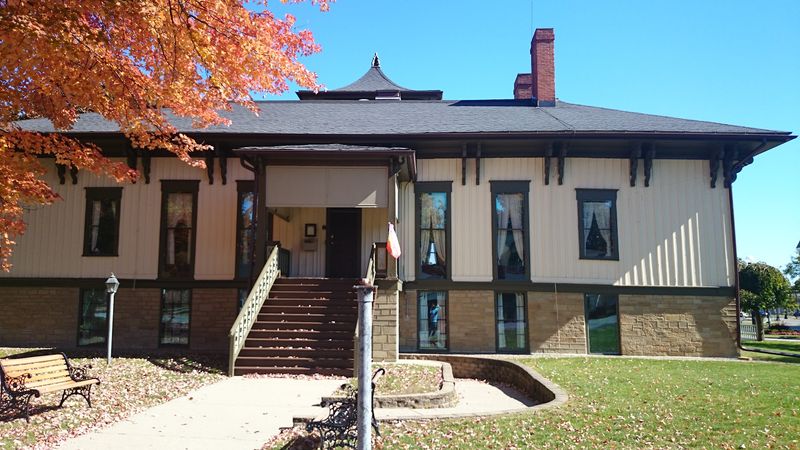
Nothing in Marshall prepares you for the Honolulu House until it appears, slightly improbable and completely self-possessed. Built in 1860, it blends Gothic Revival and Italianate forms with Polynesian influences, creating one of the most distinctive houses in Michigan.
The silhouette alone is enough to stop conversation for a moment.
Its story is part of Marshall’s charm: this was a town confident enough to produce architectural surprises, not just respectable copies. Today the house operates as a museum, which helps translate its eccentricity into something readable rather than merely picturesque.
Go early in your visit, because after seeing it, the rest of Marshall looks richer, stranger, and more ambitious in the best possible way.
Let The National House Inn Anchor Your Sense Of Time
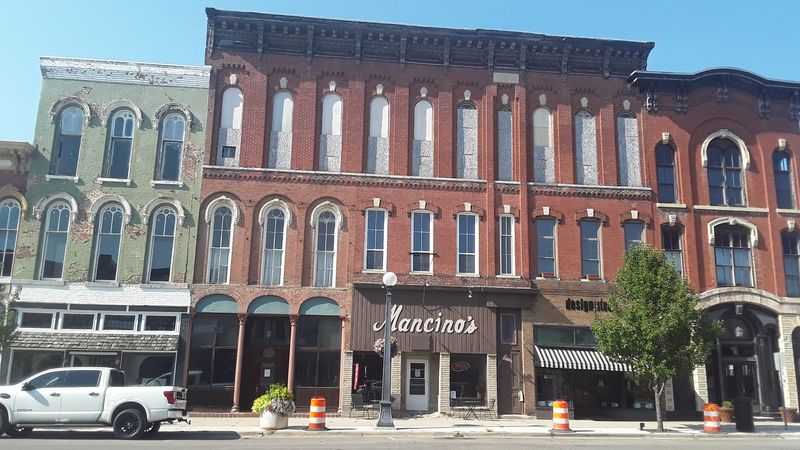
A town can claim history in brochures, but Marshall lets you sleep beside it, stroll past it, and measure your day against it. The National House Inn, established in 1835, is Michigan’s oldest operating inn and the oldest brick building in Calhoun County.
That is not trivial local bragging, because the structure still gives downtown a tangible early frontier-to-town-center continuity.
Even if you are not staying overnight, it is worth pausing outside and considering how many phases of Marshall have passed its doors. The building feels sturdy rather than precious, which suits the city.
Nearby streets connect easily to shops and civic buildings, making this a practical landmark when orienting yourself on foot.
Read The Capital-That-Never-Was Story At The Governor’s Mansion
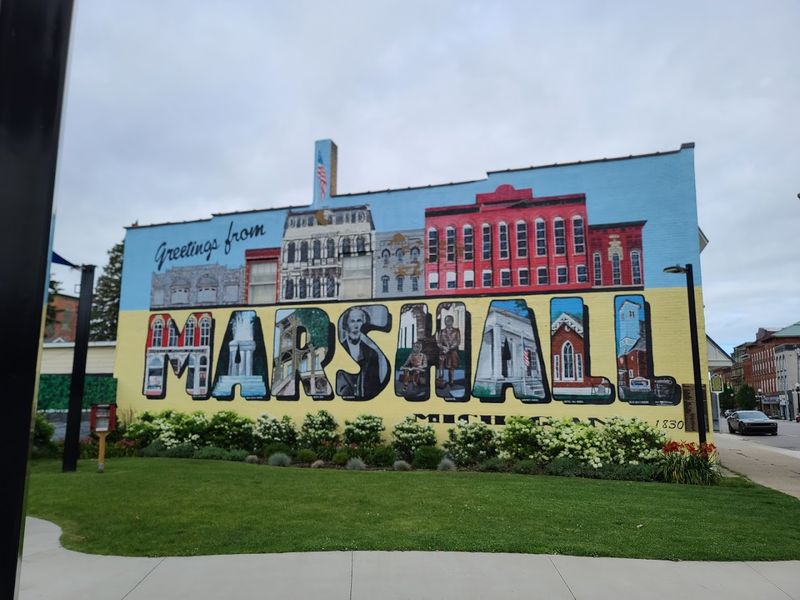
Marshall becomes more interesting when you remember it once hoped to be Michigan’s state capital. The Governor’s Mansion Museum, a Greek Revival house built in 1839, preserves that moment of ambition in a form you can actually walk around and study.
Its dignity feels aspirational, which is exactly the point.
The house does not just tell a domestic story. It reflects a period when Marshall imagined itself at the center of state life, and that unrealized future still shadows the town’s impressive architecture.
I like visiting this site after a general stroll, because the larger civic dream suddenly explains why so many nearby buildings seem designed to project confidence, taste, and permanence beyond a small city’s size.
Go Mansion Hunting On Purpose
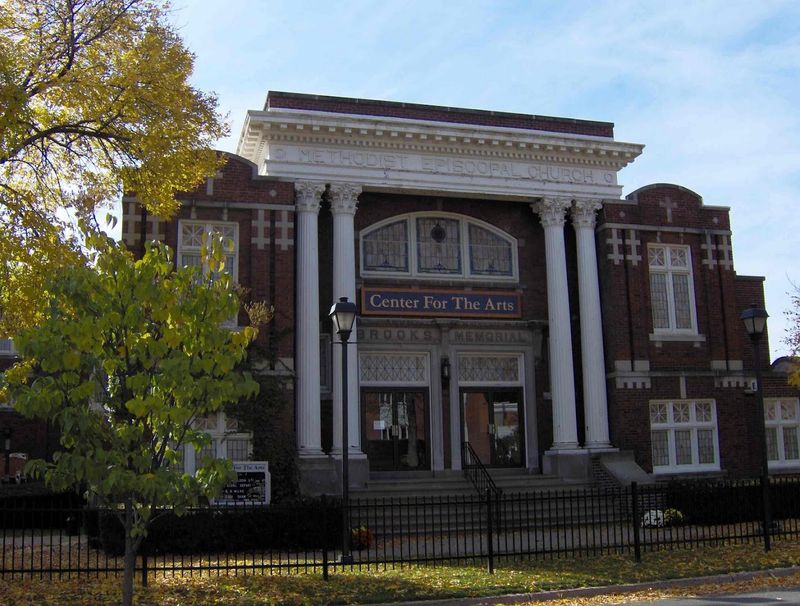
Marshall’s mansions are not concentrated into one theatrical stretch, which makes finding them more enjoyable. On W.
Mansion Street and beyond, houses such as the Bonner Home show how late 19th-century prosperity translated into ornament, scale, and a little showmanship without breaking the town’s overall composure. The restoration work visible on notable homes adds another layer of interest.
Look for how trim, towers, bays, and setbacks differ from one property to the next. A mansion here rarely feels isolated from its neighbors; instead, it participates in a whole streetscape of status, craft, and civic pride.
Comfortable shoes matter, because the best discoveries often happen between famous addresses rather than directly in front of them.
Notice The Unusual Forms, Especially The Octagon House
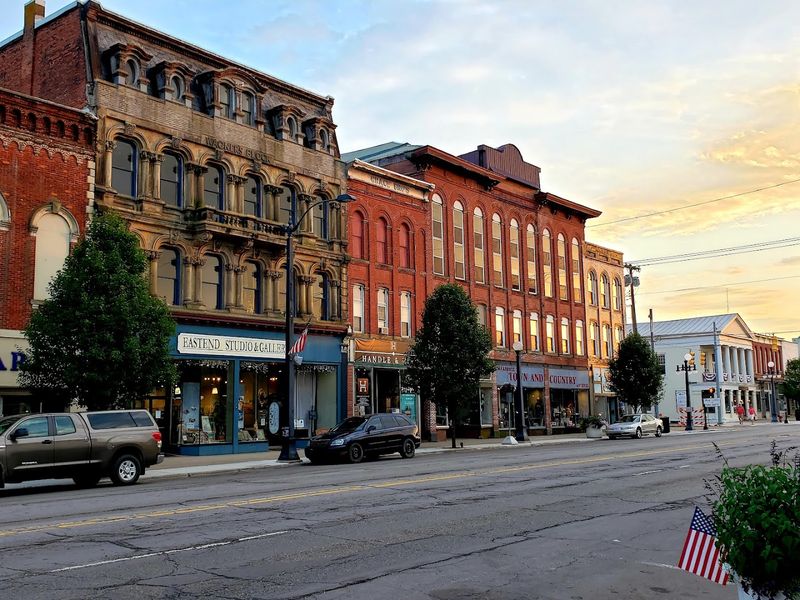
Every historic town needs one building that makes you blink twice, and Marshall has an excellent candidate. The Pendleton-Alexander House, also known as Abarthan Place, dates to 1856 and uses the rare octagon form with Italianate detailing.
In a city already rich with architectural variety, that shape still feels delightfully offbeat.
What makes it memorable is not novelty alone, but the way Marshall preserves difference without isolating it. Strange houses are folded into ordinary streets, so curiosity arrives naturally while you walk.
If you care about architecture, bring binoculars or a camera with a modest zoom, because cornices, window treatments, and proportions often explain more than a plaque ever could from the sidewalk.
Save Time For The Downtown Commercial Blocks
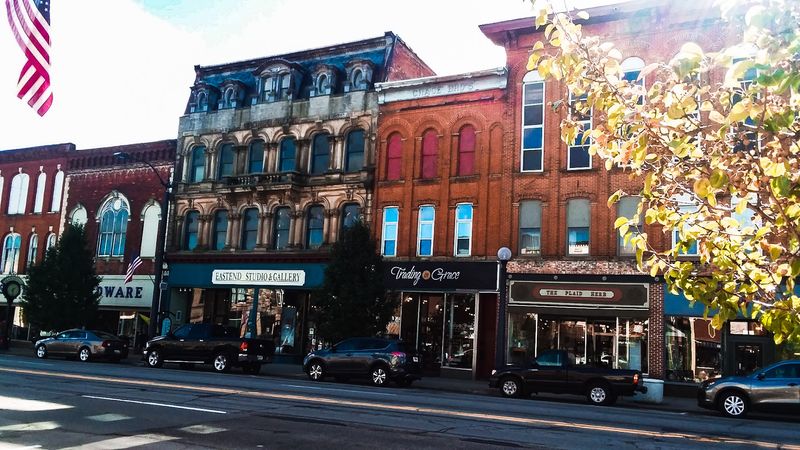
Marshall’s appeal is not limited to grand residences. Downtown, commercial buildings give the town its everyday backbone, and Wagner’s Block is a standout example of Second Empire architecture with the kind of confidence that makes errands feel slightly ceremonial.
Storefronts here still hold the street well, which is harder to achieve than it sounds.
The transition from mansion district to business district is part of what makes Marshall believable rather than stagey. You are not moving between attractions so much as through a complete civic environment that survived with unusual coherence.
I find downtown best in the later afternoon, when window light, brickwork, and upper-story details become easier to appreciate at a slower pace.
Treat The Antique Shops As Part Of The Town’s Character
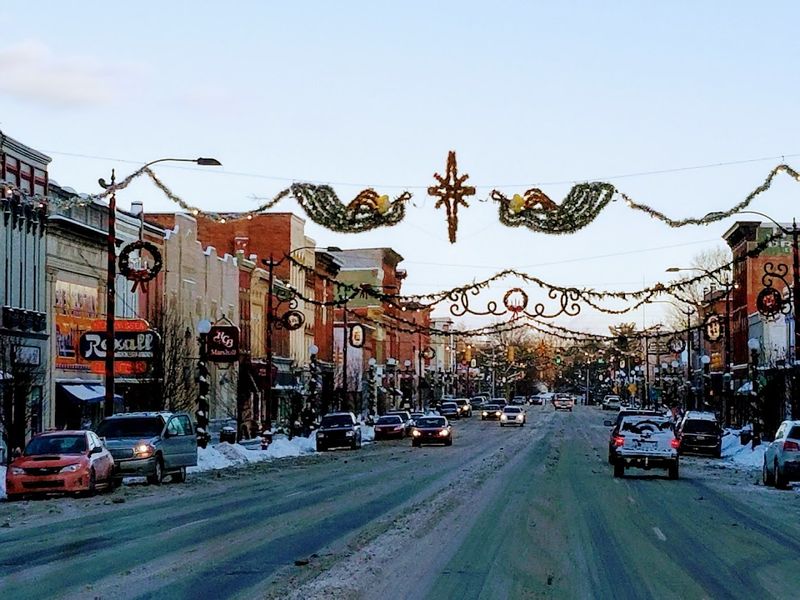
The antique scene in Marshall feels less like a shopping detour and more like a continuation of the architecture outside. Places such as Amazing Grace Antiques, Smurr’s Antiques & More, Vint-Edge Antiques, and Alice & Giles extend the town’s affection for material history into rooms full of furniture, textiles, art, and small curiosities.
Even browsing sharpens your eye.
Because the shops vary in style, you can move from mid-century pieces to older decorative objects without whiplash. That range mirrors Marshall itself, where preservation is not frozen at one date.
If you are limited on time, start with one or two stores and resist rushing, since the pleasure often lies in how an unexpected object changes the way you read the town outside.
If Timing Allows, Build Your Trip Around The Home Tour

Marshall is impressive from the sidewalk, but the city becomes far more legible when interiors open. Its historic home tour is the longest-running in the Midwest, and that longevity says something about both local stewardship and public appetite for seeing how these houses actually functioned.
Exterior admiration is only half the story.
Inside, details like stair halls, woodwork, room proportions, and restoration choices help explain why Marshall’s preservation reputation is so strong. The tour also clarifies the difference between architectural style and lived domestic space, which is a distinction many visitors miss.
Plan ahead, because schedules matter, and expect the experience to deepen, not replace, the simple pleasure of walking the streets before and after.
Come Prepared For A Town That Rewards Small Observations
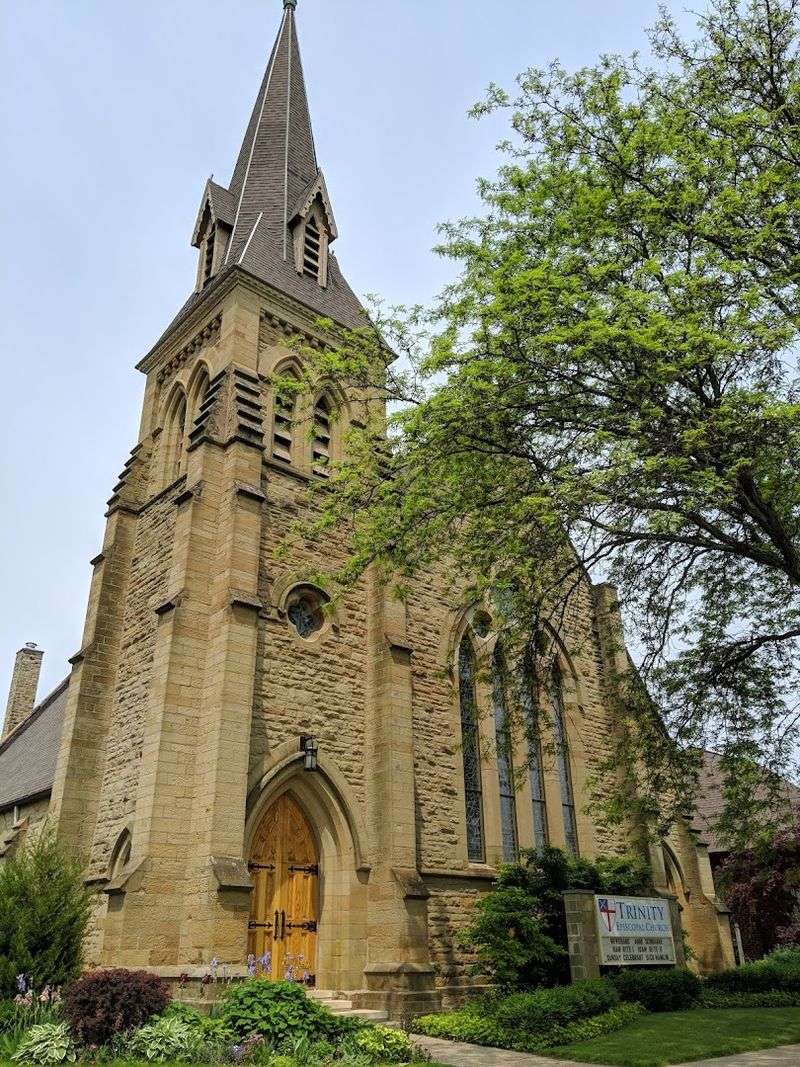
Marshall is easiest to love when you stop looking for a single dramatic reveal. The town works through accumulation: a Federal and Greek Revival blend at the Joseph L.
Lord House, an unexpectedly elegant sandstone wall, a row of porches holding the evening light, a block that somehow feels formal and domestic at once. Those moments stack up quietly.
That may be why Marshall feels frozen in time without becoming stiff. Preservation here is vivid because people still move through it in ordinary ways, and the city remains walkable enough for details to matter.
Leave room in your schedule for aimless loops, because this is one of those rare places where paying attention turns out to be the main attraction.