
This Michigan Town Has A Healthcare System So Advanced It Ranks Among America’s Best
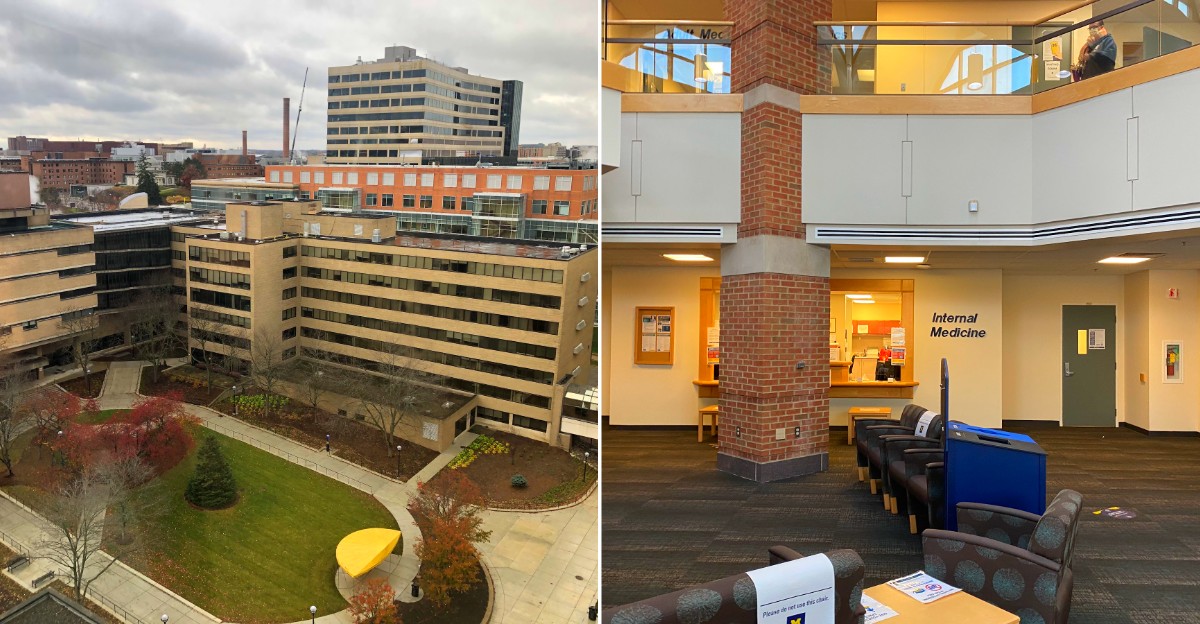
Ann Arbor may be famous for classrooms and football Saturdays, but its medical campus tells a different story about what the city does well. Here, expert care, research, and training overlap in a busy complex designed for everything from routine testing to highly specialized treatment.
National recognition gives the campus plenty of prestige, yet the experience is shaped just as much by the human details: artwork, family resources, clear wayfinding, and spaces built to make difficult days feel a little more manageable.
Advanced healthcare in Michigan comes into focus here, where leading specialists, medical research, and patient-centered support all meet under one sprawling campus.
What stands out is the scale without the sense of distance. Serious medicine happens here, but so do small acts of reassurance daily.
Understanding the layout, services, and support options can make the visit feel less overwhelming and reveal what world-class care looks like up close.
Get Your Bearings Before Arrival
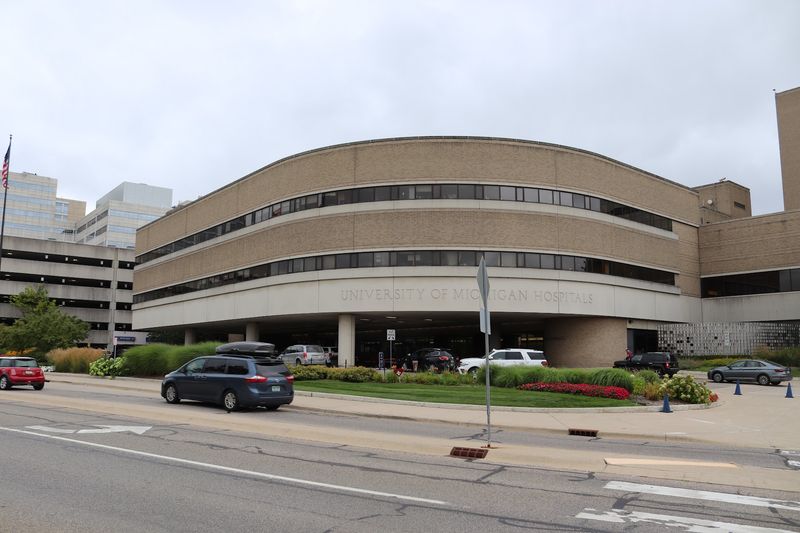
The address is only the beginning of the directions. University of Michigan Health occupies a large medical campus, so reaching 1500 E Medical Center Drive does not necessarily mean you have reached the right clinic entrance.
Use the building name and department listed in your appointment instructions. Check the official campus maps, parking guidance, and any arrival directions before leaving home.
Allow extra time for parking, elevators, and finding the correct floor. If walking long distances is difficult, ask ahead about accessible entrances and available assistance.
The hospital provides care around the clock, but clinics, desks, and other services keep their own schedules. Confirm those hours rather than assuming every door and service is always available.
P2 And P3 Are The Numbers That Matter
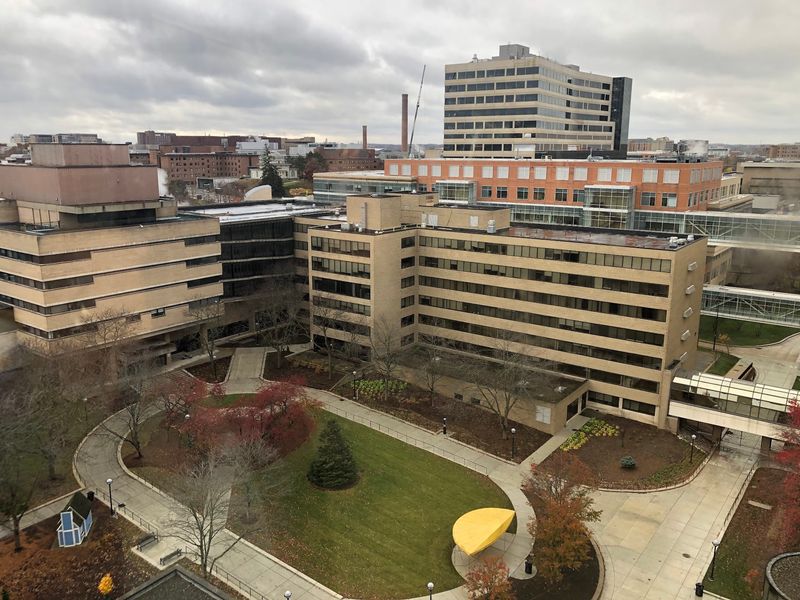
University Hospital at University of Michigan Health sits at 1500 E Medical Center Drive in Ann Arbor, Michigan, on the university’s main medical campus. East Medical Center Drive is the road to follow on the final approach, with the hospital complex rising well above the surrounding campus buildings.
The last stretch gets busy quickly, with multiple medical buildings, drop-off lanes, and parking structures clustered together. Once you are on East Medical Center Drive, follow the hospital signs rather than trying to navigate by individual building frontage.
Head for Parking Structure P2 or P3, both reserved for patients, families, and visitors and located right beside the University Hospital and Taubman Center entrance. From either garage, the elevators connect directly into the medical complex, so you can continue indoors toward the hospital once you park.
A Medical History Older Than The Campus
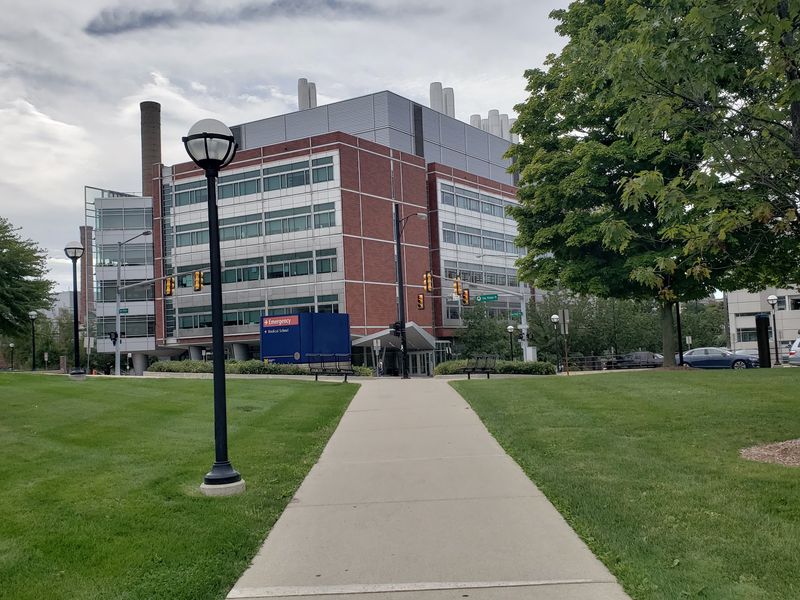
Long before today’s hospital towers, Michigan was trying something unusual. The university opened its medical school in 1850 and became the first American university to own and operate a hospital in 1869.
Those dates help explain why teaching and patient care remain closely linked here. Medical students, residents, and other learners work within a system built around both treatment and education.
During an appointment, several people may introduce themselves with different roles. Ask who is leading your care and how each team member participates.
There is no need to memorize a family tree of medical titles. A clear introduction and a simple explanation can turn a crowded room into a team you understand and feel comfortable addressing.
Research That Reaches The Exam Room
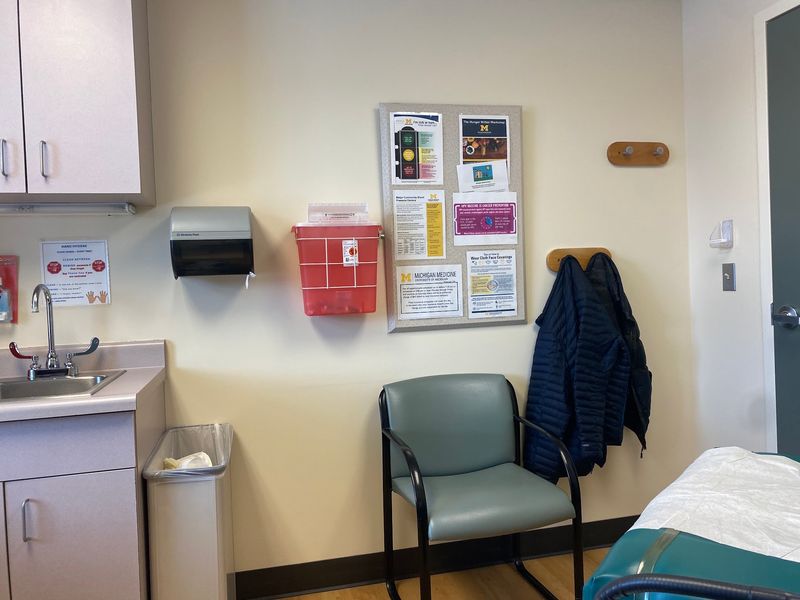
Tomorrow’s treatment sometimes begins with a conversation today. As an academic health system, University of Michigan Health connects patient care with research, including clinical trials studying new approaches to disease.
A trial may test a medicine, a procedure, or another way to improve care. Participation depends on specific rules, and an experimental treatment is not automatically better than an established one.
Ask your clinician whether an appropriate study exists and what joining would involve. Discuss possible risks, extra visits, costs, and the usual treatment options.
Read the consent materials carefully and take time to ask questions. Research offers possibilities, not guarantees, and choosing not to participate should remain a comfortable part of an informed medical decision.
Where Several Specialists Share The Problem

Some illnesses refuse to stay in one neat box. A heart condition may affect surgery plans, while cancer treatment can involve imaging, medicines, nutrition, and recovery support.
University of Michigan Health brings many specialties together within its academic medical system. That range can be especially useful for complicated conditions, although coordination still requires clear communication.
Bring an updated medication list and make sure outside test results reach the team before your visit. Ask which clinician will explain the overall plan and who handles questions between appointments.
Keep a short written list of next steps, including referrals and follow-up dates. Advanced care becomes easier to navigate when someone connects the pieces instead of leaving you to assemble the puzzle.
Art Gives The Hallways Another Purpose

Not every wall here is devoted to directions and notices. Michigan Medicine’s Gifts of Art program brings visual art and music into the healthcare setting, adding something human to spaces shaped by medical routines.
Established in 1986, the program includes exhibitions and other offerings for patients, families, visitors, and staff. Artwork gives the eye somewhere to rest besides a clock or an appointment screen.
If your schedule allows, ask where current public displays are located. Follow access rules and avoid wandering into patient care areas.
For someone staying in the hospital, ask whether room artwork or other arts services are available. A small choice about the surroundings can make an unfamiliar space feel a little more personal.
Family Support Belongs In The Care Plan
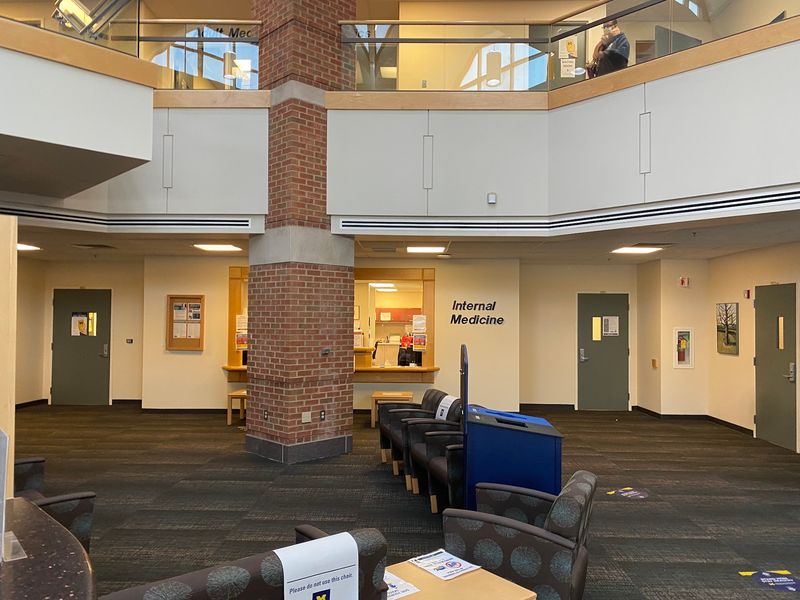
A long hospital day creates its own little checklist: food, somewhere to sit, a phone charger, and someone who can answer questions. Family support is not a luxury when people are managing worry and unfamiliar routines.
University of Michigan Health offers patient and family resources, including information services and help navigating practical concerns. Ask the care team about social work, available waiting spaces, and support suited to your situation.
Before a procedure, find out how updates will reach the designated family contact. Check visiting rules, which can differ between units.
Choose one person to organize questions and share information with relatives. That simple arrangement can reduce repeated calls and help everyone follow the same care plan clearly.
Clear Communication Is Part Of Advanced Care

The best explanation is one you can actually understand. University of Michigan Health provides interpreter services and communication support for patients who need language assistance or accommodations related to hearing and other communication needs.
Request help when scheduling rather than waiting until an important discussion begins. Tell the team your preferred language and the type of support that works for you.
During the visit, ask staff to explain unfamiliar terms in ordinary words. You can also repeat the plan back to check that everyone means the same thing.
For major decisions, use the professional services offered rather than relying only on relatives to translate. Clear communication helps protect privacy, supports informed choices, and makes follow-up instructions easier to use.
High-Tech Tests Still Need Good Questions
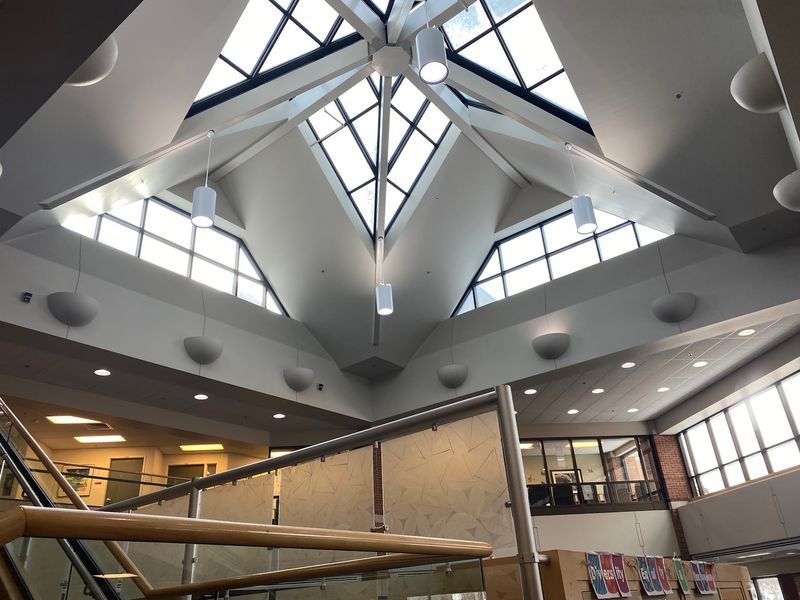
A scanner can look impressive without explaining what happens next. University of Michigan Health uses advanced imaging and specialized procedures to help clinicians identify problems and plan treatment.
The right test depends on your condition, not simply on which machine looks newest. Ask what the test is meant to answer and how the result could change your care.
Follow preparation instructions carefully, including any rules about food, medicines, or arrival time. Before MRI, tell staff about implanted devices and other metal-related concerns.
If enclosed spaces make you anxious, mention that early so the team can discuss suitable support. Also ask when results will be available and who will explain them, because a picture alone is not a plan.
Make An Overnight Visit Less Complicated
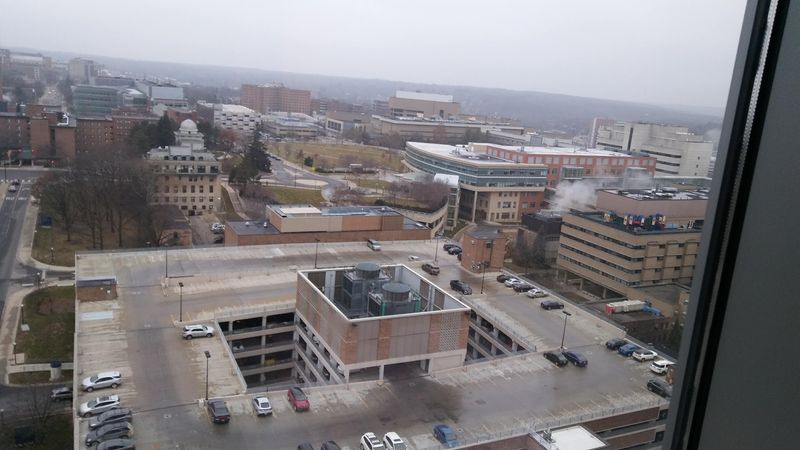
Travel gets harder when an appointment becomes several days of care. The medical campus includes the Med-Inn Hotel, and Michigan Medicine provides lodging information for patients and families who need to stay near the hospital.
Check availability early, especially if treatment dates are known. Ask about booking requirements, accessibility, rates, and the route between your lodging and the correct care building.
Do not assume that nearby means an effortless walk for someone recovering from treatment. Discuss transportation needs before arrival.
Pack medicines, chargers, comfortable layers, and essential documents in a small bag. Confirm cancellation rules if the schedule may change, and ask the care team whether discharge will require an adult companion or special transportation arrangements afterward.
The Most Useful Detail Is Your Next Step

Leaving with a clear plan matters more than leaving with a thick stack of papers. Even highly specialized care depends on what happens after the appointment or hospital stay.
Before heading home, ask for plain instructions about medicines, activity, follow-up visits, and symptoms that require urgent help. Make sure you know which number to call for routine questions and what to do outside office hours.
If another clinician will continue your care, confirm how records and recommendations will be shared. Ask whether any visits can happen closer to home.
Keep your instructions somewhere easy to find and involve a trusted helper if useful. The strongest healthcare system still works best when the next step is clear and manageable.