
This Michigan Trail Day Comes With Carriage Horses And Old-School Island Energy
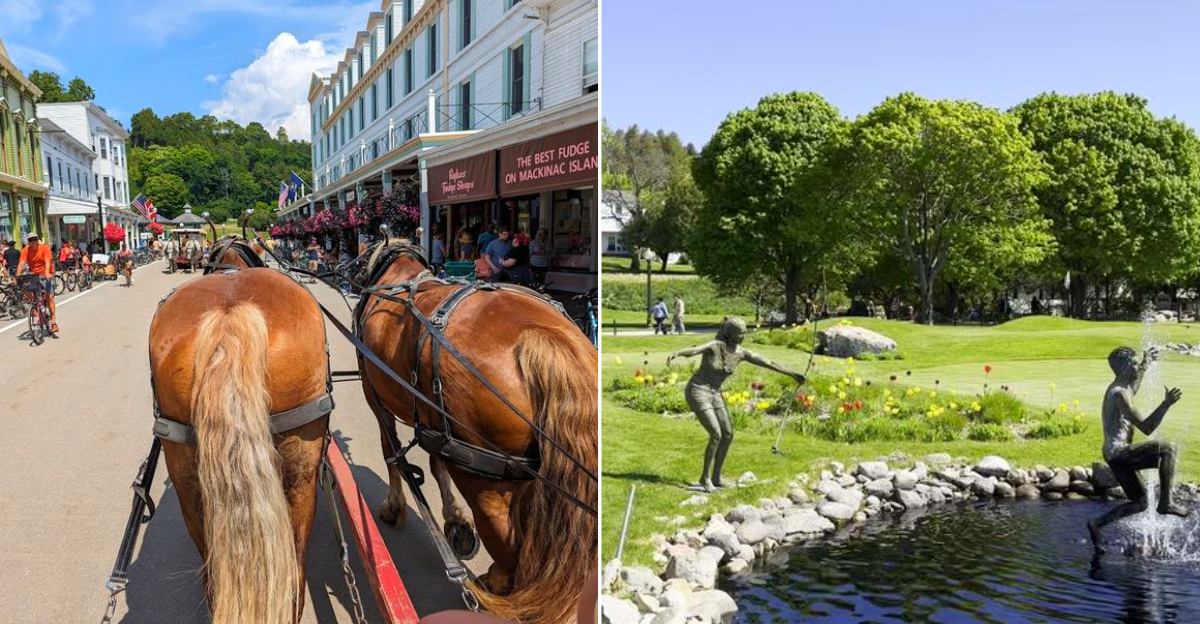
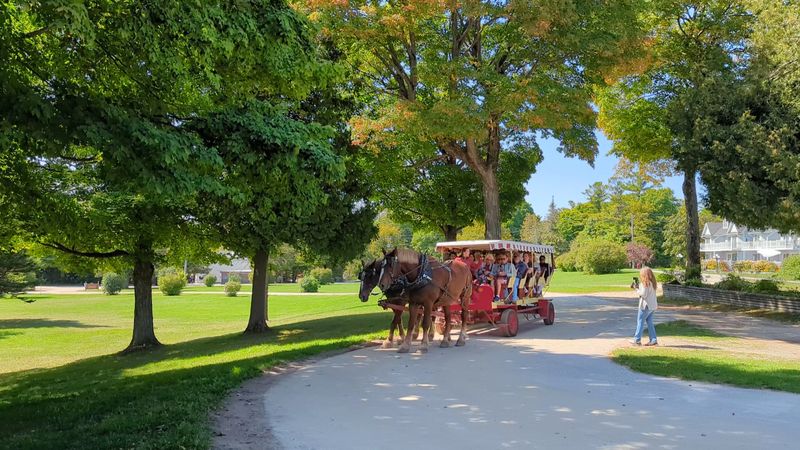
A specific kind of quiet only exists in places where the 21st century hasn’t been invited. I’ve always been a sucker for the rhythmic, antique “clop-clop” of heavy hooves on pavement, a sound that immediately tells your nervous system to downshift.
Stepping off the ferry here feels less like a vacation and more like a time-traveling homecoming.
I spent my morning watching the steam rise from a draft horse’s velvet muzzle, the air smelling of pine needles and nostalgia instead of exhaust fumes. If you’ve ever felt like you were born in the wrong decade, this island is the gentle, four-legged correction you’ve been looking for.
Experience the ultimate Michigan getaway on a historic, car-free island where horse-drawn carriages and Victorian charm create a timeless travel adventure.
If you’re ready to trade your GPS for a saddle and rediscover the beauty of a slower era, you’re in the right place.
Start Early With The Lakeshore Loop
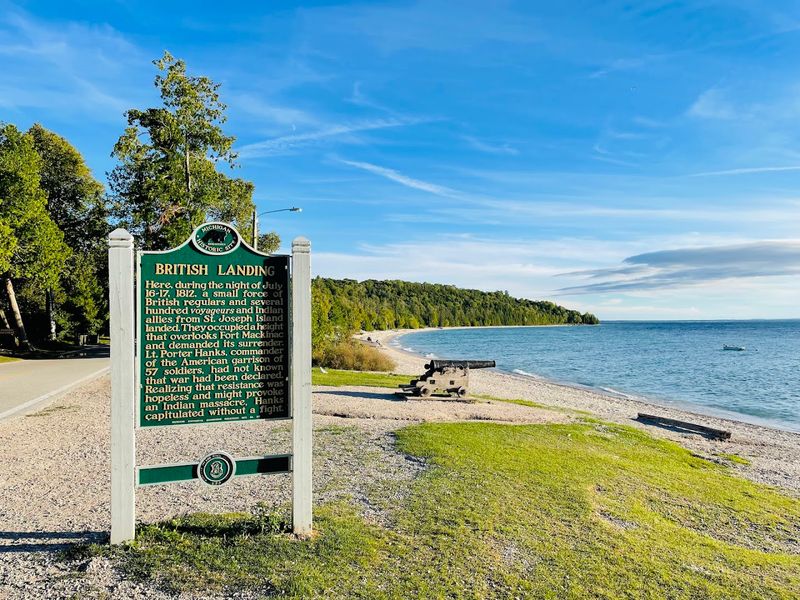
First light on M-185 feels like an opening chord, the tires humming while Lake Huron glows ice-blue beside you. With no cars allowed, the loop becomes a moving porch where gulls draft the breeze and the shoreline clicks with pebbles. The air carries cedar and clean water, simple and bracing.
History rides alongside. This ring road skirts old quarries and pathheads leading inland to bluffs protected since 1875, when the island’s core became a national park. Respect the pace here.
Practical rhythm: ride clockwise if you want the inside line by the forest and easy pull-offs. Wear water shoes for rocky beaches. Pack layers, because the wind flips from warm to chilly in minutes, especially near British Landing.
Getting There
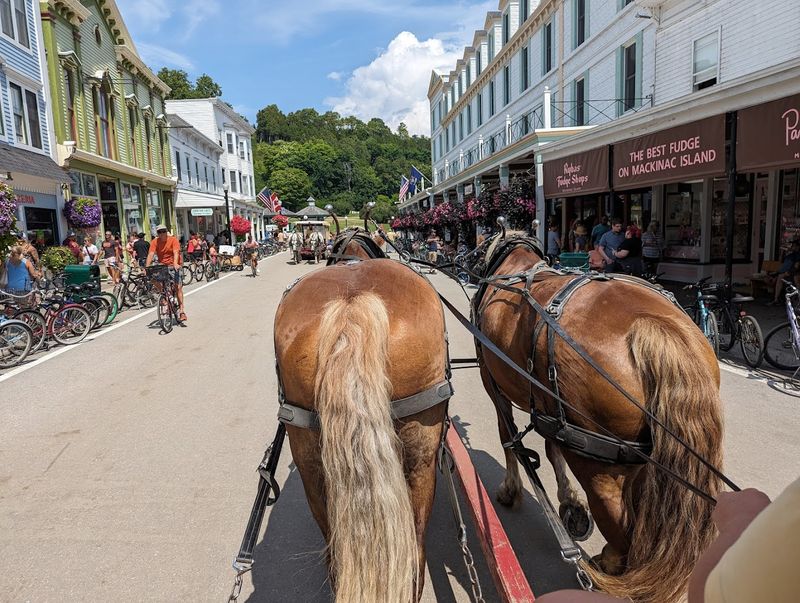
Mackinac Island State Park is a sprawling 1,800-acre sanctuary covering most of the island, famously preserved by a 19th-century ban on motor vehicles. Here, the modern world falls away in favor of horse-drawn carriages, historic limestone formations like Arch Rock, and over 70 miles of tranquil, wooded trails.
Getting there requires a ferry ride from either Mackinaw City or St. Ignace. High-speed lines like Shepler’s or Mackinac Island Ferry Company handle the 20-minute crossing, providing a front-row seat to the Mackinac Bridge before docking at the harbor.
Once you land, the park is yours to explore by foot, rental bicycle, or horse. Since there are no cars, you can hail a radio-dispatched horse-drawn taxi at the dock to transport you and your luggage up the bluffs to the park’s interior or your hotel.
Arch Rock Without The Rush
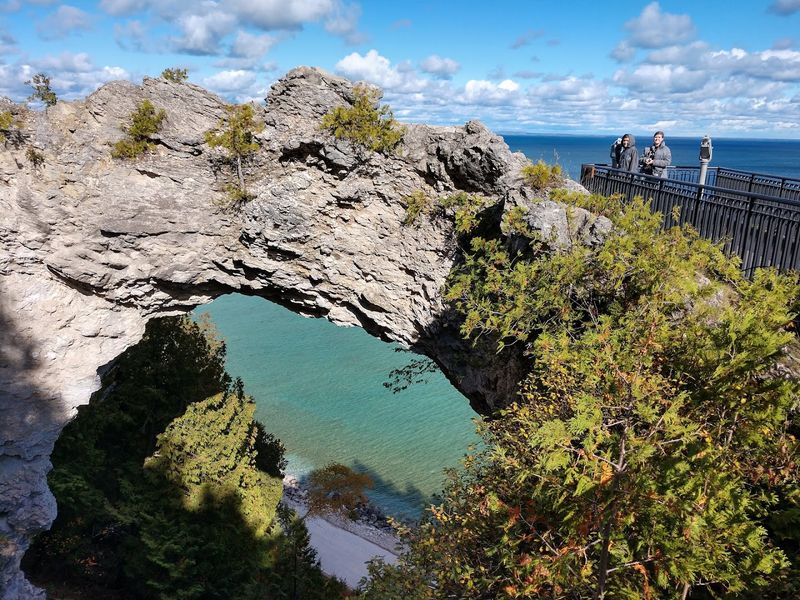
Your first glimpse lands with a small jolt: limestone arched like a fossilized wave, framing water so clear it looks newly poured. From below, the arch feels immense; from above, it becomes a window cut by ancient rain and lake spray. The wind funnels through, cool and mineral-scented.
Formed by erosion in fragile breccia, Arch Rock was sacred to Anishinaabe communities and later mapped by soldiers stationed nearby. Its protection predates most Michigan parks, reflecting early care for geologic wonders.
Beat the bottleneck by arriving before midmorning or near dinner. Use the stairs for a quick heart-thumper, or access the top via paved interior routes. Stay behind rails, and watch pebbles underfoot, since edges can crumble after wet days.
The Quiet Inside: Tranquil Bluff Trail
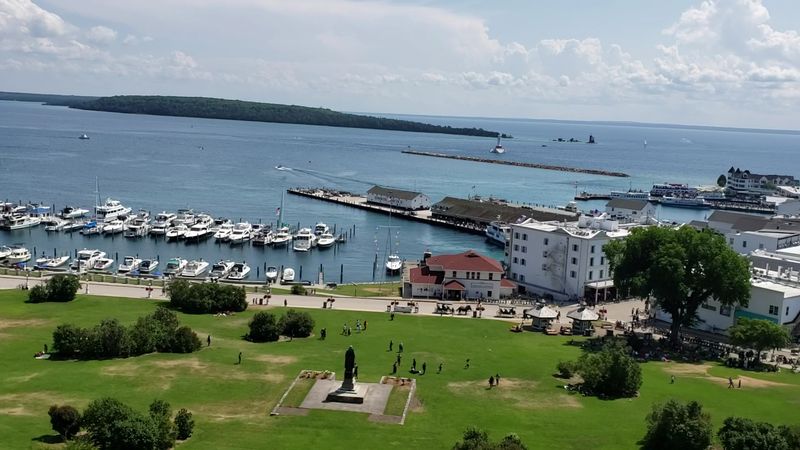
Cedar needles soften each step, and the lake blinks through breaks in the trees like a patient companion. Tranquil Bluff earns its name with gentle rollers and bluff-top peeks that invite hushed conversation. Birdsong carries farther than bicycle bells out here.
The trail network overlays remnants of early military roads, then later conservation routes shaped when the island became Michigan’s first state park. Wayfinding posts nod to this layered past, pointing hikers toward overlooks used for centuries.
Bring a paper map or offline download. Surface changes quickly after rain, so shoes with grip help. Step aside for bikes on multiuse stretches, and keep snacks sealed tight; red squirrels will audition for your lunch if you pause too long near overlooks.
Fort Holmes High Point Perspective
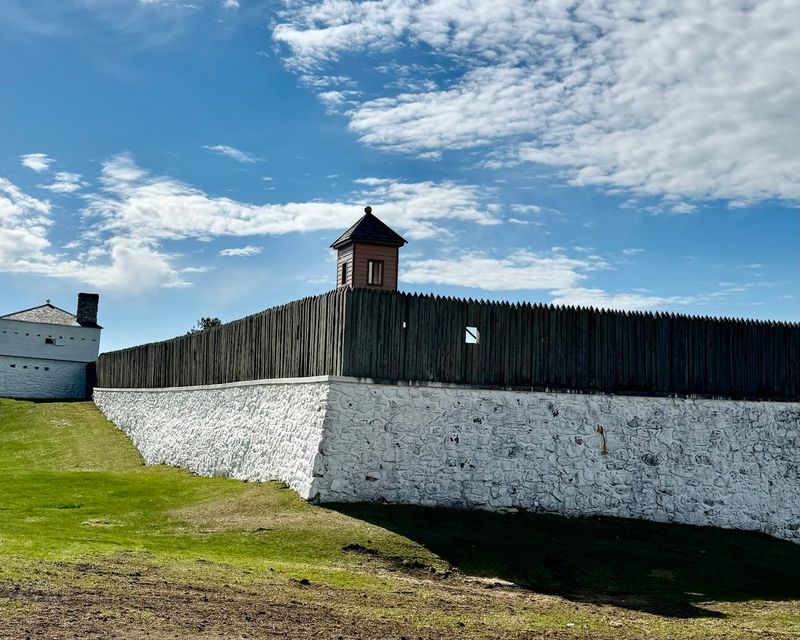
The hill reveals itself slowly, then suddenly the Straits open like a chart, the bridge threading the horizon. At Fort Holmes, timber and earthworks outline a defensive story first written by British troops on the island’s highest point. Wind is constant company up here.
Restoration work preserved the fort’s footprint and signage decodes the 1812 era movements that shaped these heights. The vantage makes the park’s 80 percent footprint feel graspable, all forest, limestone, and shoreline at once.
Climb from the interior road or link from ridge trails for fewer crowds. Read every panel; context sharpens the view. Pack a windbreaker even in July. On bright days, a polarized lens lets Lake Huron flip from glitter to layered blue bands.
Bikes, Bells, And Right-Of-Way
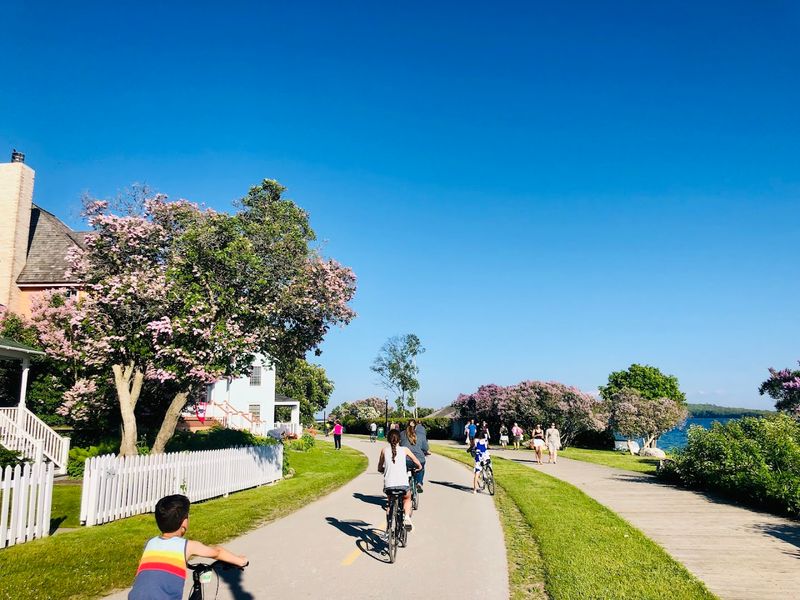
Movement has choreography here: bikes flowing along the shore, carriages carving patient arcs, walkers tucking to the right when hooves approach. The sounds are small and distinct, a soft bell, leather creak, polite voices. That quiet is part of the island’s charm and worth protecting.
Historically, these routes evolved from military supply paths to pleasure drives. The etiquette matured with them, balancing access while keeping fragile edges intact. Staying predictable keeps everyone in the rhythm.
Signal before passing, and never squeeze between carriage and curb. Yield to horses on hills, and dismount on crowded stairs near overlooks. Lights help in twilight under tree canopies. Rentals are abundant, but check brakes before leaving town, since the route’s 8 miles encourage coasting confidence.
Rock Beaches And Clear Water
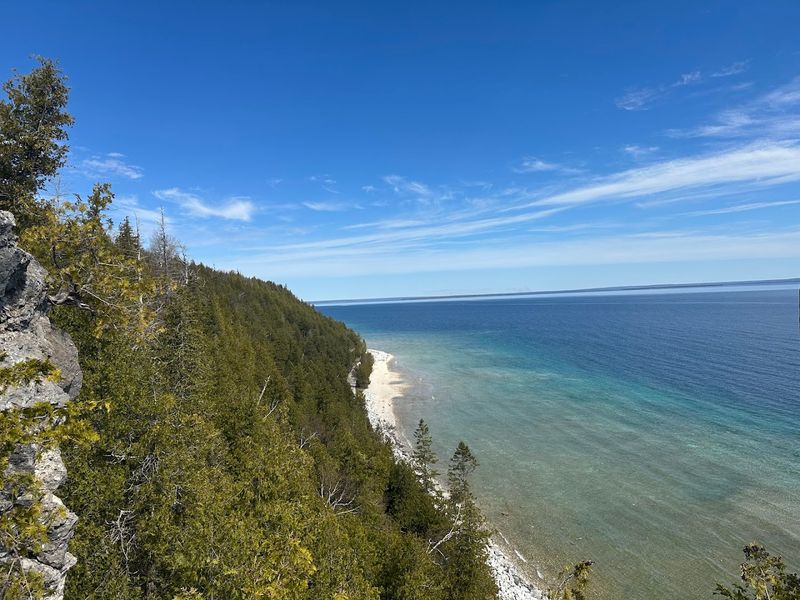
Underfoot, the beach clicks like a pocketful of marbles, each stone rounded by years of ice and surge. The water is startlingly transparent, a lens that makes shallows feel deeper than they are. Kneel down and the world is textures: ripple-marks, snail trails, driftwood grain.
These shores line M-185 for long stretches, a natural foil to the forested interior. Protection keeps them rocky and honest, the kind of coastline that rewards patience over lounging. It is Michigan in a handful of pebbles.
Bring water shoes for comfortable wading, and watch for cold shock even in late summer. Skip stacking stones; leave shapes for the next tide. Pack out every wrapper, since wind funnels along the curve and finds any careless bit.
Forest Canopy And Limestone Bones
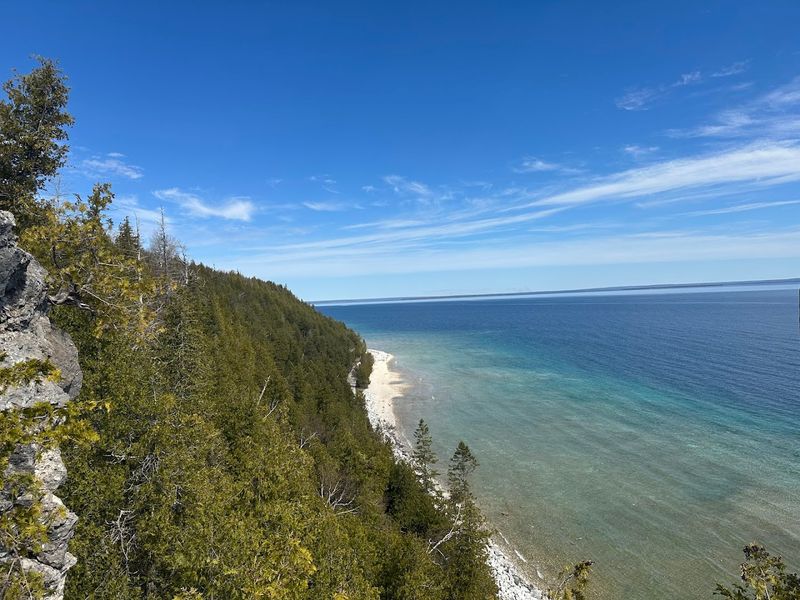
Look past the postcard shoreline and the bedrock announces itself in pale ledges and pocketed faces. Moss traces seams where water once worked, a slow craft that left arches, caves, and overhangs. The forest above feels calm, but the rock below tells a restless story.
Limestone here dates to ancient seas, later lifted and chiseled by glacial retreat. Early park stewardship treated these formations as classrooms, adding gentle access and signage without crowding the edges. That restraint shows.
Mind traction on damp stone. Photograph textures rather than climbing; shoes grind fragile moss in a second. If you hear dripping, look for ferns thriving in the cool shade. Carry a small flashlight to admire cavities safely, then step back and leave them undisturbed.
Season Switch: Spring Wildflowers To Fall Gold
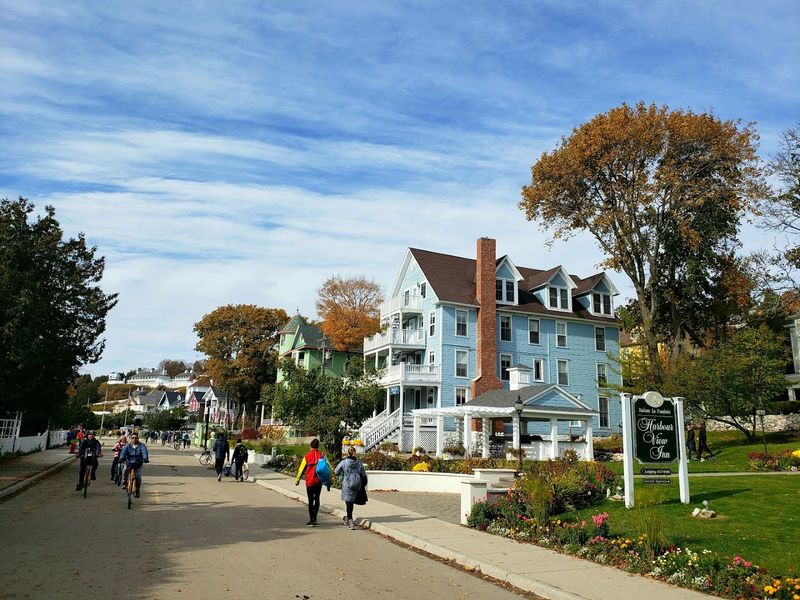
April whispers in with trout lilies and trillium flickering like tiny lanterns beneath leafless limbs. By July, the canopy hums, cicadas spinning a warm net of sound over the shady lanes. Then September tips the palette toward ochres and clean blue skies.
Seasonal rhythms shaped travel here long before schedules did, and the park still leans into them. Trails stay open, but each window carries its own temperament and light. That variety keeps returning visits fresh.
In spring, waterproof shoes beat mud pockets. Summer begs for early starts and midafternoon shade inland. Fall rides can feel brisk along the water, so tuck gloves in the basket. Check ferry schedules shoulder-season, and remember daylight shrugs early in October along the bluffs.
Guides, Rangers, And Quiet Stewardship
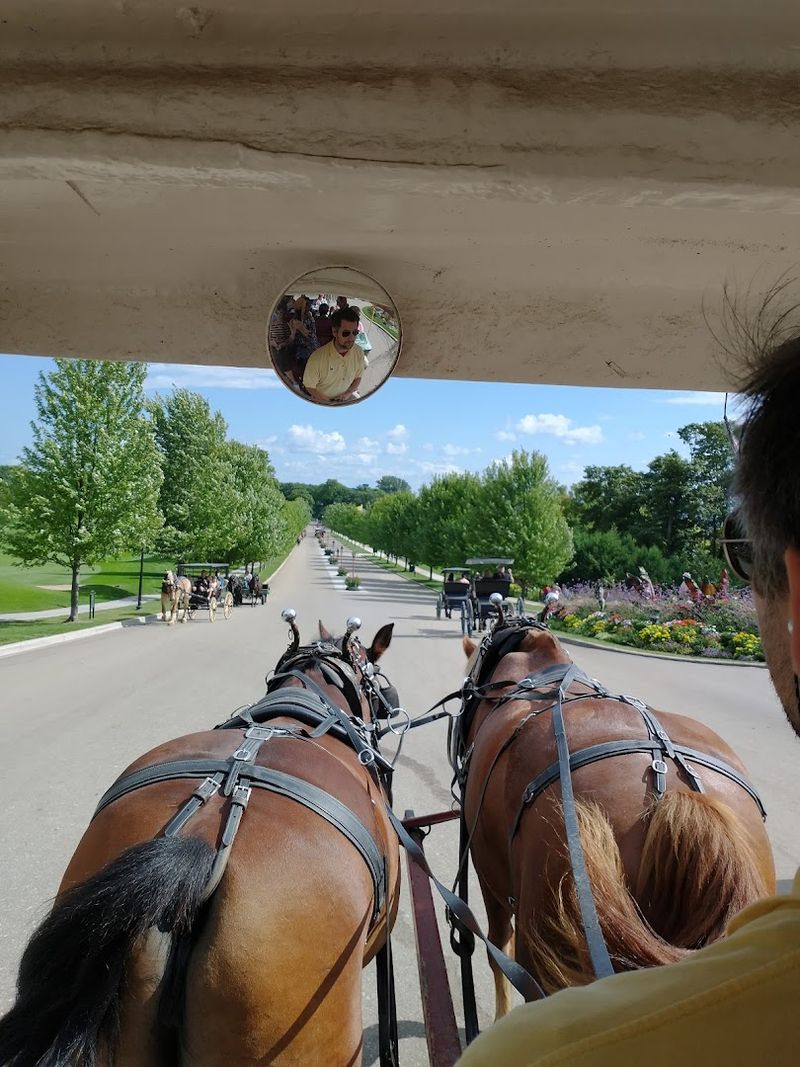
You will meet the park’s voice in quick, useful sentences at a trailhead or overlook. Staff and guides keep the tone warm and precise, focused on safety, history, and simple courtesies that preserve the place. Their calm presence matches the island’s slower gear.
That culture started when the area transitioned from national park oversight to Michigan stewardship, emphasizing education over spectacle. Small signs and trail markers reflect the same idea: clear, durable, not loud. It works.
Listen fully, and ask about conditions on interior roads after storms. Share the path by pulling aside early for carriages. Pack trash out and skip the drones, which unsettle wildlife and horses. A quick thank you goes a long way; the quiet stays intact for everyone.
Grand Hotel Porch Views, Park Frame
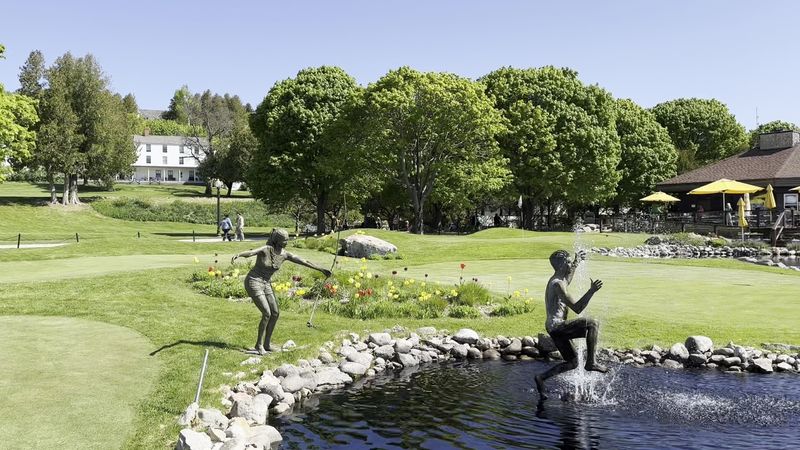
The great porch stages a long, measured scene: white columns, striped awnings, and beyond them, the park’s trees cresting toward the Straits. Architecture here performs a kind of hospitality, turning views into ceremony. The horizon seems to pause in appreciation.
Built in the 19th century, the hotel faces a landscape that was already under protection, a dialogue between ornament and restraint. That pairing helps explain the island’s feel: polished edges meeting honest rock and forest.
You do not need to linger long. Stroll the public paths nearby and peek at the gardens, then slip back into park trails for quiet. Photograph details, not guests. If the wind rises, the porch flags will signal a cooler turn down by the lake.
Logistics That Save Your Day
Small choices make the island feel effortless. Book a morning ferry, carry a soft-shell layer, and toss a reusable bag in your pack for snacks and a map. Cash helps with tips and quick purchases away from the busiest blocks.
The park covers most of the island, with free access once you step ashore. Trails branch quickly, so set a flexible loop: shoreline spin first, interior climb later, and a slow coast to the dock as shadows stretch. That rhythm keeps crowds behind you.
Hydrate early because lake breeze hides thirst. Lock bikes where signs allow, never to railings near horses. Check sunset times, since twilight lingers over the Straits. Finally, leave ten quiet minutes to sit by the stones and listen to the water breathe.