
This Michigan Trail Takes You Straight To A Hidden Ghost Town Most People Don’t Realize Is There
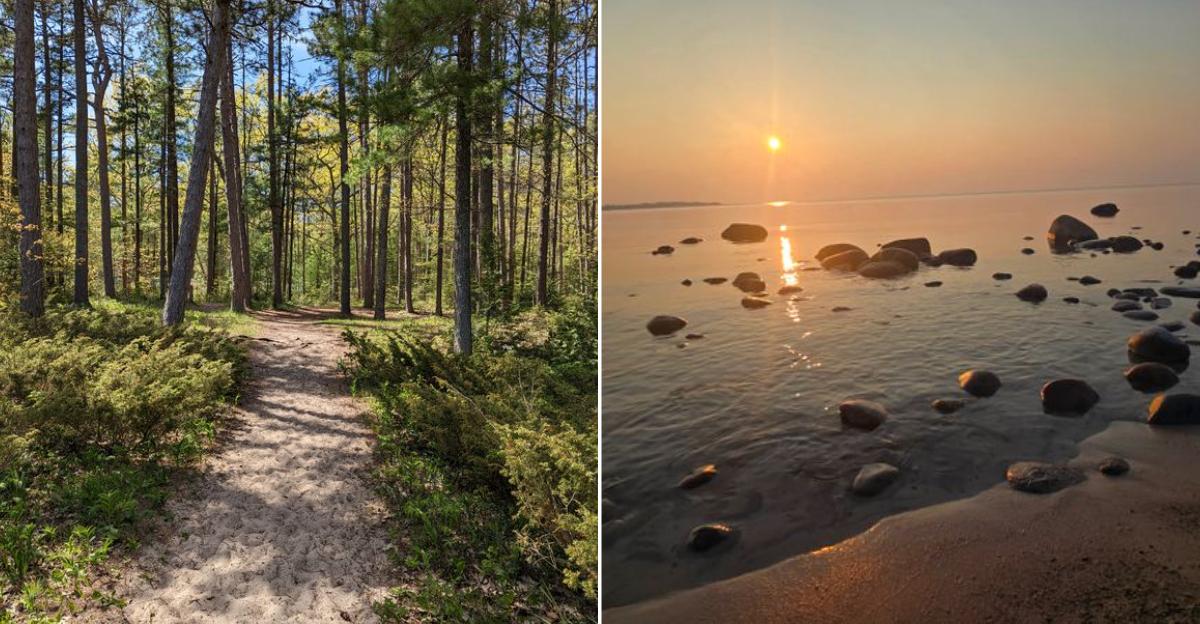
A narrow sandy path slips quietly through groves of jack pines at the Besser Natural Area, leading travelers toward a destination that most modern maps barely whisper about in their digital margins.
The trail eventually terminates at the weathered ruins of Bell, a long-vanished lumber town situated on the rugged shores of Lake Huron, where crumbling stone foundations linger like half-remembered stories told in a fading language.
Rhythmic waves nibble at the shoreline while ancient cedar roots braid themselves across old structural footings, creating a sensory experience that feels strange and haunting in the very best possible way.
If you find yourself curious about places that remember far more than they outwardly show, this gentle and riveting walk is a journey you will want to savor with every deliberate step.
Finding The Trailhead Without Fuss
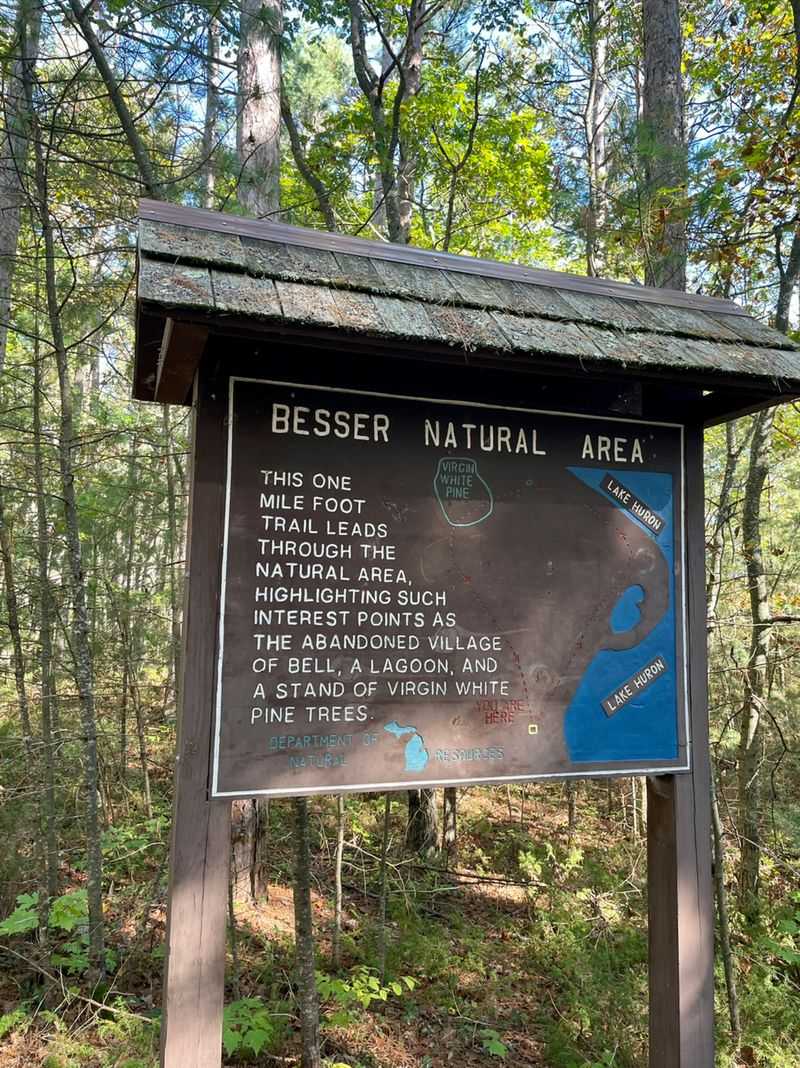
The entrance to this secluded natural area sits quietly off East Grand Lake Road and is marked with such modesty that you must keep a sharp eye out for the small, unpaved parking pull-off tucked among the trees.
A thick carpet of fallen pine needles softens the sound of your footsteps the moment you leave the pavement behind, allowing a profound canopy hush to arrive quickly and set a contemplative vibe before history even gets a chance to speak.
The town of Bell once stood proudly nearby as a bustling lumber-era settlement, but it eventually faded into the forest floor after the local mills waned and the workers moved on to find new opportunities elsewhere.
Today, various stone foundations and the faint, ghostly outlines of a former street grid peek through the dense bracken along the loop trail, inviting hikers to solve the puzzle of where homes and businesses once thrived.
I strongly suggest arriving with offline maps already downloaded to your device, as cellular service can be notoriously wobbly in this remote corner of the Presque Isle peninsula.
Be sure to park courteously within the designated area, lock your valuables out of sight, and apply a liberal amount of bug spray before heading into the woods with sturdy shoes and plenty of water.
Reading The Pines And The Wind
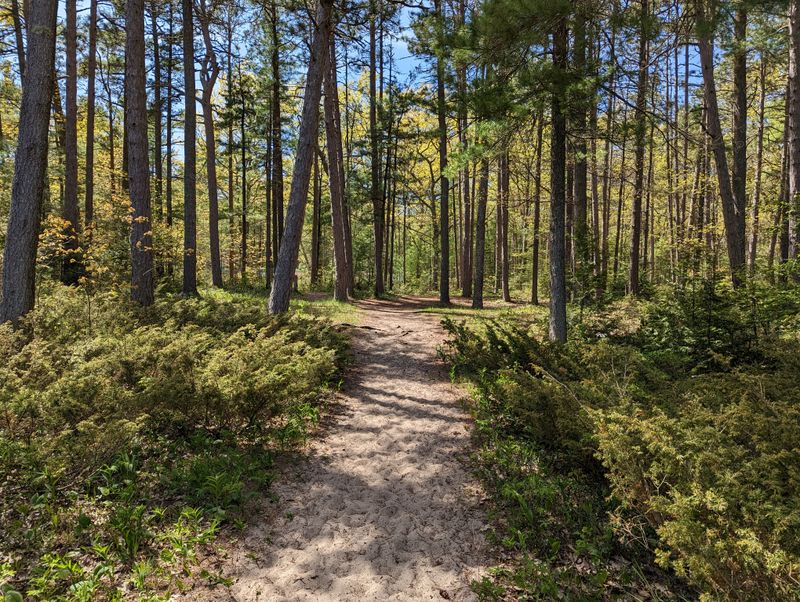
A heavy scent of fresh resin hangs thick in the air where towering red and jack pines stitch patches of deep shade across the winding path, creating a natural cathedral that feels isolated from the modern world.
The wind moves through the high branches in thin, melodic notes while the fine lake sand whispers softly under your boots, giving the entire walk an almost library-like calm that encourages quiet reflection.
These resilient pines followed the era of aggressive cutover logging, forming a second-growth chorus that replaced the original virgin forest harvested over a century ago to build towns exactly like Bell.
The trail traces the environmental consequences of that industrial past without ever feeling like it is preaching, allowing you to notice the intentional space between trunks like meaningful pauses in a long conversation.
It is important to walk in a single file to protect the fragile forest duff and rare lichens that carpet the ground, ensuring that this delicate ecosystem remains intact for future generations of explorers.
Photography enthusiasts will find that the landscape is most stunning when the sun begins to lower in the sky, turning the pine needles to a burnished bronze while the distant surf takes on a shimmering silver hue.
First Hint Of Bell’s Footprint
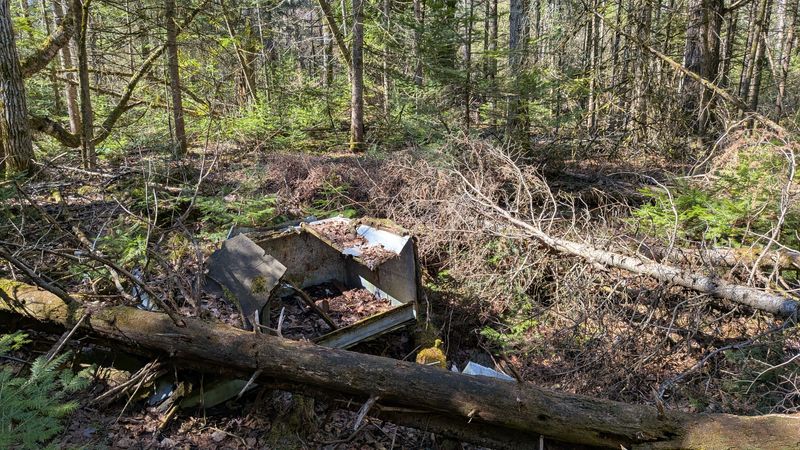
A low, moss-covered rectangle of stone suddenly appears in a clearing where you might expect to see more wild shrubs, signaling that you have transitioned from natural wilderness into human geometry.
Though the edges of these ruins have been softened by decades of Lake Huron weather, the corners still follow right angles with a stubborn clarity that stands in stark contrast to the organic shapes of the surrounding forest.
You can feel the ground beneath your feet switch from soft forest loam to compacted fill, a physical sensation that makes the weight of local memory feel tangible and heavy.
Bell grew rapidly around the success of a local sawmill and maritime shipping on Lake Huron, but the population thinned out almost as quickly once the regional timber markets shifted and the resources were depleted.
Nothing overtly theatrical remains of the town, just these humble foundations and outlines that align like quiet blueprints scattered across the forest floor in a display of powerful understatement.
To reduce unnecessary wear on these historic sites, please step carefully around the stones rather than on them, and try to read the landscape like a complex diagram to identify the raised lines that hint at former roads.
Listening For Lake Time
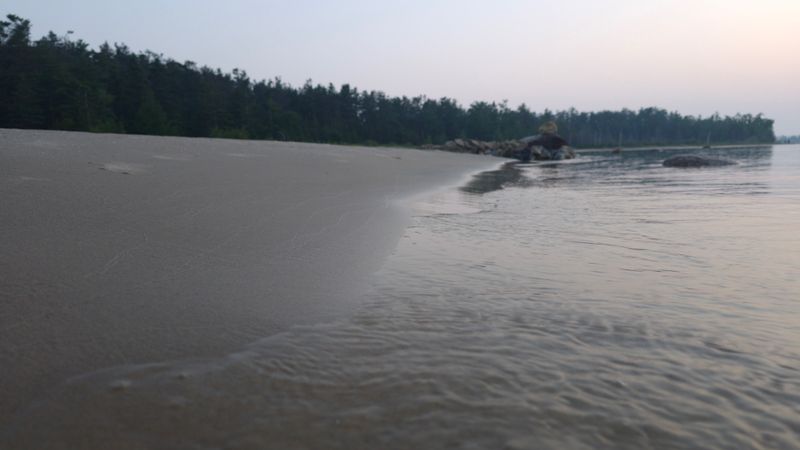
Lake Huron does not seem to rush in this particular cove; instead, it ticks and exhales with a steady rhythm that feels as though the water itself is counting the passing seconds.
The sound of the water mixing with the lonely calls of gulls and the far-off taps of a woodpecker creates a layered metronome that has a way of settling even the most frazzled nerves.
The residents of Bell once depended entirely on these deep blue waters for transport and survival, and the shoreline still carries that working past in the straight, purposeful line of the horizon.
As you stand by the water, you can almost sense the rigid schedules that once dictated the loud mill whistles and the synchronized departures of heavy lumber schooners.
While the present-day tempo is significantly slower and more peaceful, the industrial rhythm of the past lingers in the air like a ghost that refuses to fully depart the beach.
Take a long pause where the trail opens up to the sandy beach to face the wind, but keep your electronics tucked away in a dry bag because the lake spray often travels much farther than it initially looks.
A Sensory Oddity In The Sand
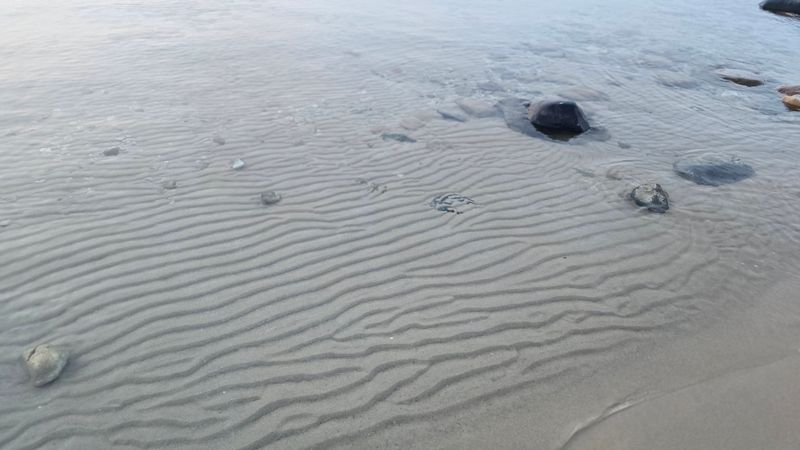
If you kick the dry sand lightly as you walk along certain stretches of the beach, you might hear a faint, high-pitched squeak that sounds like the earth itself is trying to communicate with you.
This phenomenon, known as “singing sand,” occurs on only a few select Michigan beaches where the tiny grains of quartz are uniform in size and rub together with just the right amount of friction.
While the sound is a result of delightful physical science involving grain size and humidity, hearing it so close to the ruins of a ghost town adds an uncanny, magical accent to your journey.
The trail almost seems to be commenting back to you as you explore, adding a whimsical layer to an experience that is otherwise defined by the somber remains of the lumber era.
To coax the best sound out of the shoreline, try taking short and shuffling steps without scuffing the surface too heavily, making sure to respect the dune plants by staying on the established approaches.
If the sand happens to be damp from a recent rain, you might not hear the sound at all, so it is worth checking the beach again later in the day once the surface has dried and the friction returns.
Textures Of Abandonment
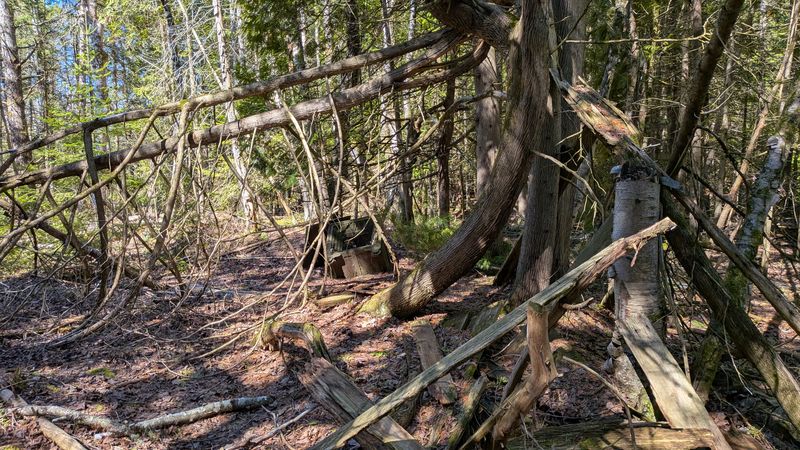
If you look closely at the remnants of the town, you will find ancient square-cut nails still embedded in weathered timbers, their iron surfaces having turned a deep, earthy umber with the passage of time.
Bright green moss has begun to colonize the edges of the ruins, and wandering cedar roots splay across the stone like careful hands reaching out to reclaim what was once taken from the forest.
These intricate textures are perfectly suited for a slow-paced walk and patient eyes, rewarding those who take the time to notice the small details that wider shots often miss.
Bell did not fall into ruin during a single catastrophic moment; rather, it thinned out over decades as buildings were repurposed and the forest slowly buried the remains in a process preservationists call attrition.
What remains today is deeply instructive rather than purely tragic, offering a silent lesson on the temporary nature of human industry when measured against the clock of the natural world.
When documenting your trip, try to focus your lens on these small details, keeping the camera parallel to the surfaces to capture the true planes of the historic masonry without disturbing the metal flakes.
Seasons Change The Script
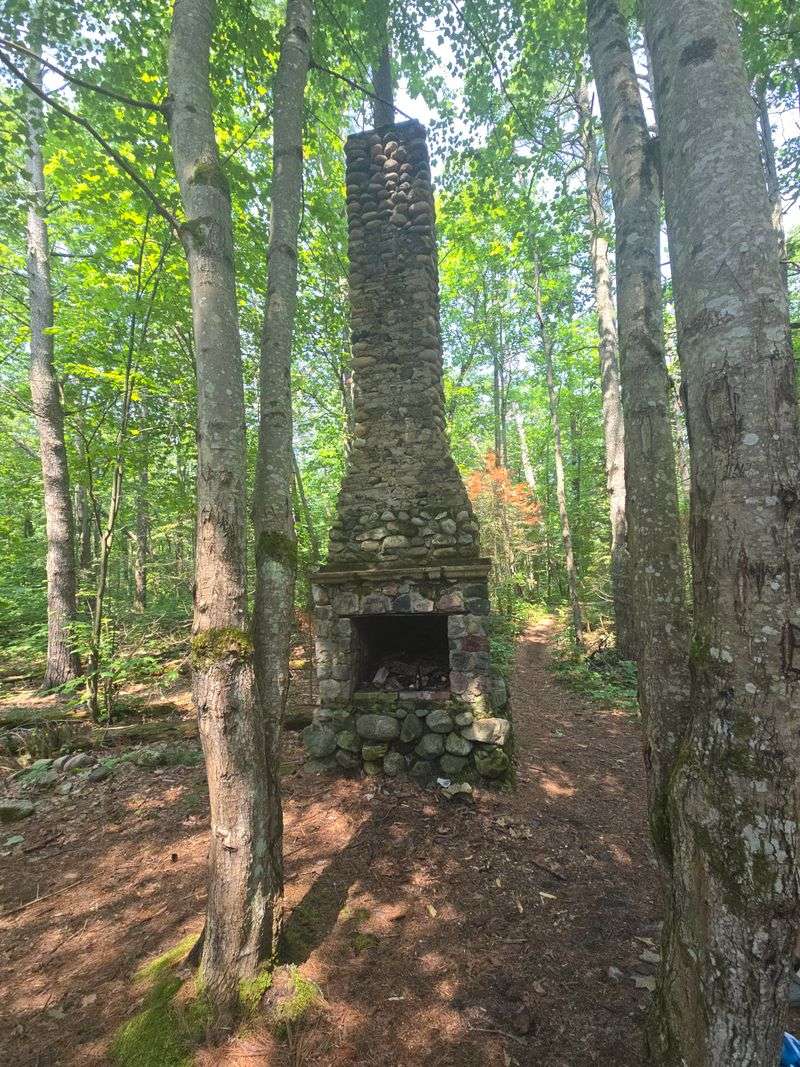
Autumn paints the forest understory in shades of brilliant gold and allows more light to filter through the thinning canopy, making the ruins much easier to identify from the main trail.
In the winter, when a heavy blanket of snow hushes the pines and covers the forest floor, the foundations turn into crisp, white diagrams that you can trace with your gloved hands in the freezing air.
Spring brings a completely different sensory profile to the Besser Natural Area, smelling strongly of thawed cedar and damp sand as the life cycle of the forest begins anew.
Local residents walk these paths year-round, nodding quietly to one another in a way that feels more like a sacred ritual than a simple weekend outing.
There is no frantic crowd rhythm to be found here regardless of the month, only a neighborly pace and the constant, practical habit of checking the sky for sudden Lake Huron weather shifts.
If you visit during the late fall, be sure to wear bright blaze colors for visibility during the hunting seasons, and consider bringing microspikes on icy winter days to navigate the frozen trail safely.
Wayfinding Like A Local
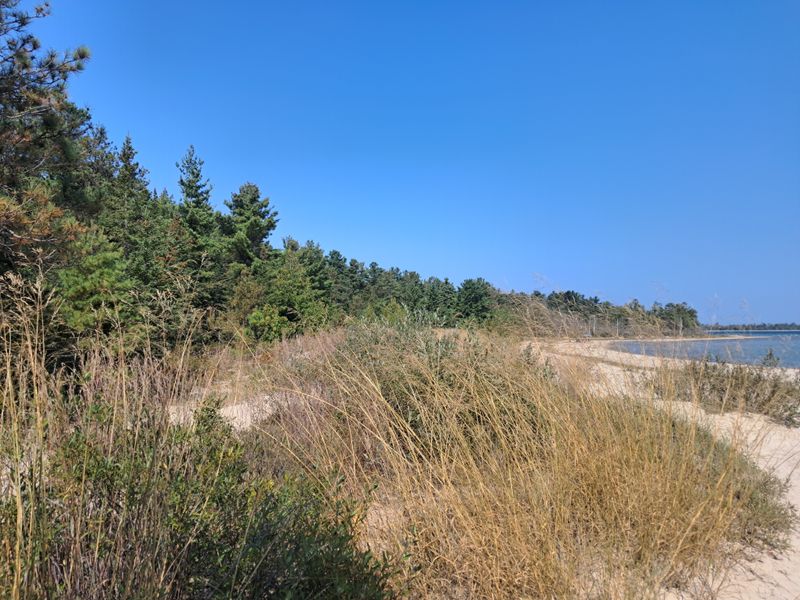
The main hiking loop is relatively short and well-defined, but there are several subtle spurs that might tempt you to wander off toward the inviting turquoise water of the lake.
Trail markers are kept to an absolute minimum here, providing just enough reassurance to keep you on the path without distracting from the immersive feeling of being lost in time.
Even on the most cloudy and overcast days, the pale, reflected light from Lake Huron acts like a natural compass that pulls you toward the shoreline with surprising strength.
Historically, the residents of Bell oriented themselves by the prominent shoreline and the tall mill stacks that once dominated the local skyline, a method that modern hikers can still emulate.
Today, you can align your internal map by the direction of the wind and the constant sound of the surf, creating an oddly satisfying connection to the people who lived here a century ago.
I recommend taking a quick screenshot of the map displayed on the parking area signboard before you set off, and remember to keep to the right at any ambiguous forks to close the loop neatly.
Respectful Steps Among Remains
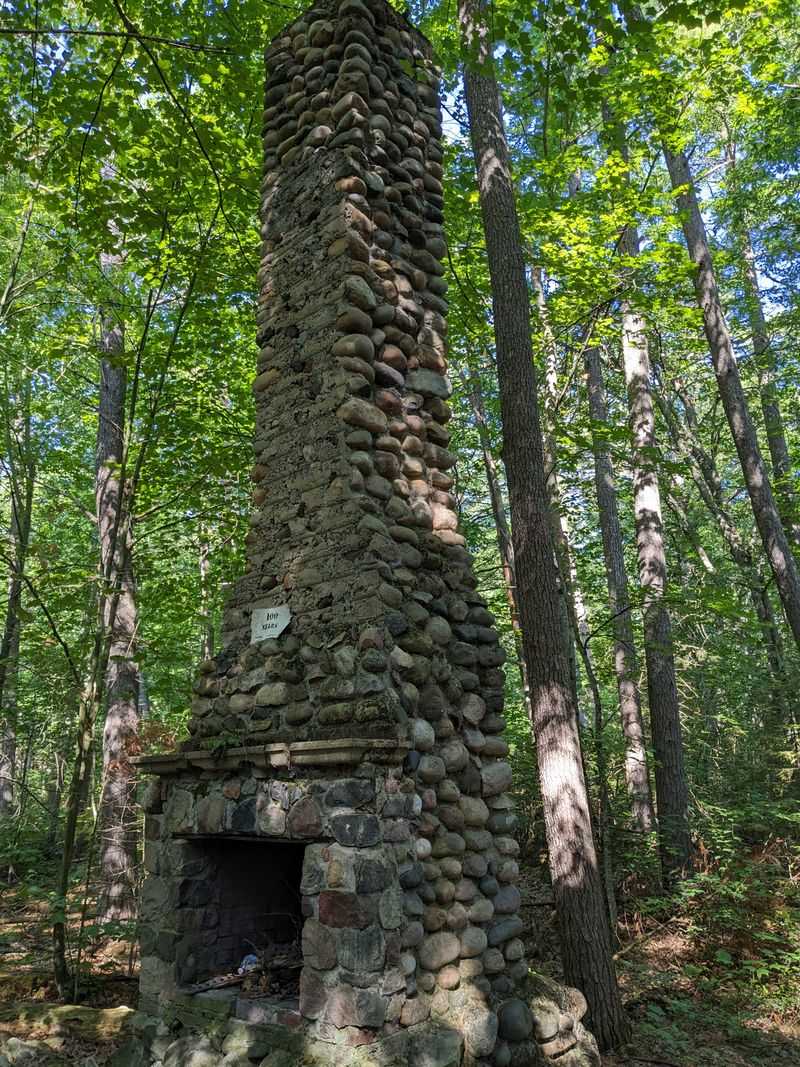
The ruins of Bell naturally invite a high degree of curiosity from every passerby, but practicing personal restraint is the only way to ensure these remains stay intact for another hundred years.
Applying even a small amount of pressure on the old mortar seams can accelerate the wear on these fragile structures, while taking repeated shortcuts can quickly erode the sandy edges of the trail.
Maintaining a quiet presence not only honors the history of the site but also helps the local wildlife stay visible, especially the shy thrushes that emerge from the brush near dusk.
Because the most fragile pieces of Bell have no protective fences or modern barriers, the town relies entirely on the gentle choices and respectful habits of its daily visitors.
There is a silent community agreement across time that you are being trusted to move through this space without leaving a permanent mark on the history that remains.
Please stay on the established path margins rather than climbing onto the old walls, and keep your dogs leashed to ensure their paws do not disturb the exposed stones or the grit that grinds down surfaces.
A Quiet Finish At The Water
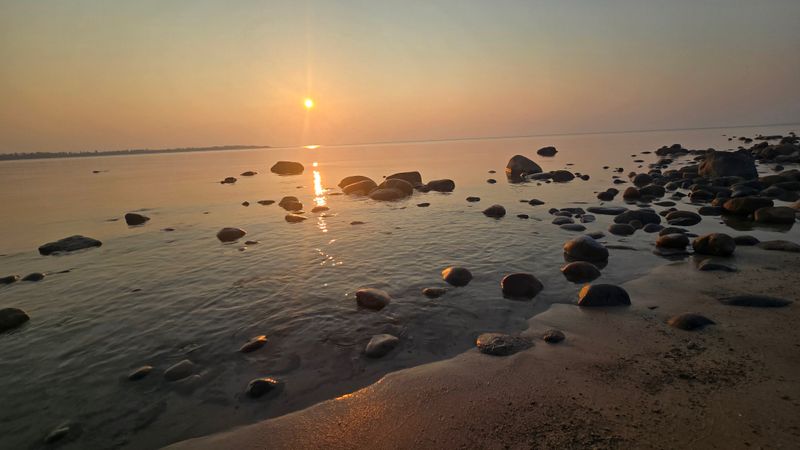
The trail eventually releases you from the dense forest into a bright, expansive band of lake and sky where the sudden shift from deep greens to silver-blue feels like stepping through a heavy curtain.
Waves fold and unfold against the sand with an unshowy patience that seems to exist outside of human time, providing a perfect environment to let your busy thoughts finally settle.
Giant ships once paused just offshore while the lumber of northern Michigan moved along this coast, fueling the growth of cities like Detroit and Chicago from this very beach.
While that working backdrop has long since faded into the past, the horizon still reads like a ledger line that accounts for all the effort and energy that once defined the town of Bell.
Your visit adds one more small note to the long history of this place before the trail loops back and the memory of the ghost town rests once again under the jack pines.
Take five minutes to sit quietly with your shoes off and your phone tucked away, allowing the last of your footprints near the waterline to be erased cleanly by the incoming tide.