
This Michigan Village Grew From The Bones Of A Former State Hospital
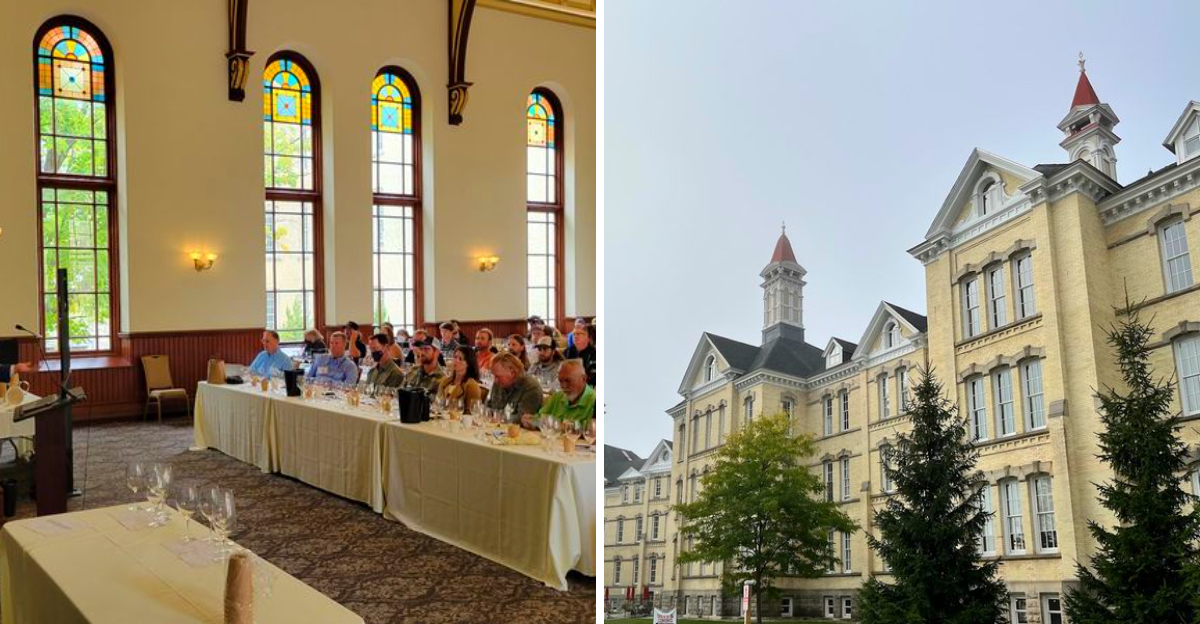
Behind the brick walls of a building that once housed thousands under a very different purpose, a whole village has been quietly growing for two decades.
The corridors where patients once walked now lead to tasting rooms, bakeries whose bread sells out by noon, plus rooftop terraces with a view of the surrounding hills.
The architecture is the kind of imposing, arched stonework that no developer would dream of commissioning today, yet here it stands, repurposed into something nobody could have imagined when the doors first opened over a century ago.
Walking the grounds, you pass community gardens, a network of wooded trails, enough preserved detail to remind you that this place has lived more than one life.
Shops, restaurants, walking paths, a farmers market on weekends, all tucked inside walls built for something else entirely. The brick walls that once held a hospital now anchor a thriving village in Michigan.
Start With The Building Before The Boutiques
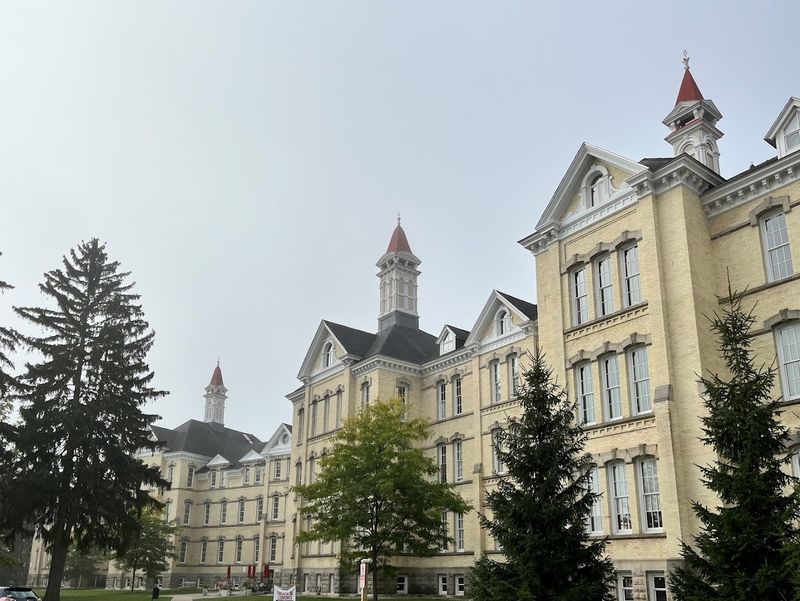
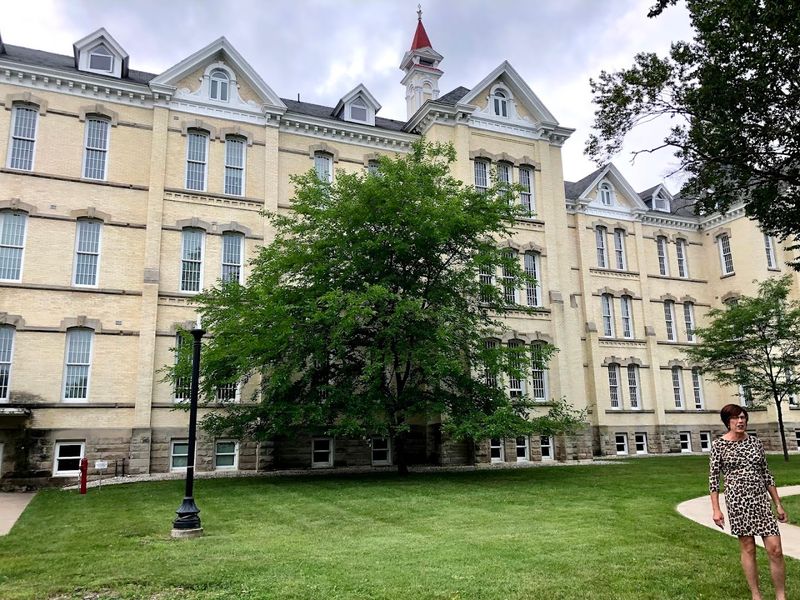
Before any storefront tempts you inside, stand back and let Building 50 take over your attention. The long brick facade, arched details, repeated windows, and institutional scale make the whole campus feel unlike a normal shopping district.
It looks less like something developed and more like something inherited.
That first impression matters because the architecture is the story’s foundation. Opened in the 1880s as the Northern Michigan Asylum and later known as the Traverse City State Hospital, the complex was shaped by Kirkbride Plan ideas about air, light, order, and landscape.
The building was not merely a container for care; its design was part of the medical philosophy of its time.
Seeing the exterior first helps the modern village make sense. Restaurants, shops, apartments, and galleries feel more interesting when you understand the size and original purpose of the structure holding them.
The boutiques can wait a few minutes. The building deserves the opening scene on a slow northern Michigan afternoon outside.
The Old Hospital Has Become Its Own Neighborhood
A former institutional campus now behaves like a small neighborhood, which is what makes the visit feel so strange and satisfying. The Village at Grand Traverse Commons sits at 830 Cottageview Drive in Traverse City, Michigan, just southwest of downtown on the former hospital grounds.
Approach from Division Street, turn toward Eleventh Street, and follow campus signs toward Building 50 and Cottageview Drive.
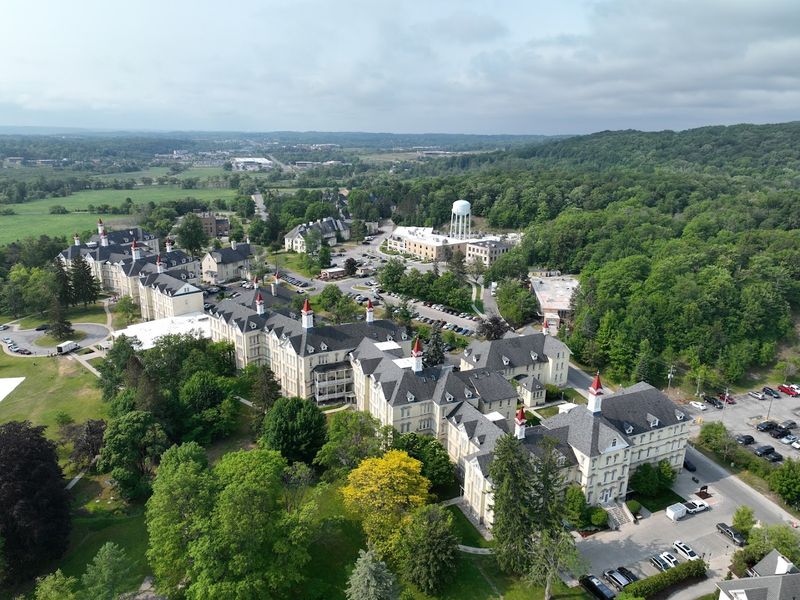
The final stretch does not feel like arriving at a single attraction. Restored brick buildings, lawns, trees, parking areas, and side paths spread the destination across a whole district. That layout encourages wandering rather than one quick stop.
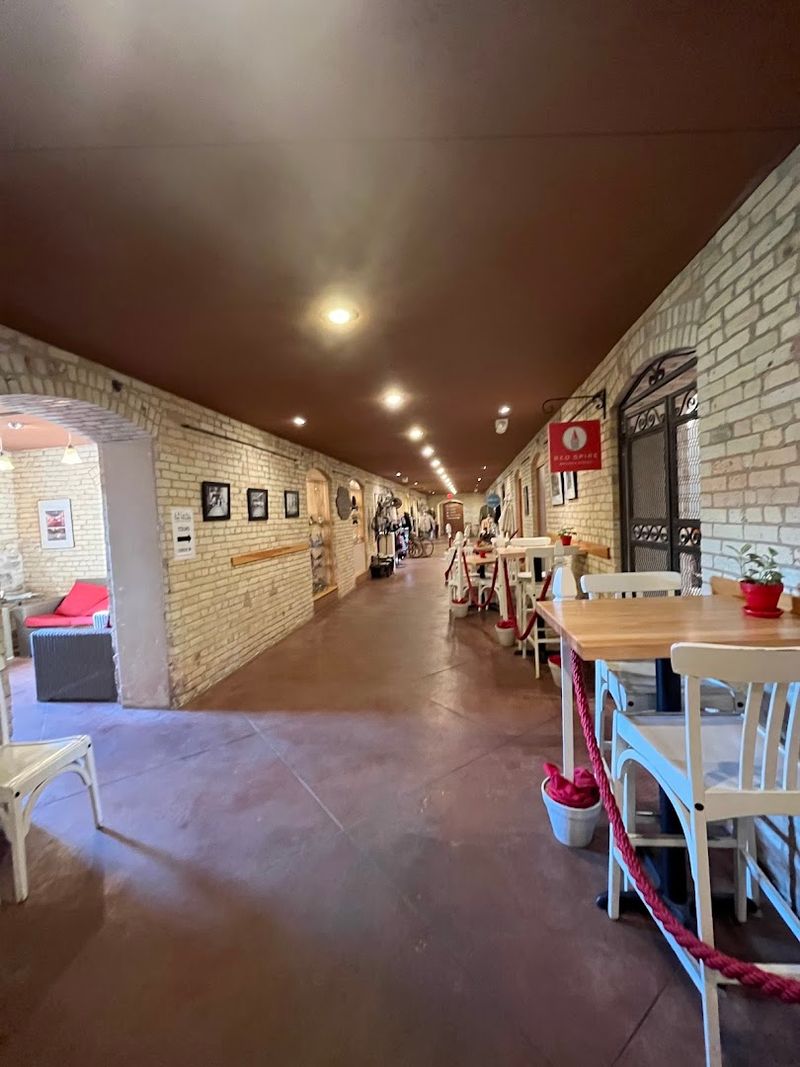
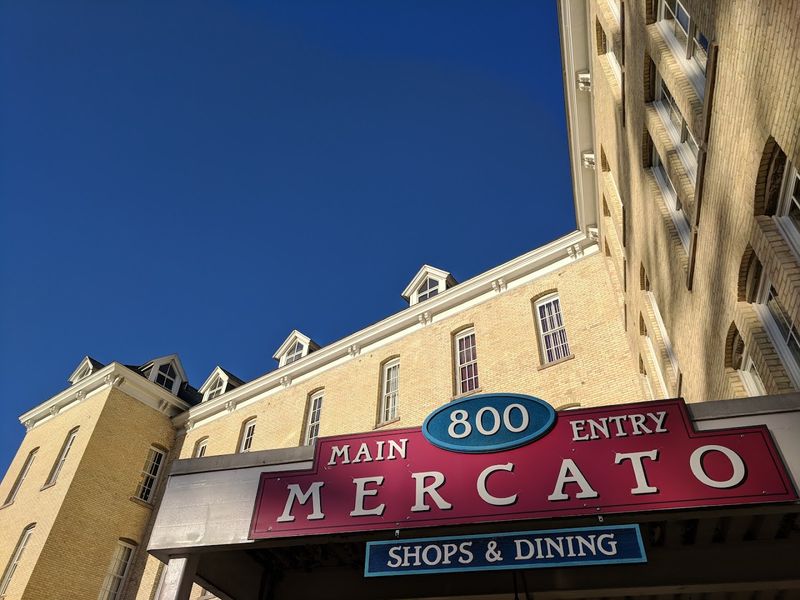
Many shops and restaurants cluster around the Mercato corridor inside Building 50, but the surrounding campus matters just as much. Park near your planned starting point, then let the signs and walkways pull you farther.
The best part is realizing this place is not pretending to be a village. It has slowly become one, through reuse, foot traffic, housing, food, and everyday routines. In a real working pattern today.
Take A Guided Tour If You Want The Bones
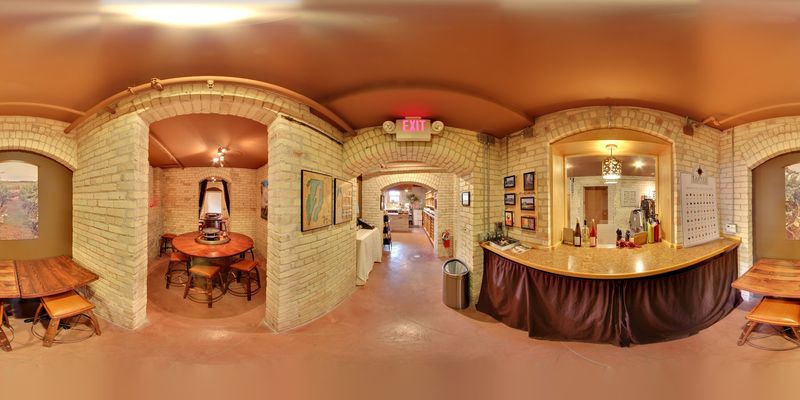
The casual visit is pleasant, but the guided tour is what turns the place from interesting into unforgettable. Tour options regularly include access to spaces you cannot understand from the main shopping corridors alone, including areas still in transition.
That added depth matters here because the site is about adaptation, not decoration.
Guides lead visitors through architectural details, institutional history, and the long redevelopment story with far more nuance than a quick stroll can offer. Practical note: wear comfortable shoes and expect stairs or uneven surfaces depending on the route.
If you are choosing between browsing and touring, I would choose the tour first.
Do Not Skip The Steam Tunnels
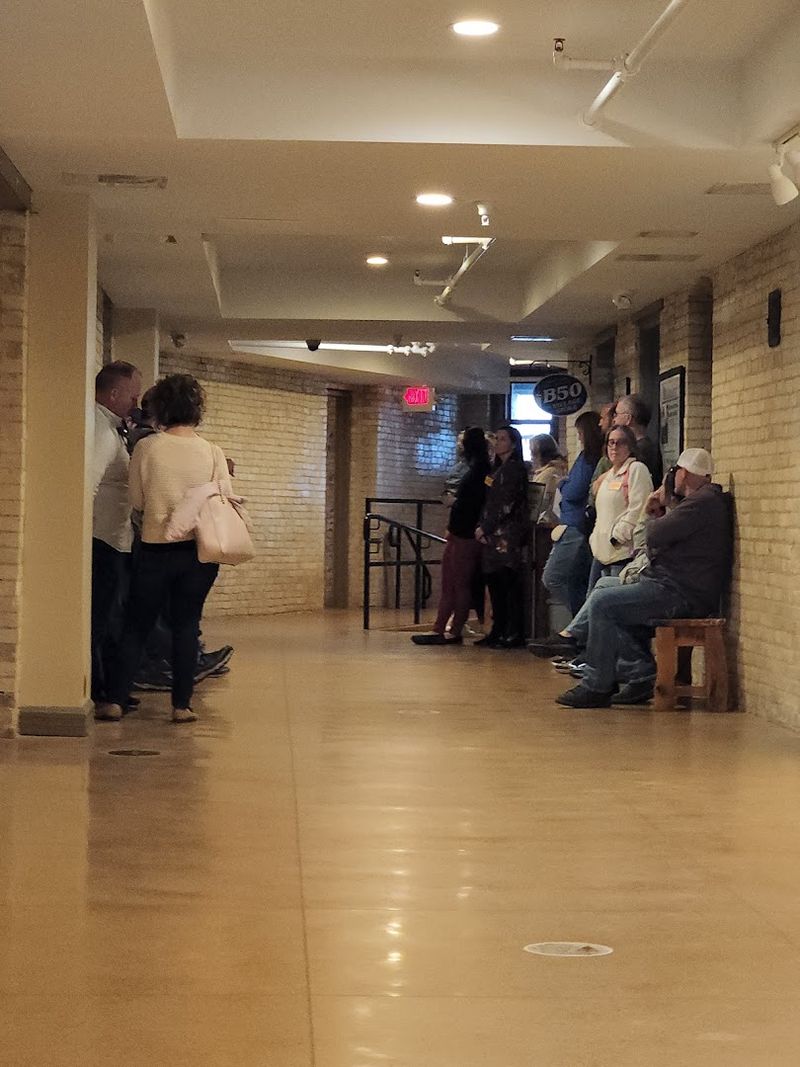
Underground, the mood changes instantly. The historic brick steam tunnels are cool, echoing, and surprisingly elegant in a workmanlike way, which is not a phrase I expected to think about old utility corridors.
Yet they reveal how ambitious the original campus engineering really was.
These tunnels formed part of the ventilation and heating infrastructure connected to the larger hospital complex. Seeing them gives you a literal sense of the bones beneath the restored surface, and that is where the redevelopment story becomes most tangible.
Bring an extra layer if you tour them during cooler months, because the temperature drop is part of the experience and not just a dramatic flourish.
Notice How Light Was Built Into Care
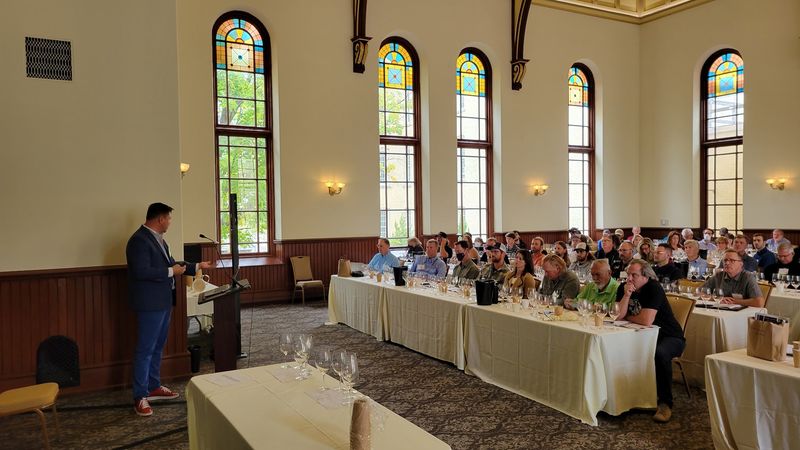
One subtle thing to watch for is how insistently the building courts daylight. Large windows repeat from room to room and corridor to corridor, making the structure feel airy even when the weather outside turns gray. That brightness was not accidental ornament.
The former hospital was shaped by Dr. Munson’s conviction that surroundings could support mental healing, a philosophy often summarized as Beauty is Therapy. Fresh air, sunlight, landscape, and order were built into the experience of the place itself.
You do not need to romanticize the institution to see that this design choice still affects visitors now, lending the restored spaces an uncommon calm.
Pair The Shops With The Preservation Story
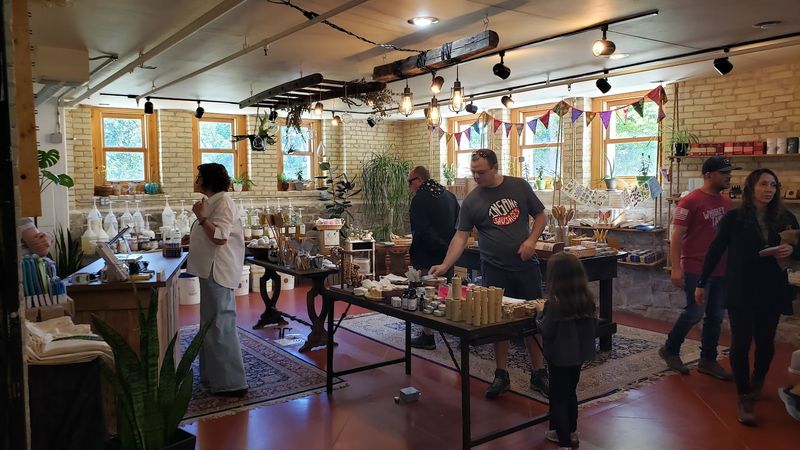
It would be easy for a project like this to feel stagey, but the active ground floor helps the campus stay lived in. Inside the Mercato and surrounding spaces, independent businesses occupy rooms that still carry the proportions and textures of the original building.
Shopping here feels secondary to noticing how reuse actually works.
That is part of the charm: the preservation is not frozen behind velvet ropes. It supports daily life, from browsing a bookstore to wandering between storefronts and public corridors.
Go when you have enough time to drift a little, because this is one of those places where your most memorable moment may happen between destinations.
Step Outside And Walk The Grounds
After time indoors, the grounds reset your sense of scale. The Village sits within a broad landscape of preserved parkland, woods, and open space, so the campus never feels sealed off from nature.
That connection was part of the original therapeutic vision and remains one of the site’s strongest qualities.
You can follow trails in the Grand Traverse Commons Natural Area or simply walk the lawns and edges of the main buildings. In warmer months, the contrast between heavy brick architecture and soft green surroundings is especially striking.
If your visit starts feeling too focused on history, a loop outside restores balance and reminds you why this hilltop setting mattered.
Use The Historic Walks To Change Your Pace
Not every useful tip is dramatic. The historic walking paths, including routes known as the Men’s Walk and Women’s Walk, offer a slower, more reflective way to understand the grounds than simply circling the main building.
Their value is less about mileage and more about rhythm.
Once you leave the busiest corridors, the place becomes quieter and slightly stranger, in a good way. You start noticing grades, sightlines, and how the campus was organized in relation to air, movement, and landscape.
Wear practical shoes if the weather has been wet, and give yourself permission to wander without treating every minute like a checklist item.
Come With Respect For A Complicated Past
Beauty can make the campus easier to enter, but it should not make the past disappear. This was a state hospital, and the restored shops, restaurants, apartments, and event spaces sit inside buildings connected to real institutional lives.
A respectful visit holds both truths at once. The point is not to make the experience gloomy. It is to avoid treating the former hospital as a quirky backdrop or spooky novelty.
The architecture is beautiful, the redevelopment is impressive, and the history remains complicated. Those facts can coexist without one erasing the others. Reading signs, taking a tour, listening to guides, and noticing unfinished areas all help shift the visit from consumption toward understanding.
The most interesting version of the Village is not simply “old hospital becomes cool shopping place.” It is a longer story about care, architecture, abandonment, preservation, memory, money, and reuse.
That complexity is what gives the campus its emotional weight. Approached carefully, the place feels deeper, quieter, and more honest than a simple attraction ever could be.
Check What Is Happening Before You Arrive
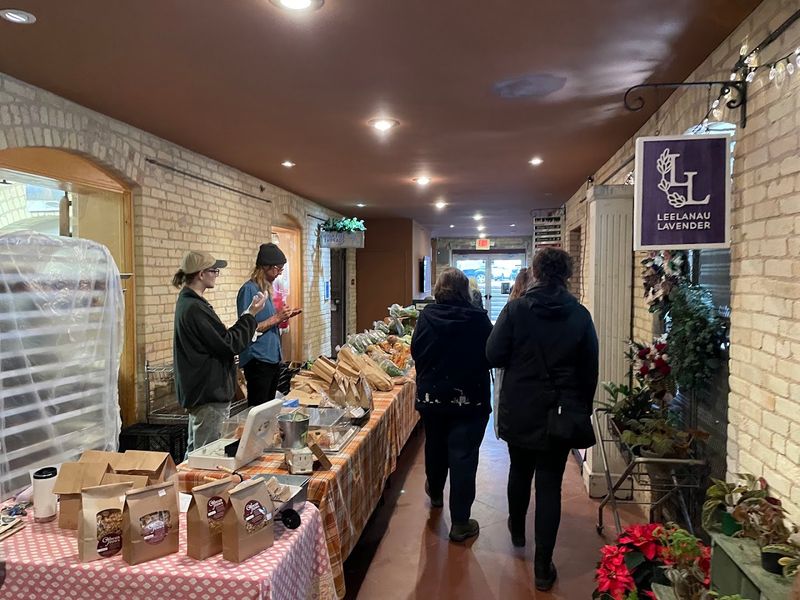
The atmosphere can shift noticeably depending on the day. At times the campus feels hushed and almost monastic, while on event days the lawns and common areas fill with markets, seasonal programming, or neighborhood foot traffic.
Neither version is better, but they create very different visits.
If you like a livelier scene, check the Village website or current listings before heading over. The front lawn of Building 50 and gathering areas such as the Piazza can become social anchors when something is scheduled.
If you prefer contemplative wandering and architectural focus, choose a quieter window earlier in the day and let the building keep most of the conversation.
Leave Time For What Is Still Becoming
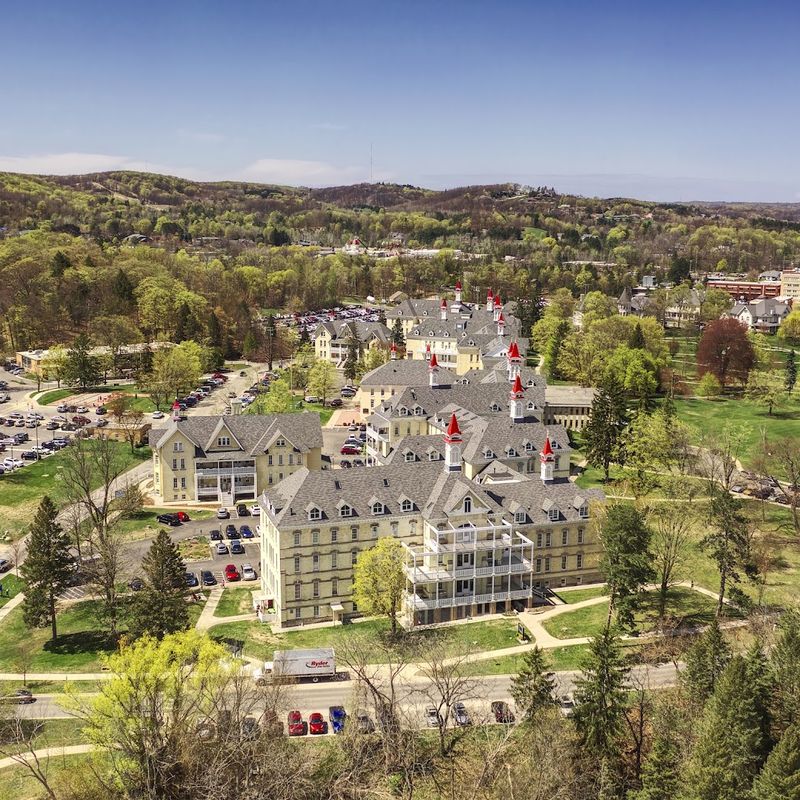
One of the most interesting things here is that the story is not finished. The redevelopment of the former hospital campus has been extensive, but not every structure has reached its final chapter, and that incompleteness gives the property unusual tension.
You are seeing preservation as an ongoing act, not a concluded triumph. That matters because the project is often described as one of the nation’s largest historic rehabilitation efforts. Even after years of investment and reuse, significant square footage still awaits new purpose.
For a visitor, that means the Village can feel both settled and expectant, a rare combination that makes returning appealing because the place keeps changing without losing itself.