
This Michigan Wildlife Sanctuary Is A Dream Come True For Nature Lovers
Michigan has a way of hiding its best places behind unmarked roads and trailheads that look like driveways.
Walk past the entrance gate and the sound of traffic drops to nothing, replaced by waterfowl calling across open water and the crunch of gravel under boots that have not been worn often enough.
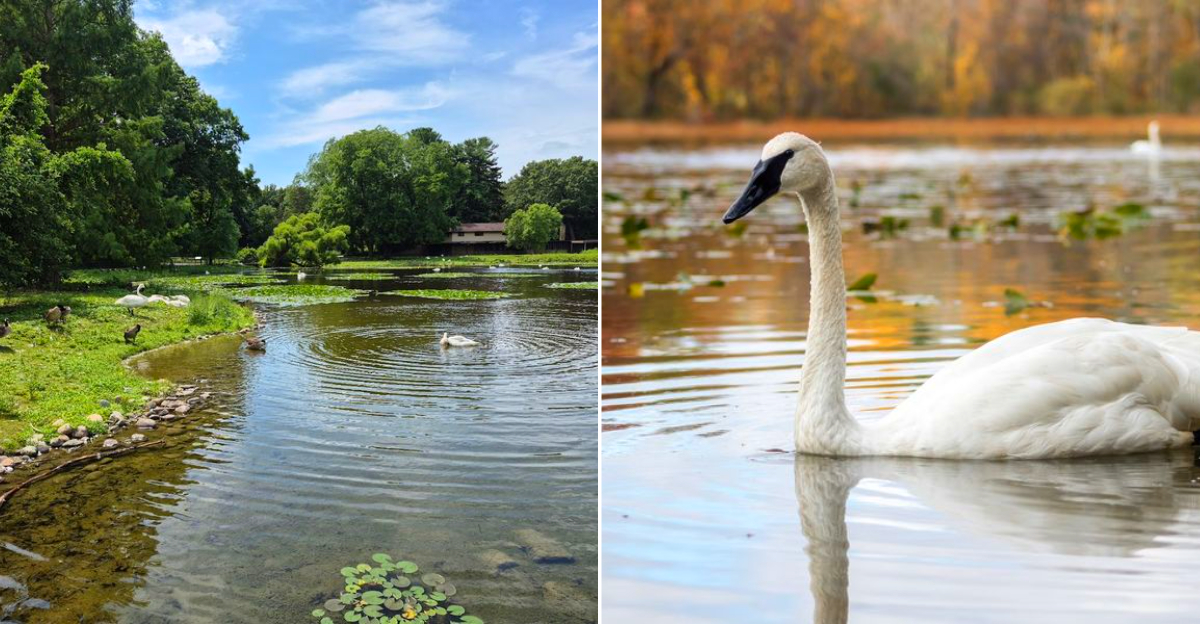
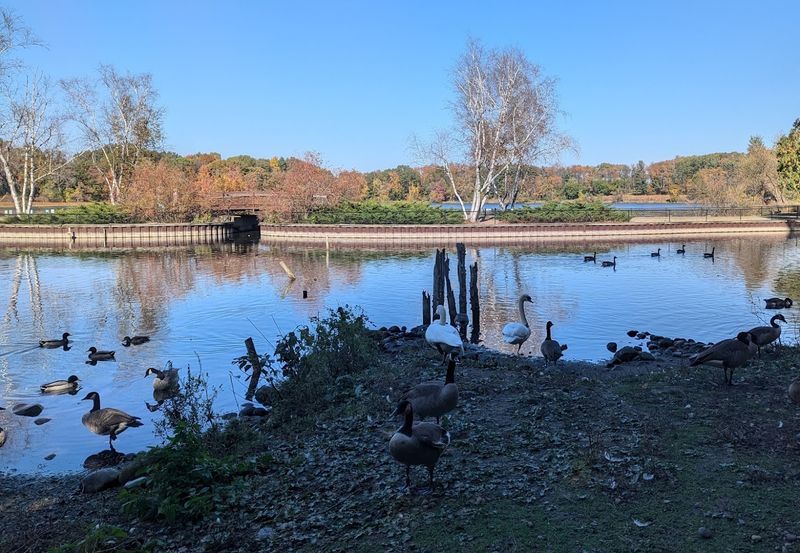
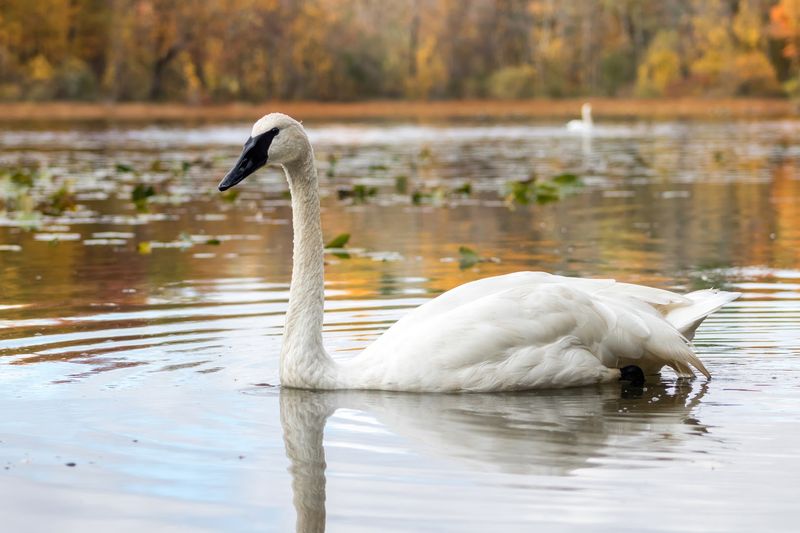
Trumpeter swans glide past observation decks built close enough to the water that you can hear the drip off their feathers, raptors sit on gloved hands during weekend demonstrations, and three miles of trail wind through pines that were standing tall before the cereal magnate who funded this place was born.
The sanctuary does not try to impress with scale or spectacle. It simply gives birds a place to land and gives people a reason to slow down, which is exactly what the best wildlife sanctuaries in Michigan have always done for anyone willing to make the drive.
Start With The Paved Path
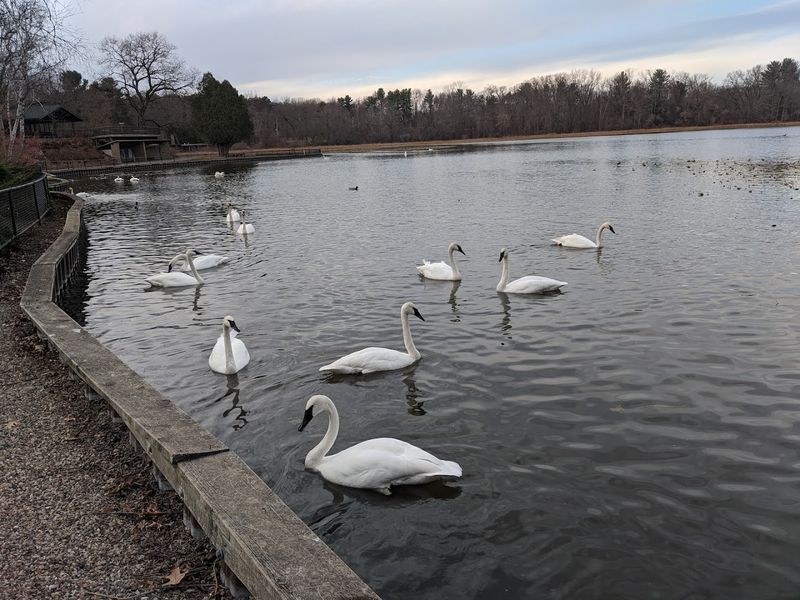
The easiest way to understand this sanctuary is to begin on the paved accessible path and let the place introduce itself at walking speed. It is about three quarters of a mile, and it gives you close views of Wintergreen Lake, resident waterfowl, and several enclosures without demanding much planning.
That matters here. You are not rushing toward a single lookout or dramatic payoff.
Instead, the sanctuary works by accumulation: a swan passing near shore, a sudden wingbeat, a turtle easing off a log, the hush that settles once parking lot habits wear off.
If you are visiting with mixed abilities or uncertain attention spans, this route is the smartest first move. It makes the place feel generous immediately.
East C Avenue Lets The Swans Give Directions
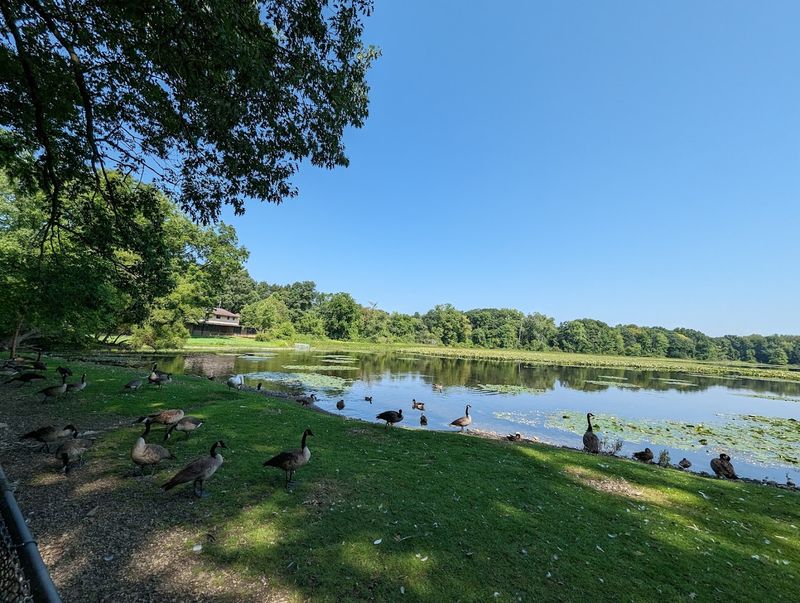
W.K. Kellogg Bird Sanctuary sits at 12685 East C Avenue in Augusta, Michigan, between Kalamazoo and Battle Creek. From either city, work toward the M-89 and M-43 area, then let the smaller roads carry you toward Wintergreen Lake.
The sanctuary is about 14 miles north of Kalamazoo and about 10 miles west of Battle Creek, so the approach feels more rural than the map first suggests. Watch for the East C Avenue address and the Michigan State University sanctuary signs as the road settles into lake-and-farm country.
Park near the visitor area, then continue toward the trails and waterfowl viewing spots on foot. Once Wintergreen Lake opens up and the birds start doing the welcoming, the directions have officially ended.
Understand Why The Place Exists
One reason this sanctuary feels unusually coherent is that its history still matches its present mission.
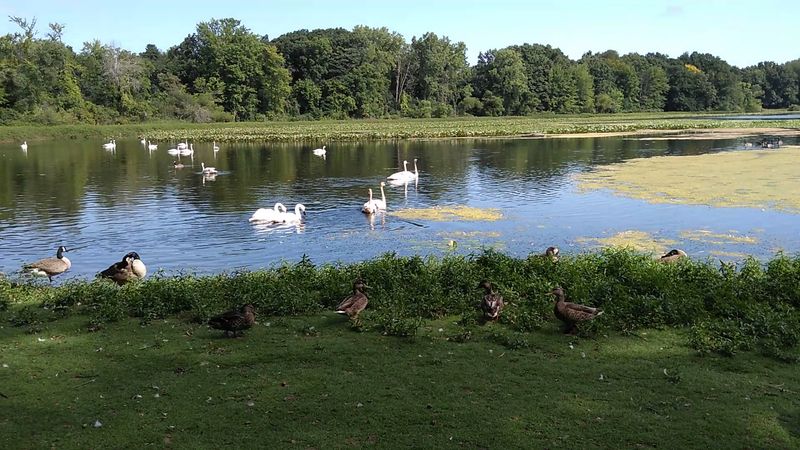
W.K. Kellogg became interested in birds early in the twentieth century, visited Jack Miner’s sanctuary in Ontario in 1924, then bought the land around Wintergreen Lake in 1927 to create a refuge for migratory birds. The founding story is practical, not ornamental.
A year later, Kellogg deeded the property to Michigan State College, now Michigan State University. That decision shaped the sanctuary into more than a pleasant park, tying it to research, education, and animal care from the beginning.
Knowing that context changes the walk. You are seeing a landscape that was restored with intent, not simply preserved by luck.
Make Time For The Birds Of Prey
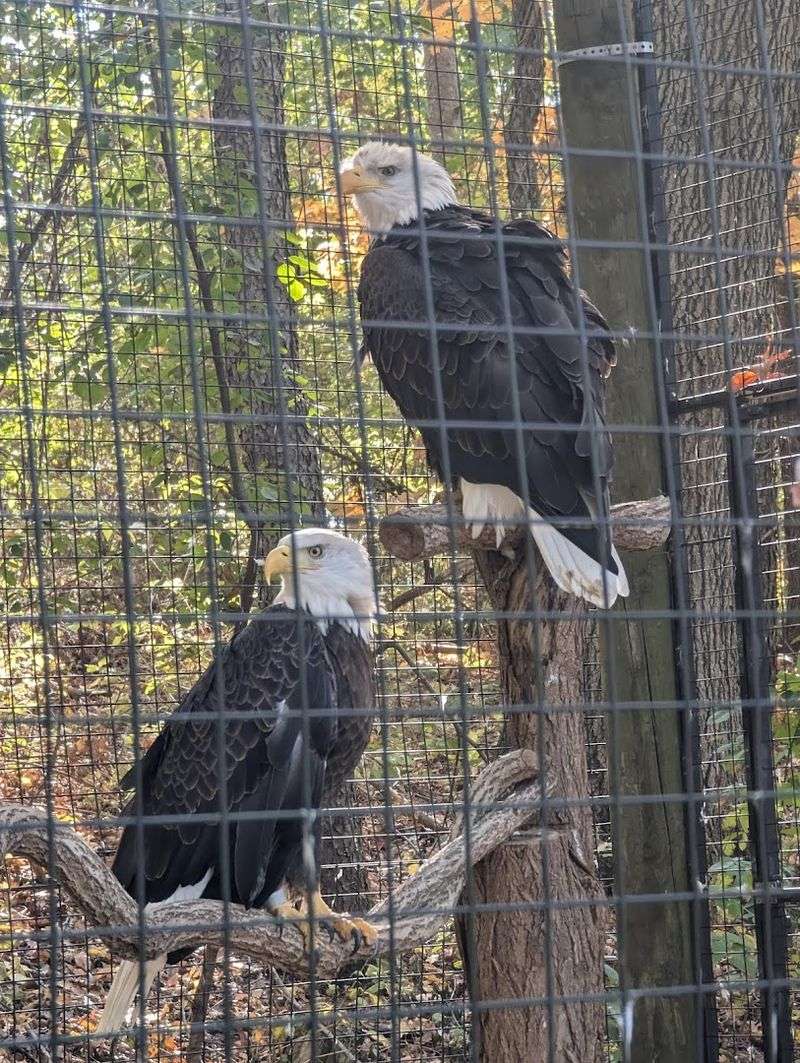
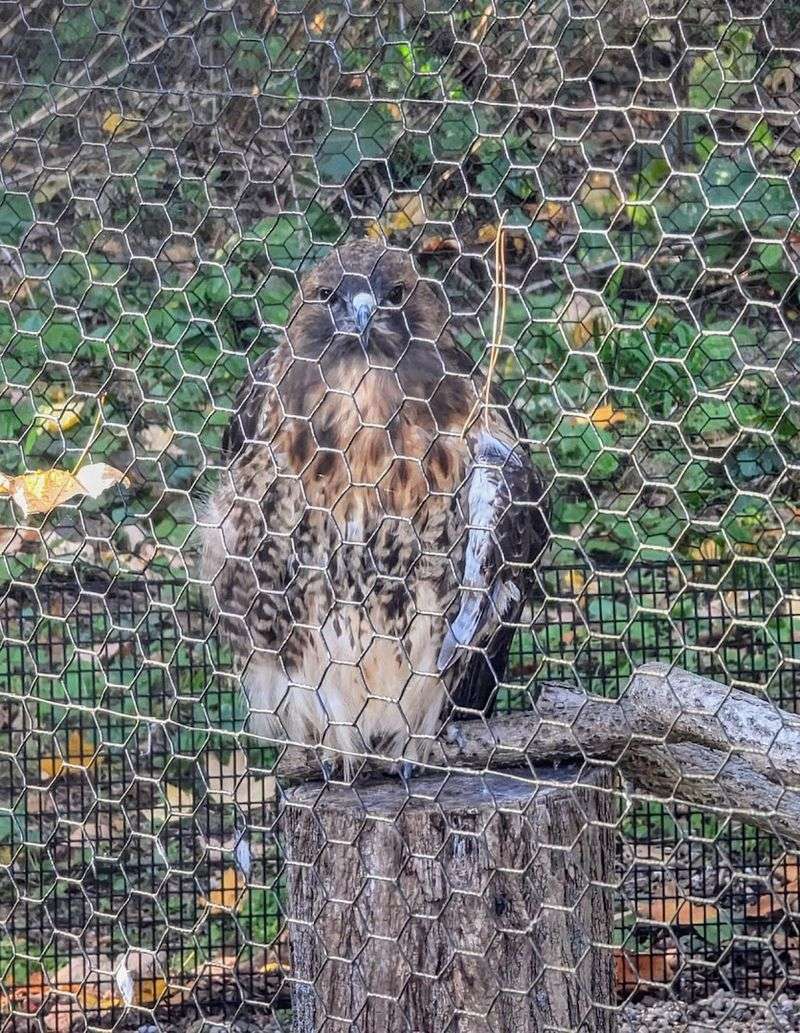
The birds of prey area shifts the mood in a useful way. After the open sparkle of lake views and busy waterfowl, these enclosures ask for a steadier kind of attention, especially when you are face to face with a Bald Eagle, Red-tailed Hawk, Eastern Screech Owl, or Great Horned Owl.
The energy is different here. Many of these resident raptors are rehabilitated birds with injuries that prevent release, which gives the experience more weight than a casual display. It is not spectacle for its own sake, and the interpretation helps keep that clear.
I found this section especially grounding. It reminds you that conservation includes care, limitation, and long responsibility, not just pretty sightings.
Don’t Skip The Upland Game Bird Display
The Leslie E. Tassel Upland Game Bird Display is easy to underestimate until you are standing there noticing patterns, colors, and shapes that barely resemble the plain word bird.
Pheasants and quail from native and global lineages appear here, including species that are rare, threatened, or endangered. The collection broadens the sanctuary’s story.
Instead of repeating the lake’s waterfowl drama, this area turns your attention toward diversity and conservation technique. It also offers a useful counterbalance for visitors who know ducks and swans well but have spent less time thinking about upland species.
Go slowly and read the signage. This is where casual interest often deepens into real curiosity, because the differences among species are so visually immediate.
Take The Lake Loop If You Want Quiet
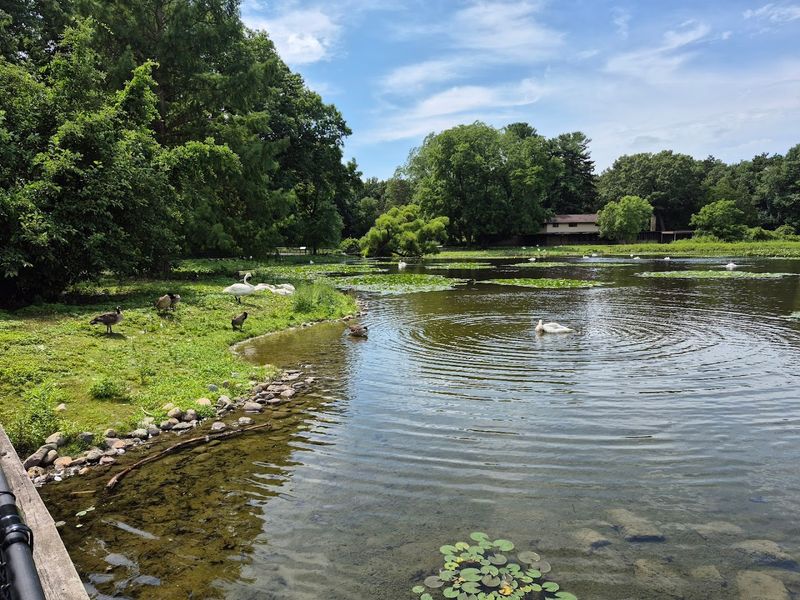
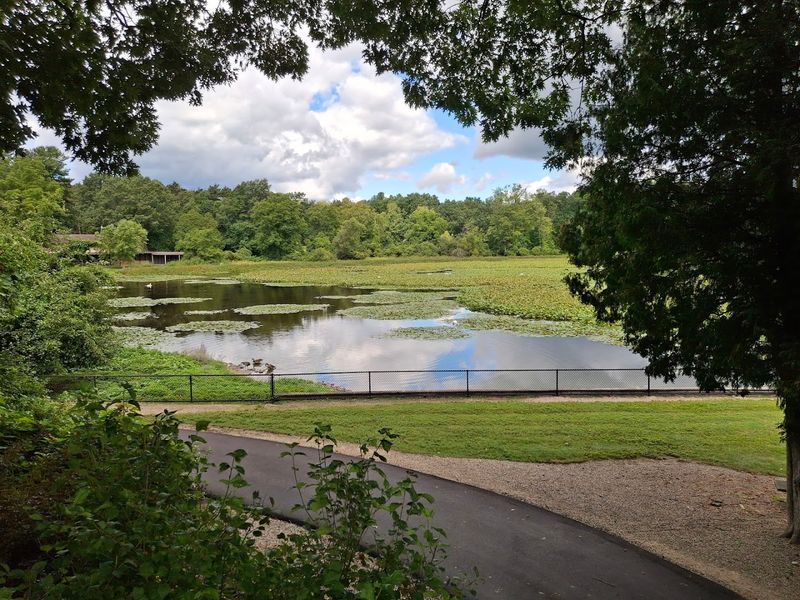
If the paved route introduces the sanctuary, the 1.4-mile Lake Loop lets it stretch out and become quieter.
This natural trail circles Wintergreen Lake and gives you longer intervals between encounters, which is exactly why it works so well for people who prefer observation over activity. The place starts breathing differently out here.
You notice edges more than landmarks: reeds against water, changing tree cover, small sounds from brush, the occasional glimpse across the lake that reorients you. It feels less curated, though still very manageable for an unhurried visit.
Wear shoes you trust and leave extra time. The loop is not difficult, but it rewards patience, and rushing makes the sanctuary feel smaller than it really is.
Follow The Bluebird Trail In Season
The Bluebird Trail has a slightly more hopeful feel than its modest one-mile length suggests.
It passes the Pollinator Garden and prairie restoration areas, and in spring especially, the nest boxes can turn an ordinary walk into a lesson in habitat design, with Eastern Bluebirds and Tree Swallows using the route’s built-in opportunities. Purpose is visible here.
There is a satisfying blend of structure and chance. You can tell the landscape is being actively managed, yet the birds remain gloriously indifferent to tidy human expectations, appearing when they choose and often disappearing just as fast.
I would choose this trail when flowers are up and insects are active. It makes the sanctuary’s broader ecological thinking easier to see in motion.
Notice The Pollinator Garden Details

The Pollinator Garden adds a lovely note of precision to the sanctuary.
Established in 2008 and expanded in 2018, it features more than 75 native plant species chosen to support butterflies, hummingbirds, and bees, with memorable elements like bee spirals and bee condos making the educational message tangible. Nothing feels random.
Because bird sanctuaries can tempt visitors to focus only on feathers, this garden usefully widens the lens. You start thinking about food webs, flowering times, and how a managed landscape can still feel lively rather than stiff.
This is a strong area to visit slowly with children or with a notebook-minded adult. The signs are informative, but the real lesson arrives through repeated small acts of looking.
See Conservation As A Living Practice
It helps to remember that the sanctuary is not merely displaying wildlife. Operated by Michigan State University as part of the W.K.Kellogg Biological Station, it functions as an outreach and conservation center with deep involvement in research, public education, and habitat stewardship.
That framework gives the visit unusual substance. The sanctuary also played a significant role in restoring Trumpeter Swans to Michigan, with biologists involved in the state’s rearing efforts during the 1990s after collecting eggs from wild Alaskan populations.
Canada Goose conservation is part of its legacy as well. You can feel that history in the present tense. The place is calm, but it is not passive, and that distinction matters more than many visitors expect.
Plan Around Seasons And Hours
Timing changes everything here, and not in a gimmicky four-seasons brochure way.
Spring and fall migration bring especially strong bird activity to Wintergreen Lake, summer highlights prairie flowers and pollinator action, and winter can reveal tracks, fruiting plants, and a cleaner, barer architecture to the habitat.
The sanctuary keeps changing its emphasis. Practical timing matters too. The sanctuary is closed Mondays and Tuesdays, generally runs 9 AM to 5 PM on Wednesday, Friday, Saturday, and Sunday, and stays open until 7 PM on Thursday.
I would still check the official website before going, especially if you are hoping for a specific seasonal sighting or special program. A little planning lets the visit feel much more intentional.
Let The Sanctuary Teach You How To Look
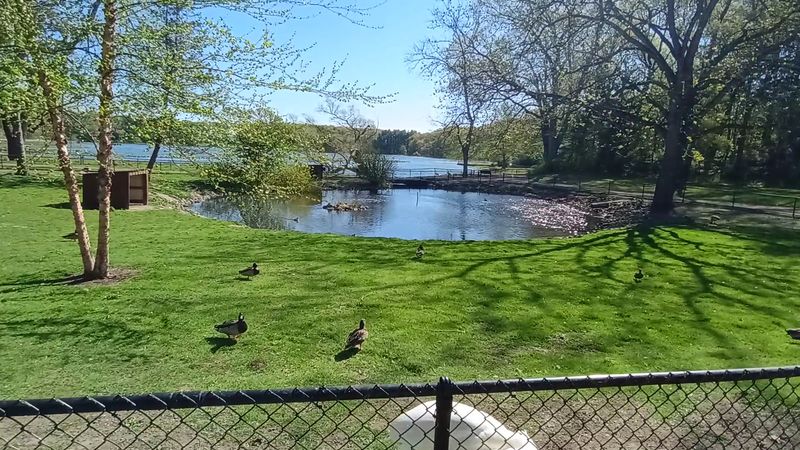
The best advice for this sanctuary is also the least glamorous: slow down enough to be taught by it. Between the waterfowl near the lake, the raptors in care, the pollinator plantings, and the layered trail system, the place gently trains your attention toward relationships instead of isolated attractions.
You leave seeing habitat, not just birds. That shift is the sanctuary’s real charm. Even the practical touches, like loaner binoculars and field guides at the Resource Center, support a visit built around noticing rather than consuming.
If corn is available for purchase, feeding resident waterfowl can add a memorable close encounter, but it should stay secondary to observation. Respectful distance and patient watching remain the richest habits to practice here.