
This Michigan Zoo Hides The World’s Only Funicular Railway And 2,000 Magnificent Creatures
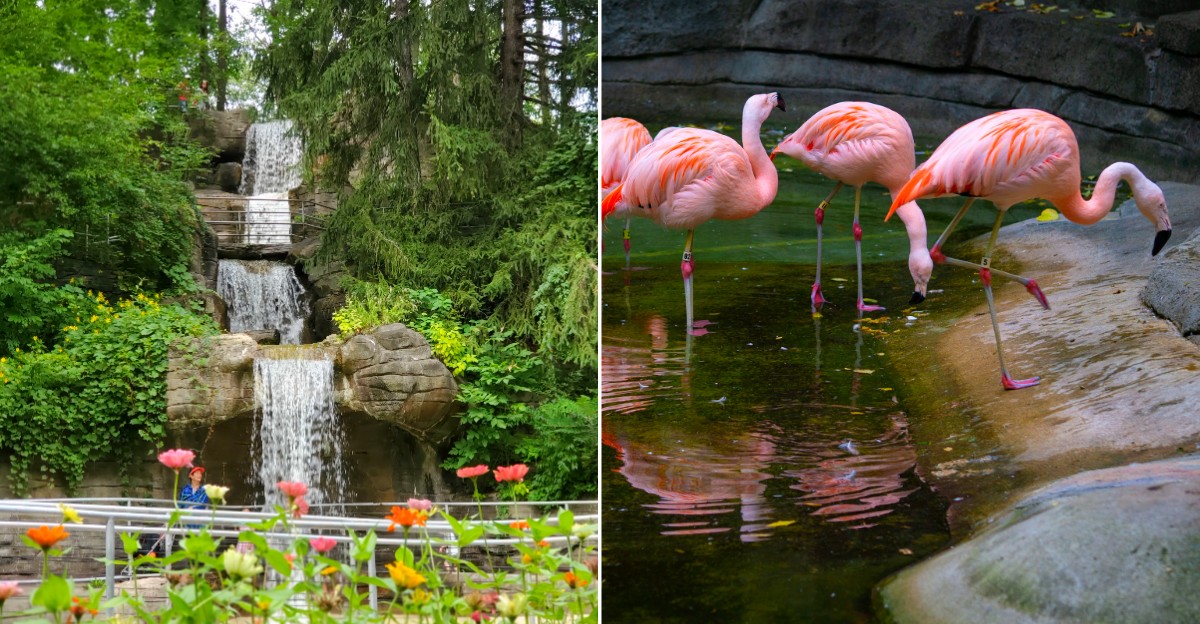
Some zoos feel like a flat stroll between exhibits. This one turns the day into a climb through wooded hills, where penguins, big cats, and more than 2,000 animals appear along paths that feel like a forest adventure.
The hillside railway helps when your legs start negotiating for better working conditions, and its unusual three-car design gives the ride more character than a zoo shuttle.
For a wildlife day in Michigan, this Grand Rapids zoo mixes animal encounters, leafy trails, and a hillside railway into one memorable outing.
What I like most is how the terrain changes the pace. One moment you are watching animals, the next you are looking across the trees from higher ground.
The railway may not be the world’s only funicular, but it is still a highlight. Add the slopes, shaded paths, and views, and the whole visit feels bigger than a standard zoo loop.
Let The Hills Shape Your Route
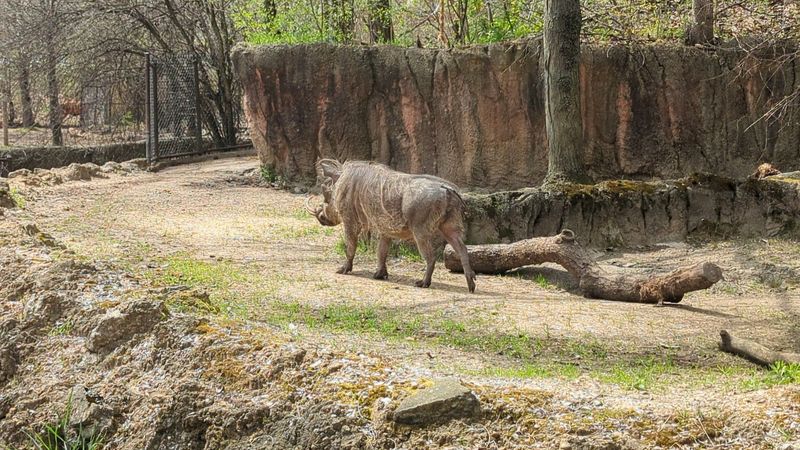
Your shoes matter almost as much as your ticket here. Built among ravines and bluffs, John Ball Zoo includes slopes that can turn a casual stroll into a surprisingly energetic outing.
Choose supportive footwear, bring water, and study the map before committing to a route. Families with strollers should allow extra time rather than treating every uphill stretch as a race to the next animal.
Accessibility support includes complimentary wheelchairs and electric scooters available for rent, subject to availability. Ask guest services about suitable routes and current equipment arrangements.
The railway can reduce some climbing, but it does not remove every incline. A few planned pauses make the landscape feel like part of the visit instead of an obstacle.
The Zoo Entrance Opens Right Off Fulton
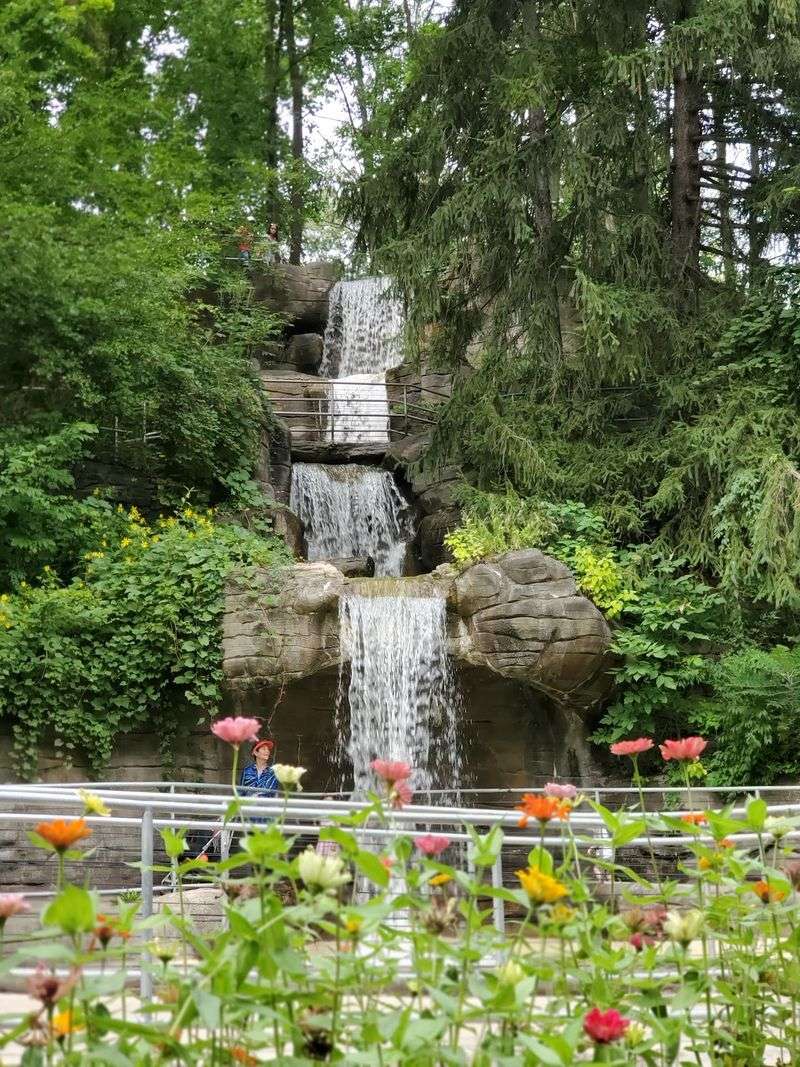
John Ball Zoo sits at 1300 W Fulton Street in Grand Rapids, Michigan, just west of downtown. West Fulton is the road to stay with on the final approach, with the zoo entrance opening directly off the street rather than through a separate park road.
The last stretch gets greener fast as the hillside and zoo grounds begin to replace the denser city blocks. Once the main entrance and parking lanes appear off Fulton, you are at the right place.
Take the car entrance from West Fulton Street and follow the internal signs into the visitor parking lots. From there, walk toward the main zoo entrance and Guest Services at the front of the property.
A Forest Above The City
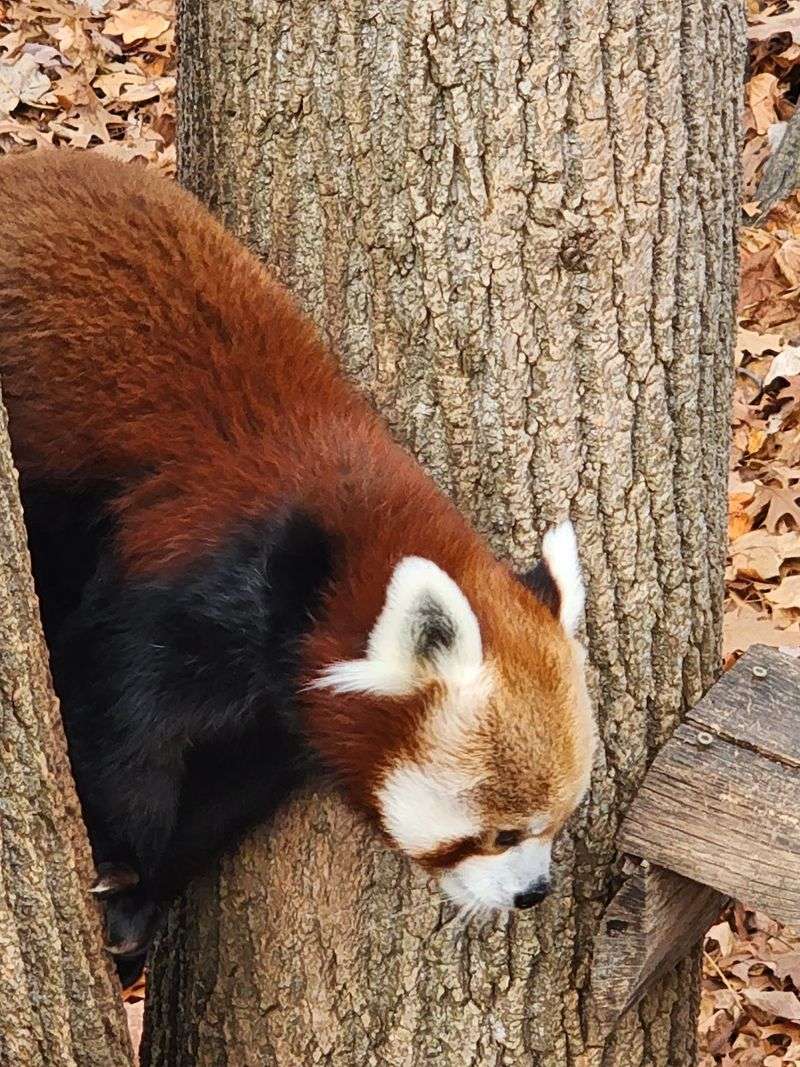
Leaves and branches give the upper zoo a different rhythm from the entrance area. Idema Forest Realm brings visitors into a wooded setting with habitats for animals including red pandas, snowy owls, and Amur tigers.
Rather than rushing between the biggest names, pause at each viewing area and look carefully. Animals may blend into branches, rest away from the glass, or use parts of their habitat that are easy to overlook.
The Tree Tops Play Zone adds another reason for families to linger, with wooden and rope bridges for younger guests. Check posted rules before children begin exploring.
Allow enough time for both wildlife watching and play, especially if your group needs a break from following a strict route.
Make Room For The Skyline
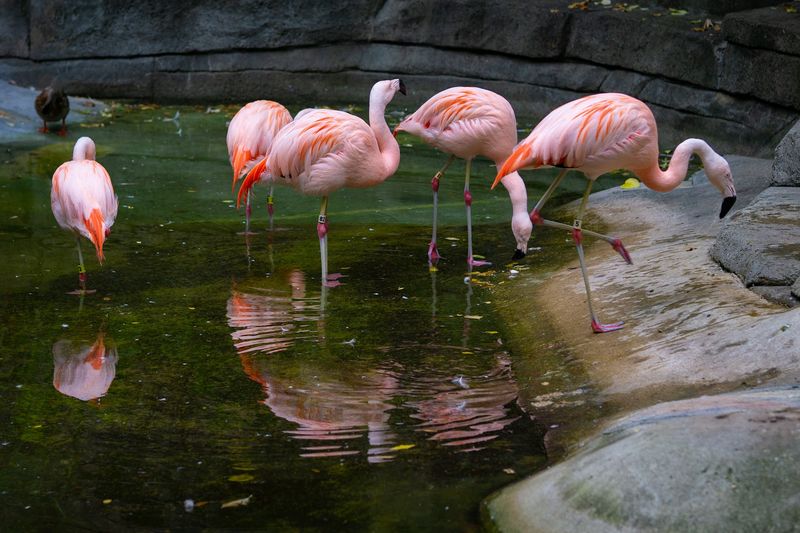
Not every memorable view at this zoo has whiskers or wings. Near the railway’s upper station, the Bissell Treehouse places the Grand Rapids skyline beyond the surrounding trees, adding a city view to the wooded setting.
The building serves as an event facility, so access can depend on scheduled activities and current arrangements. Ask staff whether the observation deck is available rather than assuming every part of the building welcomes general visitors.
When access permits, take a short pause before returning to the animal habitats. A wide photograph can capture the contrast between forest and downtown.
Keep walkways clear while taking pictures, and resist spending the whole stop behind a screen. The view deserves a few unhurried seconds, too.
Pick A Few Animal Priorities
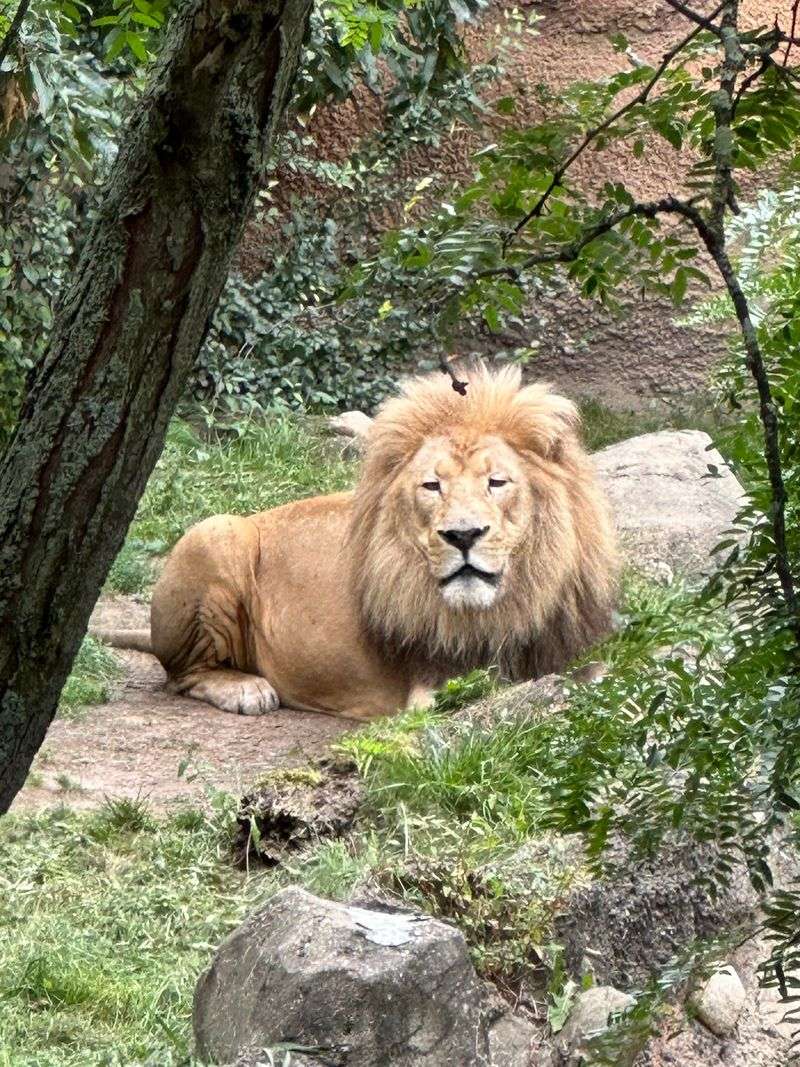
More than 2,000 animals sounds like a challenge until you stop treating the visit as a checklist. John Ball Zoo houses over 200 species, giving curious visitors plenty to notice beyond the best-known mammals.
Choose three or four must-see animals before arriving, then leave space for surprises. Red pandas, chimpanzees, grizzly bears, African lions, and snow leopards are among the zoo’s residents, but visibility changes with weather, animal choices, and care routines.
Read habitat signs and try another viewing angle before moving on. A sleeping animal is not a failed stop; it is an animal following its own schedule.
Patient watching often reveals small details that a hurried photo misses, from careful grooming to the way an ear turns.
Small Hippos Deserve A Long Pause
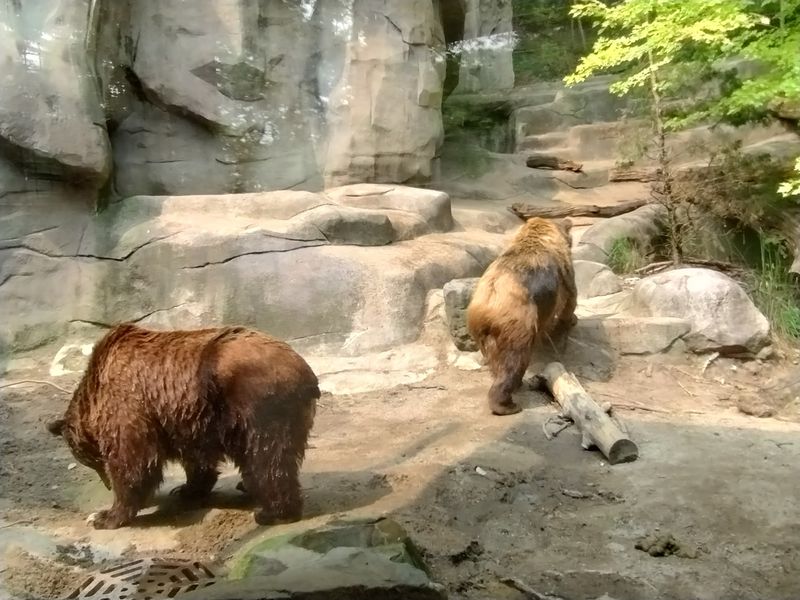
A pygmy hippo has a way of making the word small feel relative. Smaller than the common hippopotamus, this species still has a solid presence, and the zoo’s pavilion gives it a dedicated place in your route.
The pygmy hippo pavilion opened in 2023, making it a useful stop for visitors returning after several years away. Look at the posted information to understand the species rather than judging the habitat only by whether an animal is moving.
Give the viewing area a few minutes, and avoid tapping on glass to attract attention. Ask staff about current residents and viewing opportunities, since animal access can change.
A calm visit respects the hippos while giving everyone nearby a better chance to observe.
Penguins And An Indoor Change Of Pace
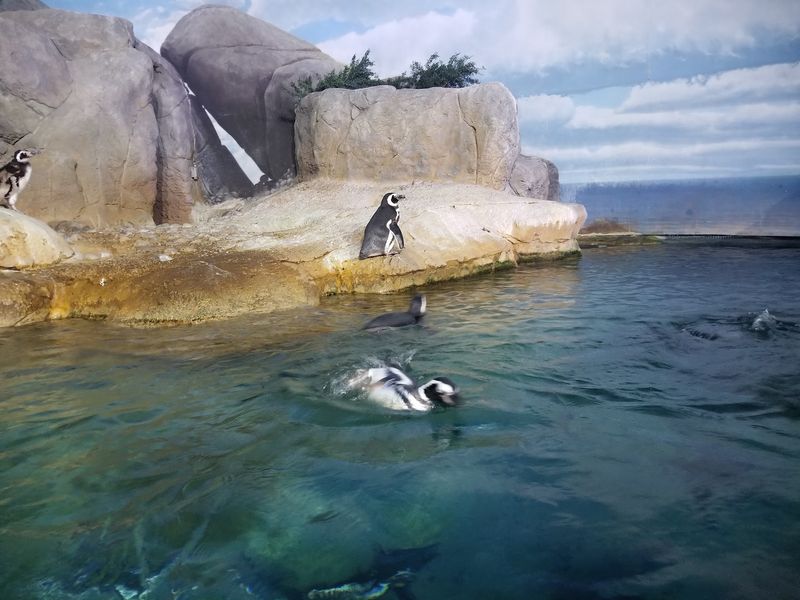
Flippers offer a welcome change after a run of paws and claws. The zoo’s Magellanic penguins are a good reason to slow down around Living Shores Aquarium, which also adds an indoor stop to a largely outdoor outing.
Watch how the birds move on land and through water, if they are swimming during your visit. The difference makes a simple observation exercise for children without requiring anyone to turn the afternoon into homework.
Use this part of the route to regroup when the weather feels tiring. Indoor space can still become busy, so give other visitors room at viewing windows.
Check the day’s schedule for any related programs instead of assuming feeding experiences happen continuously or are included with admission.
Look Up Along The Wild Way Trail
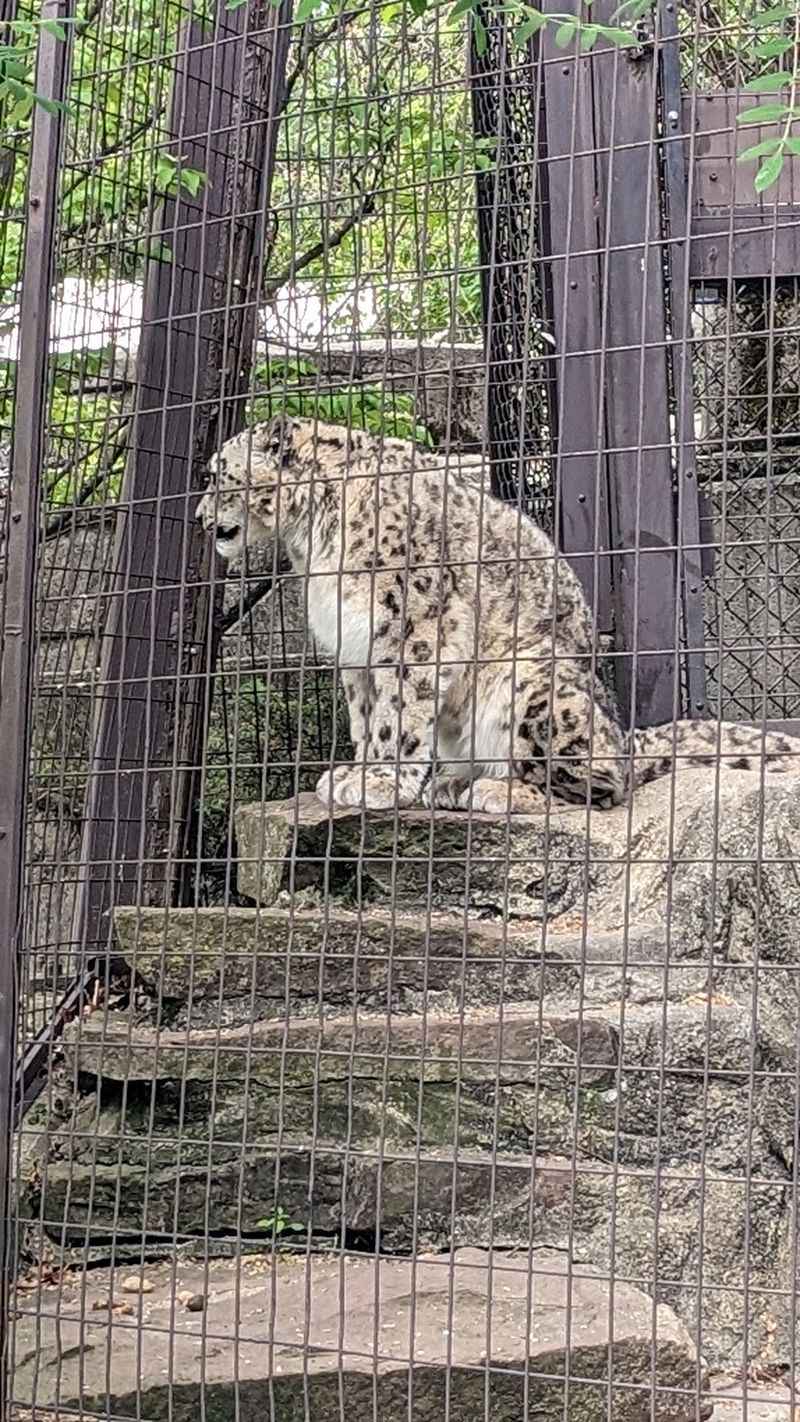
The usual habit of looking straight ahead needs a small adjustment along Wild Way Trail. Howler monkeys and ring-tailed lemurs can use overhead pathways, making the space above the visitor route part of the experience.
Those connections let animals move between areas while people watch from below. Movement is never guaranteed, so enjoy the habitat design even when the overhead route is temporarily empty.
Before stopping for a photograph, step aside where the path allows and leave room for passing visitors. Children may enjoy scanning the branches and tunnels, but remind them that calling or shouting does not help the animals.
Quiet attention works better here. Sometimes the most interesting part of a zoo is noticing where an animal chooses to go.
Build A Budget Beyond Admission
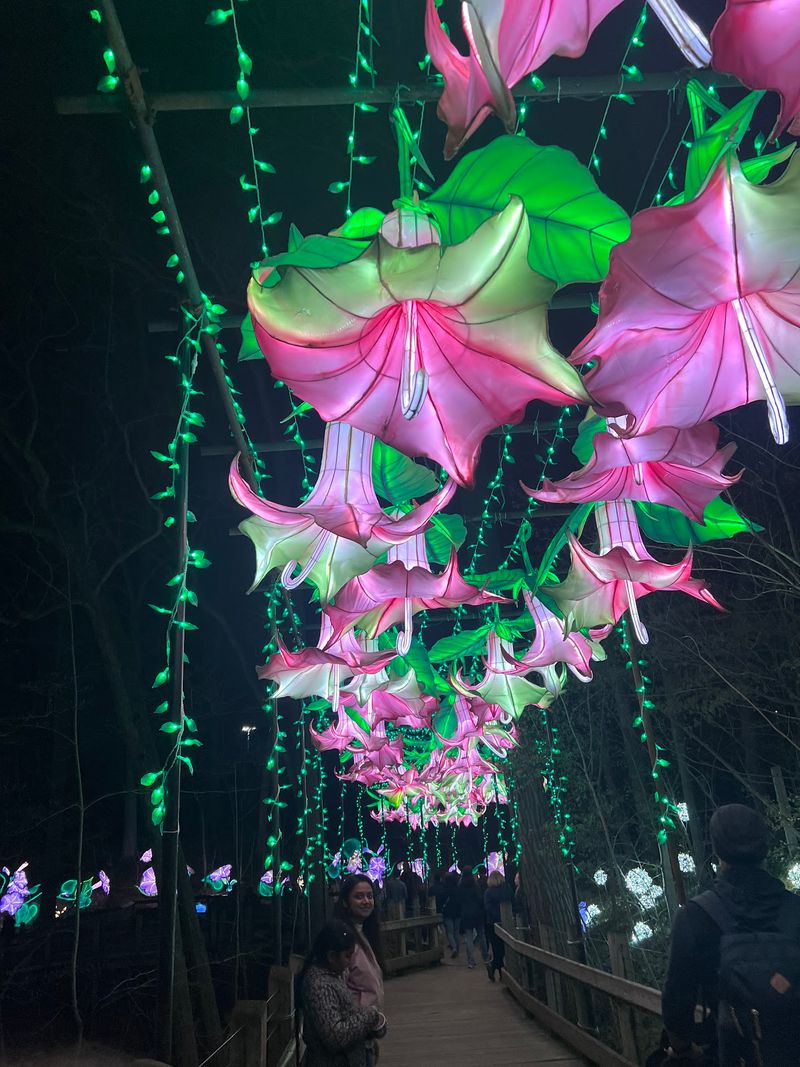
A zoo ticket does not necessarily cover every tempting extra. John Ball Zoo offers additional paid experiences, including its railway and adventure attractions such as a zipline and ropes course, when operating.
Check the official website for current prices, opening dates, and participation requirements before promising an activity to children. Weather, staffing, height limits, and other safety rules can affect what your group can actually do.
Set an extras budget before entering, and let each person choose a priority rather than deciding at every sign. Also verify current parking arrangements and any fees.
Bringing your own food is permitted and can help balance the cost. Leave enough time for the animal habitats so the optional activities remain additions, not the whole afternoon.
An Old Zoo With A Local Mission

The landscape has a public story that reaches well beyond today’s habitats. In 1884, John Ball left 40 acres to the City of Grand Rapids for public use; city records first noted animals there in 1891.
That history gives the visit a sense of continuity, but the zoo’s work is not simply about preserving an old attraction. Its conservation programs include efforts involving Great Lakes turtles, endangered butterflies, and the Grand River ecosystem.
Read conservation displays alongside the animal labels, and ask educators about local projects when opportunities arise. Nearby wildlife can be easier to overlook than a tiger, yet it belongs in the same conversation.
The most useful souvenir may be a practical idea for protecting habitat close to home.
Choose Your Day Before Packing Your Bag
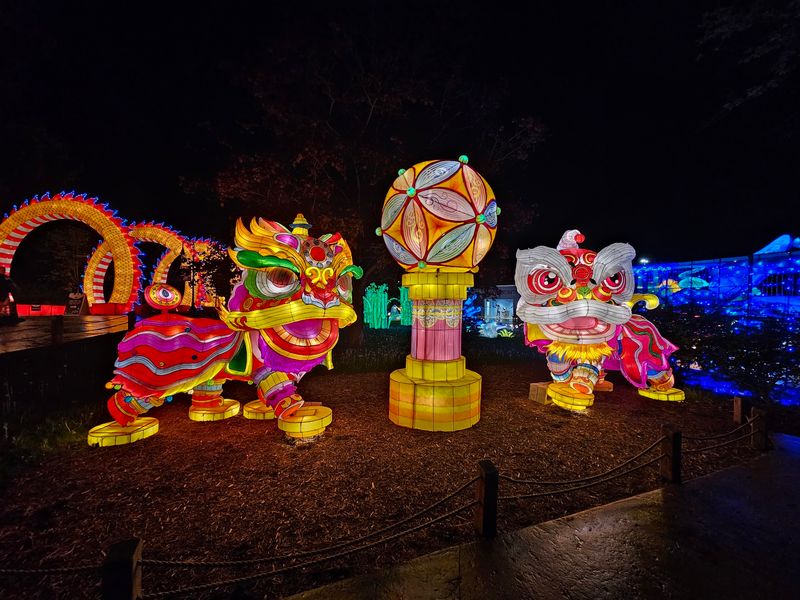
A little calendar checking saves a lot of entrance-gate disappointment. John Ball Zoo operates seasonally, and hours, animal access, special events, and attraction availability can change throughout the year.
Use jbzoo.org to confirm your date, buy the appropriate tickets, and check whether an evening event requires separate admission. The Grand Rapids Lantern Festival follows its own schedule, so a daytime ticket should not be assumed to cover it.
Arriving early on a weekday may offer a quieter start, although no time guarantees active animals. Pack for Michigan’s changing weather and request a sensory bag at guest services if helpful.
Noise-canceling headphones and fidget tools can support a more comfortable outing. Plan around your group’s needs rather than someone else’s ideal zoo day.