
This Michigan Zoo Is The Only Place In The Midwest Where You Can Meet A Friendly Hippopotamus Named Wallace
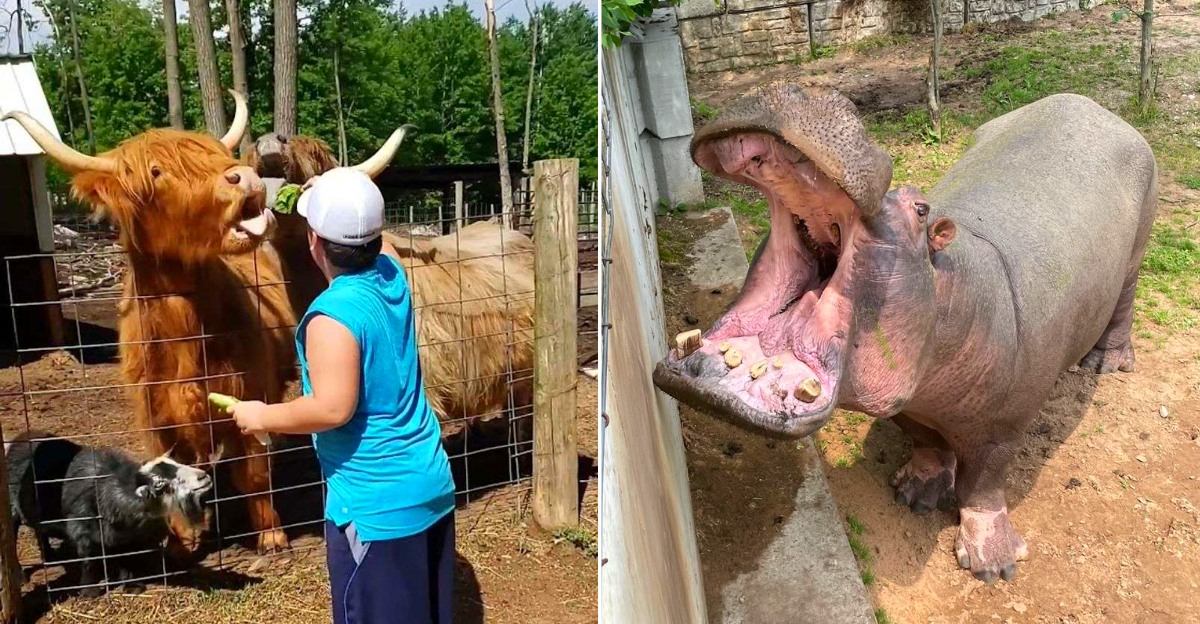
This place skips the polished, corporate feel of a city zoo for something far more soulful, trading glossy plazas for dirt paths and the deep shade of massive trees.
Every time I visit, the shift to Central Time acts like a physical exhale, letting me slow down enough to appreciate the roomy habitats and the quiet dedication of keepers who clearly treat every resident like family.
Immersive wildlife encounters and rustic forest trails make this independent Michigan sanctuary a must-visit destination for anyone seeking a personal connection with exotic animals.
My favorite part is the inevitable “zoo souvenir”, the stray hay on my shoes and the lingering memory of a damp, surprisingly sweet hippo kiss. There is a certain kind of magic in a day where I can trade trivia with a storyteller keeper or feel the breath of a gentle nose on my hand.
A Quiet Arrival Under The Pines
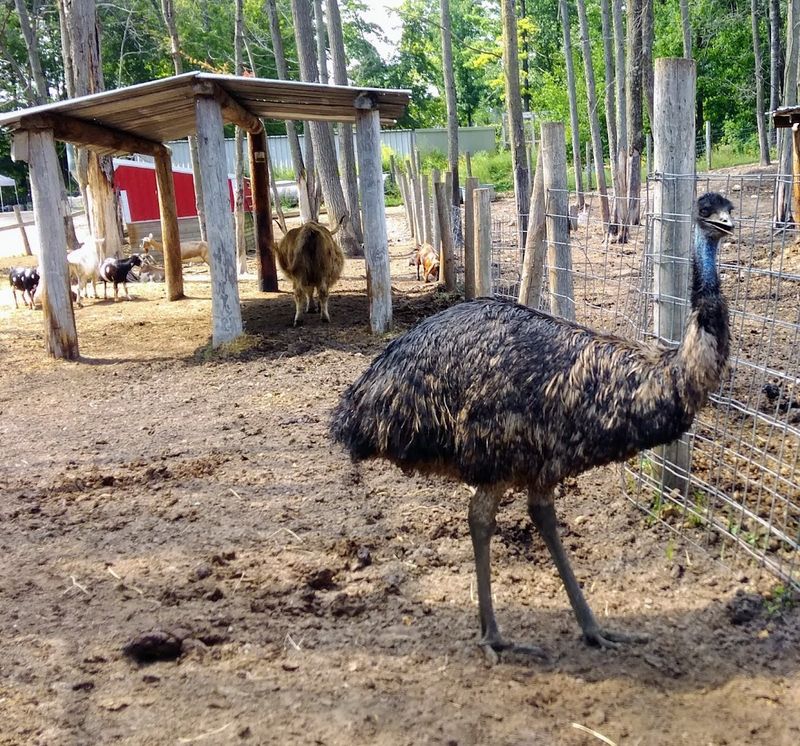
The zoo appears gradually, pine resin in the air and sand crunching underfoot, while enclosures sit back in the trees. The vibe is calm, almost camp like, with handmade signs and a pace that invites you to linger. Nothing is overproduced, yet habitats feel spacious, shaded, and surprisingly immersive.
Opened by the DeYoung family, the place grew organically on this Wallace property, prioritizing education and animal care over spectacle. Visitors tend to slow down here, watching keepers work and animals choose engagement on their own terms.
Plan shoes for dirt paths, expect gentle hills, and bring patience, because the best moments reveal themselves when you are not rushing from map icon to map icon. Give yourself time between keeper talks.
Getting There
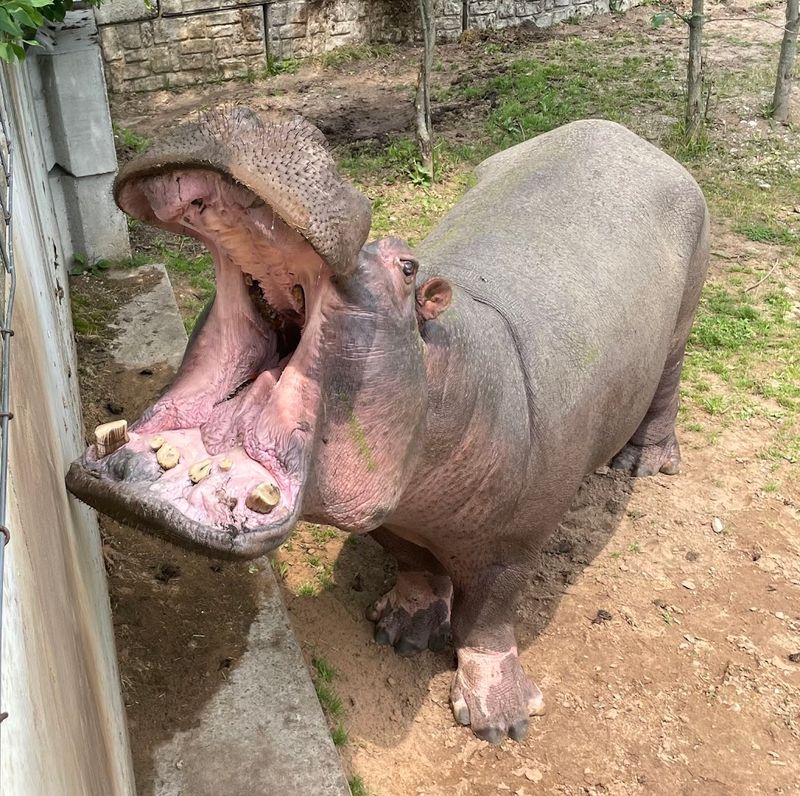
The enclosures at the DeYoung Family Zoo are carved into the thick timber of the Upper Peninsula at N5406 County Road 577, Wallace, Michigan 49893. This stretch of the Menominee County countryside trades the manicured look of a city park for a rugged, deep-woods atmosphere where the sounds of the forest mix with the low growls of big cats.
Reaching the DeYoung Family Zoo involves a steady trek up US-41, followed by a westward turn onto the long, straight ribbons of blacktop that cut through the pines.
The final approach along County Road 577 takes you past sprawling farmsteads and dense treelines where the cell service begins to flicker and the air turns sharp and clean.
Paths, Terrain, And Pace
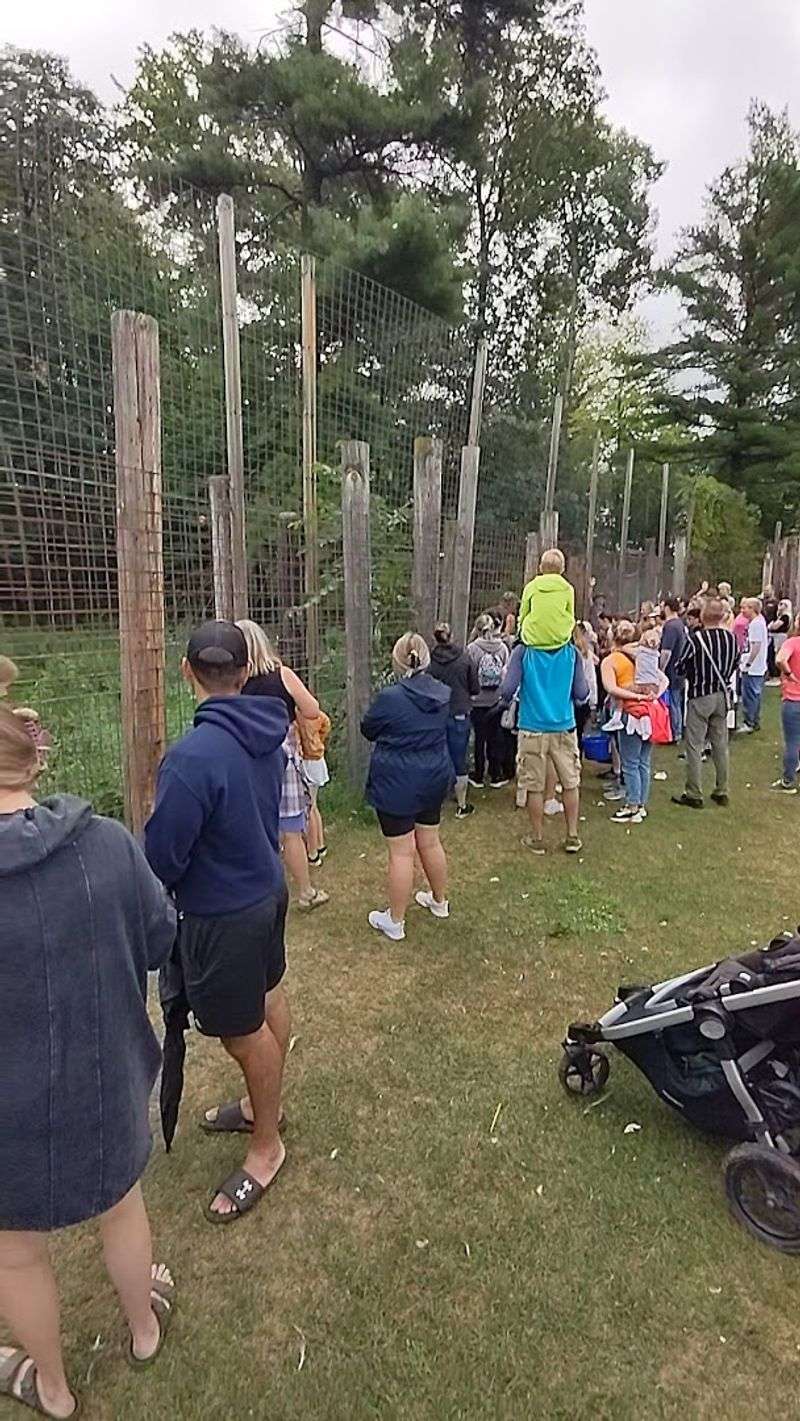
Dirt trails wind between large, wooded habitats, and the footing changes from packed sand to roots and stones. Strollers handle most of it, but steep sections exist, so families often pause near railings. The atmosphere feels more like a nature preserve than a city attraction.
Because the layout developed with the land, not a grid, navigation rewards curiosity. Visitors make loose loops, doubling back for keeper talks and animal feedings rather than chasing a rigid route.
Wear closed toed shoes, budget extra minutes for hills, and consider the ride along tour if uneven ground is a challenge. Heat and bugs can sap energy, so carry water, take shady breaks, and time your longest walks before midday. Maps are minimal onsite.
Feeding Time Without Fuss
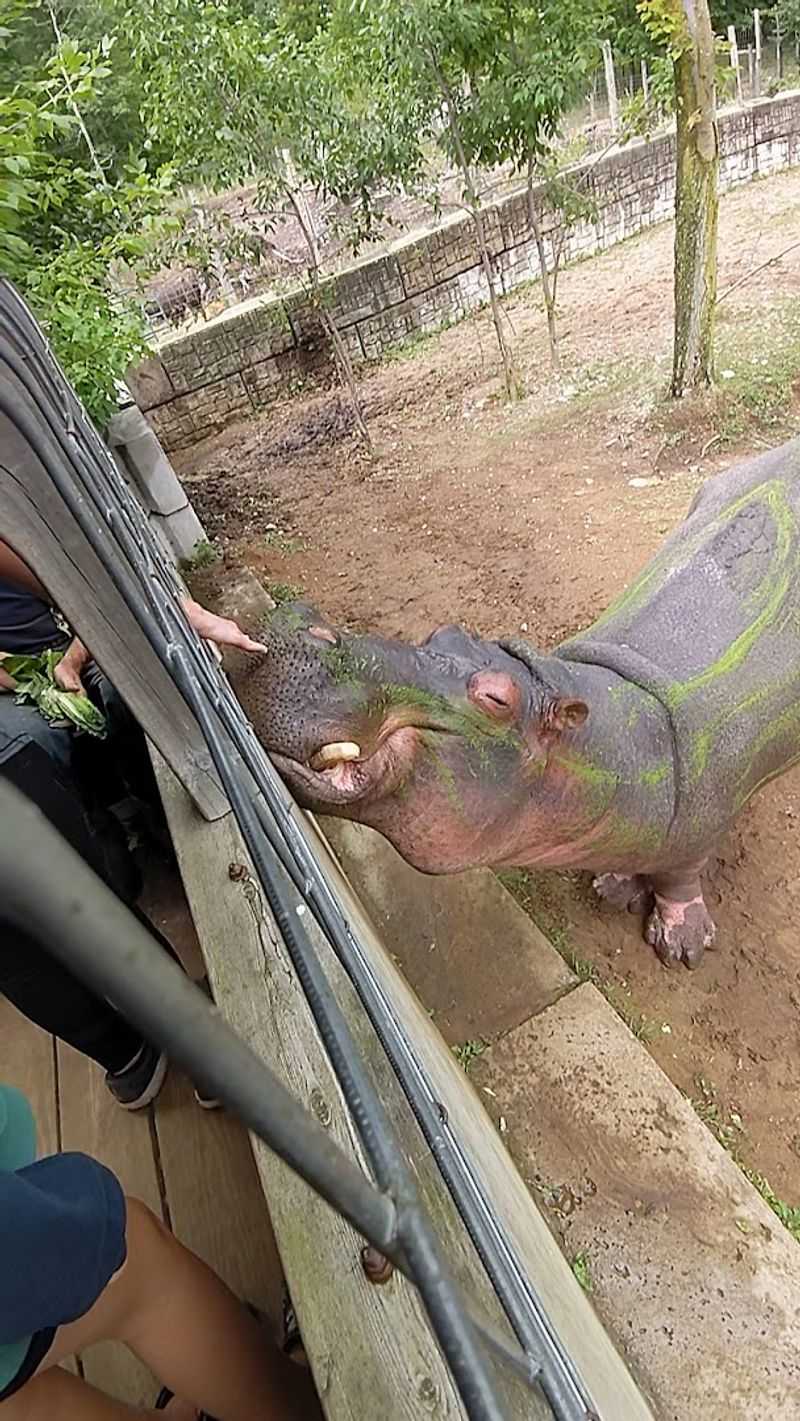
Feeding here feels uncomplicated, more barnyard practical than theatrical. Staff circulate with facts while animals decide when to step forward, and a bell sometimes gathers people to a rail. The vibe is neighborly, with kids handing carrots and adults learning what a camel actually prefers.
Historically, the zoo emphasized education through repeatable routines, so visitors build confidence with clear, calm instructions. That design shows in feed signage and the steady cadence of talks.
Buy the feed bucket or lettuce early before popular stops empty out, and read posted lists about who eats what. Hold palms flat, keep wrists low, and watch for courtesy space so each animal gets a turn. Your patience improves every photo. Stay until the finale bell.
Guided Moments With Bud And Carrie
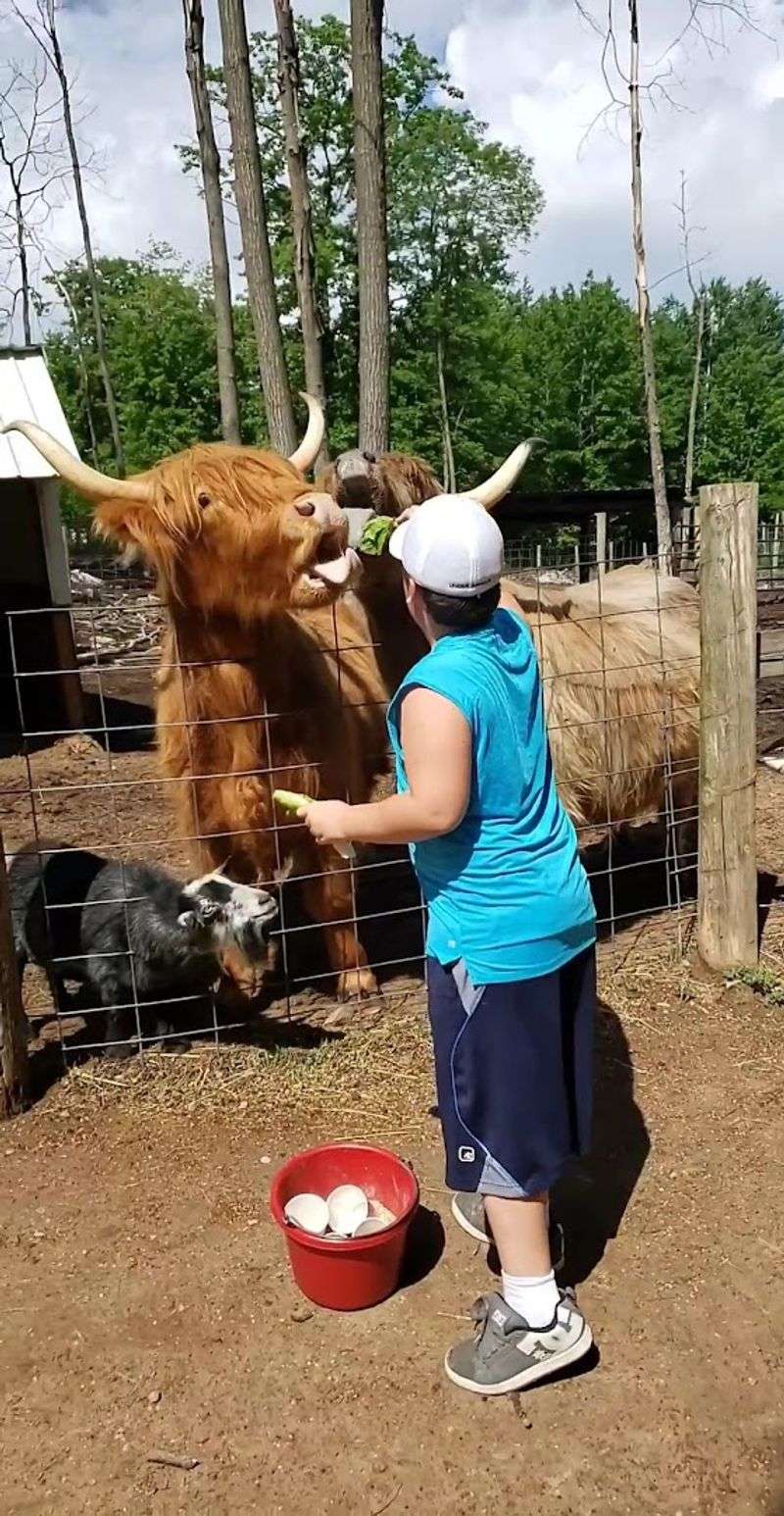
Names matter here, and Bud and Carrie thread through the day like friendly trail markers. Stories spill out during talks about rescue histories, enrichment puzzles, and why a particular habitat has that extra log. The tone is practical, never glossy, and the crowd leans in.
I appreciated how questions got real answers, including limits: where volunteers help, when quiet is required, and why some species are off exhibit.
That context gives the place backbone. Catch their roving presentations by listening for a small speaker and watching where a cluster gathers. Step close enough to hear, not so close you block a handler. If a child is nervous, let them feed first beside Bud’s shoulder.
It keeps everyone calm and safe.
Creature Connection Encounters
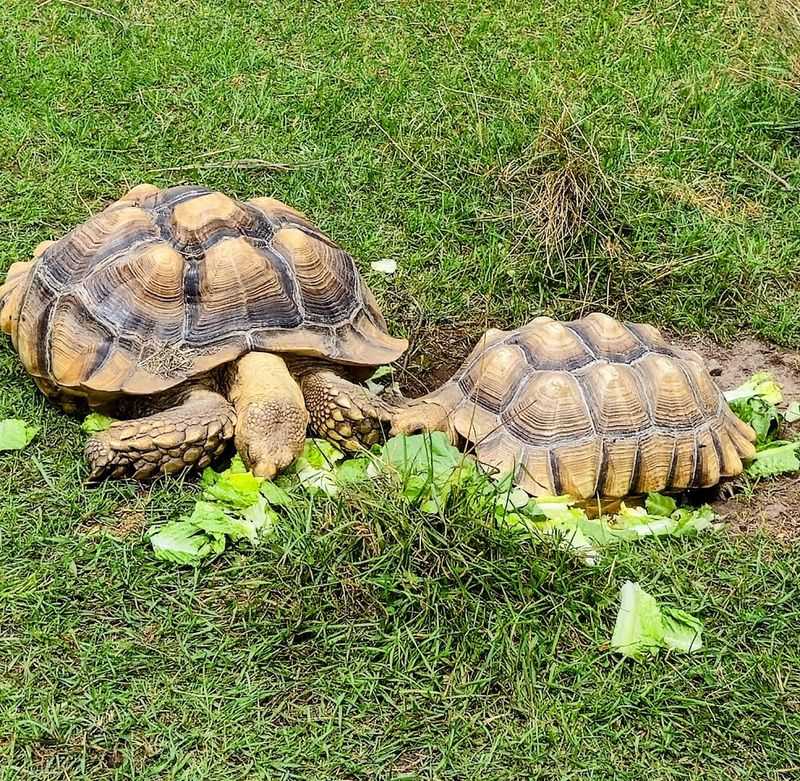
Behind the main flow sits Creature Connection, the separate, scheduled meet and greet operation linked with the zoo. Encounters emphasize learning by touch, with clear rules and a keeper guiding every minute. The feel is intimate, almost classroom small, but with fur and scales.
Animals rotate, so availability shifts across the season and day. Techniques focus on animal choice and short windows, which keeps stress low and curiosity high.
Book ahead, arrive early to check in, and expect photographs to be taken for you during handling. Shoes closed, pockets empty, and sleeves down are common requests. If a youngster hesitates, let them watch one full cycle, then offer a gentle, single touch. Staff will explain each animal’s comfort level cues.
Seasonal Quirks And Bugs
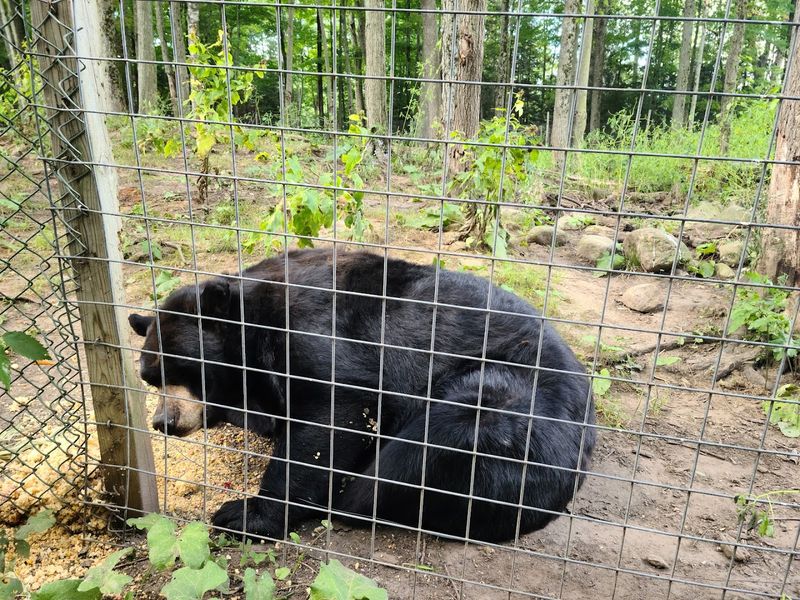
Summer hums here, and mosquitoes notice when wind drops in the woods. The shade helps, but heat gathers on the hills and along sunny fence lines. Autumn brings Boo at the Zoo, with costumes threading between pumpkins and enclosures, and cooler air that makes walking easier.
Local tradition leans outdoorsy, so people arrive prepared rather than polished. Bug spray, hats, and patience transform the day from sticky to smooth. Aim for earlier hours during July and August, when animals are most active before midday.
Pack layers for shoulder seasons, and watch forecasted rain, because dirt paths become slick. If sun breaks late, circle back to cats and bears for lively minutes. Evening closes quickly in fall light, bring a flashlight.
Time Zones And Timing
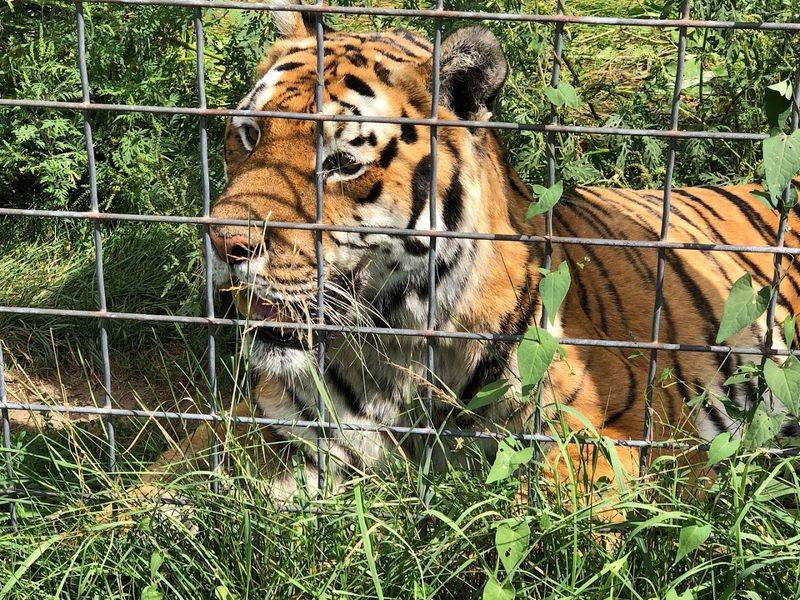
A quiet tip saves confusion: the zoo operates on Central Time despite its Upper Peninsula address. Morning openings set the rhythm for talks and feedings, and the early hours feel fresh and unhurried. Late arrivals can miss the liveliest windows.
I set a reminder so the gate did not surprise me by being either closed or already bustling. The habit paid off by landing me at the first keeper round near the hippo pool.
Arrive at least fifteen minutes early, purchase feed, and scan the whiteboard or doorway notes for the day’s plan. If lines look long, start at the far loop and work back. Reentry stamps allow quick car runs. Parking fills fast on sunny weekends, choose shaded edges.
Gift Shop And Little Wins
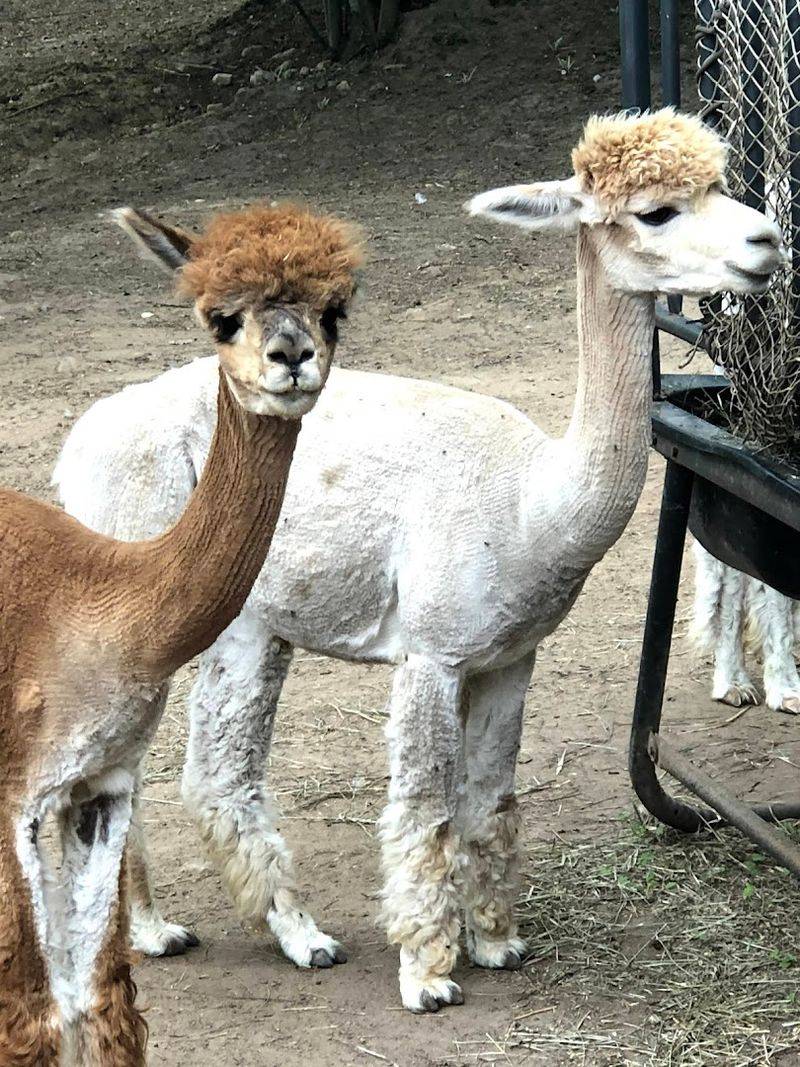
Near the entrance, the gift shop leans practical and affordable, with bins of small treasures beside field guide staples. It feels like a trailhead kiosk upgraded by someone who loves stickers and postcards. Parents get breathers while kids debate which tiny turtle to claim.
Preservation of budgets matters, and this corner seems designed to keep souvenirs light. Prices include true pocket money options, which eases the end of a long, dusty loop.
Stop in before closing because talks may run late and lines spike. Snacks are limited onsite, but a humble stand across the lot can help. Tuck a magnet and a map into your bag, then wave to Wallace once more. Souvenirs travel well in small cars after rain.
Respecting Space And Care
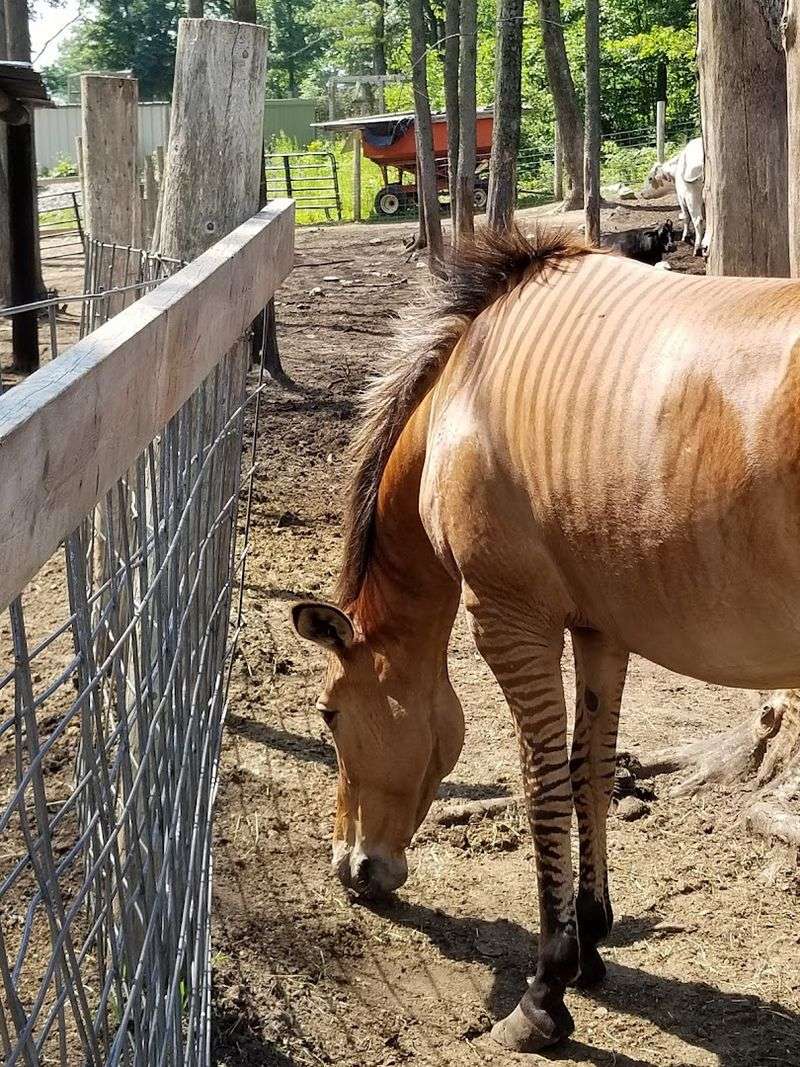
Architectural choices are humble but thoughtful: high fences, deep perimeters, double gated entries, and shade structures that blend into trees. Those details speak to patient husbandry developed over years. The result is a setting where animals choose proximity.
History here includes rescues and long term residents, so seeing an animal step away is normal and respected. Visitors who do best follow a simple technique: pause, read a sign, observe silently, then engage if invited.
Keep fingers out of mesh, hold cameras clear of rails, and give keepers direct paths. If excitement spikes, step back two paces and reset expectations. Your reward is authentic behavior, not a chase. Shade shelters double as rain cover during sudden showers, wait a few minutes.
Goodbye At The Fence Line
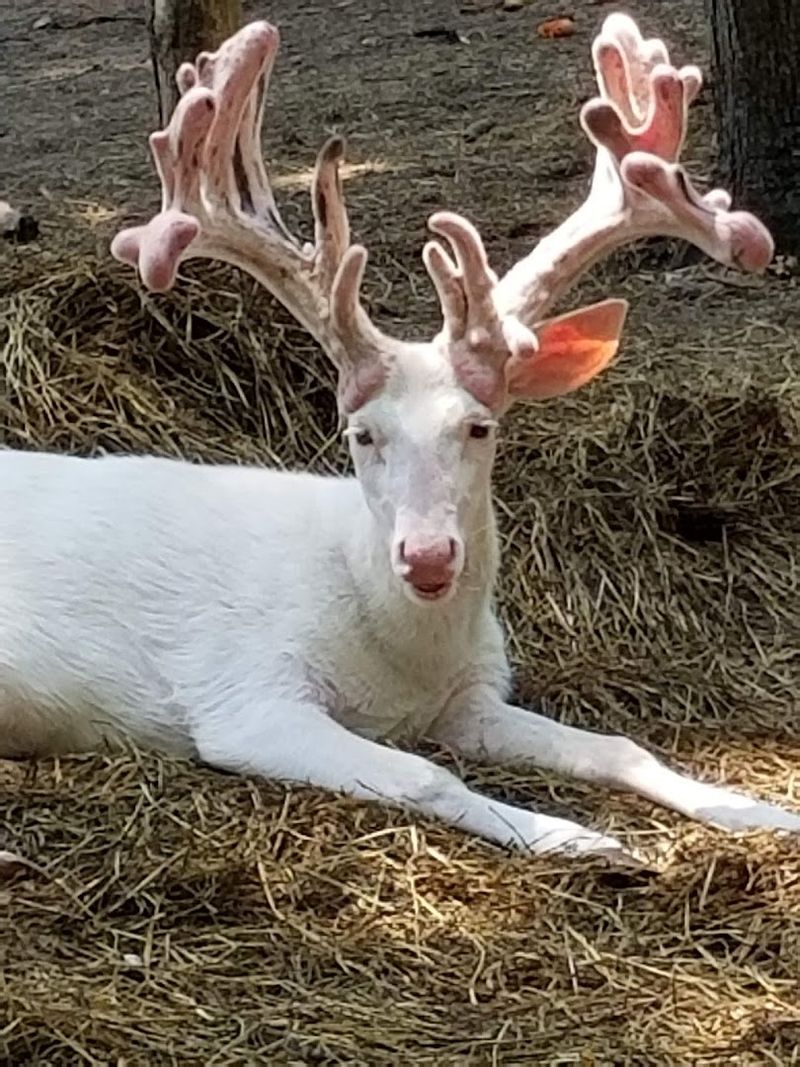
Leaving often means one last pause by the fence, pocket lighter, shoes dusty, and shoulders relaxed. The woods feel quieter than when you arrived, and the parking lot hum seems far away. Animals settle into afternoon naps, and the trails empty.
I like to finish by tracing the loop that passes Wallace, the camels, and the bears before reaching the gate. Habit makes the exit gentle instead of abrupt.
Return the bucket, check your hands for stamps, and set reminders to watch the website for seasonal hours. If the weather cooled, stretch a minute by the pines. You will hear wind, not traffic, which is the day telling you it worked. Drive slowly on County Road 577 afterward for views.