
This Mile-Long Walk To A Maine Lighthouse Feels Like Walking Into The Ocean
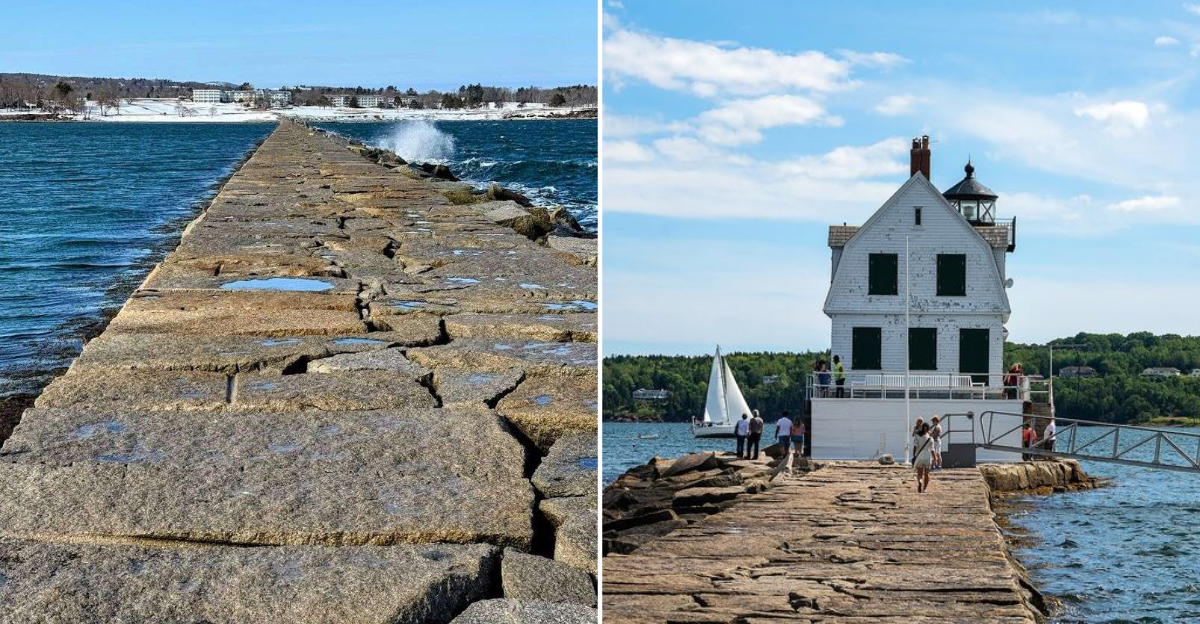
There is a place in Maine where a narrow stretch of granite leads nearly a mile out into open water, with waves on both sides and a lighthouse waiting at the far end. The path extends straight into Rockland Harbor, creating a rare chance to feel surrounded by the sea with every step.
The surface is rugged and uneven, adding a sense of adventure that turns a simple walk into something memorable. The farther you go, the more the shoreline fades, replaced by wind, salt air, and endless views.
By the time the lighthouse comes into full view, the experience feels less like a stroll and more like standing in the heart of Maine’s coastal waters.
A Mile Of Granite Into The Sea
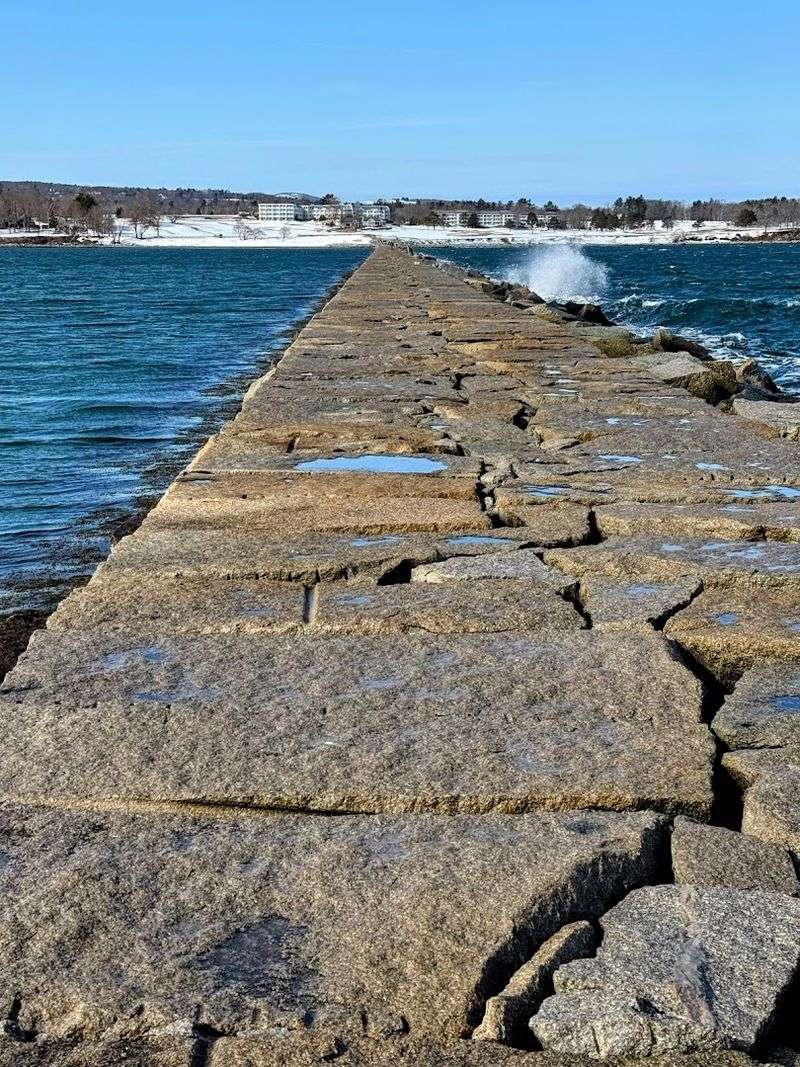
Stretching approximately 4,346 feet from shore to lighthouse, the Rockland Breakwater is one of the most impressive feats of 19th-century engineering you can walk on today.
Construction began in 1881 and took nearly 20 years to complete, with massive granite blocks hauled out and stacked to create a barrier protecting Rockland Harbor from rough ocean swells.
The path is not paved or smooth. It is made entirely of large, irregular granite slabs that shift slightly underfoot, with gaps between them that demand your full attention.
Every step is a small puzzle worth solving.
Walking the full length one way takes roughly 20 to 30 minutes at a comfortable pace, depending on how carefully you need to move. The breakwater is open year-round, and the experience changes dramatically with the seasons, from calm summer mornings to blustery autumn crossings that feel genuinely dramatic.
The Lighthouse Was Built In 1902
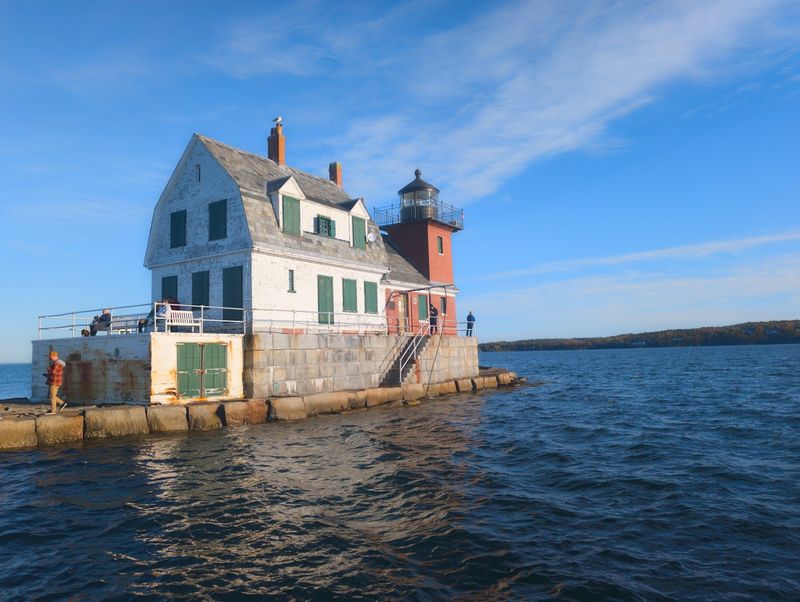
Standing at the far end of the breakwater, the Rockland Breakwater Lighthouse has been guiding ships into Rockland Harbor since 1902. The structure includes the lighthouse tower and a attached keeper’s house, all built from brick and painted a crisp white that stands out sharply against the deep blue of Penobscot Bay.
Before this lighthouse was built, an earlier wooden structure marked the spot. The current building replaced it as maritime traffic into Rockland grew, and the harbor needed a more durable and reliable signal.
The lighthouse was automated in the mid-1960s, ending the era of full-time keepers living on the breakwater.
Today the lighthouse is owned by the City of Rockland, with preservation efforts supported by nonprofit organizations and volunteers. It is listed on the National Register of Historic Places, recognizing its architectural and maritime significance to the region and to Maine’s rich lighthouse heritage.
A Walk Into Open Water
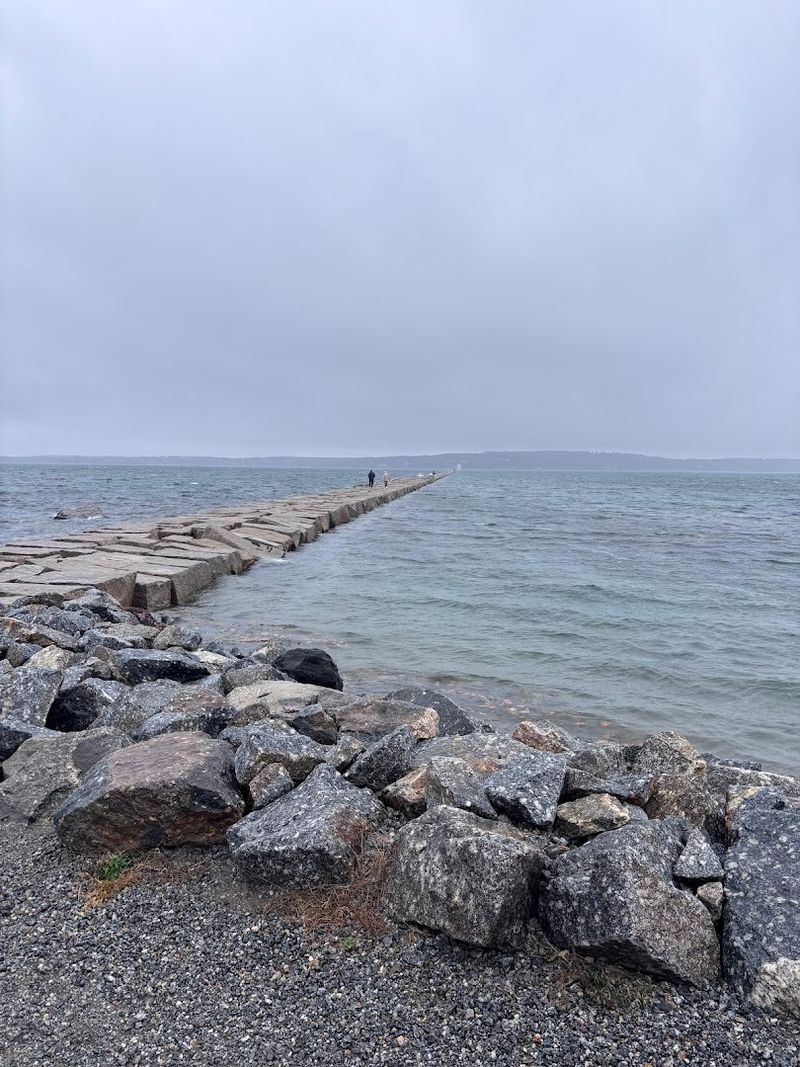
Few walking experiences match the sensation of moving along the Rockland Breakwater. Within the first few hundred feet, the shore begins to feel far away, and open water surrounds you on both sides.
The Atlantic wind picks up, the smell of salt sharpens, and you genuinely feel like you are walking into the sea rather than alongside it.
On days when swells are running, waves can wash over sections of the breakwater, adding a real sense of adventure to the crossing. Some visitors have reported getting their feet wet near the lighthouse end, especially during high tide.
Checking tide charts before you head out is a smart habit.
The isolation is part of the appeal. There are no shops, no benches, and no shelter out there.
It is just you, the granite, the sky, and the water. That raw simplicity is exactly what makes this walk feel so memorable long after you return to shore.
Sturdy Footwear Is Absolutely Non-Negotiable
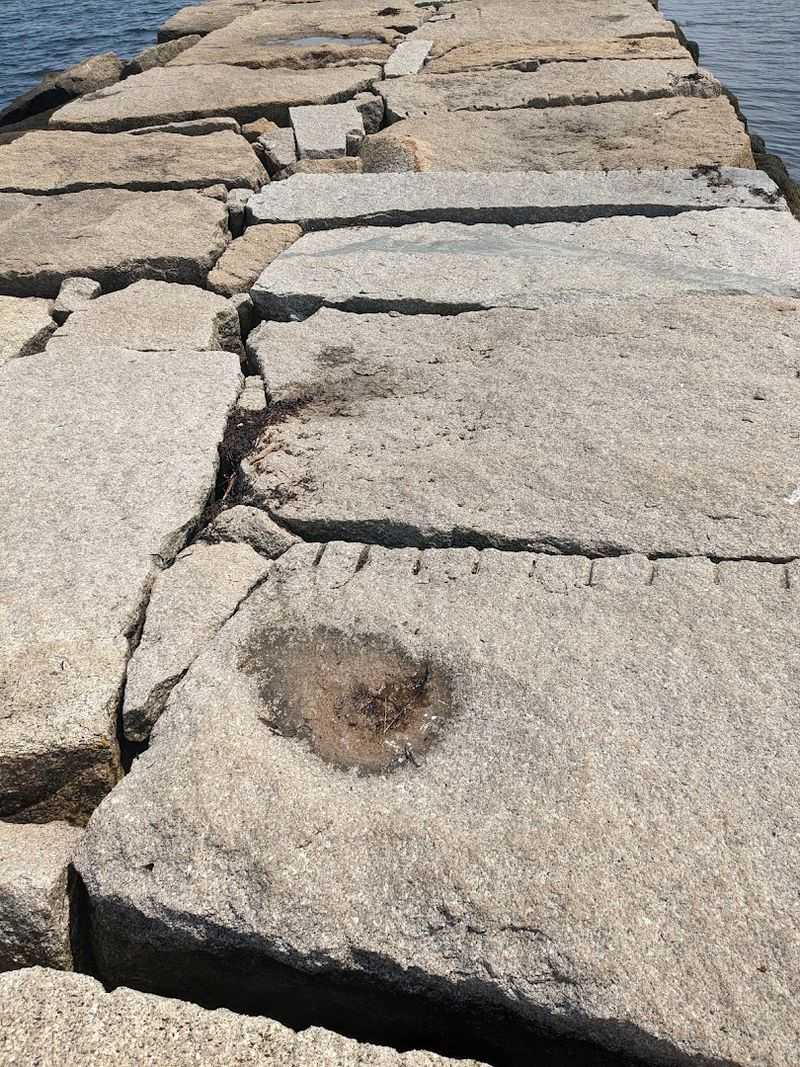
Ask anyone who has walked the breakwater and they will tell you the same thing: wear the right shoes. The granite surface is uneven, often wet, and full of gaps between blocks that can catch a foot if you are not paying attention.
Flip-flops, sandals, and heeled shoes are genuinely risky choices out there.
Trail running shoes or hiking boots with good grip and ankle support are ideal. The surface stays slippery even on dry days because of salt spray and algae that collect on the rocks near the water’s edge.
Taking your time and watching each step is the safest strategy, especially near the lighthouse end where the rocks can be more exposed to wave wash.
Families with young children should plan extra time and keep a close hand on little ones throughout the crossing. The walk rewards patience and preparation, and arriving with the right footwear makes the whole experience far more enjoyable and far less stressful.
The Views From The Breakwater Are Spectacular
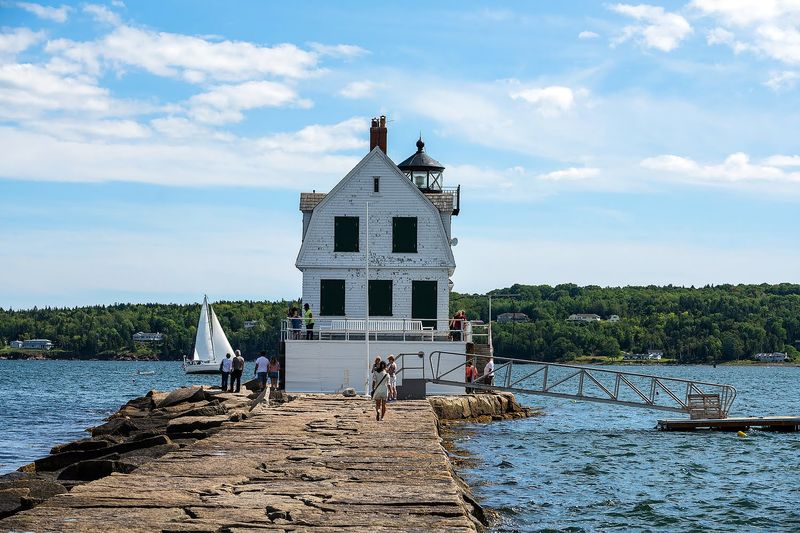
Halfway out on the breakwater, you realize that the views in every direction are genuinely stunning. To the north, the Camden Hills rise above the treeline along the coast.
To the south, Penobscot Bay opens wide, and on clear days you can see islands dotting the horizon. Sailboats, lobster boats, and the occasional ferry cut through the water around you.
Sunrise visits reward early risers with golden light painting the lighthouse and the harbor in warm tones that feel almost unreal. Sunset crossings are equally dramatic, with the sky turning shades of orange and pink over the bay as the lighthouse lamp begins to glow.
Photographers find the floating dock near the lighthouse particularly useful, as it allows a side-angle view of the structure that you simply cannot get from the breakwater itself.
Bringing a camera with a good zoom lens means you can capture details of the lighthouse and the surrounding water that a phone camera might miss.
Inside the Lighthouse (When Open)
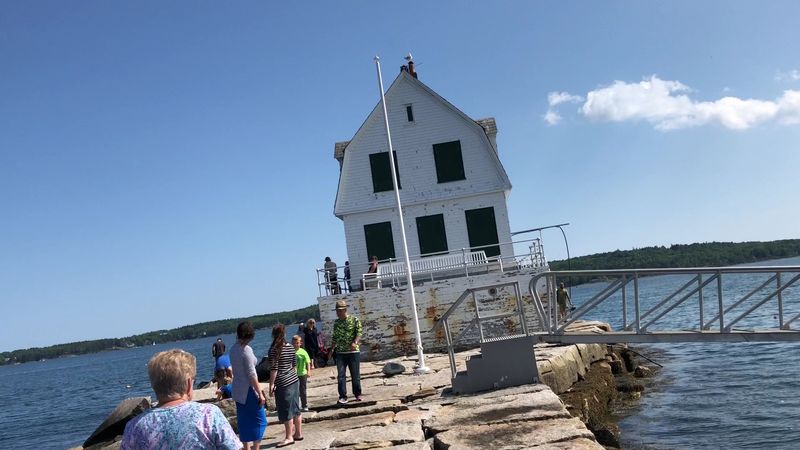
During the warmer months, the Friends of Rockland Harbor Lights open the lighthouse and keeper’s house to visitors for guided tours.
The season typically runs from late spring through early fall, with tours available Thursday through Monday from 9 AM to 5 PM. Checking the City of Rockland website before your visit is the best way to confirm current access and any updates.
Inside the keeper’s house, you can explore the rooms where lighthouse keepers once lived and worked, often for months at a stretch on this remote granite outpost. Historic photographs, artifacts, and interpretive displays bring that era to life in a way that reading about it simply cannot.
Climbing into the tower gives you an elevated view across the breakwater and harbor that makes the entire walk feel even more worthwhile.
The tours are free with a small suggested donation, and the volunteers who run them are genuinely enthusiastic about sharing the lighthouse’s history with anyone curious enough to ask.
Wildlife Along The Way
The breakwater is not just a path to a lighthouse. It is also a front-row seat to Maine’s coastal wildlife.
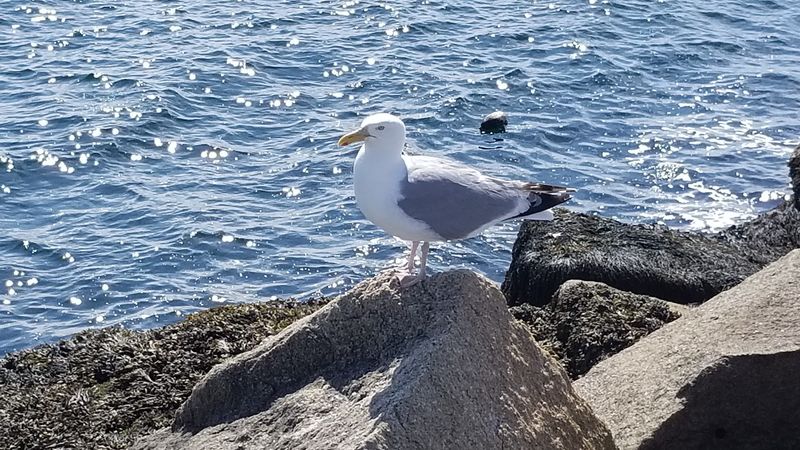
Seagulls are constant companions, circling overhead and perching on the granite with the confident attitude of creatures who know they own the place.
Cormorants spread their wings on the rocks, drying off after diving for fish in the bay.
Harbor seals are spotted regularly near the lighthouse end of the breakwater, especially during quieter morning visits. Watching a seal surface a few feet from where you are standing, glance at you with its dark curious eyes, and then slip back under is one of those moments that stays with you.
Shorebirds, terns, and even the occasional osprey pass through depending on the season. The breakwater sits right in the middle of an active marine ecosystem, and paying attention to the water around you as you walk often reveals small dramas playing out just below the surface.
Free And Open To Walk
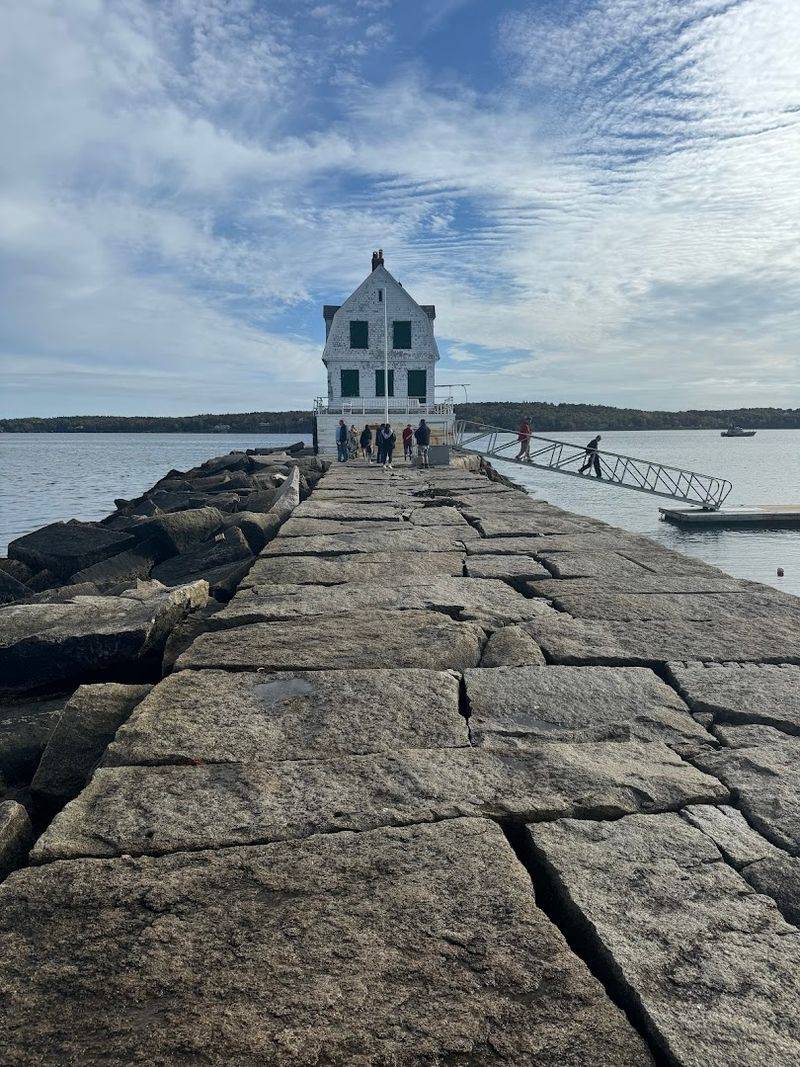
One of the best things about the Rockland Breakwater is that there is no admission fee or gate controlling access. The breakwater is publicly accessible and maintained in coordination with federal and local authorities, and it is open to visitors during daylight hours when conditions are safe.
The parking area is located near the north end of the breakwater, off Samoset Road in Rockland, ME 04841. It is a small gravel lot that holds roughly 50 cars.
Arriving early in the morning or on weekdays significantly increases your chances of finding a spot, especially during the busy summer tourist season.
From the parking lot, a wide gravel footpath runs about 200 yards along the edge of the Samoset Resort golf course before reaching the start of the breakwater itself. The transition from smooth gravel to rough granite is immediate and unmistakable, and that is where the real adventure begins.
Weather Changes Everything
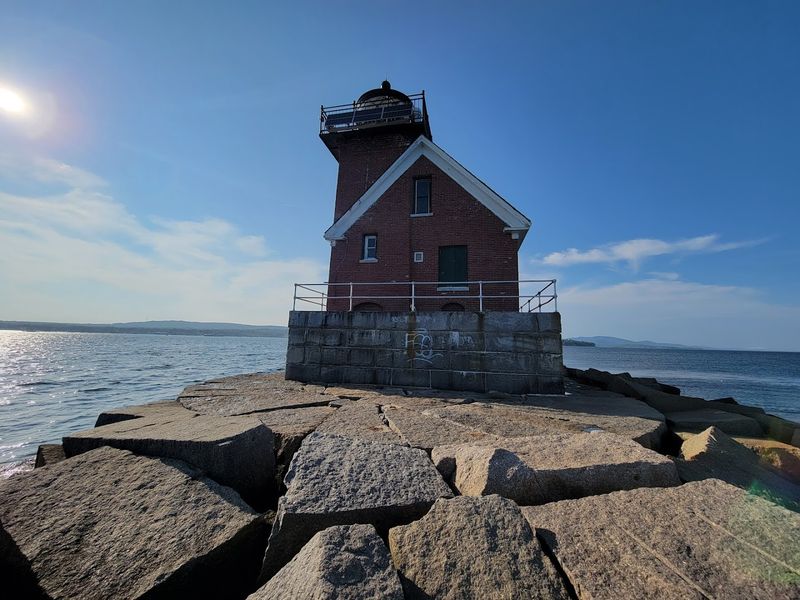
The breakwater is a completely different experience depending on what the weather and tides are doing. On a calm, clear summer morning, the crossing feels peaceful and almost meditative.
On a breezy autumn day with a storm building offshore, it becomes something closer to an adventure that tests your nerve and your balance.
High tide can push water over sections of the breakwater, particularly near the lighthouse end. Checking a local tide chart before heading out is genuinely useful, not just for safety but for planning the best possible visit.
The Maine Department of Marine Resources website and NOAA both publish free tide predictions for Rockland Harbor.
Wind is another factor worth taking seriously. The breakwater offers zero protection from gusts, and a strong headwind on the way back can turn a 20-minute return trip into something much longer and more exhausting.
Starting your walk with the wind at your back and returning into it is a strategy many regular visitors swear by.
A Favorite Fishing Spot
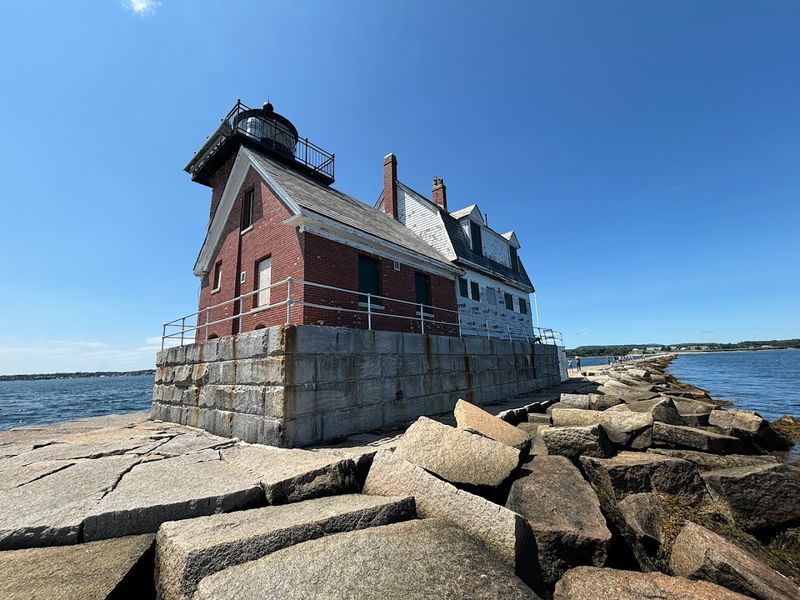
Long before tourists discovered the Rockland Breakwater, local fishermen were already spending their mornings out there with rods and tackle, casting into the deep cold waters of Penobscot Bay.
That tradition is still very much alive. On almost any morning visit, you will find a handful of people quietly fishing from the granite rocks, often with the kind of focused calm that only comes from doing something you genuinely love.
Mackerel, striped bass, and various bottom fish are among the species that anglers target from the breakwater. No boat is required, and the deep water close to the rocks means you do not need to cast far to reach productive fishing ground.
A Maine saltwater recreational fishing registration is generally required for most anglers, with some exemptions, and information is available through the Maine Department of Marine Resources.
Sharing the breakwater with fishermen adds a layer of authenticity to the visit. It is a reminder that this structure was built for working harbor life first, and tourism came much later.