
This Modest Roadside Stop In Michigan Hides A Spring With Legendary Water
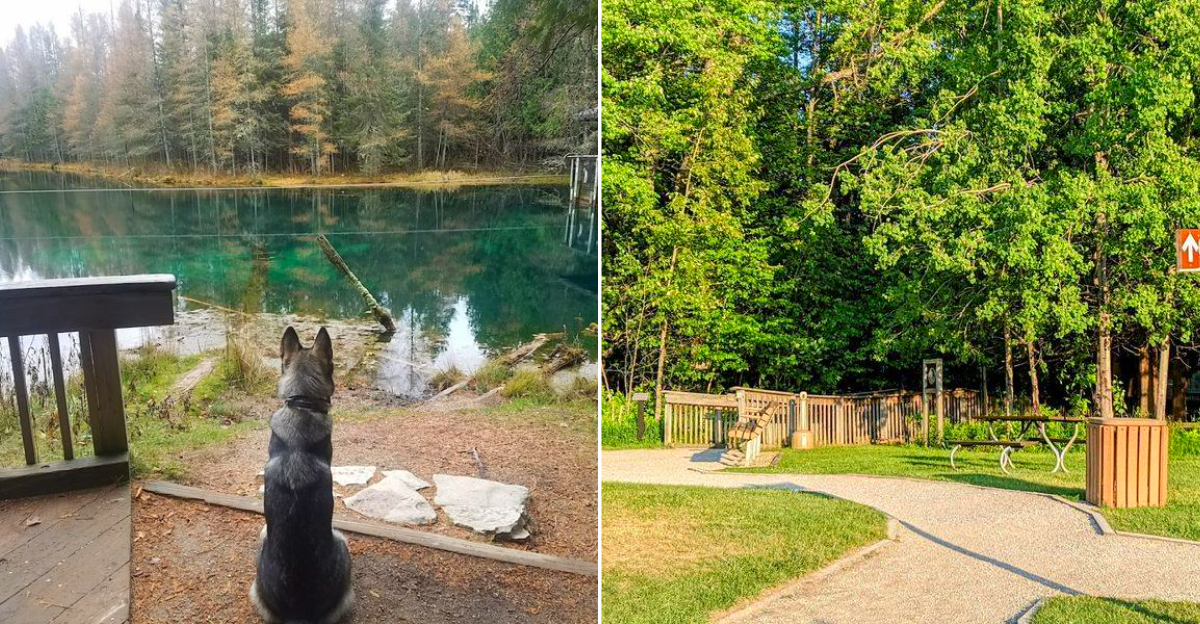
Driving down a quiet stretch of Sawmill Road, I always get the feeling that I’m about to stumble into a glitch in the atmosphere. Behind a modest sign, tucked under a heavy canopy of cedar and hemlock, the water looks so impossibly vivid it feels like a special effect.
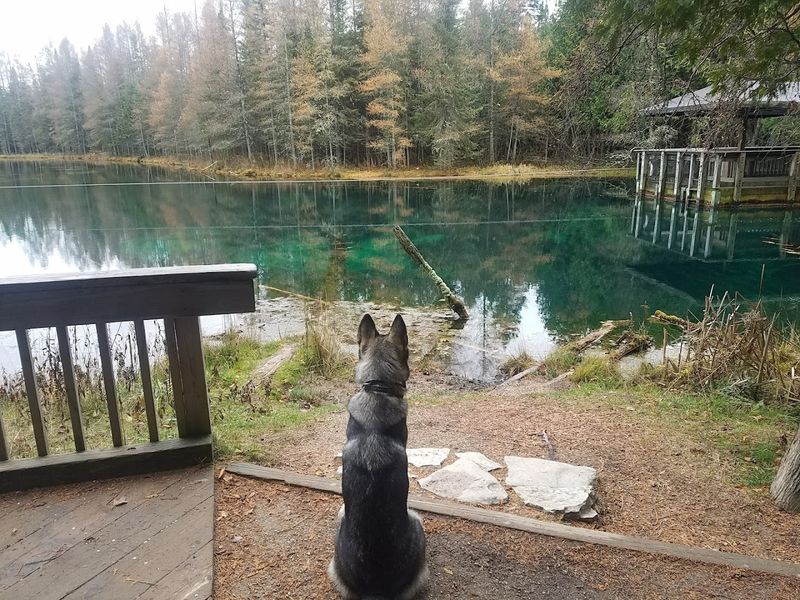
The spring is the color of vintage bottle glass, a shimmering teal that shifts and swirls where the sand boils up from the limestone bottom.
There is something profoundly meditative about stepping onto that hand-powered raft and gliding toward the center; the world goes quiet, and you can see trout hovering like silver zeppelins over the rippling, crystal-clear light.
Upper Peninsula hidden gems like this freshwater spring offer a magical experience with crystal-clear waters and self-propelled raft tours through Michigan state parks.
What starts as a simple roadside leg-stretch quickly becomes a small, shimmering ritual of wonder. On a sunny day, the whole place glows with an intensity that feels like a personal gift just for you.
First Glimpse Of The Water
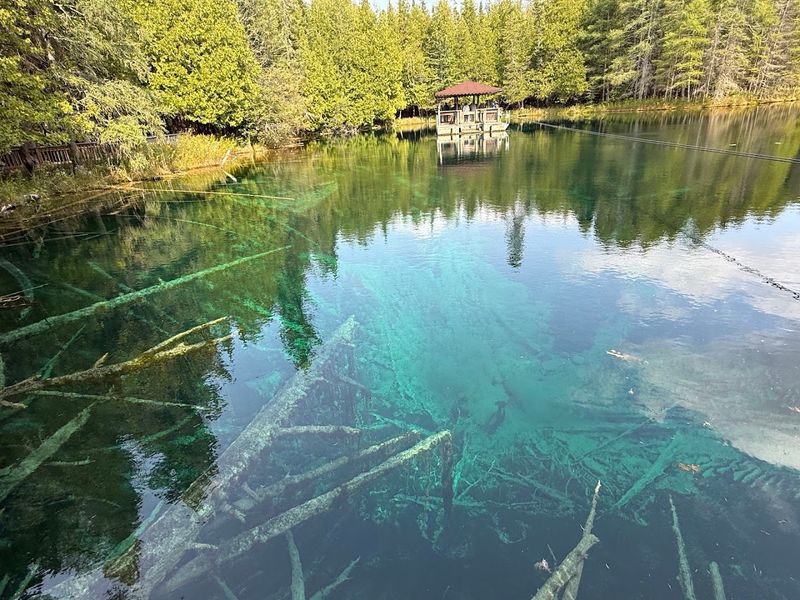
First look, and the spring is an emerald lens, so clear you feel the air continues underwater. Sun turns the pool turquoise, then smoky green where sand lifts in delicate spirals. Trout and perch hover without urgency, casting crisp shadows that drift like slow clouds.
Michigan’s largest spring measures roughly 300 by 175 feet, about 40 feet deep, near constant at 45 degrees. Ten thousand gallons a minute surge from limestone vents, keeping the surface mirrorlike even on breezy days.
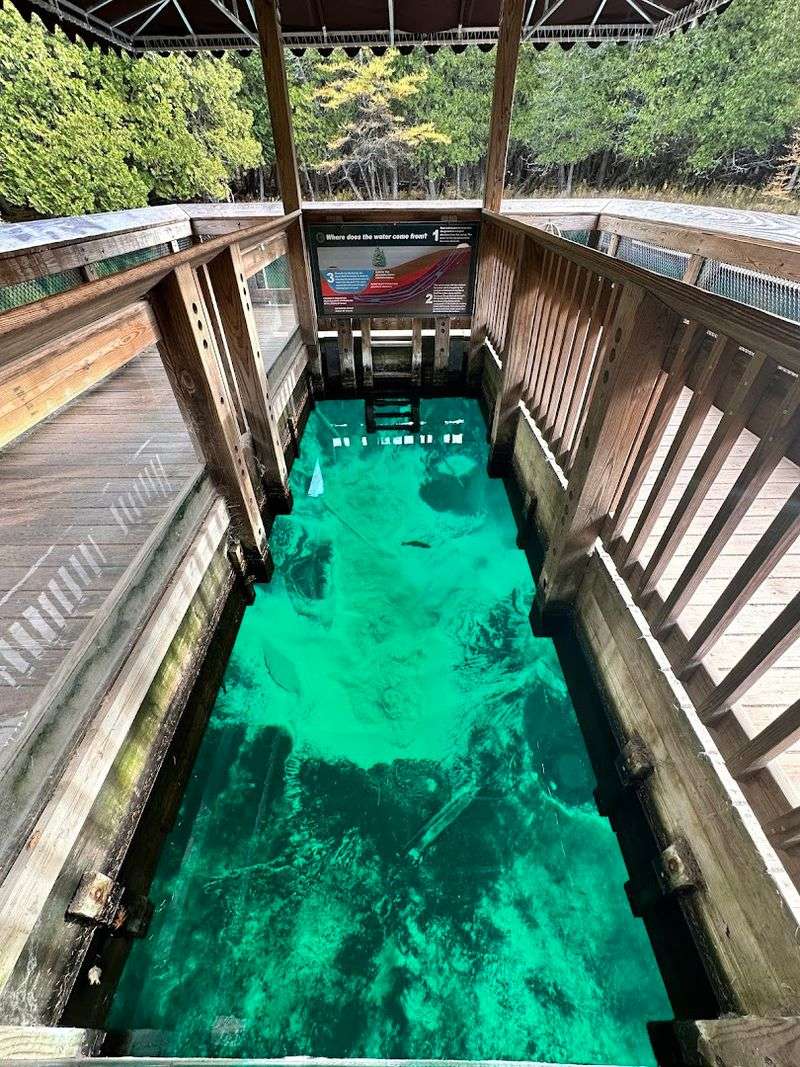
I lean over the viewing window on the raft and feel the odd calm of water that never stops. Your eyes adjust, and the colors separate into layers, like stacked panes of sea glass. Shadows waggle, nothing feels rushed here.
Getting There
To reach Kitch-iti-kipi in Palms Book State Park, take a scenic drive through the Upper Peninsula’s dense hardwood forests. Located just northwest of Manistique, the route follows quiet, winding roads that lead you deep into the secluded natural beauty of the region.
Once at the park, a short, accessible paved path takes you from the parking lot directly to the water’s edge. The walk is brief and level, making it easy to transition from your vehicle to the emerald shores of the “Big Spring” in just a few minutes.
The final leg of the journey involves boarding a self-propelled observation raft. By turning a hand crank, you guide the vessel over the crystalline depths, providing a perfect view of the underwater fissures and trout through the raft’s glass viewing portals.
Quiet Mechanics Of The Spring
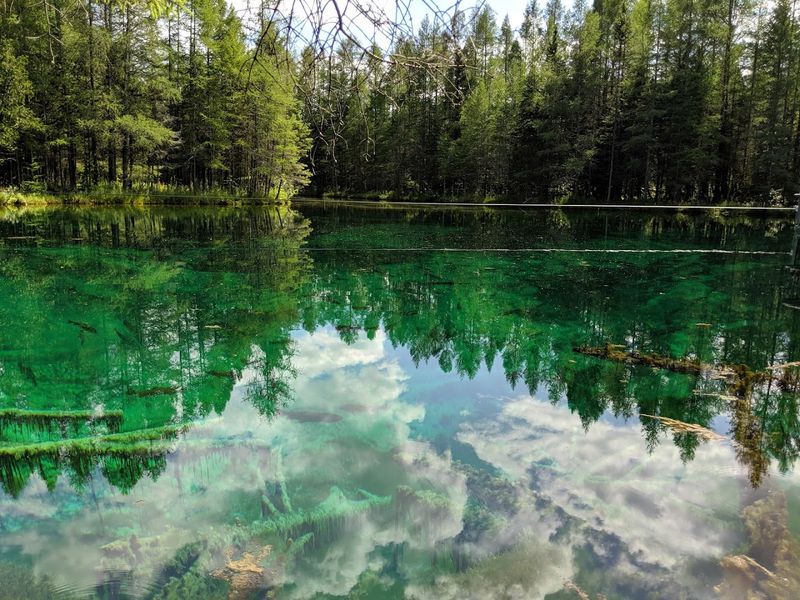
Sand lifts from the vent fields in pale plumes, billowing like silk shaken in slow motion. Each boil is a window into the aquifer, where pressure sends water up with astonishing steadiness. The surface hardly ripples, even as the bottom rearranges itself moment to moment.
Interpretive signs describe a massive limestone system that filters and tempers the flow to about 45 degrees year round.
Ten thousand gallons a minute is the figure you will see repeated, and the evidence is visible in moving dunes. No swimming or fishing is allowed, protecting clarity and habitat. Watch for how fish hold in the gentle updrafts, saving energy. The physics doubles as theater, and the stage resets every second.
A Short Walk Through The Trees
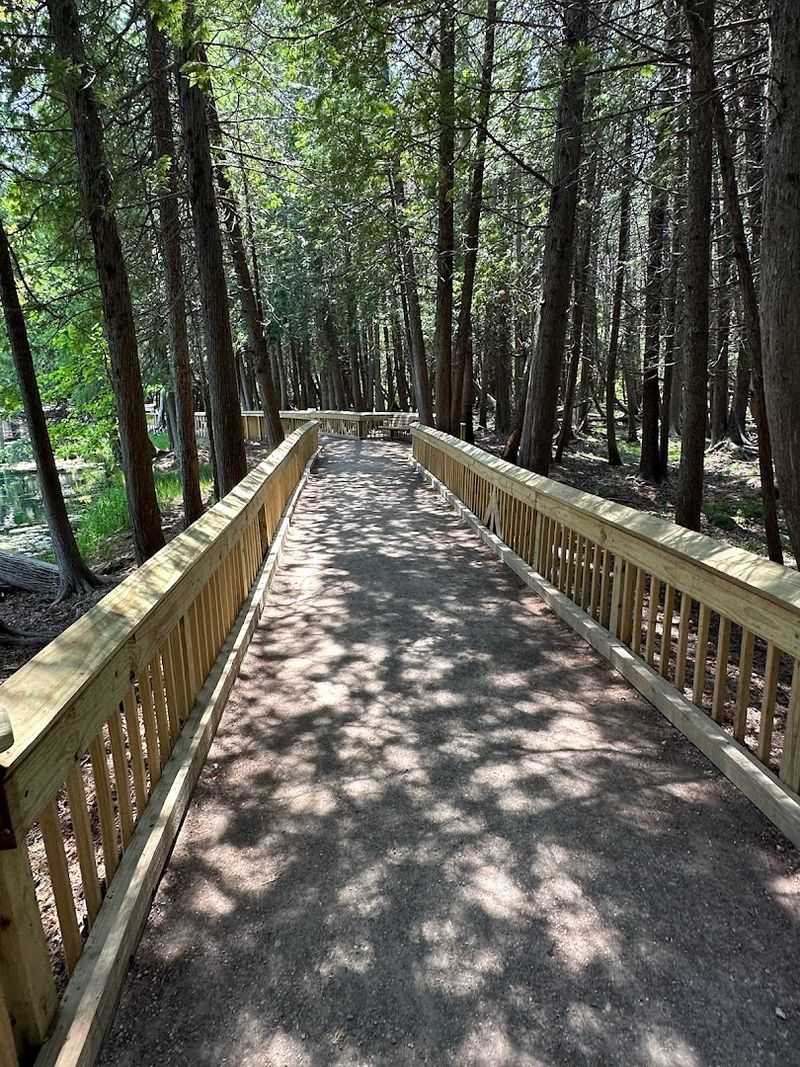
Before the water, there is a hush under cedar and hemlock. Needles mute footsteps, and the boardwalk carries you through cool air toward brightness. Wooden steps descend gently, revealing the dock and that impossible color at the last turn.
Trail grades are friendly, with railings in key spots and benches near the approach. Posted hours run 8 AM to 10 PM, so early arrivals enjoy space to linger. I like starting at opening time when birds own the soundtrack and the raft queue is brief. In winter, facilities can be limited, and surfaces icy, so move carefully.
Leashed dogs are welcome in the park, but keep paws and noses clear of the viewing well.
History And Legend Beneath The Surface
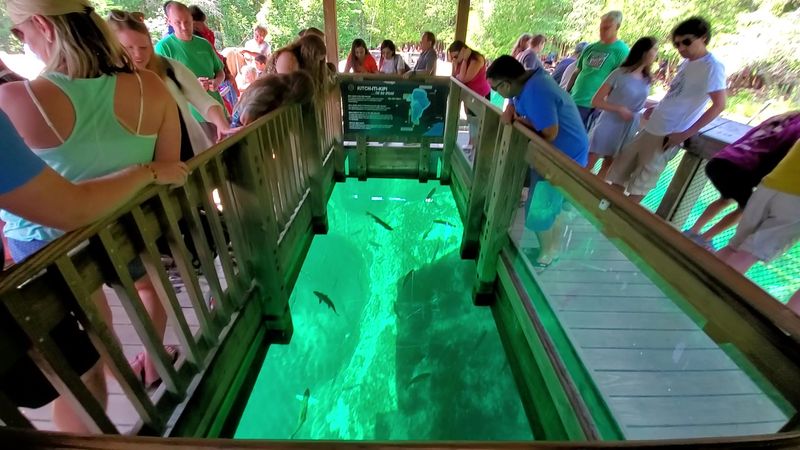
Wooden panels near the dock combine geology with stories long associated with this place. The name Kitch-iti-kipi is often translated as Big Spring, and references to Anishinaabe tradition appear alongside natural history. Read them before rafting, then watch the water with those layers in mind.
Early 20th century improvements framed a view without forcing it, keeping the spring itself essentially untouched. The raft design preserves stillness that heavy boats would shatter.
Bring curiosity and time to connect dots between language, limestone, and light. Respect that the spring predates our naming and our maps. You feel it in the restraint of the infrastructure, minimal yet durable. The past here is not a museum piece, but a living lens.
Seasonal Light And Weather Quirks
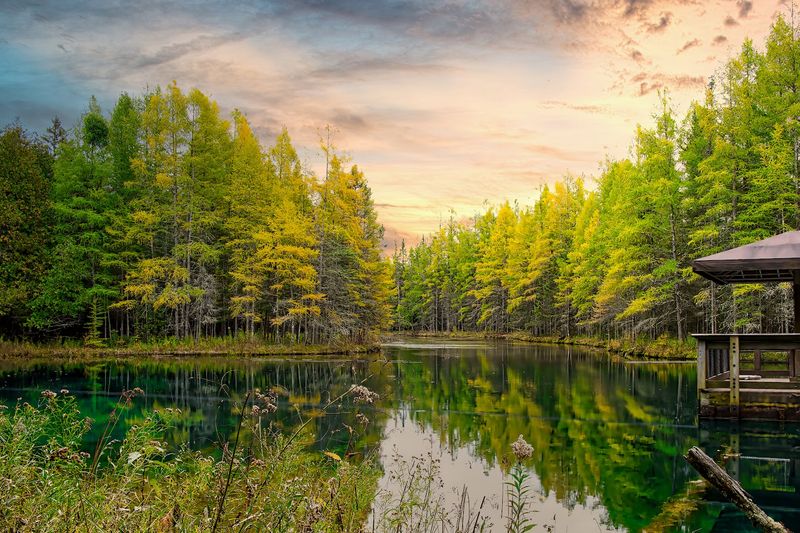
Summer sun paints the pool vivid turquoise, letting you see fish and sand boils with almost x ray precision. By autumn, maples torch the shoreline and reflections fold warm reds into cool green. Winter strips the palette to silver and jade, and the quiet is startling.
Visibility improves under bright skies, but cloud cover reduces glare for photographs. Shoulder seasons often mean shorter lines and more time at the viewing well. Dress for 45 degree air hovering over 45 degree water, which can chill hands fast on the raft wheel. In snow, expect limited facilities and slower approaches.
The spring rarely looks the same twice, and that change rewards repeat visits.
Wildlife You Will Actually See
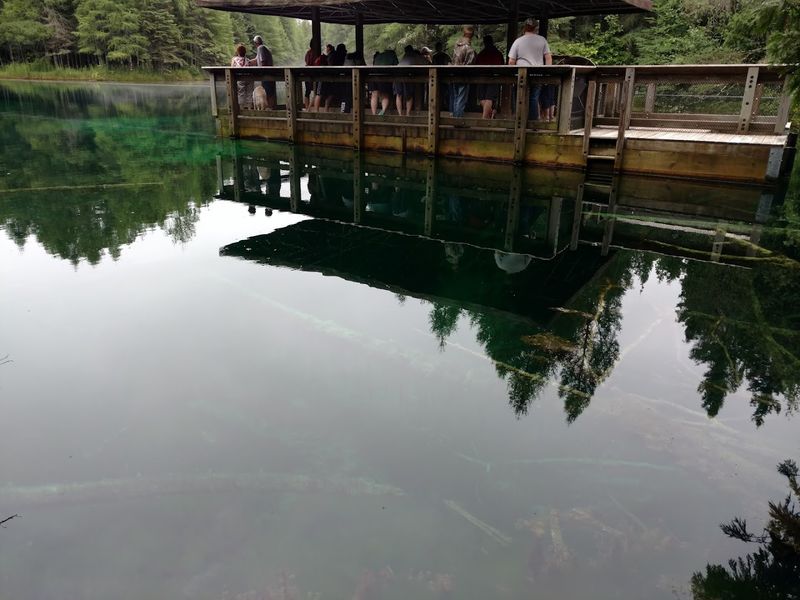
Look down before you look out. Large trout hang in the green like punctuation marks, barely finning. Perch drift in schools that flex and blur, then suddenly align over the pale sand.
Because the water stays cold and constant, fish behave differently than in nearby lakes. They use upwellings like elevators, pausing where the current lifts. You might catch a heron on the fringe, perfectly still.
I have seen minnows swarm the viewing window, turning it into a glittering frame. Please keep hands inside the railings and leave snacks in your bag. Feeding wildlife is not allowed, and it dulls the place. Quiet watching suits Kitch-iti-kipi better anyway.
Accessibility And Practical Pathfinding
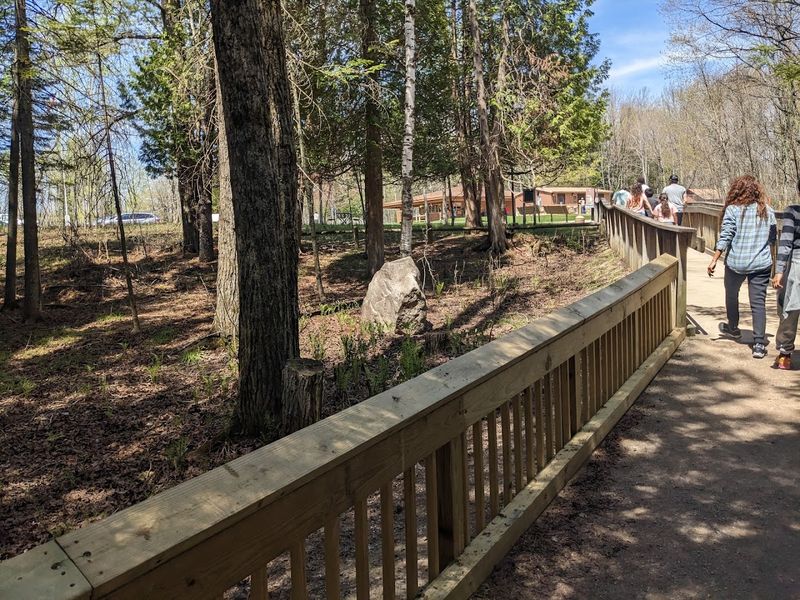
The path from the parking area is short and straightforward, with boardwalk sections and railings where needed. Grades are modest, and in warmer months accessibility features extend to the raft approach. Signage is clear from the Palms Book State Park entrance to the dock.
Hours run 8 AM to 10 PM, but daylight is your friend for depth perception on the water. Expect seasonal restrooms and a gift shop that operates in busier months.
Bring layers, non slip shoes, and a small bag that zips. Pets must be leashed. Staff presence is light by design, so self help rules the queue and the crossing. The whole visit can be brief, yet it lingers in memory.
Photography Without Fuss
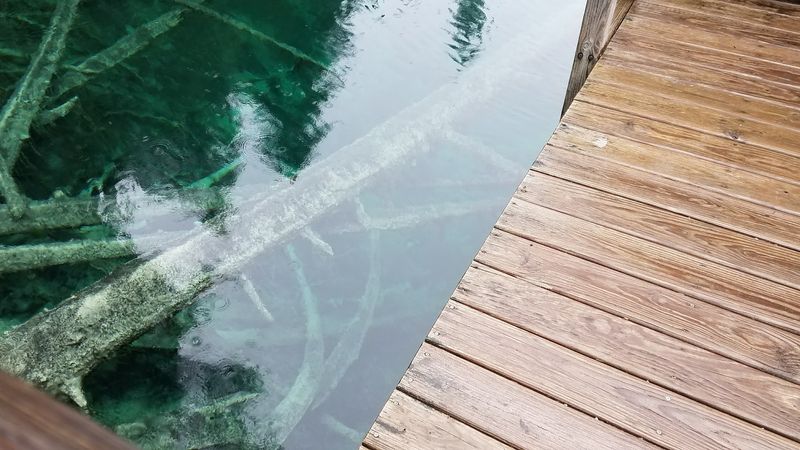
Reflections are the only real hurdle, and they are manageable. Polarized sunglasses help you preview angles that cut glare, then tilt the phone to match. Over the viewing window, you are already halfway to a great shot because the raft blocks side light.
Skip the flash and embrace natural contrast between bright sand boils and deeper jade water. Focus on edges where fish silhouette cleanly, and wait for clouds to move.
A microfiber cloth earns its keep here. Use lanyards or cases with wrist straps, since the rail is just high enough to feel safe and deceptive. I shoot fewer frames than usual, because stillness invites careful looking first.
Respectful Etiquette On The Raft
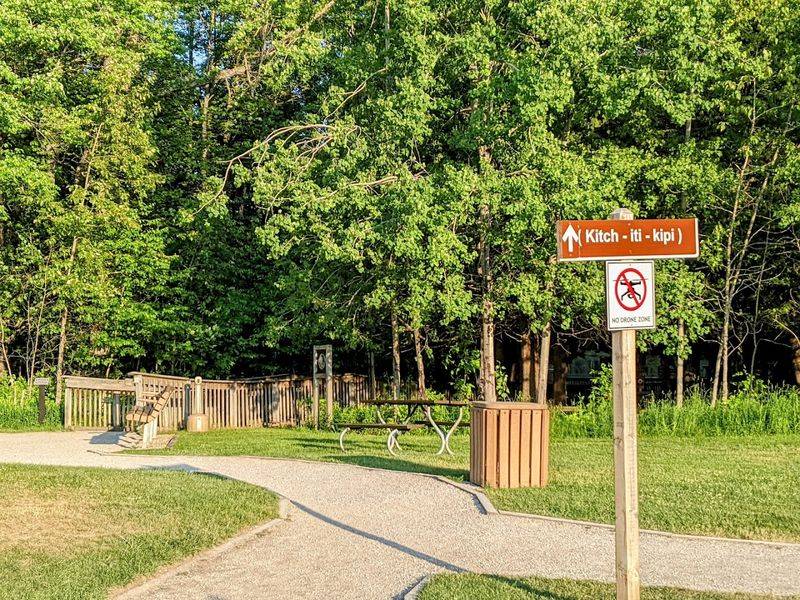
Start by reading the posted guidelines, then let courtesy set the tempo. Share the wheel, rotate spots along the rail, and keep bags tight to your feet. Lower voices transform the platform into a floating observatory.
No swimming, no fishing, and no feeding wildlife are not arbitrary rules.
They exist to keep the spring clear and living as it should. Secure loose items, especially hats and phones, before the middle.
Step lightly, avoid leaning hard on rails, and give kids a stable spot near an adult. I have found that a calm minute at center lets everyone see what they came for. The boat returns quickly if you give patience the lead.
What The Water Feels Like To Hear
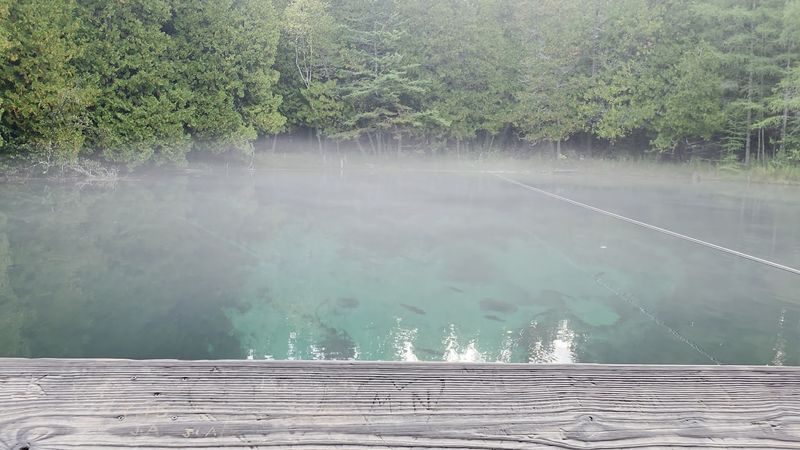
Silence here is not empty; it is layered. Leaves flick in the canopy, a cable hums faintly when the wheel turns, and water whispers against wood. The spring itself is almost noiseless, which makes your breathing part of the soundscape.
That quiet sets the vibe for slow looking rather than checklist travel. It is a scenic spot, yes, but one that behaves like a small sanctuary.
Let a crossing pass if the raft looks crowded, then enjoy the next in thinner company. Deep focus arrives faster when bodies are spaced and still. You leave hearing your own footsteps again on the boardwalk, which feels correct.
Planning Your Timing And Fees
Palms Book State Park opens 8 AM to 10 PM, which lets you target gentle light and thinner lines. Morning on weekdays tends to be calmest. Afternoons on sunny weekends move fastest when visitors cooperate on the wheel and along the rail.
Michigan residents with a Recreation Passport roll right in. Non residents should expect a per vehicle fee, commonly around eleven dollars, paid at the entrance.
Keep a card ready and avoid blocking the lane. Facilities and the gift shop operate seasonally, so plan rest stops accordingly. Manistique is the nearest hub for fuel, snacks, and lodging. A short detour here changes the whole day, and it is worth the turn.