
This Mysterious Ohio Site Is The Kind Of Place You Never Quite Forget
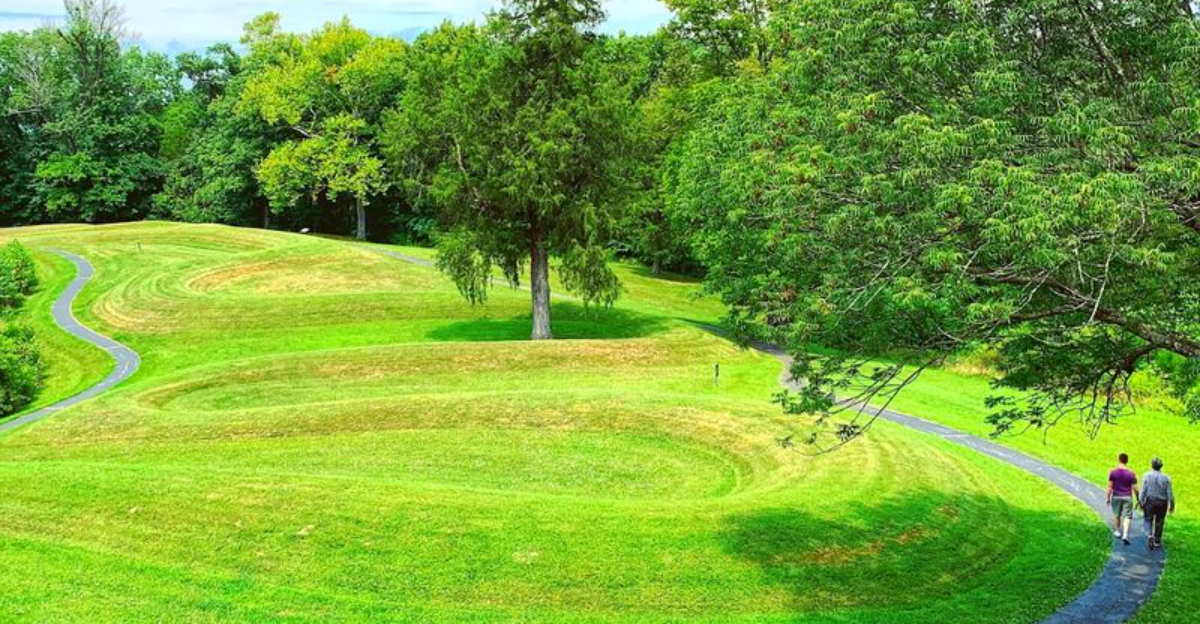
Some places in Ohio stay with you long after the visit ends, and this is one of them. In Adams County, this remarkable site has been drawing historians, archaeologists, and curious travelers for generations because no one has ever fully explained it.
What you find here is a massive earthen serpent stretched across a hilltop above a creek, built by people working without metal tools or written plans.
The scale is striking, the landscape adds to the mystery, and the unanswered questions around who built it, when it was made, and why it was placed here give the whole visit a weight that is hard to shake.
It is the kind of place that leaves you thinking about it long after you have gone home.
A Thousand-Year-Old Earthwork That Still Defies Easy Explanation
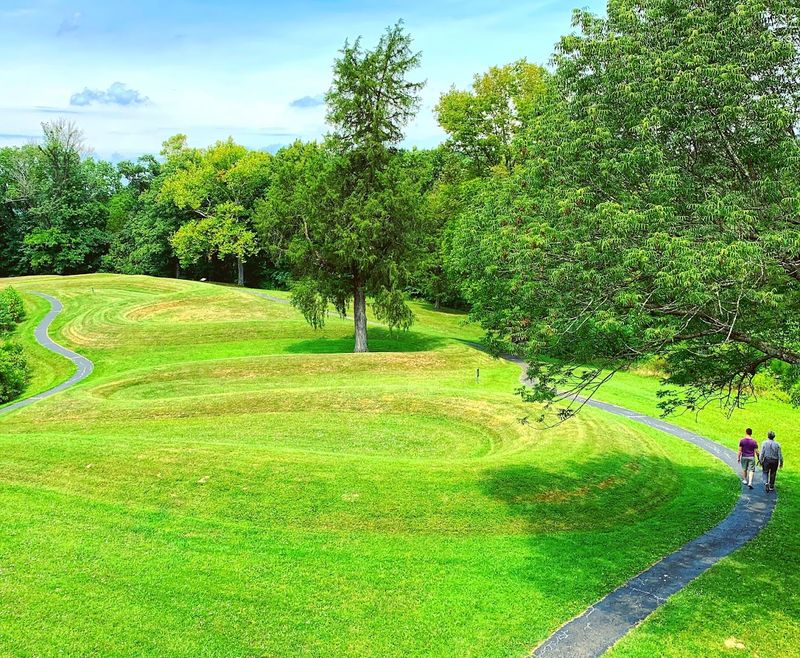
There are places that feel mysterious the second you arrive, and Serpent Mound State Memorial is absolutely one of them. The sheer scale of the earthwork makes an immediate impression, but what really stays with you is the fact that nobody has ever pinned down its full story with complete certainty.
What I find most fascinating is how much skill and intention are visible even without all the answers. This enormous serpent-shaped mound was built through human labor alone, shaped without metal tools or written plans, and laid across the land with a precision that still sparks debate.
Some scholars connect it to the Fort Ancient culture around 1000 CE, while others argue for an earlier Adena origin, which only adds to the sense that the place resists simple explanations.
The setting plays a big role in that feeling too. Surrounded by the rolling hills of Adams County, the site has a quiet gravity that makes you slow down and look more carefully.
The mystery, the craftsmanship, and the landscape all work together in a way that is hard to shake once you have seen it for yourself.
That is what makes the visit linger in your mind. It is not just the size of the mound, but the unanswered questions wrapped around it, and you will find Serpent Mound State Memorial at 3850 OH-73, Peebles, OH 45660.
The Atmosphere on the Ground Is Unlike Anything Nearby
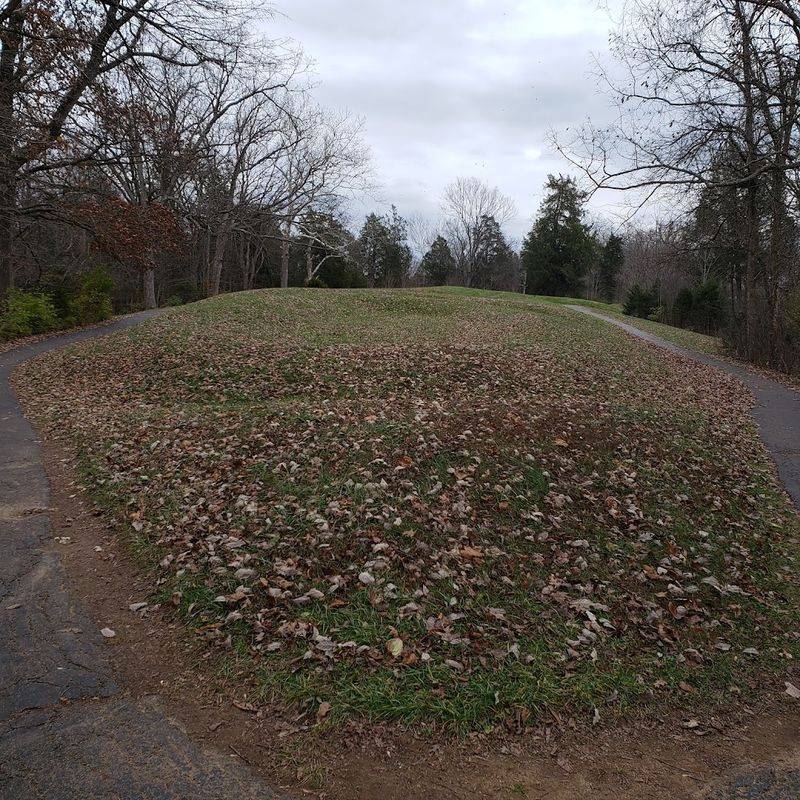
There is a quality to the air at this site that is genuinely hard to put into words, and I noticed it the moment I started walking the paved path that traces the length of the mound.
The grounds feel hushed in a way that has nothing to do with a lack of visitors. Even on a moderately busy afternoon, people tend to lower their voices naturally, as if the place itself requests a certain kind of respect.
The path curves and winds alongside the serpent’s body, and at certain angles you can appreciate the subtle rise and fall of the earthwork against the sky.
Fragrant tree blooms line sections of the trail depending on the season, and the surrounding woodland adds a sense of seclusion that feels rare for a publicly accessible historic landmark.
I found myself slowing down without consciously deciding to, just absorbing the landscape and letting the sheer age of what I was looking at sink in properly.
It has a pull that is hard to explain but easy to feel.
What the Visitor Center and Museum Actually Offer
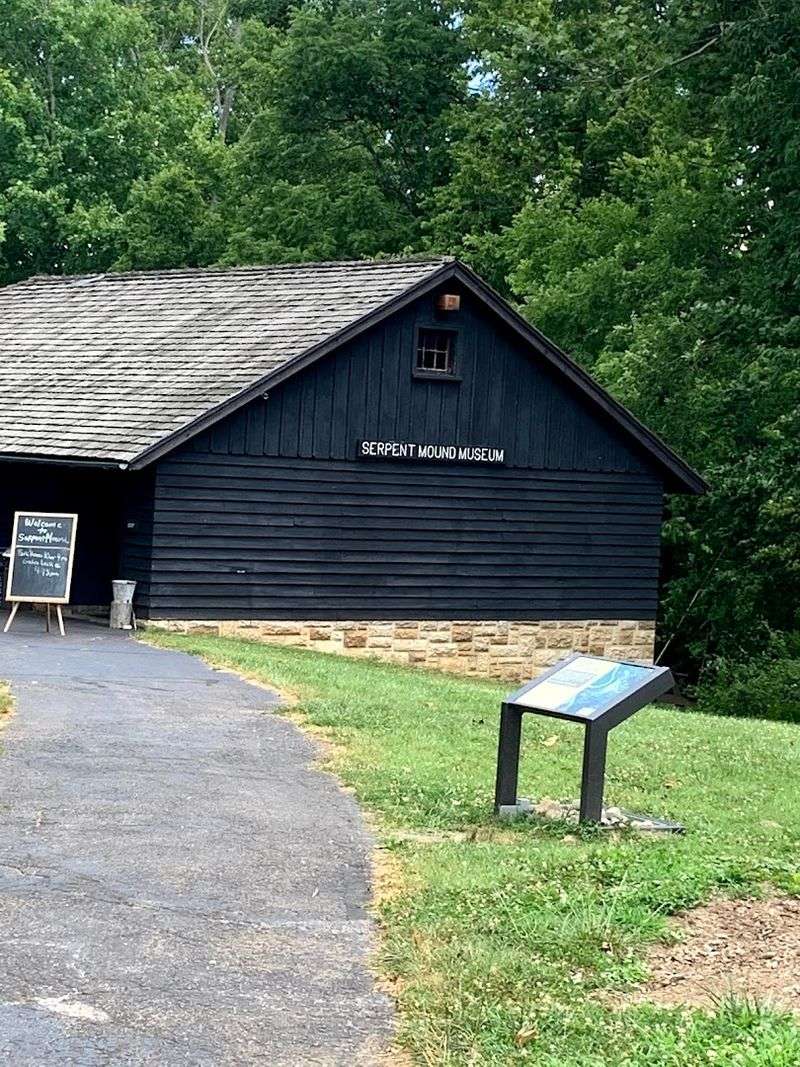
Before heading out to the mound itself, the visitor center is worth at least twenty minutes of your time. A short orientation video plays inside and does a solid job of framing the history without overwhelming you with academic jargon.
The gift shop carries a curated selection of books on archaeology and Native American history, including a modern reprint of J.P. MacLean’s original 1885 survey of Ohio earthworks, which is a genuine find for history enthusiasts.
Souvenirs range from basic t-shirts to mineral samples and locally sourced honey.
One honest note: the museum does not display Native artifacts in the traditional sense, so if you arrive expecting cases of arrowheads and pottery shards, you may feel a little surprised. What it does offer is solid contextual information about the site’s significance and the cultures associated with it.
Staff members I encountered were friendly and happy to answer questions, and the cool indoor space is a welcome break if you visit on a warm day. Snacks and cold drinks are available for purchase as well.
The Overlook, the Crater, and the Views Worth Chasing
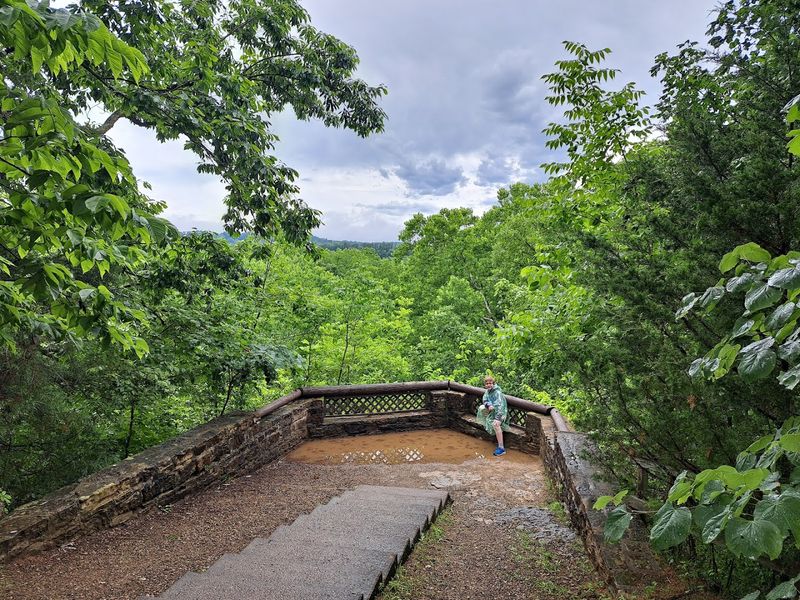
Midway along the paved path, a stone overlook juts out toward the edge of a bluff, and the view from there stopped me in my tracks. Below the cliff lies a wide, bowl-shaped depression that is actually the remnant of an ancient meteor impact crater, and the mound was built directly adjacent to it.
That detail alone reframes the entire visit. The people who constructed this earthwork chose a geologically extraordinary location, and whether that was intentional or coincidental is still a matter of scholarly debate.
The overlook requires descending a short flight of stone steps, so keep that in mind if mobility is a concern.
The trees along the bluff edge are dense, which limits the sight lines a bit, but the sense of depth and scale you get from standing above Brush Creek and looking out over the crater is genuinely impressive.
There is also a secondary observation deck near the head of the serpent that offers a different perspective on the oval earthwork that forms the mouth.
Both spots reward a slow, unhurried look rather than a quick glance.
The Nature Trails Below the Mound Are a Hidden Bonus
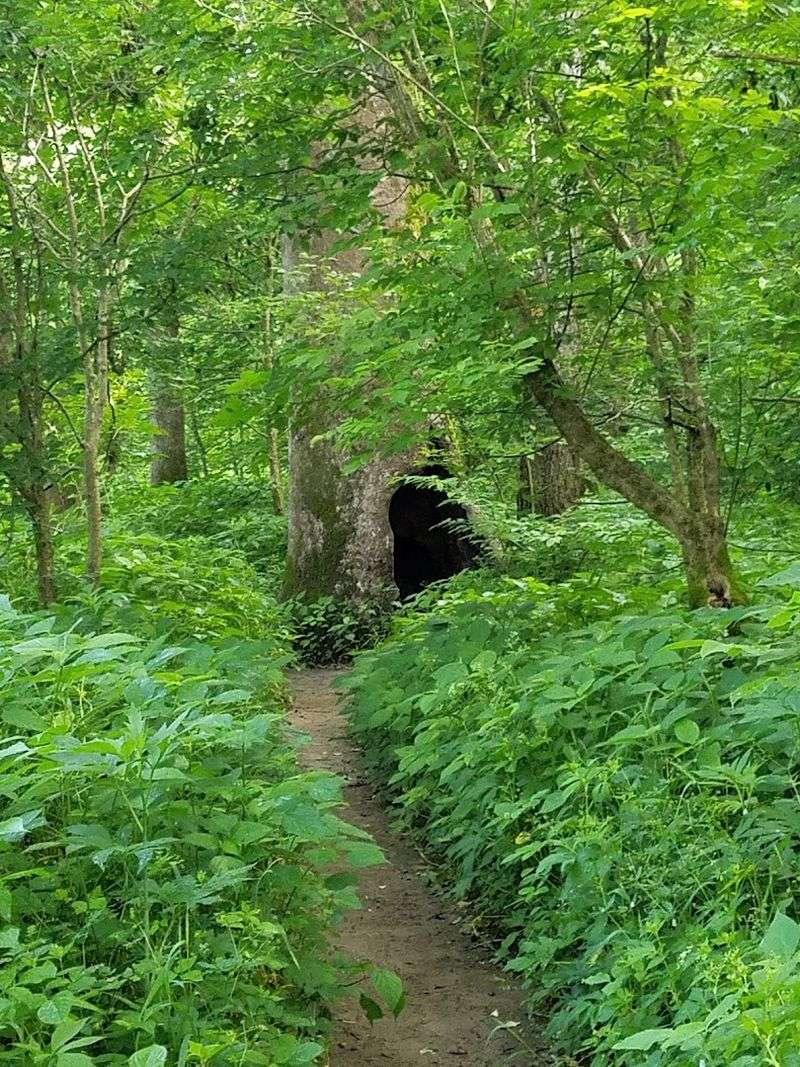
Most visitors stick to the paved loop around the mound, and that is completely understandable, but the lower nature trail is where things get a little wilder and a lot more interesting.
The trail descends from the main path via a wooden staircase with a handrail, leading down through dense woodland toward Brush Creek. The path is well-maintained with compacted soil and timber steps, making it manageable for most reasonably fit visitors.
Along the creek bank, I spotted chunks of Brassfield chert flint and broken hematite with ochre, both materials historically used by Native peoples in this region.
Spring beauties and other edible plants dot the forest floor in the warmer months, adding a foraging dimension to what could otherwise feel like a standard woodland walk.
The trail also leads past the mysterious limestone pillar said to have been removed from near the serpent’s head at some point in the past and thrown over the cliff.
Nobody seems to know exactly why, and that unsolved detail fits the general spirit of this place perfectly. Budget an extra thirty to forty minutes for the lower trail.
Burial Mounds, Stone Obelisks, and Other Surprises on the Grounds
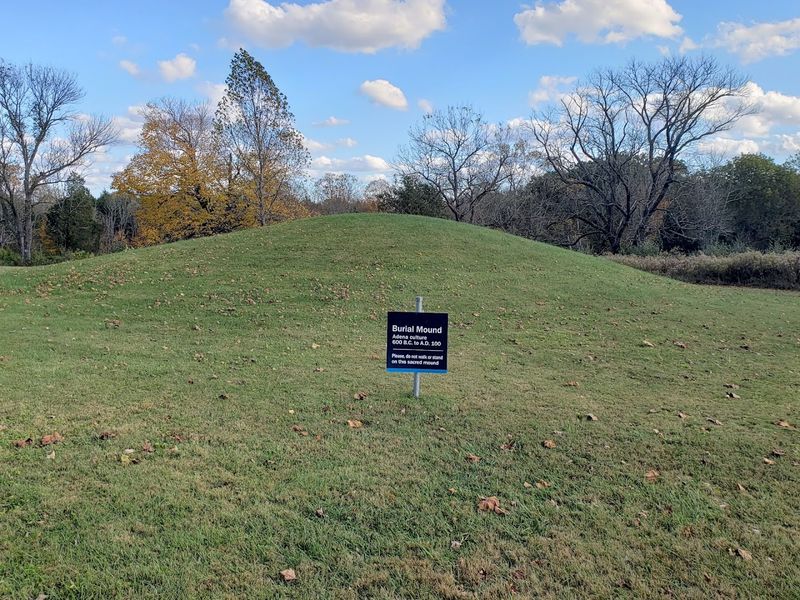
The effigy mound gets all the attention, but the surrounding grounds hold several smaller burial mounds that most visitors walk right past without realizing what they are.
Informational signs mark each one, and pausing to read them adds meaningful context to the broader site. These burial mounds represent different cultural periods and serve as a reminder that this was not simply a one-time construction project but a landscape used by multiple generations over a very long span of time.
Near the head of the serpent, there is also a stone obelisk that reportedly stood near the mouth of the mound during the original 1885 survey. According to local lore, it was eventually thrown over the cliff, and the weathered pillar can still be found below the bluff if you take the lower trail.
Whether that story is entirely accurate remains unclear, but the physical presence of the stone adds another layer of intrigue to an already layered place. Free maps available at the visitor center mark the locations of these secondary features so you do not miss anything important.
Best Times to Visit and What to Know Before You Go
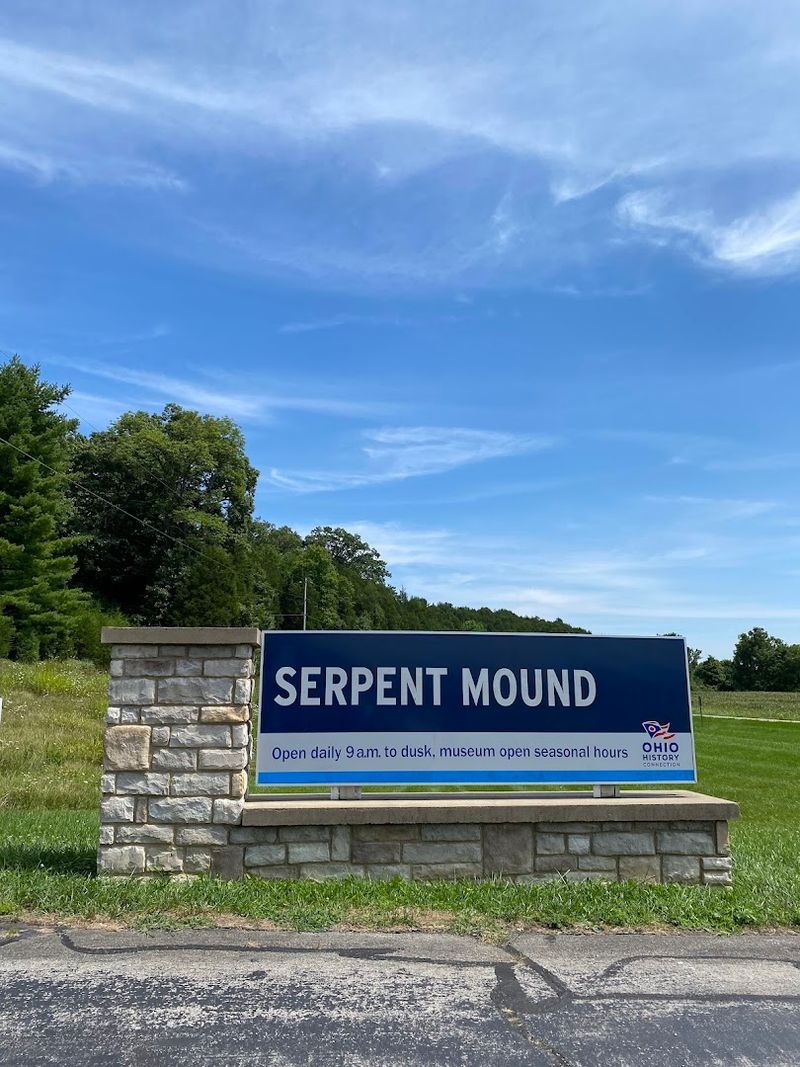
The site is currently open Tuesday through Saturday from 10 AM to 5 PM, and on Sundays from noon to 5 PM, with Monday being a closed day. Arriving early on an open day gives you the best chance of a quieter experience before more visitors arrive.
Parking costs eight dollars per vehicle, Ohio History Connection members get in free, and military visitors receive a discounted parking rate.
Summer visits are popular but hot, and the open sections of the path offer little shade, so bring water and sunscreen. Late spring and early fall tend to offer the most comfortable conditions.
The observation tower is currently under restoration, and Ohio History Connection says the reopening date will be announced in 2026, so the elevated aerial view is not available right now.
You can reach the site by phone at 1-800-752-2757 and check current updates through Ohio History Connection before making the trip.
The Summer Solstice Experience Is Something Else Entirely
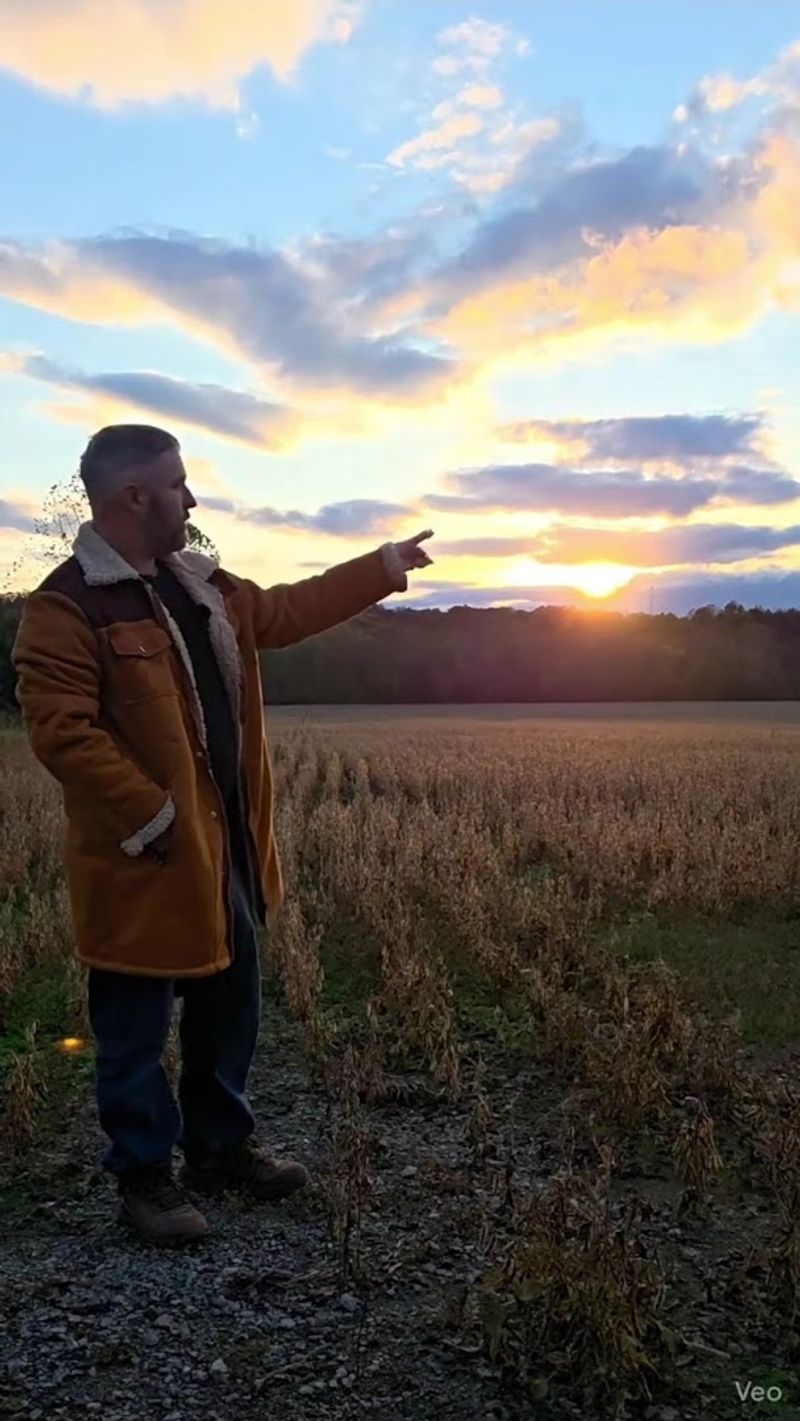
There is a reason people drive hours to be at this site specifically on the summer solstice, and it has to do with the way the mound aligns with the setting sun on that particular evening.
The serpent’s open oval mouth faces directly toward the summer solstice sunset, a detail that many researchers believe was entirely intentional on the part of the builders.
Watching that alignment happen in real time, with the golden light falling across the earthwork exactly as it apparently has for centuries, is the kind of moment that rearranges your perspective a little.
The solstice draws a noticeably different crowd than a typical weekend visit. People arrive with cameras, blankets, and a shared sense of occasion that turns the site into something almost communal.
I visited on a regular summer day and still found the sunset light beautiful, but the solstice version sounds like a genuinely elevated experience. If your schedule allows any flexibility, planning around that date is absolutely worth the effort.
Checking the site’s calendar ahead of time is a smart move.
Why This Place Stays With You Long After You Leave
Some places are impressive in the moment and fade quickly once you are back on the highway. This one works differently, and I have been trying to figure out exactly why ever since my visit.
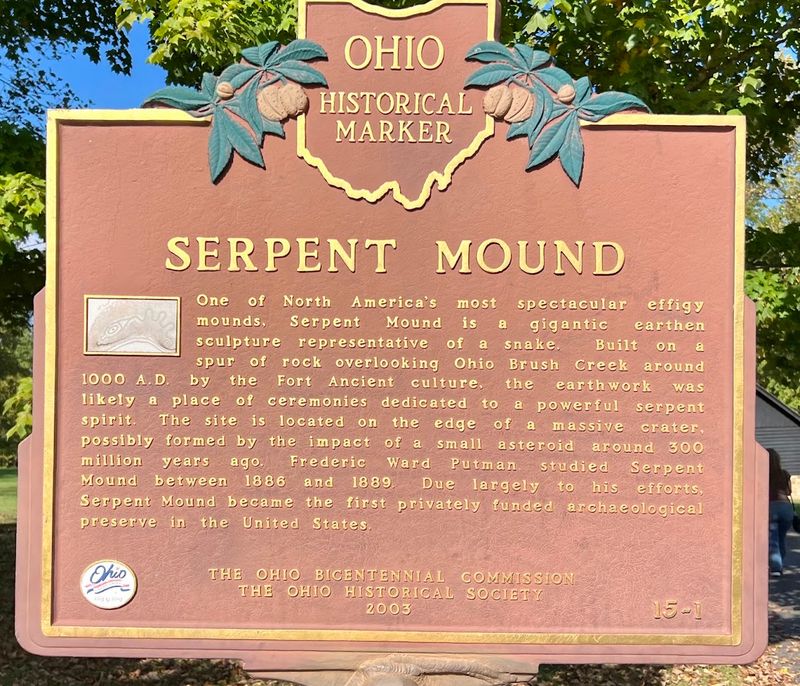
Part of it is the sheer physical improbability of what you are looking at. A 1,400-foot earthen snake, built by people with no written language and no mechanized tools, still intact and still legible as a serpent after more than a thousand years.
That is not something the brain files under ordinary experiences.
Part of it is also the unanswered questions. The builders left no written record, no clear explanation of purpose, and no obvious reason for choosing this specific meteor-scarred hilltop above this specific creek.
Every theory is plausible and none is proven, and there is something genuinely refreshing about a place that resists tidy conclusions in an era when everything seems searchable and explainable. Ohio has no shortage of interesting places, but this one occupies a category of its own.
Once you have stood beside that mound, it becomes one of those experiences you find yourself describing to people for years.