
This New Jersey Beach May Be Getting Too Crowded With Biting Greenhead Flies
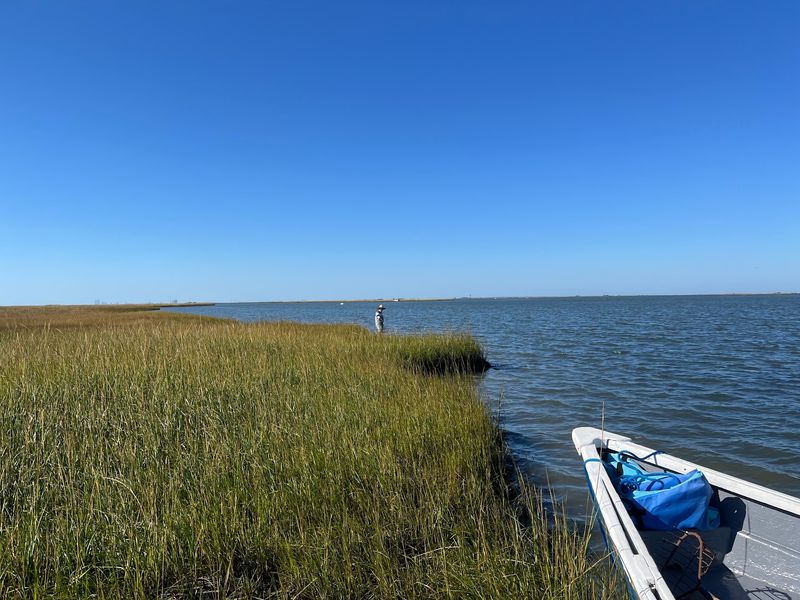
Shiny dark boxes sit along the marsh edges near one New Jersey beach, and they are not modern art. They are traps, built to fool a fly into thinking it found a big, warm animal.
The target is the greenhead, a salt marsh fly with bright green eyes and a bite that feels like a hot pinch. Only the females bite.
They need blood to help produce eggs, and a sunbather looks like a fine buffet.
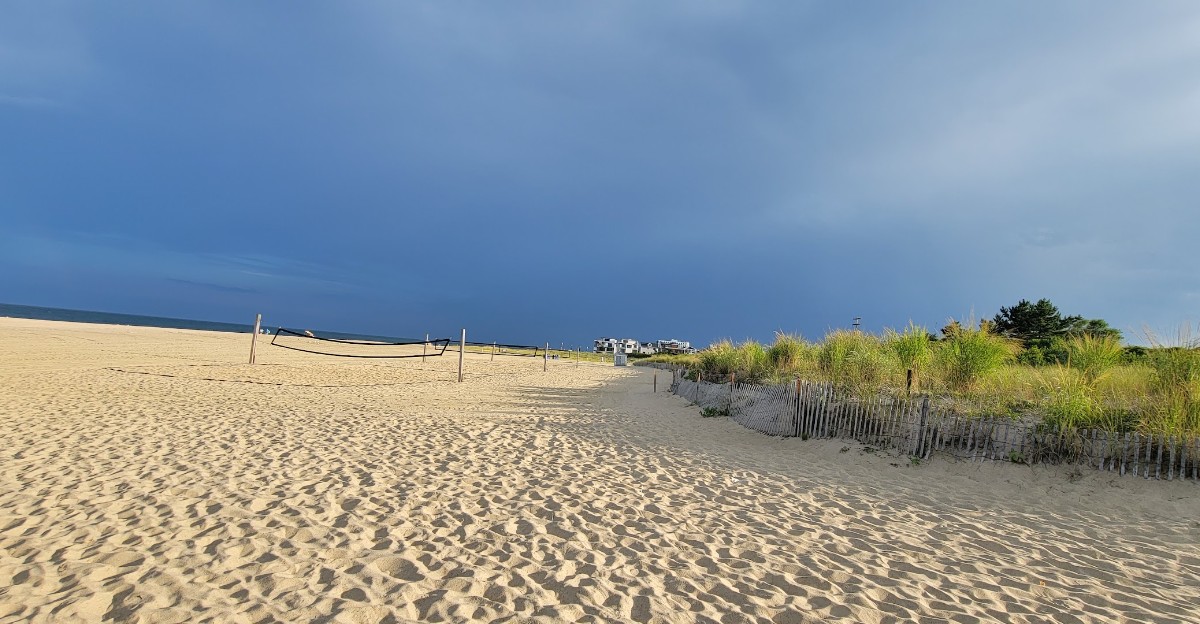
This beach sits right where the road runs out, with wild marsh and a protected refuge as neighbors. That is great news for birds.
It is also great news for flies, especially when the wind swings in from the bay.
I believe this sandy stretch is still worth every step, as long as you know the tricks. So how do you outsmart a bug with a dinner plan?
The Last Stop On The Island Comes With Wild Neighbors
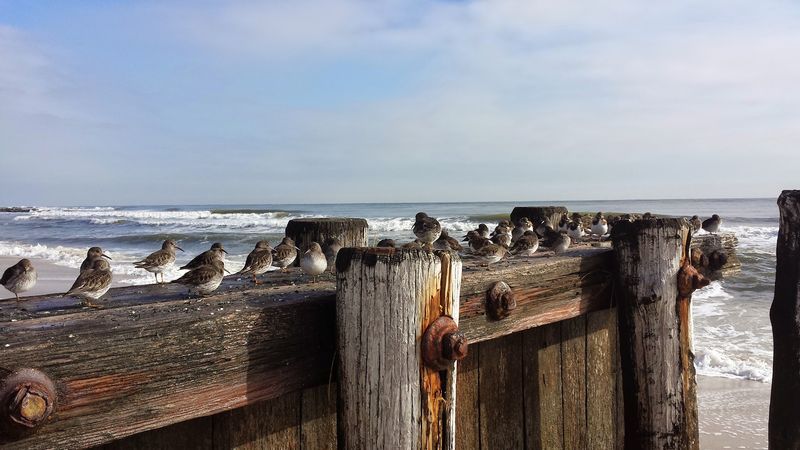
Long Beach Boulevard runs out of road at the southern tip of Long Beach Island, and that is where you find Holgate Beach. It feels like the island took a deep breath and decided to stay a little wild.
Holgate is a section of Long Beach Township in New Jersey. Houses thin out down here, and the landscape opens toward marsh, dunes, and big sky.
That openness is a big part of the charm. It is also the reason greenhead flies feel so at home nearby.
Right next door sits the Holgate Unit of the Edwin B. Forsythe National Wildlife Refuge.
This protected stretch of beach and marsh gives shorebirds room to rest and raise chicks.
Salt marsh is like a nursery for greenheads. Their larvae grow in the soggy marsh mud, then adults buzz out when summer heats up.
So the same wild scenery that makes Holgate feel peaceful also produces a lot of flies. Nature does not hand out free passes.
Still, knowing why they show up helps a lot. Once you understand the marsh connection, the rest of the greenhead game starts to make sense.
Meet The Green-Eyed Bug That Wants Your Ankles
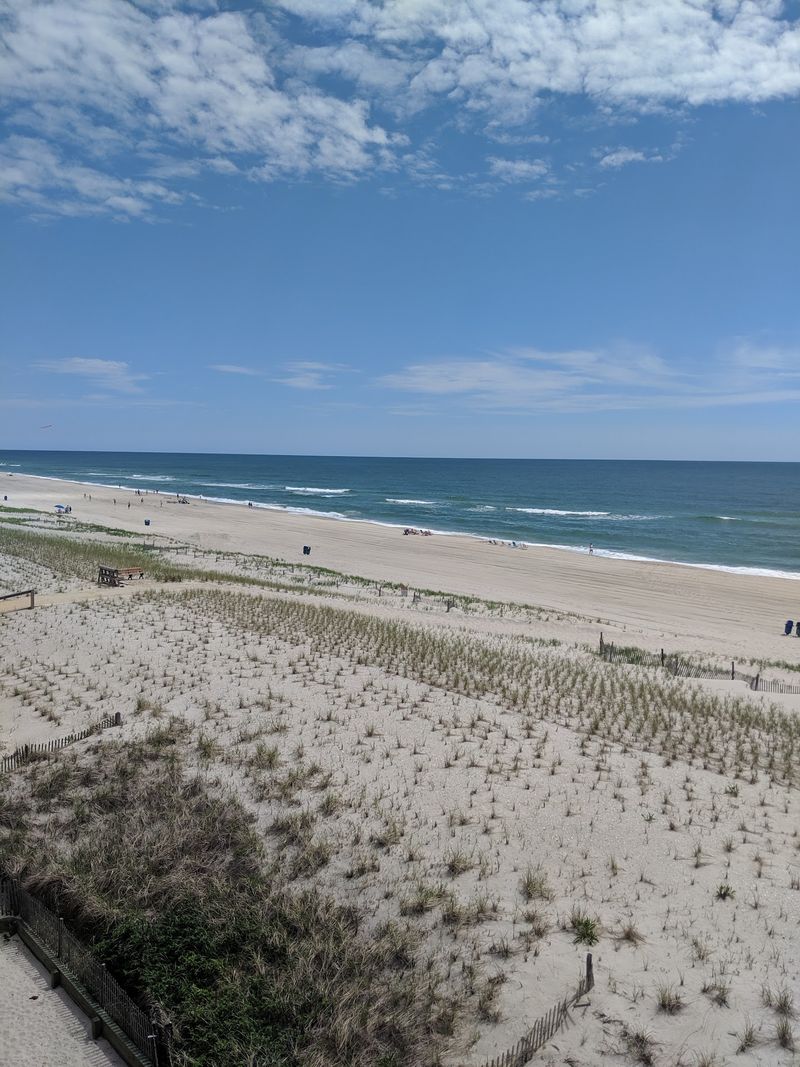
Bright green eyes sound kind of pretty, until they belong to a fly chasing your legs. The greenhead is a type of horse fly, and it is common along New Jersey salt marshes.
Its scientific name is Tabanus nigrovittatus. That is a mouthful, so most beachgoers just call it rude.
Only the female greenhead bites. She often needs a blood meal to produce more eggs, so she goes hunting for warm, moving creatures.
Her mouthparts slice the skin instead of poking it like a mosquito. That is why the bite feels sharp, like a tiny pinch from a grumpy crab.
Males are much calmer. They mostly stick to plant juices and leave people alone.
Greenheads are strong fliers, and they can travel from the marsh to the beach. They are also persistent, so swatting once rarely ends the visit.
Here is a fun fact to share on your towel. Greenheads are attracted to dark colors, movement, and the carbon dioxide you breathe out.
In other words, simply existing at the beach makes you interesting to them. Flattering, but not the kind of attention anyone wants.
Mark Your Calendar Before Greenhead Season Peaks
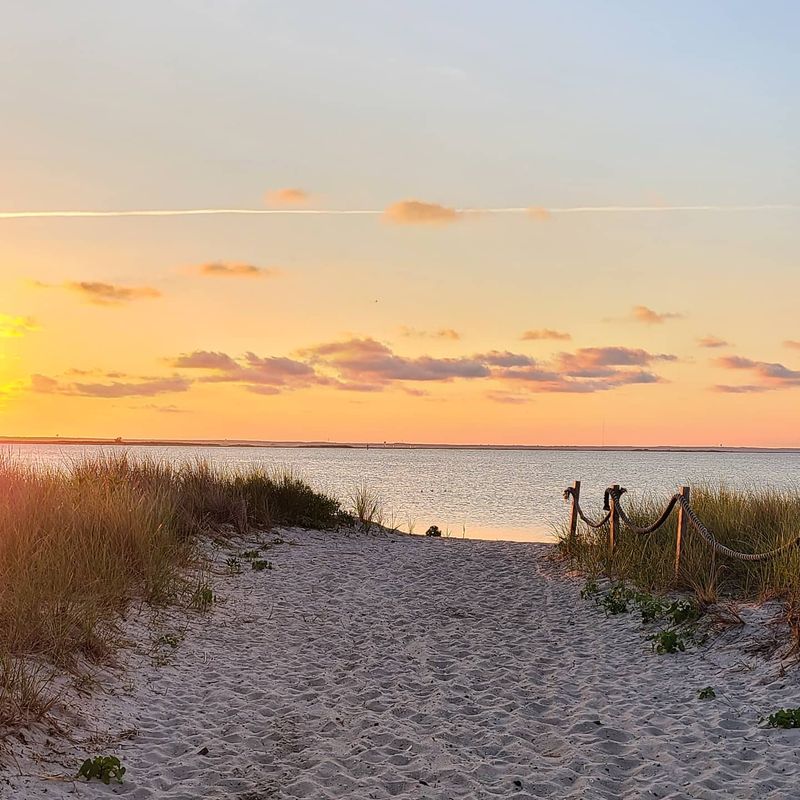
Timing matters more than sunscreen when it comes to greenheads. These flies usually show up in late June and hang around through July, sometimes stretching into August.
That window lines up with the heart of beach season. Rotten luck, right?
Peak activity often happens in July. Hot, humid days with little breeze can make the flies especially busy.
Early summer visits in June can feel calmer, depending on the year. Late August and September often bring relief as the population drops off.
September is a sneaky favorite for many shore fans anyway. The water stays warm for a while, and the summer rush starts to fade.
Each season is a little different. A wet spring or a hot early summer can shift when the flies appear.
So if your heart is set on a Holgate Beach day in July, plan for it. Pack your defenses and pick your hours wisely.
Greenheads tend to be most active during bright, warm parts of the day. Early mornings or breezy evenings may give you a better shot at peace.
Check The Wind Like A Seasoned Shore Fan
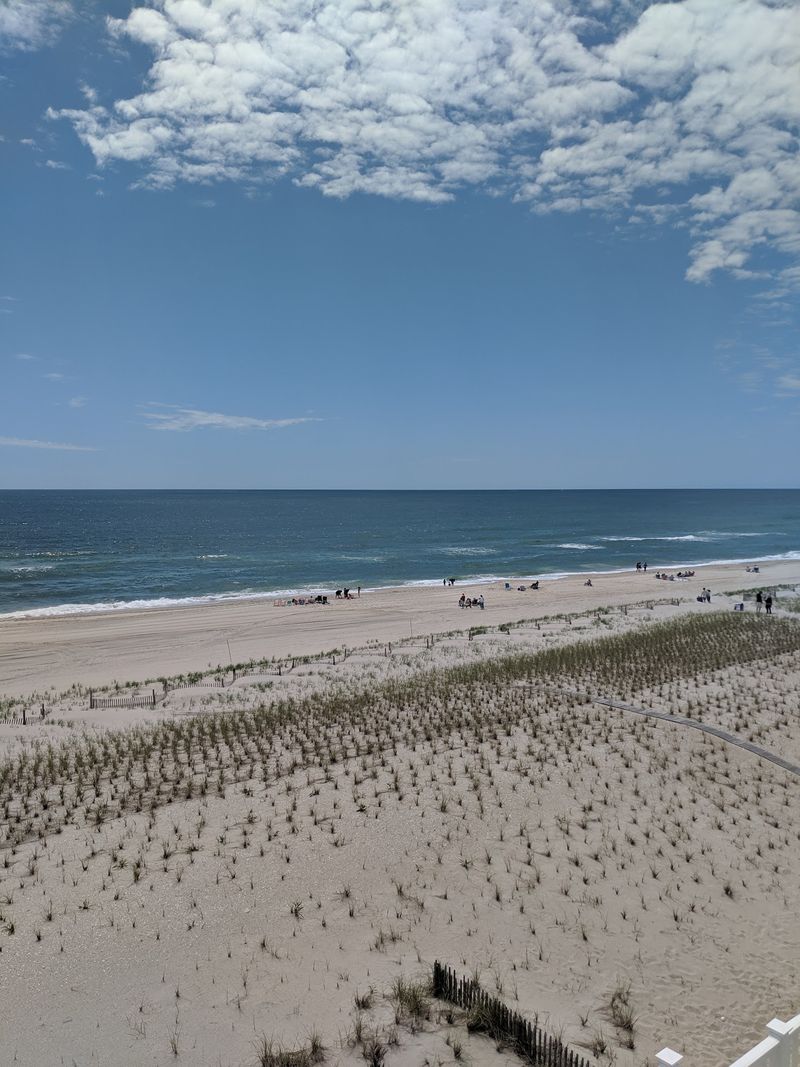
Wind direction can make or break your afternoon at Holgate. Greenheads come from the marshes on the bay side, so a west wind can push them right onto the sand.
When the breeze blows in from the ocean, it often keeps the flies back. That cool east wind is your best friend.
Before you load the car, take a peek at a weather app. Look for the wind direction and speed, not just the temperature.
A light west wind on a hot July day is a warning sign. It might be smarter to save the beach for later and grab ice cream instead.
Stronger breezes also help in general. Greenheads struggle to fly well when the air gets gusty.
Shore regulars along Long Beach Island often talk about bay breezes and fly days in the same breath. It is practical, not paranoid.
Wind can shift during the day too. If the flags start pointing toward the ocean, you may notice extra buzzing soon after.
Keeping one eye on the wind turns a guessing game into a plan. Smart beach days start before the umbrella goes up.
Those Mysterious Boxes Are Actually Clever Fly Traps
Spot an odd box on legs near the marsh? You have found a greenhead trap, one of the smartest low-tech tools in New Jersey.
These traps are usually open on the bottom with a dark, often blue or black, body. Flies see that dark shape and think it is a large animal ready for biting.
Once a fly zips underneath, it heads upward toward the light. A screened top funnels it into a spot where it cannot find its way out.
No chemicals needed. Just a little trickery and some sunshine.
The box trap design has roots in research from Rutgers University. Mosquito control programs at the Jersey Shore have used these traps for decades.
Each trap can catch a lot of flies over a season. Placing many of them along marsh edges helps cut down the numbers reaching people.
Please leave the traps alone if you see them. Moving or damaging one only helps the flies win.
Honestly, it is pretty satisfying to know these quiet little boxes are working all summer. They are the unsung heroes of the Holgate shoreline.
Dress Smart And Pack A Few Fly-Fighting Tools
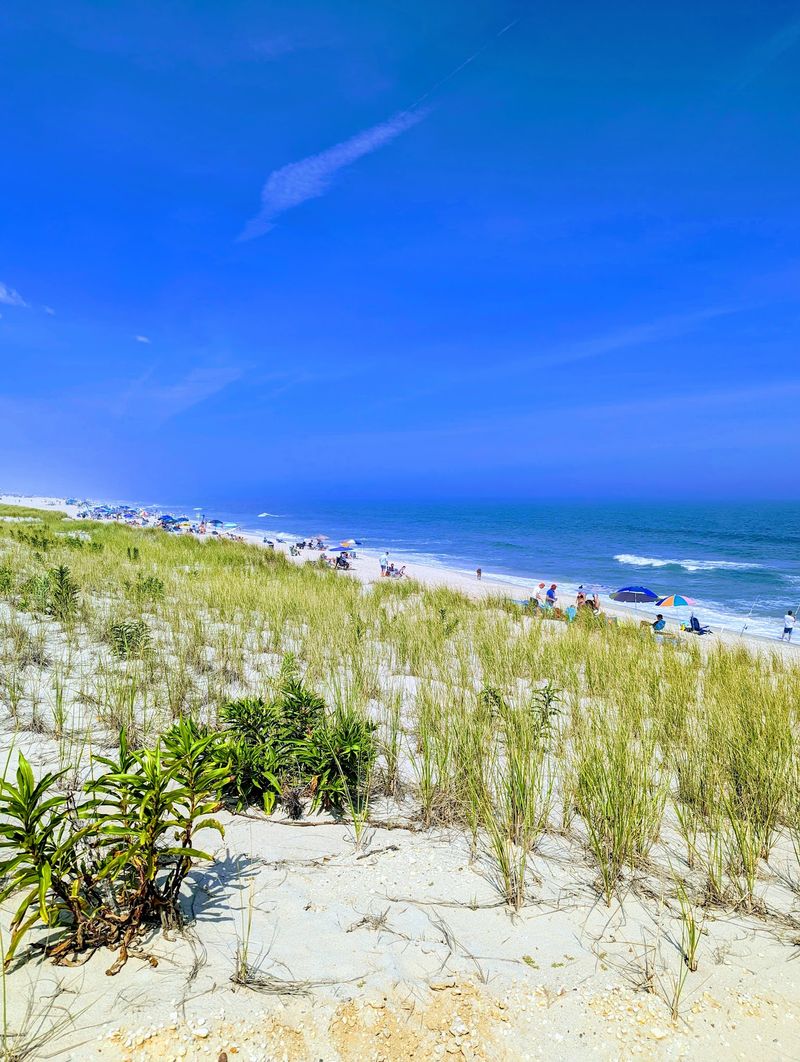
Your beach outfit can be a secret weapon. Greenheads like dark colors, so light clothing and towels may make you a little less tempting.
A loose, light cover-up helps protect your shoulders and back. Thin pants or leggings can shield ankles, which are a favorite target.
Bug spray is worth packing, though greenheads are tough customers. Many sprays slow them down rather than stopping them completely.
Products with DEET or picaridin are common choices. Follow the label carefully, especially for kids.
Keep a small towel handy for quick swats. If the flies become persistent, try moving to a different area away from the marsh rather than staying where they are most active.
If greenheads become overwhelming, try moving to another part of the beach or leaving the area. Do not enter the ocean just to escape the flies, and always swim at a guarded beach between the designated flags.
Pack these items in one bag so you never forget them. A little prep keeps your Holgate Beach day about waves, not welts.
Plovers Get Priority On The Refuge Sand
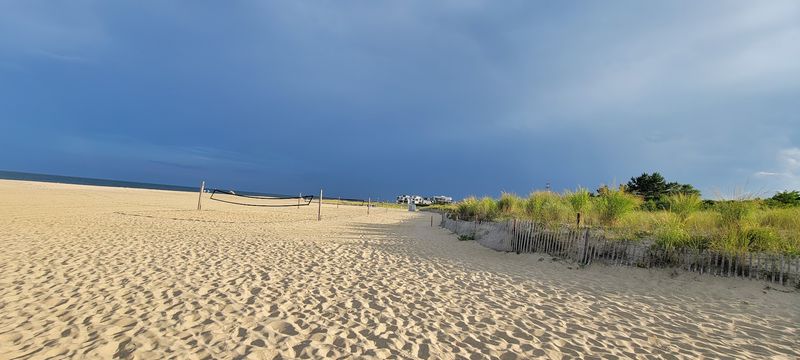
Tiny sand-colored birds run the show just south of the beach. The Holgate Unit of the Edwin B.
Forsythe National Wildlife Refuge protects nesting shorebirds, including the piping plover.
Piping plovers are a federally threatened species. They lay their eggs right on open sand, which makes them easy to disturb.
To protect them, the refuge’s Holgate Unit closes to the public during nesting season. That closure typically runs from April 1 through August 31.
So the beach next to it may feel busier during summer. Everyone who loves that end of the island has to share less space.
Once the closure lifts, the wild stretch becomes a favorite for walkers and anglers. Fall is a lovely time to explore it.
Watch for signs and fencing anytime you visit. Rules can change, and the birds count on people paying attention.
It is kind of amazing that such a busy shore island leaves room for this. Few beach towns in New Jersey have a wildlife refuge at the end of the street.
The greenheads come with the marsh. The birds make the trade feel worth it.
Getting There Means Driving Until The Island Ends
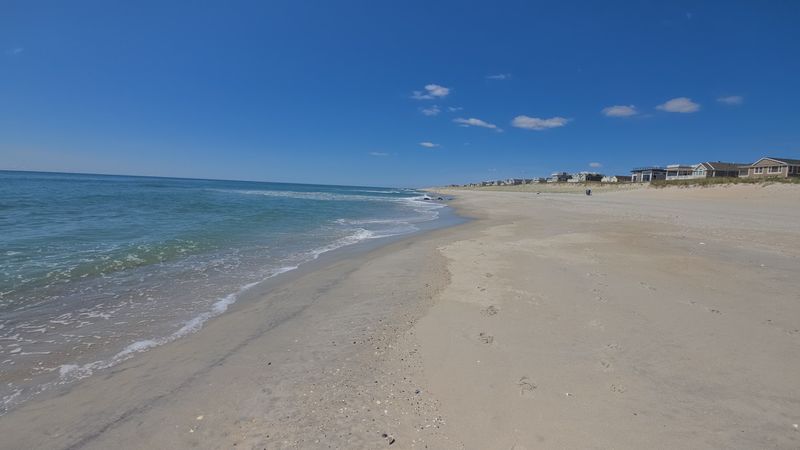
Directions to this beach are delightfully simple. Drive south on Long Beach Boulevard until the island basically runs out.
The beach access sits at Holgate Beach, South Long Beach Boulevard and McKinley Avenue, Long Beach Township, NJ 08008. You will cross the causeway onto Long Beach Island first, then head south.
Summer traffic on the island can get slow, so leave extra time. The boulevard passes through several beach communities on the way down.
Long Beach Township requires beach badges during the summer season. Check the township’s rules before your trip so you are ready.
Parking near the south end can fill up on hot weekends. Arriving earlier gives you more choices and a calmer start.
Bring everything you need for the day. The southern tip feels quieter and less built up than busier parts of the island.
That quiet feeling is a big reason people make the drive. It feels like a reward for going the extra mile.
Just remember the marsh is part of the scenery here. Keep your fly gear in the car, not back at home.
Why The Bites Still Will Not Scare Fans Away
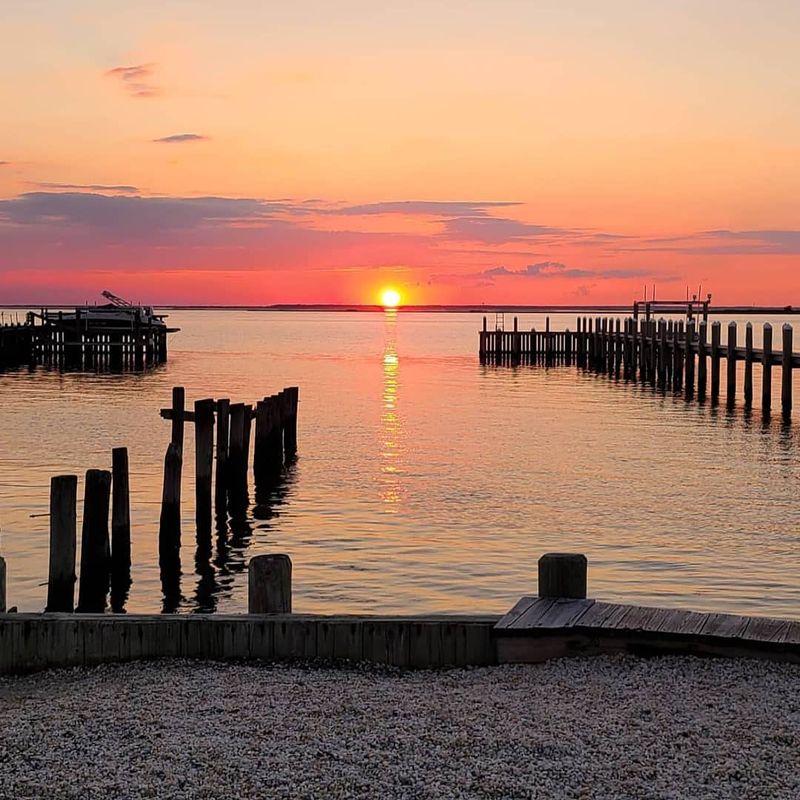
Flies or not, Holgate keeps pulling people back. The sunsets over the bay alone could convince anyone to swat a few bugs.
This end of Long Beach Island has a calm, open feel. Fewer buildings mean more sky, more horizon, and more room to think.
Nearby, Holgate Marina offers pontoon boat and jet ski rentals. Spending time on the water is a fun break from the sand.
Clamming and fishing are popular around the bay too. Just remember the bug spray, since marsh edges are greenhead territory.
Greenhead season is also short compared to the whole year. Spring and fall can offer quieter, bite-free beach walks.
Winter visits have their own charm. The wind is chilly, but the views stay stunning and the flies are long gone.
Honestly, a little buzzing seems like a fair price for a spot this wild. The marsh feeds birds, fish, and the whole coastal food web.
So pack light colors, check the wind, and head to the end of the road. Holgate Beach is ready, and the greenheads will just have to wait their turn.