
This New Jersey Reservoir Has A Story Most People Driving Past It Have Never Heard
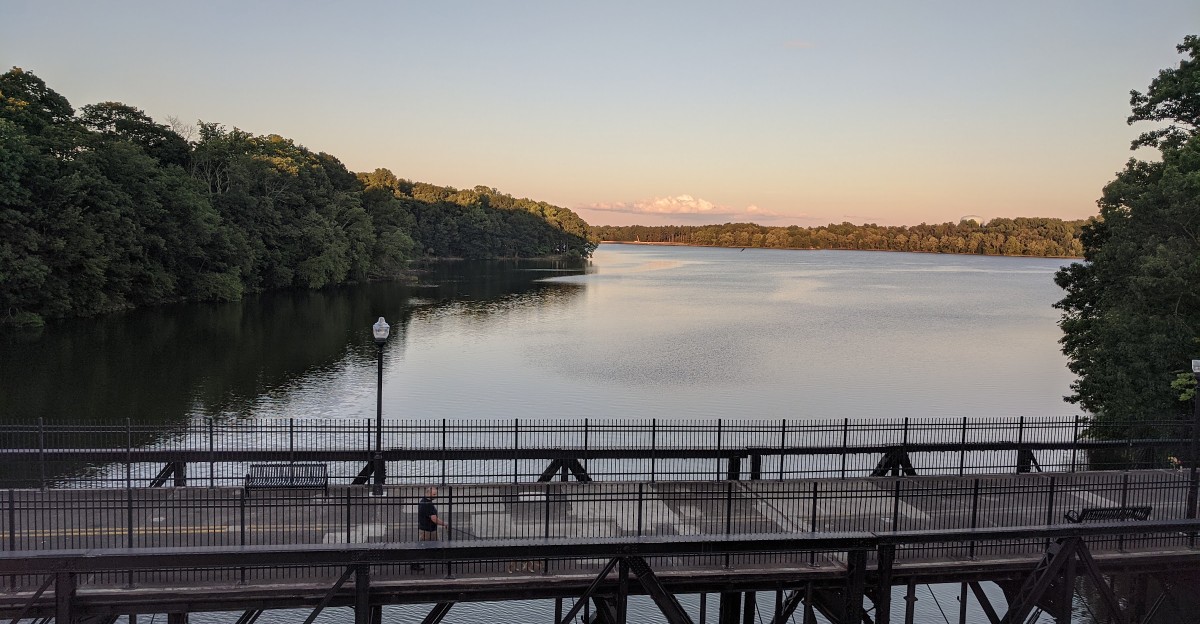
What if the peaceful reservoir you drive past was once an entire village? Not a handful of old buildings, but a real community with homes, roads, and people who had to leave it all behind.
Sounds like the setup for a historical mystery, doesn’t it?
I find it fascinating how a place can look so ordinary today while keeping an entirely different world beneath its surface. And this New Jersey spot has a few more surprises beyond its submerged past.
There’s an old bridge involved, a curious connection to a major city, and a piece of history that changed more than just the local landscape. The water looks perfectly still.
Its story is anything but ordinary.
A Whole Town Went Underwater On Purpose
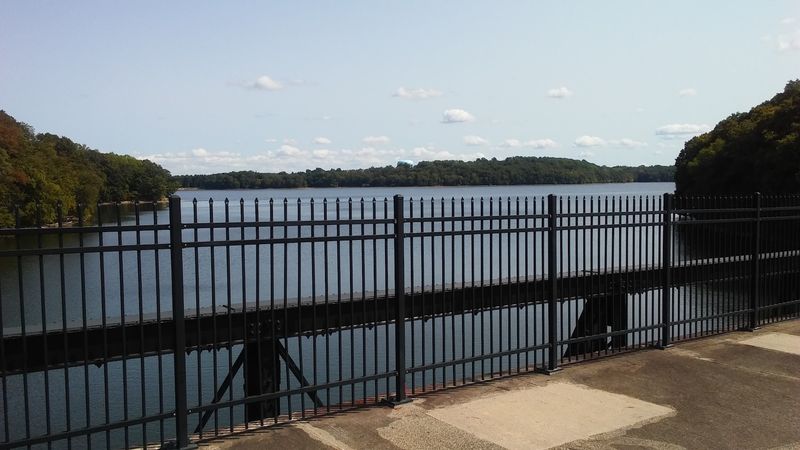
Long before anyone drove past, the valley held a working village called Lower Boonton. Some folks called it Old Boonton or Boonetown, and its roots reached back to the 1700s.
The village earned its name through iron. Its ironworks helped produce munitions during the American Revolution, which gives this quiet spot some serious bragging rights.
Then Jersey City came calling in the late 1890s. The city bought up the land because it badly needed clean drinking water.
Clearing the village was a careful process. Buildings were torn down or moved, roads were abandoned, and the low ground was flooded on purpose.
So the Boonton Reservoir, also known as the Jersey City Reservoir, really sits on top of a former community. That’s quite a plot twist for a body of water that looks so peaceful.
The place stretches across parts of the Town of Boonton and Parsippany-Troy Hills in Morris County. Most drivers zipping by have no clue about any of this.
Next time you cross nearby, give the water a second look. Somewhere down there, a Revolutionary-era village left its footprint behind.
Sorry, There Is No Spooky Church Steeple
Everyone loves a good legend. One popular tale claims a church steeple pokes out of the water during dry spells.
Fun story, but it isn’t true. The village was cleared before flooding, so no frozen-in-time town waits below the surface.
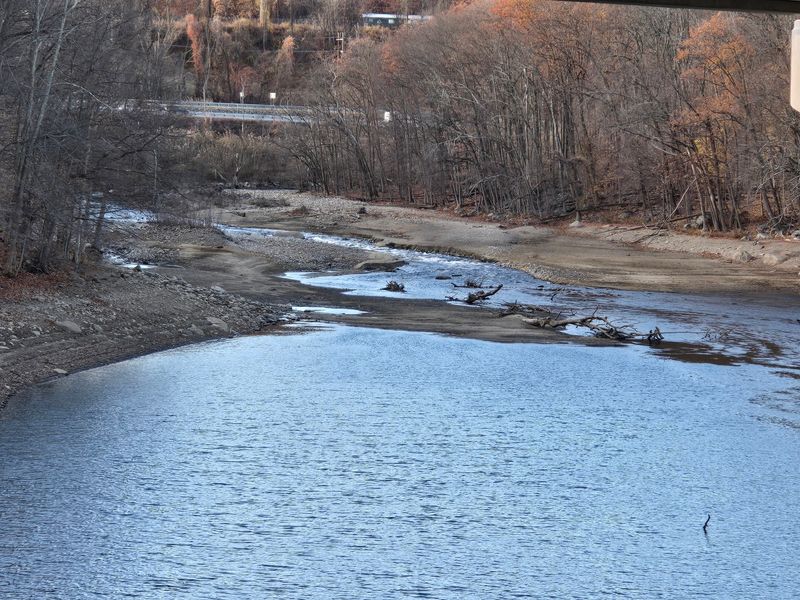
That doesn’t mean nothing remains. During severe droughts, people have spotted old foundations and stone walls peeking out from the mud.
Drought years like 1957 and the 1980s brought some of those remnants into view. Think of them as polite reminders that people once lived and worked here.
I believe the real version beats the myth anyway. A church steeple is spooky, sure, but real stone walls from a Revolutionary ironworks village feel far more personal.
It’s a good lesson in how stories grow. One rumor gets passed around a few times, and suddenly a whole steeple appears in everyone’s imagination.
Please don’t go hunting for relics, though. The reservoir is protected drinking water, and getting near the water itself isn’t allowed.
Enjoy the mystery from the shoreline instead. Honestly, a calm lake with secret stone walls underneath is plenty dramatic for a weekend stroll.
Your Morning Glass Of Water Owes This Place A Thank You
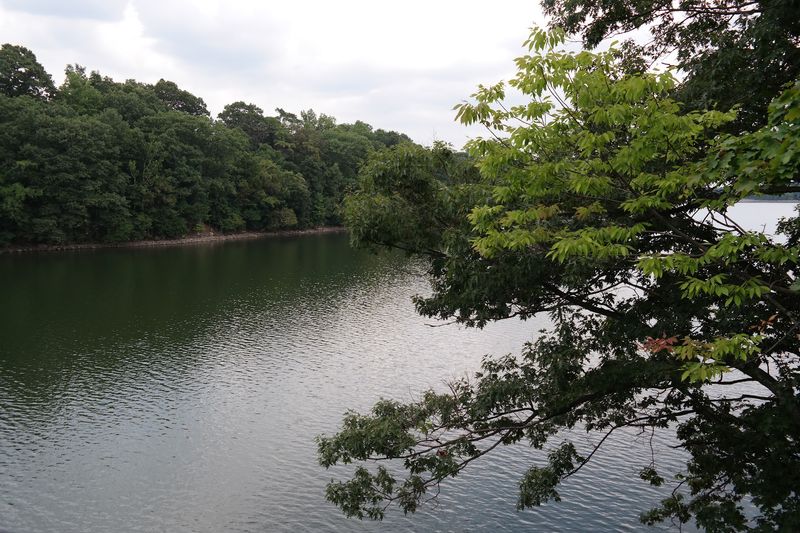
September 26, 1908, is a date worth remembering. On that day, the Boonton Reservoir became the first municipal water supply in the United States to be continuously chlorinated.
That was a very big deal. Typhoid was a serious public health problem back then, and chlorination cut infections dramatically.
The whole project actually grew out of a frightening typhoid outbreak in Jersey City in 1891. That outbreak was linked to polluted water from the Passaic River.
Jersey City needed a cleaner source, and this valley became the answer. The result changed how cities across the country thought about safe drinking water.
Pretty wild for a spot many people only notice through a car window, right? Chlorinated tap water is so normal today that we forget someone had to try it first.
The reservoir still supplies drinking water to Jersey City and Hoboken, New Jersey. So its job hasn’t changed much in more than a century.
Next time you fill a glass from the tap, give a quiet nod toward Morris County. A little lake in Boonton helped make that simple moment safer for everyone.
The Old Bridge Got A Lift Before The Flood
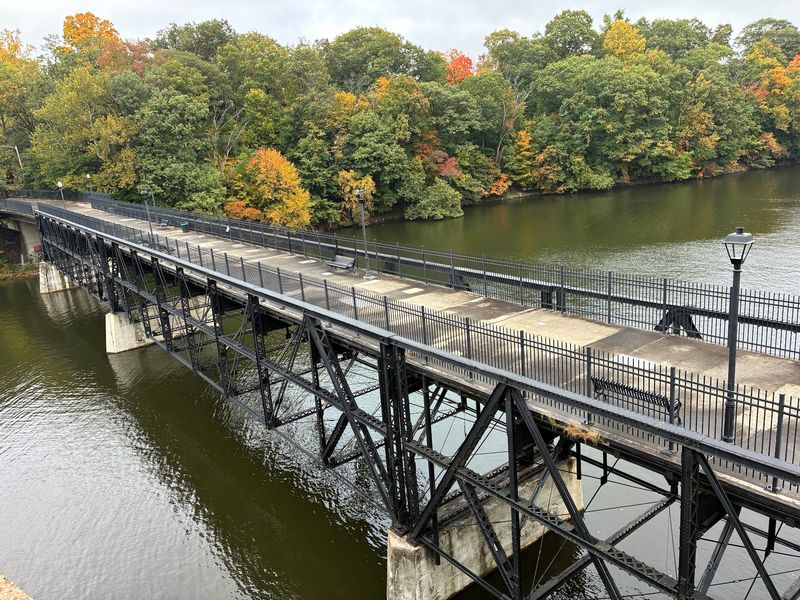
Built in 1895, the Washington Street Bridge first crossed the Rockaway River. The reservoir didn’t even exist yet.
Once reservoir plans arrived, the bridge needed extra protection. In 1903, concrete piers were added around its original steel supports to protect the structure from water and ice damage.
Workers kept tweaking it over the years. In 1909, the wooden plank deck was swapped for concrete, and extra bracing was added.
More deck work wrapped up in 1958. Then, in 1988, two of the spans were replaced.
The biggest change came in 2005. A new road bridge opened beside the historic span on August 24, and the old bridge was subsequently restored for pedestrians and cyclists.
That’s a lot of makeovers for one bridge. Still, it kept its classic pin-connected deck truss design underneath.
It’s said to be one of only two bridges of that style in New Jersey. That makes it a rare survivor, not just a handy shortcut.
Look closely at the steel work below the deck. Those crisscrossing trusses tell a story of engineers solving problems more than a century ago.
Grab A Bench And Let The View Do The Talking
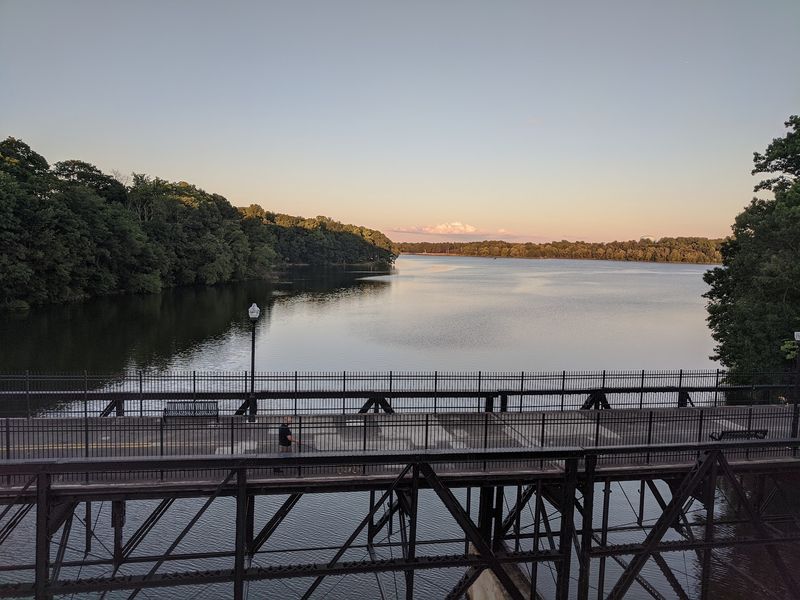
Benches and lights line the old pedestrian span. That means you can sit, stare at the water, and pretend you planned this all along.
One side gives a wide, open view of the Boonton Reservoir. The other side faces the newer road bridge next door.
You’ll find the spot at Reservoir Drive in Boonton, NJ 07005, near Washington Street. It’s an easy place to pause on a busy day.
Fair warning, it isn’t silent. Traffic hums on the neighboring bridge, and planes pass overhead from time to time.
But when the noise drops away, nature fills in the gap. Birdsong and rustling trees take over for a few sweet moments.
The walkway is short and straight, so it works for a quick stretch of the legs. Bring a friend, a camera, or just a little curiosity.
Evening visits can feel especially relaxing with the lamps glowing. Dress for the weather, since the open span catches wind off the water.
Honestly, it’s one of the simplest ways to enjoy this historic lake. No tickets, no fuss, just a bench and a big view.
Parking Here Is A Small Game Of Musical Chairs
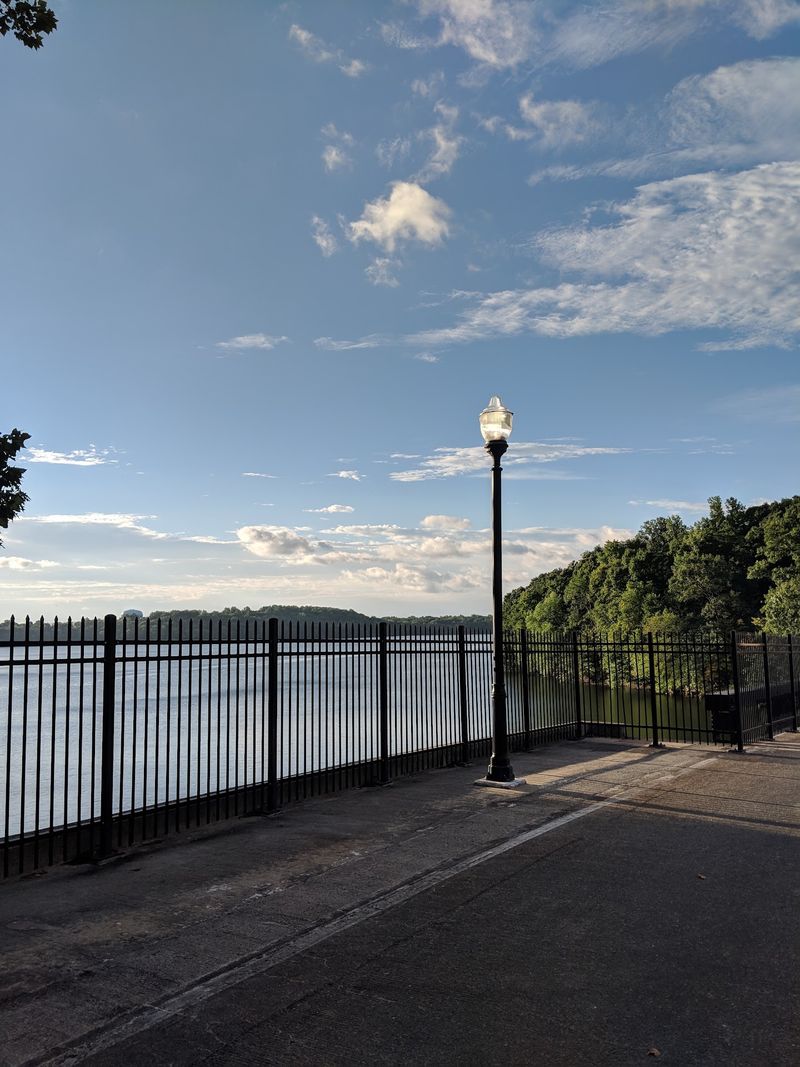
Space is tight near the bridge. Only a handful of street spots sit close to where Washington Street meets Reservoir Drive.
So timing matters a bit. Early mornings or weekday visits may give you a better shot at a spot.
Plan ahead and keep a backup idea in mind. If the spaces are full, park legally somewhere nearby and stroll over.
Here’s a safety note worth taking seriously. Some informal paths near the bridge have steep drop-offs without railings.
Stick to the bridge walkway and clearly safe ground. A pretty photo is never worth a tumble down a slope.
Remember that this land belongs to Jersey City and protects drinking water. Rules here exist to keep the water clean and secure.
Fishing, boating, and swimming aren’t allowed. Pets also aren’t part of the plan for the upcoming trail.
Treat the area like a borrowed library book. Look, enjoy, and return it in the same condition you found it.
A little respect goes a long way. It helps keep public access possible for everyone who comes after you.
A Planned 7.7-Mile Loop Could Open The Reservoir To Visitors
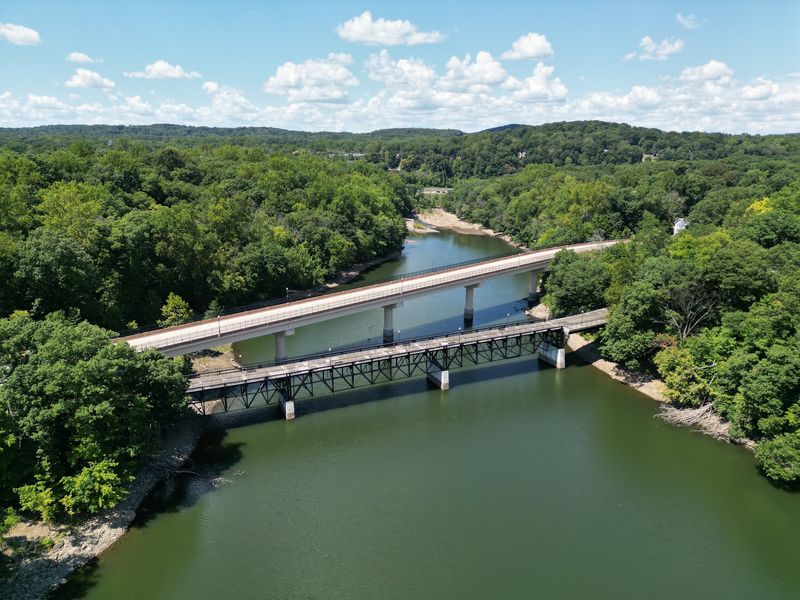
For decades, the shoreline stayed mostly off-limits. Water protection rules and tighter security after September 11 kept the public out.
Then 2018 brought good news. The Jersey City Council approved a 40-year lease with the Morris County Park Commission.
The goal is a perimeter loop of about 7.7 miles around the Boonton Reservoir. It’s planned for walking, hiking, cross-country skiing, photography, and birding.
The project is moving forward in phases. By February 2026, the first phase was underway, while the Morris County Park Commission was seeking additional grant funding for the second phase.
Parking areas are planned along Greenbank Road for eastern access. Western access is planned along Parsippany Boulevard.
The park commission is also seeking grants for phase two. That stage could add boardwalks, pedestrian bridges, and benches.
Bikes and horses won’t be allowed on the trail. Leave the dog at home too.
The path will be named the Kim M. Wentworth Family Trail.
And here’s a neat touch: the old Washington Street Bridge is expected to join the future route.
Check with the Morris County Park Commission before you go. That way you’ll know which sections are open.
Bring Binoculars, Because The Locals Have Feathers
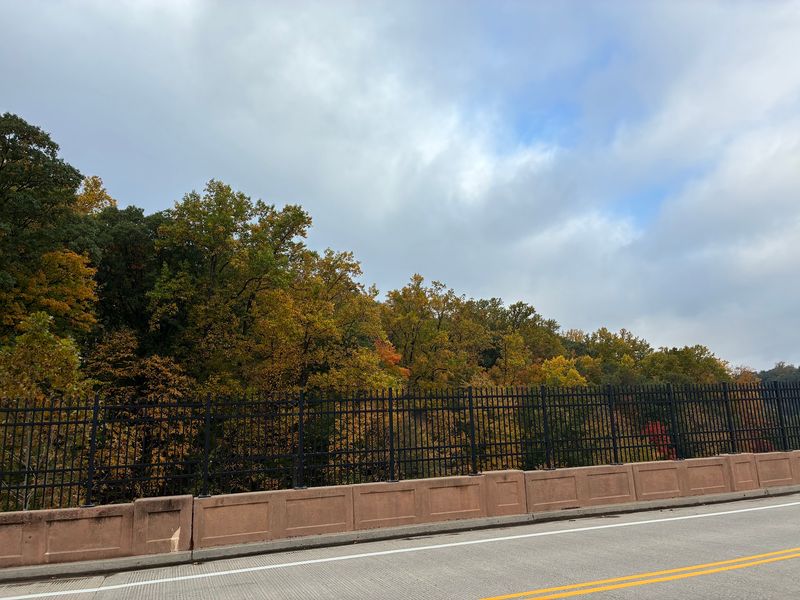
Bald eagles and herons are part of the scenery around this watershed. Not bad company for a quiet afternoon.
Dense forests and wetlands surround the water. Those habitats support a wide mix of plants and animals.
Because people stayed out for so long, much of the land feels wild. Fewer footsteps can mean more room for nature to settle down.
Birding is one of the official activities planned for the new trail. That tells you how much wildlife value this place holds.
A pair of binoculars makes a big difference. So does a field guide or a bird identification app on your phone.
Move slowly and keep your voice low. Wildlife tends to stick around when visitors act calm.
Give nests and resting birds plenty of space. A long lens beats creeping closer every time.
Spring and fall can be great times to watch the skies. Seasons change what you might spot over the water.
Every visit can feel a little different. One day it’s a heron, and the next day maybe an eagle glides by.
Billions Of Gallons And Plenty Of Bragging Rights
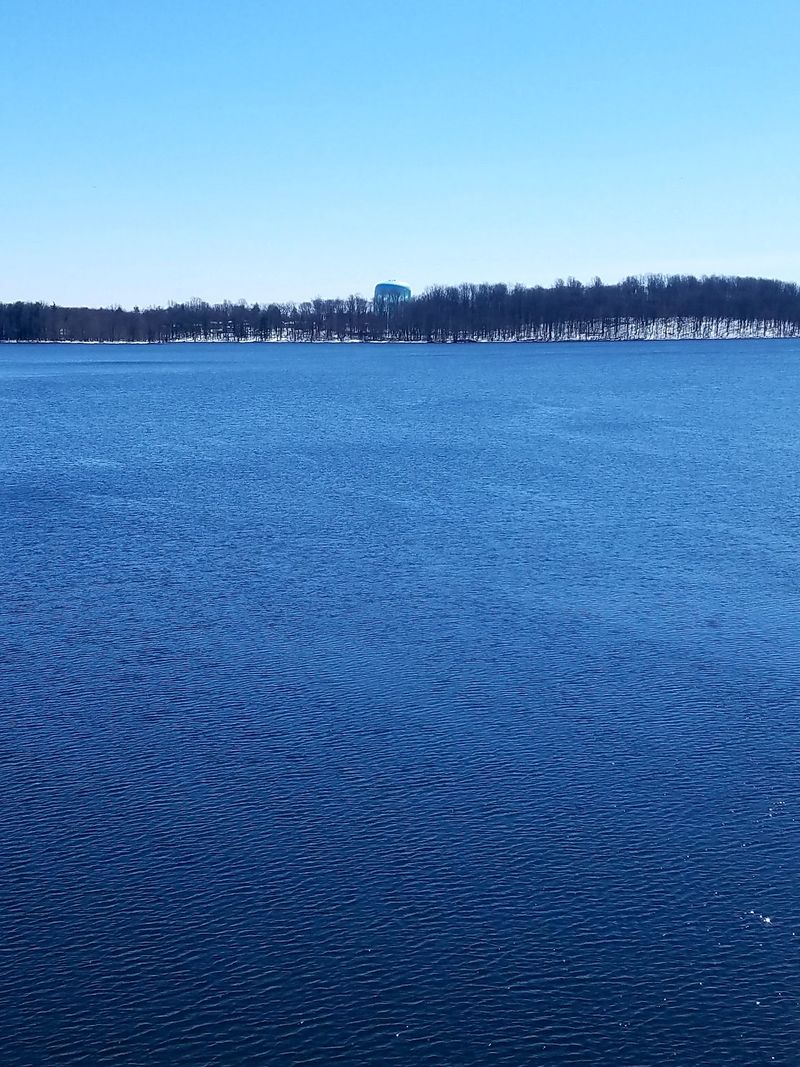
Roughly 7.2 to 7.6 billion gallons of water rest behind the dam. That’s enough to make your backyard pool look like a teacup.
The reservoir covers about 700 to 800 acres. Some counts include more of the surrounding property and reach about 1,300 acres.
The dam itself was finished in the early 1900s. It was considered an engineering marvel for its time.
Building it carried real risk. In 1904, a diver named William Hoar lost his life while working on an intake pipe at the dam.
His story is a sobering reminder of the people behind the project. Clean water came with hard, dangerous labor.
Modern upgrades keep the system going. In 2014, a new gravity pipeline made water delivery to the treatment plant more energy efficient.
The dam and the whole Jersey City Water Supply System appear on the New Jersey and National Registers of Historic Places. That list includes Split Rock Reservoir, an aqueduct, and treatment works.
So yes, this is far more than a pretty view. It’s a working landmark still doing its job every day.