
This New York Restaurant Has Been Through More Changes Than Most People Know
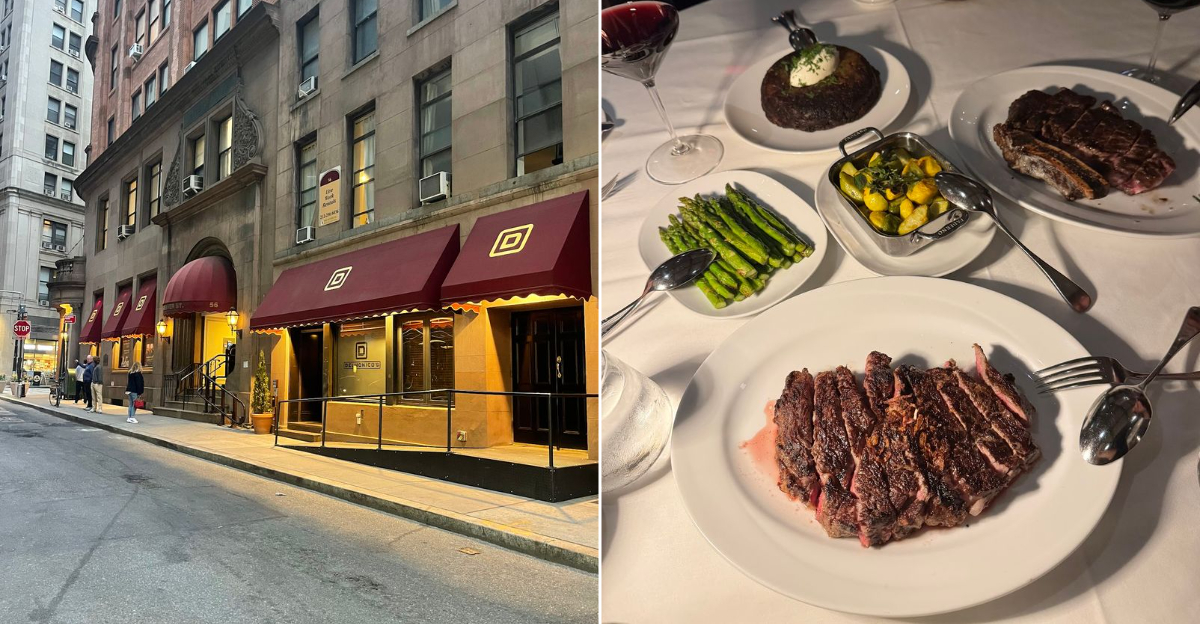
Charles Dickens ate here. Abraham Lincoln did too.
And somehow, this restaurant has managed to keep reinventing itself for nearly two centuries.
That alone would be enough to make the history of this New York institution pretty wild, but there’s more.
The place has changed locations, ownership, and even gone through periods when the original restaurant was no longer operating, yet the name kept coming back.
It also played a surprisingly important role in women’s history. In 1868, it hosted what’s widely recognized as the first public women-only luncheon in the United States.
Oh, and somewhere along the way, its kitchen became associated with dishes like Baked Alaska and Eggs Benedict. So yeah, this is way more than an old steakhouse with fancy wallpaper.
Its story has enough twists to fill a few dinner reservations.
The Spot That Invented Fancy Dinner In America
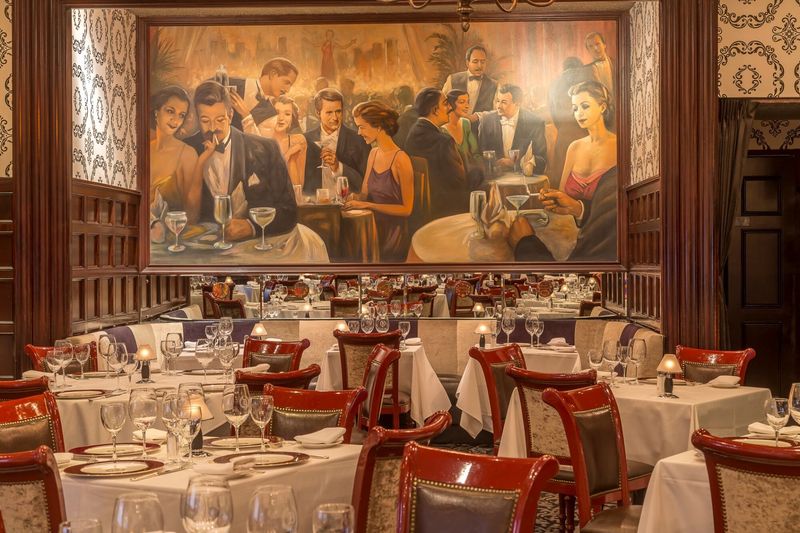
Picture a country where eating out meant a quick plate at a busy tavern. That was America before 1837, when a pair of Swiss immigrant brothers opened something completely different in Lower Manhattan.
Suddenly there were white tablecloths, trained cooks, and a dining room built for lingering. People came for the pleasure of a meal, not just the fuel.
That idea sounds obvious now, but it was genuinely brand new here.
Parisian style elegance landed on American soil, and the whole country took notes. Restaurants across the city started copying the standards set inside those walls.
Refined cooking stopped being a European privilege and became something New Yorkers could actually experience.
What makes the story stick is how thoroughly the influence spread. Every restaurant with a coat check, a carefully written menu, and a sense of occasion owes a nod to this beginning.
Honestly, walking in today still carries that spark of firsts. The room feels grand without feeling stuffy, warm rather than intimidating.
Two centuries later, the original mission holds steady: make dinner feel like an event worth remembering. That is not nostalgia, that is a blueprint still working beautifully.
A Corner Building With Columns From Another World
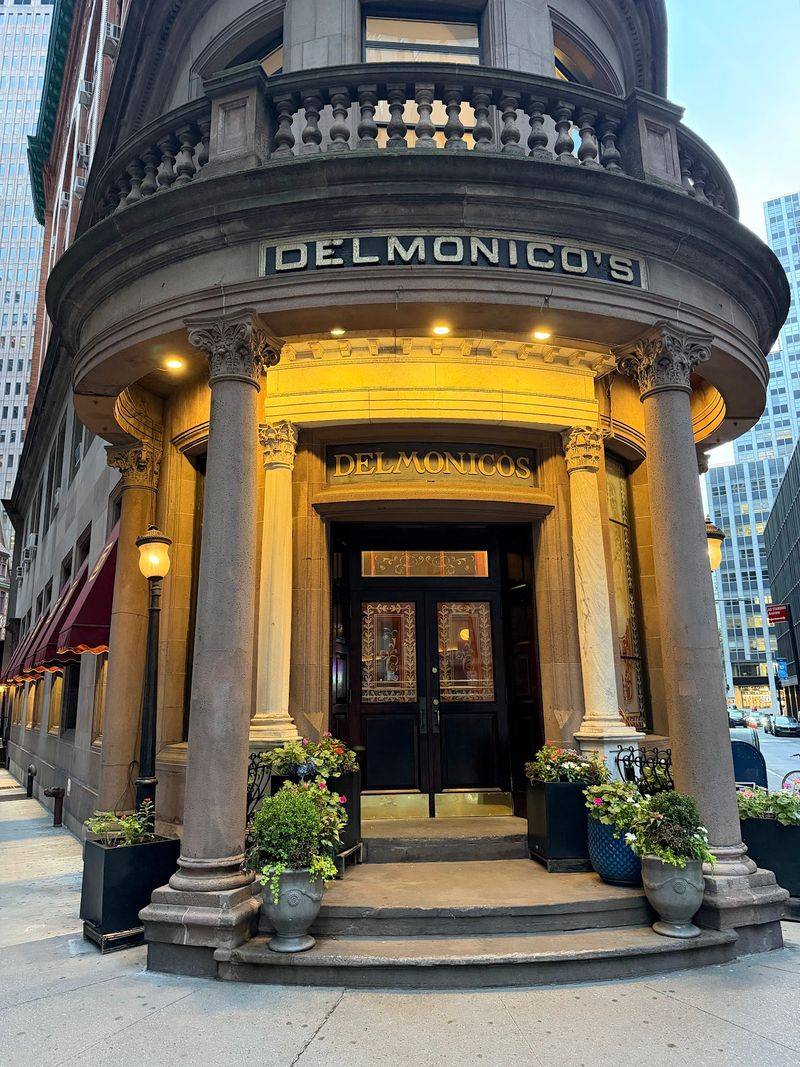
Some buildings whisper their history, and this one practically hums it. Delmonico’s sitting at 56 Beaver St, New York, NY 10004, the eight story Renaissance Revival structure anchors a triangle of narrow Financial District streets like it owns the neighborhood.
The story starts earlier though. A small pastry shop opened on William Street in 1827, then the family regrouped and launched their grand dining room on Beaver Street a decade later.
The address has carried the name ever since.
The current building was finished in 1891, and it is a beauty. Warm brick, tall arched windows, and those two marble columns guarding the entrance like polite bouncers.
Legend says the columns traveled from the ruins of Pompeii, which is a wonderfully theatrical origin for a doorway.
Today it holds official New York City landmark status, meaning the facade is protected for future generations of curious walkers.
Here is my favorite part. You can be rushing through the neighborhood, glance up, and instantly slow down.
The corner has a magnetic pull that phones cannot capture properly. Architecture this confident does not need a filter or a caption to make its point.
Printed Menus Started Right Here
Ordering used to be a guessing game. Diners listened to a spoken list, hoped they heard correctly, and found out the cost later.
Not exactly relaxing.
Then came the printed menu, and this restaurant was among the very first in the country to hand one over. Prices, dishes, choices, all right there in ink.
Guests could compare, ponder, and pick without any pressure.
That small sheet of paper changed everything. Meals became something you planned rather than something that happened to you.
Reading a menu turned into part of the fun, a little preview of the evening ahead.
The same kitchen also helped popularize ordering dishes individually instead of accepting one set spread. Suddenly you could build your own meal, dish by dish, exactly how you wanted it.
Think about how normal both ideas feel now.
Every diner, bistro, and takeout counter runs on them. What began as a courtesy toward guests became the standard operating system of restaurants everywhere.
So the next time you hold a menu and hesitate between the crab cake and the burrata, tip your imaginary hat toward Beaver Street. That freedom of choice started somewhere.
Opening The Doors Wider Than Anyone Expected
Here is a detail that deserves way more attention. During an era when grand dining rooms were largely reserved for men, this restaurant welcomed women to dine on their own terms.
That was a bold move for the time. Fine meals had mostly been a private affair for women, or something requiring an escort.
Choosing to open the room widely reshaped who got to enjoy the city’s growing food scene.
The ripple effect was enormous. Women gained access to public social life, business conversations, and celebrations happening over dinner.
A restaurant became a place where more of New York could genuinely participate.
The forward thinking did not stop at seating charts either. The establishment was also among the early adopters of hiring women, another quiet break from the norms of the day.
Progress usually arrives one decision at a time, and this was a big one. It said dinner belongs to everybody, not a select few.
Sitting in that dining room now, the openness feels completely natural. That is exactly the point.
Ideas that once seemed daring have become the ordinary comfort we all expect, and that is a legacy worth applauding.
The Kitchen That Gave Us Baked Alaska
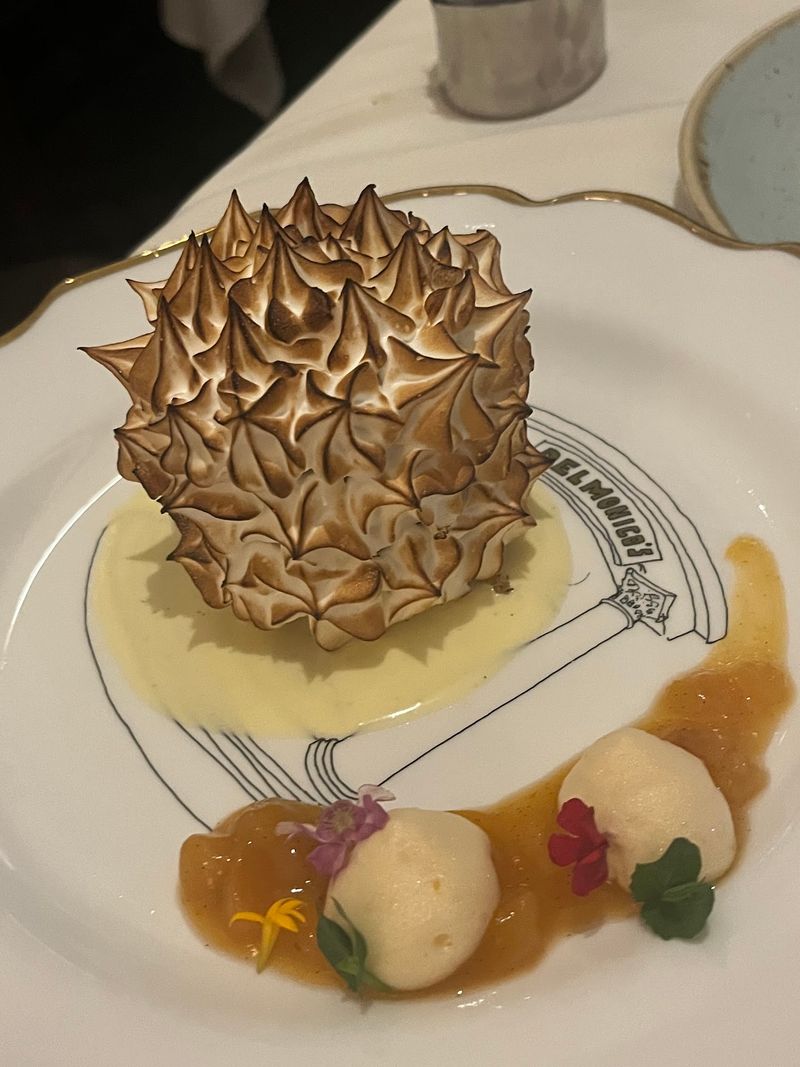
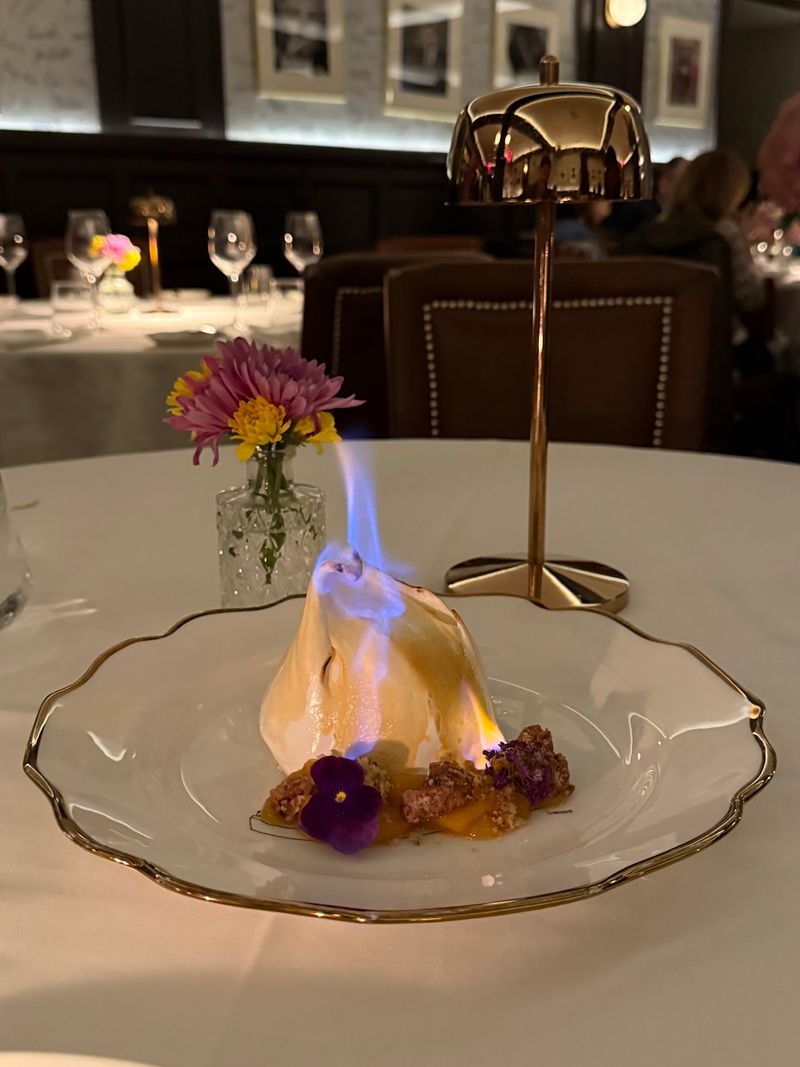
Dessert first, because this one is a showstopper. Baked Alaska, that magical combination of cold center wrapped in toasted meringue, was born in these kitchens and it still arrives with theatrical flair.
Diners rave about the tableside presentation constantly.
The banana cream version has become the single most talked about item on the menu, and one bite explains why. Sweet, tart, cool, warm, all at once.
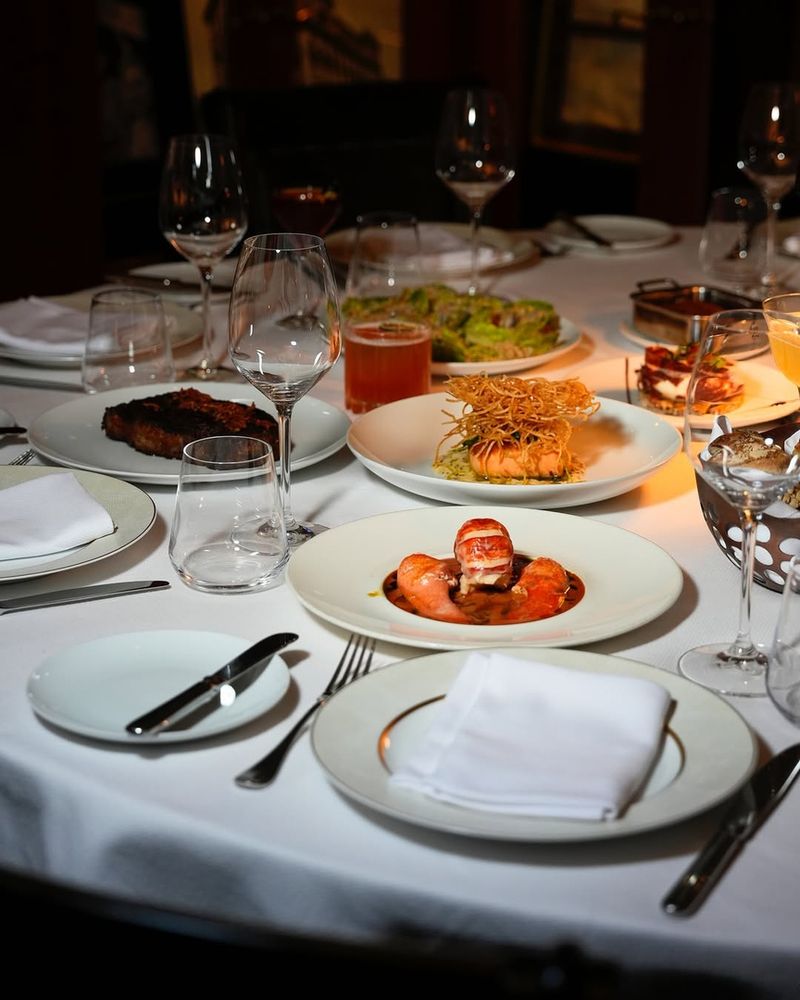
But the inventions keep coming. Lobster Newberg, silky and rich, started here too.
So did Eggs Benedict, which quietly became the most ordered brunch dish on the planet.
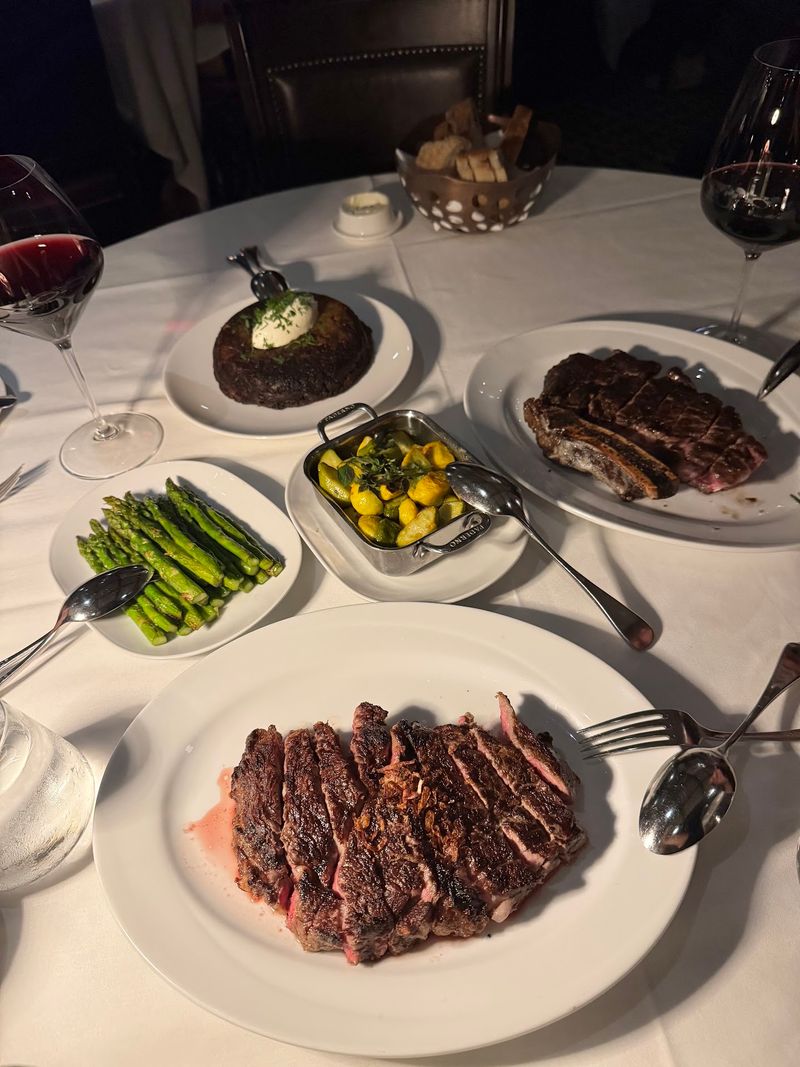
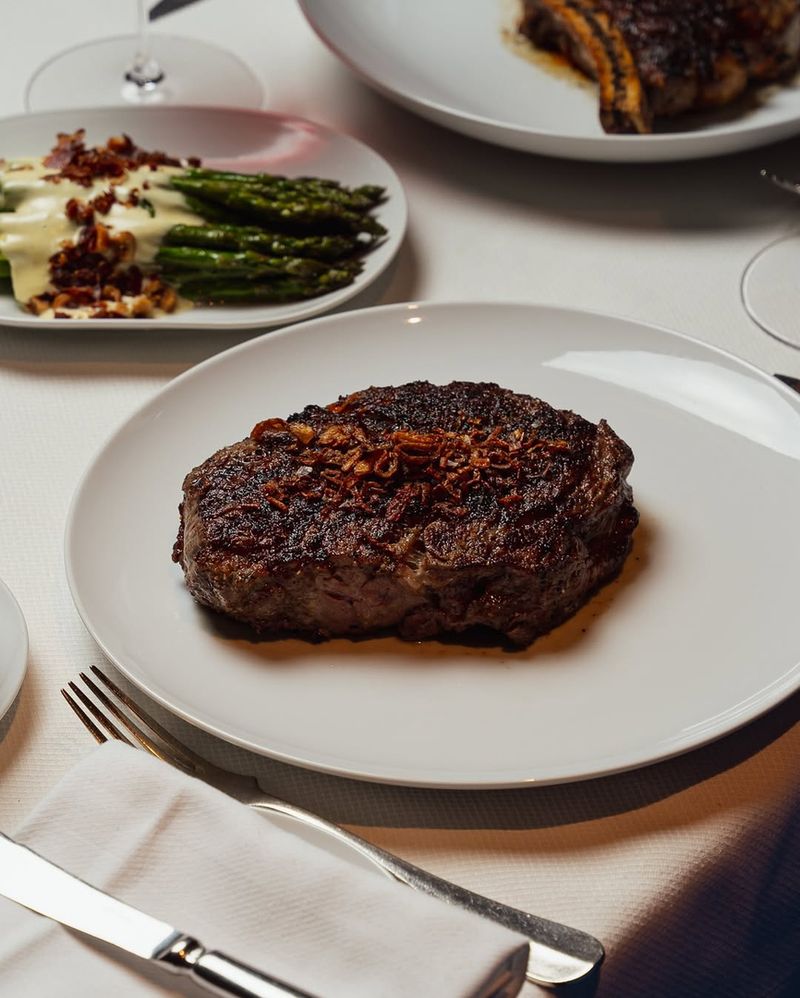
And of course, the Delmonico steak carries the name for a reason. Prepared to the original specifications, that prime cut remains the anchor of the whole experience.
The signature ribeye, generously portioned and dry aged, is what most guests come chasing.
Side dishes hold their own weight as well. Delmonico potatoes, garlicky creamed spinach, crispy hash browns, and roasted brussels sprouts all get mentioned with real affection.
Few restaurants anywhere can claim one famous dish. Claiming four, plus a steak with your name on it, is a flex nobody else in America can match.
Quiet Chapters And Grand Comebacks
Every long story has intermissions, and this one has had several. The original family stepped away in 1923, and the doors went quiet for a stretch.
Then in 1926 the place found new footing at the Beaver Street location, and the name came roaring back. It kept going through the tough economic years of the 1930s, which says plenty about its staying power.
Fast forward to 2020, when the restaurant paused again during the global pandemic. Renovations followed, along with some paperwork puzzles, and the city waited.
September 18, 2023 brought the grand return. The refurbishment stayed faithful to the 1800s splendor while sharpening everything for modern guests.
Wood, brass, and warm lighting all got their glow restored.
What strikes me most is the pattern. Each pause led to a smarter, prettier, more polished version of itself.
That is not luck, that is care.
Regulars who returned after the reopening noticed the history was still fully intact, just better lit. Comebacks like that are rare in a city that loves to bulldoze the past.
This corner keeps choosing restoration over replacement, and honestly, thank goodness.
Where The City Came To Celebrate
If these walls kept a guest book, it would read like a history of American ambition. For generations, the city’s most influential figures treated this dining room as their unofficial headquarters.
Business leaders, public officials, artists, and performers all filled these seats. Deals were shaped over dinner.
Toasts marked milestones. Several US presidents dined here across the decades, adding another layer to the legend.
The restaurant became shorthand for arriving somewhere in life. Being seen at that corner table meant something in a fast growing metropolis.
That celebratory energy has not faded one bit. Walk in on a busy evening and you will spot birthday dinners, engagement announcements, and anniversary parties happening at nearby tables.
Desserts arrive with chocolate messages written just for the occasion.
Private dinners still fill the smaller rooms downstairs, keeping the tradition of gathering alive. Big moments simply feel bigger here.
There is something lovely about eating in a room designed for milestones. The building has hosted nearly two centuries of good news, and the atmosphere carries all of it.
Your celebration joins a very long, very glamorous guest list, and that is a pretty great feeling.
Still Sizzling, Nearly Two Centuries Later
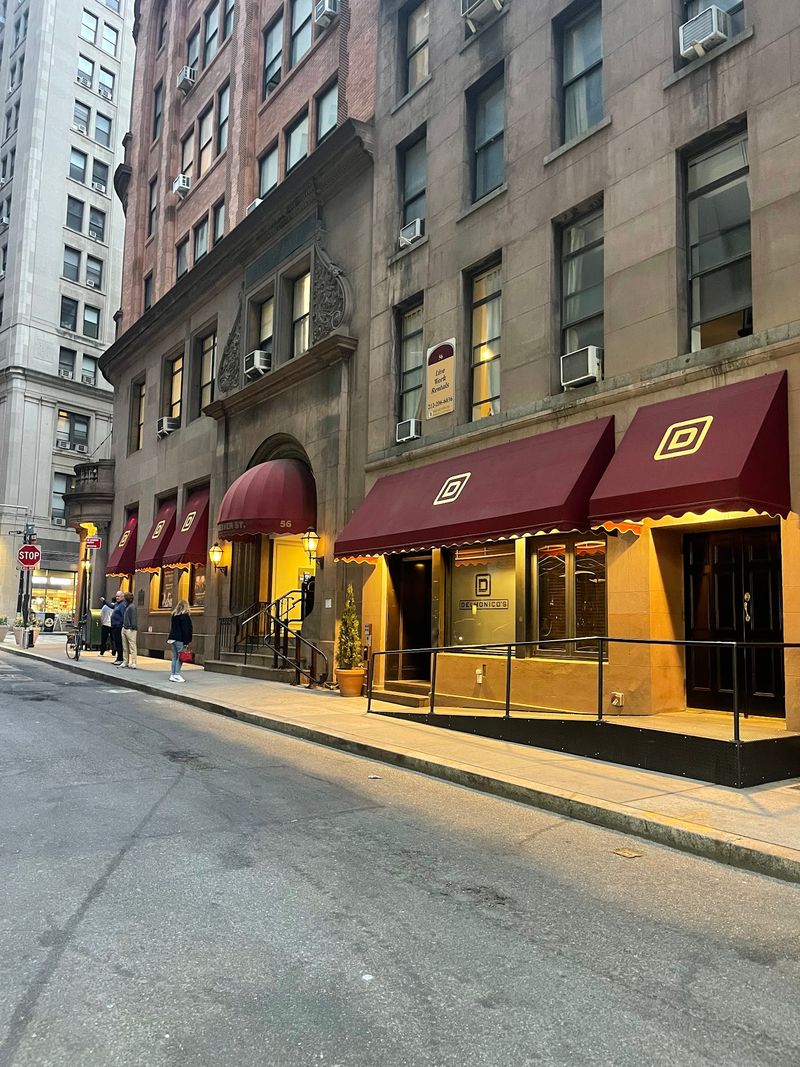
Old does not have to mean tired, and this place proves it every single day. The menu still leans on classic American cooking, built around USDA Prime dry aged beef and beautifully handled seafood.
The signature Delmonico ribeye remains the headliner, an eighteen ounce beauty with deep flavor from careful aging. A ten ounce filet keeps things a touch lighter for anyone wanting balance.
Starters cover impressive ground too. Thick cut bacon, yellowtail crudo, beef tartare, burrata, jumbo prawns, and a lattice wrapped crab cake all get their moment.
Fresh bread with salted butter arrives early and disappears fast.
Doors open at noon daily, with dinner running to ten most nights and nine on Sundays. Midday visits tend to feel calmer and unhurried, which some guests genuinely prefer.
The refreshed interior manages a neat trick, keeping that opulent nineteenth century charm while feeling entirely current. History and comfort sharing one room.
So here is my question for you. When a single corner in Lower Manhattan invented printed menus, welcomed everyone to the table, and handed the world Baked Alaska, how long can you really wait before booking that seat?