
This New York Restaurant Serves South Indian Food That Feels Unlike Anything Else In The City
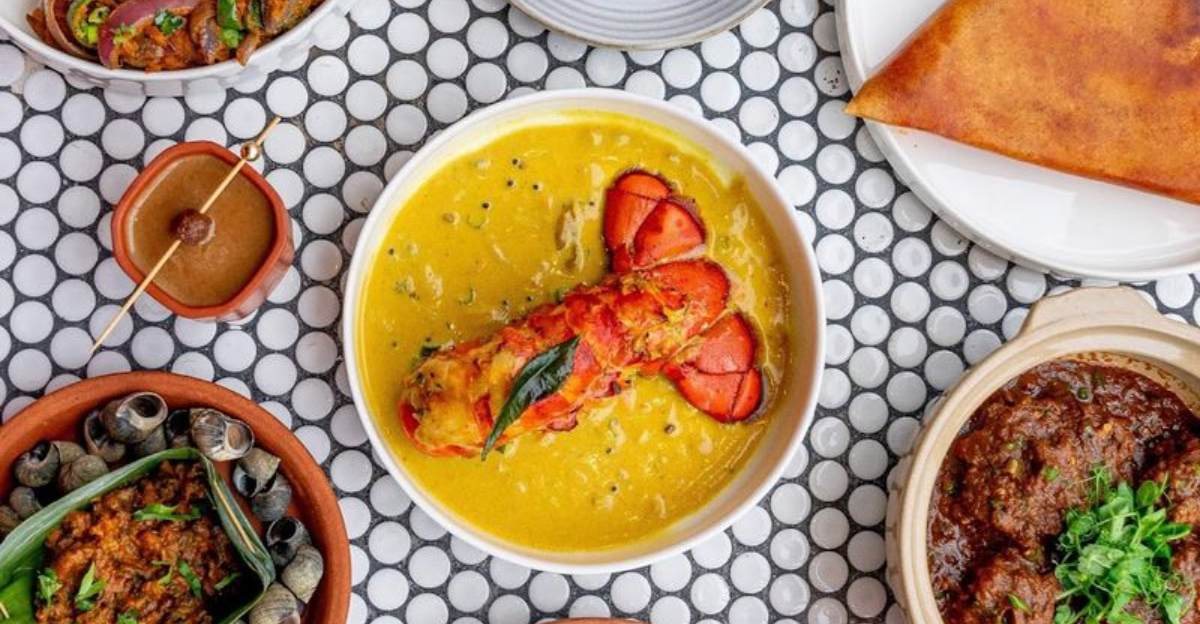
In a city that never stops eating, something still manages to stand out. Deep in New York, there’s a South Indian spot that doesn’t chase attention.
It earns it. No fusion tricks. No hype machine. Just precision, heat, and flavor that hits immediately.
Dosas come out razor crisp. Chutneys taste like they were ground five minutes ago. Every plate feels intentional, not improvised.
Nothing is trying too hard, which is exactly why it works. In a city full of “best ofs,” this one quietly acts like it already knows the answer.
The Podi Dosa That Rewired My Brain
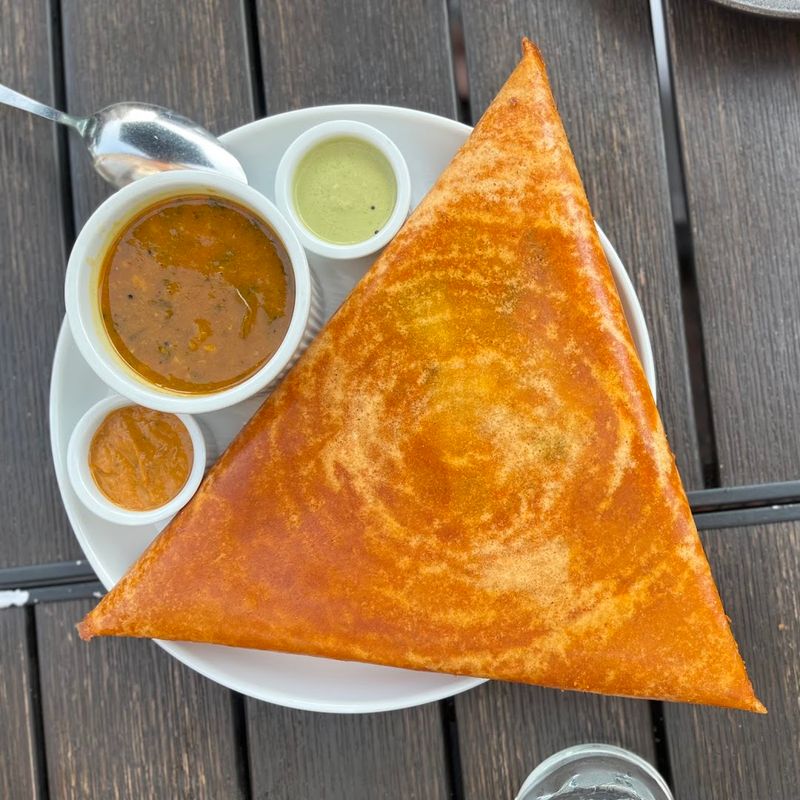
The podi dosa caught me completely off guard. I’d eaten dosas many times, but this felt like a different category altogether.
Paper-thin and ultra-crisp at the edges, it folded around a fiery, fragrant filling that unfolded in waves of spice.
The podi blend, a dry chutney made from lentils, dried chilies, and sesame, coated the inside with this smoky, nutty heat that built slowly.
It did not burn you out. It invited you to keep going.
I kept going.
What made it different was the texture contrast. The outside crackled like a good taco shell, while the inside stayed soft and aromatic.
The accompanying chutneys added brightness and tang that balanced everything perfectly.
Semma does not dress this dish up with unnecessary garnishes or trendy toppings. It lets the technique and the tradition do the talking.
That kind of restraint takes confidence. Most restaurants would over-complicate it, but Semma trusts the recipe.
I caught myself slowing down mid-bite just to pay attention to what was happening on my palate. That almost never happens to me.
The podi dosa is the kind of dish that makes you realize how much you have been missing. It is the gateway dish at Semma, and once you have it, there is no going back to ordinary.
The Path To Semma On Greenwich Avenue Felt Like Its Own Story
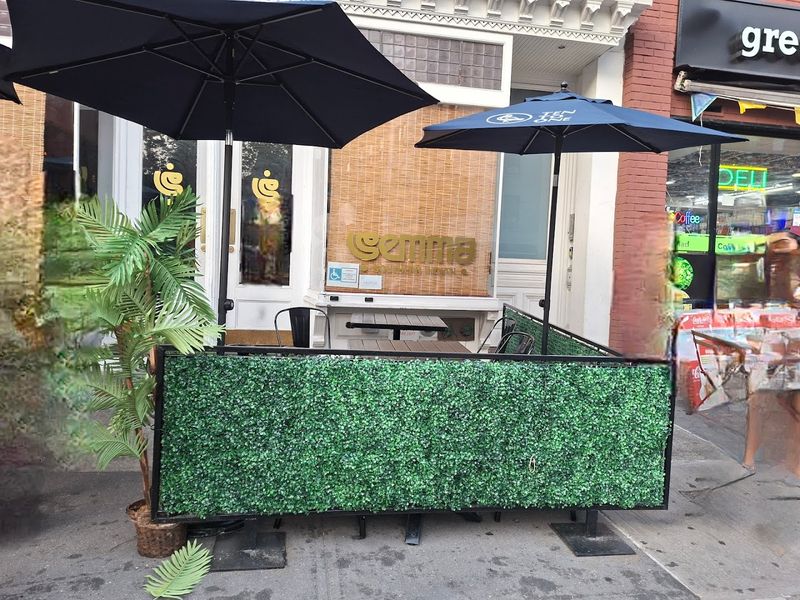
Getting to Semma at 60 Greenwich Avenue in New York, NY 10011 is its own little mood-setter. The West Village has this way of making every walk feel cinematic, and arriving at the restaurant felt like stumbling onto a set.
The exterior is understated. You could almost walk past it if you were not paying attention.
But once you step inside, the space shifts completely. Wood ceilings, tropical accents, and warm lighting wrap around you like a welcome hug.
The interior design draws inspiration from Kerala, specifically from the houseboats known as kettuvallam that drift through the backwaters of that southern Indian state. It is a specific reference, and it lands beautifully.
The space feels transporting without being theatrical.
I sat near the back and just took a moment to absorb it all before even looking at the menu. The atmosphere does a lot of work here.
It signals that what you are about to eat is rooted in something real, something with geography and history behind it.
The neighborhood itself adds to the experience. Greenwich Avenue is charming and walkable, which made the whole evening feel like an event rather than just dinner.
Good food in a great neighborhood with a stunning interior is a combination that rarely disappoints. Semma nailed all three without even trying to show off.
The Chettinad Chicken Curry That Made Me Emotional
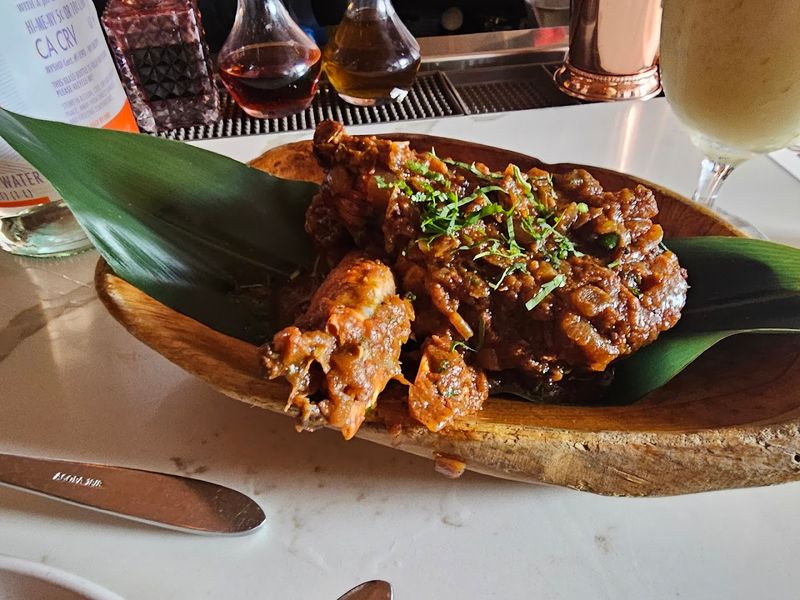
I am not someone who gets emotional about chicken curry. Or at least I was not, until Semma.
The Chettinad chicken at this restaurant is a completely different experience from anything I had tried before.
Chettinad cooking comes from the Chettinad region of Tamil Nadu, and it is known for using a wide range of spices, many of which are not commonly found in everyday Indian cooking.
Kalpasi, marathi mokku, and star anise all make appearances in this style of cuisine. The result is a curry that smells ancient and tastes deeply layered.
The sauce at Semma was thick and almost brooding, dark with spice and slow-cooked richness. Each piece of chicken had absorbed the flavor all the way through.
There was no bland center hiding under a flavorful exterior.
The whole thing was cohesive and intentional.
I mopped up every last drop with the soft, pillowy bread that came alongside it. I was not even hungry at that point, but stopping felt wrong.
The dish had momentum, and I just rode it to the end.
Chettinad cooking is one of India’s most complex regional cuisines, and it rarely gets the spotlight it deserves in American restaurants. Semma gives it that spotlight, and the result is a dish that feels both ancient and completely alive on the plate.
The Oxtail Dish That Broke Every Expectation
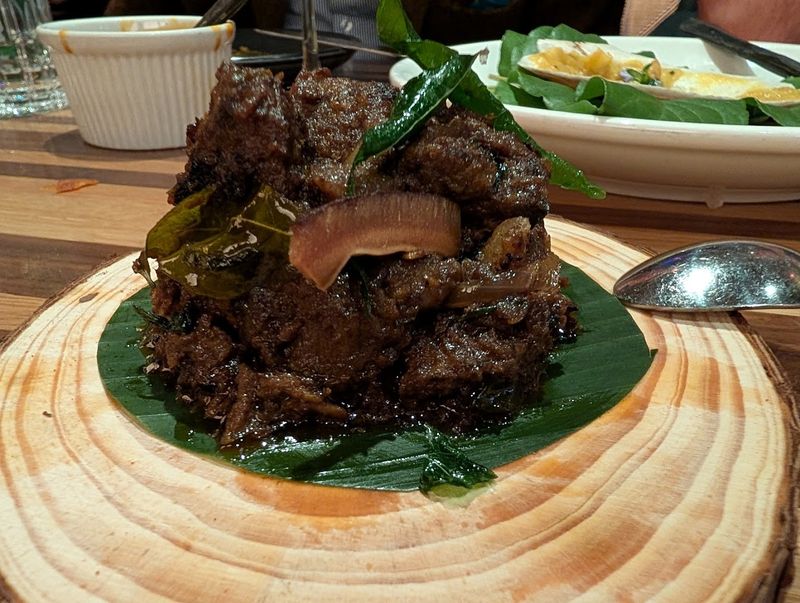
Oxtail in a South Indian restaurant was not something I had ever encountered before walking into Semma. The Goanese oxtail dish on the menu caught my eye immediately, and my curiosity got the better of me.
What arrived was slow-braised, fall-off-the-bone oxtail sitting in a deeply spiced sauce that had clearly been cooking for a very long time.
The meat was gelatinous in the best possible way, melting into the gravy and creating this silky, rich texture that coated everything it touched.
The spice profile leaned into bold, warming notes without becoming aggressive. There was a smokiness underneath everything that I could not quite identify but absolutely loved.
It felt like the kind of dish that gets passed down through generations in someone’s family kitchen.
What made it feel so special was how unexpected it was. Oxtail is not a typical feature of South Indian menus, but Semma uses it in a way that feels completely natural.
The technique is rooted in tradition, even if the specific combination is inventive.
Chef has talked about wanting to bring dishes to the table that even many Indians have never encountered.
This oxtail is a perfect example of that philosophy in action. It is adventurous but grounded, creative but respectful.
Eating it felt like reading a chapter of culinary history that nobody had bothered to translate before.
The Chutney Selection Was A Whole Mood
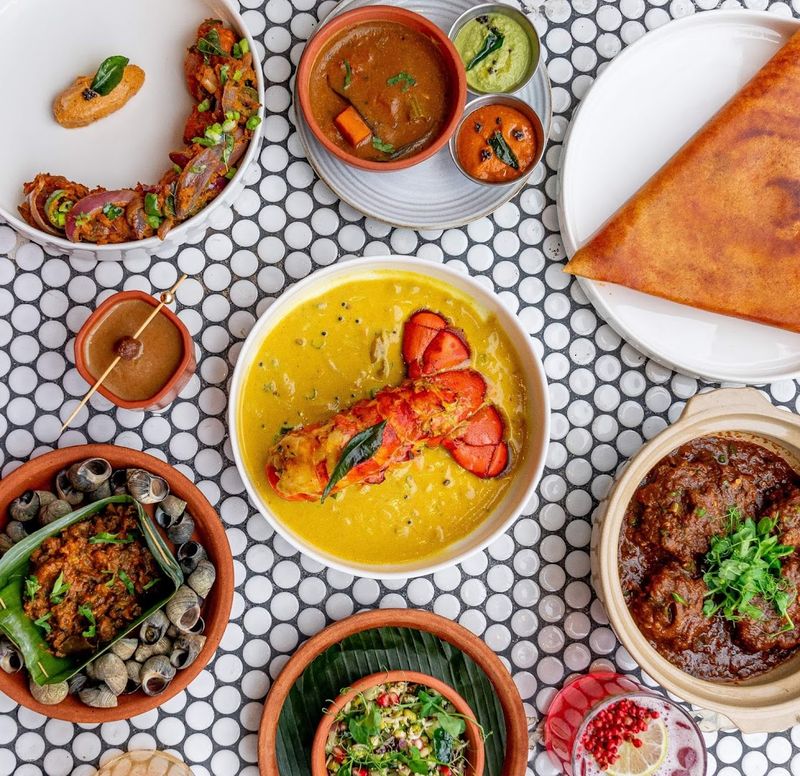
Most people do not think of chutneys as the star of the show. They are the supporting cast, the reliable sidekicks.
But at Semma, the chutneys deserve their own moment in the spotlight.
The New York Times even called out Semma’s chutneys specifically when reviewing the restaurant. That is not a small thing.
Getting a shoutout in a review for your condiments means those condiments are doing something extraordinary.
The coconut chutney was silky and fresh with a hint of mustard seed. The tomato chutney had a roasted depth that made it feel almost smoky.
The tamarind version was tangy and complex, with layers that kept unfolding as I ate. Each one was distinct and purposeful.
I started using them interchangeably with every dish on the table, mixing and matching to find new flavor combinations. It turned into a little game, and every combination worked.
That kind of versatility does not happen by accident.
In South Indian cooking, chutneys are not afterthoughts. They are carefully crafted components that balance and elevate the meal as a whole.
Semma understands this at a foundational level, and it shows in how much attention goes into each small bowl. A great chutney can transform a dish entirely, and Semma proves that point with every single one it sends to the table.
The James Beard Award Moment That Made Sense After One Bite
When I heard that chef won the James Beard Foundation Award for Best Chef in New York State in 2025, my immediate reaction was not surprise. It was recognition.
That tracks completely.
The James Beard Awards are considered the Oscars of the American food world. Winning one, especially for a restaurant specializing in regional South Indian cuisine, is a monumental statement.
It says that this food belongs at the highest table in the conversation.
What this chef does in that kitchen is not just cooking. It is advocacy.
Every dish on the menu pushes back against the idea that South Indian food is simple or one-dimensional. The flavors are precise, the techniques are rooted in deep tradition, and the vision is singular.
Eating at Semma after knowing about that award felt like watching a film after it won Best Picture. You pay attention differently.
You notice the craft behind every decision.
The plating, the pacing of the meal, the way flavors build from one course to the next, all of it feels intentional.
Semma also holds a Michelin star, which it earned alongside the James Beard recognition. Two of the most prestigious honors in the food world, earned by a restaurant serving South Indian food in the West Village.
That combination is genuinely historic, and sitting in that dining room felt like being part of something worth remembering.
Why Semma Feels Like The Most Important Restaurant In New York Right Now
Bold claim, I know. But hear me out.
New York City has thousands of restaurants, and many of them are excellent.
What makes Semma feel different is not just the food quality. It is what the food represents.
South Indian cuisine is one of the most diverse and regionally specific food traditions in the world. Tamil Nadu alone has enough culinary variety to fill an encyclopedia.
Yet for years, this cuisine has been underrepresented in fine dining conversations globally.
Semma changes that. It presents South Indian food with the same seriousness and reverence that French or Japanese cuisine receives in high-end restaurants.
The Michelin star and James Beard Award are not just trophies. They are signals that the food world is finally paying attention.
Every time I eat somewhere that makes me feel like I learned something, I know I have found a special place. Semma taught me about Chettinad spices, Kerala architecture, Tamil Nadu traditions, and the quiet power of a well-made rasam.
That is a lot to absorb over one dinner.
The restaurant also reminded me that the best meals are not always the most familiar ones. Sometimes the most rewarding experience comes from ordering something you cannot pronounce and trusting that the kitchen knows exactly what it is doing.
Semma always knows what it is doing. Have you ever had a meal that genuinely changed how you think about an entire cuisine?