
This New York Spot Is Quietly Serving Some Of The Best German Dishes Around
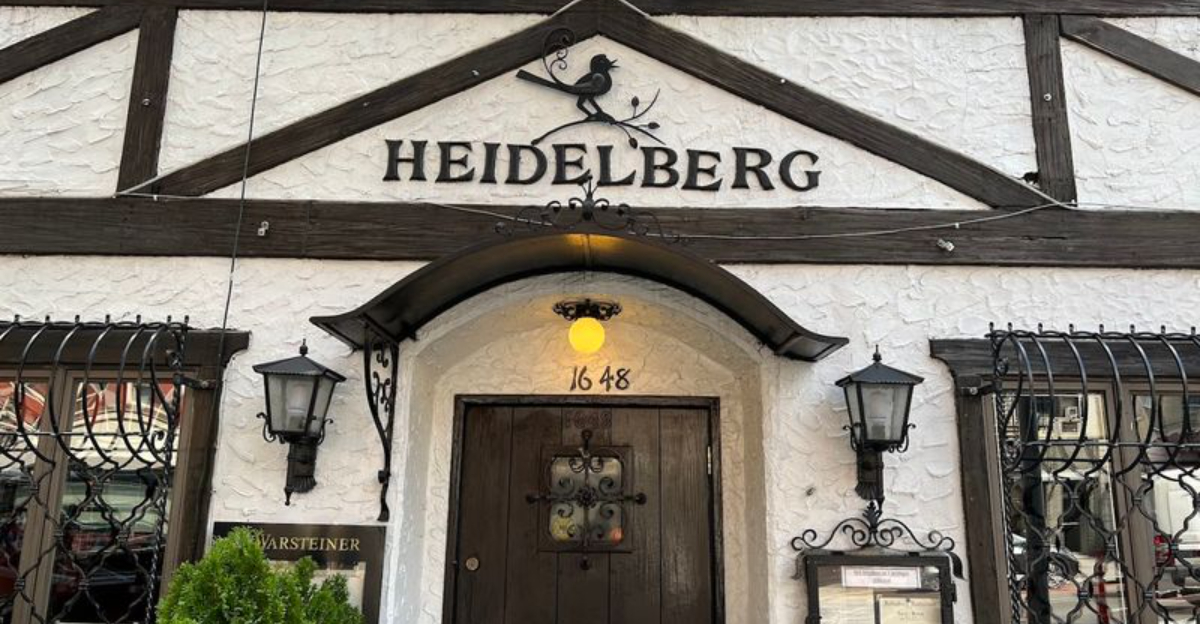
Who knew a corner in New York could make you question every schnitzel you’ve ever eaten? One moment you’re dodging taxis, the next you swear you hear oompah music and wonder if you’ve accidentally stepped into Bavaria.
The smells of sizzling sausages, tangy sauerkraut, and gravy so rich it deserves its own fan club hit you before the menu even arrives. Every dish arrives like it’s showing off just a little.
Crispy schnitzel, buttery spätzle, and pretzels that practically demand to be Instagrammed.
Cozy, comforting, and somehow both nostalgic and exciting all at once, the kitchen quietly proves its authenticity with every bite.
One taste, and suddenly “quietly serving” turns into a full-on foodie revelation. You’ll leave plotting your next visit before the check even hits the table.
A German Classic Worth Every Bite
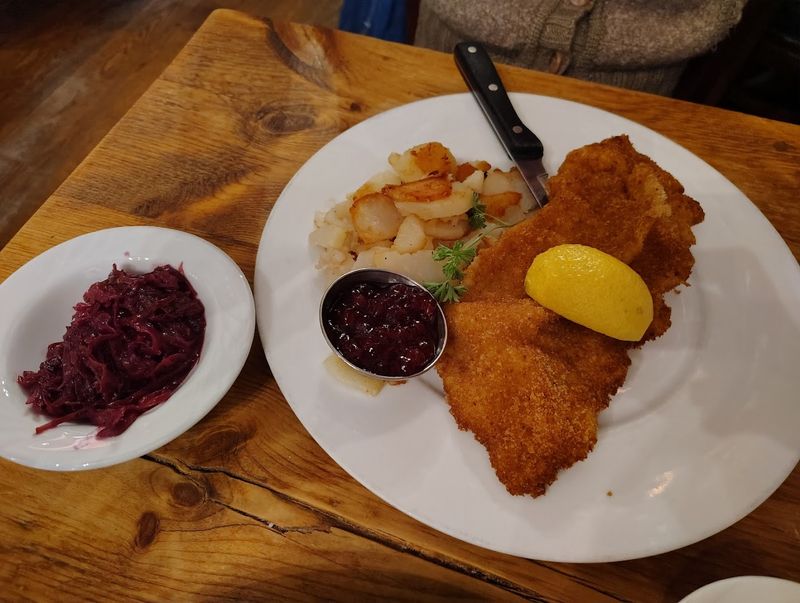
Some dishes just hit differently, and the Jägerschnitzel at Heidelberg is one of them. This is not your average breaded cutlet situation.
The pork is pounded thin, cooked to a perfect golden crust, and then draped in a mushroom gravy that is deeply savory and wonderfully rich.
The gravy is the real star here. It clings to every bite and carries this earthy, slow-cooked flavor that feels like someone put a lot of love into building it.
Paired with a generous side of spätzle, those soft little German egg noodles, the whole plate becomes something genuinely special.
Spätzle deserves its own fan club, honestly. It soaks up the gravy like a sponge and adds this pillowy, comforting texture that rounds out every forkful beautifully.
The combination of crispy schnitzel, silky gravy, and tender noodles is a textbook example of balance done right.
Jägerschnitzel translates loosely to “hunter’s schnitzel,” a nod to the forest mushroom sauce traditionally associated with hunters in German culture.
That backstory somehow makes every bite taste even better. This dish is the kind of thing you think about on the way home and quietly plan your return visit around.
The Slow-Cooked Dish Everyone Raves About
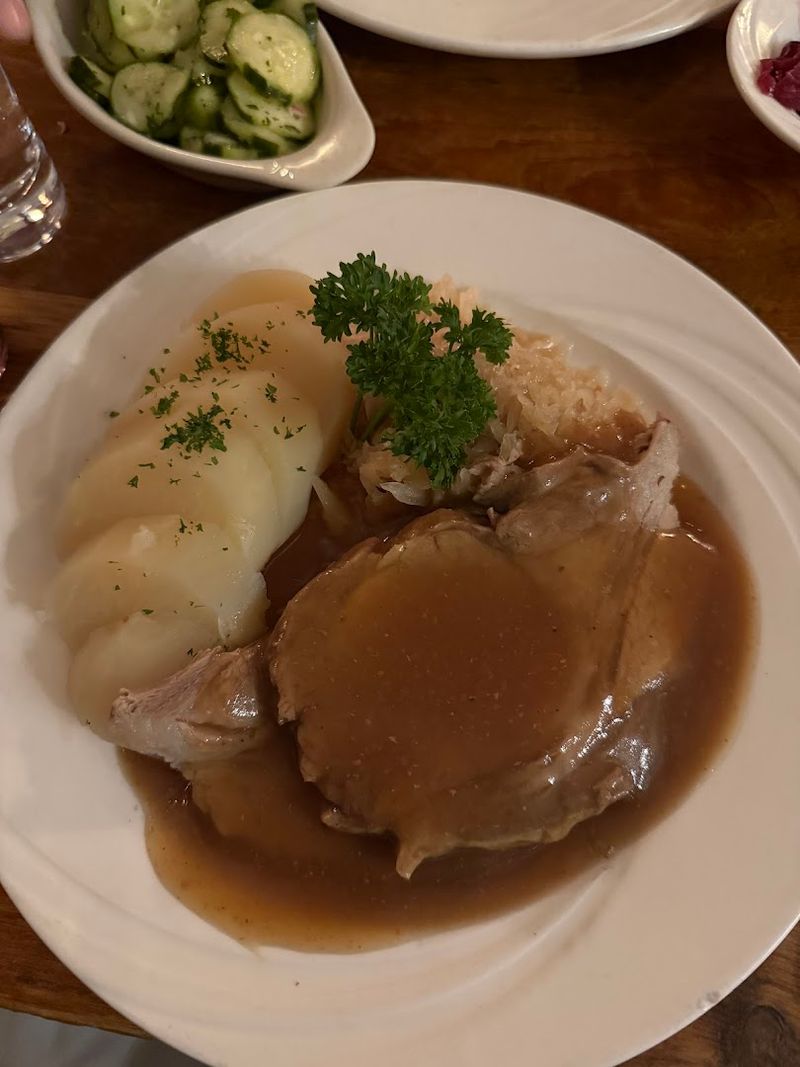
Located at 1648 Second Avenue in New York City’s Upper East Side, Heidelberg serves a sauerbraten that earns every bit of the hype surrounding it. This dish is a slow-cooked pot roast marinated for days before it ever sees the oven.
The result is meat so tender it practically falls apart at the touch of a fork.
What makes sauerbraten genuinely fascinating is its sweet-and-sour gravy. It sounds unexpected, but the combination of tangy and sweet notes creates a depth of flavor that keeps you going back for another bite.
Traditional recipes often include a touch of vinegar and warm spices, and Heidelberg honors that classic approach without cutting corners.
This dish has roots going back centuries in German culinary history. Some food historians believe it was inspired by a technique used to preserve meat before refrigeration existed.
That kind of history on a plate makes it feel even more meaningful to eat.
Sauerbraten is typically served alongside red cabbage and potato dumplings, both of which play important supporting roles.
The cabbage adds a bright, slightly tangy contrast, while the dumplings soak up that incredible gravy. It is a full, complete meal that wraps around you like a warm blanket on a cold New York evening.
This is German comfort food at its most honest and satisfying.
Apple Strudel That Earns A Standing Ovation
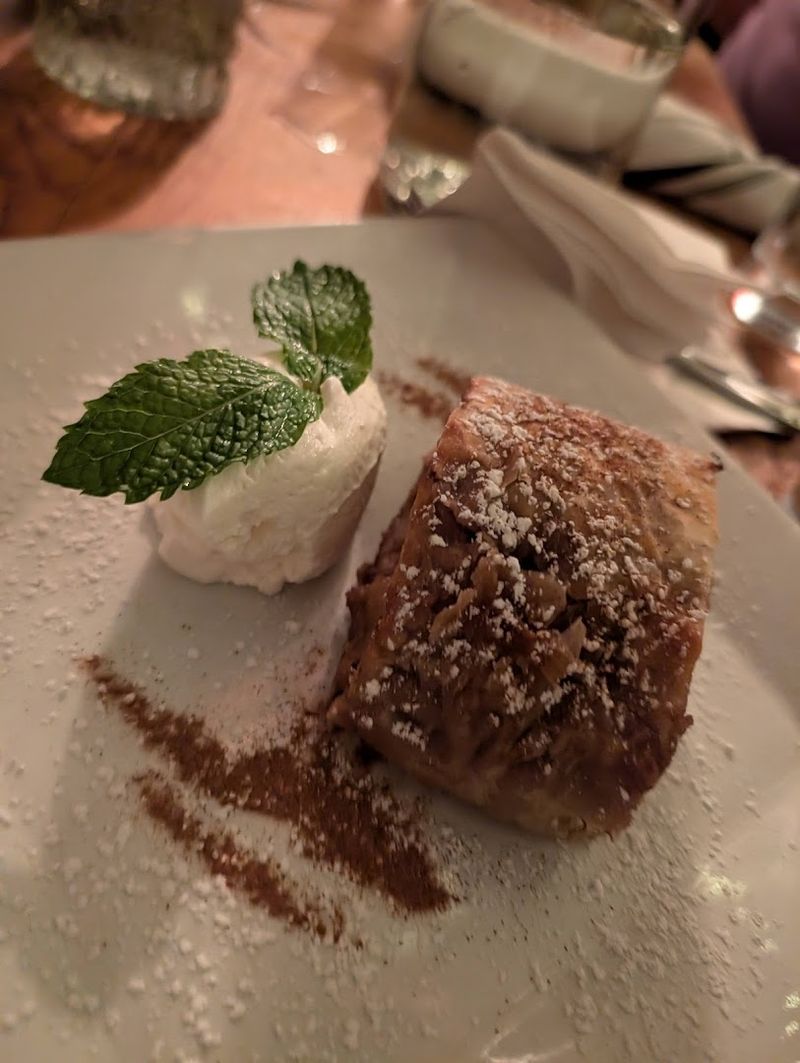
Ending a meal at Heidelberg without ordering the apple strudel would be a genuine mistake. This dessert arrives warm, flaky, and dusted with powdered sugar, looking exactly like something a German grandmother would pull fresh from the oven on a Sunday afternoon.
The pastry itself is paper-thin and impossibly crisp on the outside, giving way to a filling of tender spiced apples with just the right amount of sweetness.
It is not overly sugary or heavy. It is light, aromatic, and perfectly balanced, which is harder to achieve than it sounds.
A scoop of vanilla ice cream served alongside it takes the whole experience up another level. The contrast between the warm, flaky pastry and the cold, creamy ice cream creates one of those simple but genuinely satisfying dessert moments that stays with you long after the plate is cleared.
Apple strudel has Austrian and German origins dating back to the 17th century, and it became a beloved staple across Central Europe over the centuries.
The fact that Heidelberg has kept this tradition alive in the middle of Manhattan says a lot about the restaurant’s commitment to authenticity. Dessert sometimes feels like an afterthought at many restaurants, but here it feels like a full stop at the end of a beautifully written sentence.
Do not skip it.
Bratwurst That Brings The Street Fair Energy Indoors
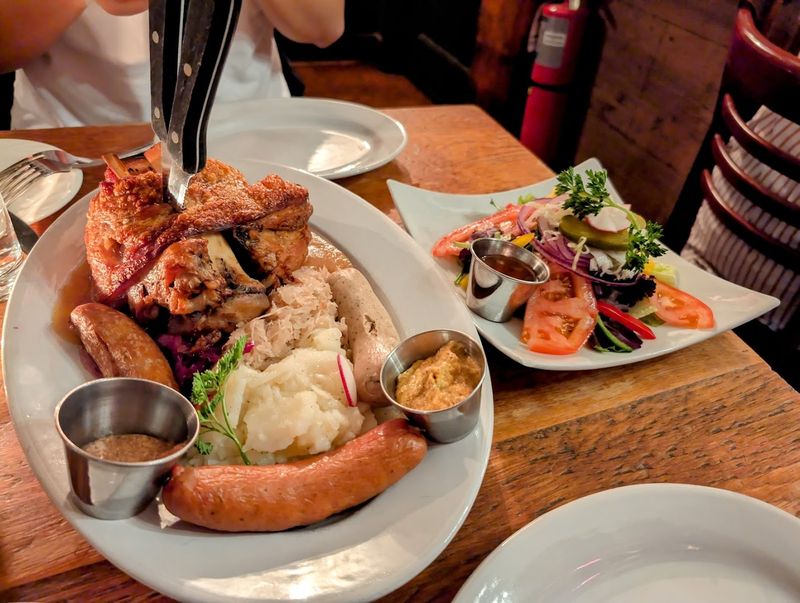
There is something about a perfectly grilled bratwurst that just makes everything feel right with the world. Heidelberg’s bratwurst carries that same energy you get from a lively German street fair, except here you get to enjoy it sitting down in a cozy, wood-paneled dining room.
The sausages arrive with a satisfying snap when you cut into them, releasing juices that are savory, herby, and deeply flavorful.
Bratwurst is a pork-based sausage seasoned with a blend of spices including nutmeg, ginger, and marjoram, depending on the regional recipe. The version at Heidelberg stays true to that traditional flavor profile without overcomplicating things.
Sauerkraut served alongside adds a fermented, tangy punch that cuts through the richness of the sausage beautifully. Whole grain mustard on the side ties the whole plate together with a sharp, slightly spicy kick.
These accompaniments are not just garnishes.
They are essential parts of the experience.
Bratwurst history stretches back to at least the 14th century in Germany, making it one of the oldest recorded sausage traditions in European cuisine. Bringing that kind of legacy to a New York table is no small thing.
Heidelberg pulls it off with the kind of effortless confidence that only comes from decades of doing something really, really well. Sometimes the simplest dishes carry the most history, and this plate proves that point perfectly.
Potato Pancakes That Deserve Their Own Fan Page
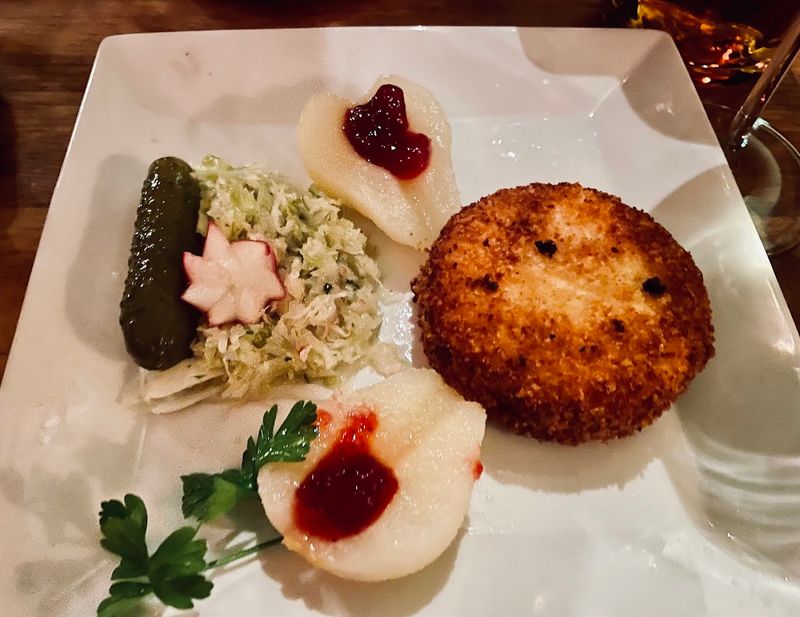
Potato pancakes might sound simple, but Heidelberg’s version turns a humble ingredient into something worth celebrating loudly. These golden, crispy rounds are pan-fried to perfection with edges that crunch and centers that stay soft and pillowy.
They are the kind of side dish that quietly steals the spotlight from the main course.
Known in German as Kartoffelpuffer, potato pancakes have been a staple of German and Central European cooking for generations.
They are made from grated potatoes mixed with egg and a touch of flour, then fried until deeply golden. The simplicity of the ingredient list is exactly what makes the technique so important.
Served with both sour cream and applesauce, they hit two completely different flavor notes at once. The sour cream adds a cool, tangy creaminess while the applesauce brings a gentle sweetness that somehow makes the savory pancakes taste even better.
It is one of those classic food pairings that just works without needing any explanation.
What makes these particularly memorable is the texture contrast. The outside shatters just slightly when you bite in, and the inside is soft and almost creamy.
That textural balance is what separates a good potato pancake from a great one. Heidelberg clearly knows the difference.
Whether you order them as a starter or alongside a main course, these pancakes are a reminder that the most satisfying things in life are often the most straightforward ones.
The Warm Ambiance That Feels Like A Time Capsule
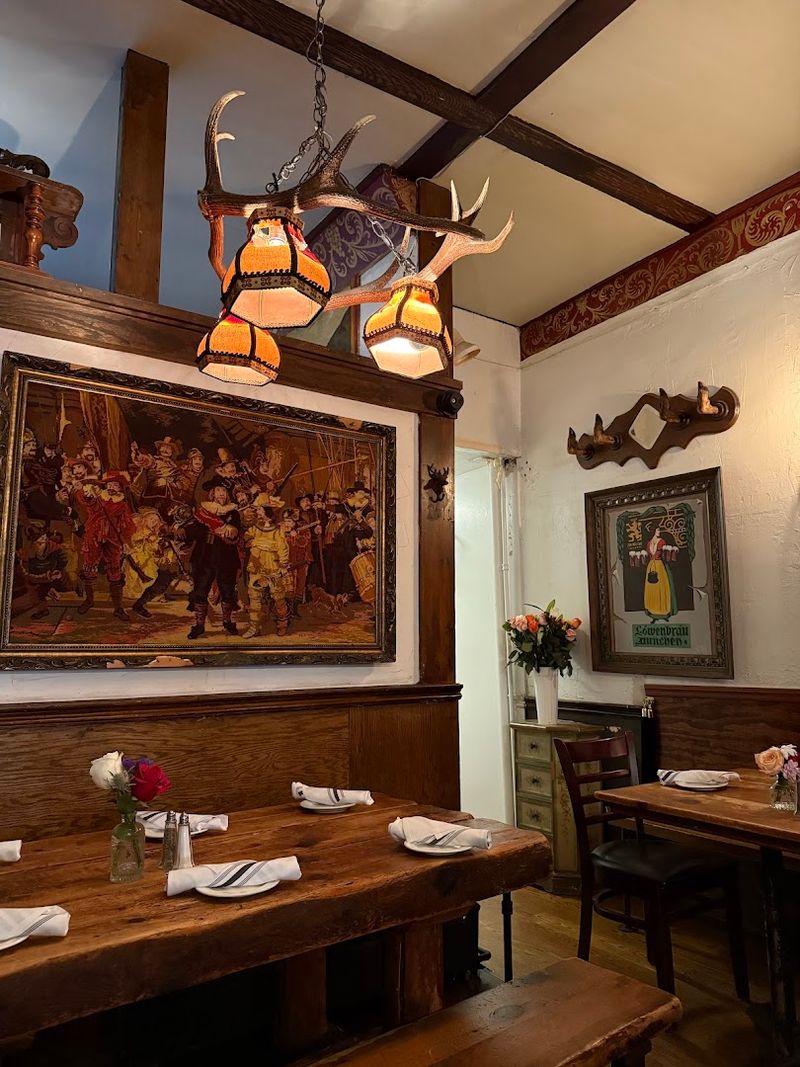
Walking into Heidelberg feels like stepping through a time portal set to somewhere in Bavaria, circa a very good era. The dark wood paneling, the traditional German decorations, and the warm amber lighting create an atmosphere that is cozy, lived-in, and wonderfully unhurried.
It is the kind of room that immediately slows your pace down.
Yorkville, the Upper East Side neighborhood where Heidelberg has stood for over a century, was once the heart of New York City’s German immigrant community.
At its peak in the early 20th century, the area was filled with German butcher shops, bakeries, and social clubs. Most of those establishments are long gone, but Heidelberg has held its ground with remarkable determination.
The decor inside the restaurant reflects that proud heritage without feeling like a museum. It feels genuinely alive and authentic, like the history is still being written rather than simply displayed.
There is a warmth to the space that goes beyond the lighting, something that comes from decades of meals shared and memories made within these walls.
In 2025, NYC.com recognized Heidelberg as the top German restaurant in New York City, a nod to its enduring relevance in a dining scene that changes constantly.
That kind of recognition does not come from following trends. It comes from staying true to something real and meaningful over a very long time.
The ambiance here is not a design choice. It is a living legacy.
Spätzle As A Standalone Dish That Surprises Everyone
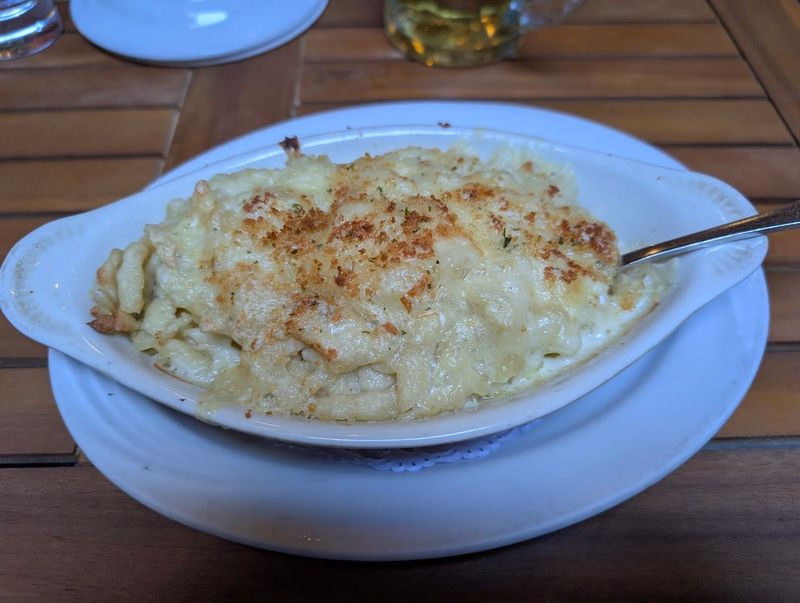
Most people encounter spätzle as a side dish, quietly sitting next to a schnitzel or a roast. But ordering it on its own, buttered and topped with caramelized onions, is one of the most rewarding decisions you can make at Heidelberg.
It sounds understated, and that is exactly the point.
Spätzle is a traditional German egg noodle made from a simple batter of flour, eggs, and a pinch of salt.
The batter is pressed through a colander or a special grater directly into boiling water, creating these small, irregular noodle shapes that are soft, chewy, and completely addictive.
The texture is somewhere between pasta and a dumpling, and it is unlike anything else on a typical New York menu.
When tossed in butter and finished with golden caramelized onions, spätzle becomes something deeply comforting and satisfying.
The onions add a subtle sweetness and a slight richness that elevates the whole dish without overwhelming the delicate noodle flavor. Fresh herbs scattered on top brighten everything up and add a pop of color.
Spätzle originates from the Swabian region of Germany and has been a beloved comfort food across Central Europe for centuries. Heidelberg treats it with the same care and respect as any of the bigger, showier dishes on the menu.
That commitment to honoring even the simplest recipes is what makes this restaurant worth returning to again and again.