
This Non-Profit Pennsylvania Craft Thrift Store Is A Must-Visit Treasure Trove For Local Artists
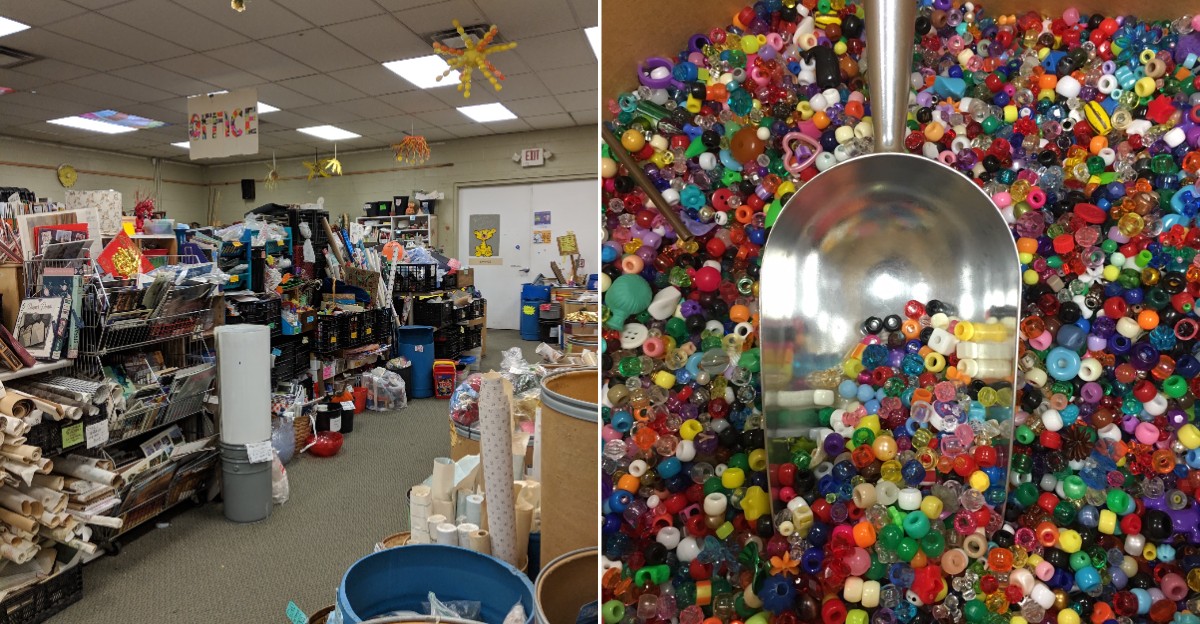
A pile of leftover ribbon, odd buttons, and half-used paint can look like clutter until somebody sees a project hiding inside it.
This Pennsylvania non-profit gives local artists a place to find affordable supplies while keeping perfectly usable materials in circulation.
The shelves are full of creative possibilities without the pressure of buying everything new, which makes experimenting a lot easier.
Sometimes the best idea starts with something another person was ready to give away.
During a community art day, I watched a table of random supplies slowly turn into masks, collages, and decorations nobody had planned in advance.
I started helping someone sort scraps, then ended up gluing pieces together myself.
By the end, my hands were sticky, the table was covered in paper bits, and I had made something I could not have described an hour earlier.
Every Shelf Holds A Surprise You Didn’t Know You Needed
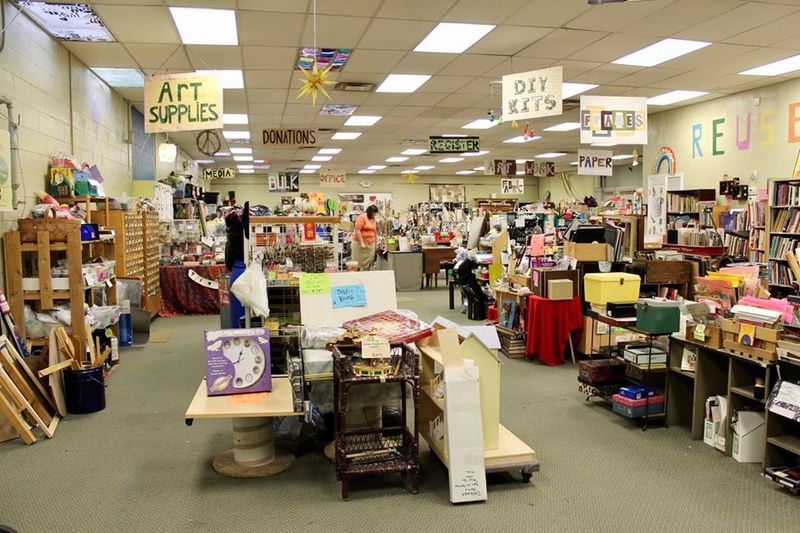
Most craft stores sell the same glue sticks in every city. The Pittsburgh Center for Creative Reuse plays a very different game.
This non-profit shop sells donated art and craft supplies, so the inventory depends on what the community drops off.
That means standard paints and paper can share space with photographs, design samples, and odd plastic bits.
Shoppers have spotted things like old pictures, trophies, push pins, postcards, and records.
You might come for yarn and leave with a stack of vintage cards. Good luck sticking to your shopping list.
I believe that unpredictability is the real draw. A regular store tells you what to make.
Here, the materials nudge you toward ideas you never would have planned.
The constant turnover also rewards repeat visits. What filled a bin last week could be gone by Saturday.
Something even stranger might take its place.
My advice is simple. Bring a loose idea instead of a strict plan.
Let the shelves fill in the details.
Artists who work in collage, mixed media, or sculpture will feel especially at home. Teachers hunting for classroom supplies have plenty to dig through too.
Your Wallet Will Thank You For Shopping Secondhand
Art supplies can get expensive fast. One canvas, a few brushes, and some specialty paper can drain a budget before the first sketch.
Secondhand shopping changes that math. Because everything here is donated, the center can offer materials at affordable prices compared to buying new.
That matters for more than just savings. Lower costs open the door for students, beginners, and hobbyists who might skip art otherwise.
Nobody should need a big budget to try something creative.
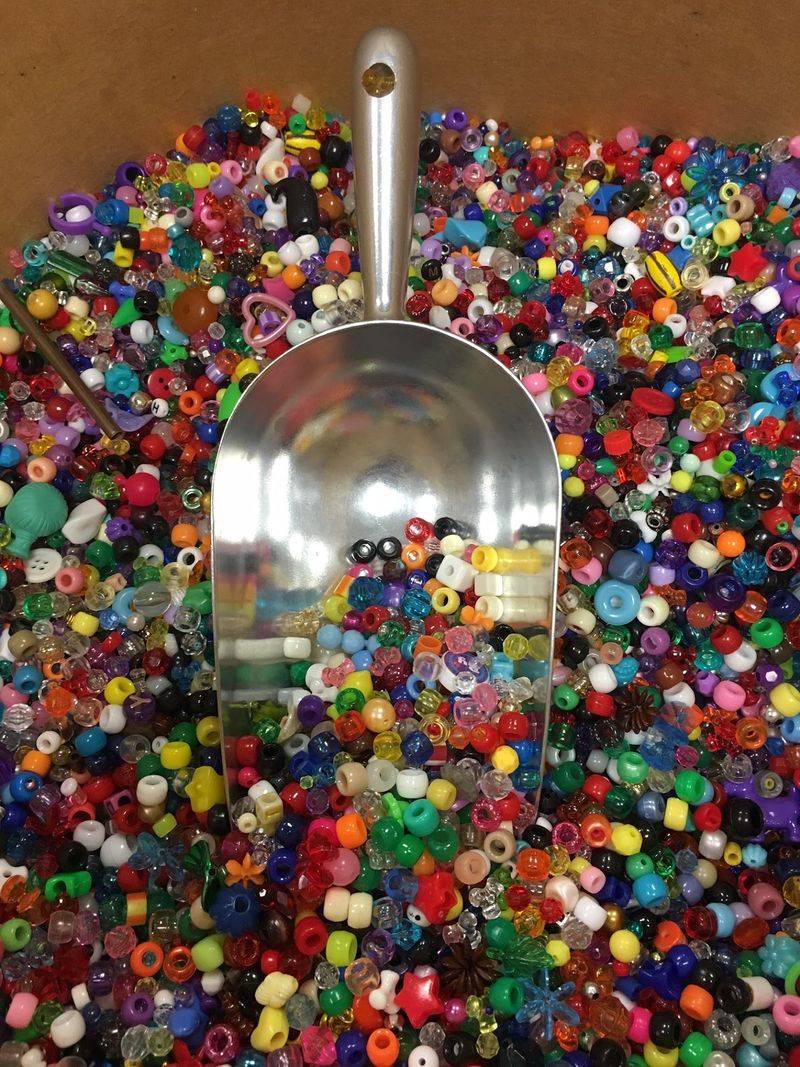
The shop also keeps bulk bins in the mix. These are handy when you need a pile of small odds and ends for a big project.
A smart approach is to set a loose budget before you go. It’s easy to keep adding just one more interesting thing.
Your basket can fill up quicker than expected.
Teachers and community volunteers can stretch program funds here too. A single trip might stock a whole round of classroom activities.
I can’t imagine a better way to experiment with a new medium. If a technique doesn’t click, you haven’t lost much.
If it does, you’ve found a new passion on the cheap.
Creativity And Conservation Make A Pretty Great Team
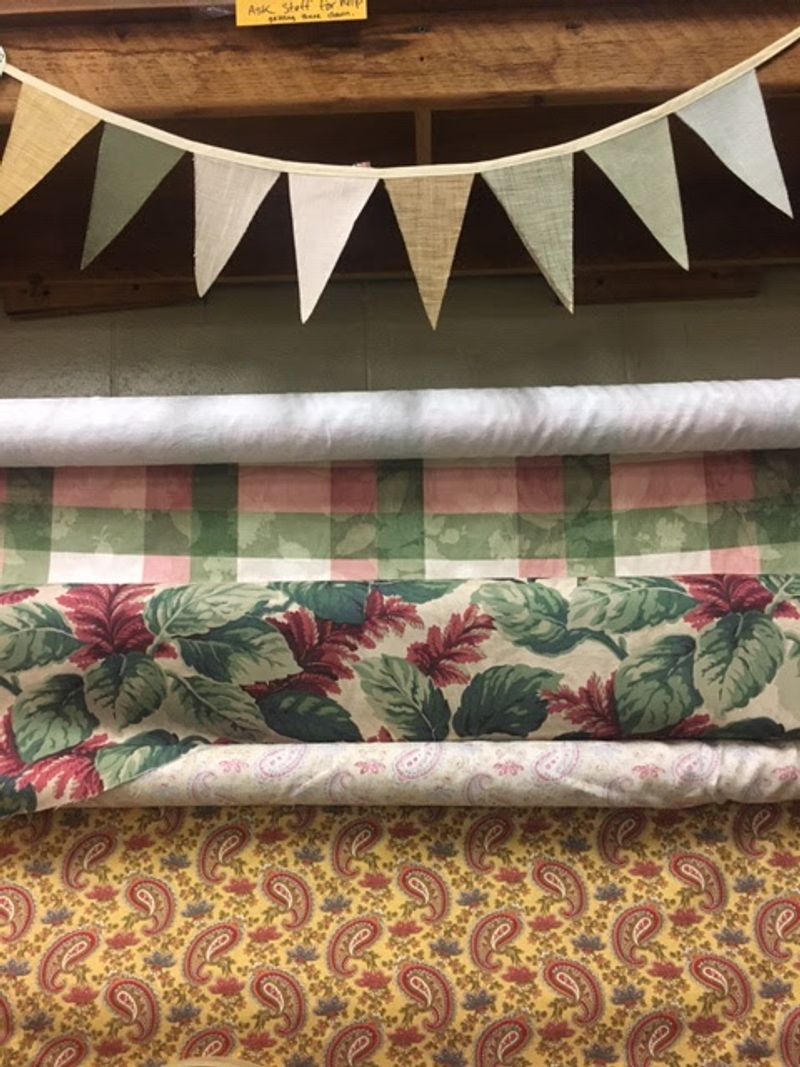
Saving the planet and making cool art usually don’t share a shopping bag.
At this non-profit, they absolutely do. The Pittsburgh Center for Creative Reuse builds its mission around inspiring creativity, conservation, and community through reuse.
Every donated item that finds a new owner is one less thing heading to a landfill.
The organization also believes reuse can boost self-confidence, teach new skills, and create opportunities. That’s a bigger vision than simply moving products off shelves.
Think about a jar of buttons from a forgotten sewing box. Here, it could end up on a quilt, a collage, or a kid’s puppet.
Same buttons, brand-new purpose.
For eco-minded artists in Pennsylvania, this approach feels refreshing. You get supplies without the guilt of extra packaging and fresh production.
It also sparks a different way of seeing everyday objects. A cardboard tube becomes a sculpture base.
A magazine becomes collage material.
I like how the shop makes sustainability feel playful instead of preachy. Nobody’s lecturing you.
The shelves simply show what’s possible when people stop tossing useful things away.
Clean Out Your Craft Closet And Do Some Good
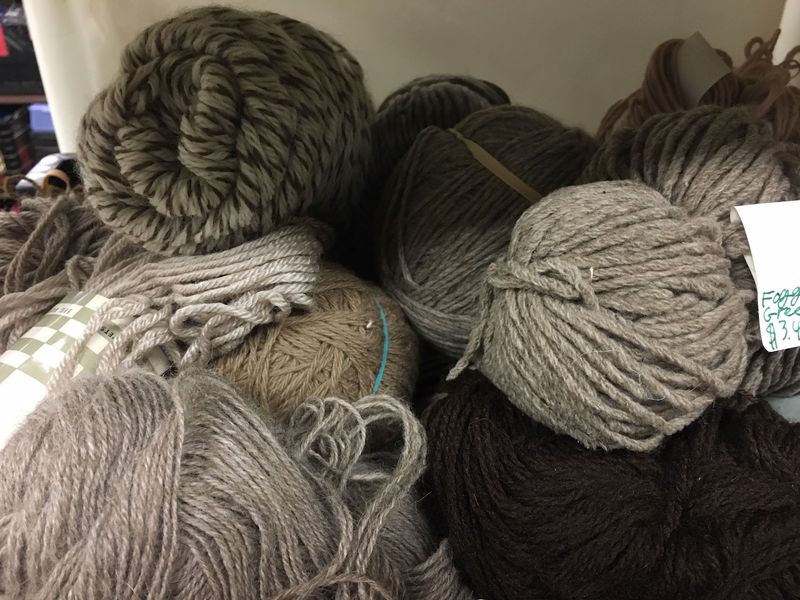
Got a closet full of half-used paint and abandoned yarn?
You’re definitely not alone, and this shop wants to help. The center accepts donations of used art and craft supplies.
Walk-in donations of one box per household per day are welcome without an appointment, with preferred drop-off hours from 11:30 a.m. to 4:30 p.m.
That one-box rule keeps things manageable for the staff. It also encourages donors to sort through their stash first.
Here’s a helpful tip before you pack up. Check the center’s guidelines to see which items they currently accept.
Not every leftover makes the cut, so a quick look saves you a second trip.
The donation cycle is what keeps the whole place running. Your unused supplies become someone else’s project, and their leftovers might later become yours.
Plenty of crafters buy materials for a project that never quite happens. Donating gives those supplies a real shot at being used.
It feels good to clear space at home. It feels even better knowing your clutter could help a student, teacher, or artist down the road.
That’s a pretty satisfying trade for one box.
Workshops Turn Leftovers Into Lessons
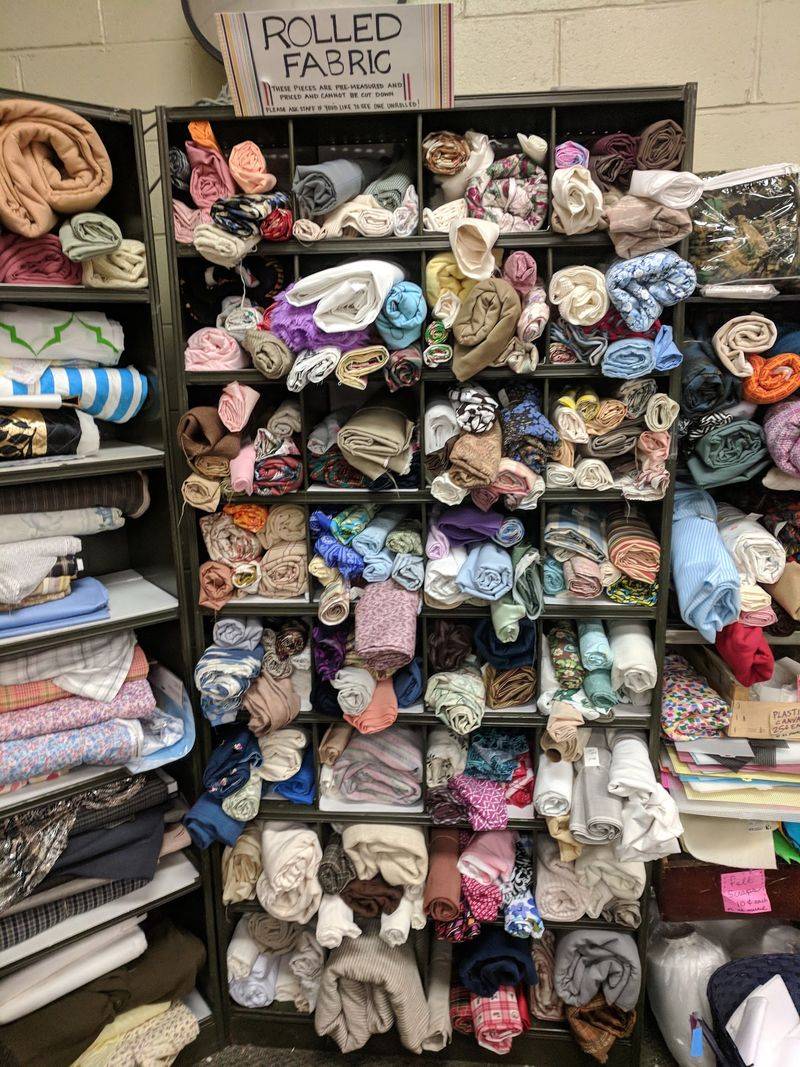
Shopping is only half the fun. The center also runs hands-on creative programs and workshops.
These sessions teach people about the benefits of reuse. Materials that might look like waste become fuel for art and learning.
Workshops are a great fit for anyone who feels stuck. Maybe you love the idea of crafting but don’t know where to start.
A guided session gives you a nudge and a few new skills.
They also connect you with other creative folks in Pennsylvania. Making things next to someone else can spark fresh ideas fast.
Program topics and schedules can change. Checking the center’s calendar before planning a visit is the easiest way to see what’s coming up.
I believe learning with reused materials takes the pressure off. You’re less worried about ruining expensive supplies.
That freedom can make experimenting a lot more fun.
Families, students, and seasoned makers can all find value here. Even skilled artists sometimes pick up a new trick when working with unexpected materials.
Leaving with a finished piece and a new skill beats leaving with just a receipt.
Free Crafting And Art Swaps Keep Things Lively
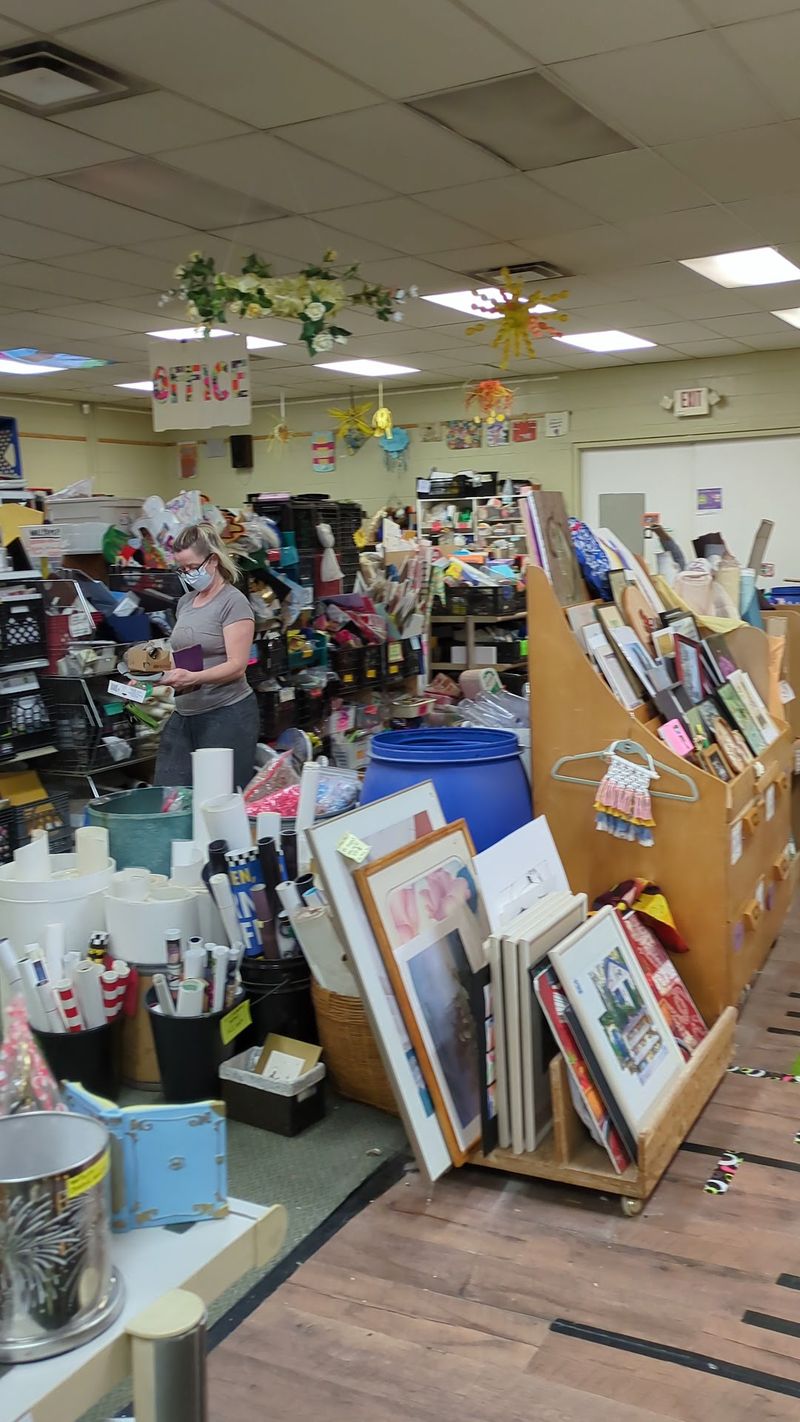
Events go beyond a quiet afternoon of browsing.
The center hosts community gatherings that bring its mission to life, both at its location and at other venues around Pittsburgh.
Past activities have included free hands-on crafting, treasure hunts, and art swaps. Each one gives people a fun reason to show up and get creative together.
Art swaps are especially clever. You bring something you made or no longer want, and you leave with someone else’s creation.
Reuse at its most social. Treasure hunts add a playful twist to community events.
At past outdoor gatherings, participants have searched through tables of free creative materials, discovering unexpected supplies to take home.
Free crafting events are a low-pressure way to try something new. They’re also great for families looking for an inexpensive outing.
Event schedules and locations shift throughout the year. The center’s social media and events calendar are good places to catch announcements before they happen.
I like how these gatherings make the organization feel like a community hub. People don’t just buy supplies and leave.
They share ideas, trade work, and meet fellow makers who get excited about the same weird little things.
Pick The Shopping Style That Suits You Best
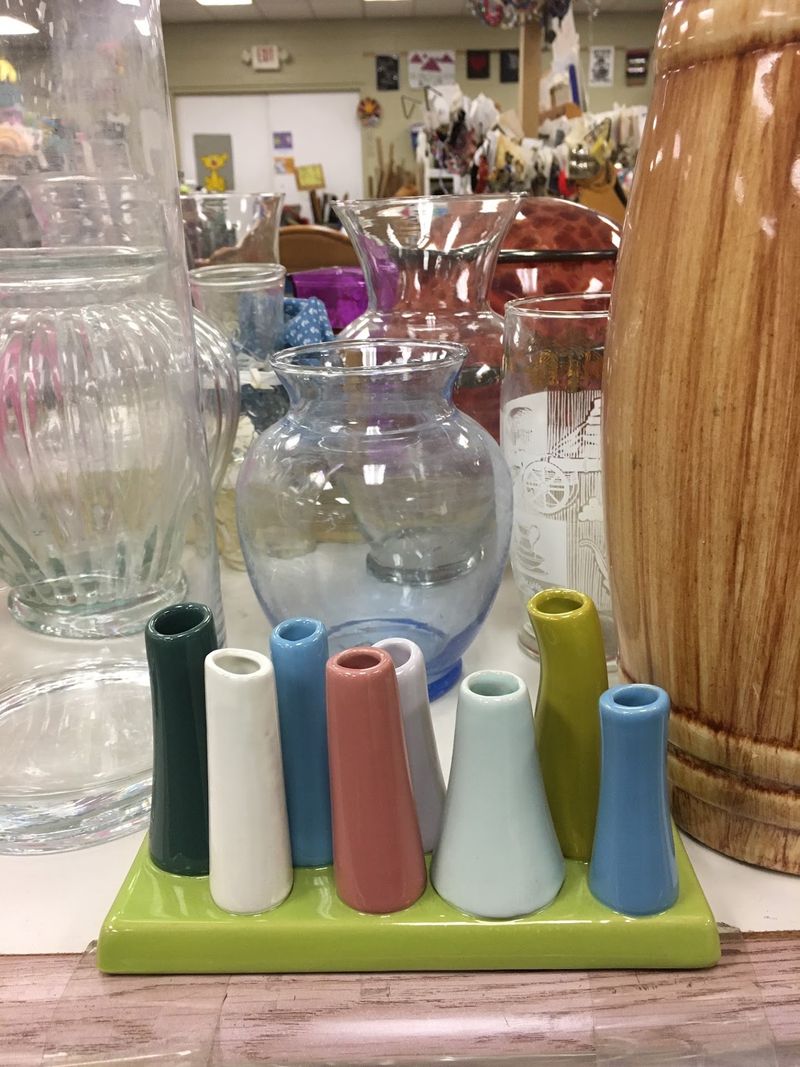
Some people love to wander aisles for an hour. Others want a quick, focused trip.
The center offers options for both. The physical shop is open every day from 11 AM to 5 PM.
During the first hour, from 11 AM to noon, masks are required to create a safer space for everyone.
That mask hour is a thoughtful touch for immunocompromised shoppers. If you prefer not to mask, simply plan your visit after noon.
Private shopping appointments are another option. They work well for anyone wanting a calmer visit or with specific accessibility needs.
Can’t make it in person? The online store stays open around the clock.
Orders can be set up for curbside pickup, local delivery, or shipping across the United States.
That reach is pretty impressive for a single non-profit shop. Artists outside Pennsylvania can still snag a few treasures.
I believe the variety of options shows real care for shoppers. Whether you browse slowly, shop privately, or click from your couch, there’s a way to join in.
Two Reuse Spots Share One Handy Address
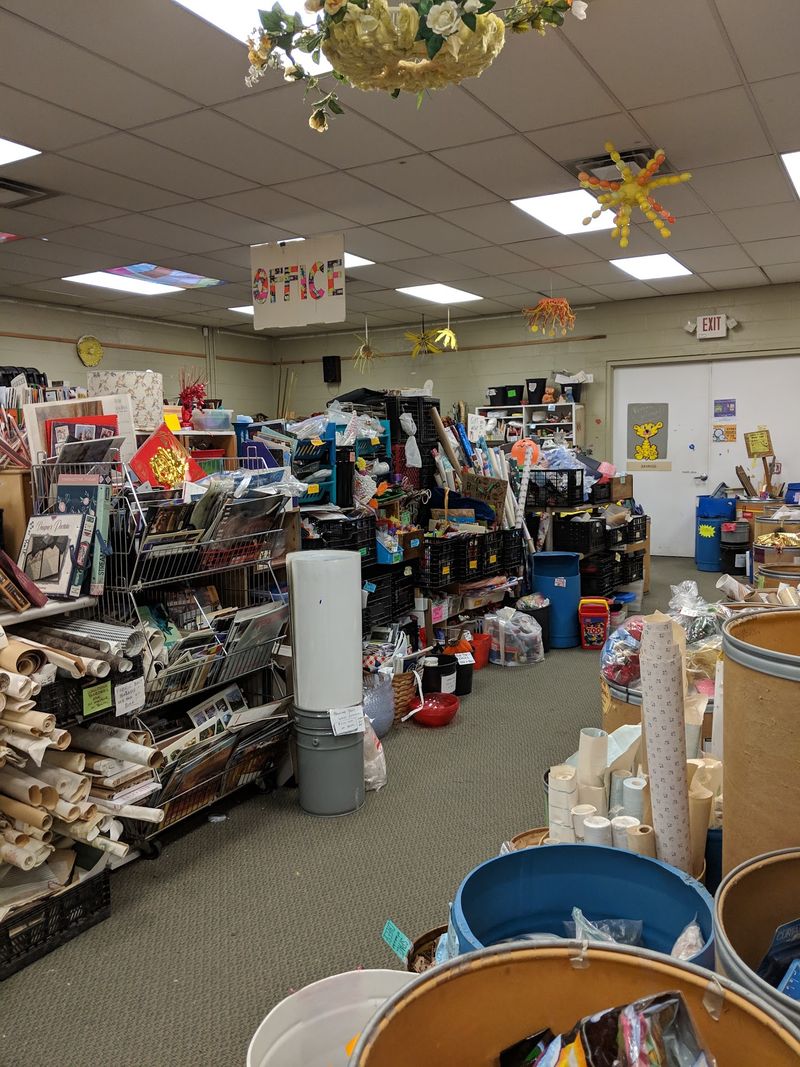
Location is a big bonus here. You’ll find the Pittsburgh Center for Creative Reuse at 214 N.
Lexington Street, Pittsburgh, PA 15208.
The shop sits where Wilkinsburg, Homewood, and Point Breeze meet. That puts it within easy reach for much of the East End.
Even better, it shares a building with Construction Junction. That non-profit salvages building materials, and the two have separate entrances.
This pairing makes for a fantastic outing. Grab small craft supplies at one spot, then hunt for doors, tiles, or lumber at the other.
A double dose of reuse in one trip.
Artists working on larger installations will love this setup. Small details and big building pieces are just steps apart.
Give yourself plenty of time for both places. Browsing two reuse shops back to back can easily fill an afternoon.
I can’t imagine a more convenient combo for makers in Pennsylvania. It turns a simple supply run into a mini adventure.
Just make sure your car has room for whatever you can’t resist bringing home.
Small Purchases Add Up To A Big Community Impact
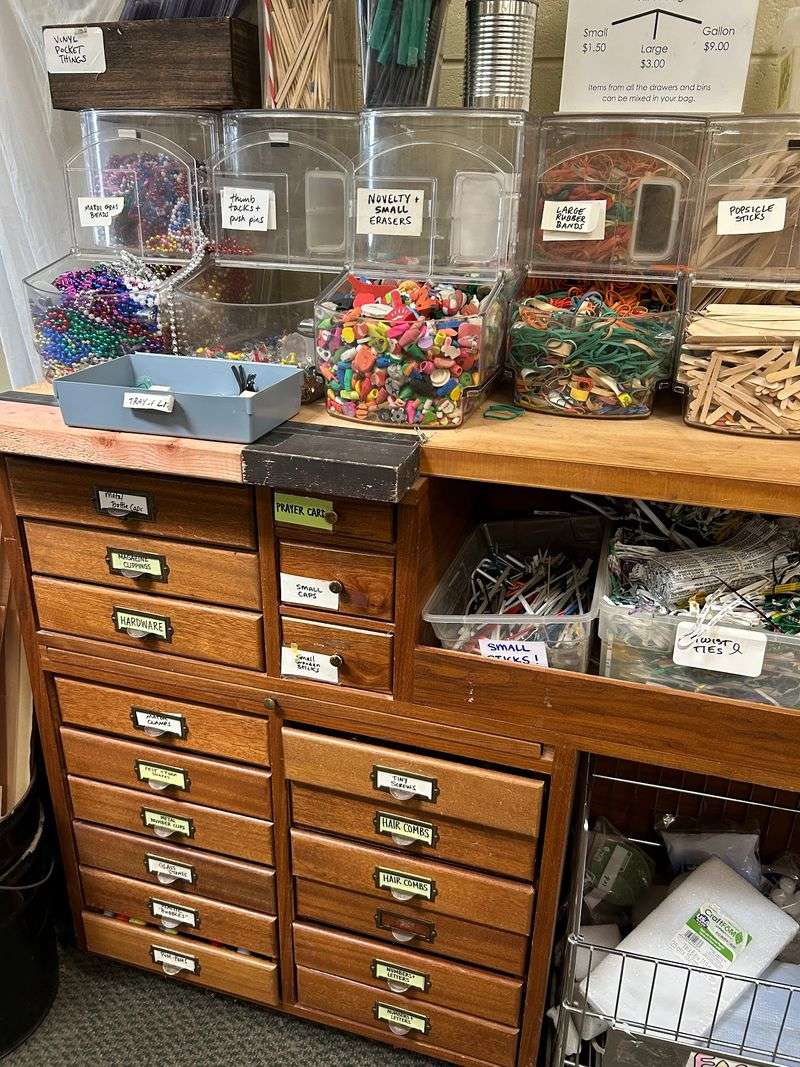
A bag of beads seems like a tiny purchase.
Multiply it across a whole community, though, and the picture changes.
Affordable materials lower the barrier for aspiring artists, educators, and curious beginners. More people get the chance to create, learn, and express themselves.
Teachers gain an especially useful resource. Classrooms often need supplies in large amounts, and reuse helps budgets go further.
The environmental side matters too. Each item that leaves the shop is diverted from the landfill, which supports a more sustainable way of creating.
Your shopping trip also supports a non-profit mission. Sales help keep programs, workshops, and community efforts going.
That’s a nice feeling to carry home with your finds. You’re not just buying stuff.
You’re helping keep a creative engine running.
I believe places like this make a city richer in quiet but meaningful ways. They connect donors, artists, kids, and teachers through shared materials.
So next time you’re near the East End, stop in. Your next masterpiece might be sitting in a bin right now, waiting for someone clever enough to notice it.