
This North Carolina Fishing Island Keeps A Centuries-Old Decoy-Carving Tradition Alive
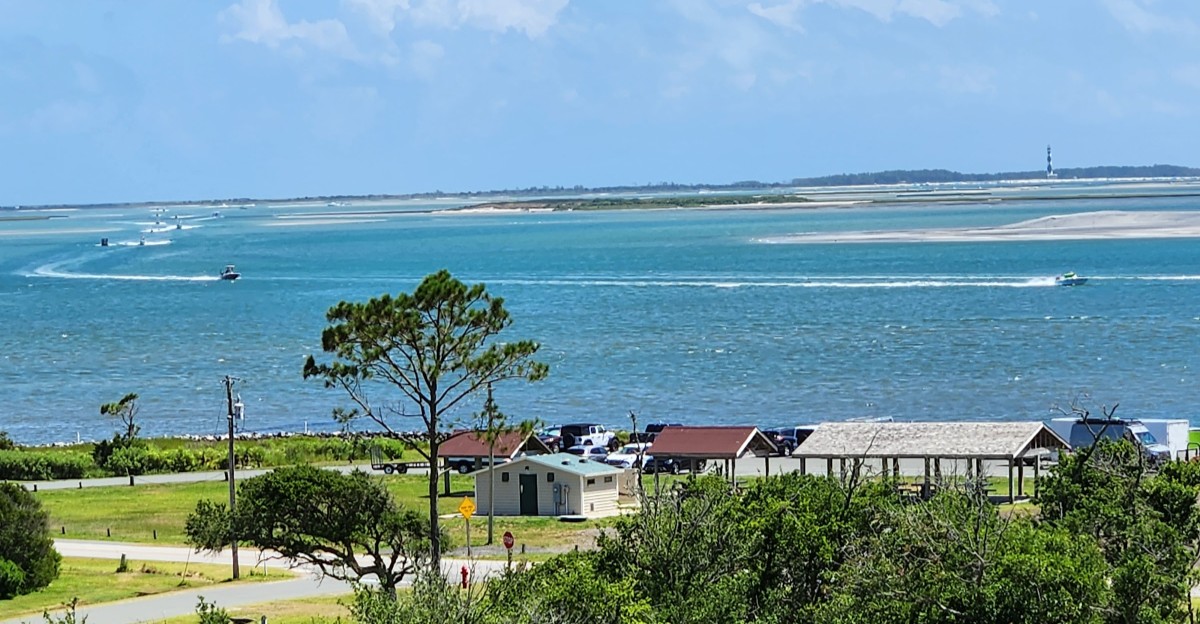
Every December, a tiny island throws a festival where the guests of honor are wooden ducks. Carvers line up their birds, collectors hunt for treasures, and the whole thing feels like a family reunion with feathers.
The road there ends at a museum built around those decoys. Folks on this island once carved them to help feed their families.
Now they carve them to keep a way of life from drifting out with the tide.
I like how a hunting tool turned into one of coastal North Carolina’s proudest art forms. Boatbuilders, fishermen, and their grandkids all share the same workbench tradition.
There’s also a lighthouse, wild horses, and a ferry dock nearby. Still, the real question is simple.
How does a community of about 1,100 people keep an old craft this alive?
A Museum Where Wooden Birds Tell The Whole Island Story
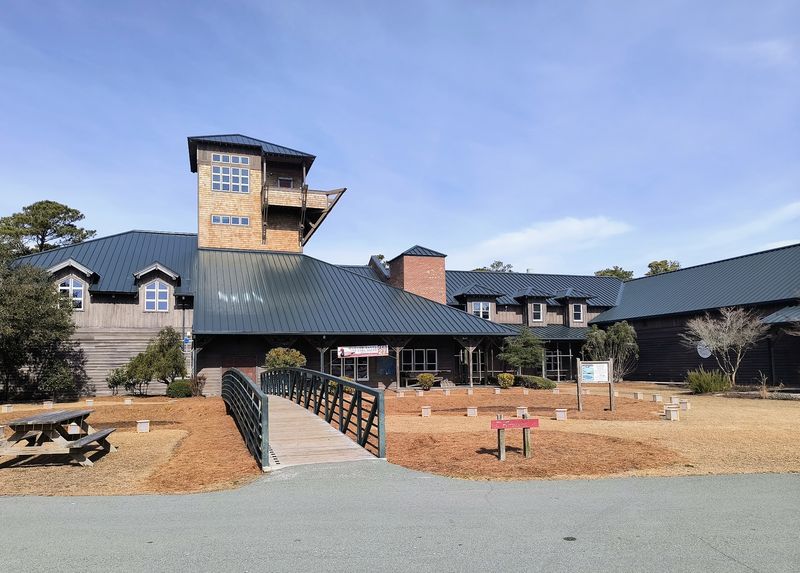
Start at the eastern end of the island, where the Core Sound Waterfowl Museum and Heritage Center sits beside the water. Harkers Island built its pride right into this place, and the decoys are the heart of it.
The museum celebrates the people of the Down East communities of Carteret County. Exhibits connect waterfowl, fishing, boatbuilding, and family life into one big local story.
Decoys here aren’t just pretty shelf pieces. Each one reflects how islanders worked the marshes and sounds for generations.
The museum also hosts carving demonstrations and community programs through the year. That means the tradition feels active, not frozen behind glass.
Families and local volunteers helped shape the collection. You’ll notice how personal the displays feel, almost like flipping through an island scrapbook.
Plan to take your time inside. Reading the labels and studying the paint work can easily fill a relaxed morning.
A walking trail on the grounds adds fresh air to the visit. Marsh views around the museum help explain why ducks mattered so much here in the first place.
Bring curiosity and a camera. You’ll leave knowing far more about Down East North Carolina than any brochure could share.
Carvers Turned Survival Gear Into Serious Folk Art
Long before anyone called them art, decoys were working tools. Hunters floated them on the water to lure ducks and geese close enough for a meal.
On Harkers Island, carving became a family skill passed from elders to kids. Many carvers learned by watching relatives shape blocks of wood at kitchen tables and shop benches.
Early decoys were built to last, not to impress. Their job was to bob convincingly in rough water and survive a whole season.
Over time, hunting laws and lifestyles changed. Island carvers kept going anyway, and their work grew more detailed and decorative.
Today, local decoys show up in collections and competitions. The best pieces capture the posture of a bird so well you half expect a quack.
Look closely at the shapes and paint patterns if you see them in person. Different carvers have their own styles, and fans can often spot a maker at a glance.
Fun fact for your next trivia night. The skills that shaped island decoys overlap with the skills that shaped island boats, since both reward careful hands and a good eye for curves.
That shared craftsmanship runs deep here.
December Brings A Decoy Festival Worth Bundling Up For
Most beach towns quiet down in winter. Harkers Island does the opposite and throws one of its biggest parties of the year in early December.
The Core Sound Decoy Festival gathers carvers, collectors, and curious visitors for a weekend of wooden birds. It has been a local tradition for decades, and it keeps the craft in the spotlight.
Expect displays, sales, and carving competitions. Some events focus on decoys, while others celebrate related skills like loon calling and duck calling.
Yes, people actually compete at sounding like waterfowl. Watching grown adults take it seriously is half the fun.
The festival also gives young carvers a stage. Seeing a kid show off a first decoy beside a veteran’s work says a lot about how traditions survive.
Dress in layers, because coastal December air can bite. Comfortable shoes help too, since you’ll want to roam every table.
Check the festival schedule before heading out, as dates and events can shift year to year. Showing up early gives you a better shot at browsing before the busiest stretch.
Honestly, few festivals let you shop for art and practice your best mallard impression on the same afternoon.
Boatbuilding Pride Floats Right Alongside The Decoys
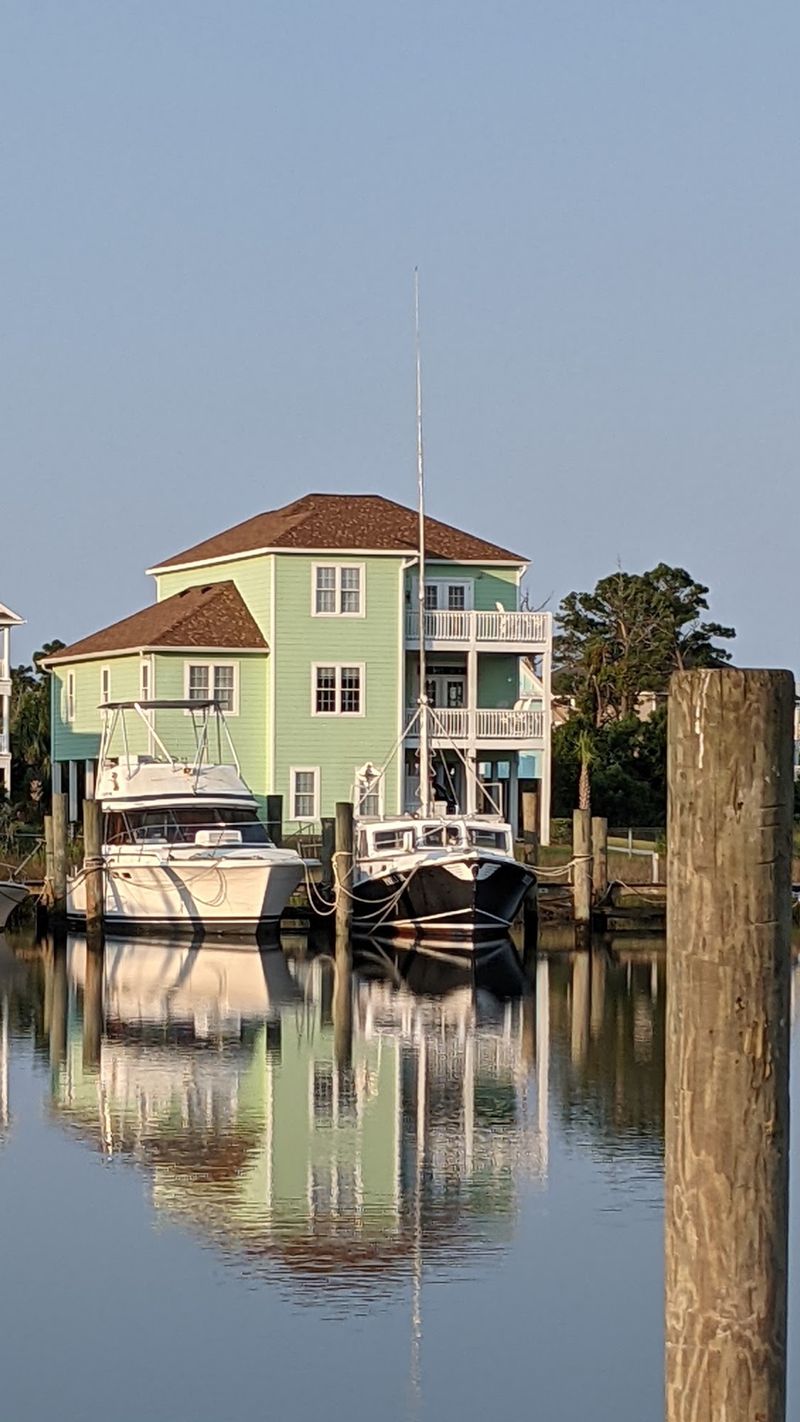
Ask about Harkers Island boats and you’ll hear one feature mentioned again and again. The flared bow, often called the Harkers Island flare, is a local signature.
Island builders crafted wooden fishing boats for generations. Many did it by eye, without detailed plans, trusting experience handed down through families.
That flared bow helped push water away in the choppy sounds. It also gave the boats a graceful look that people still admire.
Boatbuilding and decoy carving grew from the same working waterfront. Both crafts depended on local knowledge of wind, water, and wood.
Exhibits at the waterfowl museum help connect these traditions. You’ll come away seeing the island as a place shaped by builders as much as by fishermen.
Keep an eye out for working boats around the harbors. Even modern vessels can carry hints of that classic island style.
Photographers, take note. Boats resting near the shoreline make great shots, especially in softer morning or evening light.
For anyone who loves craftsmanship, this part of the island story feels inspiring. It’s proof that a small community can build a reputation one hull at a time.
Cape Lookout Is Waiting Just Across The Water
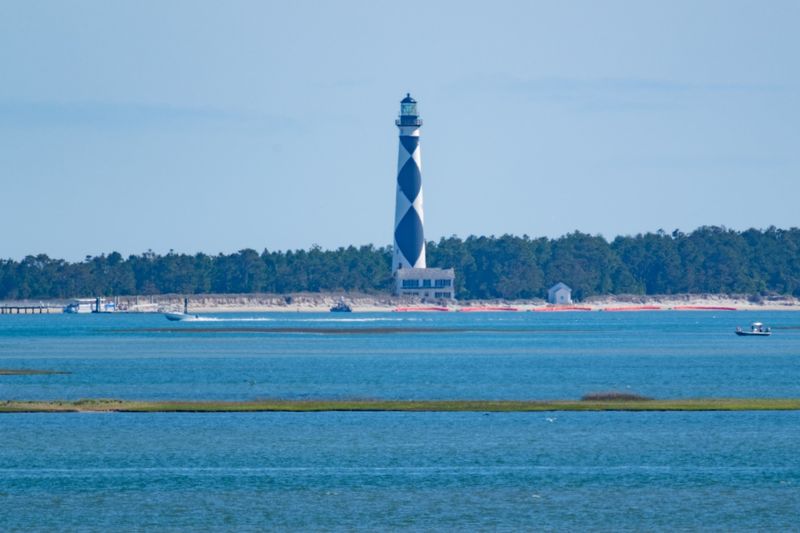
One ferry ride from Harkers Island leads to one of the most famous lighthouses in North Carolina. The black-and-white diamond pattern of Cape Lookout Lighthouse is hard to forget.
Cape Lookout National Seashore has a visitor center on the island at the end of Harkers Island Road. It’s a smart first stop for maps, exhibits, and ferry information.
Authorized ferries carry visitors to the lighthouse area and nearby beaches. The seashore itself is undeveloped, which means wide sand and lots of sky.
Pack water, snacks, and sun protection before you go. Services on the barrier islands are limited, so planning ahead really matters.
Cape Lookout Lighthouse is currently closed for climbing while restoration work continues. Visitors can still explore the surrounding grounds and enjoy views of the historic landmark.
Shell hunters often love these beaches. You might spend more time staring at your feet than at the horizon.
The trip also helps explain island life. Generations of Harkers Island families fished, hunted, and worked around these same waters and shores.
Seeing the lighthouse from the water makes that history feel close. It’s a postcard view you earn with a little adventure.
Wild Horses Add A Little Gallop To The Scenery
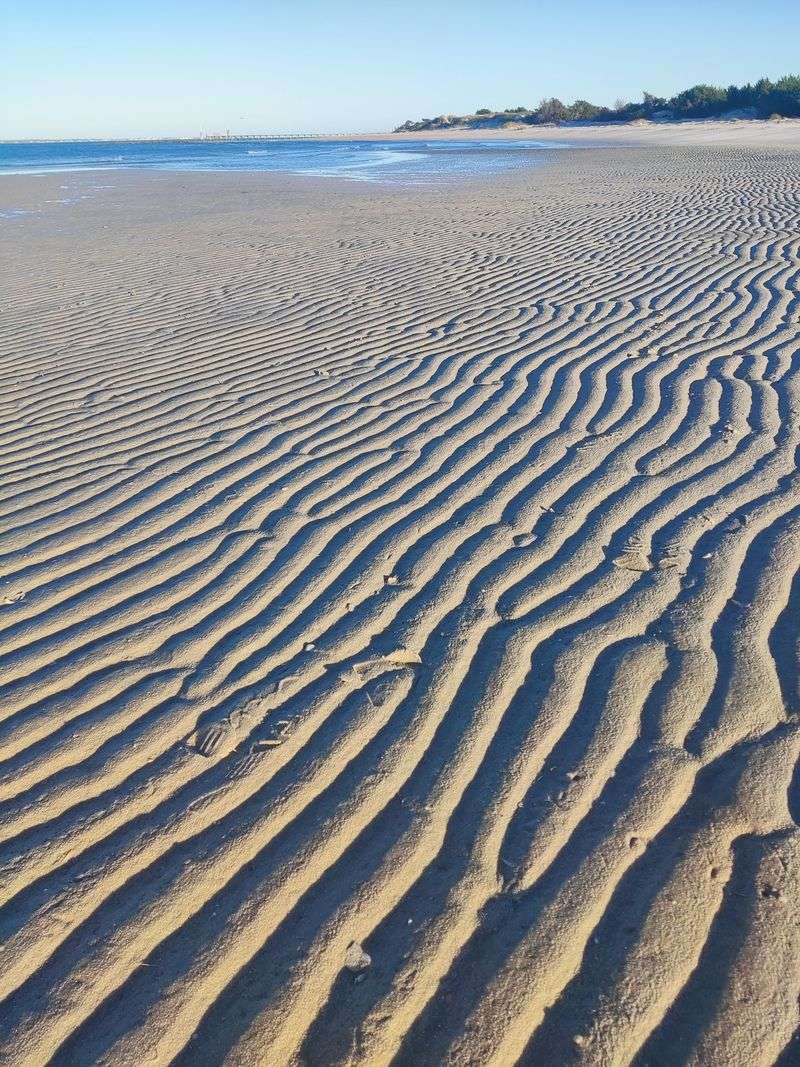
Ducks may rule the carving benches, but horses steal plenty of attention nearby. Shackleford Banks, part of Cape Lookout National Seashore, is home to a herd of wild horses.
Ferries serving the seashore can bring visitors to these banks. Spotting the horses grazing among dunes and marsh grass feels wonderfully untamed.
These animals are wild, so keep your distance. The park asks visitors to stay at least 50 feet away and never feed them.
Binoculars and a zoom lens are your best friends here. They let you enjoy the view without bothering anyone with hooves.
Bring the basics, including water, sunscreen, and bug spray. Marshy areas can attract insects, especially in warmer seasons.
Timing matters too. Ferry schedules vary by season, so plan your return ride before wandering too far down the beach.
Kids usually remember the horses long after the trip ends. Adults tend to get a little starry-eyed as well.
Pairing a horse-watching outing with a museum visit gives you a great mix. You get the island’s crafted heritage in the morning and its wild side in the afternoon.
Getting There Means Following The Road Until It Runs Out
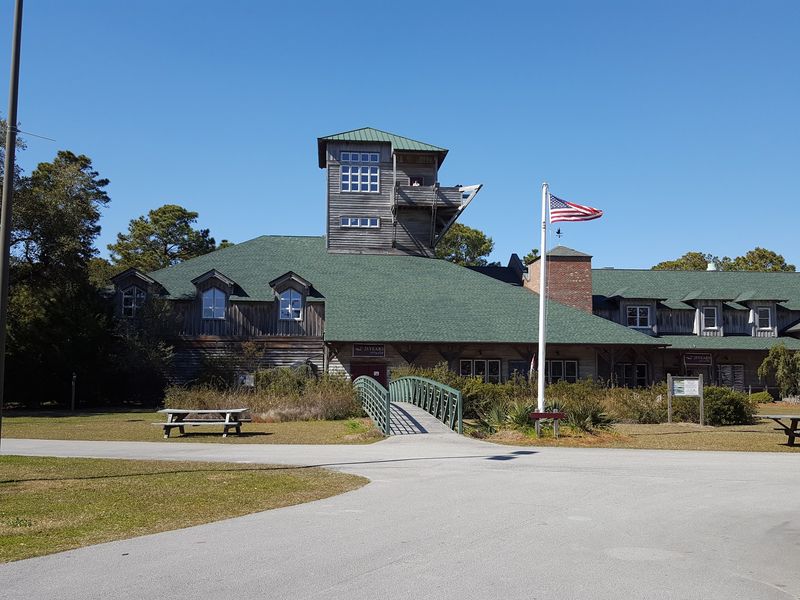
Finding the island is easier than you’d think. Harkers Island sits in Carteret County, NC 28531, and a bridge connects it to the mainland near Straits.
Drivers typically reach it by heading east from the Beaufort area along US 70. From there, Harkers Island Road carries you across the water and onto the island.
The drive itself sets the mood. Marsh, open water, and small Down East communities replace busy highways pretty quickly.
Harkers Island is unincorporated and gets many services from Carteret County. That small-community setup helps explain its close-knit feel.
Keep your expectations simple when it comes to shopping. This is a working island, not a strip of big-name stores, so stock up before arriving if needed.
Gas, snacks, and supplies are easier to grab on the mainland. Beaufort and Morehead City offer more options for lodging and errands.
Once you cross the bridge, slow down and enjoy it. Roads here are meant for easygoing travel, with water views popping up around many corners.
Following the road to its end lands you near the museum and the seashore visitor center. Not a bad finish line.
Island Accents And Family Names Carry The History Too
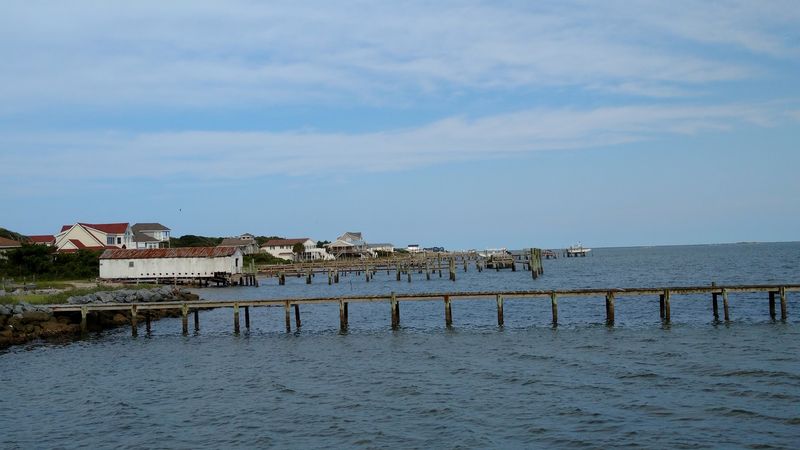
Wooden birds aren’t the only things passed down here. Down East communities are known for a distinctive coastal way of speaking that has caught the interest of language researchers.
Many island families trace their roots back generations on these shores. Those deep ties help explain why traditions like carving stuck around so long.
Another piece of the story dates to the turn of the 20th century. After devastating hurricanes struck in 1899, residents of Diamond City, a community on Shackleford Banks, began relocating to Harkers Island and other nearby communities.
Some families reportedly floated their houses across the water. That’s moving day on a whole different level.
The waterfowl museum gathers stories like these through exhibits and community memory projects. Listening to local voices adds warmth to the history.
When you visit, be respectful of the neighborhoods. Harkers Island is home first, and its residents are proud of their heritage.
A friendly hello goes a long way in small places. You may notice that life moves at an unhurried pace shaped by tides and weather.
Understanding the people makes the decoys mean more. Every carved bird reflects a community that held on to who it is.
Plan A Trip That Mixes Craft, Coast, And Calm
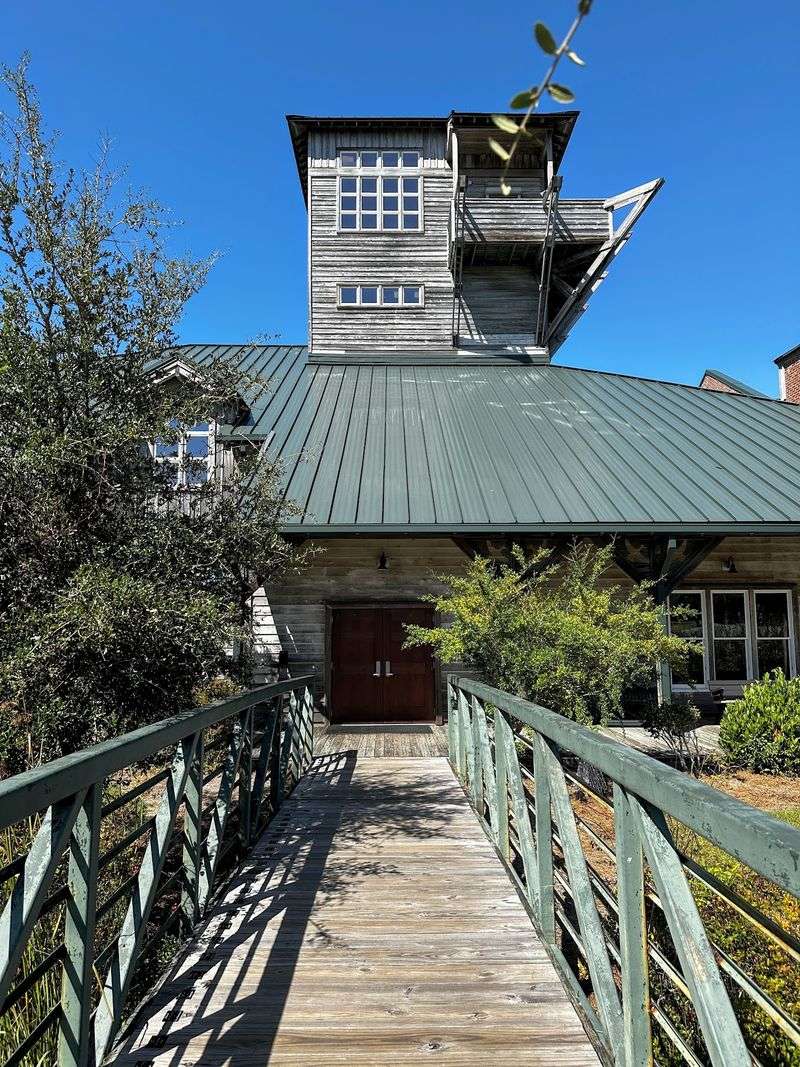
Short on time? A single day on Harkers Island can cover a surprising amount if you plan well.
Begin with the Core Sound Waterfowl Museum and Heritage Center to understand the island’s story. Then visit the Cape Lookout National Seashore visitor center for ferry details.
Spend the afternoon on the water, whether that means the lighthouse, Shackleford Banks, or simply a shoreline stroll. Sunsets over the sound make a lovely final chapter.
Timing your trip around December puts the decoy festival on your calendar. Warmer months bring easier beach days and opportunities to explore the Cape Lookout shoreline instead.
Shoulder seasons can be a sweet spot. Spring and fall often offer comfortable weather for exploring coastal North Carolina.
Check museum hours and ferry schedules before leaving home. Small operations can adjust times by season or weather.
Consider bringing home a carved decoy if you find one you love. Buying from local artists helps keep the tradition healthy for the next generation.
Harkers Island rewards visitors who slow down and pay attention. Leave with a full camera roll, a new respect for wooden ducks, and maybe a quack you can’t stop practicing.