
This North Dakota Heritage Village Feels Like Someone Saved A Whole Prairie Town
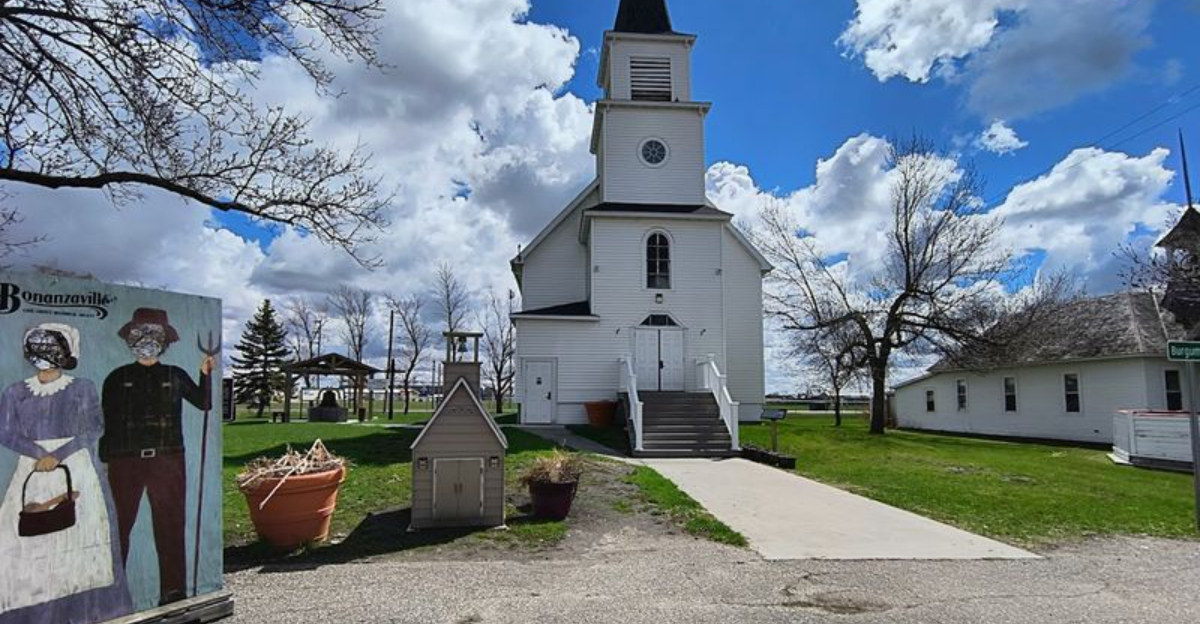
Ever wondered what it would feel like if a whole prairie town was frozen in time, just waiting for you to walk through it? That’s exactly the experience at this North Dakota heritage village, where the past isn’t just displayed.
It surrounds you. Inside this place, historic buildings, pioneer artifacts, and preserved stories recreate life on the prairie in a way that feels surprisingly real.
One moment you’re peeking into an old general store, the next you’re stepping through homesteads that tell stories of resilience, hard work, and community spirit.
It’s part museum, part time capsule, and fully immersive from the first step. So why does it feel like someone saved an entire town just for you to explore?
Because in a way, they did. And once you start wandering through its streets, it’s easy to forget what century you’re actually in.
The Tiny Building With A Wild Past
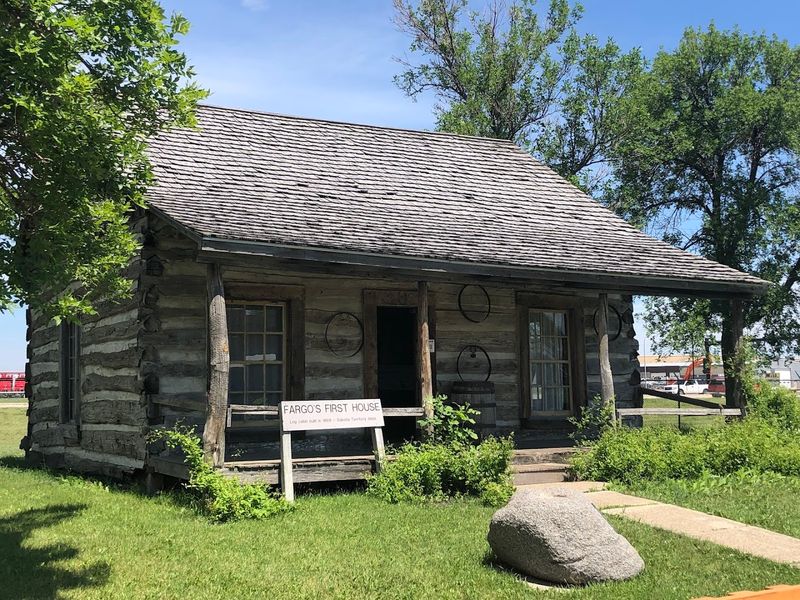
Before Fargo had skyscrapers, coffee shops, or even proper streets, it had this one tiny wooden house. Built in 1869, when Fargo was still mostly a collection of tents and ambition, this structure holds the title of the city’s very first permanent building.
That alone makes it worth stopping for.
What makes the story even better is that this little house also served as Fargo’s first jail. Yes, the same building where someone once slept was also where troublemakers got locked up.
It is a dual-purpose piece of history that says a lot about how scrappy early frontier life really was.
Restored in 1980, the house now stands at Bonanzaville as a quiet but powerful reminder of where it all began. It is small enough to overlook, but once you know its story, you cannot stop thinking about it.
There is something deeply moving about standing inside the oldest structure in a city that has grown so enormously around it.
This tiny house survived everything, and it is still here telling its story to anyone willing to listen.
The Pioneer Village Layout Itself Is The Main Character
Bonanzaville, USA is located at 1351 Main Ave W, West Fargo, ND 58078, and the moment you pull into the parking lot, you realize this place is bigger than it looks from the road.
Twelve acres of carefully arranged historic buildings stretch out in front of you like a small town that just decided to stay frozen in time.
It is genuinely disorienting in the best possible way.
The layout is not random. Buildings were relocated here starting in 1967, each one carefully chosen to represent a different slice of Red River Valley life.
Walking the paths between structures feels like flipping through a living history book, one where every page has its own smell, texture, and story.
Planning at least half a day here is a smart move, because rushing through would be doing it a disservice. The Pocketsights app even offers a self-guided walking tour with photos, videos, and detailed histories for each building.
That kind of depth transforms a casual visit into something that actually sticks with you long after you have driven home. Bonanzaville is not just a museum.
It is an entire world waiting to be explored at your own pace.
The Eagles Air Museum Hides A D-Day Legend Inside
Nobody expects to find a D-Day aircraft sitting quietly inside a prairie heritage village. And yet, here we are.
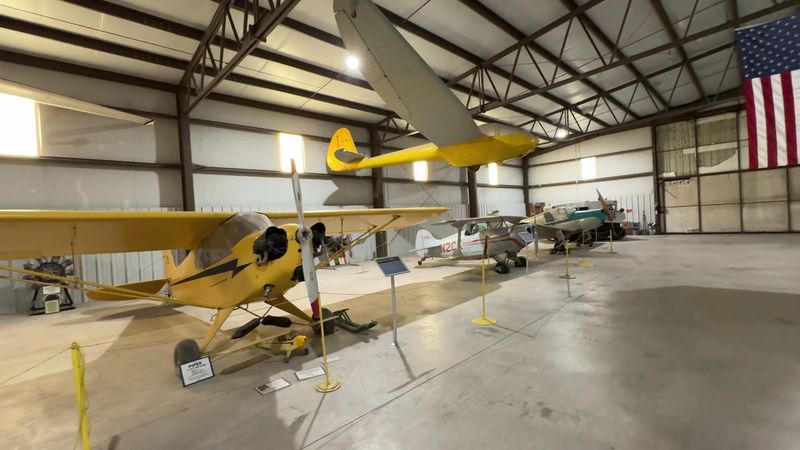
The Eagles Air Museum at Bonanzaville displays twenty aircraft spanning from 1911 all the way through the 1980s, and the collection is genuinely jaw-dropping for anyone who appreciates aviation history.
The showstopper is a Douglas C-47 that actually participated in the D-Day Invasion. After its wartime service, it went on to become North Dakota’s official Governors Plane.
That kind of resume is hard to top. Knowing that this aircraft flew over Normandy and then peacefully ferried state officials around the Northern Plains is the kind of historical twist that makes history feel alive.
The oldest piece in the collection is a 1911 Curtiss Pusher, which looks more like a flying bicycle than anything you would trust with your life.
But there it is, a genuine piece of early aviation history standing just a few feet away from you.
The Eagles Air Museum alone justifies the trip to Bonanzaville. It is the kind of surprise that reminds you why exploring places off the beaten path is always worth the detour.
The Dobrinz Schoolhouse Lets You Actually Write On The Chalkboard
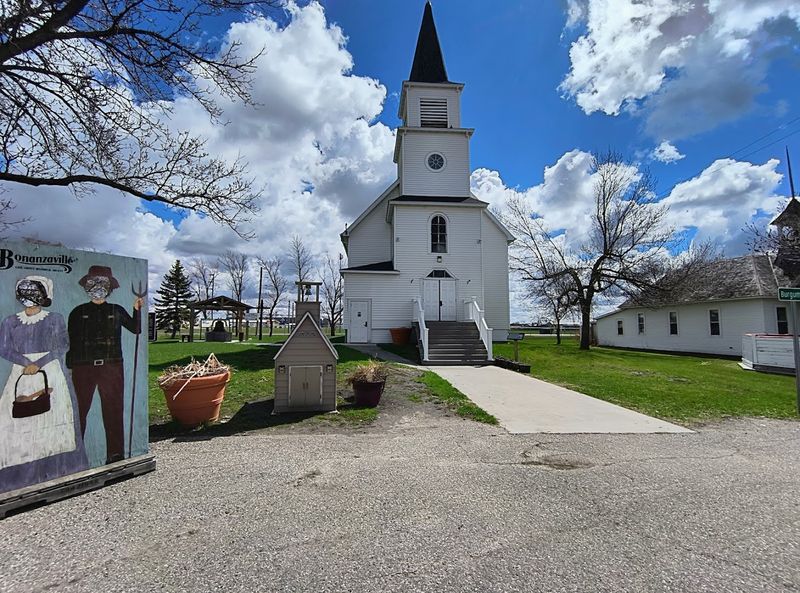
There is something almost magical about walking into a one-room schoolhouse and realizing you can actually pick up the chalk.
The Dobrinz Schoolhouse at Bonanzaville is not a hands-off exhibit behind velvet ropes. It is a fully interactive space where visitors are encouraged to sit at the old wooden desks and write on the chalkboard just like students did generations ago.
The room carries that specific kind of quiet that old classrooms always seem to hold. Wooden desks, worn smooth by decades of use, line the floor in neat rows.
The chalkboard at the front still looks ready for a lesson. It is one of those rare museum moments where the experience feels personal rather than performative.
For anyone who grew up watching Little House on the Prairie reruns on a Saturday morning, stepping into this schoolhouse hits differently. You start thinking about what it meant to walk miles through snow just to sit in this room and learn your letters.
The Dobrinz Schoolhouse does not just show you history. It puts you inside it, even if only for a few minutes, and that feeling is genuinely hard to shake.
The Mercantile Store Sells Actual Boiled Candy
A fully stocked general store from the 1800s is already a fascinating thing to walk through. The shelves lined with period goods, the wooden counters, the smell of old wood and history all around you.
But Bonanzaville’s Mercantile Store takes it one step further by letting visitors actually try boiled candy, the kind of sweet that frontier settlers would have considered a genuine treat.
It is such a small detail, but it completely changes the experience. Tasting something that people in the 1800s would have enjoyed creates a sensory connection that no amount of reading can replicate.
Suddenly the past feels less distant and more human.
The store itself is stocked to reflect what a real frontier general store would have carried, from dry goods to household supplies.
Walking through it gives you an immediate appreciation for how carefully curated and thoughtful daily life had to be when the nearest supply chain was a very long wagon ride away.
The Mercantile Store is the kind of exhibit that sneaks up on you. You walk in expecting to glance around and move on, and you end up spending twenty minutes completely absorbed in a world that ran on resourcefulness and community.
The Pioneer Telephone Museum Lets You Call Other Buildings
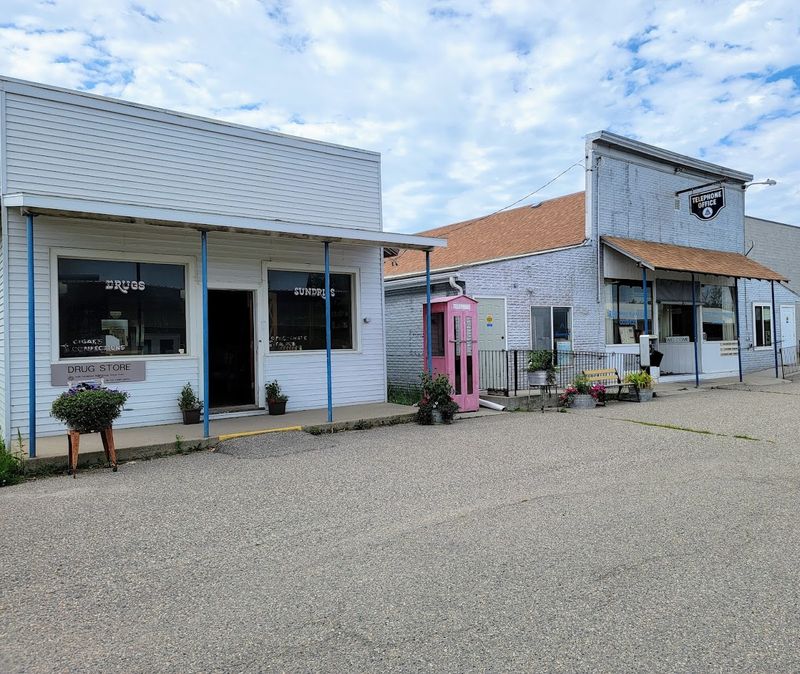
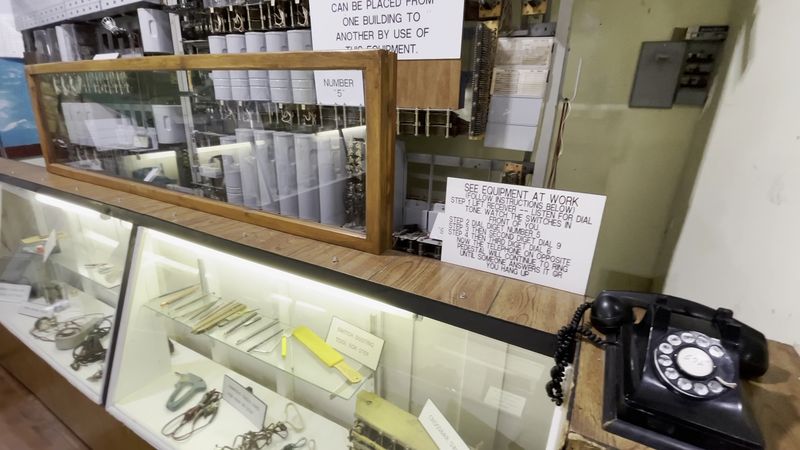
Forget smartphones. The Pioneer Telephone Museum at Bonanzaville offers something far more entertaining: the chance to operate actual antique telephones and make real calls between buildings on the property.
It sounds like a small thing until you are actually doing it, and then it becomes one of the most unexpectedly fun moments of the entire visit.
The museum traces the evolution of telecommunications in a way that feels genuinely engaging rather than dry or textbook-ish.
Seeing the physical progression from hand-cranked wooden box phones to early dial systems makes you realize just how fast communication technology moved during the early 1900s. Each device on display tells a story about how people stayed connected across vast prairie distances.
There is a particular joy in holding a heavy Bakelite receiver to your ear and hearing a voice crackle through from another building on the property.
It is the kind of hands-on moment that museums dream of creating. The Pioneer Telephone Museum proves that the most effective history lessons are the ones that let you participate rather than just observe.
Pick up the phone.
Someone on the other end of Bonanzaville is waiting to chat across a century of progress.
The Ellingsberg Carriage House Hides A Custom Wells Fargo Stagecoach
Horse-drawn vehicles have a romance to them that is hard to explain until you are standing right next to one.
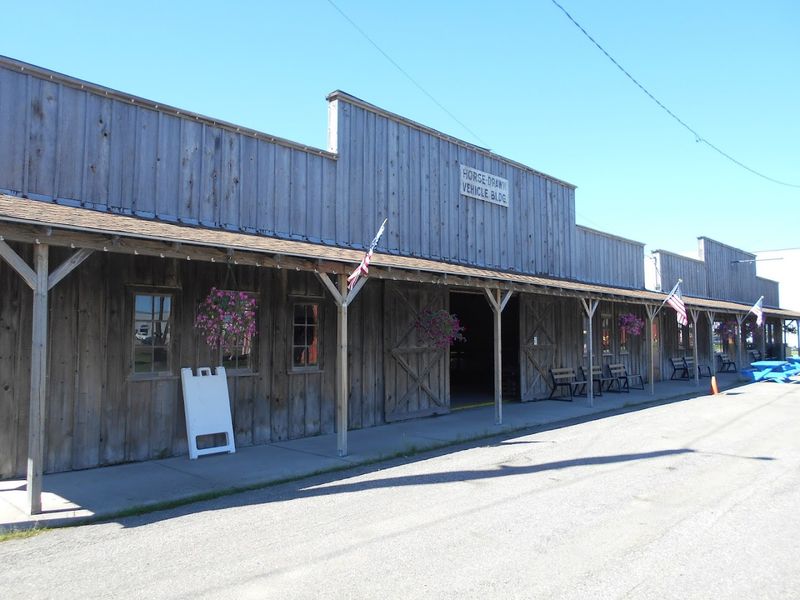
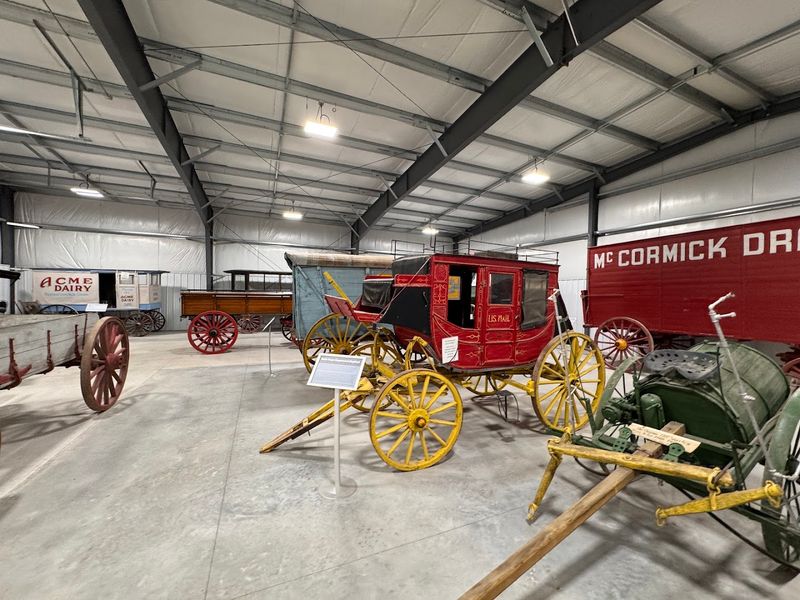
The Ellingsberg Carriage House at Bonanzaville holds a remarkable collection of buggies, sleighs, and horse-drawn equipment that paints a vivid picture of transportation before the combustion engine changed everything.
The crown jewel of the collection is a custom-made replica Wells Fargo stagecoach.
It is the kind of thing you have seen in a hundred Western films, but seeing one up close, understanding its actual scale and construction, makes you immediately respect both the craftsmanship and the sheer toughness required to ride in one across open prairie terrain.
The variety in the collection is what keeps you lingering longer than expected. Each vehicle served a different purpose, from elegant Sunday buggies to utilitarian work sleighs built for brutal North Dakota winters.
Together they tell the story of how communities stayed connected and how goods and people moved across the Red River Valley long before highways existed.
The Ellingsberg Carriage House is one of those exhibits that rewards slow looking. The more time you give it, the more details reveal themselves, and every detail has a story worth knowing.
Pioneer Days Is The Biggest Annual Event You Have Never Heard Of
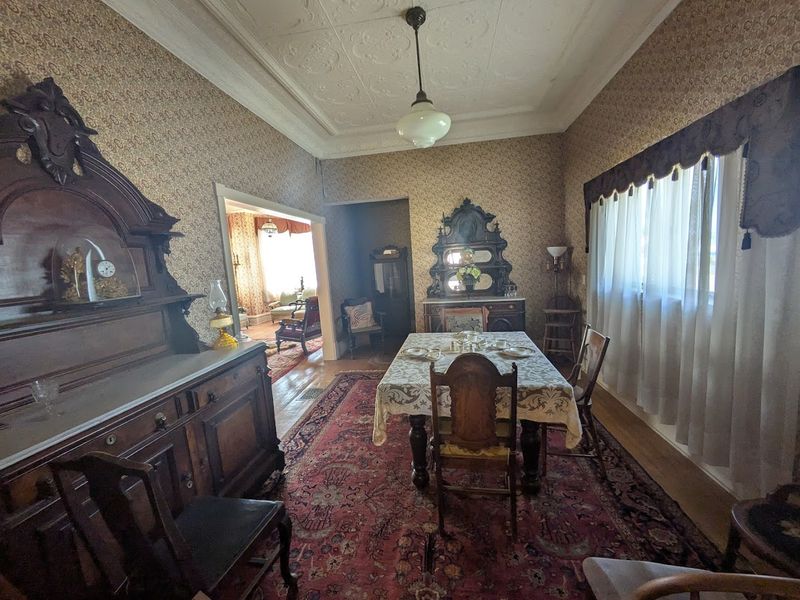
Every third weekend of August, Bonanzaville transforms into something even more alive than usual. Pioneer Days is the largest and longest-running annual event in the entire Fargo-Moorhead area, and somehow it still flies under the radar for a lot of people who would absolutely love it.
That is the kind of hidden gem energy that deserves way more conversation.
The event brings the village to life with live demonstrations, period activities, and an atmosphere that makes the whole place buzz with energy. It is one thing to walk through a preserved historic building.
It is another thing entirely to see that building operating the way it was originally intended, with people, sounds, and activity filling every corner.
Beyond Pioneer Days, Bonanzaville also hosts a July 4 Celebration, Christmas on the Prairie, and Ghost Tours for those who prefer their history with a little extra atmosphere.
The event calendar transforms the site from a seasonal museum into a year-round destination with something genuinely different to offer at every visit.
If you have been waiting for a reason to finally make the trip out to Bonanzaville, Pioneer Days is your answer. What kind of history lover are you if you have not put this on your calendar yet?