
This Off-The-Radar Louisiana Spot Might Just Top America’s Pizza Charts
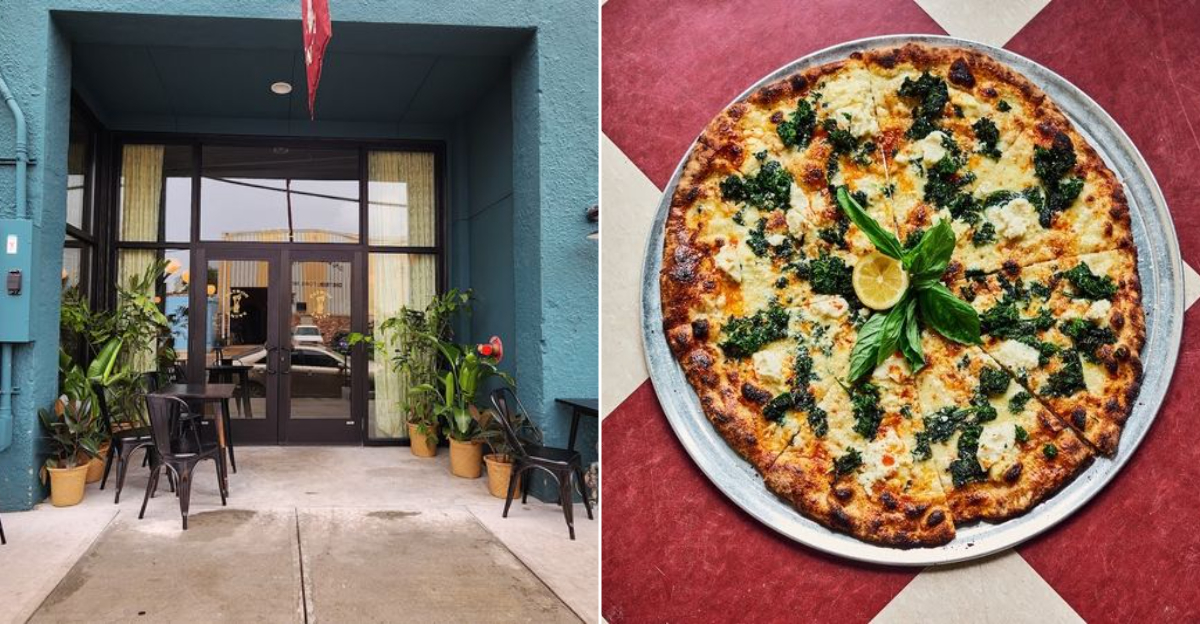
Pizza greatness usually comes with a lot of hype. Big cities, long lines, and endless debates about who does it best. So finding a seriously good pizza spot in Louisiana, quietly doing its thing without the national spotlight, felt like stumbling onto a delicious secret.
I showed up curious but cautious. After all, bold pizza claims are everywhere. But the moment that first pie hit the table, crispy crust, bubbling cheese, and the kind of aroma that makes everyone at the table suddenly very quiet, I knew this place wasn’t playing around.
Some spots chase trends. This one just focuses on doing pizza ridiculously well.
And somewhere between the first slice and the inevitable “okay, one more,” it started to feel like this hidden Louisiana gem might deserve a spot in the big national pizza conversation.
The East Coast Thin Crust That Started It All
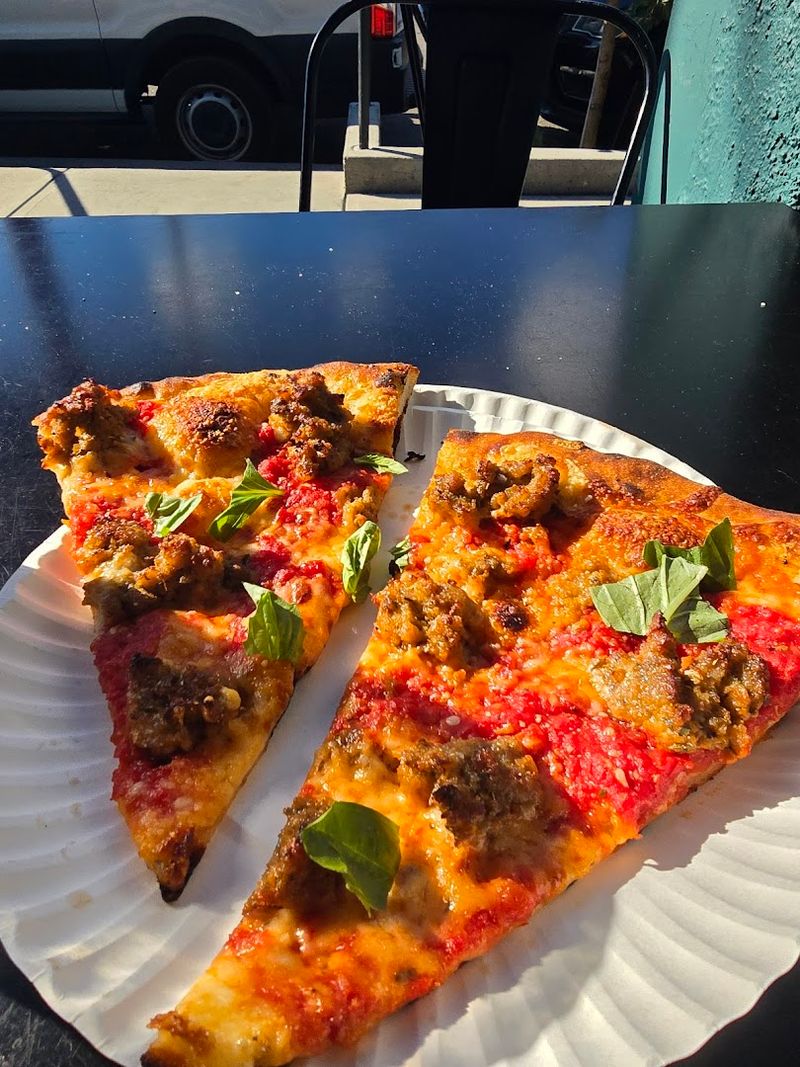
There’s a specific kind of crunch that a great thin-crust pizza makes when you fold it in half, and St. Pizza absolutely nails it. Growing up eating East Coast pizza, I had serious opinions about what a proper slice should feel like, and this place matched every single one of them.
The crust here isn’t cracker-thin or soggy in the middle. It hits that perfect sweet spot where the bottom is crisp, the edges are chewy, and every bite delivers structure without being stiff.
What really got me was how the dough tasted on its own. You could eat it plain and still feel satisfied.
That’s the sign of a kitchen that cares deeply about fundamentals.
The fermentation process behind the dough gives it a subtle tang that elevates every topping it carries. It’s the kind of base that makes the whole pizza sing rather than just serve as a vehicle for sauce and cheese.
East Coast pizza has a very specific soul to it, and transplanting that soul to New Orleans could have gone sideways in so many ways.
Humidity alone is enough to challenge any dough recipe. The fact that St. Pizza pulled it off so convincingly in their first year of operation is genuinely impressive.
Food critics don’t hand out New York Times recognition to just anyone, and after tasting this crust, I completely understood why they made an exception for this Louisiana gem.
The Magazine Street Find You Will Be Glad You Found
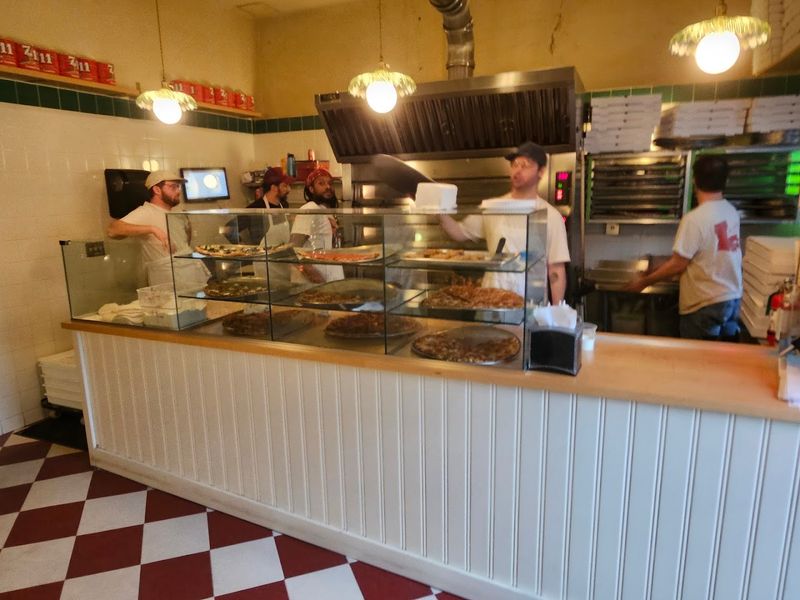
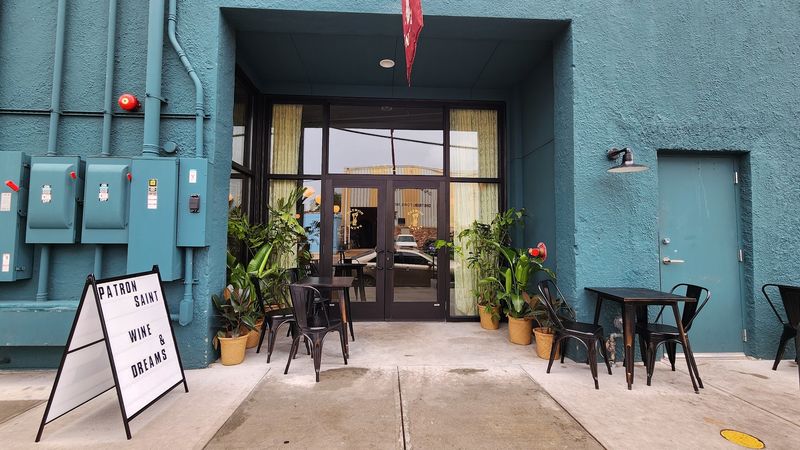
Sometimes the best food spots don’t announce themselves with flashy signs or massive social media campaigns. St. Pizza, located at 1152 Magazine Street in New Orleans, LA 70130, has that quietly confident energy where the food does all the talking.
I walked by it twice before I actually stopped, which feels embarrassing to admit now. The exterior is understated and inviting, tucked into a stretch of Magazine Street that already has no shortage of great places to eat.
Magazine Street has long been one of New Orleans’ most beloved corridors, filled with boutiques, cafes, and restaurants that feel genuinely local rather than tourist-facing. Sitting down inside St. Pizza felt like being let in on a secret that the whole city already knew except me.
The tavern-style atmosphere wrapped around me immediately, warm and casual without trying too hard to be anything other than what it was.
What struck me most was how the space matched the food in terms of intention. Nothing was overdone.
The layout felt thought-out, the lighting was flattering, and the whole vibe whispered, relax, you’re exactly where you need to be.
New Orleans has a way of making you feel at home faster than almost any other city, and St. Pizza captured that energy completely.
Finding this place felt less like stumbling onto a restaurant and more like discovering a neighborhood institution that had somehow existed forever.
The Upside Down Margherita That Rewired My Brain
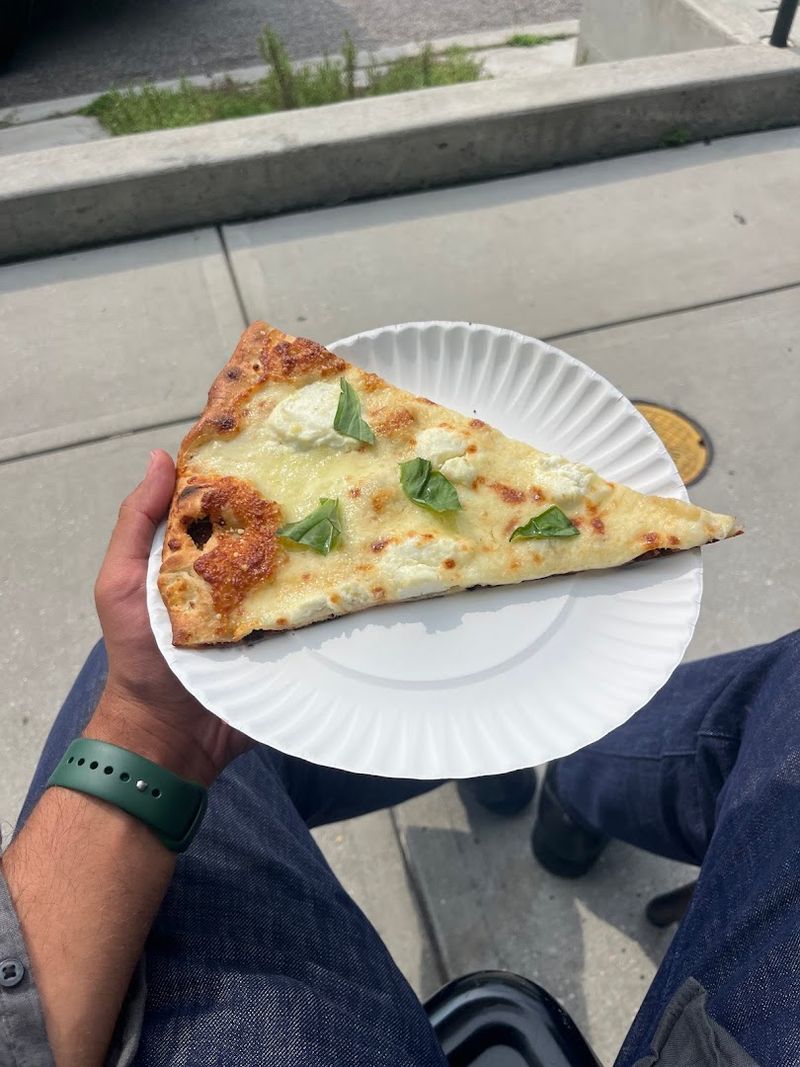
Whoever decided to flip the traditional Margherita upside down deserves some kind of culinary medal. When I first read the menu description, mozzarella, pecorino-parm blend, tomato sauce, basil, I thought it was a gimmick.
I ordered it anyway because I was curious, and what arrived at my table completely rearranged my understanding of what a Margherita pizza could be. Putting the cheese directly on the dough before the sauce creates this incredible caramelized layer that you simply cannot achieve the traditional way.
The pecorino-parm blend added a sharpness that cut through the richness of the mozzarella beautifully. Every bite had this layered complexity that made me slow down and actually pay attention, which is not something I normally do when eating pizza.
The basil on top stayed bright and fresh, adding a herbal pop that balanced the whole thing perfectly. It tasted like someone had taken a classic and quietly made it better without making a big fuss about it.
Margherita pizzas are everywhere, and most of them taste exactly the same. This one felt like a conversation rather than just a meal.
The cheese pull was dramatic in the best possible way, and the sauce had that clean, slightly sweet tomato flavor that reminded me of great pizza I had eaten years ago in Brooklyn.
St. Pizza managed to make something iconic feel completely new, and honestly that’s one of the hardest things to pull off in a kitchen.
The Bianca With Hot Honey That Broke the Internet (And Me)
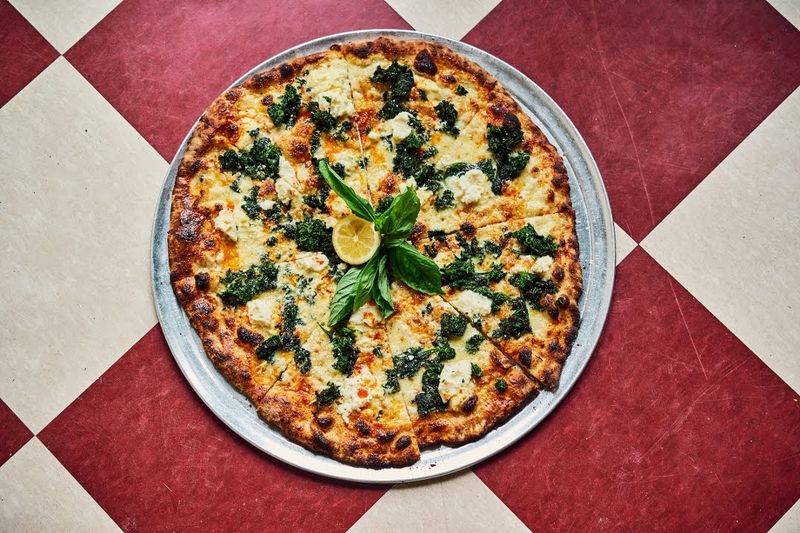
Hot honey on pizza sounds like something a food influencer invented on a dare, but the Bianca at St. Pizza made me a true believer. Roasted garlic, ricotta, mozzarella, olive oil, and basil form the base of this pizza, and it is already a knockout before the hot honey even enters the picture.
The ricotta is creamy without being heavy, and the roasted garlic adds this deep, sweet, mellow flavor that makes the whole thing taste incredibly sophisticated.
Then the hot honey hits. That drizzle of sweet heat transforms the Bianca from a great pizza into a genuinely unforgettable one.
The contrast between the cool creaminess of the ricotta and the warm, spicy sweetness of the honey creates a flavor dynamic that kept me going back for another slice even when I was already full. My brain was saying stop but my taste buds were absolutely overruling every rational thought.
Food critics specifically called out this pizza when reviewing St. Pizza, and after eating it I completely understood why. It’s the kind of dish that makes you want to describe it to everyone you know in exhaustive detail, which is exactly what I did for the rest of that trip.
The Bianca proves that white pizzas deserve just as much love and attention as their tomato-sauce-covered counterparts. If you visit St. Pizza and skip this one, I genuinely feel sorry for you and your taste buds.
Pepperoni Done Properly With Thick-Cut Cupping Glory
Pepperoni pizza is the most ordered pizza in America, which means it’s also the most disappointing when done lazily. Flat, greasy, forgettable pepperoni slices are everywhere, and most people have just accepted that as the standard.
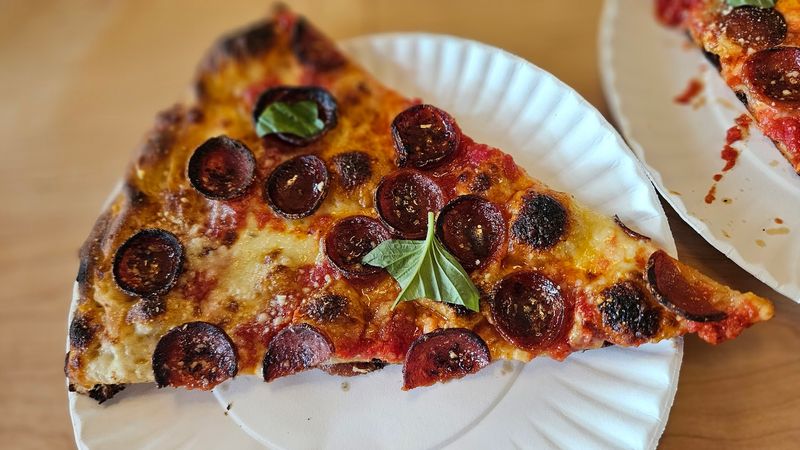
St. Pizza refused to accept that standard, and the thick-cut cupping pepperoni they use is living proof that one ingredient decision can change everything about a pizza.
Cupping pepperoni curls up at the edges during baking and creates these little crispy cups that collect the rendered fat and turn slightly caramelized at the tips. The result is a pepperoni experience that has texture, depth, and an almost addictive quality that regular flat pepperoni simply cannot match.
I picked off one of those curled pieces and ate it on its own just to confirm what my brain was already telling me, and yes, it was as good as I suspected.
The mozzarella underneath was melted perfectly, creamy and stretchy without being rubbery, and the tomato sauce had that bright acidity that kept the whole pizza from feeling too heavy.
Every component worked in harmony, which sounds simple but is actually incredibly hard to achieve consistently.
Italian-American Classics That Deserve Their Own Spotlight
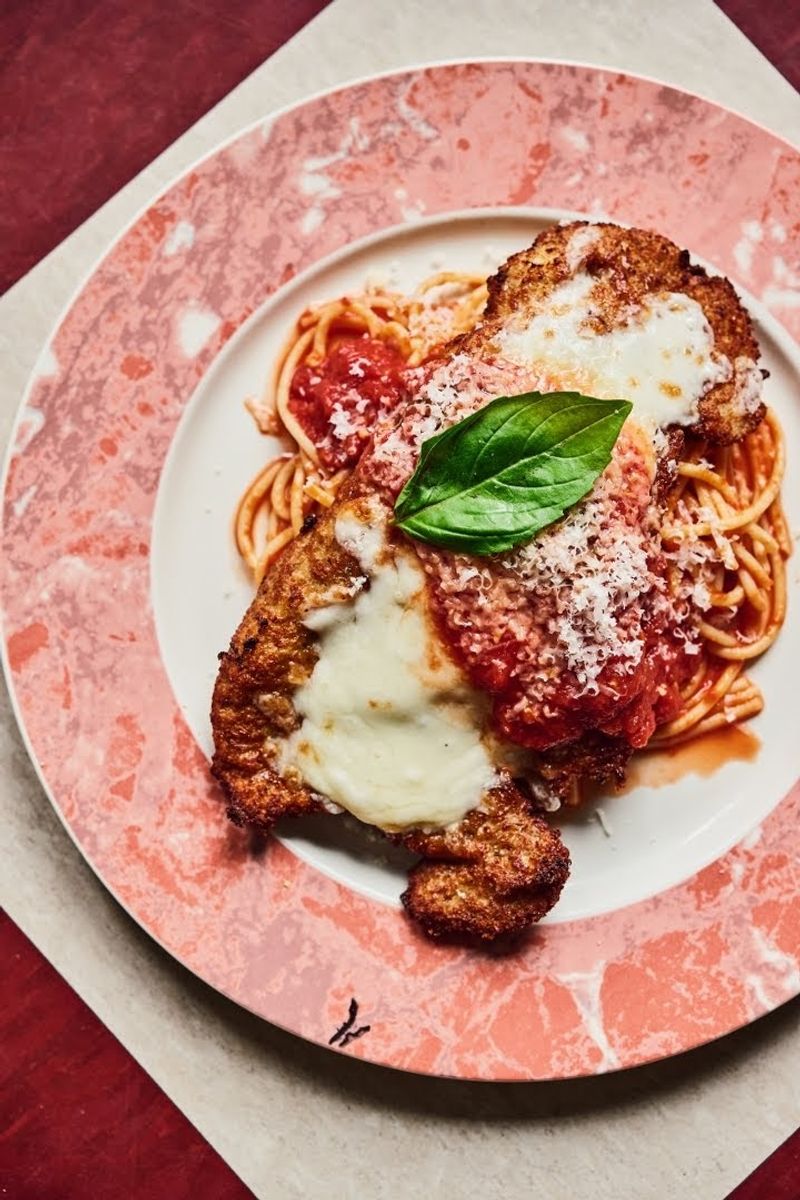
Pizza gets all the glory at St. Pizza, which makes complete sense given the name, but walking past the rest of the menu without paying attention would be a genuine mistake. The Italian-American classics here, chicken parmesan, eggplant parmesan, sausage rigatoni, and meatballs, are not afterthoughts.
They feel like they belong to the same kitchen philosophy that produces those incredible pizzas, which is to say they are made with care, precision, and real flavor.
I ordered the chicken parmesan almost as a side experiment, fully expecting the pizza to outshine it by miles.
The chicken arrived golden and crispy, covered in marinara that had the same brightness as the pizza sauce, and topped with melted mozzarella that bubbled at the edges. It was the kind of chicken parm that makes you close your eyes for a second after the first bite, not out of drama but out of genuine appreciation.
The meatballs also earned their place at the table, dense and herb-forward with a texture that sat somewhere between rustic and refined. Dessert followed with tiramisu that had a coffee punch strong enough to reset my entire palate.
St. Pizza built a full Italian-American dining experience around its pizza without letting the supporting cast feel secondary. The whole menu functions like a greatest hits album where every track earns its place, and leaving without sampling beyond the pizza would mean missing out on half the story.
This New Orleans Spot Is New, But It Already Feels Legendary
Making a national best list in your first year of operation is not a common story. Most restaurants spend years quietly building a reputation before the wider food world takes notice.
St. Pizza skipped that slow climb entirely and landed on The New York Times list of the 22 best pizzerias in the United States just months after opening, which is the kind of recognition that changes a restaurant’s trajectory permanently.
What makes this achievement feel even more remarkable is the context. New Orleans is not historically considered a pizza city.
It has its own deeply rooted food culture that is fiercely beloved and endlessly celebrated.
Breaking through in a city with that kind of culinary identity takes more than a good product. It takes a product that feels genuinely necessary, like something the city didn’t know it was missing until it suddenly appeared.
St. Pizza accomplished exactly that. It brought a style of pizza, East Coast thin crust with Italian-American soul, and executed it at a level that earned respect from both New Orleans food lovers and national critics simultaneously.
That’s a tightrope walk that very few restaurants manage. I left that meal feeling the specific kind of happy that only great food can produce, the kind where you’re already planning your return visit before you’ve even finished paying.
If you find yourself anywhere near New Orleans, Louisiana and you haven’t made a reservation yet, what exactly are you waiting for?