
This Offbeat Colorado Museum Is Drawing Record Crowds In 2026
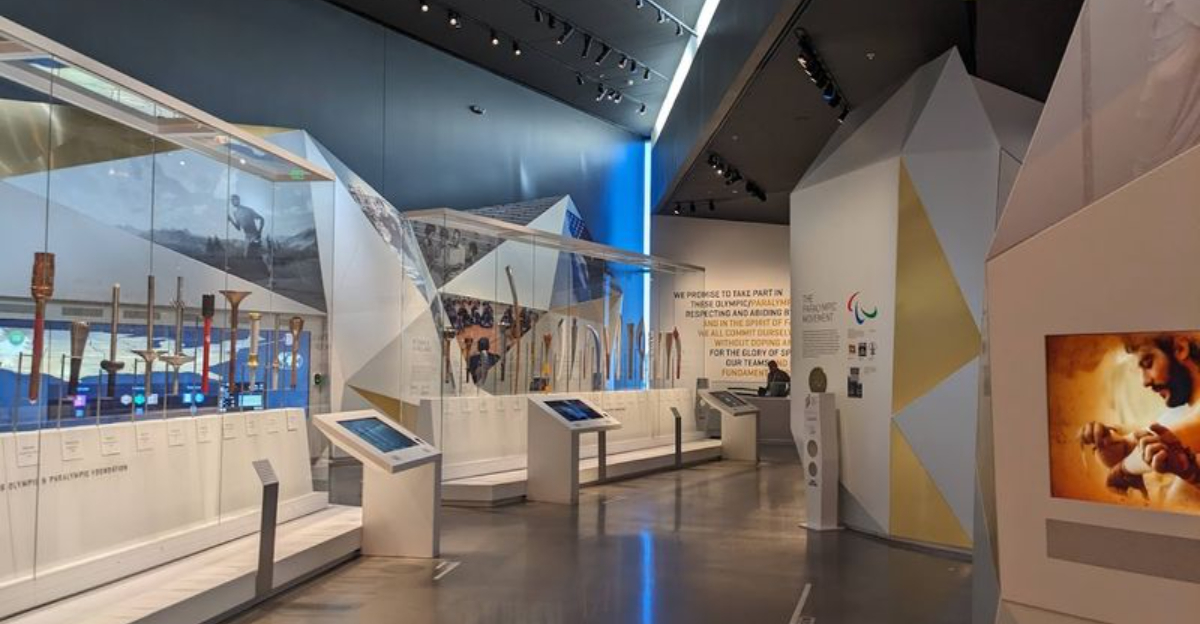
Colorado Springs knows how to catch people off guard, and this standout spot at 200 S. Sierra Madre Street is doing it with style in 2026.
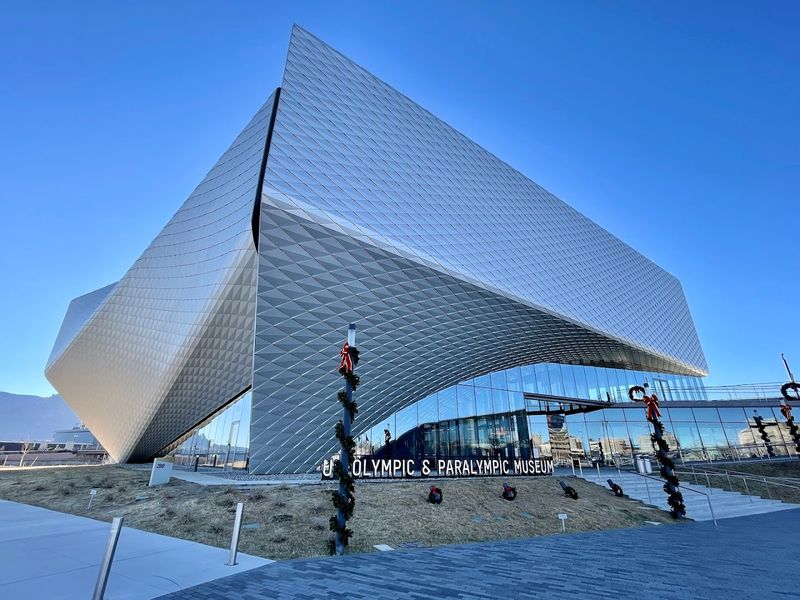
From the outside, it looks bold, dramatic, and almost mysterious, like a building daring you to guess what is waiting inside. Step through the doors, though, and the whole experience opens up into something brilliantly designed, surprisingly immersive, and far more memorable than a simple walk-through.
Visitors arrive expecting a quick stop, then look up hours later wondering where the time disappeared. Galleries unfold with the kind of rhythm that keeps curiosity fully switched on, pulling people from one display to the next with zero chance of boredom.
Somewhere between the striking design and the unexpectedly energizing exhibits, people leave inspired, animated, and maybe a little tempted to try archery themselves. In Colorado, that rare mix of beauty, momentum, and genuine discovery is exactly what keeps people coming back eagerly.
A Building That Tells the Story Before You Even Walk In
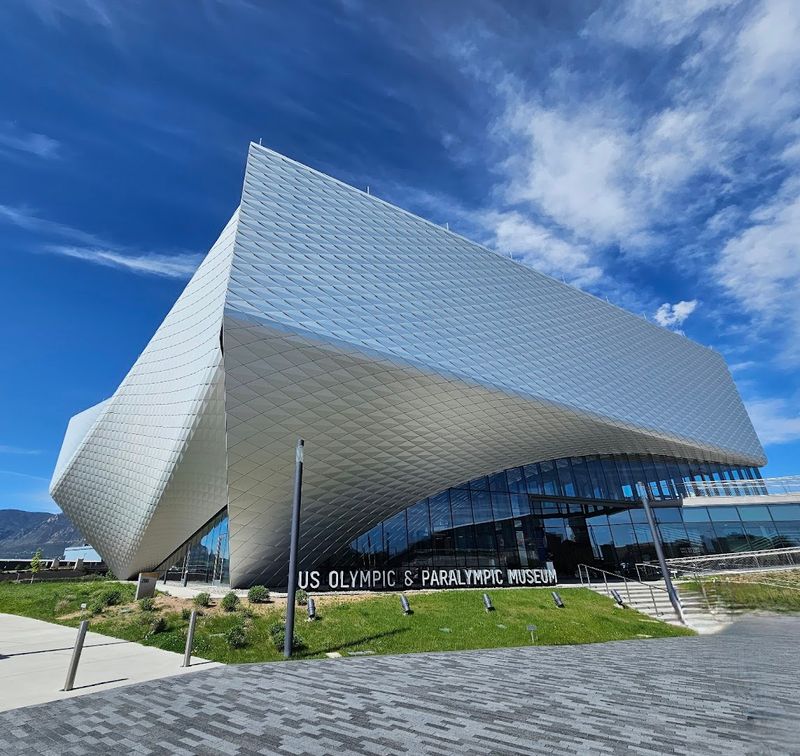
There are buildings you walk past and buildings that stop you mid-stride. This place falls firmly into the second category.
The structure itself was designed with intentional meaning baked into every curve and angle, and if you catch a staff member willing to explain the architectural details, clear your schedule because the story runs deep.
Visitors who take a moment to ask about the design often say it reframed their entire visit. The building is not just a container for exhibits; it is part of the exhibit.
That distinction matters more than it sounds.
Insider Tip: Ask a volunteer or staff member to walk you through the significance of the architectural details before you head inside. It adds a layer to the experience that most visitors miss entirely.
Striking modern exterior worth photographing before entry. Architecture intentionally connected to the Olympic and Paralympic story.
Knowledgeable staff available to explain design significance. Great views from the upper levels and elevator.
Best For: Architecture enthusiasts, curious first-timers, and anyone who appreciates when form and function actually agree with each other.
The Interactive Exhibits That Actually Work Up a Sweat
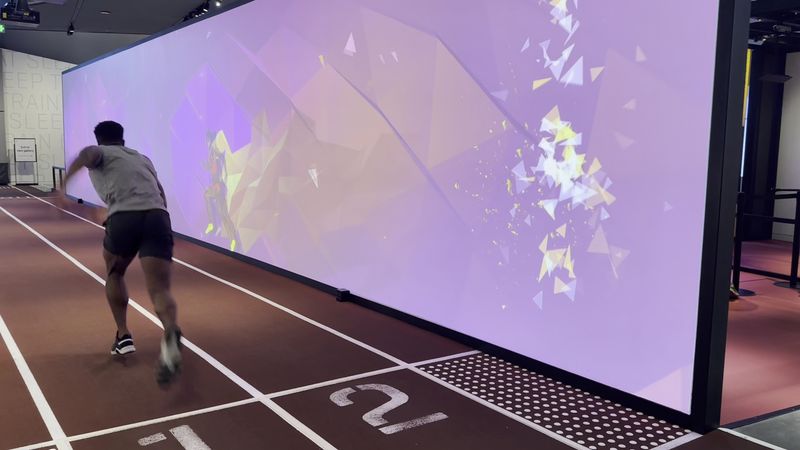
Most museum interactives are the kind you tap twice, lose interest in, and quietly move past. The simulators at the U.S.
Olympic & Paralympic Museum in Colorado are a different situation entirely. You can test your skills in archery, running, bobsledding, skiing, and more, and the museum sends a personalized email recap of your results so you have documented proof of either your hidden athletic talent or your spectacular lack of it.
The no-touch AI movement detection screens add a genuinely futuristic feel that does not come across as gimmicky. It is the kind of technology that makes you forget you are in a museum and start wondering if you missed your calling as a competitive bobsledder.
Quick Tip: Use a real email address when setting up your museum profile at the start of your visit. The personalized recap they send afterward is a fun keepsake and a great conversation starter.
Sport simulators for archery, running, skiing, and bobsledding. AI movement detection screens throughout.
Personalized results emailed after your visit. Customizable experience based on your sport interests.
Who This Is For: Competitive families, kids who need to move, and any adult who has ever quietly wondered how fast they could actually run.
The Complete Collection of Olympic Torches That Stops People Cold
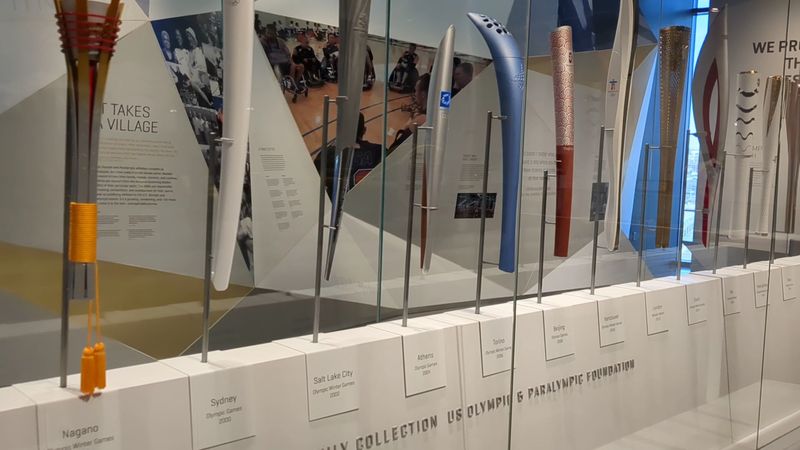
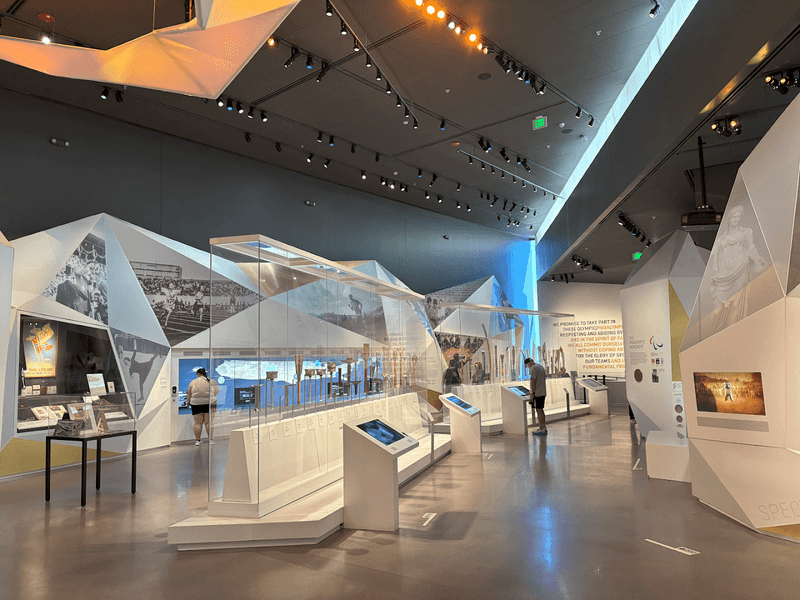
There is something almost ceremonial about standing in front of a complete set of Olympic torches spanning decades of history. Each one is a different shape, a different material, a different era, and somehow the collection as a whole hits harder than any single artifact.
It is the kind of display that makes you reach for your phone and then immediately put it away because no photo is going to do it justice.
The torches are just one piece of a broader memorabilia collection that includes medals, photographs, and historical artifacts from over 125 years of Olympic and Paralympic history. Visitors consistently call it one of the most impressive collections they have encountered anywhere.
Fun Fact: One visitor described this collection as many orders of magnitude better than the official Olympic Museum in Lausanne, Switzerland, which is a bold claim and, based on the crowd response, not an unpopular one.
Complete set of Olympic torches from across decades. Extensive medal and photograph collections.
Over 125 years of Olympic and Paralympic history represented. Includes the Miracle on Ice scoreboard.
Best Strategy: Slow down at this section. Rushing past the torch collection is the museum equivalent of skimming a great novel.
The Spiral Layout That Makes Navigation Feel Like Part of the Experience
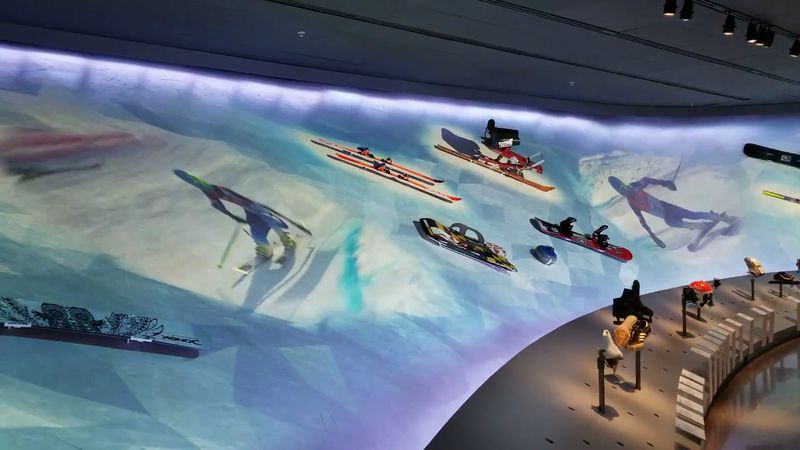
Getting lost in a museum is usually a sign of poor planning, not good design. Here, the layout flips that entirely.
The museum starts on an upper floor and winds downward in a spiral, so visitors always know where they are and where they are headed next. Summer games on the third floor, winter games on the second, and the Team USA film to close things out at the end.
It sounds simple, but the effect is surprisingly satisfying. There is no backtracking, no second-guessing whether you missed a gallery, and no standing in a hallway trying to decode a floor map the size of a parking permit.
Planning Advice: Budget at least two to three hours for a thorough visit. Multiple visitors have noted that an hour and a half is not enough, and arriving close to the 5 PM closing time is a genuine regret waiting to happen.
Intuitive spiral layout from upper to lower floors. Summer games: third floor; winter games: second floor.
Clear path eliminates backtracking and navigation confusion. Museum closes at 5 PM daily except Tuesdays.
Common Mistakes to Avoid: Arriving late in the day or skipping the final film because you are running short on time.
The Team USA Film That Closes the Visit on a High Note
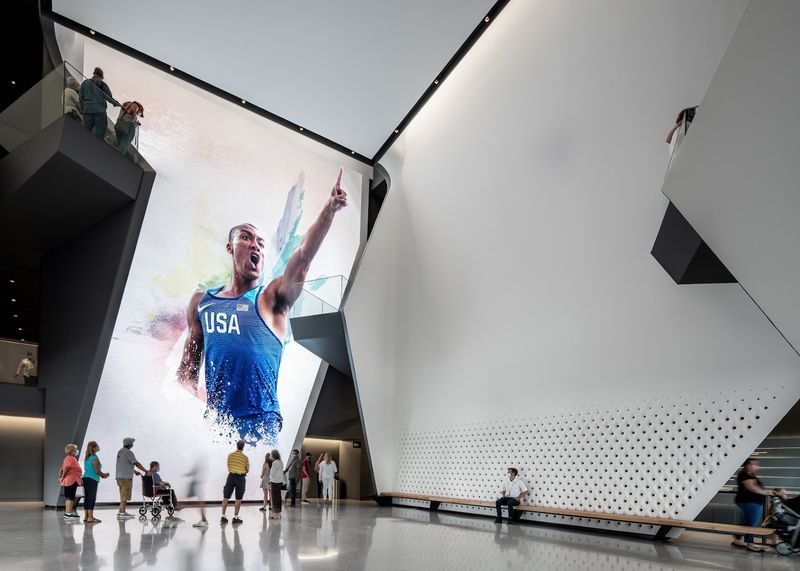
Eight minutes does not sound like much, but the Team USA film at the end of the museum tour has a habit of leaving grown adults unexpectedly emotional in a darkened theater. The athlete narrations are personal, the visuals are well-produced, and the whole thing lands with a sense of earned conclusion that a lot of full-length documentaries never quite manage.
It is the kind of short film you recommend to people the way you recommend a great restaurant, with just enough detail to intrigue them but not enough to spoil the moment. Do not skip it because you are tired or think you have already absorbed enough inspiration for one afternoon.
Why It Matters: The film reframes everything you just walked through. Exhibits that felt informative become personal, and athletes you read about on a placard suddenly feel like people you actually know something about.
Eight-minute Team USA film with athlete narrations. Shown at the end of the museum’s spiral path.
Described consistently as inspiring and emotionally resonant. Perfect closing note after a full museum experience.
Quick Verdict: The film alone is worth the visit. The fact that it comes after two-plus hours of genuinely excellent exhibits makes it feel like a proper finale.
Accessibility Features That Set a Genuine Standard
Museums talk about accessibility. This one actually builds it into the experience in ways that are worth calling out specifically.
Sign language videos appear in the corner of most display screens, the building is fully wheelchair accessible, and the spiral layout means there are no awkward detours or alternative routes that feel like an afterthought.
The badge-based profile system allows visitors to customize their experience based on the sports they care about most, which adds a layer of personalization that works for a wide range of ages and interests. It is the kind of thoughtful design that makes a place feel genuinely welcoming rather than just technically compliant.
Who This Is For: Families with members of varying mobility needs, visitors with hearing differences, and anyone who appreciates when a public space treats accessibility as a feature rather than a footnote.
Fully wheelchair accessible throughout. Sign language videos on most display screens.
Badge-based profile system for personalized visits. UCHealth hand sanitizer stations at interactive displays.
Insider Tip: The gift shop has been specifically noted for reasonable pricing, which is a small miracle in a museum context and worth a stop before you leave downtown Colorado Springs.
Final Verdict: Why This Museum Keeps Earning Its Crowd
The U.S. Olympic and Paralympic Museum at 200 S.
Sierra Madre Street earns its 4.7-star rating the honest way: by delivering more than people expect and leaving them already planning a return visit. It is open Wednesday through Monday from 10 AM to 5 PM, closed on Tuesdays, and reachable at 719-497-1234 or usopm.org for tickets and details.
A post-visit stop at the Flame Cafe on-site rounds out the outing nicely, and the walking bridge adjacent to the building leads to a public park area that gives the whole trip a relaxed, unhurried finish. This is a quick stop off your route that has a way of becoming the highlight of the whole Colorado Springs trip.
Key Takeaways:
Rated 4.7 stars across nearly 1,800 visitor responses. Open Wed through Mon, 10 AM to 5 PM; closed Tuesdays.
Budget two to three hours minimum for a full visit. Interactive simulators, torch collection, and closing film are must-sees.
On-site Flame Cafe available for lunch. Fully accessible with thoughtful inclusive design throughout.
Gift shop noted for fair, non-inflated pricing. Best For: Families, couples, solo visitors, school groups, coaches, and anyone who has ever watched the Olympics and felt something they could not quite name but wanted to feel again.