
This Ohio Arboretum Has A 65-Foot Tower With Seriously Amazing Views
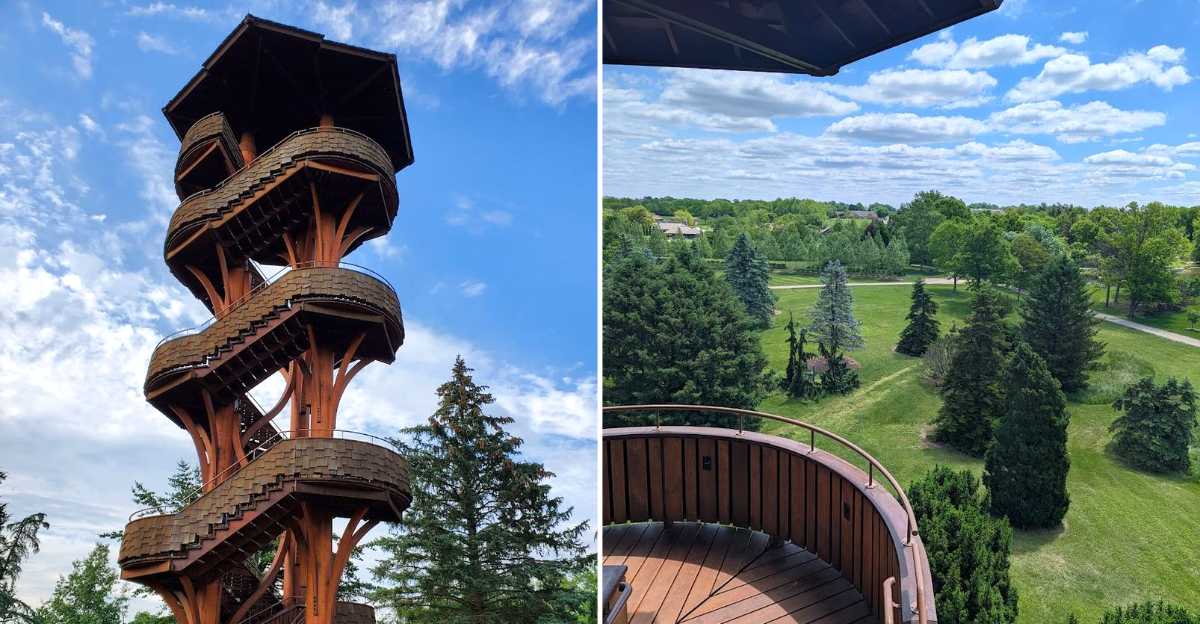
A free Ohio park with a 65-foot tree tower already sounds like a good deal, and this one adds ponds, turtles, pollinator gardens, prairie trails, and fragrant herbs like it is trying to win the whole afternoon.
The real surprise is how much variety fits into one visit. You can climb for sweeping Miami Valley views, wander through quiet gardens, cross a graceful footbridge, watch wildlife by the water, or follow trails that shift from forest to open prairie without making the day feel complicated.
This is fresh air with a view and zero admission drama. I love places like this because they make a simple outing feel a little more generous than expected, like Ohio quietly handed you a full day plan and forgot to charge for it.
Bring comfortable shoes, a camera, and a little extra time to roam. Once the tower, ponds, gardens, and trails start working together, this Dayton arboretum feels less like a quick park stop and more like a small outdoor escape hiding in plain sight.
A First Look at the Park and Its Location
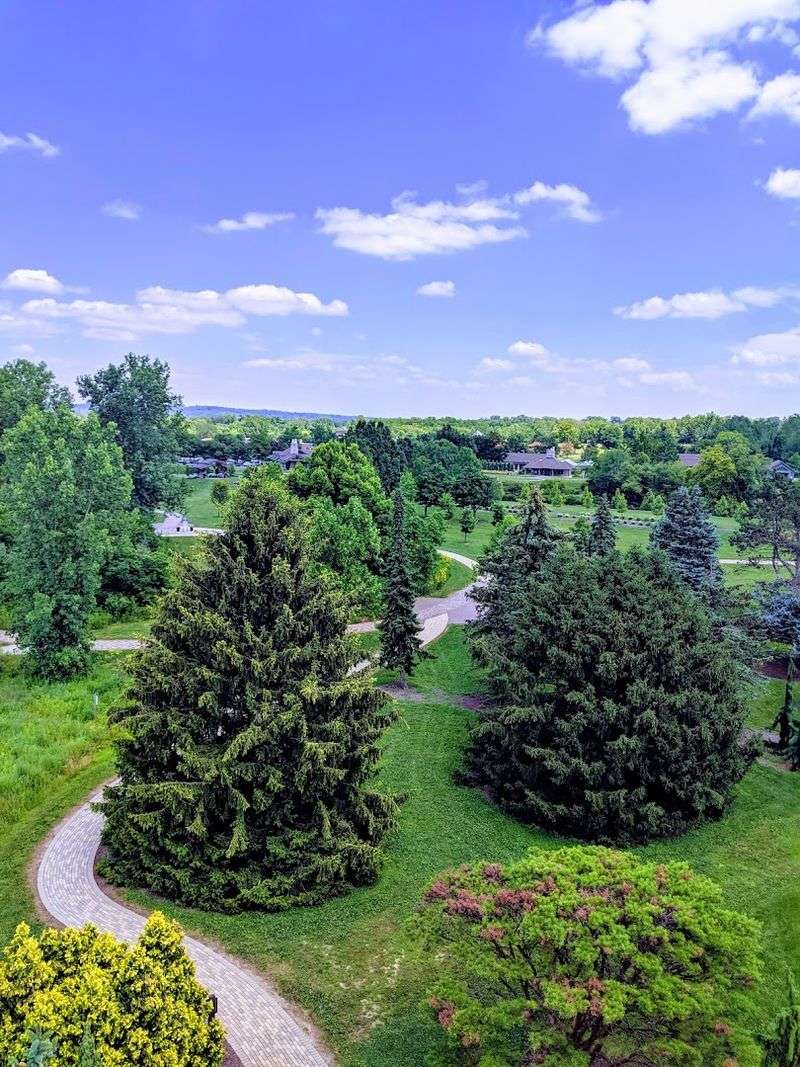
The moment you pull into the parking lot and see all that green space waiting ahead, it is pretty clear this is not just a quick bench-and-sidewalk situation.
Cox Arboretum MetroPark feels calm right from the start, with open lawns, garden areas, trails, and enough room to make the surrounding suburban bustle feel like it politely stayed behind at the entrance.
The park is part of the Five Rivers MetroParks system, which manages natural spaces throughout the Dayton region. Admission is completely free, and parking is free too, which is always the kind of math I enjoy doing.
The park opens daily at 8 AM, with hours running until 10 PM from April through October and until 8 PM from November through March, except for holiday closures. That gives you plenty of time for a morning stroll, an afternoon wander, or a golden-hour visit when the whole place starts showing off.
When I arrived on a weekday morning, the lot already had a handful of cars, and I could see dog walkers, joggers, and a family with young kids all heading in different directions. That mix gave the park a friendly, lived-in feeling without making it seem crowded.
The whole first impression is relaxed, welcoming, and quietly impressive, like the park knows it has a 65-foot tower waiting and does not need to brag about it. You can find Cox Arboretum MetroPark at 6733 Springboro Pike, Dayton, OH 45449.
The 65-Foot Tree Tower
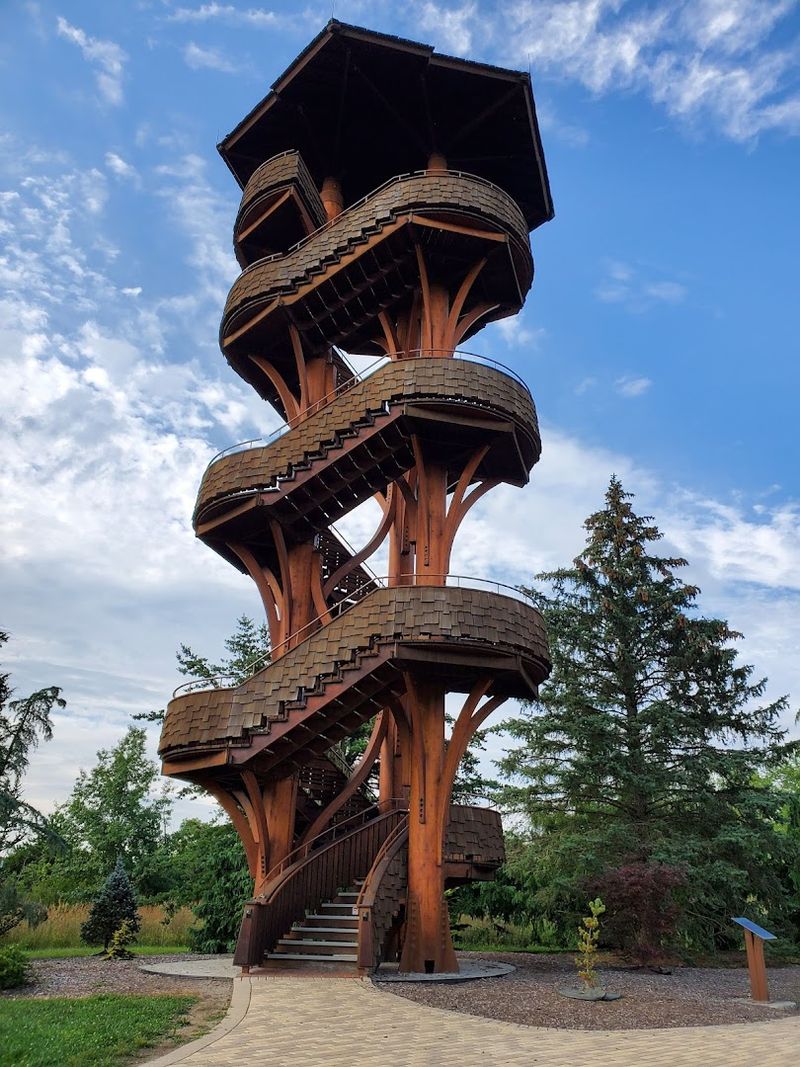
Nothing at this park gets more attention than the Tree Tower, and honestly, it deserves every bit of the hype.
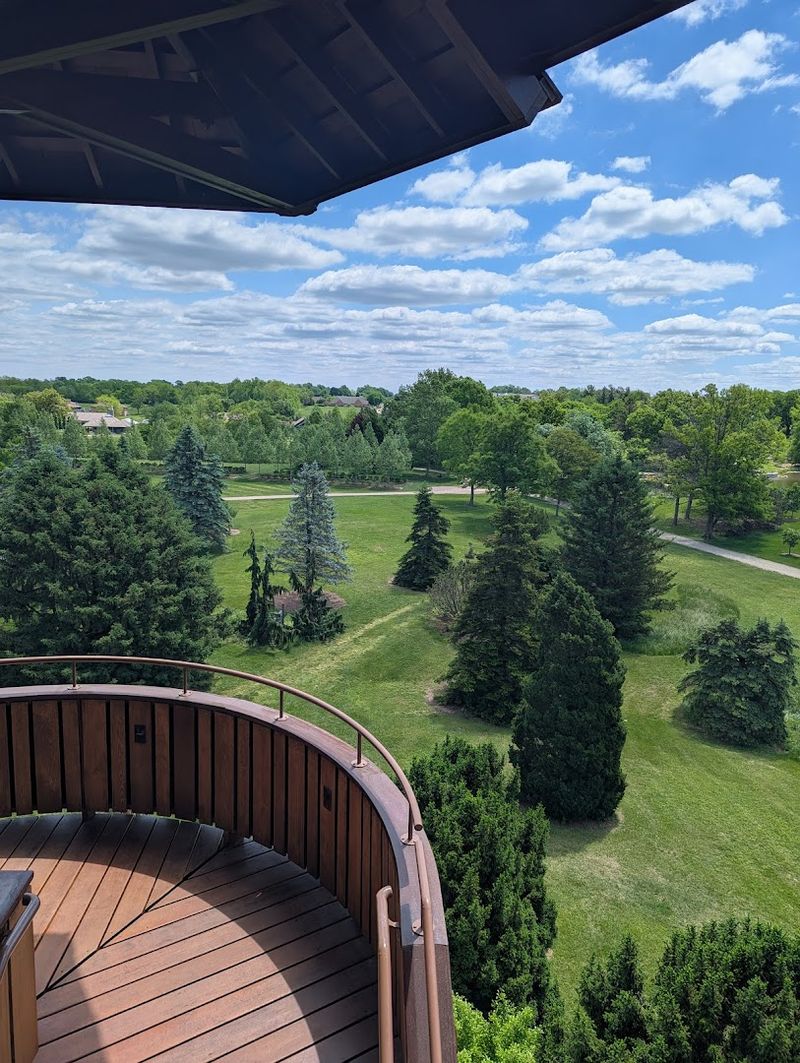
Rising 65 feet above the ground, the structure gives you a sweeping view of the Arboretum grounds and the surrounding Miami Valley landscape.
The climb involves 81 steps, so it is manageable for many visitors, though it is not accessible to everyone and may be challenging for those with mobility concerns.
Each level of the tower offers a slightly different perspective, so I found myself pausing multiple times on the way up to look out over the treetops.
During fall foliage season, the view from the top is particularly stunning, with waves of orange, red, and gold spreading out in every direction.
On a clear day, the sense of openness up there is hard to describe without sounding dramatic, but trust me, it genuinely earns the word “breathtaking.”
Bring a camera, because your phone photos from the top will absolutely become your new favorite shots from Ohio.
Walking Trails for Every Fitness Level
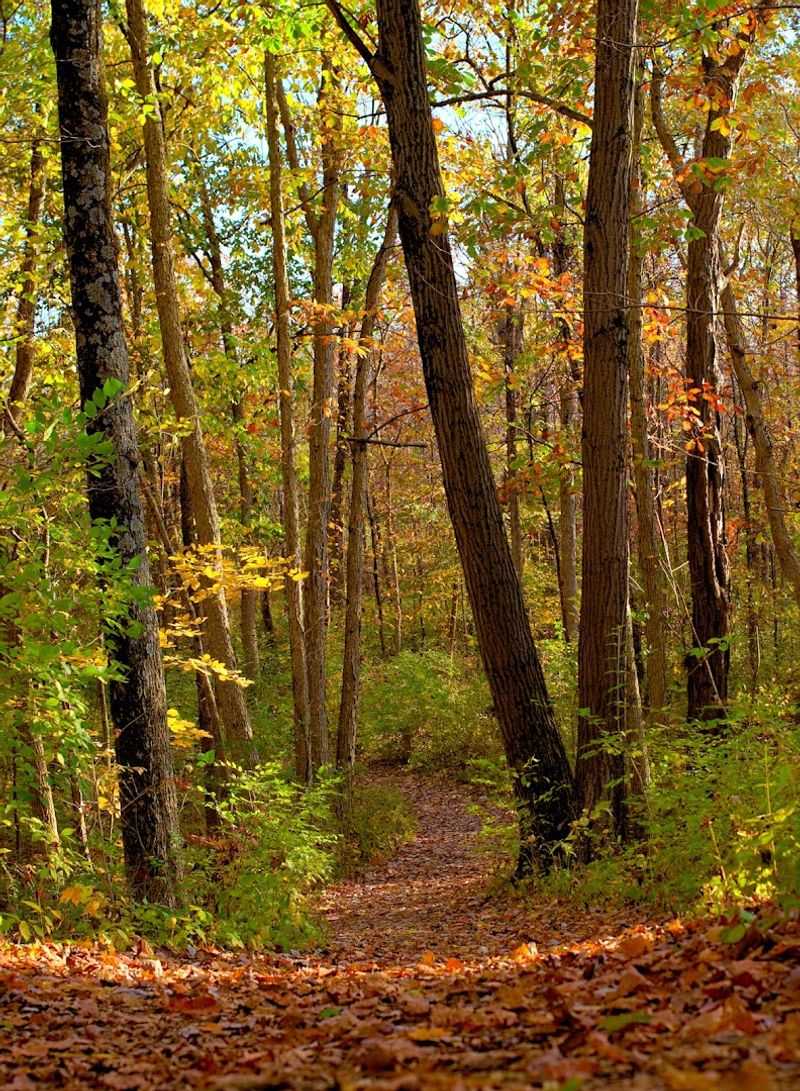
One of the smartest things about this park is that it does not force you into one type of experience on the trails.
There are both paved and unpaved paths, so whether you want a smooth, easy stroll or a slightly more rugged walk through the woods, the park has you covered.
The natural areas and Conservation Corner offer about 2.5 miles of trails through woodlands and meadows, while paved paths provide another mile through the cultivated gardens.
Tall-grass prairie, wetlands, shrublands, and forested sections give the walk a varied feeling that keeps the route interesting.
Trail markers are clearly posted throughout the park, and maps are available at the visitor center so you can plan your route before heading out.
I appreciated that the paths are well-maintained without feeling overly manicured, which keeps the natural character of the landscape intact.
Whether you have 20 minutes or three hours, you can always find a trail route here that fits your schedule perfectly.
The Ponds, Turtles, and Koi Fish
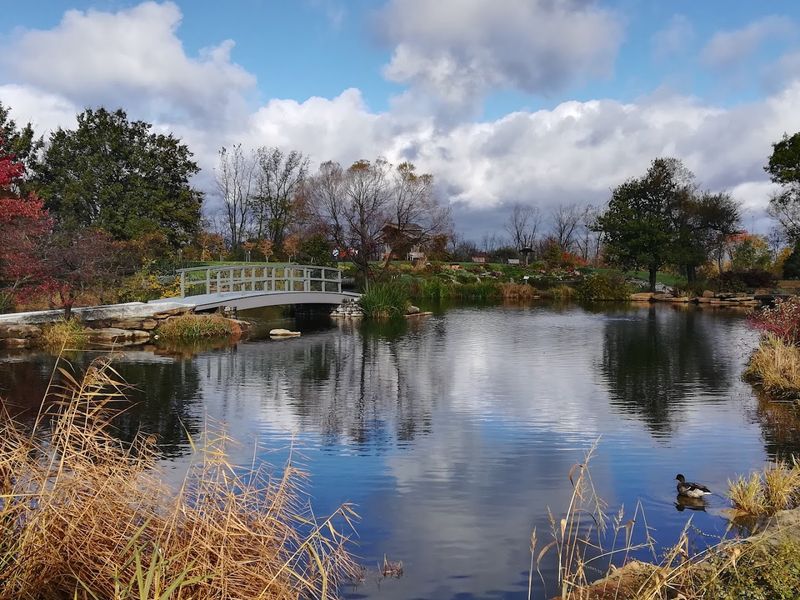
Three good-sized ponds are scattered across the property, and each one has its own personality and its own cast of resident wildlife.
On my walk around the largest pond, I spotted several impressively large turtles basking on rocks near the water’s edge, completely unbothered by the steady stream of visitors passing by.
Koi fish glide just below the surface in some areas, their bright orange and white scales catching the sunlight in a way that makes the water look almost painted.
The ponds are connected by paths and bridges, including a Japanese-style footbridge that looks like it belongs in a painting, with graceful curves reflected in the still water below.
Geese are frequent visitors too, and I watched a whole flock land on the water with impressive coordination during my afternoon there.
The ponds create natural focal points throughout the park, giving you a reason to slow down and actually sit for a while instead of rushing through.
Kids especially love the wildlife here, and it is a genuinely engaging way to spark curiosity about nature in younger visitors.
The Pollinator Habitat and Gardens

Few things slow a walk down as effectively as a butterfly fluttering past your face, and at this park, that can happen more often than you might expect during the warmer growing season.
The pollinator gardens are among the park’s most beloved features, designed to attract birds, bees, butterflies, and other pollinators with plantings that provide food and habitat.
Surrounding the habitat, the gardens are arranged with a clear sense of intention, with different sections highlighting native wildflowers, fragrant herbs, and ornamental plantings that shift in color and texture across the seasons.
The Edible Landscape Garden is a particular highlight worth seeking out, where you can see vegetables, herbs, and fruits growing in a beautifully organized space that is both educational and visually appealing.
I found myself leaning in to smell the herbs along one of the garden paths, and the fragrance was genuinely lovely on a warm afternoon.
Spring brings wildflowers and garden color, while summer fills the grounds with pollinator activity that makes the whole park feel alive and celebratory.
The gardens alone make a return visit worthwhile, because they look completely different depending on the time of year you show up.
Educational Programs and Family Activities

Beyond the trails and the tower, this arboretum functions as a genuine outdoor classroom, and the programming reflects that mission beautifully.
The park offers classes and educational programs for all ages, covering topics from gardening and plant identification to nature crafts and wildlife observation, with many events specifically designed for families with young children.
Summer is particularly active, with hands-on outdoor gardening sessions that let kids get their hands dirty in the best possible way while learning where food comes from.
The children’s play area gives younger visitors a dedicated space to burn energy, though the ground surface in some sections is uneven, so parents should keep a close eye on smaller kids while they explore.
Birthday picnics, photography outings, and casual family lunches all happen here regularly, and the park is spacious enough that multiple groups can enjoy the grounds simultaneously without feeling crowded.
I overheard a park educator explaining pollination to a group of wide-eyed kids near the butterfly garden, and the enthusiasm in that little crowd was contagious.
The park’s website at metroparks.org lists upcoming programs and events, so it is worth checking before your visit to see what is on the schedule.
The Visitor Center and Facilities

The visitor center serves as the practical heart of the park, offering maps, restrooms, and a starting point for first-time visitors who want to orient themselves before heading out on the trails.
Staff members I encountered were friendly and genuinely knowledgeable, happy to answer questions about trail lengths, current bloom conditions, and upcoming events without making you feel like you were interrupting anything.
The center itself is modest in size, and a few visitors have noted that additional displays about local birds and wildlife would make the space even more engaging, which seems like a fair point given how much natural richness the park contains.
Clean restrooms are available at the visitor center, which is a practical detail that matters more than it sounds when you are planning a long morning of walking.
Benches and shaded seating areas are scattered throughout the grounds near the center, making it easy to take a break, enjoy a packed lunch, or simply sit and watch other visitors go about their day.
The park is well-signed throughout, so even without a staff member to guide you, navigating the grounds feels intuitive and stress-free from the moment you arrive.
Best Times to Visit and What to Expect Seasonally

Every season brings something different to this park, which is part of why so many visitors come back repeatedly throughout the year rather than treating it as a one-time trip.
Spring is spectacular when the wildflowers and garden plantings are in bloom, filling the garden sections with color and attracting early pollinators to the pollinator habitat.
Summer brings the fullest version of the park, with lush green trails, active wildlife, and a robust schedule of family programs and outdoor events.
Fall is arguably the most photogenic time to visit, especially for the tower climb, when the foliage turns and you can see a sea of color stretching across the landscape from 65 feet up.
Even winter has its appeal here, with bare trees revealing the park’s structure in a way that is quietly beautiful, and the trails remain walkable on most days for those who dress appropriately.
The park opens at 8 AM daily, with closing time shifting by season: 10 PM from April through October and 8 PM from November through March.
Weekday mornings tend to be the quietest time, which is ideal if you prefer a more solitary experience with the trails mostly to yourself.
Why This Park Keeps Drawing People Back
A strong review profile is not an accident, and spending a few hours here makes it easy to understand why people feel so strongly about this place.
The combination of natural beauty, thoughtful design, free admission, and genuine variety of things to do creates an experience that feels special without requiring any effort to access.
Couples come here for scenic walks and photo shoots, families bring kids for the wildlife and play areas, and solo visitors show up with a coffee and a camera to simply enjoy the morning in a beautiful setting.
Dog owners are particularly loyal fans, and the park’s clean, well-maintained trails make it an ideal regular walking spot for anyone with a four-legged companion.
The Japanese-style footbridge, the tower views, the ponds, the pollinator gardens, and the herb plantings all add up to a place that genuinely rewards your attention and your time.
What makes it truly remarkable is that all of this is free, open most days of the year, and located right in the heart of Ohio’s Miami Valley region.
Once you visit Cox Arboretum MetroPark, it has a way of quietly becoming your favorite outdoor spot in the entire area.