
This Ohio Drive-In Theater Takes Locals About As Close To Time Travel As It Gets
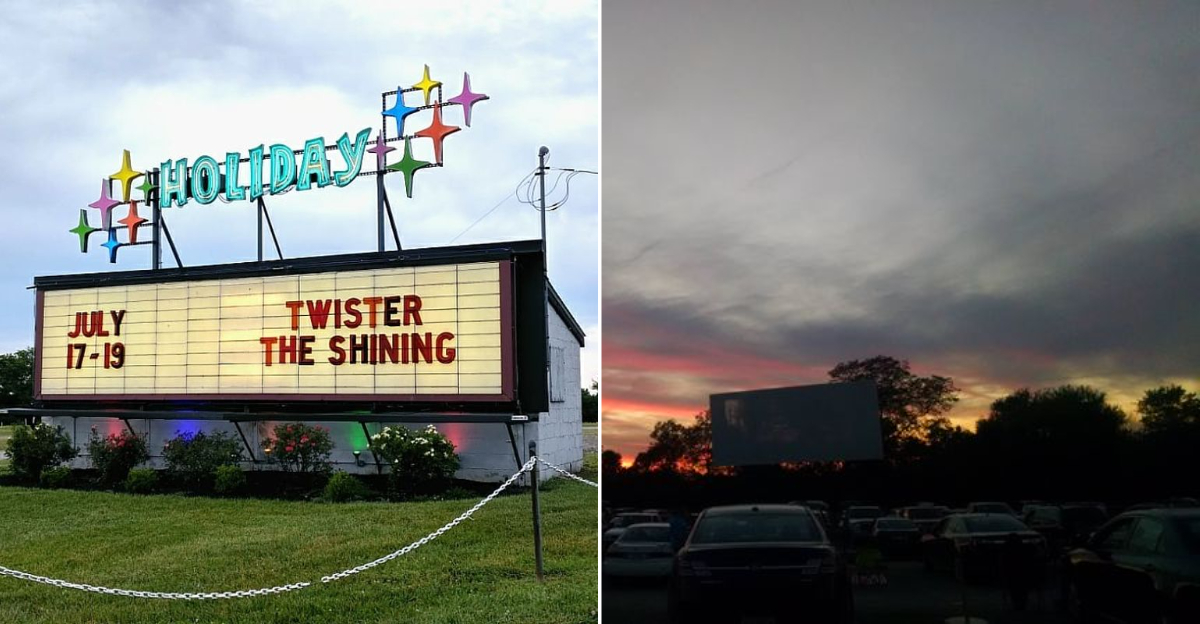
Pulling onto Old Oxford Road as the light thins and the sky starts to hold onto its last color, I always feel a subtle shift happen, like the day is stepping aside and giving the evening permission to slow everything down, including me.
The Holiday Auto Theatre doesn’t announce itself with spectacle or irony, and that restraint is exactly what makes the first glimpse of the glowing screen feel so affecting, suspended there like a promise that has survived longer than anyone expected.
I sit in the car for a moment before turning the engine off, listening to doors close, radios adjust, children negotiate blankets, and couples settle into a routine that feels inherited rather than planned. What strikes me every time is how little pretending is required here, because this isn’t a reenactment or a themed attraction but a working drive-in doing what it has always done, projecting a film into the open air and trusting the audience to meet it halfway.
The snack bar hums with quiet efficiency, not trying to reinvent itself, just delivering exactly what the evening asks for, and that steadiness feels grounding rather than dated.
As darkness deepens, the screen becomes the obvious center, yet the experience never narrows to just the movie, because the space around it matters just as much, the gravel underfoot, the line of cars stretching back, the sense that you are briefly part of a loose, temporary community.
I’ve learned that enjoying this place fully means leaning into its pace instead of fighting it, preparing just enough to stay comfortable, and letting the atmosphere do the rest.
These tips come from returning again and again, from noticing what enhances that near time-travel feeling and what quietly pulls you out of it, so you can hold onto the magic without giving up the small comforts that make the night genuinely enjoyable.
Arrive Early For Golden Hour Parking
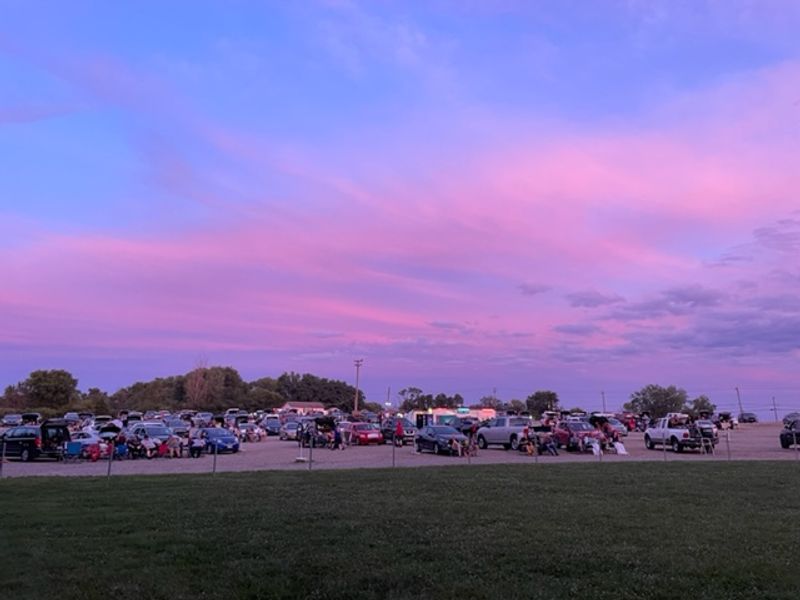
Just before sunset, when the light flattens shadows and turns windshields into soft mirrors, the lot takes on a calm expectancy that rewards anyone who arrives early enough to choose deliberately rather than reactively.
Parking during this window lets you claim a front-half spot with a clean sightline, angled toward the center of the screen so the image fills your windshield without forcing your neck or eyes into correction later.
The Holiday Auto Theatre was shaped in the 1950s with intentional grading that still matters today, because that gentle slope allows cars of different heights to share the same visual plane when positioned carefully.
Arriving early also gives you time to cool the engine, drop the windows, settle chairs, and feel the atmosphere shift from errands to evening without interruption.
Neighbors arrive gradually, and you can sense the collective rhythm forming rather than being dropped into it mid-stream.
Low-profile chairs work best if you plan to sit outside, preserving sightlines for rows behind you and maintaining the shared courtesy the place depends on.
A well-chosen early spot does more than improve the view, it establishes the unhurried tone that defines the rest of the night.
Tune Your Sound Like A Local
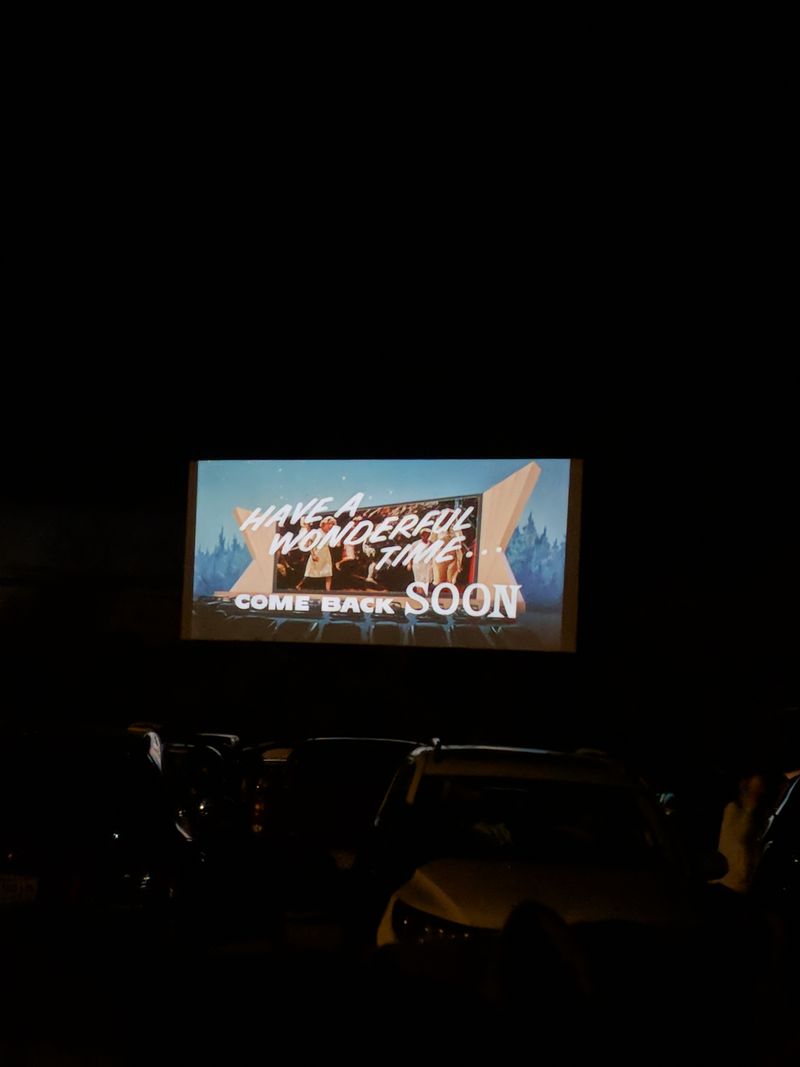
At this drive-in, the FM signal turns your car into part of the projection system, making sound something you actively prepare rather than passively receive, which subtly shifts how attentive you feel once the movie begins.
Locking in the posted frequency before trailers roll saves you from chasing static in the dark, where even a small adjustment can break immersion.
Holiday Auto Theatre once relied on window-mounted speakers, and those long-retired posts still linger as reminders that the system has evolved without abandoning its purpose.
The radio signal carries strongest near the center rows, where the lot’s geometry and broadcast overlap most cleanly.
Bringing a small portable FM radio with fresh batteries lets you preserve your car battery and gives you flexibility if you choose to sit outside.
If you rely on the dashboard, dim interior displays and disable automatic lighting so night vision stays intact.
When sound settles in clearly from the first trailer, the screen feels closer, sharper, and more complete.
Snack Bar Strategy Without Missing Trailers
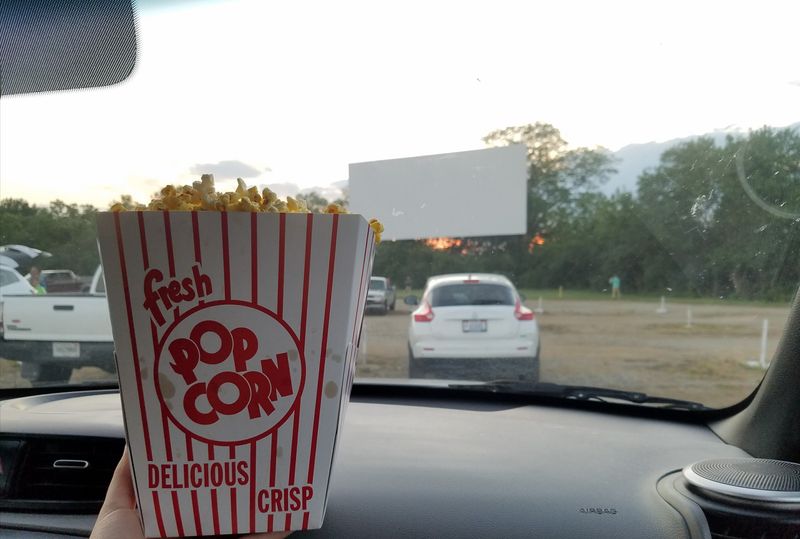
The smell of popcorn drifts across the field like a signal flare, and resisting it entirely would mean misunderstanding how drive-ins have always survived.
Heading to the snack bar during on-screen announcements instead of at the trailer rush gives you shorter lines and less pressure to decide quickly.
This concession stand carries forward a 1950s logic where snacks, not tickets, sustained the theatre, making every purchase a small act of preservation.
Knowing what you want before stepping up keeps the line moving and the mood friendly.
Popcorn, fountain soda, candy, and maybe a pretzel cover most needs without overloading your hands.
Lids and napkins matter more here than in an indoor theater because gravel and car seats complicate spills.
If you plan a second run during the double feature, keeping the receipt accessible saves time and friction later.
Mind The Slope And Sightlines
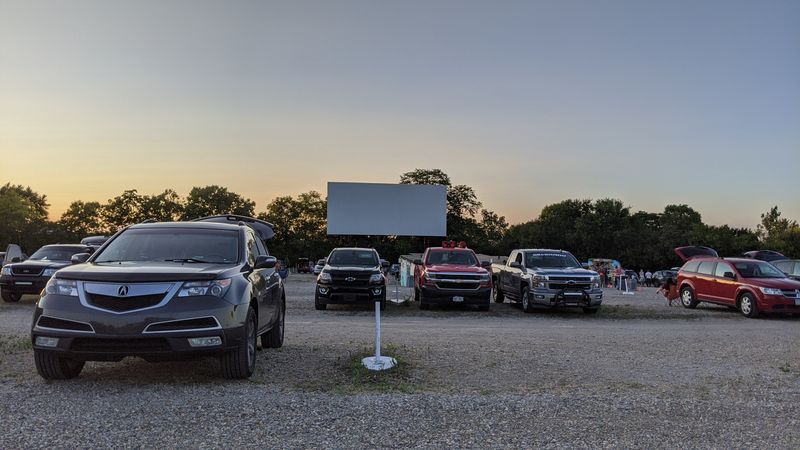
From certain rows the screen appears taller and more immersive even though it has not moved an inch, because the field’s carefully engineered grade quietly does the work of aligning windshields, eye lines, and projected light into a single readable plane.
Positioning your front tires just shy of the ridge allows the windshield to frame the image naturally, avoiding neck strain and preventing the picture from feeling cropped or distorted once darkness settles fully.
When the Holiday Auto Theatre was shaped in the mid-twentieth century, designers assumed long-hooded sedans, yet that original logic still functions surprisingly well if modern vehicles respect the slope instead of fighting it.
Taller SUVs can accidentally become visual walls if parked carelessly, which is why the terrain itself becomes the great equalizer when used correctly.
Previewing subtitles during trailers is the easiest way to test your angle without guesswork, since clipped letters immediately reveal a poor position.
A single car-length adjustment often fixes everything, far more effectively than raising seats or craning forward.
Using the slope properly turns the shared field into a coordinated viewing space rather than a collection of competing sightlines.
Layer Up For Ohio Evenings
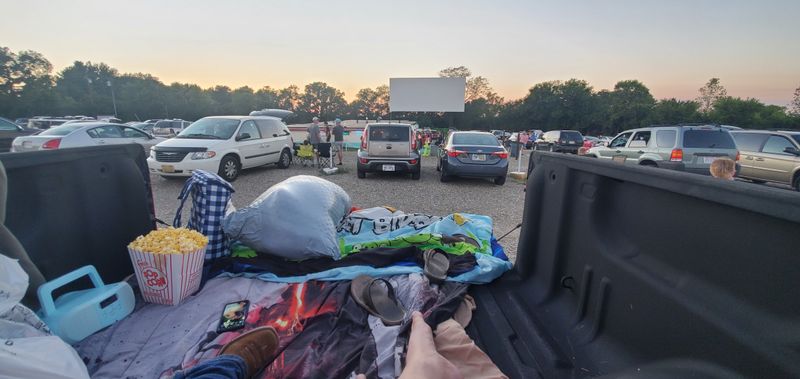
As soon as the sun slips below the horizon, Ohio air tends to cool faster than expected, even in late spring, and that temperature shift changes not just comfort but how sound carries and how long attention holds.
Bringing a light jacket, a blanket, or even a thermos keeps shivering from becoming the evening’s dominant sensation instead of the movie itself.
Drive-ins have always been conversations with weather rather than sealed escapes from it, and Holiday Auto Theatre still rewards people who plan for that reality.
The screen remains constant, but the air can slide ten degrees in an hour, subtly reshaping how long you want to sit still.
Locals dress like they are prepared to wait out extra innings, layering rather than gambling on forecasts.
Checking the hourly temperature before leaving and stashing one more layer in the trunk almost always pays off.
Warm socks and a blanket rarely feel excessive once dew begins to settle across hoods and roofs.
Read The Marquee, Then The Crowd
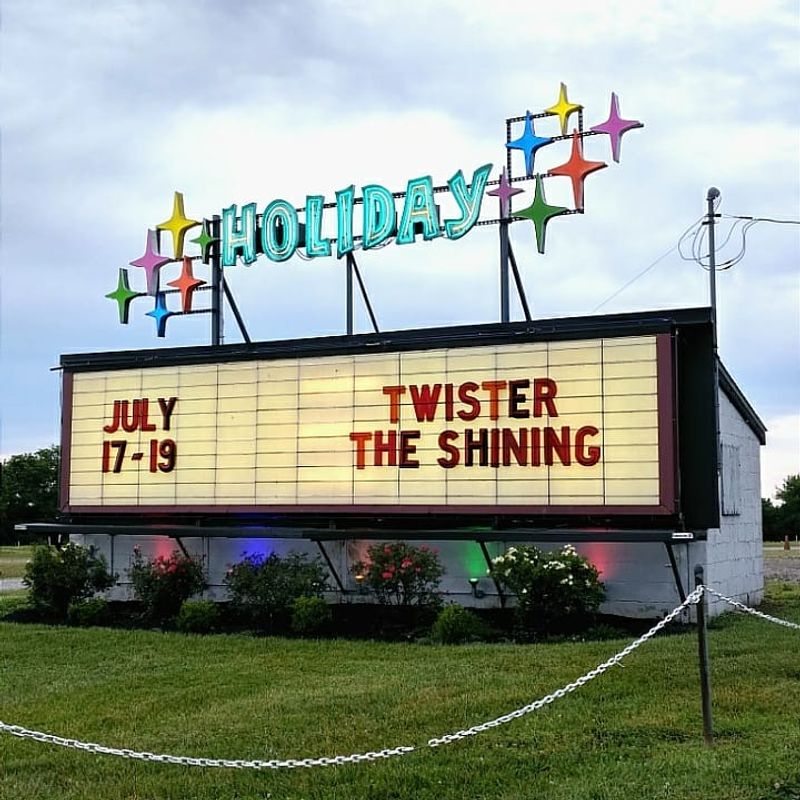
The marquee out front does more than list titles, because it quietly signals the tone of the evening by pairing films in ways that shape who arrives early, who lingers late, and how the field sounds once engines cut.
Family-friendly pairings draw clusters of children and lawn chairs, while later, heavier lineups tend to thin the crowd and lower the ambient noise between cars.
Since the 1950s, the single-screen format has forced curation rather than abundance, encouraging shared momentum instead of fragmented attention.
Holiday Auto Theatre still programs for communal flow, not algorithmic preference, which keeps conversations alive during intermission.
Reading the crowd as you enter helps you choose a spot that matches your tolerance for chatter or your desire for quiet.
If you want hushed viewing, avoid zones packed with open hatchbacks and pillows, which signal social watching rather than silent focus.
Choosing your neighborhood intentionally makes the experience feel tailored without anyone needing to say a word.
Intermission Is A Social Clock
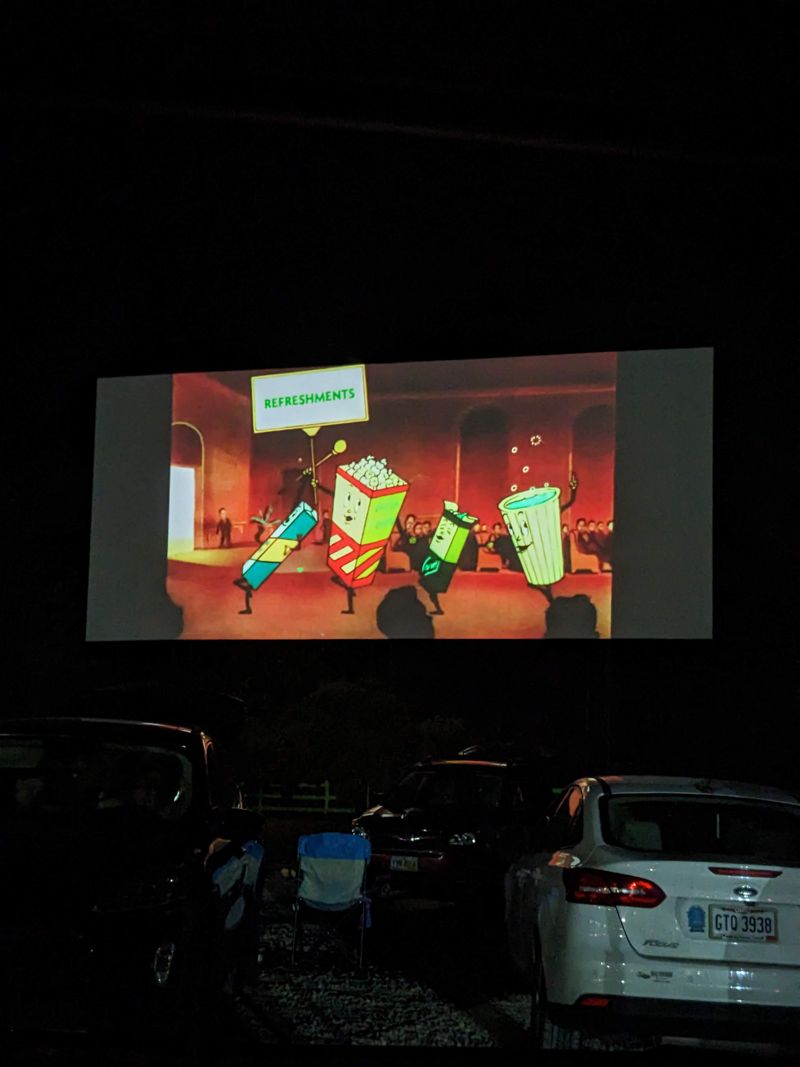
When the screen announces intermission, the entire field seems to exhale at once, as doors open, legs stretch, and small debates about snacks ripple outward in overlapping waves.
This pause functions as a shared minute hand, coordinating hundreds of small decisions about movement, refills, and rest without formal instruction.
Holiday Auto Theatre has preserved this ritual since its midcentury origins, allowing generations to learn when to move and when to stay put.
The snack bar hum becomes a countdown timer, growing louder as the second feature approaches.
Using the first half of intermission to walk and the second to resettle prevents rushed scrambling once previews resume.
Memorizing nearby car colors or row markers saves confusion in the dark, especially after a long walk.
A small flashlight aimed at the ground helps navigation without breaking the fragile darkness everyone depends on.
Respect The Light Discipline
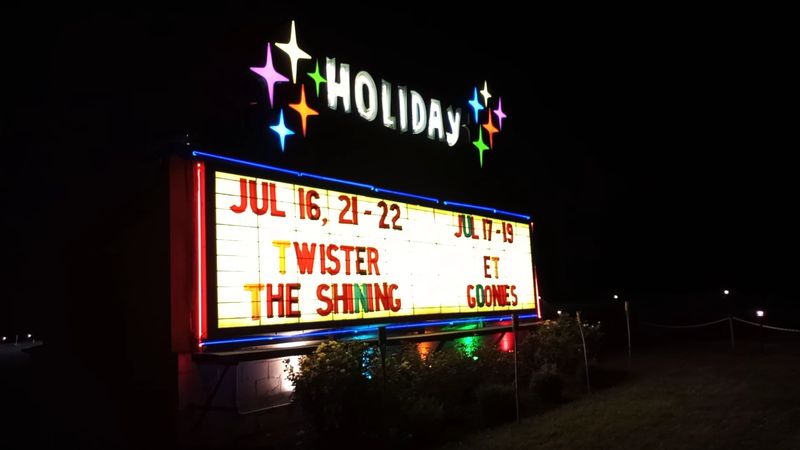
Nothing fractures the illusion of a drive-in faster than an unexpected burst of white light, because the entire experience depends on collective darkness rather than individual convenience, a shared agreement that the night belongs to the screen and not to anyone’s dashboard.
Interior dome lights, phone screens, and automatic unlock flashes scatter attention across the field, flattening contrast and pulling eyes away from the image at exactly the moment when darkness is doing the hardest work.
The etiquette here dates back to projection-era necessity, when stray light could wash out entire scenes, and Holiday Auto Theatre has protected that discipline through clear reminders and gentle enforcement rather than scolding.
Older visitors often model the rules quietly, shielding glow and closing doors with care, not out of nostalgia, but because they understand how fragile the atmosphere really is.
Setting phones to do-not-disturb, disabling auto-lighting, and dimming displays before the feature begins prevents awkward mid-movie adjustments.
If you need guidance, a red-tinted flashlight aimed downward preserves night vision while keeping you oriented.
When everyone commits to guarding the dark together, the screen sharpens, the field settles, and the movie feels improbably close.
Explore The Snack Bar Display Cases
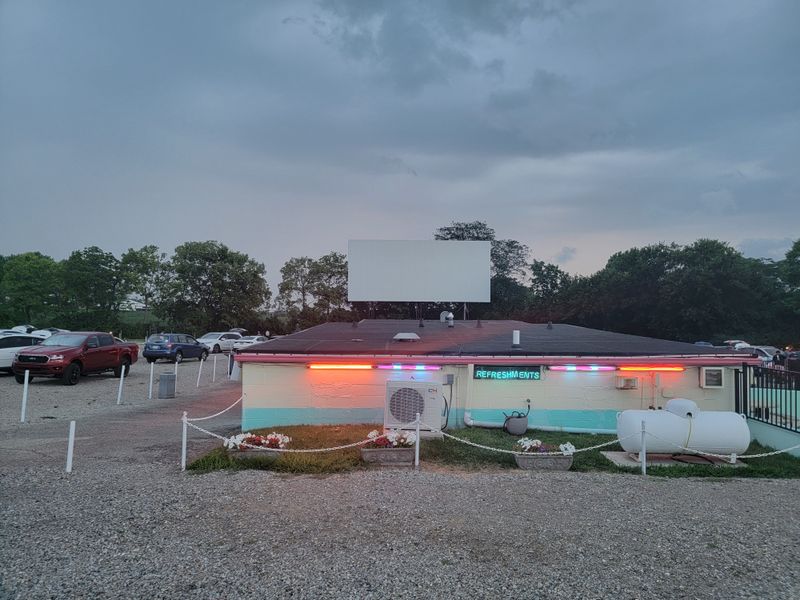
The glass display cases inside the snack bar hold more than candy and popcorn, because they quietly document how mid-century leisure culture organized pleasure through color, repetition, and visible abundance rather than hidden storage.
Watching popcorn tumble, candy boxes stack like tidy swatches, and warming racks turn slowly feels soothing in a way that modern self-checkout rarely achieves.
Concession culture kept drive-ins solvent in the twentieth century, and Holiday Auto Theatre still reflects that truth without irony or kitsch.
The layout balances speed with familiarity, allowing long lines to move without panic.
Deciding quickly during busy moments respects both staff and fellow moviegoers.
Stepping aside to add lids, straws, and napkins prevents bottlenecks near the counter.
A few extra napkins tucked into a door pocket can save upholstery later and preserve goodwill across the lot.
Stay For The Second Feature
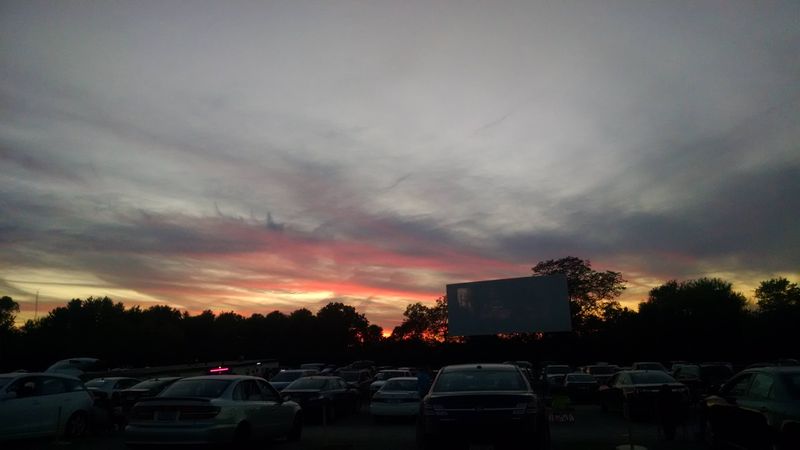
As credits roll on the first movie and cars begin to leave, the field thins into a quieter, more spacious version of itself, where dialogue carries farther and stars reclaim the sky above the screen.
The second feature often feels more intimate, not because the film has changed, but because the audience has, condensing into a smaller group willing to stay present a little longer.
Double features are not bonuses here, but the intended arc of the evening, paced to reward patience rather than efficiency.
Holiday Auto Theatre keeps this tradition intact, preserving a rhythm that indoor multiplexes abandoned long ago.
Bringing a low-caffeine drink helps you stay alert without tipping into restlessness.
Planning your exit route before the final fade spares you from headlights and confusion later.
Waiting a moment after the screen goes dark, watching taillights thread slowly toward the road, feels like the proper closing scene to a night that never quite belonged to the present in the first place.