
This Ohio Fort Brings The War Of 1812 Back To Life In A Big Way
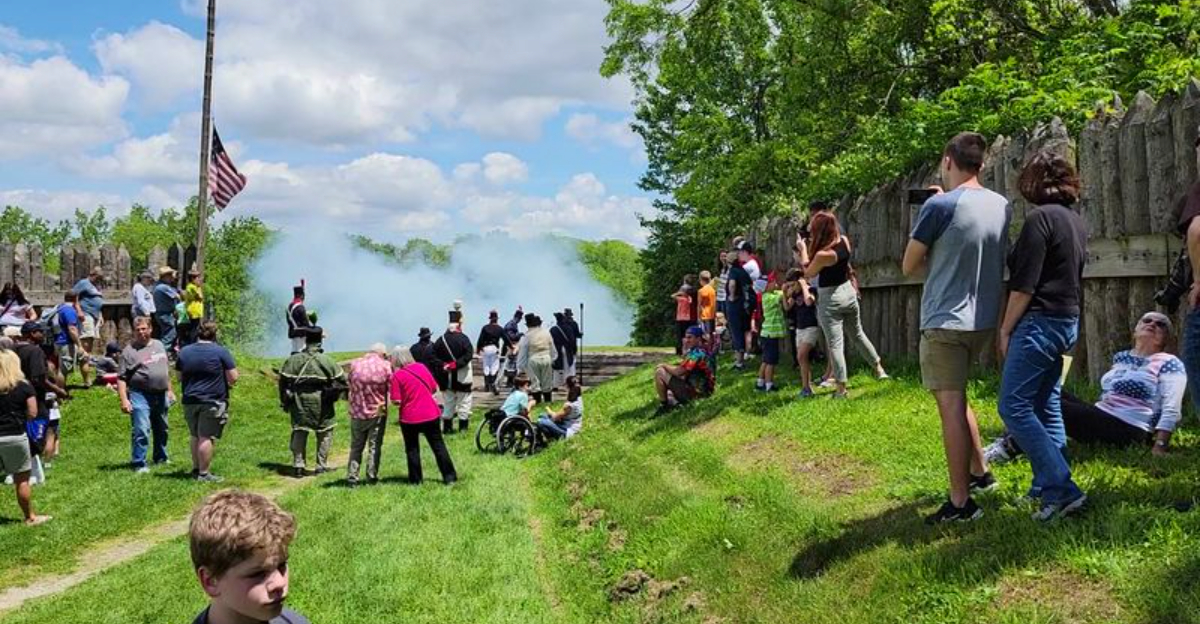
Most historic sites ask you to imagine the past. This Ohio fort makes that part a lot easier.
The timber walls are huge, the grounds feel bigger than expected, and when the living history programs get going, suddenly the War of 1812 feels a lot less like a paragraph you skimmed in school.
There are cannons, costumed interpreters, blockhouses, museum exhibits, and enough hands-on detail to keep even the “I’m not really a history person” visitor paying attention.
Honestly, that is the fun of it. The place does not just tell you something happened here; it lets you feel the scale of it.
For anyone looking for an Ohio outing with a little drama, a little fresh air, and a lot more story than expected, this reconstructed fort makes a strong case for slowing down and stepping inside the past for a while.
A Fort That Towers Over History
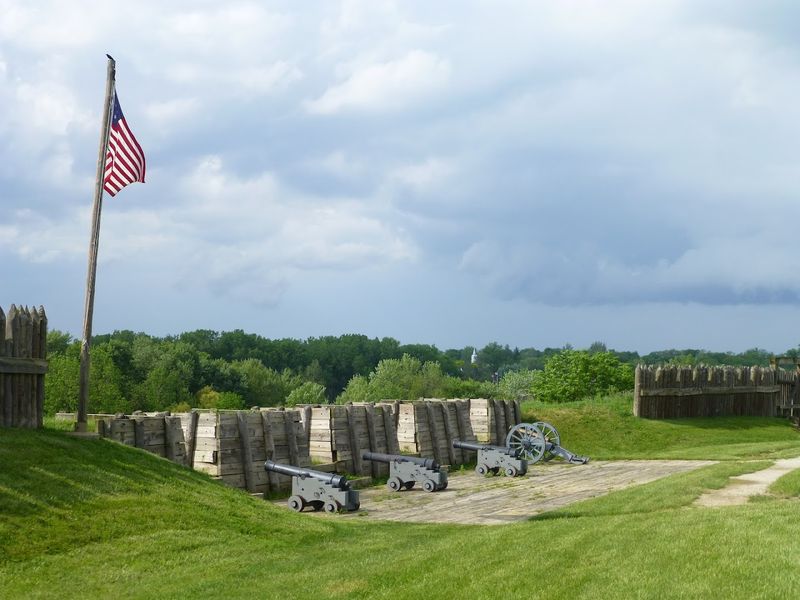
Most historic sites hand you a pamphlet and wish you luck. Fort Meigs takes a completely different approach, surrounding you with a reconstructed fort that actually makes your jaw drop a little.
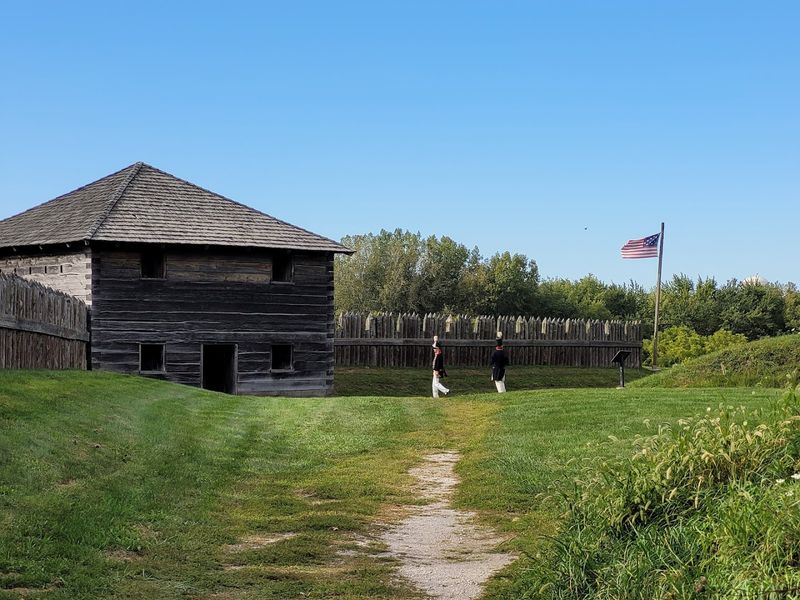
This is one of America’s largest reconstructed log forts, and the grounds give you a real sense of how much space the original 1813 fort covered. That is not a small detail you brush past on the way to the gift shop.
The fort was originally constructed in 1813 under the command of General William Henry Harrison, who later became the ninth president of the United States. It played a critical role in defending the Northwest Territory during the War of 1812 against British and allied forces.
Today the site operates as an open-air museum, and the reconstruction stays remarkably true to the original design. Blockhouses, earthworks, and timber walls all work together to give you a real sense of the scale and strategy behind the original structure.
You can find Fort Meigs Historic Site at 29100 W River Rd, Perrysburg, OH 43551.
The Visitor Center Sets The Stage
Before you ever set foot inside the fort walls, the visitor center quietly earns your respect. An introductory video helps place the site, the war, and the fort’s role in context before you walk out the door.
The video covers the key military leaders, the strategic importance of the Maumee River region, and the competing forces that clashed here in 1813. It is the kind of context that transforms a walk around old walls into something genuinely meaningful.
After the video, the museum section opens up with well-organized exhibits featuring original artifacts, period weapons, uniforms, and detailed signage. The displays are professionally presented and easy to follow even if you arrive knowing almost nothing about this era.
History teachers and curious families alike tend to linger here longer than they planned. The exhibits manage that rare balance of being detailed enough for enthusiasts while remaining accessible to younger visitors.
A well-stocked museum store and a book section round out the visitor center experience, making it easy to carry a piece of this history home with you.
Guided Tours That Actually Engage You
Not every guided tour justifies its own existence, but the ones at Fort Meigs can add a genuinely useful layer to the visit.
Daily guided tours are offered April through October and are included with admission, though some tours can depend on staff availability during the busy school-tour season.
The tours last about 40 minutes and include a brief introduction to the War of 1812, the building and significance of Fort Meigs, the attempted sieges, and the site’s legacy as an archaeological preserve.
The route takes visitors to two of the blockhouses, then leaves time to explore the rest of the fort on your own. That structure works well because it gives you enough guidance to understand what you are seeing without turning the whole visit into a lecture.
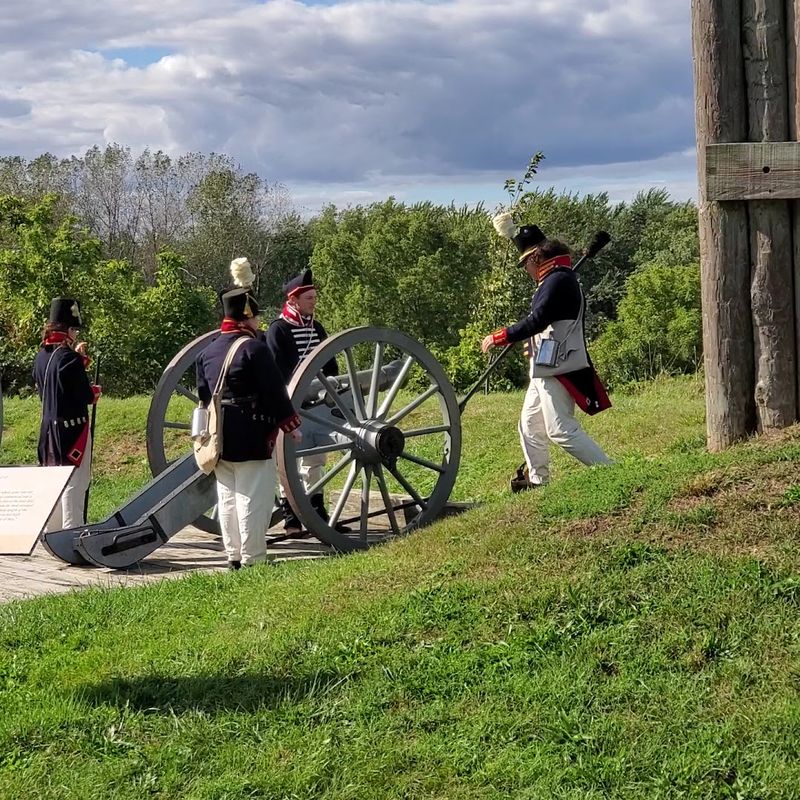
Historical interpreters in period clothing are also on hand during the main season to discuss the fort’s history, answer questions, and provide demonstrations when available.
Groups of all ages seem to find their footing quickly here. Families with teenagers, school groups, and solo history buffs all tend to walk away with something new rattling around in their heads.
Plan to spend extra time beyond the guided tour, because there is genuinely a lot of ground to cover here.
Living History Demonstrations That Steal The Show
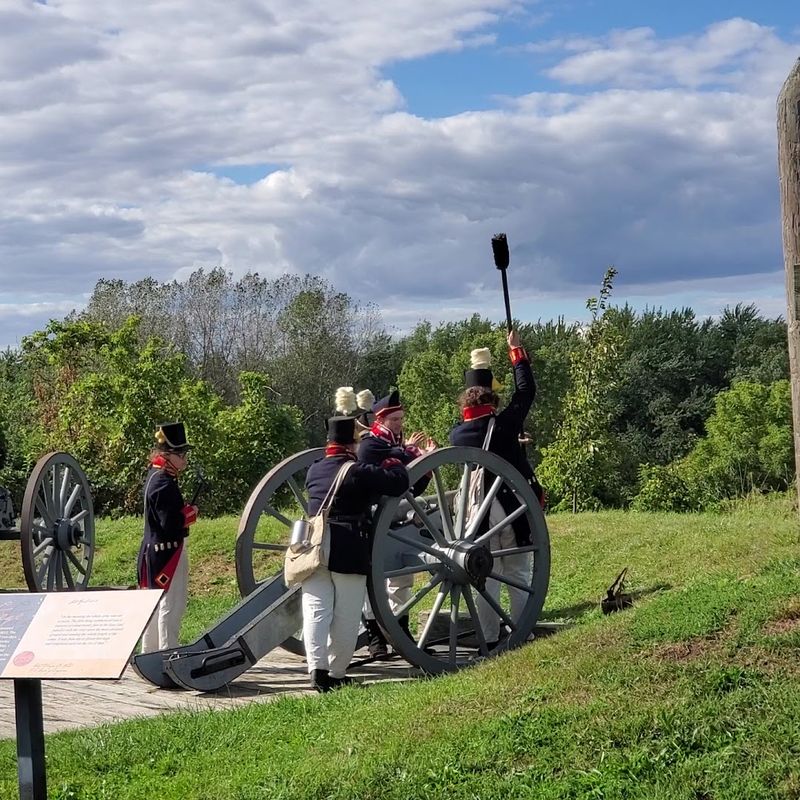
There is something about watching a cannon fire that no textbook description can fully prepare you for.
The living history demonstrations at Fort Meigs bring that kind of raw, visceral connection to the past that most museums simply cannot offer.
Reenactors arrive at special events throughout the year dressed in meticulously researched uniforms and civilian clothing. They do not just stand around looking the part either.
They actively engage visitors, answer questions, and demonstrate skills ranging from musket loading to tinsmithing to period cooking techniques.
One of the more memorable moments I had was speaking with a reenactor portraying a tinsmith, who walked me through the tools and methods used in early 19th-century metalwork. The detail and authenticity in that conversation was genuinely impressive.
Fashion demonstrations where women discuss their period clothing add a social history dimension that often gets overlooked in military-focused sites. It broadens the picture considerably.
Events like Memorial Day weekends and special seasonal programs draw larger crowds and offer even richer programming.
Checking the calendar at fortmeigs.org before your visit is a smart move if you want to catch one of these events.
The Scale Of The Grounds Surprises Everyone
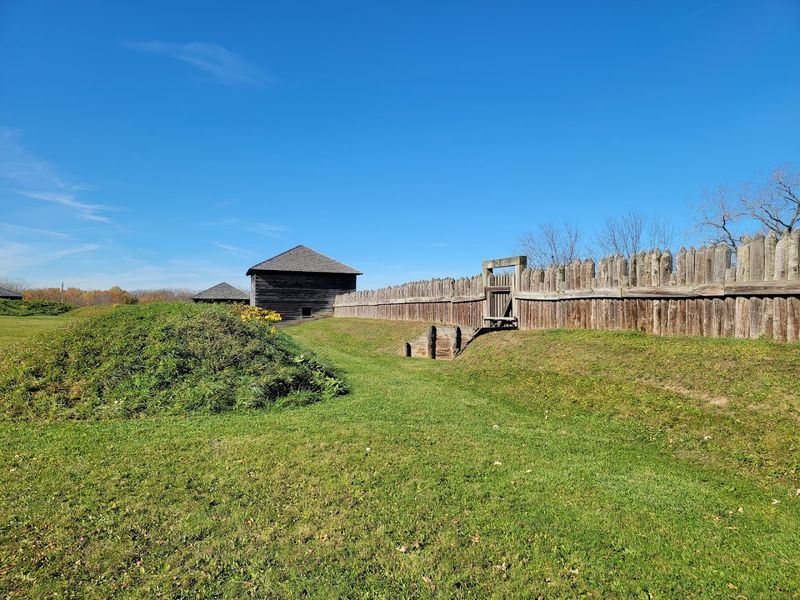
Ten acres sounds like a number until you are actually walking it. The grounds at Fort Meigs stretch far enough that you genuinely feel the physical reality of what soldiers and civilians lived inside during the sieges of 1813.
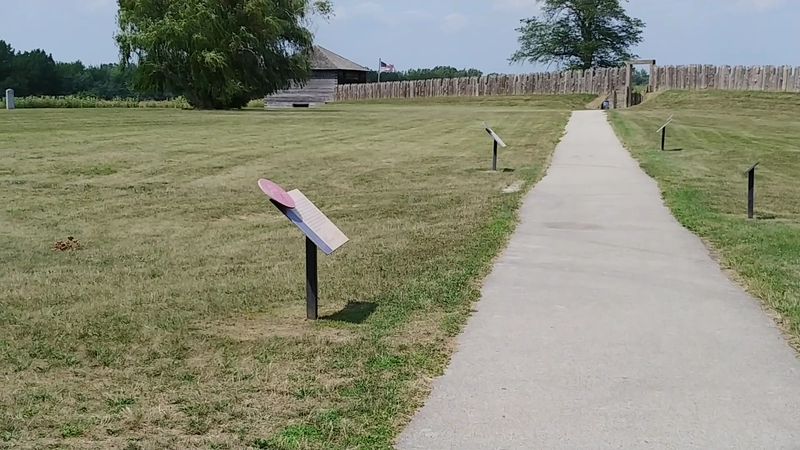
The interior of the fort includes multiple blockhouses, each with its own interpretive signage explaining how that structure functioned during the conflict.
The traverses, which are large earthen mounds built to protect soldiers from cannon fire, are still dramatic features of the landscape even two centuries later.
Beyond the fort walls, the surrounding trails offer a scenic and peaceful way to extend your visit. The natural scenery along the Maumee River corridor adds a genuinely beautiful backdrop to the historical experience.
One review I came across mentioned using the trails for running, and honestly the terrain does look like it would reward that kind of visit as well. Low crowds on regular non-event days make the grounds feel spacious and relaxed.
Budget at least two to three hours for a thorough visit, and wear comfortable shoes because the ground is uneven in places and the walking distance adds up quickly across the full site.
The Blockhouses Tell Their Own Stories
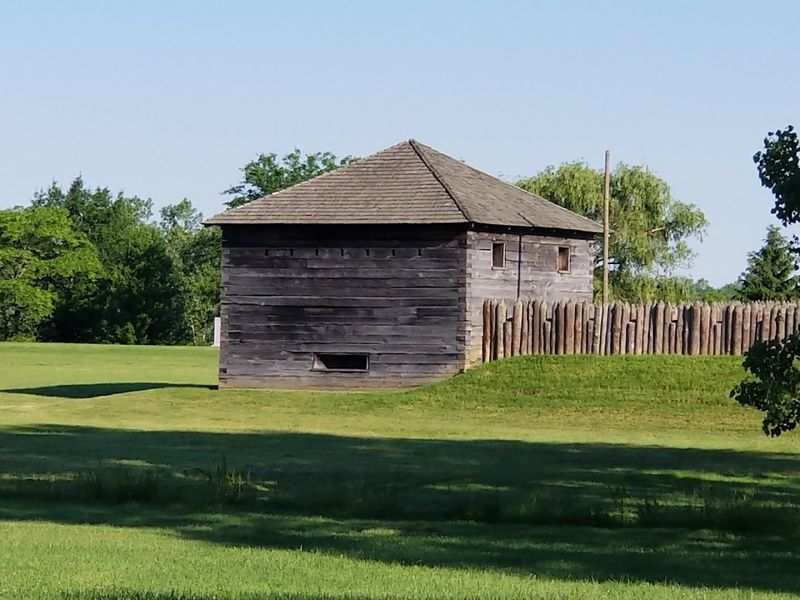
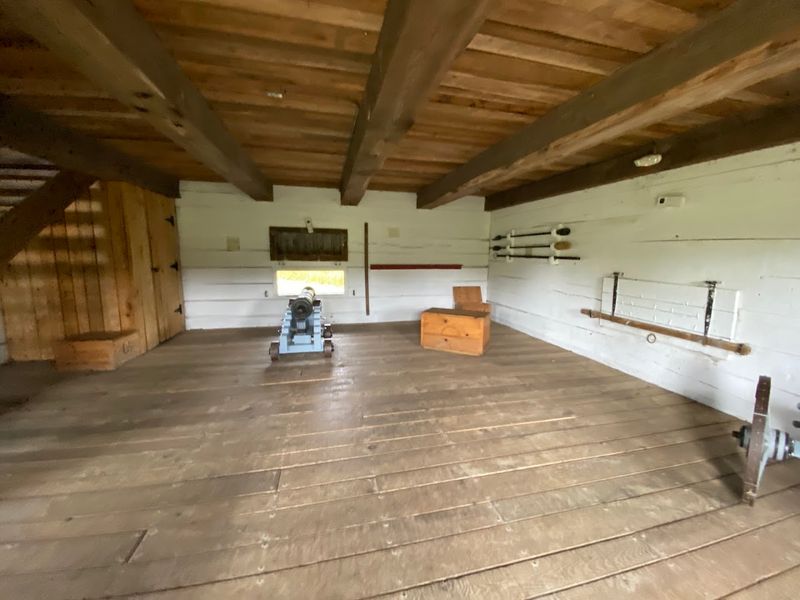
Each blockhouse inside Fort Meigs functions as a mini-exhibit in its own right.
The helpful signage posted throughout these structures covers everything from the daily routines of soldiers to the specific tactical role each building played during the British sieges.
The reconstructed interiors give you a real sense of how cramped and demanding life inside the fort actually was. Hundreds of soldiers, and at times civilians, crowded into these structures under fire, with limited supplies and uncertain outcomes.
What strikes you is how human the details feel. The sleeping arrangements, the food preparation areas, and the storage of weapons and supplies all tell a story about ordinary people caught up in an extraordinary conflict.
The signage is written clearly enough for younger visitors to follow, but detailed enough to satisfy adults who want more than surface-level information. It is a difficult balance to strike and the team here manages it well.
Each blockhouse visit builds on the previous one, so moving through them in sequence rather than randomly gives you a more coherent picture of how the fort operated as a whole defensive system during the war.
Pricing And Admission Details Worth Knowing
Good history should not cost a fortune. Fort Meigs keeps its admission prices reasonable enough that the whole family can visit without a long negotiation in the parking lot.
Current general admission is $12 for adults, $10 for seniors aged 60 and up, and $7 for students and visitors ages 6 through 18.
Children age 5 and under are admitted free, and Ohio History Connection members can access the site for free, making a membership worth considering if you plan to visit multiple Ohio historical sites throughout the year.
The site is open April through October from Wednesday through Saturday from 9:30 AM to 5 PM, and on Sundays from noon to 5 PM. Monday and Tuesday are closed, so plan accordingly.
From November through March, the reconstructed fort is closed for the season, but the visitor center and museum remain open with reduced admission and winter hours.
Special events occasionally adjust the schedule or admission details, so checking the official website at fortmeigs.org or calling ahead at 419-874-4121 before your visit saves potential disappointment.
Given that most visitors should allow at least two hours on site, the admission price works out to genuinely strong value compared to many other regional attractions.
Family Friendly From The Ground Up
Plenty of historic sites claim to be family friendly while quietly testing the patience of anyone under the age of twelve.
Fort Meigs actually delivers on that promise in ways that are specific and observable.
The hands-on activities scattered throughout the fort give younger visitors something to do beyond just listening and reading.
The “wheel of fate” interactive feature generated genuine enthusiasm from teenagers on the visit I made, which is not always easy to pull off at a history site.
The guided tours are paced well enough that children stay engaged rather than drifting off, and the costumed guides have a natural ability to connect with younger audiences. A cannon or musket demonstration can make even reluctant history students pay close attention.
The grounds are open enough that kids can move around freely without the hushed, fragile atmosphere of an indoor-only museum. That physical freedom makes a real difference in how families experience the place.
Parents who arrive skeptical about whether their teenagers will enjoy the visit tend to leave pleasantly surprised, which seems to be a recurring theme in the feedback this site consistently receives.
Special Events Throughout The Year
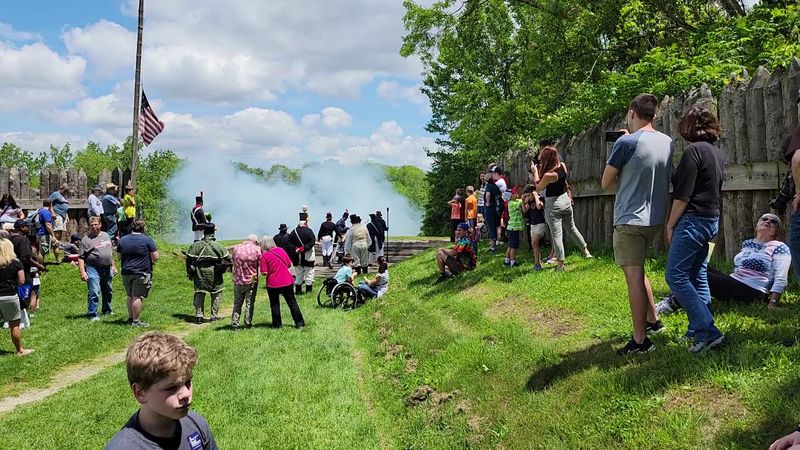
The regular admission experience at Fort Meigs is already strong, but the special events calendar pushes the whole thing to another level entirely.
Throughout the year the site hosts themed reenactment weekends, living history programs, holiday events, and educational activities that draw visitors from well beyond the immediate region.
War of 1812 programming around late May brings out reenactors, period demonstrations, and commemorative activities connected to the fort’s original story.
The level of detail in the uniforms, equipment, and daily life recreations at these events is the kind of thing that history enthusiasts travel hours to experience.
The current calendar also includes events such as Crossbow to Cartridge, Independence Day 1813, The 60 Years’ War for Ohio: American Revolution, Life in Early Ohio, Brigade Napoleon, Garrison Ghost Walk, and Historic Holidays Outdoor Winter Festival.
The Revolutionary War event has developed a loyal following among reenactment participants and visitors, while the Life in Early Ohio weekend focuses more on historic skills and trades.
Checking the events calendar at fortmeigs.org well in advance is the best way to align your visit with one of these expanded programming days.
Why This Place Deserves More Attention
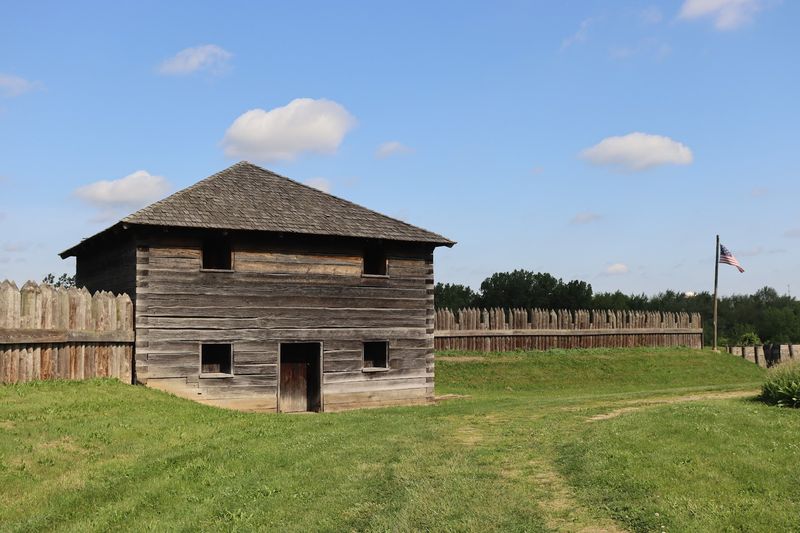
The War of 1812 rarely gets the spotlight it deserves in popular American history. Fort Meigs is one of the most compelling arguments for changing that.
The conflict shaped the boundaries of the young nation, tested its military resolve, and produced leaders who went on to define the era.
Fort Meigs presents all of that context with clarity, authenticity, and genuine enthusiasm from the people who run and volunteer at the site. That combination of scholarly rigor and warm hospitality is harder to find than you might expect.
The site continues to earn strong visitor feedback, reflecting not just the quality of the exhibits but the consistent effort of the staff, interpreters, and volunteers who bring the place to life.
History teachers, families on road trips, solo travelers with a curiosity about early America, and anyone who has ever wondered what a real frontier fort felt like to stand inside will all find something meaningful here.
Fort Meigs is the kind of place that stays with you long after you have driven back down West River Road, and that is the highest compliment any historic site can earn.