
This Ohio Fossil Park Is A Surprisingly Fun Summer Day Trip
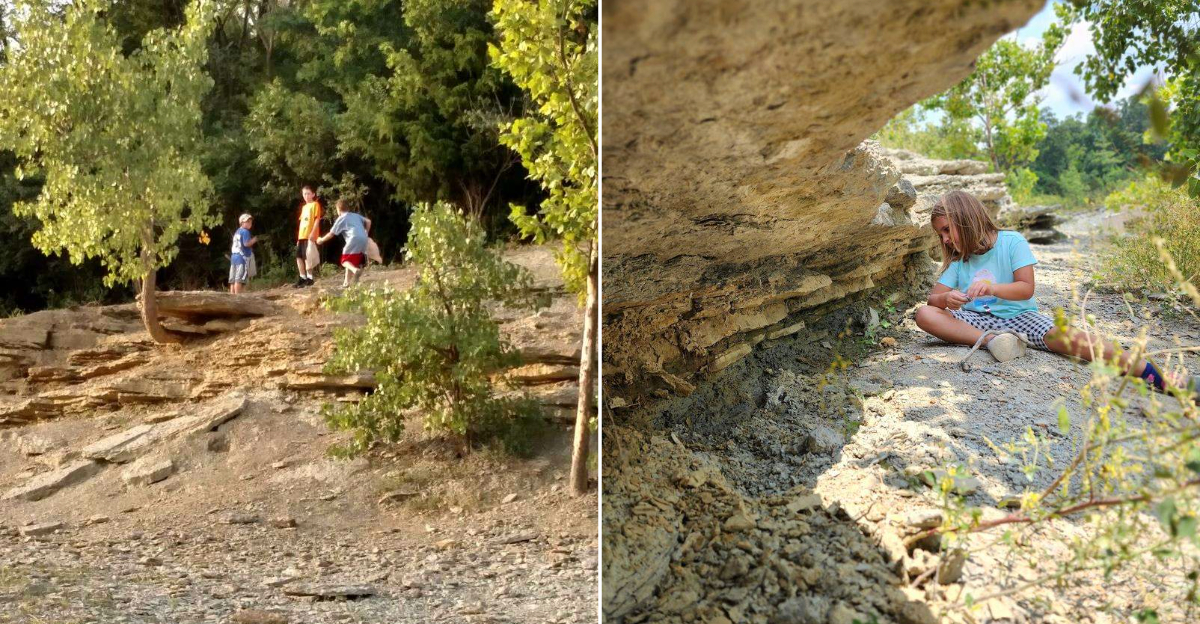
A free Ohio park where you can dig up ancient fossils sounds like something a kid invented to improve summer.
But this place is real, rocky, and surprisingly addictive once you start looking closely. One ordinary-looking chunk turns into a shell imprint, then a bit of coral, then suddenly everyone in the group is crouched over limestone like they have joined a very dusty treasure hunt.
I love day trips that make adults curious and kids forget screens exist for a while.
For a summer outing near Cincinnati that costs nothing and sends you home with a piece of deep history, this Ohio fossil park is far more fun than its humble hillside first suggests.
What Trammel Fossil Park Actually Is
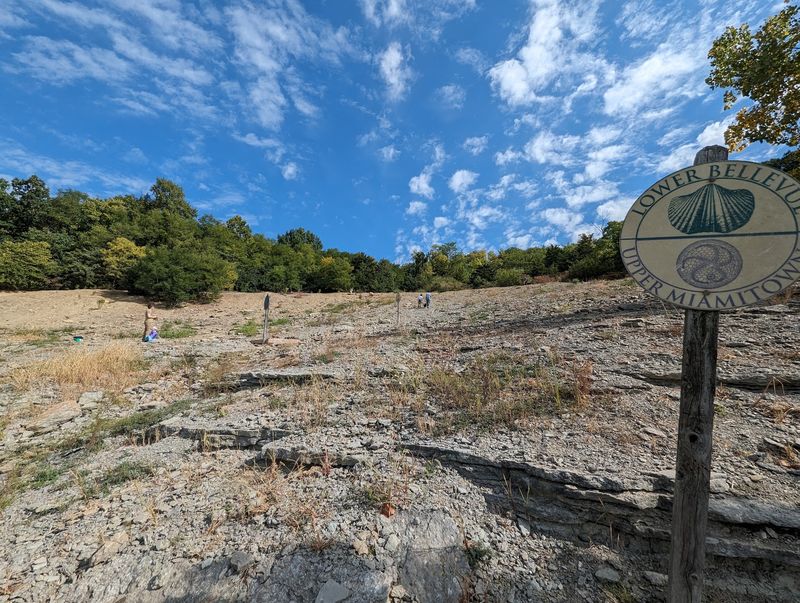
Most people drive past this place without a second glance, because from the road, it honestly looks like an industrial area. There are no flashy signs or grand entrances to tip you off.
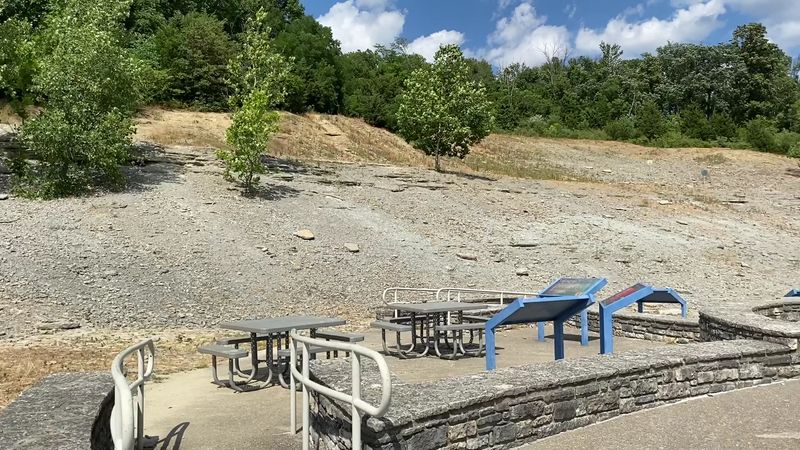
Trammel Fossil Park is a ten-acre public park built around a rocky hillside in Sharonville, Ohio, and it is genuinely one of the more unusual outdoor destinations in the greater Cincinnati region.
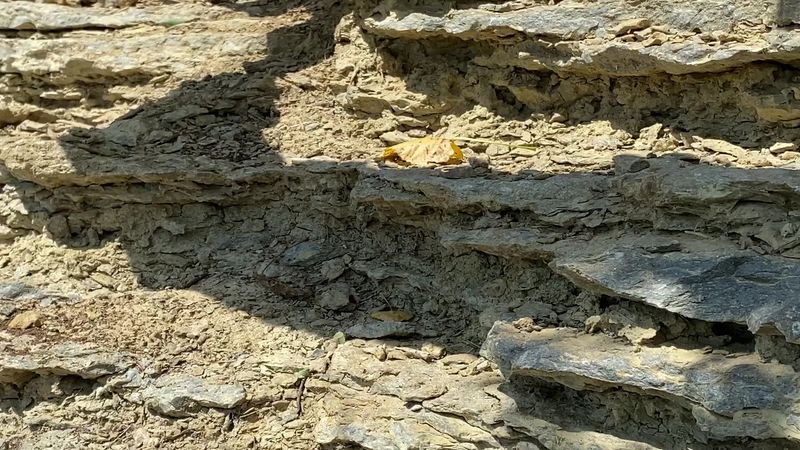
The exposed rocks preserve evidence of a sea that covered this area during the Late Ordovician period.
Brachiopods, bryozoans, crinoid pieces, gastropods, and other marine fossils can be found throughout the shale and limestone layers. The park is free to visit, open daily from dawn to dusk, and managed by the City of Sharonville.
Visitors are allowed to collect fossils, but the official guide asks everyone to take only a representative sample and leave plenty of specimens for others to discover.
The full address is 12000 Tramway Drive, Sharonville, OH 45241, and parking is available beside the park.
The Story Behind The Park
Every great place has a backstory, and this one involves a family that recognized the importance of preserving an unusual piece of local land.
Trammel Fossil Park exists because the R.L. Trammel family donated ten acres to the City of Sharonville for education and public exploration.
R.L. and Ellen Trammel were recognized when the park was dedicated on September 29, 2003. The family chose preservation after realizing that schools and fossil hunters were already traveling considerable distances to study the exposed hillside.
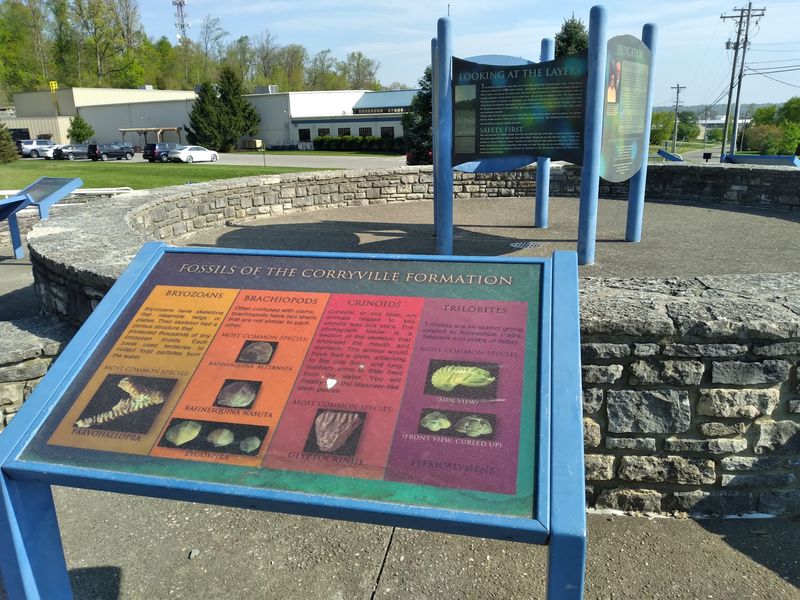
Informational signs throughout the park explain how the site developed and why its geological layers remain valuable. It is not just a hill full of rocks but a property deliberately protected for future visitors.
The fossil-rich shale and limestone date to the Late Ordovician period, roughly 440 million years ago, when the Cincinnati region lay beneath a shallow sea. Marine organisms left remains that eventually became preserved in the layers visible across the hillside today.
That history becomes much easier to appreciate when you hold a fossil and realize how completely different Ohio looked when the surrounding rock first formed.
The Fossil-Hunting Experience
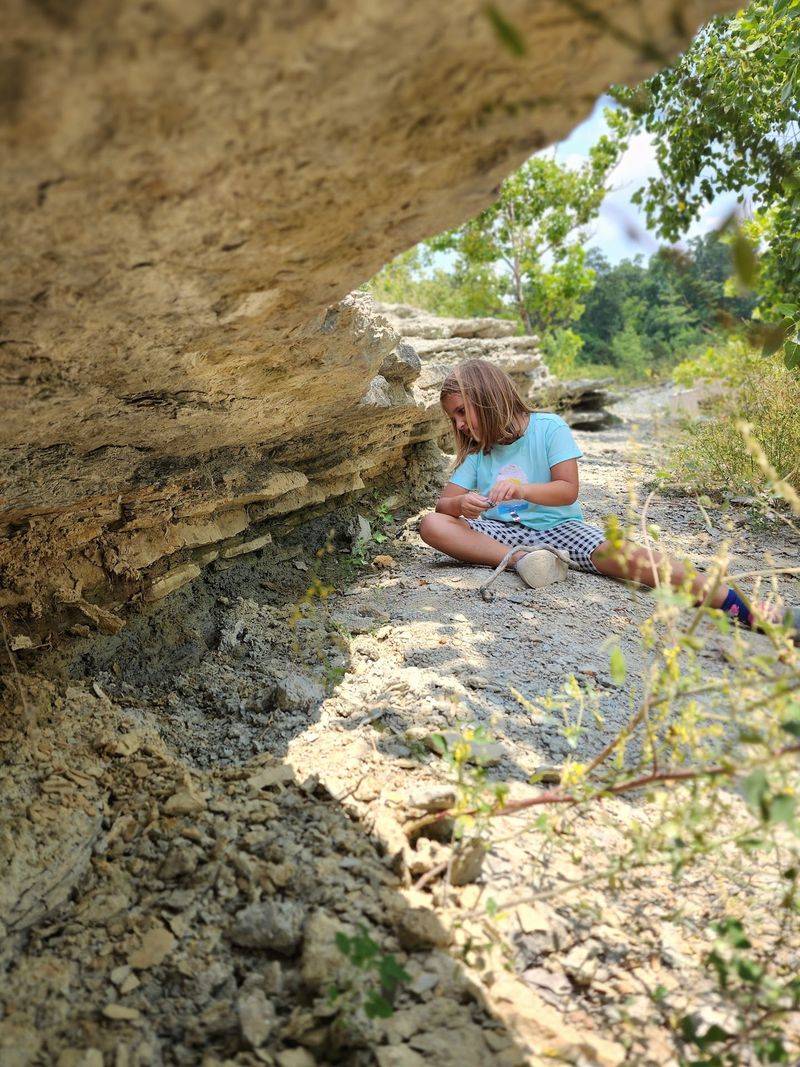
There is something almost electric about the moment you spot your first fossil. You pick up what looks like an ordinary gray rock, flip it over, and suddenly there is the unmistakable outline of an ancient shell pressed into the surface.
At Trammel Fossil Park, that experience can happen repeatedly. Fossils appear in loose pieces of shale and limestone across the hillside, especially where natural weathering has exposed fresh surfaces.
Brachiopods, bryozoans, crinoid pieces, gastropods, pelecypods, and occasional edrioasteroids are among the fossils identified in the park’s four geological formations.
Signs guide visitors through the Fairview, Miamitown Shale, Bellevue, and Corryville formations, helping explain which fossils are associated with each layer. These are educational formation areas rather than separate excavation zones.
The official visitor guide asks guests not to dig holes into the slope. Hand tools may be used carefully, but the best approach is to search loose material, inspect pieces exposed by weather, and leave the hillside safe for everyone else.
Go slowly, look carefully, and let yourself become absorbed in the process. A small brush can help remove loose surface debris without turning the visit into a full excavation project.
What To Bring For The Best Visit
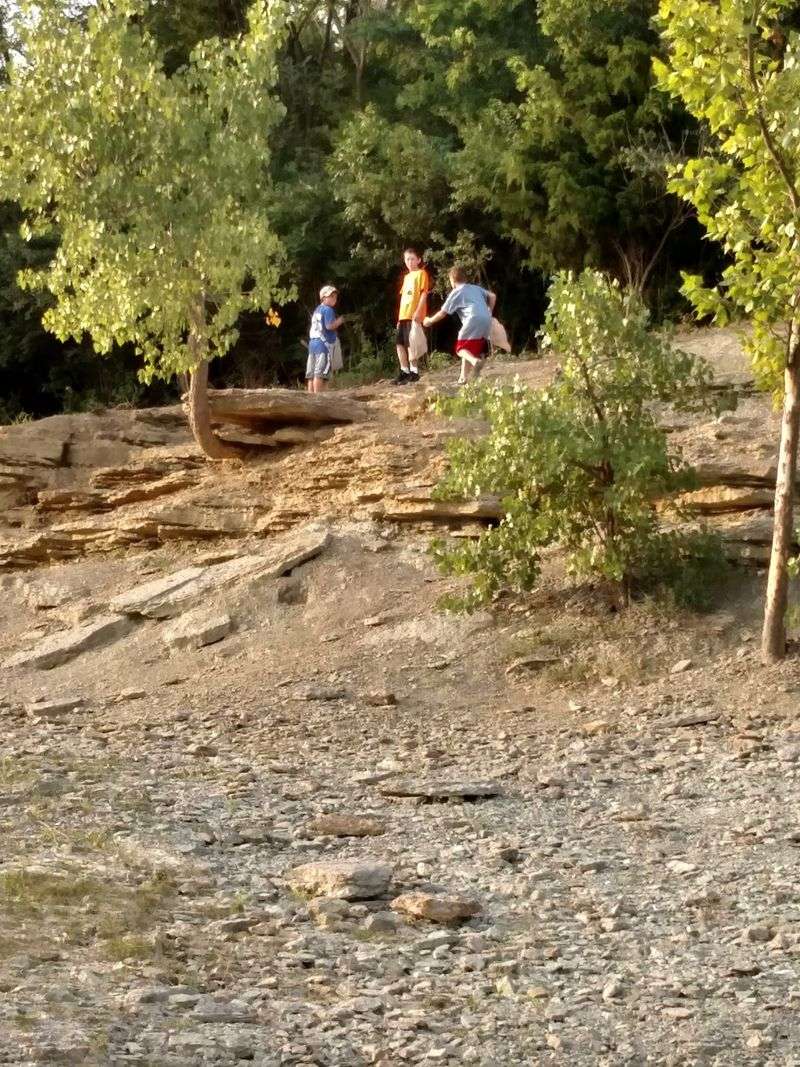
Coming prepared makes a real difference here, and a few small additions to your bag can turn a good visit into a much easier one.
The hill is steep in sections, and the rock and clay can become slick after rain, so sturdy closed-toe shoes with reliable traction are strongly recommended.
A small stiff-bristled brush can help clear loose surface debris from fossils without damaging them. Hand tools are permitted, but visitors should not dig holes into the slope or leave depressions that could become hazards.
Bring a small bag or container for a representative sample of your finds rather than planning to remove a large collection. The park asks visitors to leave plenty of fossils behind for schools, families, and future fossil hunters.
Water and sunscreen are particularly useful during summer visits because much of the fossil-hunting area is exposed. A light snack can also help if you plan to spend more than a quick hour examining the hillside.
Many fossils can be spotted in loose material without tools, so patience and careful observation are more important than arriving with a miniature construction crew.
The Terrain And How To Navigate It
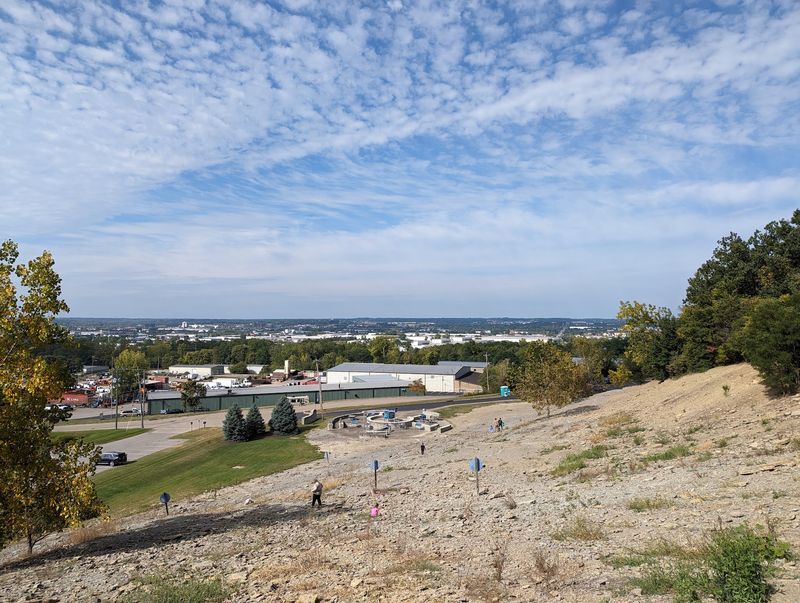
The hill at Trammel Fossil Park is not a gentle stroll, and that is part of what makes it feel like a real outdoor exploration.
The main fossil area rises across a moderate to steep incline, with loose shale, limestone, and clay underfoot.
Visitors who do not want to climb far can begin by examining loose material closer to the base. Fossils may still be found there, although conditions and exposed material change with weather and natural erosion.
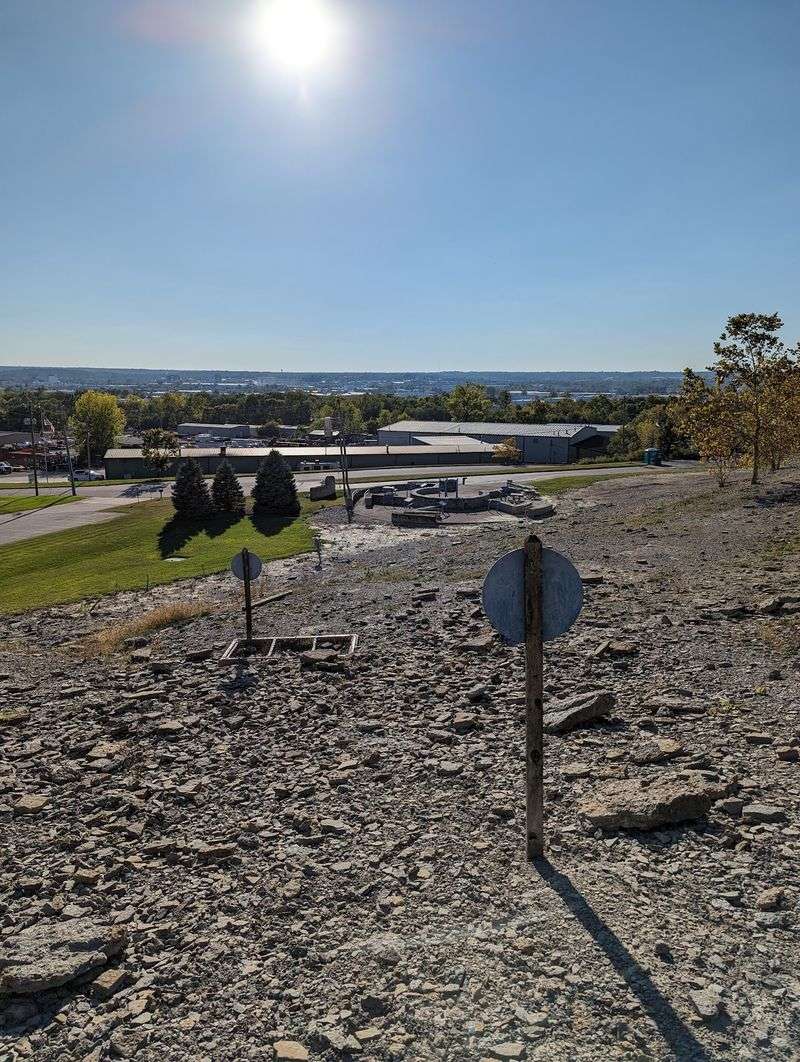
A hiking trail on the property leads toward a hilltop view of Cincinnati. Official information does not describe it as a complete loop, so visitors should pay attention to their route and be prepared to return along the same general path.
After rain, fossils may become easier to notice as they wash from the shale. The same moisture makes the clay extremely slippery, so extra caution is necessary before attempting any part of the slope.
Sturdy footwear, a slow pace, and a willingness to turn back when conditions feel unsafe will make the hillside much easier to handle.
The View From The Top
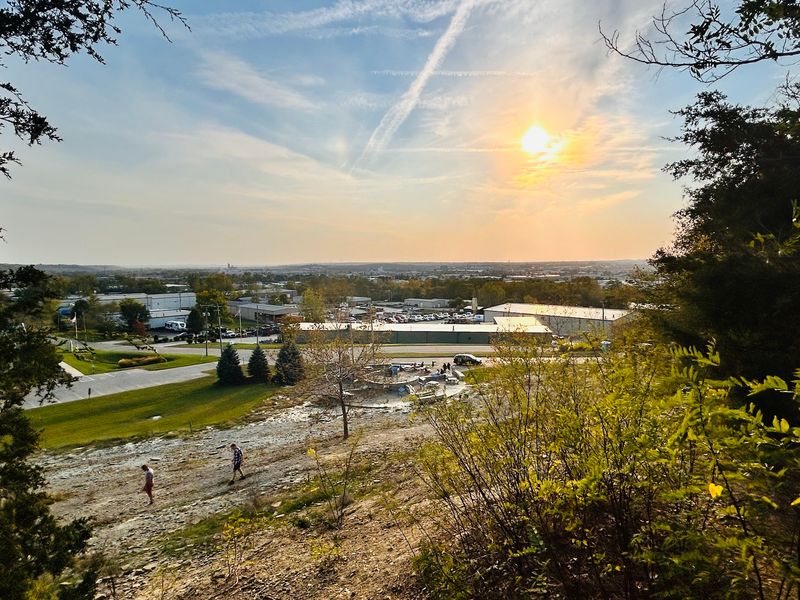
Reaching the top of the hill at Trammel Fossil Park comes with a reward that has nothing to do with fossils.
From up there, you get a surprisingly clear view of the Cincinnati cityscape spreading out across the horizon.
It is one of those unexpected moments that stops you mid-climb. You came to look at ancient rocks, and suddenly you are standing on a ridge with a city skyline laid out in front of you like a postcard.
The contrast between the 450-million-year-old fossils at your feet and the modern buildings in the distance is genuinely striking.
Photographers tend to love this vantage point, and the golden hour light in the late afternoon makes the whole scene look cinematic. Wildflowers grow along the upper trail in summer, adding color and texture to what is otherwise a very rugged landscape.
The upper trail also offers a peaceful, quieter atmosphere compared to the busier lower digging areas.
If you need a few minutes to just breathe and take in the scenery after a good fossil session, the hilltop is the perfect place to do exactly that before making your way back down.
Perfect For Families With Kids
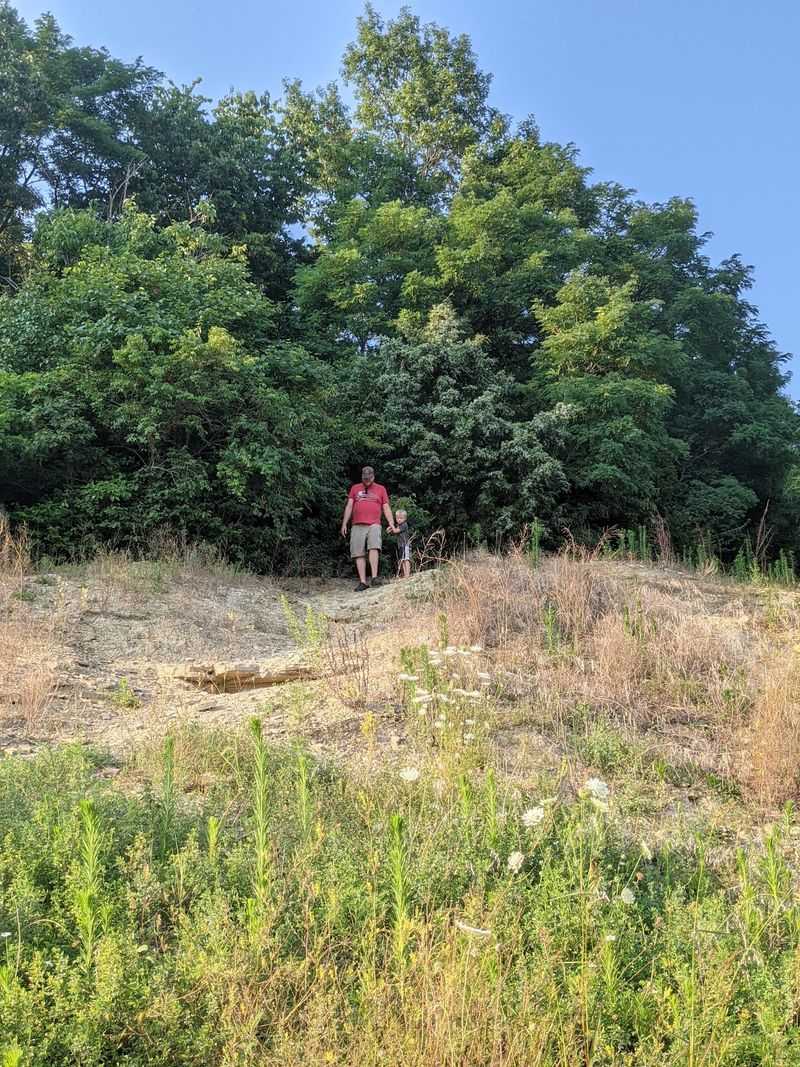
Few outdoor activities hold a child’s attention the way fossil hunting does, and Trammel Fossil Park gives families a hands-on way to explore natural history.
The combination of physical activity, discovery, and real fossils can keep children interested far longer than a typical walk around a park.
Younger children tend to get excited simply spotting shell shapes, while older kids may become surprisingly methodical about checking loose rocks and comparing finds with the informational signs. My experience watching kids at places like this is that screens suddenly face some serious competition.
Visitors may take home a representative sample of fossils, which gives children something tangible to remember the trip by. The park asks families not to remove excessive amounts and to leave plenty behind for other visitors.
A small fossil can become a conversation starter and sometimes the beginning of a genuine interest in geology. Even adults often become competitive once everyone realizes that careful observation matters more than age or experience.
Parents should supervise children closely on the steeper sections because loose rock and wet clay can make the hillside difficult to navigate.
Visiting On A Budget
Free is a word that gets thrown around loosely, but Trammel Fossil Park genuinely charges no admission.
Parking is also free, and reservations are not required for ordinary visits. That combination is rarer than you might think.
For families looking for a meaningful summer outing without spending much, this park checks several important boxes. Outdoor activity, hands-on learning, and a small representative fossil sample can all be part of the visit without an admission charge.
Visitors should bring their own water, snacks, sturdy footwear, and any simple hand tools they plan to use. There is no need to rent equipment, and many fossils can be found by carefully inspecting loose material.
The park is open seven days a week from dawn to dusk, so the exact visiting window changes with the season. Checking sunset time before an evening visit will keep the trip from ending earlier than expected.
For travelers passing through the Cincinnati area, Trammel Fossil Park remains one of the region’s most unusual free outdoor stops.
The Informational Signs Throughout The Park
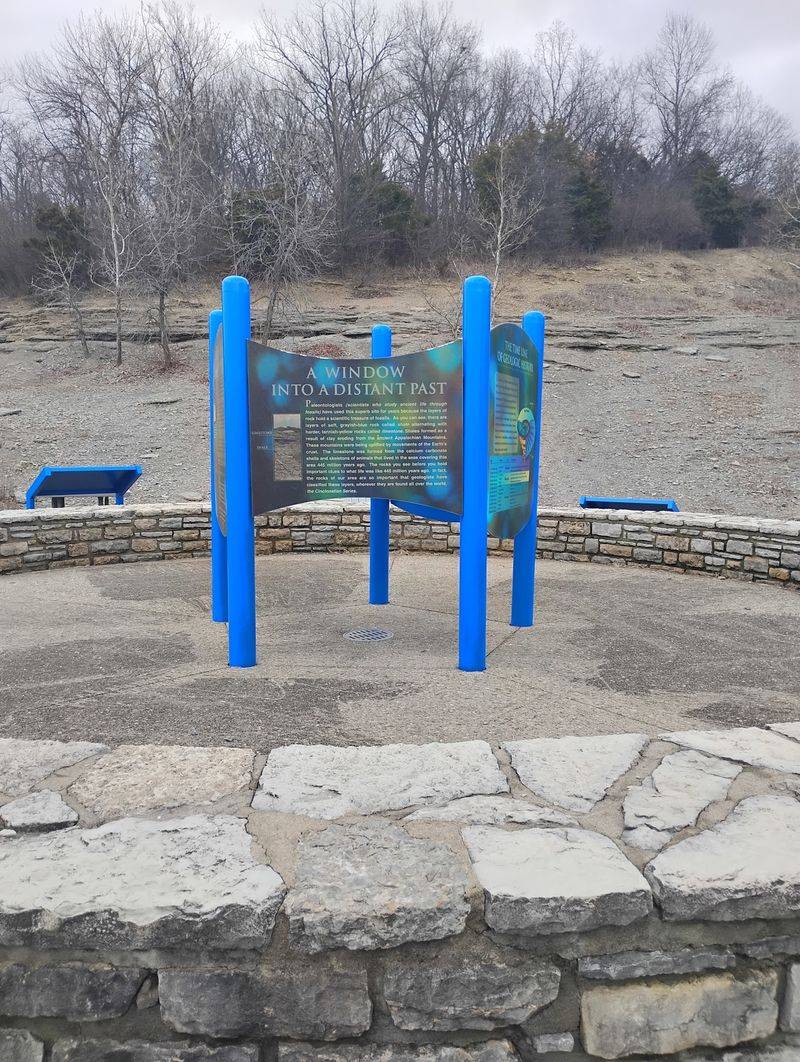
Scattered across the park are educational signs that explain what kinds of fossils you might find, how they formed, and what the landscape looked like hundreds of millions of years ago.
They add real context to what you are holding in your hands.
The signs cover topics like different fossil types, the geological timeline of the Ordovician period, and the story of the couple whose donation made the park possible.
Some of the signs have weathered over time and become harder to read, which is a fair criticism that has come up in visitor feedback.
The ones that are still legible, though, are genuinely informative without being overwhelming.
They are written in clear, accessible language that both kids and adults can follow, and they make the visit feel more like a curated experience than just wandering around a rocky hill.
If you visit and find a sign too faded to read, the park’s connection to the natural history collection at the Cincinnati Museum Center is worth noting.
The museum features additional information on the same types of fossils found here, making a combined visit to both locations a surprisingly rich educational day trip.
When To Go And What To Expect
Timing your visit well can make a noticeable difference in how much you enjoy the park.
During summer, arriving shortly after dawn can provide cooler temperatures and softer light before the exposed hillside absorbs the day’s heat.
Late afternoon can also be pleasant, particularly when the sun is lower and the hilltop view becomes more appealing. The park closes at dusk rather than at a fixed evening hour, so visitors should leave enough daylight to return safely to the parking area.
Weekday mornings may provide a quieter experience, although crowd levels naturally vary. Weekends often bring more families, school groups, and casual fossil hunters to the hillside.
Visits after rain can be productive because water exposes fossils and increases the contrast between fossil surfaces and the surrounding rock. Wet clay also becomes extremely slippery, so waiting for the steepest sections to dry is the safer plan.
An extra pair of shoes or a bag for muddy footwear can be surprisingly useful after damp weather.
Facilities And Practical Details
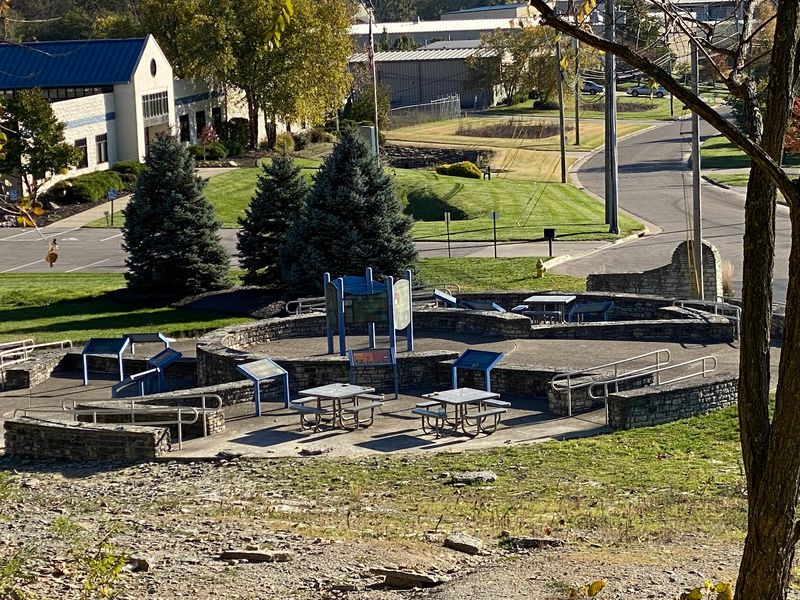
Trammel Fossil Park is a primitive public outdoor space, and its facilities are fairly simple. Picnic tables, trash cans, a drinking fountain, informational signs, and a hiking trail are available on the property.
Portable restrooms and a hand-washing station are seasonal rather than guaranteed throughout the year. The current City of Sharonville facilities page lists them as available from April through November, although calling ahead near the edges of that season is sensible.
Parking is available beside the park, but there is no gift shop, cafe, visitor center, or equipment-rental counter. Visitors should arrive with their own water, snacks, footwear, and any simple tools they intend to use.
The fossil hillside includes loose rock, uneven surfaces, clay, and steep sections. The city does not publish a detailed accessibility route, so visitors with mobility concerns should contact the recreation department before making a special trip.
The phone number for park questions is 513-563-2895.
Why This Place Keeps Surprising People
There is a particular kind of satisfaction that comes from finding something ancient with your own hands, and Trammel Fossil Park delivers that feeling with remarkable consistency.
People who visit expecting a modest rocky hillside often leave with a much greater appreciation for what lies beneath the surface.
Part of what makes it surprising is how approachable fossil hunting can be. You do not need a geology degree or specialized equipment to recognize shell shapes and other marine fossils in loose pieces of rock.
A curious mind and a willingness to look carefully are the most important tools.
The primary hillside is steep and uneven, so the park may still be physically challenging for some visitors.
People who prefer not to climb far can begin near the lower portions, but no part of the fossil area should be treated as a guaranteed accessible route.
Visitors regularly praise the park for its free admission, abundant fossils, educational value, and appeal to families.
Exact online ratings can change, but the consistently positive response helps explain why this simple public park attracts fossil hunters from well beyond Sharonville.
That lasting sense of discovery is what makes Trammel Fossil Park worth writing about. A lot of places are pleasant for an afternoon.
This one can send you home looking at every ordinary rock a little more closely.