
This Ohio Historic Village Is A Walk Straight Into The State’s Earliest Days
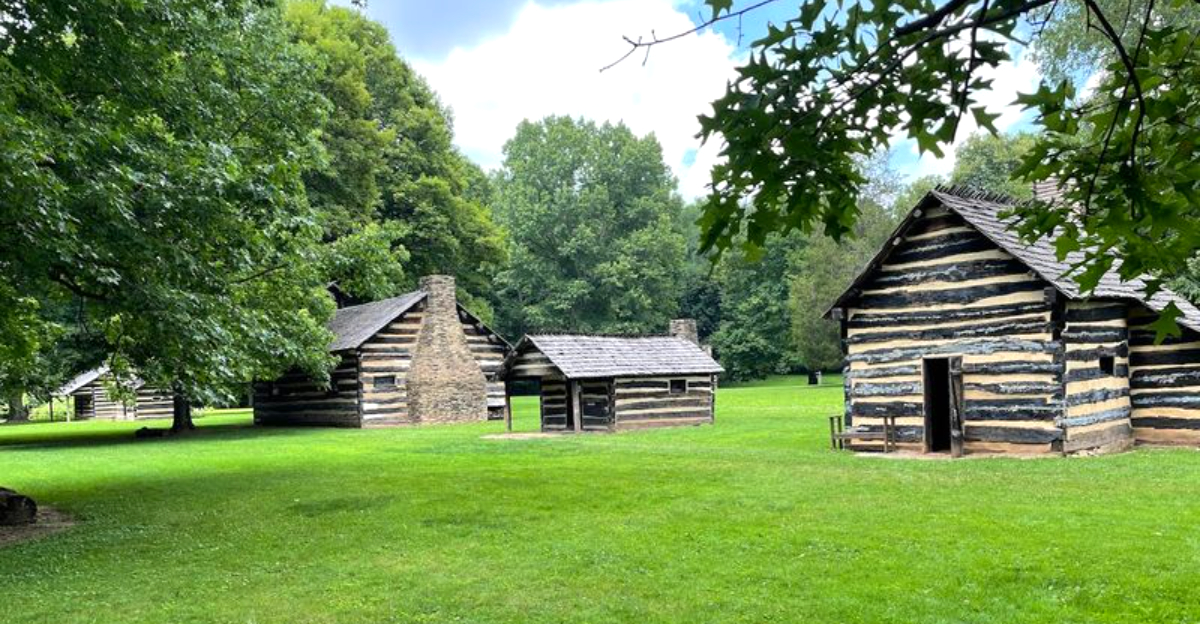
Ohio has a few places where history feels less like a chapter in a textbook and more like something you can walk straight into.
This historic village in Tuscarawas County does exactly that, with reconstructed log cabins, a reconstructed church, and quiet grounds that pull you back toward the 1770s without needing a DeLorean.
The setting is simple, but that is part of what makes it powerful. Each cabin, pathway, and exhibit helps you picture daily life in Ohio before it was officially Ohio, when the region was still being shaped by early communities, shared work, and complicated stories.
For anyone drawn to meaningful history stops, this village offers a calm but memorable look at the state’s earliest days. It is peaceful, thoughtful, and far more engaging than a quick roadside glance would ever suggest.
Where History Begins: The Village Location and First Impressions
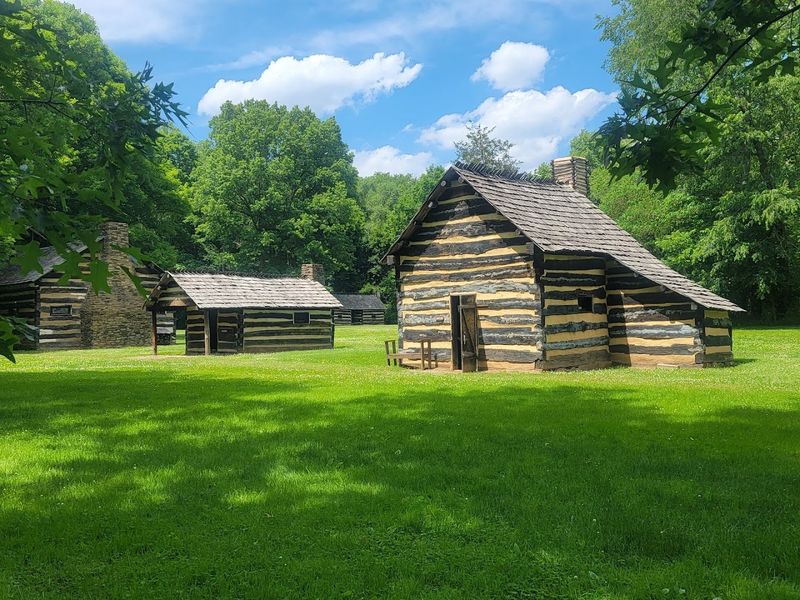
My first look at Schoenbrunn Village made me slow down right away.
The open field, the reconstructed log buildings, and the quiet Ohio countryside all work together to make the place feel less like a museum stop and more like a step into another century.
The surrounding area is calm and rural, which fits the village beautifully. Before you even reach the cabins, the visitor center gives you a clear and welcoming starting point, with staff who seem genuinely happy to help visitors understand what they are about to see.
That enthusiasm matters, because this is the kind of historic site that becomes much more meaningful once you know the story behind it. The layout is easy to follow, the grounds feel thoughtfully maintained, and the whole experience starts off feeling peaceful rather than overwhelming.
Admission is reasonable, which makes it an easy addition to a Tuscarawas County day trip. You can find Schoenbrunn Village at 1984 E High Ave, New Philadelphia, OH 44663.
The Story Behind the Village: Moravian Missionaries and the Lenape People
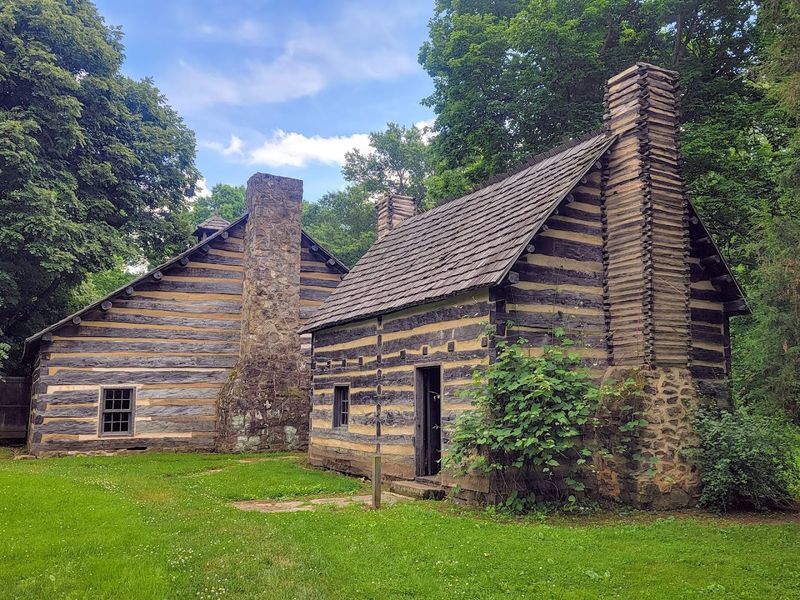
Long before Ohio had a name, a remarkable community took root here. In 1772, Moravian missionaries and Delaware people connected to the mission built Schoenbrunn, which translates from German as “beautiful spring.”
The village became Ohio’s first Christian settlement and one of the earliest organized communities in what would eventually become the state of Ohio.
What struck me most was how much daily life here revolved around shared work, faith, education, and community rules. The Moravian missionaries and Delaware residents built homes, worshipped, farmed, and created a structured settlement during an incredibly complicated frontier period.
The schoolhouse is especially important because education was offered to both males and females, which was progressive for the 18th-century Ohio frontier.
The village also established Ohio’s first civil code, giving the community a formal structure that went beyond simply surviving from one season to the next.
Learning this backstory in the visitor center before heading outside made every log cabin I visited feel more personal. These were not just buildings.
They represented an actual community, built with care, purpose, and a history far more layered than a quick glance could ever explain.
The Introductory Video: A Surprisingly Good Way to Start
Before heading outside, every visitor is invited to watch a short introductory video in the visitor center, and I genuinely recommend not skipping it.
The film runs about ten minutes and does a solid job of putting the whole village into historical context.
Rather than feeling like a dry classroom lecture, the video moves at a comfortable pace and uses visuals that actually help you picture what life was like here in the 1770s. By the time it ended, I was genuinely eager to get outside and see the reconstructed village with fresh eyes.
The narration covers the founding of Schoenbrunn, the relationship between the Moravian missionaries and the Lenape people, and the eventual fate of the community. It is honest about the hardships without being heavy-handed about it.
Watching it first also gives you a mental map of what you are about to see, so you are not wandering the grounds trying to piece things together on your own. The staff suggested it, and I am glad I listened.
Ten minutes of your time buys you a much richer walk through the village, and that trade-off is absolutely worth it.
The Reconstructed Cabins: Stepping Into Everyday 18th-Century Life
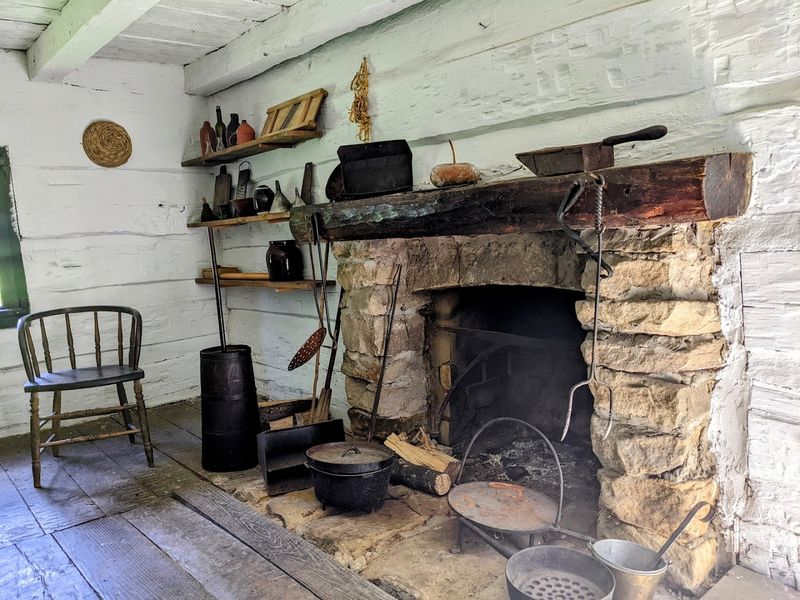
Nearly every cabin in the village is open for visitors to enter, and that detail alone sets Schoenbrunn apart from a lot of historic sites I have been to. You are not just looking through a velvet rope.
You are actually going inside.
The interiors are carefully furnished with period-accurate items. Think wooden sleeping platforms, clay pots, iron tools, and simple but sturdy furniture that reflects the practical nature of daily life in the 1770s.
Each cabin has a sign that explains who lived there and what their role in the community was. Some were family homes, others served more specific purposes like storage or food preparation.
The variety keeps the walk from feeling repetitive.
What surprised me was how small the spaces were. Standing inside one of those cabins, you quickly realize how efficiently these people used every inch of their living space, and how much of their day must have been spent outdoors.
The reconstruction is detailed enough that you can almost hear the crackle of a fire and smell the wood smoke. It is the kind of immersive experience that history books simply cannot replicate, no matter how well they are written.
The Church and the School: Education and Faith on the Frontier
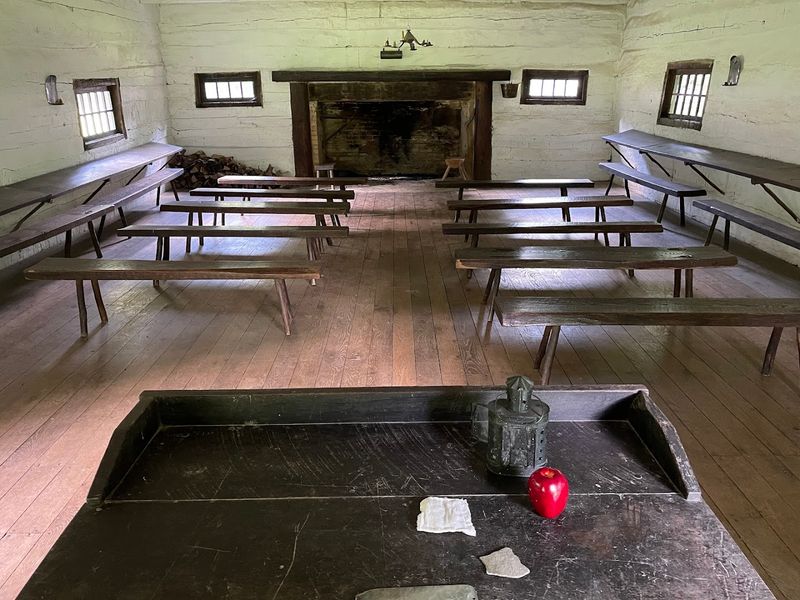
Two structures in the village stood out to me more than the rest: the church and the school. Both are reconstructions, but they carry a weight that is hard to shake once you know their history.
The schoolhouse at Schoenbrunn holds a remarkable distinction. It is widely recognized as the first school in Ohio, built to educate both boys and girls at a time when that kind of equal access to learning was far from common anywhere in the world.
The church is equally fascinating. According to the walking tour guide, the Moravian Church represented here is still an active denomination today, which means the faith practiced in this reconstructed log building has a living, breathing continuation into the present.
Both buildings are open to enter, and the interiors are simple but evocative. Rows of wooden benches, a plain pulpit, and a small writing area in the school give you a clear picture of how structured yet humble daily life was in this community.
Standing in the schoolhouse, I thought about how radical the idea of educating everyone equally must have seemed in 1773. Some ideas are simply ahead of their time, and this village proved it.
The Museum Inside the Visitor Center: Artifacts That Bring the Story Closer
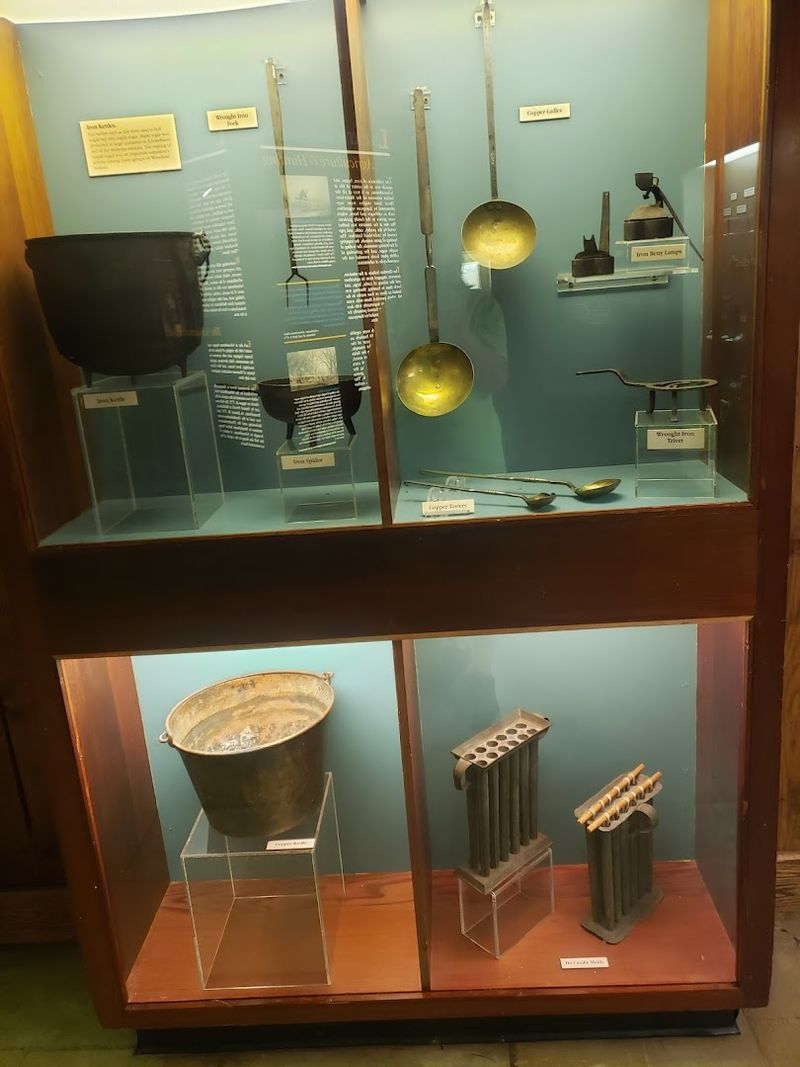
After my walk through the village, I headed back into the visitor center to spend some time in the museum area, and it turned out to be one of the best decisions of the afternoon.
The collection is small but carefully curated, and the displays help connect the reconstructed village to the real people and events behind it.
The museum features interpretive materials, maps, timelines, and historic objects that add useful context to the outdoor walk. Seeing those pieces after visiting the cabins made the whole story feel more grounded and complete.
The museum also helps explain the Moravian and Delaware perspectives behind Schoenbrunn, which is important because this site is not just about buildings.
It is about the people who lived here, the choices they made, and the pressures that eventually forced the community to leave.
The gift shop sits adjacent to the museum and is worth browsing if you want books, reproductions, or locally themed items connected to the site.
The whole indoor experience complements the outdoor walk perfectly, giving you context before and reflection time after. It is a well-designed loop that leaves you feeling genuinely informed rather than just entertained.
Special Events: Lantern Tours, Guided Walks, and Living History
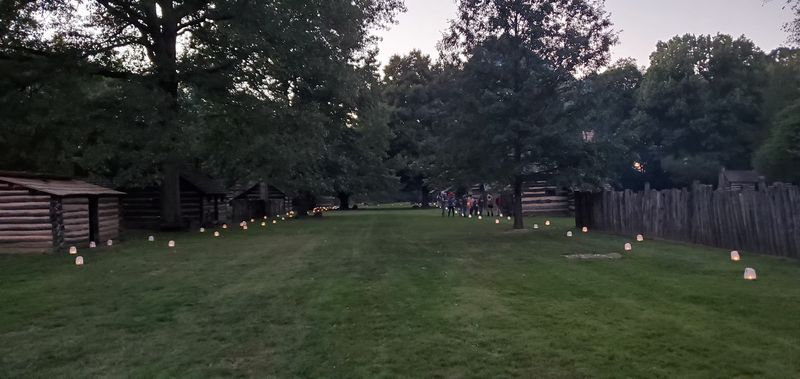
The regular daytime visit is great, but the special events at this village take the experience into an entirely different territory.
The fall lantern tours are among the most memorable events on the calendar, and after hearing about them from staff and seeing the enthusiasm from other visitors, I completely understand why.
During the lantern tours, visitors follow a path of luminarias through the village and discover what life was like in this 18th-century Moravian community on the edge of the American Revolution.
The site also offers guided tour opportunities during the season, giving visitors a deeper look at the history, cabins, and people who helped shape Schoenbrunn Village and early Ohio.
Past and recurring programming has included living-history elements, seasonal events, and demonstrations that help the village feel more active and immediate than a standard walk-through attraction.
Checking the village’s official website or social media before your visit is the best way to stay current on dates, admission, and special programming.
Practical Tips for Planning Your Visit
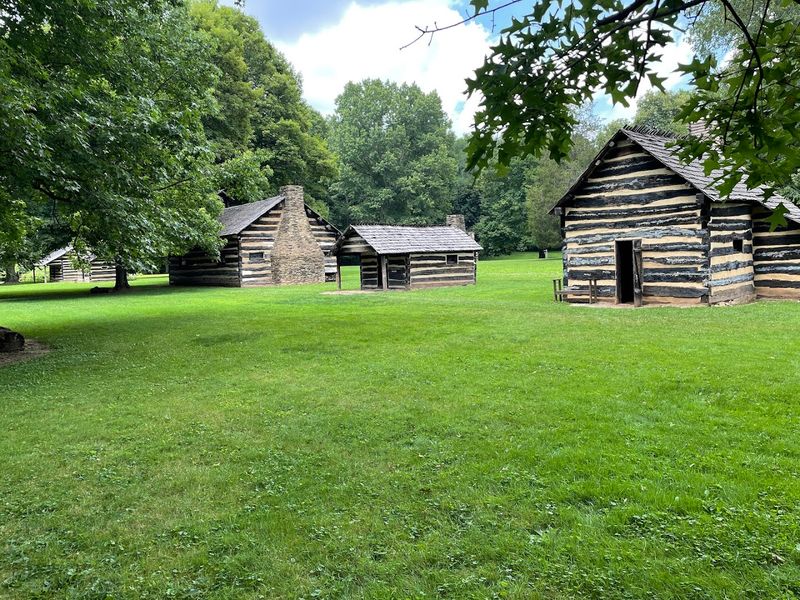
A few practical things are worth knowing before you head out. Schoenbrunn Village is generally open from Memorial Day through Labor Day on Wednesday through Saturday from 10 AM to 5 PM and Sunday from 12 PM to 5 PM.
In September and October, the site shifts to weekends only, with Saturday hours from 10 AM to 5 PM and Sunday hours from 12 PM to 5 PM.
The site is closed from November through mid-May, and it also closes on several holidays, so checking the official schedule before driving out is a smart move.
The phone number is +1 330-808-4815 if you want to call ahead, and the official Ohio History Connection page has up-to-date information on events, admission, and seasonal hours.
The walk through the village covers a mowed field, which is generally easy to navigate but worth keeping in mind if mobility is a concern for anyone in your group. Comfortable walking shoes are the right call here, not sandals or dress shoes.
There is a picnic area on the grounds, so packing a lunch and making a full afternoon of it is a genuinely appealing option. The setting is peaceful enough that lingering feels natural rather than awkward.
Parking is free, the grounds are well-maintained, and the whole experience is designed to be accessible and enjoyable for visitors of nearly every age and background.
A Great Spot for Families, Homeschoolers, and Curious Adults Alike
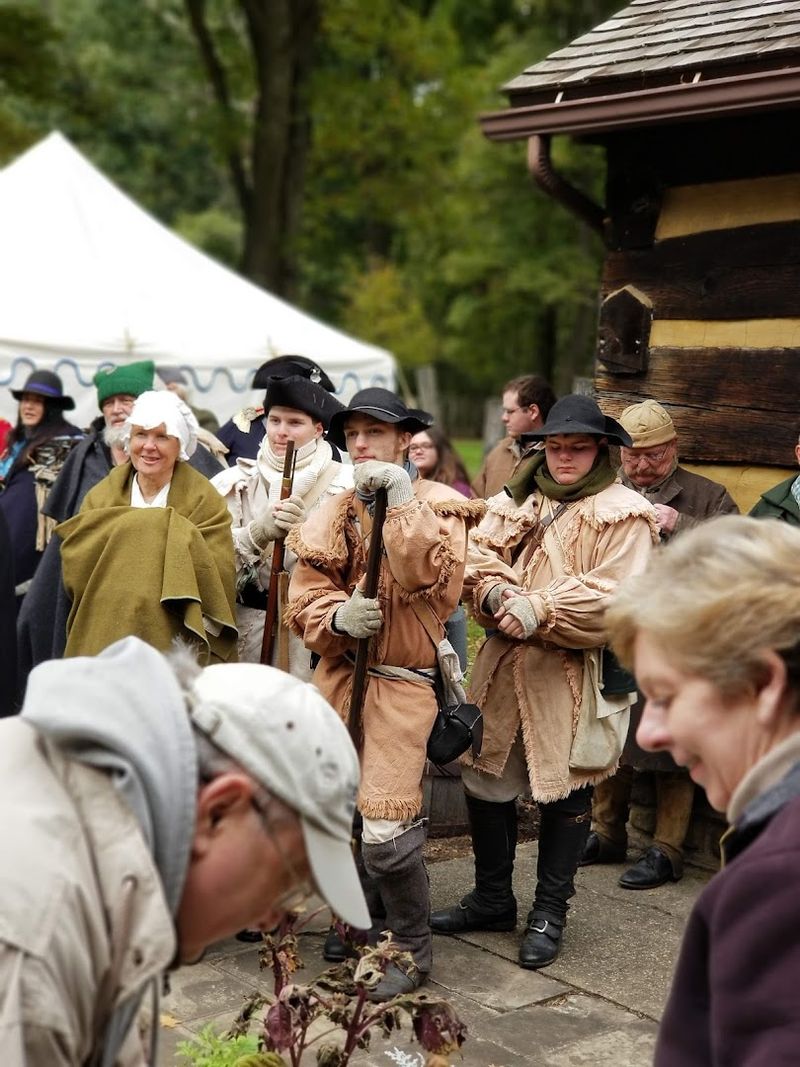
Few historic sites manage to genuinely engage every age group in the same visit, but Schoenbrunn pulls it off with surprising ease.
Families with younger children tend to love the open cabins because kids can actually walk in, touch the wooden furniture, and ask questions in a real space rather than staring at a display case from five feet away.
Homeschool groups visit regularly, and the village has experience hosting educational events tailored to that audience. The combination of hands-on exploration and knowledgeable staff makes it a natural fit for learning outside a traditional classroom setting.
Adults visiting without kids find the experience just as rewarding, maybe even more so, because there is time to linger and ask the deeper questions. The history here is layered enough to hold the attention of someone who already knows a fair amount about early American settlement.
The self-guided format gives everyone the freedom to move at their own pace. Spend twenty minutes or spend three hours.
The village accommodates both without making either feel rushed or incomplete.
History does not have to be a chore to absorb, and Schoenbrunn Village is living proof that the right setting makes all the difference.
Why Schoenbrunn Village Deserves a Spot on Every Ohio Itinerary
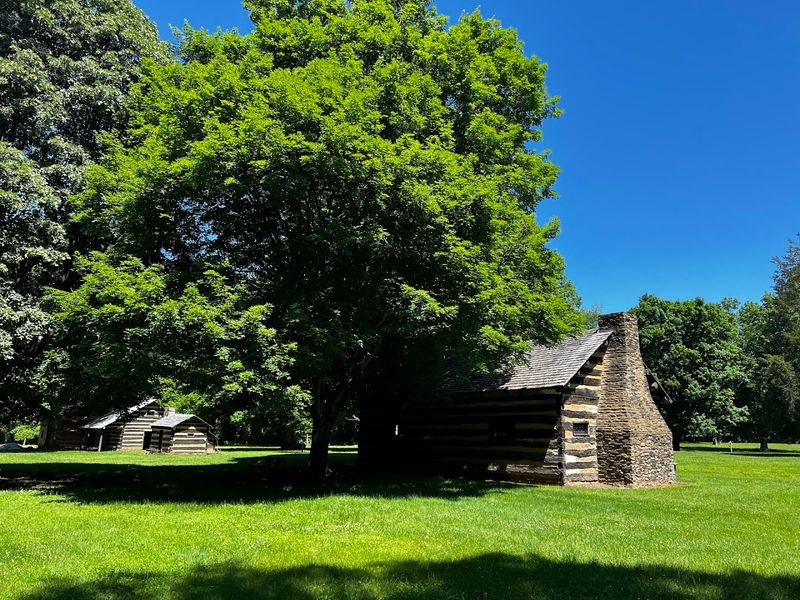
After spending an afternoon here, I left with a clear sense of why this place earns such consistent praise from everyone who visits. It is not flashy.
There are no big screens or elaborate special effects. What it offers instead is something harder to manufacture: genuine historical depth delivered with care and authenticity.
The story of Schoenbrunn is not one that gets a lot of attention in mainstream history books, which makes discovering it feel like finding something most people have walked right past without noticing.
The collaboration between Moravian missionaries and the Lenape people, the first school in Ohio, the still-active church denomination, all of it deserves a much wider audience.
The setting in Tuscarawas County is beautiful in a quiet, understated way that matches the spirit of the place perfectly. There are no crowds jostling for space, no long lines for attractions, just you, the cabins, and a few centuries of remarkable human history laid out across a peaceful Ohio field.
Whether you are a dedicated history enthusiast or just someone looking for a meaningful way to spend a Saturday afternoon, this village delivers something worth carrying with you long after you drive away.
Come curious, leave inspired, and maybe plan a second visit before you even reach your car.