
This Ohio Museum Brings The Great Lakes’ Hidden Shipwreck Stories To Life
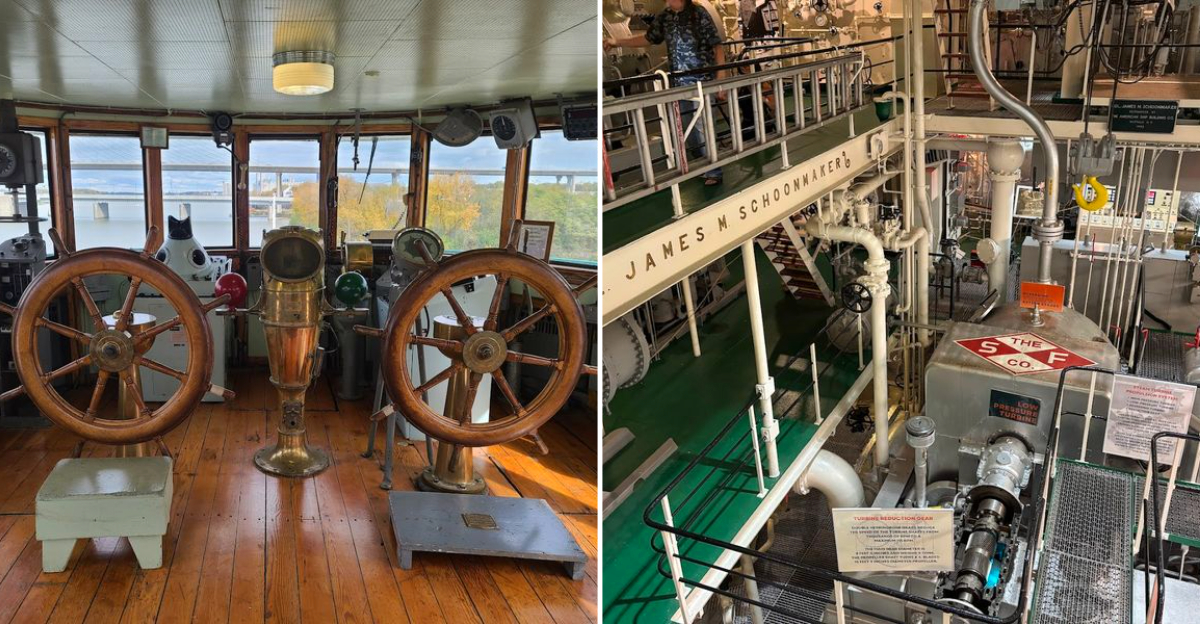
I never imagined that standing on the deck of a century-old freighter would send chills down my spine, but that’s exactly what happened when I visited a maritime museum right along Toledo’s waterfront.
The Great Lakes have swallowed hundreds of vessels over the centuries, taking with them countless stories of bravery, tragedy, and human resilience.
Now, there’s a place in Ohio where those forgotten narratives rise from the depths and come alive through artifacts, interactive exhibits, and an actual ship you can explore.
I spent hours wandering through displays that made me feel like I was part of the crew, experiencing the power and unpredictability of these massive inland seas.
Every corner revealed something new about the sailors who risked everything to transport cargo across waters that could turn treacherous in minutes.
A Waterfront Gateway to Maritime History
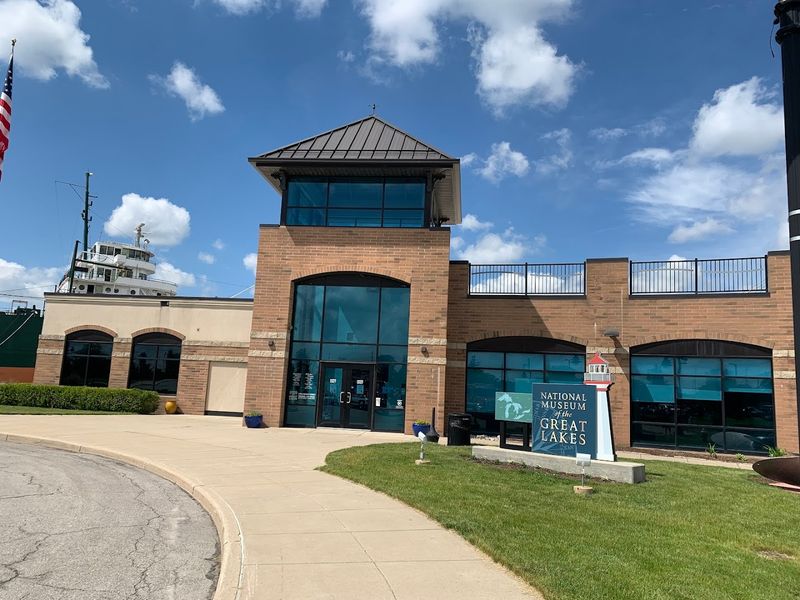
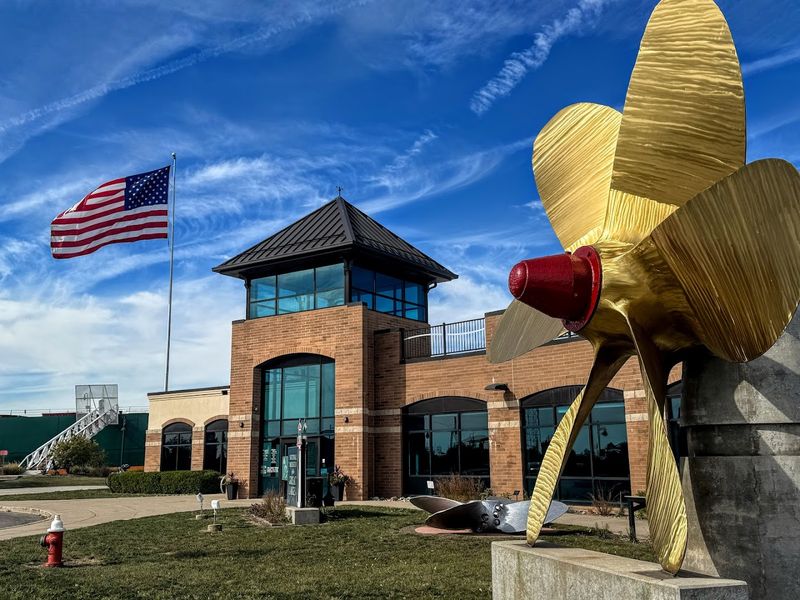
The National Museum of the Great Lakes at 1701 Front St, Toledo, OH 43605 sits right where the Maumee River meets the edge of the city’s industrial waterfront. I pulled into the parking lot and immediately spotted the massive freighter docked alongside the museum building.
The contrast between the modern museum structure and the historic vessel creates an impressive first impression. You can see the ship from blocks away, which makes finding the place easy even if you’re new to Toledo.
Ohio has always been deeply connected to Great Lakes shipping, and this museum captures that relationship perfectly. The building houses thousands of artifacts, interactive displays, and educational exhibits that tell the complete story of maritime commerce and tragedy.
I visited on a Wednesday morning when the museum opened at 10 AM, and the staff greeted me warmly at the front desk. They explained that I could explore both the indoor exhibits and the ships at my own pace, which I appreciated.
The SS Colonel James M. Schoonmaker Takes Center Stage
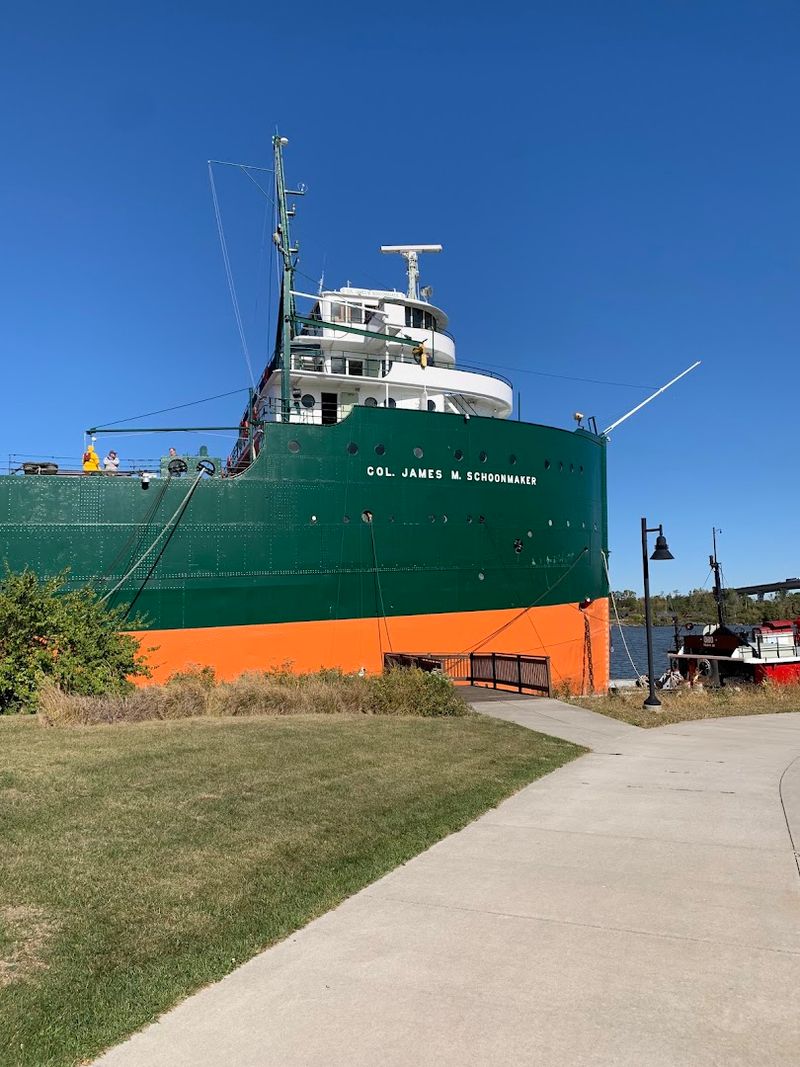
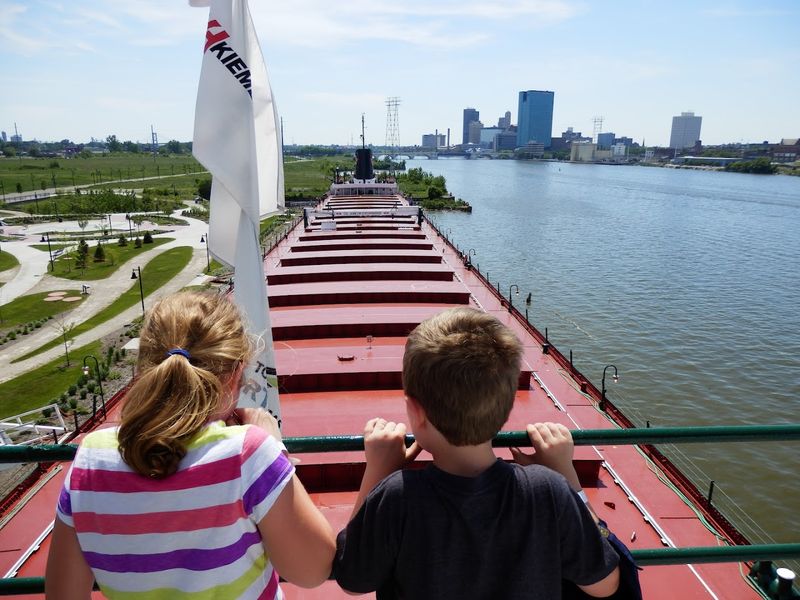
The star attraction is the SS Colonel James M. Schoonmaker, a 617-foot freighter that was built in 1911 and worked the Great Lakes for decades.
Walking up the gangway onto the deck felt like stepping back in time to an era when these ships were the lifeblood of American industry.
This vessel is one of the last remaining examples of its kind, and the museum has done incredible work preserving it. I spent over an hour exploring every accessible area, from the cargo holds to the captain’s quarters.
The ship is only open from May through October because of weather conditions, so I timed my visit accordingly. Every room tells a different story about life aboard a working freighter.
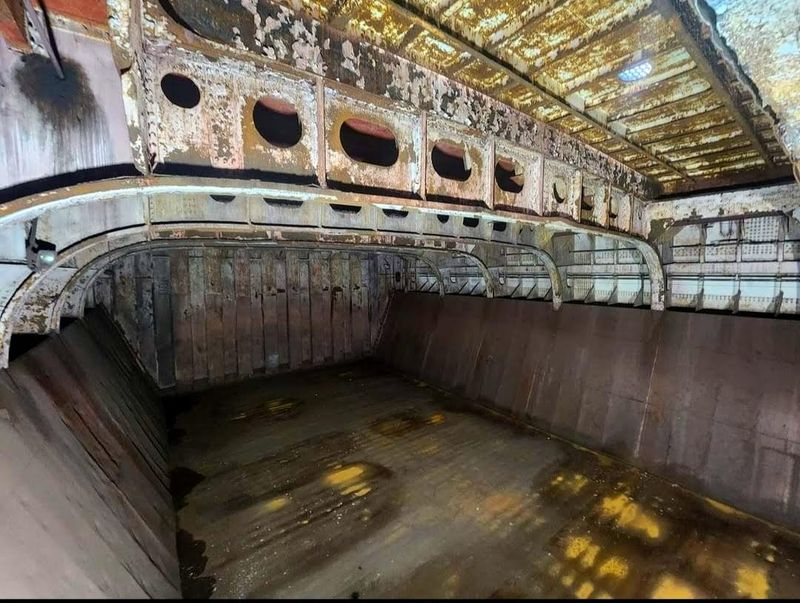
I climbed steep stairs and navigated narrow passageways that gave me a real sense of what sailors experienced daily. The scale of the cargo hold was absolutely stunning.
Artifacts That Tell Stories of Tragedy
Walking through the museum galleries, I encountered artifacts that survivors pulled from wrecks or divers recovered decades later. Each item carries the weight of real human experiences.
One display case held a life raft from the Edmund Fitzgerald, the famous freighter that sank in 1975 with all 29 crew members. Seeing this piece of wreckage up close made the tragedy feel immediate and personal rather than just a historical footnote.
The museum doesn’t shy away from the harsh realities of Great Lakes shipping. I read stories about storms that appeared without warning, ice that crushed hulls, and collisions in dense fog.
Personal belongings recovered from various wrecks filled several exhibits. I saw dishes, tools, clothing, and even letters that never reached their intended recipients.
These intimate objects transformed abstract statistics into real people with families waiting at home for ships that never arrived.
Interactive Exhibits Bring Maritime Technology to Life
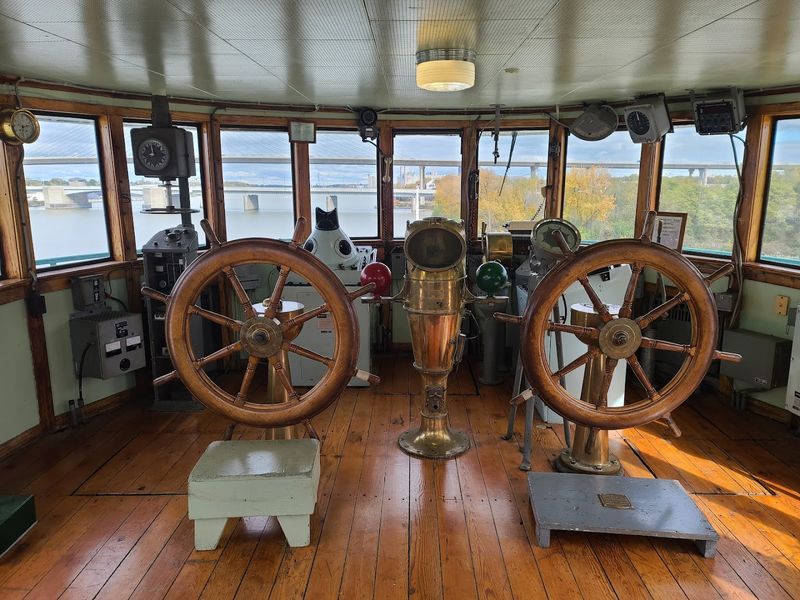
The museum goes beyond static displays by offering interactive experiences that help visitors understand how these massive ships actually operated. I got to test my skills at a navigation simulator that showed how captains plotted courses through treacherous waters.
One exhibit explained the evolution of communication technology, from signal flags to radio systems. I could actually try sending messages using different methods, which made the information stick in my mind much better than just reading about it.
Children around me were completely absorbed in the hands-on activities, but I found them equally engaging as an adult. The museum designed these experiences to work for all ages without feeling dumbed down.
I spent time at a weather station exhibit that demonstrated how quickly conditions could change on the Great Lakes. The simulation showed how a calm day could transform into a deadly storm within hours, helping me understand why so many ships met tragic ends.
The Engine Room Reveals Industrial Power
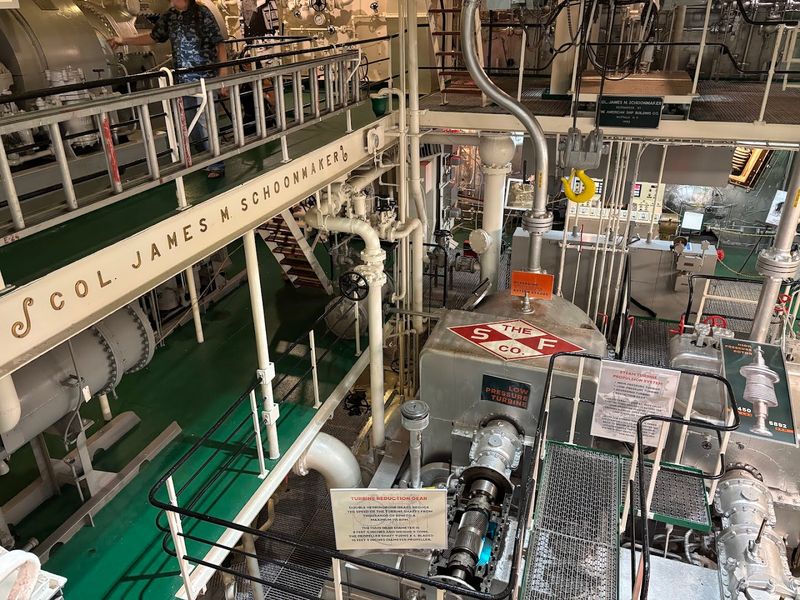
Descending into the engine room of the Schoonmaker felt like entering the beating heart of the ship. The massive engines dominated the space, surrounded by an intricate maze of pipes, valves, and gauges.
I had to climb down a steep ladder to reach the lower engine level, which required some caution. The museum posted clear warnings about the narrow passages and physical demands of exploring certain areas.
The complexity of the machinery was overwhelming at first glance. Every surface seemed covered with mechanical components that somehow worked together to propel this enormous vessel through the water.
Information panels explained how the steam engines functioned and how many crew members were needed to keep everything running smoothly. I tried to imagine working in this hot, noisy environment for weeks at a time, and gained new respect for the engineers who made their careers down here in the ship’s belly.
Living Quarters Show Daily Life at Sea
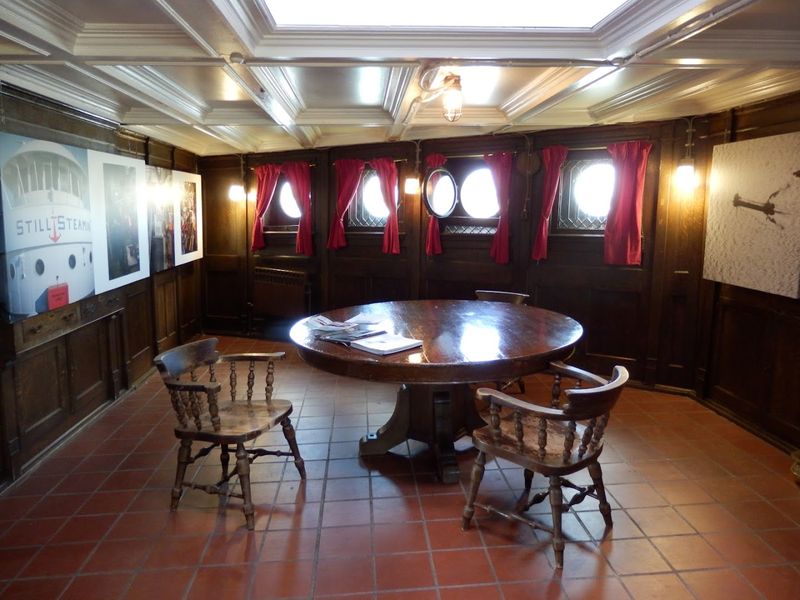
The crew quarters gave me the most vivid sense of what daily life was actually like for the men who spent months at sea. The bunks were narrow and stacked close together, with minimal personal space for each sailor.
I walked through the captain’s cabin, which was significantly more spacious and comfortable than the crew areas. The contrast illustrated the clear hierarchy that existed aboard these vessels.
The galley and dining areas showed where meals were prepared and eaten. I could picture sailors gathering here after long shifts, sharing stories and building the camaraderie that helped them endure the isolation and danger of their work.
Even the bathroom facilities were preserved, showing the basic amenities available to crew members. Modern visitors often express surprise at how sparse these accommodations were, but they represented the standard for working ships of that era throughout Ohio’s maritime history.
The Museum Theater Presents Dramatic Footage
The museum features a small theater that screens a continuous loop of documentary footage about Great Lakes maritime history. I settled into a seat and watched about 20 minutes of the presentation, which combined historical photographs with modern footage.
The film included interviews with survivors of various incidents and family members of those who perished in wrecks. Their firsthand accounts added emotional depth that purely factual exhibits couldn’t capture.
Footage of storms battering modern freighters helped me visualize what conditions were like during the worst disasters. Waves towering over ship decks and wind screaming through rigging created a visceral understanding of the dangers.
The production quality was excellent, with clear narration and well-edited sequences. I noticed several other visitors wiping away tears during particularly moving segments.
The theater provides a quiet space to absorb information between the more active experiences of touring the ships and interactive exhibits.
Maps and Charts Document Hundreds of Wrecks
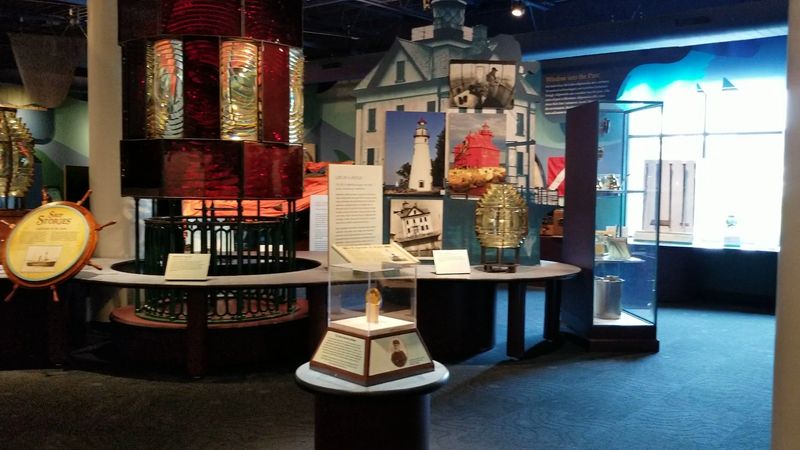
A massive map covering an entire wall shows the locations of documented shipwrecks throughout the Great Lakes. Each mark represents a vessel that met its end in these waters, and the sheer number of symbols was staggering.
I spent considerable time studying this map, reading the names of ships and the dates they sank. Some areas of the lakes showed dense clusters of wrecks, indicating particularly dangerous passages or notorious storm zones.
The museum included touchscreen interfaces that let me access detailed information about specific wrecks. I could learn about the cargo carried, the number of crew members, weather conditions, and sometimes even read survivor accounts.
This exhibit drove home the point that Great Lakes shipping has always carried significant risks. The concentration of wrecks near major ports showed how even experienced captains faced dangers when navigating busy waterways in all weather conditions throughout Ohio’s waters and beyond.
The Tugboat Ohio Offers Another Perspective
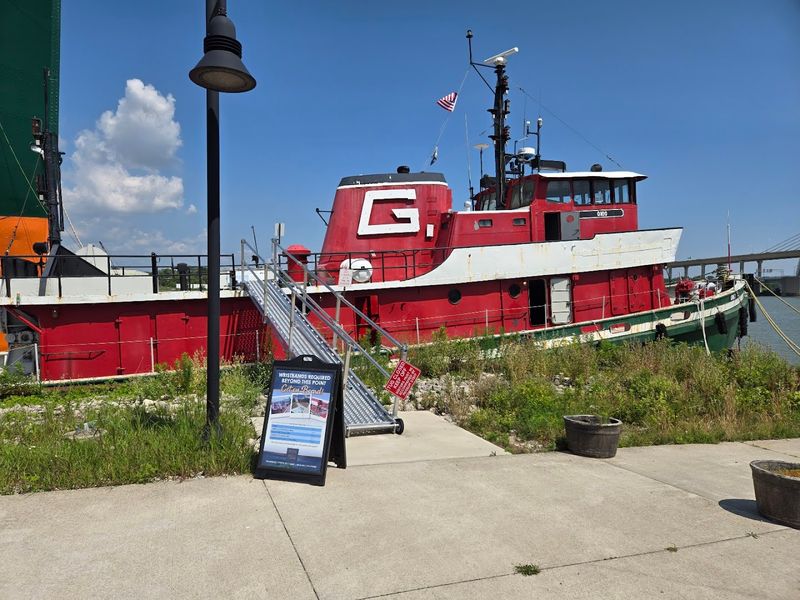
In addition to the massive freighter, the museum also maintains the tugboat Ohio, which visitors can explore during the warmer months. This smaller vessel provided a completely different perspective on Great Lakes maritime work.
Tugboats performed essential functions in harbors and narrow channels, guiding larger ships safely to dock. I climbed aboard and immediately noticed how much more compact everything was compared to the Schoonmaker.
The crew quarters on the tug were even tighter than on the freighter, with barely enough room to turn around. I gained appreciation for the specialized skills tugboat operators needed to maneuver these powerful little vessels.
Information displays explained how tugs used their engines and positioning to push or pull ships many times their size. The equipment looked deceptively simple, but the job required years of experience and split-second decision making in tight spaces and challenging conditions.
Educational Programs Serve All Ages
The museum offers extensive educational programming beyond the self-guided exhibits. I noticed several school groups during my visit, with docents leading them through targeted lessons about Great Lakes history and science.
The staff clearly put tremendous effort into making the material accessible and engaging for different age groups. I overheard one guide explaining buoyancy principles to elementary students using simple demonstrations that had the kids completely absorbed.
Adult programs include lecture series, special exhibitions, and events tied to significant anniversaries of notable shipwrecks. The museum hosted a major commemoration for the 50th anniversary of the Edmund Fitzgerald sinking, which drew visitors from across the country.
I picked up a program schedule at the front desk and was impressed by the variety of offerings. Whether you’re a serious maritime history buff or just casually interested, there are opportunities to deepen your knowledge through expert presentations and specialized tours throughout the year.
Planning Your Visit to This Toledo Treasure
The museum is generally open Monday through Saturday from 10 AM to 5 PM, with Sunday hours starting at noon. From November 1 through April 30, it is closed on Tuesdays, so plan accordingly.
Admission is reasonable at $14 for adult museum-only tickets as of early 2026, with discounted rates available for youth, seniors, military members, and other groups. I found this to be excellent value considering the amount of content and the quality of the exhibits.
I recommend allowing at least three to four hours for a thorough visit, though you could easily spend an entire day if you watch all the videos and read every information panel. The ships alone can take two hours to explore properly.
Wear comfortable shoes because you’ll be doing a lot of walking and climbing stairs. The ship tours involve steep ladders and narrow passages, so consider mobility limitations when planning.
The museum provides clear warnings about physical demands at the entrance to each vessel, helping visitors make informed decisions about which areas to explore.