
This Ohio Planetarium Is A 2026 Day Trip That Feels Surprisingly Fun
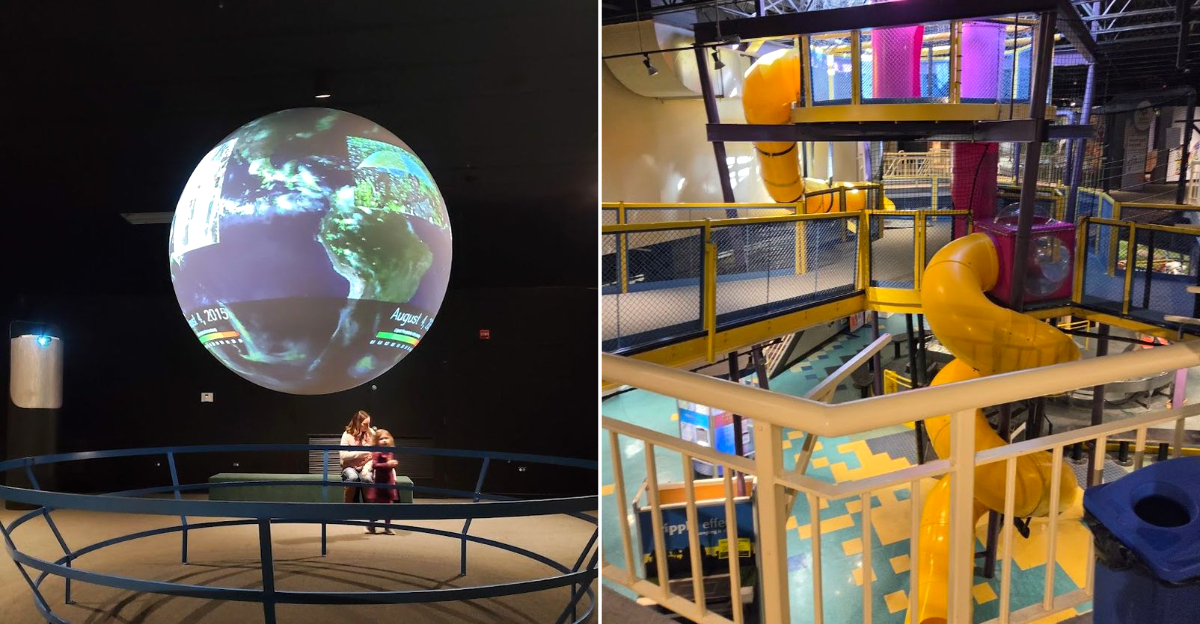
I expected a quiet planetarium visit and perhaps one respectable hour of looking upward. Ohio had other plans for the afternoon.
Inside, the stars are only the beginning. Live animals, hands-on science, fossils, climbing areas, and one wonderfully chaotic room of curiosities keep turning the visit in directions you do not see coming.
Can a planetarium really carry an entire 2026 day trip? This Dayton stop makes a surprisingly strong case, especially once the ceiling disappears and the universe takes over.
What The Boonshoft Museum Of Discovery Actually Is
Most people driving past Deweese Parkway have no idea what is hiding behind those doors.
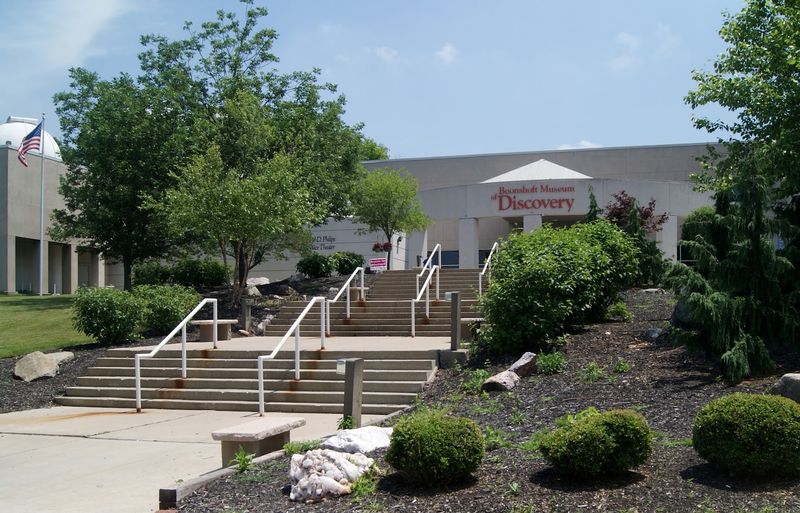
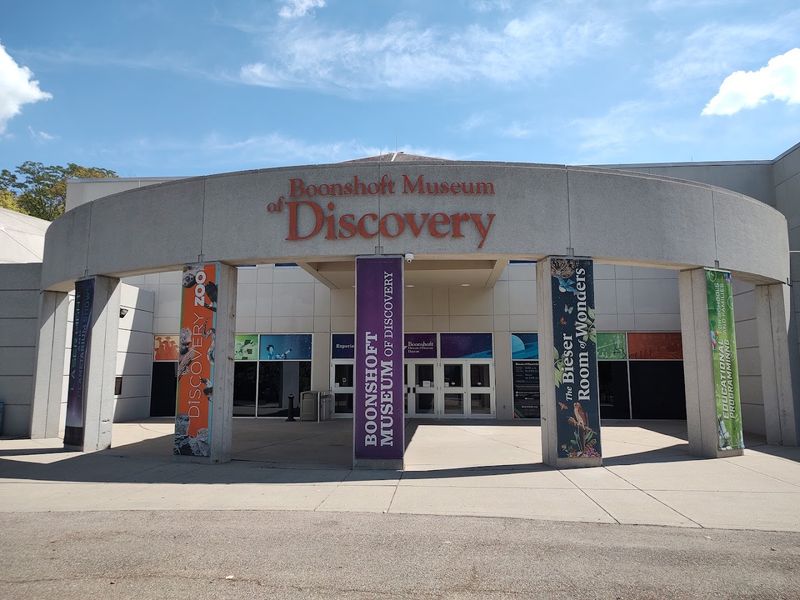
The Boonshoft Museum of Discovery combines a children’s museum, science center, natural-history museum, planetarium, observatory, and accredited Discovery Zoo inside one surprisingly large building.
The museum blends hands-on learning with live animals, space exploration, fossils, natural-history collections, and interactive science exhibits. It is not the kind of place where you read a placard and move on.
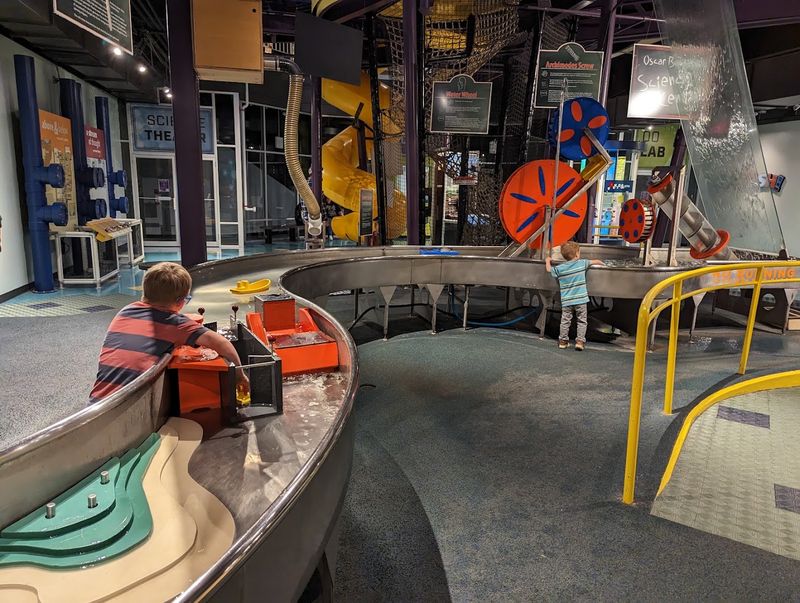
You touch things, build things, experiment with water, and explore exhibits designed to make scientific ideas easier to understand.
The separate SunWatch Village attraction is the archaeological site operated by the Dayton Society of Natural History. It is located elsewhere in Dayton rather than inside the Boonshoft Museum.
Families have been coming here for years, and newer additions such as the Ice Age lobby have continued to change the experience for repeat visitors.
The museum sits at 2600 Deweese Pkwy, Dayton, OH 45414. Plan for at least two to three hours, because there is genuinely a lot to see.
The Planetarium Show That Stole The Day
The planetarium is the kind of experience that makes you forget you are sitting in a chair in the middle of Ohio.
The projected night sky wraps around the dome above you, and suddenly the ceiling disappears and the universe takes over.
The show I caught focused on our solar system, tracing the planets and their orbits in a way that felt genuinely cinematic. My neck was craned upward the whole time, and I was not even a little embarrassed about it.
Kids absolutely love this part of the museum. I watched a group of young kids gasp when Saturn appeared overhead, its rings glowing in full detail.
That kind of reaction says everything about how well the show is produced.
The planetarium runs on a daily schedule, so checking the museum website before your visit is a smart move. Shows fill up, and you do not want to miss the highlight of your trip because you wandered into the fossil room for too long.
Trust me on that one.
The Bieser Room Of Wonder And Its Magical Chaos
There is a room inside this museum that genuinely stopped me in my tracks.
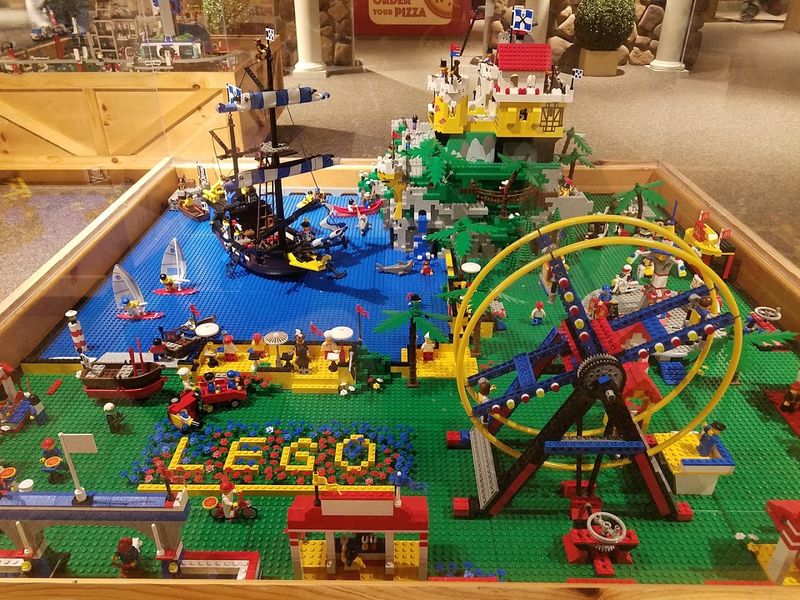
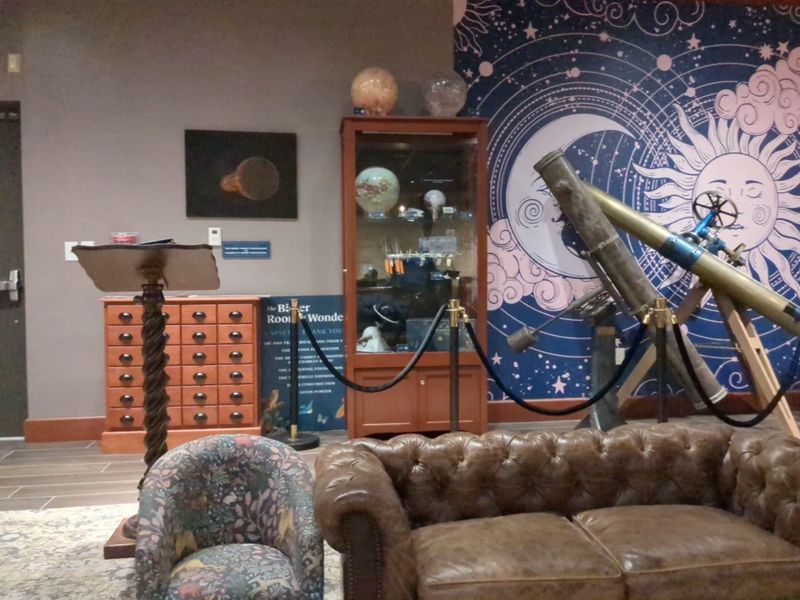
The Bieser Room of Wonder is exactly what its name suggests, a space so packed with objects and curiosities that your eyes do not know where to land first.
The room has been described as stepping inside an I Spy book, and that comparison is spot on. Every shelf, wall, and corner holds something unexpected.
Vintage toys, scientific instruments, natural specimens, and strange little artifacts sit side by side in organized, beautiful chaos.
Adults tend to linger here just as long as the kids do, maybe longer. There is something deeply satisfying about scanning the room and slowly realizing how many layers of detail are hidden in plain sight.
The room opened roughly four years ago and has become one of the most talked-about spots in the museum. It is the kind of exhibit that rewards patience.
The longer you look, the more you find. I went back twice during my visit, just to see what I had missed the first time around.
Live Animals That Make The Place Feel Alive
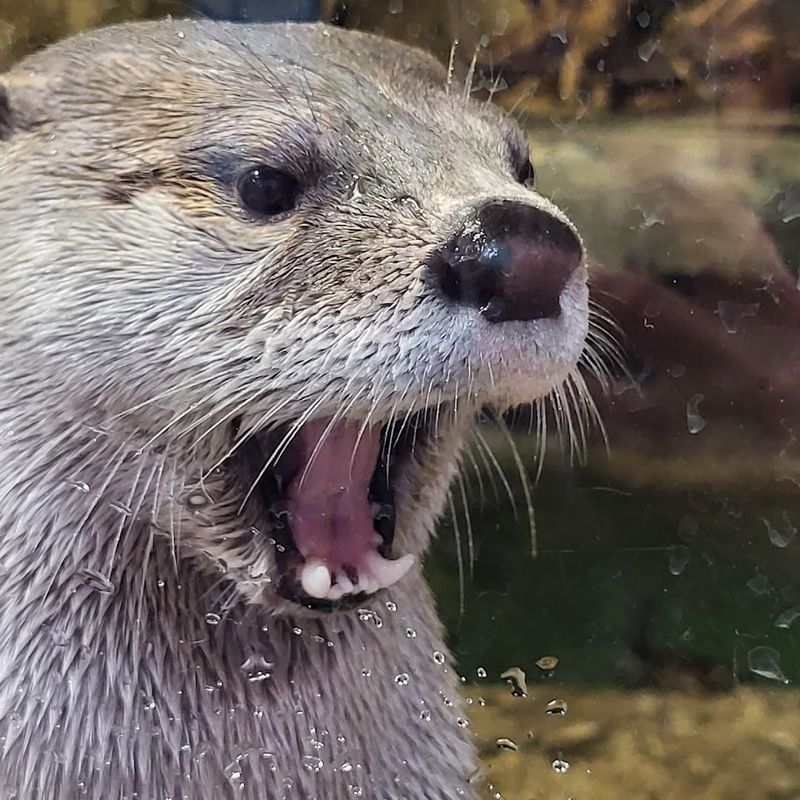
Seeing live animals inside a museum is always a treat, but the animal exhibits here go beyond a simple tank or enclosure.
The accredited Discovery Zoo introduces visitors to more than 100 mammals, birds, reptiles, fish, and invertebrates.
The North American river otters, Eno and Sikwa, are crowd favorites, and it is easy to see why. Watching them move through the water and interact with their habitat can hold a visitor’s attention far longer than expected.
The zoo also cares for sloths, porcupines, agoutis, reptiles, birds, and animal ambassadors used during educational encounters.
Sheldon the three-banded armadillo is one of the current ambassador animals, replacing the incorrect reference to an armadillo named Banjo.
Keeper talks, animal encounters, and selected feedings are scheduled during the week, with many taking place in the afternoon. Check the current daily schedule after arriving because animals and program times can change.
Hands-On Science Experiments Kids Cannot Get Enough Of
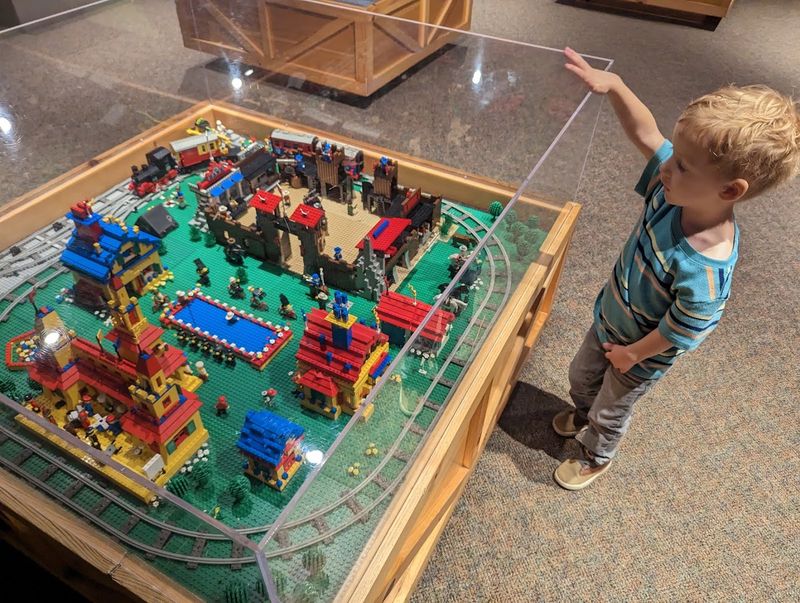
The science stations scattered throughout this museum are a major reason families come back. These are not passive displays you glance at and immediately forget.
Visitors can adjust controls, experiment with water, explore physics, build structures, and test ideas through exhibits such as the Water Table, White Allen Racetrack, and Strictly Briks.
The water area is especially popular with younger children, so rolling up sleeves before they begin experimenting can be a practical move.
Older children can explore engineering and physics activities, while the Do Lab provides short guided experiments recommended primarily for ages five and older.
Science Theater presentations use live demonstrations to explore subjects such as electricity, chemical reactions, and states of matter.
Many scheduled public programs are included with admission, but selected Scientist Lab activities and specialty programs require an additional ticket. Check the daily schedule for current topics, costs, and capacity limits.
The Space Wing And Solar System Exhibit

Space can make everything feel bigger, and the astronomy exhibits at this museum deliver that feeling with style.
The Hall of the Universe introduces visitors to astronomy and space science before they enter the Caryl D. Philips Space Theater for an immersive dome presentation.
The planetarium’s schedule changes throughout the year, with astronomy programs, family shows, laser presentations, and other digital experiences appearing at different times.
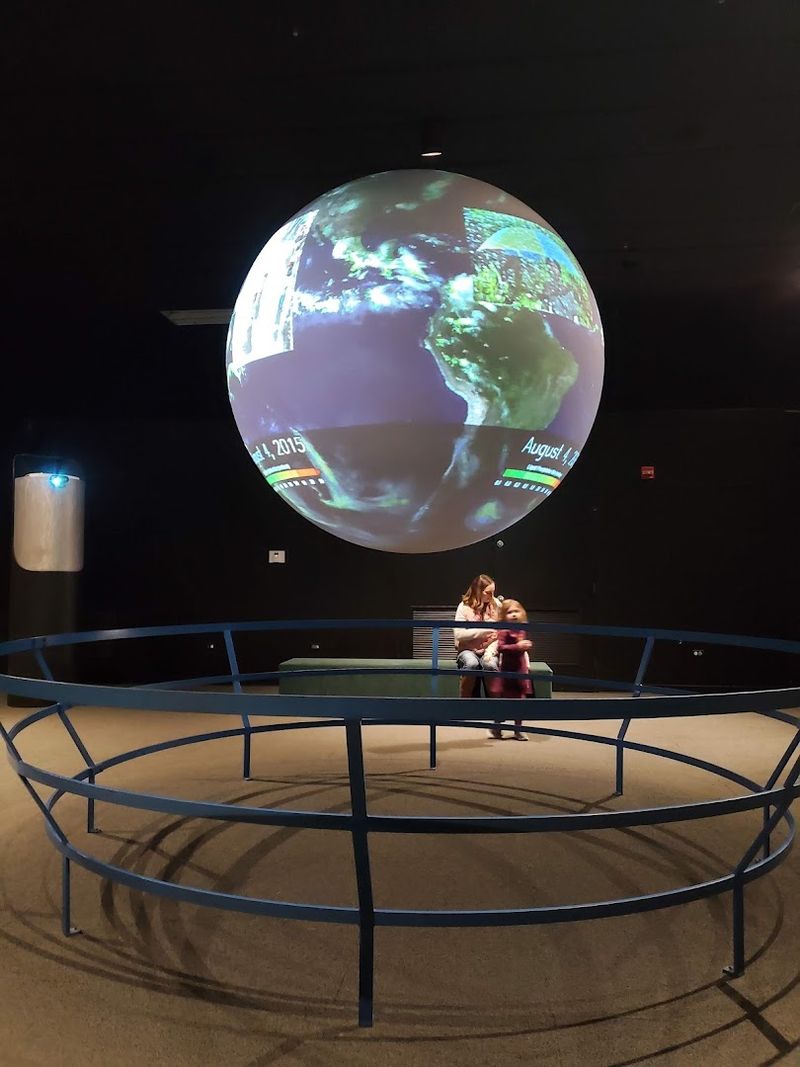
Science on a Sphere adds another perspective by using a large suspended globe to present programs about Earth, the Moon, weather, and other scientific subjects.
The museum does not currently advertise a newly renovated room devoted exclusively to the solar system. Its newest major exhibit work instead focuses on the Ice Age and a continuing first-floor transformation exploring local rivers, water systems, and ecosystems.
For families with a budding astronomer at home, combining the Hall of the Universe with a planetarium show still creates a satisfying space-themed portion of the day.
Fossils, Archaeology, And A Surprising Amount Of History
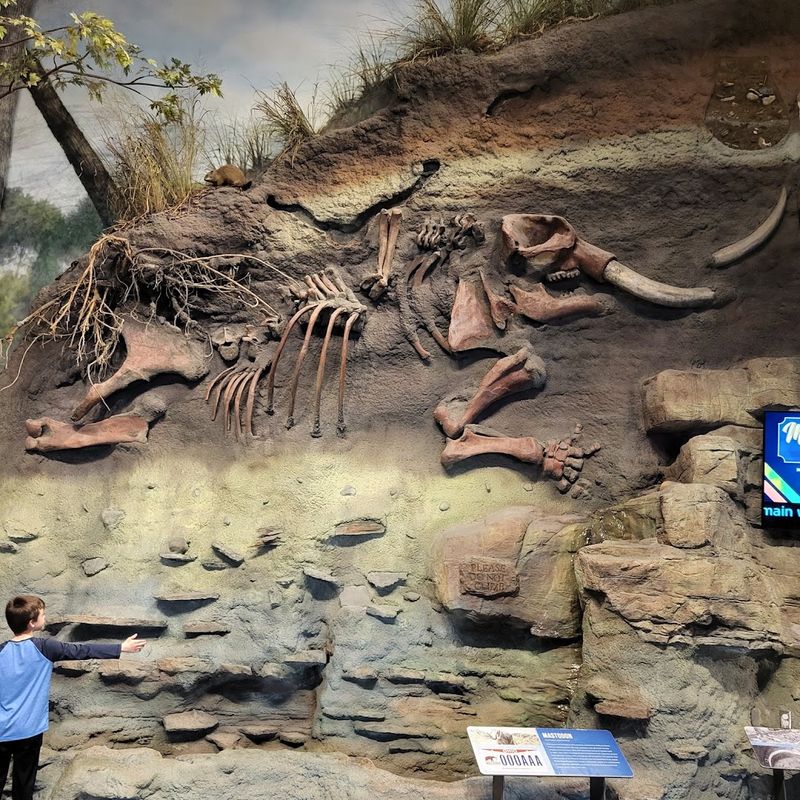
Natural history adds a layer of depth you might not expect from a place that also has otters, climbing areas, and water tables.
The Paleo Lab lets visitors examine dinosaur bones and restored fossils, while the Bieser Room of Wonders displays natural specimens, cultural objects, and pieces connected to the museum’s long collecting history.
The redesigned Ice Age lobby introduces full-scale mammal recreations, skeletons, interactive kiosks, and objects connected to animals that lived in Ohio thousands of years ago.
Additional exhibits explore Ancient Egypt and include Nesiur, an Egyptian mummy that has become one of the museum’s best-known collection pieces.
The Boonshoft Museum does not sit on an archaeological site. Visitors interested in an actual reconstructed settlement and archaeological property can visit SunWatch Village at its separate Dayton location.
For school-age children and adults who enjoy natural history, these exhibits provide a quieter counterbalance to the museum’s more energetic play areas.
The Tree Canopy And Climbing Areas For Active Kids
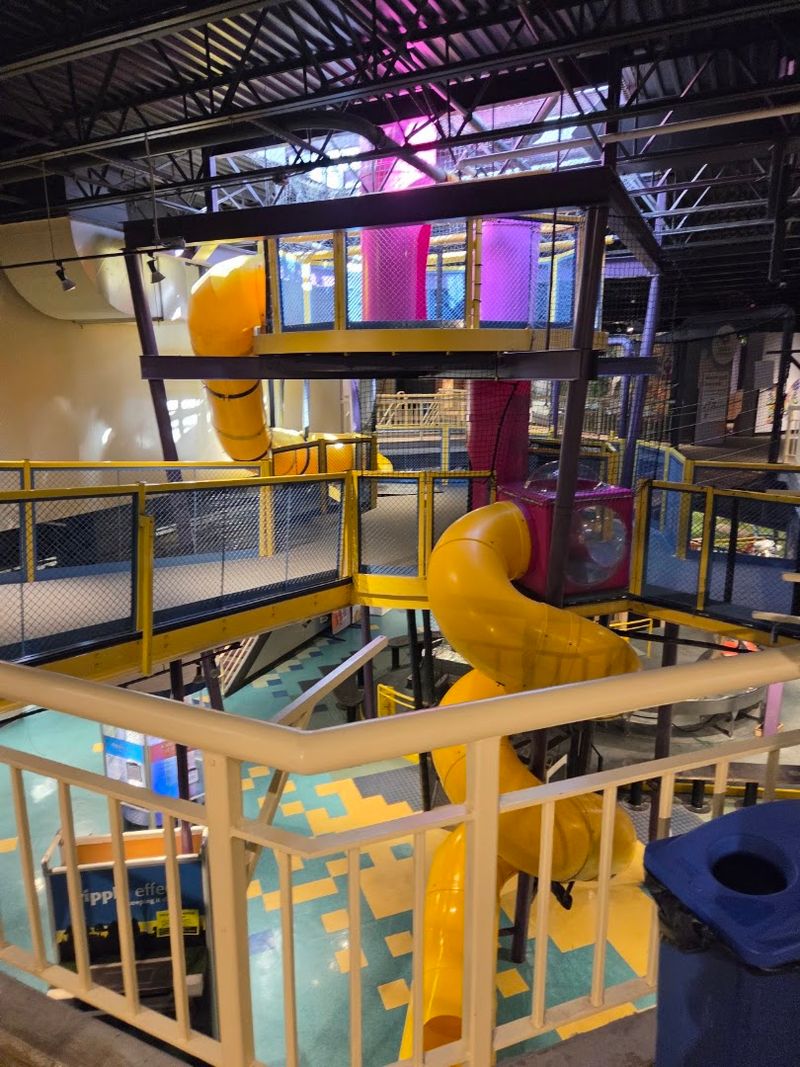
Not every child wants to stand still and read a label, and this museum understands that better than most.
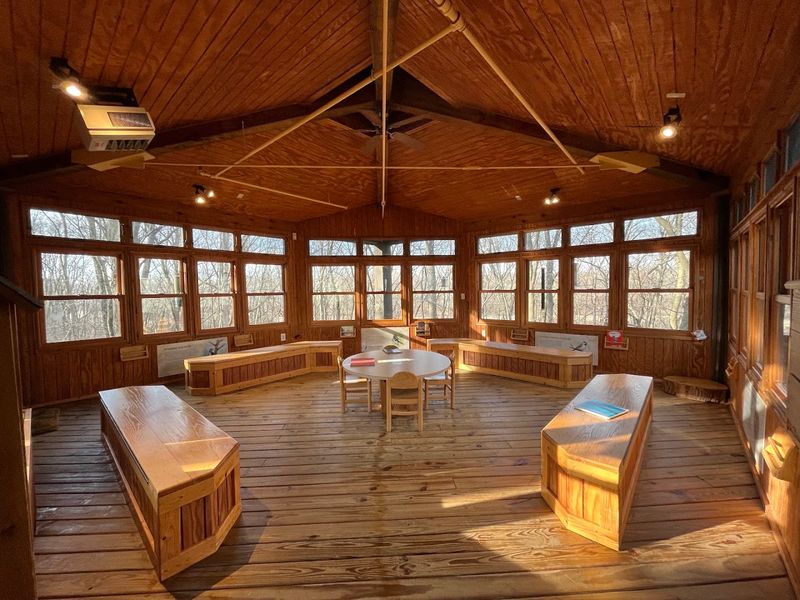
Its elevated treehouse and climbing features provide a physical break from the more traditional exhibit areas.
The Treehouse offers views of local birds and the surrounding landscape, while the climbing tower lets children move between portions of the first and second floors.
Parents tend to appreciate this area for obvious reasons. Children get a chance to move, while adults can pause before continuing through the museum.
The building is fully accessible, and the climbing tower can be reached from both floors.
Individual play features may still require full leg movement, so not every component will work for every visitor even though the principal tower is accessible.
The museum is also developing a new water-themed climbing structure as part of its wider first-floor transformation, so the precise layout may continue changing during the renovation.
Pricing, Discounts, And Ways To Save On Your Visit
General admission currently costs $16 for adults ages 13 through 59, $13 for children ages three through twelve, and $14 for seniors age 60 and older.
Children two and younger and Dayton Society of Natural History members enter free.
Visitors using qualifying SNAP EBT, WIC, Medicaid, or Miami Valley Community ID documentation may receive $5 admission through the Museums for All program, subject to the museum’s current eligibility rules.
The Boonshoft Museum also participates in reciprocal programs connected with ASTC, AZA, and the Association of Children’s Museums.
Reciprocal admission may be free or discounted by 50 percent depending on the visitor’s membership and the current agreement, so checking the relevant participation list before arriving is important.
Military, AAA, and State Farm discounts are also available in smaller amounts, and every discounted ticket must be purchased in person.
The museum website lists current prices and requirements, making it the safest place to check before planning the family budget.
The Cafe And Gift Shop Worth Mentioning
Having food available inside the museum is a practical advantage for families who want to stay for several hours.
The second-floor Eco Eatery is currently open each day and sells drinks, snacks, and meals, although its menu and prices can change.
The museum’s current food-service approach emphasizes preparing menu items from scratch while limiting the use of fully prepackaged products where practical.
Visitors may also bring coolers, but food must be consumed in designated areas, and seating remains available on a first-come, first-served basis.
The museum operates a gift shop through its Guest Services area, giving visitors a place to browse before leaving.
Checking the current Eco Eatery menu rather than relying on older claims about dollar water or specific sandwich prices will prevent unpleasant surprises.
When To Visit And How To Plan Your Day
Timing your visit can make a real difference in how the day feels. Monday mornings are often among the quieter weekday periods, while Sundays are generally slower than Saturdays.
No particular day is guaranteed to be quiet because attendance changes with holidays, school vacations, weather, and special events.
The museum opens from 9 AM to 5 PM Monday through Saturday and from noon to 5 PM on Sunday.
School field trips are especially common from mid-March through the end of May, so weekday visitors during that period may encounter several student groups.
The museum is large enough to spread visitors across multiple floors, but popular programs still have fixed capacity limits.
Checking the daily schedule online before arriving is one of the most useful planning steps. Planetarium programs, science demonstrations, animal encounters, and feedings can change from week to week.
The museum also closes for several holidays, occasional training days, and its annual fundraising event, which is scheduled for August 22 in 2026.
Why This Museum Keeps Pulling People Back
The Boonshoft Museum of Discovery has built a loyal following because it combines several different kinds of attraction inside one manageable building.
The variety is a major part of why families return. One visit might revolve around the otters, while another could focus on the planetarium, fossils, science demonstrations, or climbing areas.
The museum has also continued investing in substantial changes rather than leaving every exhibit untouched for decades.
The new Ice Age lobby introduces life-sized mammal recreations and interactive elements, while the wider first-floor transformation will eventually add updated water exhibits and a new themed climbing structure.
Daily program schedules also rotate, giving repeat visitors opportunities to encounter different planetarium shows, experiments, animal programs, and demonstrations.
For anyone looking for a 2026 Dayton day trip that delivers several experiences without requiring a complicated itinerary, the museum makes a strong case for itself.